
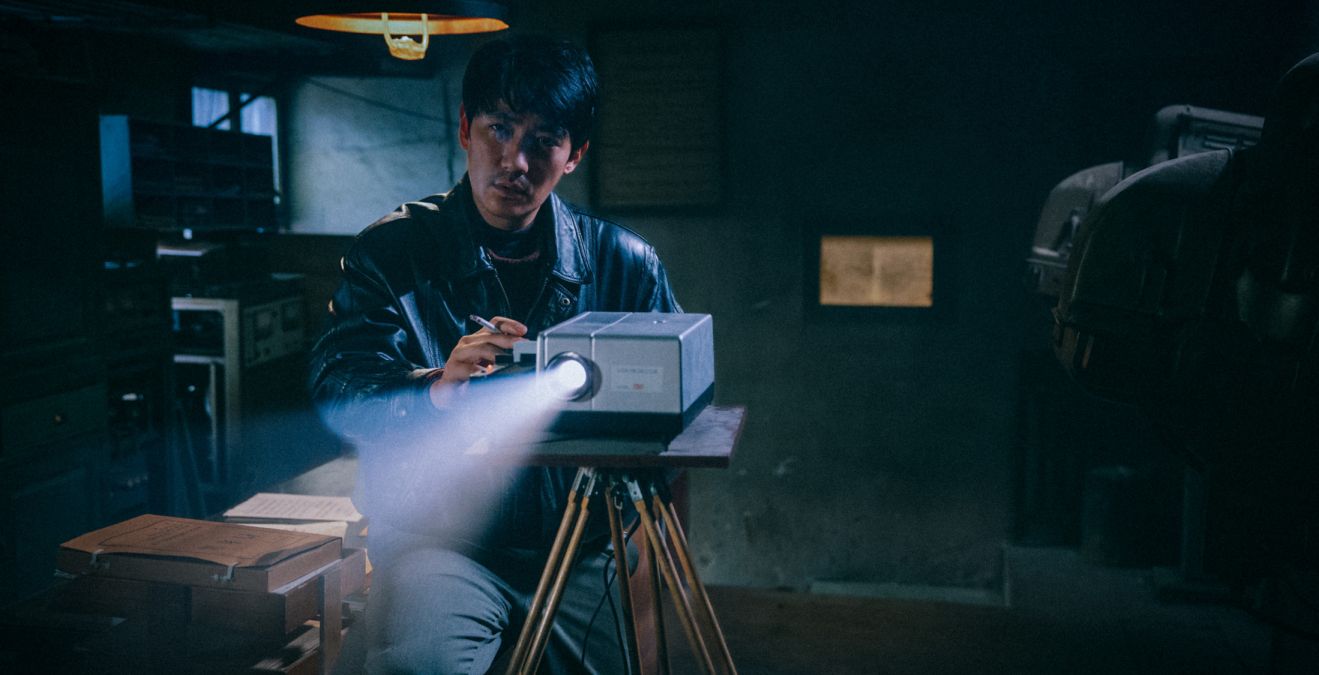
The Chinese noir detective ‘Only the River Flows’ by director Wei Shujun has been released in Russian theaters, about an investigator trying to catch a serial killer in 1990s China. How an abundance of symbolism and the image of an unreliable narrato...
1990s, a small town in southern China. One night, it is shaken by the news of the murder of an old woman nicknamed Fourth on the riverbank. Local investigators begin to unravel the case, which grows with new details, witnesses, and suspects. Meanwhile, two more murders occur in the town, seemingly unrelated to each other.
‘Only the River Flows’ is a film adaptation of Yu Hua’s 1987 story ‘Mistake by the River’ directed by Wei Shujun. In 2023, the film was shown at the Cannes Film Festival in the ‘Un Certain Regard’ section. Yu Hua is a lover of absurdity and postmodernism, and the film incorporates the distinctive features of these movements. And although the film made some plot changes, adding new characters or storylines, the main thing is that it very subtly conveyed the spirit of China in those years. The director introduces us to the life, everyday life, and traditions of the Chinese population in the 1990s through the prism of the characters' personal tragedies, their concepts of good and evil, and small moments from daily life.
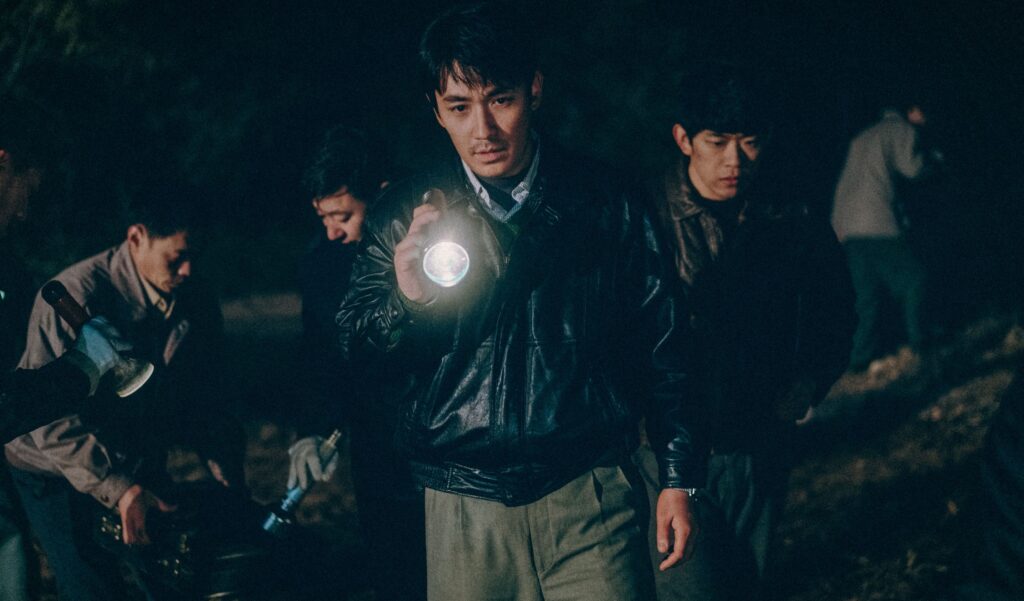
Before us is a local investigator trying to solve a series of murders that began with the killing of an elderly woman. At first, it seems that catching the criminal is the main driver of the plot, but the further the story unfolds, the more obvious it becomes that the main question is what it is like to be a murderer. We become increasingly captivated by the personal story of the protagonist, who is entangled in a web of unreliable memories and wanders through the dark streets of the city in search of the truth. But is there an objective truth in the world? Or does everything depend on perspective?
Hints at the theatricality and illusory nature of events begin from the very start, placing the police station in a former cinema building. Director Wei Shujun drops various clues, winks and hints at us, making us lose ourselves in doubts about what is real and what is the product of an unreliable narrator's fevered mind. We are gently enveloped in a haze of confusion, and we wonder: what we see is reality, and what is a dream. It all depends on whose eyes we are looking through: the eyes of a policeman or the eyes of a murderer?
The film is full of symbolism that works both for understanding the essence of the story and for self-deception. The river is featured in the title for a reason: in the image of the ceaselessly flowing streams of water lies a hint about how best to perceive what is happening on screen. And the idiom ‘Everything flows, everything changes’ takes on additional meanings in this film.
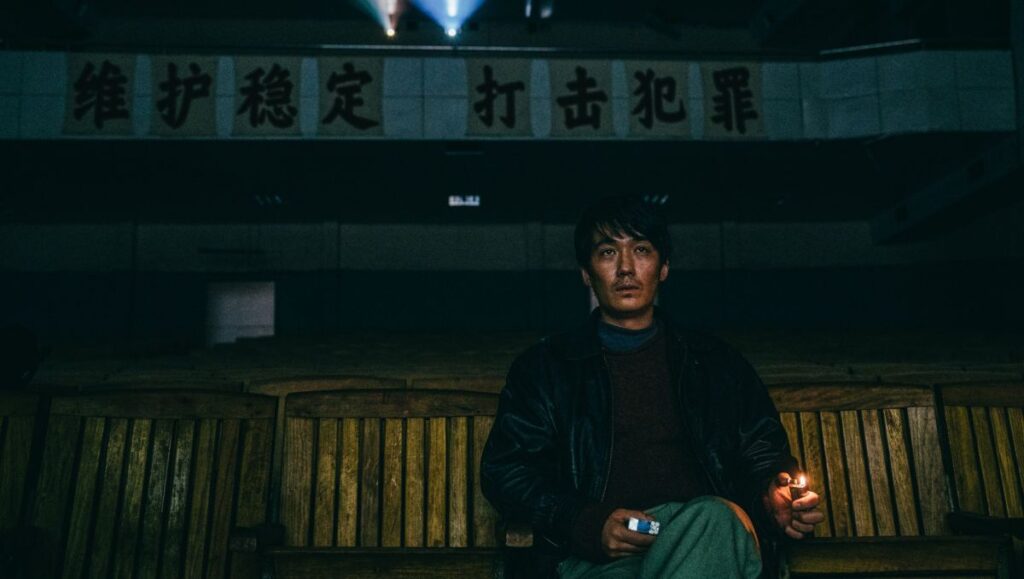
Music plays an important role in Yu Hua's works. And in the film, the musical accompaniment is used to enhance the emotional impact, plunging us deeper into the abyss of anxieties. Pauses and lagging sounds, which seem to constantly try to catch up with the events on screen, add tension and nervousness. And all this is seasoned with atmospheric visuals that create aesthetically beautiful frames that enchant and hypnotize.
The Chinese noir detective ‘Only the River Flows’ is a leisurely film that nevertheless plays many tricks and confuses, although there are no intricate puzzles here. Some things may cause bewilderment and doubts about what is true and what is fantasy. And the ending, reminiscent in its openness of the finale of Christopher Nolan's ‘Inception’, will add reasons for debate. As a result, you leave the cinema with a feeling of slight embarrassment. You seem to understand what the director (and the writer too) wanted to say, but at the same time, everyone may have their own answer.
‘Only the River Flows’ is released in wide distribution in Russia from June 27 thanks to the film distribution company A-One.
Comments
0No comments yet.
Sign in to join the discussion.