
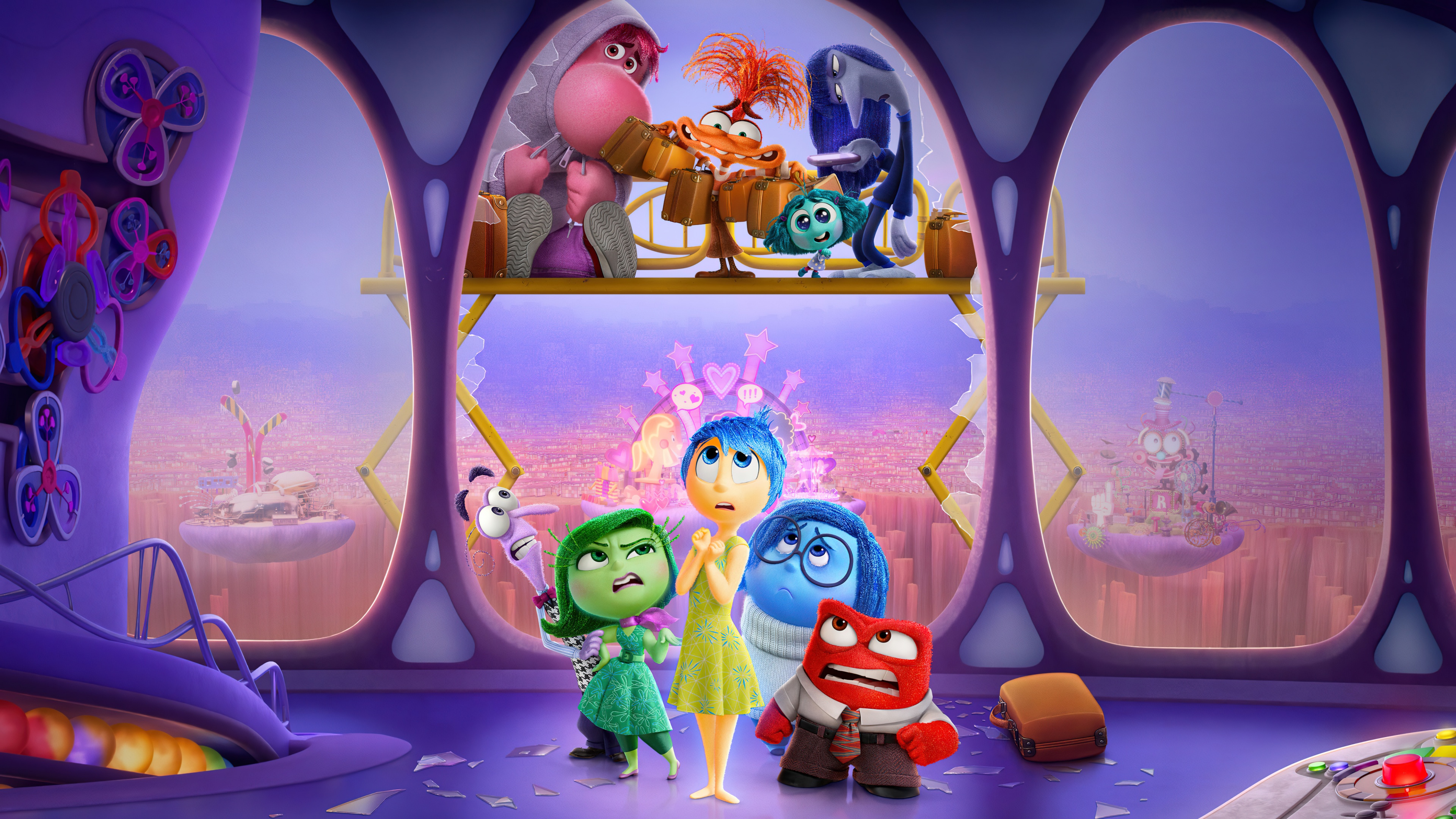
One of the most anticipated animated films of the year, 'Inside Out 2' from the legendary Pixar studio, has been released worldwide. How interesting is it to follow Riley's expanded emotional spectrum, and did the sequel succeed? Find out in our revi...
The first 'Inside Out' came out nine years ago and became a real hit both among critics (98% on Rotten Tomatoes) and audiences (almost $860 million at the box office). The story about a girl upset about moving and her emotions shown inside her head became another successful lot in the studio's library rich in excellent projects. Since then, a lot of water has flown under the bridge, and not only Riley has changed. However, the sequel turned out worthy of the original, although it was made primarily with a capitalist goal.
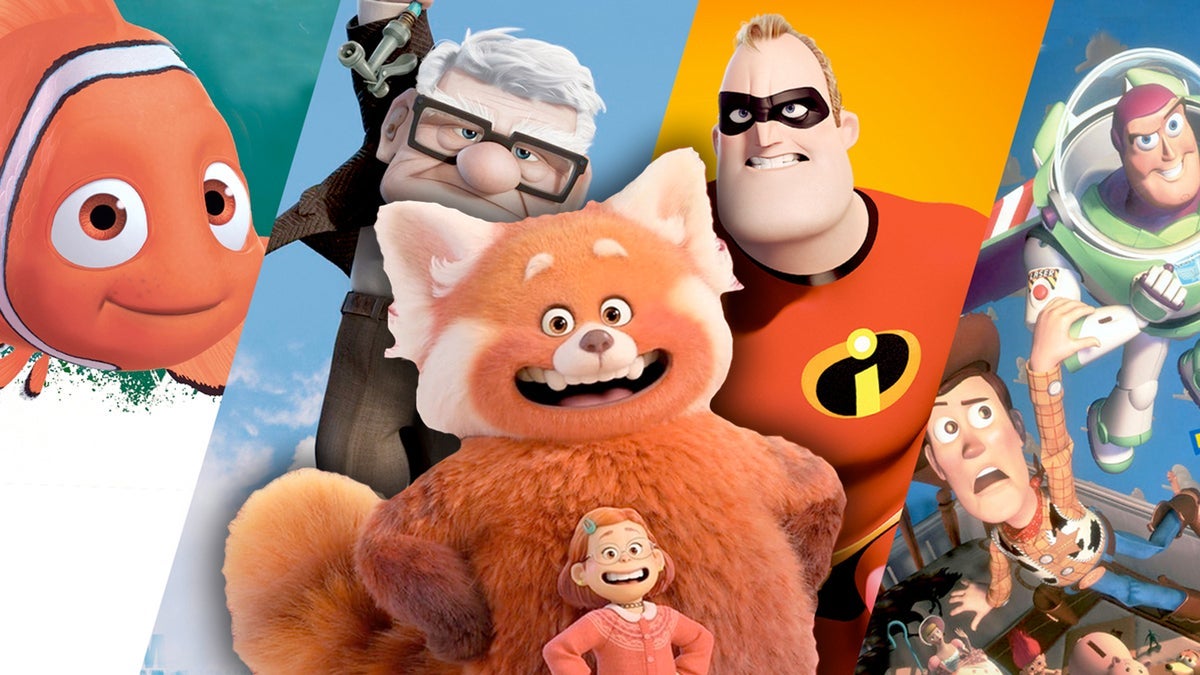
Pixar is a real factory for producing touching, funny, and instructive masterpieces. Each new work of the studio attracts the well-deserved attention of millions of viewers. But
Open materialBefore we begin, we would like to agitate you to subscribe to our Telegram channel 'After the Credits' (here's the link). There we post posters, trailers, and various interesting and funny news from the world of cinema.
What's the plot?
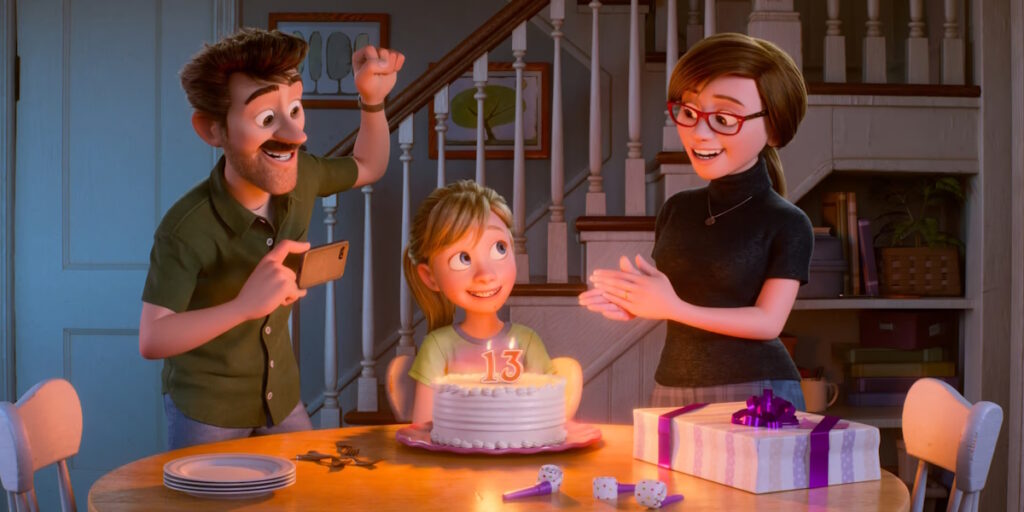
Two years have passed since the move from Minnesota to California. Riley is now 13. She has adapted to school, made friends, and is successfully showing herself on the ice as part of the local hockey team. Her personality has formed into a Belief Tree consisting mainly of joyful memories. Riley's main motto: 'I am a good person'. The girl's life is going so smoothly thanks to the efforts of the five basic emotions in her head: Joy, Anger, Sadness, Fear, and Disgust.
One day, after another amazing match, Riley and her friends are invited to a three-day hockey camp where the girls have a chance to show themselves and get into a new cool team. However, right before the event, it turns out that her best friends will soon move to another school, and in addition, a pubertal restructuring begins in the heroine's head, and the spectrum of emotions is supplemented by four more characters: Anxiety, Envy, Embarrassment, and Ennui.
The new emotions initially try to work together with the 'old-timers'. But in the end, they decide to break the personal Belief Tree, and suppress the magnificent five (without a goalkeeper, unfortunately) by locking them in a safe where secrets are stored. Now Joy and her colleagues in brain management need to restore Riley's good personality and prevent Anxiety from ruining the girl's life by forming new beliefs from anxious memories.
A Puzzle to Increase Box Office
As is known, Pixar is going through hard times now. Not long ago, the 'jumping lamp corporation' laid off 175 employees (14% of the entire staff), among whom were artists of the second 'Inside Out'. Now these workers will not receive bonuses for the excellent box office of the film (at the time of writing, the film has already grossed $500 million worldwide), even though they worked with night overtime.
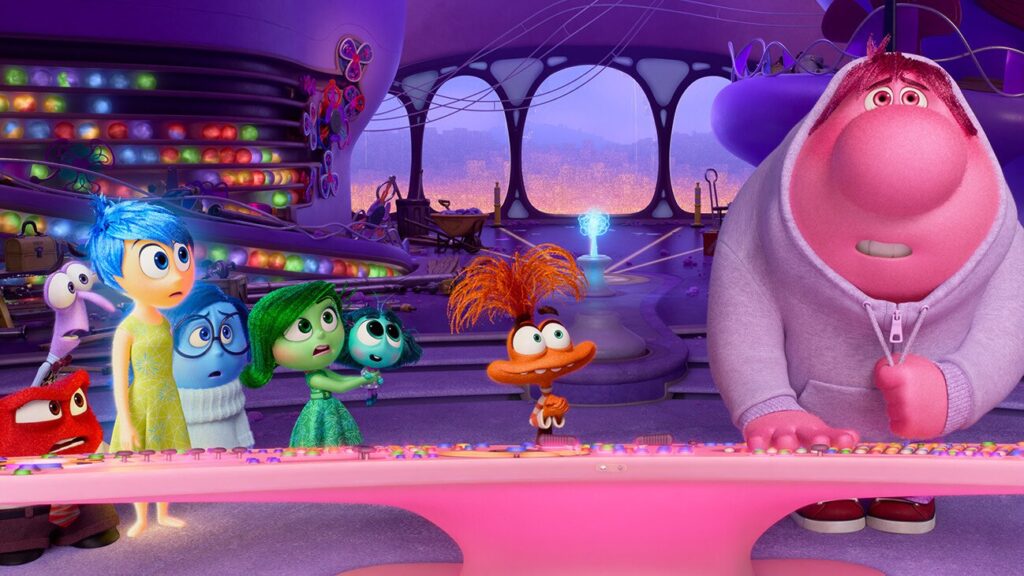
Such actions are directly related to Disney, whose CEO decided that the 'mouse house' needed a restructuring (apparently also pubertal). It suddenly turned out that viewers are not interested in watching a bunch of mediocre and bad projects, so they decided: 'less is more'. We understand, it's hard to figure that out without losing a few billion dollars. So now many employees are being laid off, and Pixar's staff is no exception.
In addition, the animation studio's recent projects brought many losses: starting with the film 'Onward', released during the COVID period, and ending with the frankly bad 'Lightyear' and the rather mediocre 'Elemental'. Based on the loss of audience interest, Disney bosses decided to change policy and instead of 'directors' personal projects' give more preference to well-known brands and sequels. Considering that Pixar's head once called sequels 'creative bankruptcy', it's a rather strange strategy.
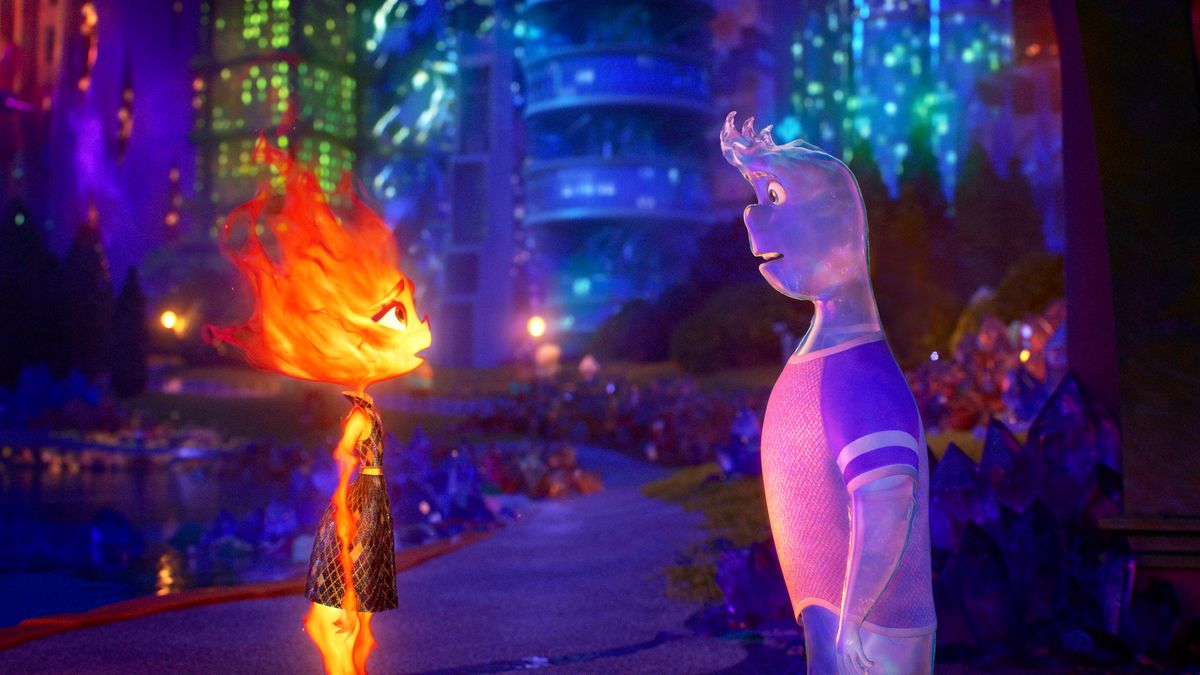
For several weeks now, 'Elemental' has been trying to squeeze out of the viewer if not a tear, then at least money for recoupment – a sluggish, like a flower grown under the armpit of one and
Open material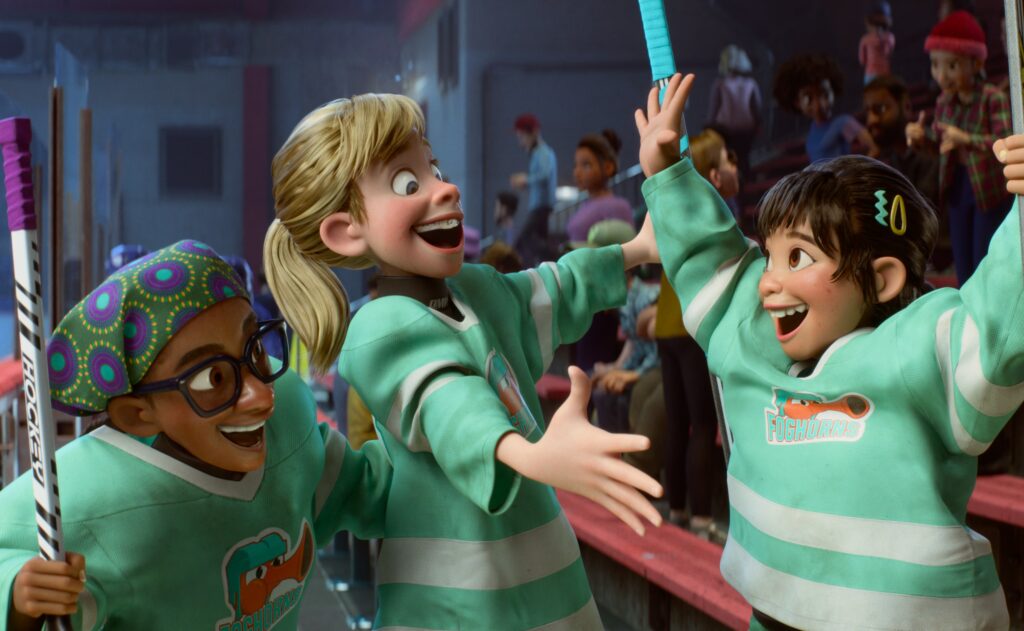
However, the second 'Inside Out' and its box office success will now definitely cement in the minds of directors the idea of the correctness of the chosen path. This does not mean a complete abandonment of new projects, but that in the coming years viewers will see more sequels of well-known franchises than original personal stories is almost an inevitable outcome. And it will be a miracle if every such animated film turns out to be good and successful, like 'Inside Out 2', where the number '2' means 'sitting on two chairs'.
The director of the sequel was appointed practically a debutant Kelsey Mann (ten years ago he made the short film 'Party Central' in the 'Monsters, Inc.' universe). Moving away from the theme of first love from the mini-film 'Riley's First Date?', the animator and one of the screenwriters placed teenage growing up at the center of the story. The girl has outgrown old things, she has braces with rubber bands on her teeth, and emotions become more complex.
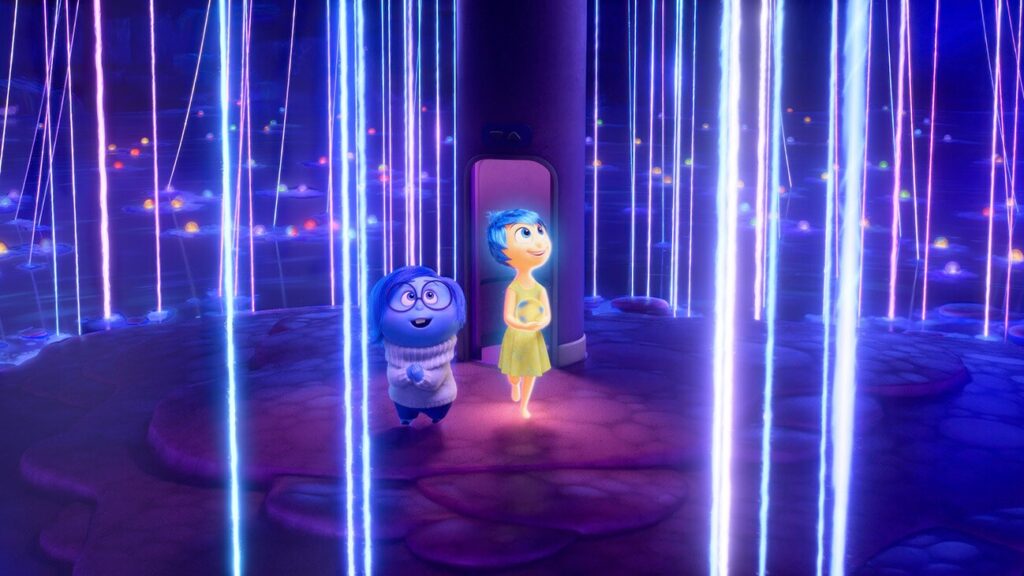
Anxiety, who appears at the head of the newcomers, immediately distinguishes the difference between herself and Fear, explaining that she protects the girl from future dangers, not immediate ones. It's not a fact that these events will happen, but everyone is painfully familiar with the feeling of possible failure that can eat away from within and lead to an even worse outcome. By the way, probably due to some similarity and a common desire to protect Riley from danger, Fear throughout the film holds up Anxiety as an example (even admires her a little), although he remains on Joy's side.
I Hide from Panic Attacks Every Day
The fact that 'Inside Out' did not imply a sequel is obvious. However, the creators made every effort to make the sequel worthy of the original. The reverence and respect for the first part are very noticeable (sometimes even too much, given the self-repetitions). Although, if you think about it, the absence of all new emotions in the parents greatly spoils the logic of the cartoon universe. They were not in the first project and the short film (for obvious reasons), and here they were absent throughout the film, appearing only at the end (and not all of them). Of course, this is not the biggest plot flaw that could have appeared when creating the story, but a clear explanation for the absence of characters would still be nice to see. Otherwise, the capitalist reasons for the new film's creation begin to protrude more clearly than one would like.
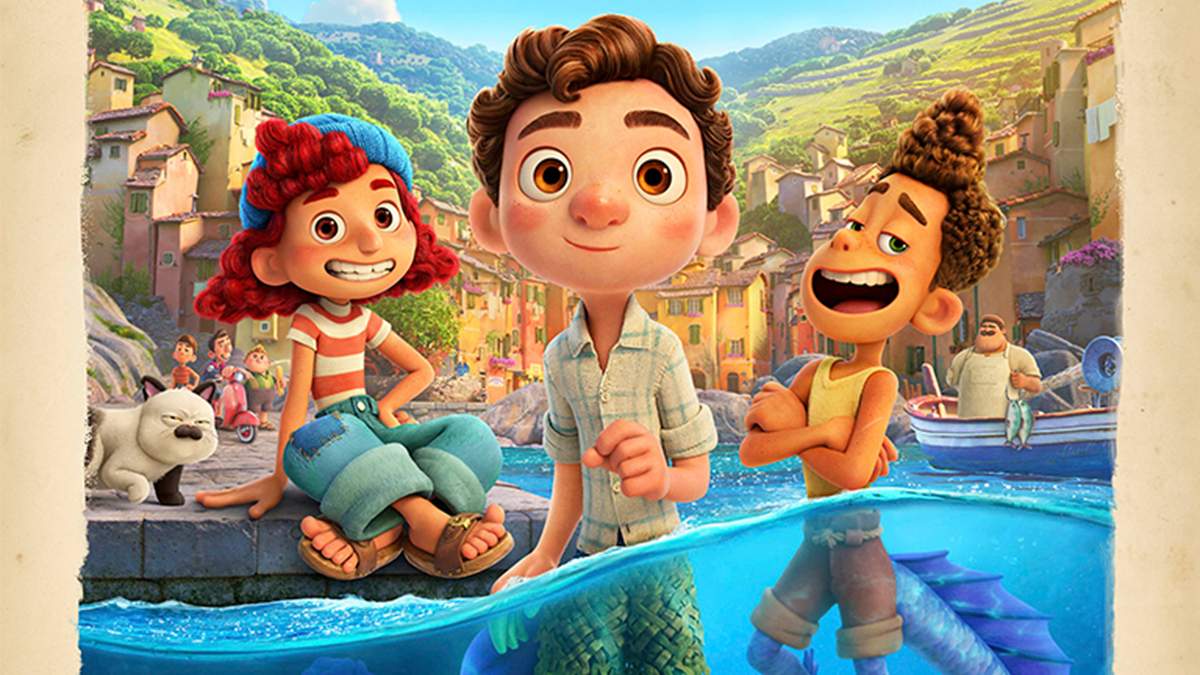
Despite minor shortcomings in the form of mercantile goals, self-repetitions, and a win-win sterile choice of theme, Pixar managed to create an excellent sequel. 'Inside Out 2' is definitely a great animated film. The best since 'Luca'. It echoes the original, but at the same time raises important and necessary questions. The film will be interesting to watch for both adults and children. So to speak, all in the best traditions of the 'golden age of Pixar', when every project became a masterpiece.
In an hour and a half, the creators manage to talk with the audience about growing up, the importance of psychological health, self-determination and personality formation, teamwork, and, of course, friendship. The second 'Inside Out' perfectly encompasses all the diversity of themes, creates excellent ground for reflection, and demonstrates several magnificent images. For example, Riley's experienced panic attack, or the phrase that with age there is less joy, spoken by Joy herself, are incredibly powerful moments.
Also, the creators slightly expand the universe inside the heroine's head (how could it be otherwise). The viewer gets acquainted with the Abyss of Sarcasm, Mount Crushmore, and the Vault of Secrets. In addition, the second 'Inside Out' can boast several new interesting characters. The coolest of them is a banana bag named Banganana, reminiscent of Toodles from 'Mickey Mouse Clubhouse' and Map from 'Dora the Explorer'. By the way, I have a theory that if the cartoon continues and the action goes beyond the head, then viewers will meet 'fast as a bullet — leukocyte and pill: Ozzy and Drix!'.
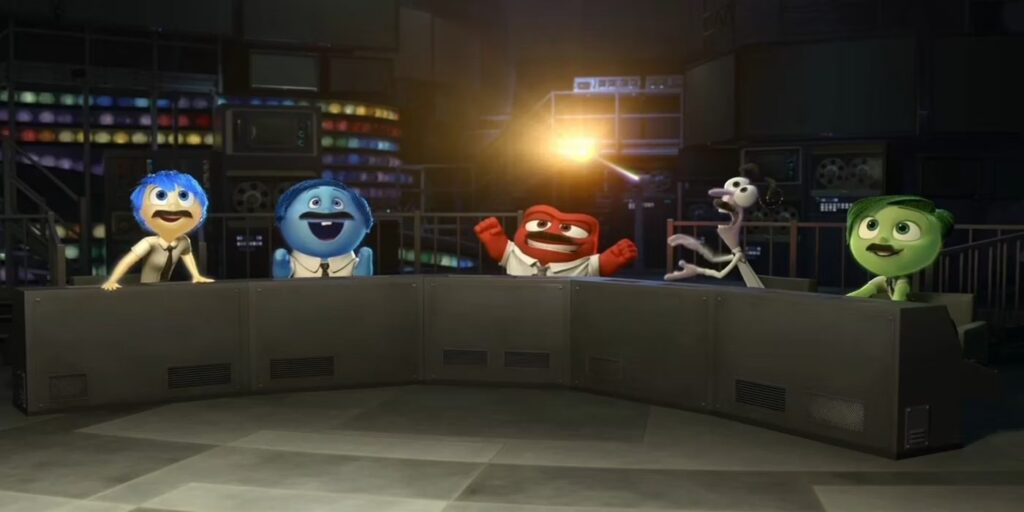
By tradition, it is worth saying that the visual component of Pixar is simply beyond all praise. The world, as always, is very detailed, and on the characters, if desired, you can see every fiber and sparkle. 'Inside Out 2' is a true feast for the eyes. The film justifies every dollar of its $200 million budget. It is clear that the studio's projects have always been famous for their graphics, so why should the new one be an exception? I agree, but not highlighting the excellent visuals of the film would be a real crime, given the titanic efforts and night overtime of people who, moreover, were so unfairly laid off.
What's the bottom line?
'Inside Out 2' perfectly demonstrates that it is quite difficult for a person to live with five basic emotions, and even more so to form their personality based on just one. We all get angry, sad, anxious, happy, envious — and that is absolutely normal. Emotions do not make us either good or bad (actions determine that). They only show that we are all just ordinary people. So different, but inside we feel the same. However, despite anxiety, shame, and fear, you must always be able to find joy in life, because with age there really is less of it, but how much depends on you. Everyone must decide for themselves which emotion to give their head control panel to.
P.S. The animated film 'Inside Out 2' has scenes during and after the credits, so do not rush to leave the cinema immediately.
Comments
0No comments yet.
Sign in to join the discussion.