
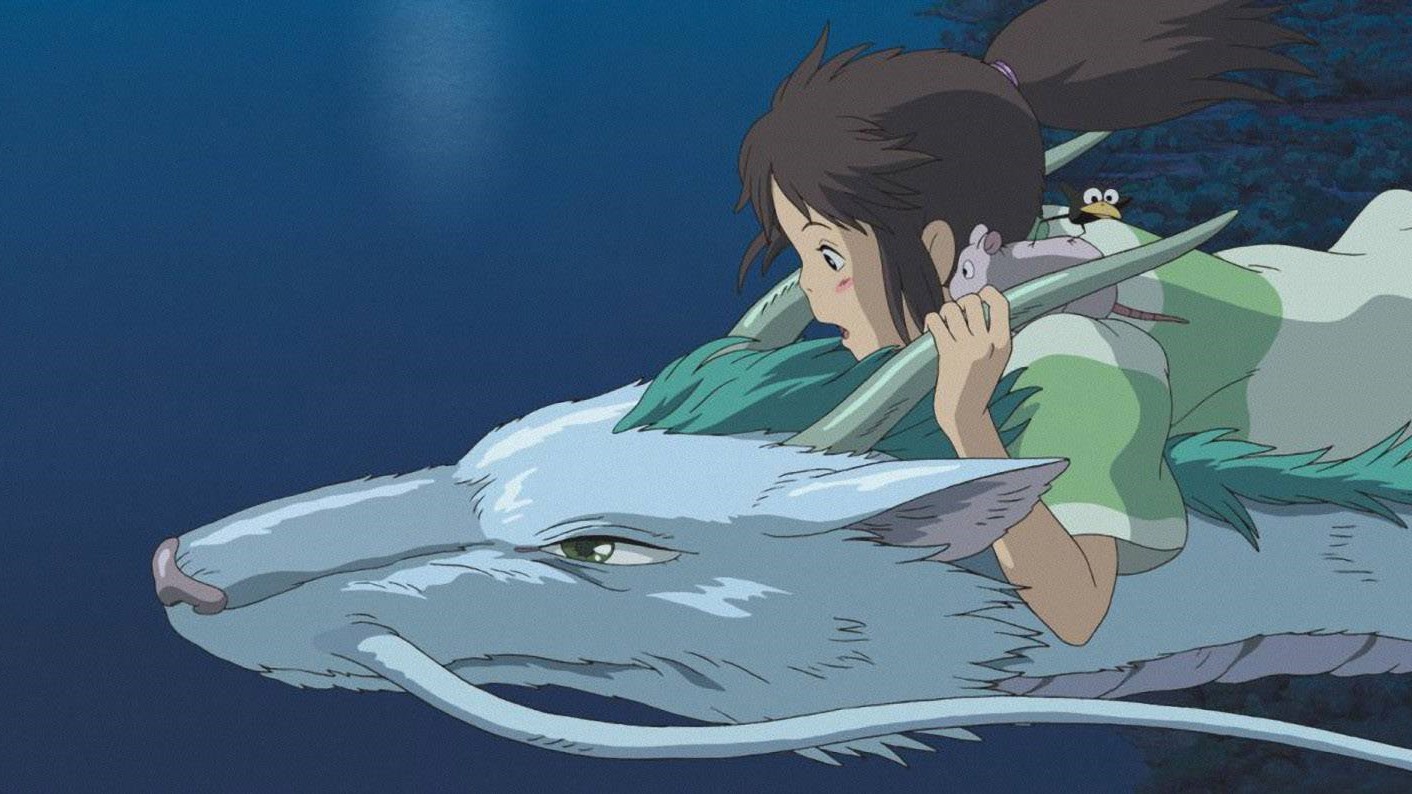
On June 20, one of the most recognizable works of Studio Ghibli – the adventure anime 'Spirited Away' by Hayao Miyazaki – was re-released. Read about the mesmerizing world of Japanese folklore and the connection of this anime with ancient tradition i...
The main character of Spirited Away is a girl named Chihiro, who is acutely experiencing her family's move to another city. This crisis manifests in her pessimism, anxiety, and impatience. But, according to all the laws of Vladimir Propp (for this is a fairy tale), Chihiro will change when faced with difficulties.
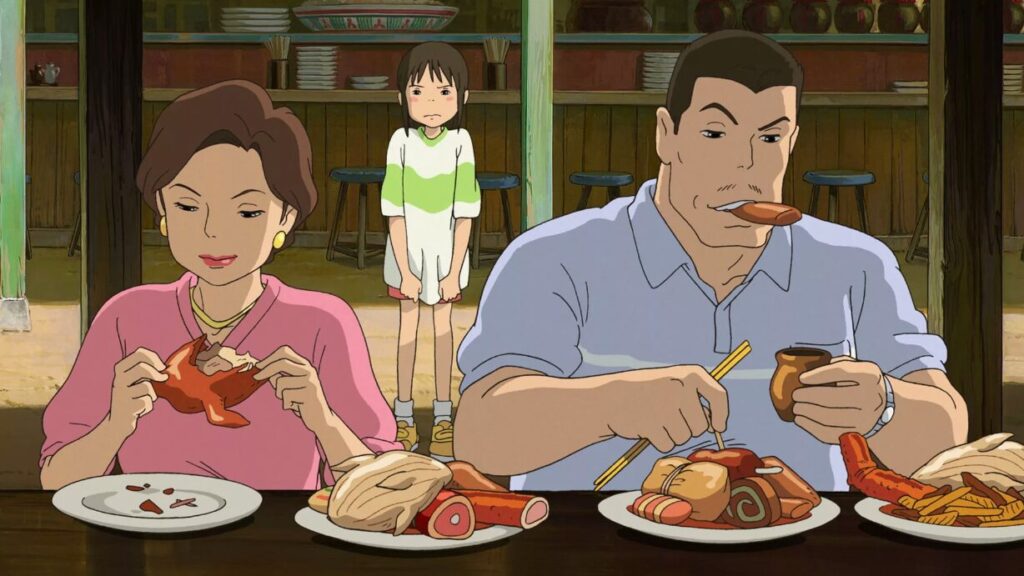
On the way to their new home, the family wanders through forests filled with something otherworldly and stumbles upon an entire deserted city. There, a witch turns the girl's parents into animals, and Chihiro herself is forced to stay in another world to save her family. This episode is inspired by the folk belief of kamikakushi, in which a spirit kidnaps a person and returns them only many years later. Something like the Western 'capture of souls by the Antichrist', but not as tragic and irreversible. Kamikakushi also implies that the spirit can take a person's name, which happens to Chihiro and her friend Haku.
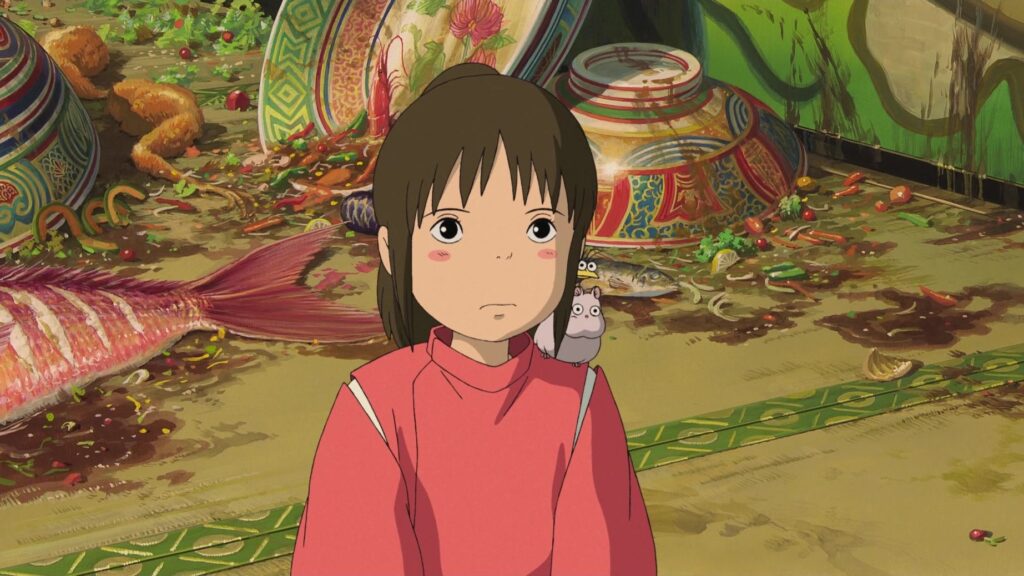
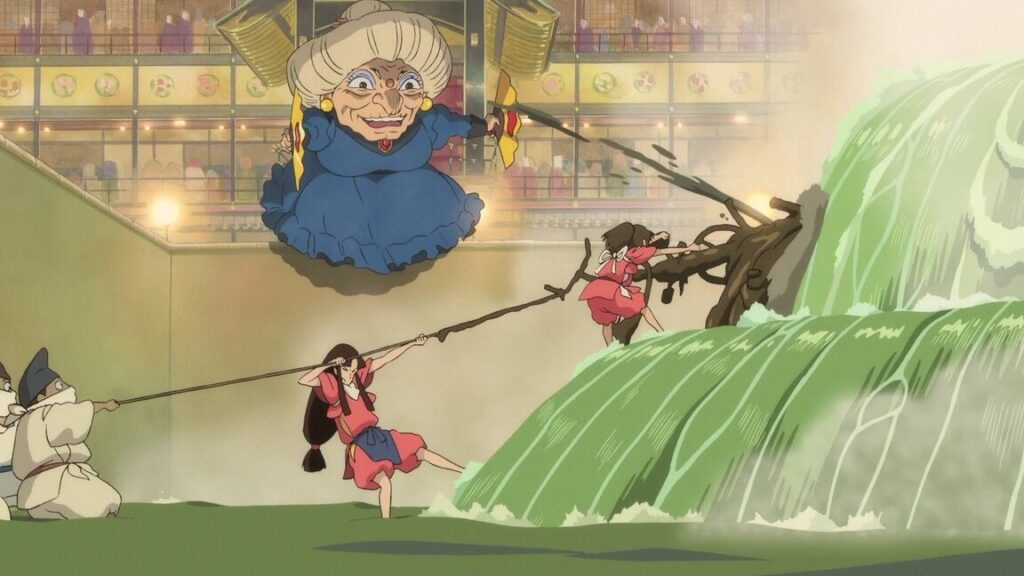
The witch Yubaba is inspired by the demonic spirit Yama-uba. This yokai is monstrous in mythology, but in Miyazaki's work, although she is the main antagonist, she does not represent pure evil. Grandpa Kamaji is another character whose prototype is a demonic yokai. Tsuchigumo – a spider-like sinister spirit – turned into a grumpy old man in Spirited Away.
Yubaba's twin sister Zeniba practices onmyōdō (traditional Japanese occult teachings, a mix of Taoism, Shinto, Buddhism, Chinese philosophy, and natural sciences), as she can summon shikigami. In the anime, they are represented as paper birds chasing Haku. If we try to find a Western analogue for shikigami, it would be a familiar.
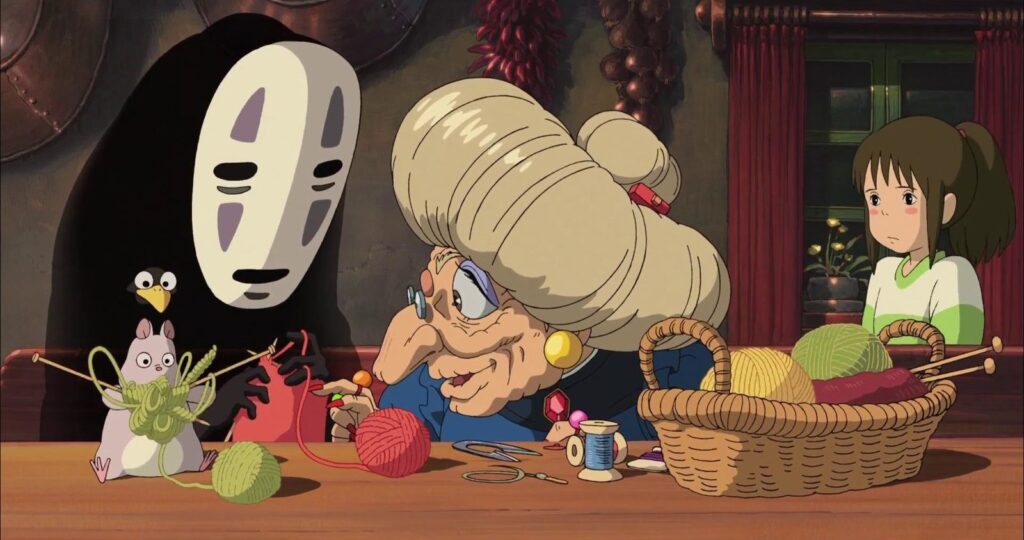
However, the world is also full of mythical creatures not found in folklore. For example, <em>susuwatari</em> – soot spirits. They first appeared in the work 'My Neighbor Totoro' and became part of the world created by the author. Another character with no analogue is No-Face. Hayao Miyazaki himself described him thus: 'There are many people like No-Face among us. They are the type of people who want to cling to others but have no idea who they are. They are everywhere.'
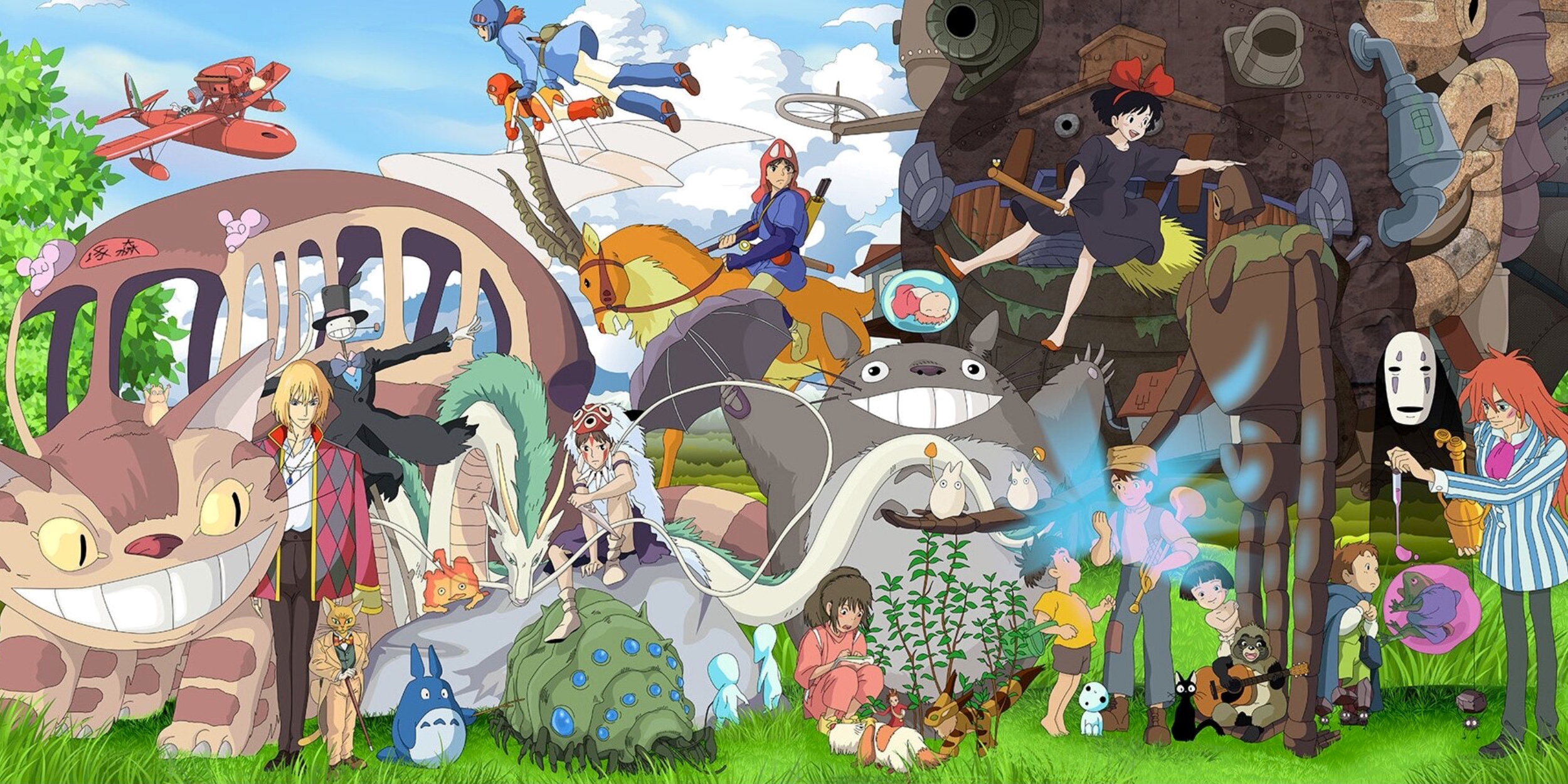
On December 7, possibly the last anime by the brilliant Hayao Miyazaki, 'The Boy and the Heron', will be released in official Russian distribution. In this regard, our editorial team decided to briefly tell why
Open material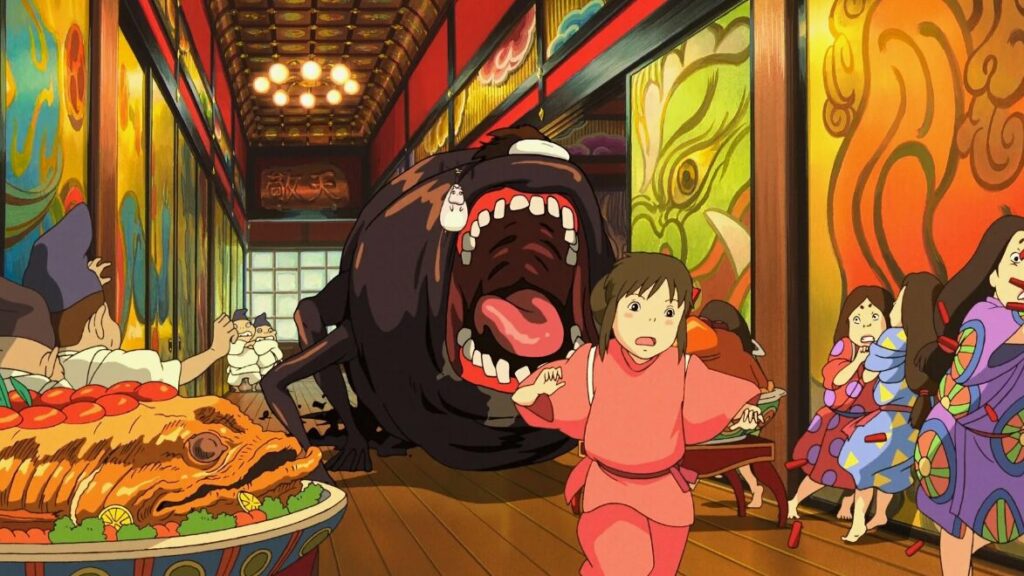
Moreover, this anime references not only Japanese tradition but also Western ones. There are many stories where a teenage girl falls into another world: 'Alice in Wonderland', 'Coraline', 'The Wizard of Oz'. Here, too, there is its own looking glass that changes Chihiro, and the heroine, in turn, changes the magical world.
The music by Joe Hisaishi creates a contrast with this magical reality. It is not at all fairy-tale-like, but rather epic. To the compositions accompanying Chihiro's run across the bridge, one can easily imagine the duel between Achilles and Hector from the Iliad or the storm from the Odyssey.
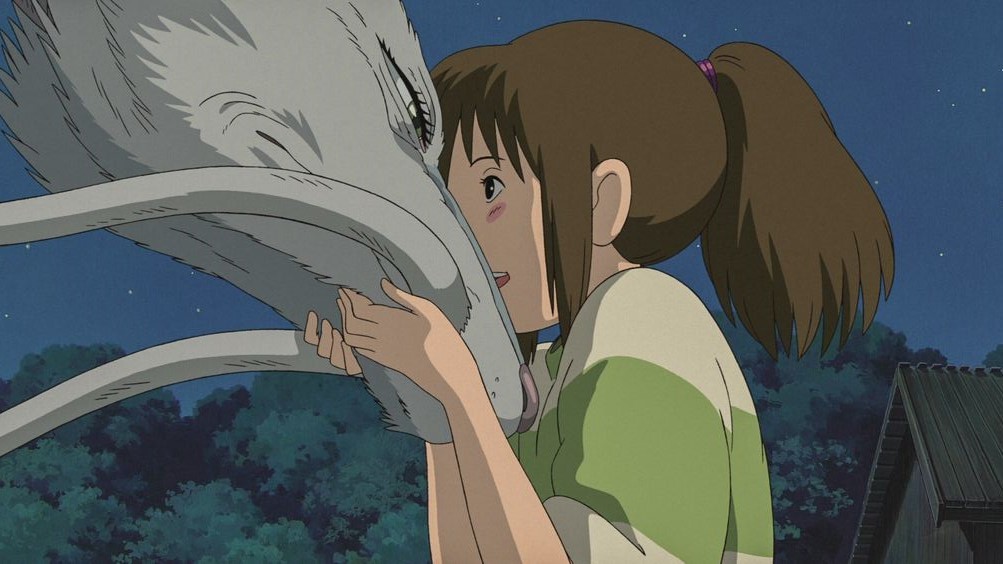
In the ancient tradition, journeys to the other world were also not rare. In tone, the work most similar to Spirited Away is Aristophanes' The Frogs. In it, the main characters go to the underworld, suffering various mishaps. This work still contains features of both comedy and tragedy, since at that time comedy had not yet separated from its original genre. The frogs lived in the river Acheron, across which Charon ferries souls to the afterlife. The anime has a similar episode, only instead of a river, there is a bridge, and instead of ancient frogs, there is the mythical frog Aogaeru, who frightened Chihiro.
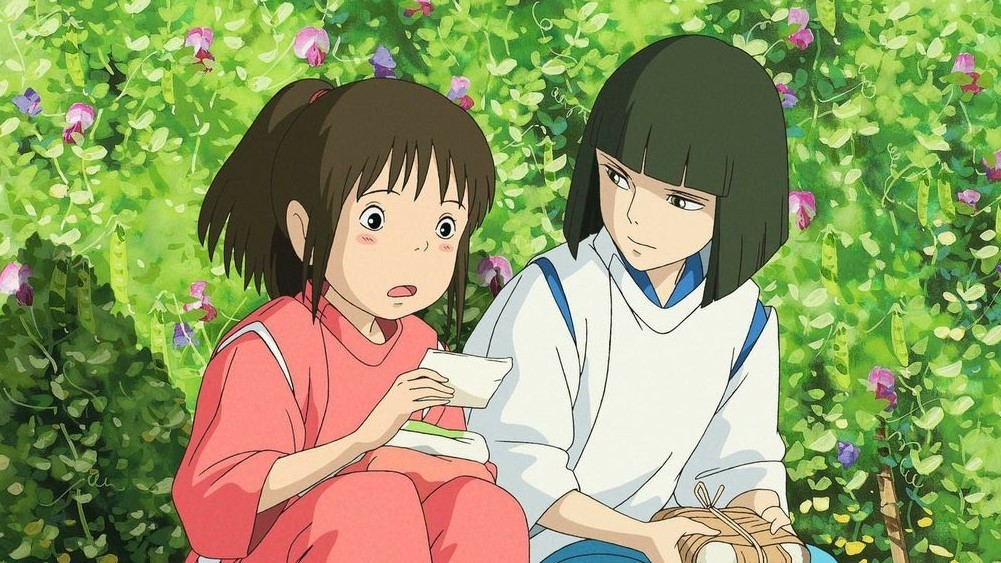
Another eternal topos for Western art is Virgil – a type of observer-guide character who explains the rules of the world and acts as a companion. In Spirited Away, Haku serves as Virgil, but his presence is not limited to this function, as he directly influences Chihiro's fate.
If we break this plot into units, we can find structural parallels, invariants, and combinations of functions. And although Vladimir Propp wrote that only folklore tales possess this regularity, it can be applied even to modern anime with Japanese traditions. Cultural universals are not fully embodied here, and the structure of the work is mainly composed not of a set of functions, but parallels and types still exist.
This does not indicate the secondary nature or borrowing of this plot; it is relevant and fundamentally new, since identical structural elements are present in all works. Among the functions used are: 'The villain causes harm or injury to a family member', 'The hero is tested, interrogated, attacked, etc., which prepares the way for him to receive a magical agent or helper' (Chihiro receives a magical dumpling nigadango from the River Spirit), 'The hero is transferred, delivered, or led to the location of the object of search'. Moreover, Spirited Away is framed by the traditions of a specific culture and, thanks to its animated plastic nature, generates many free associations, making perception both simple and unique.
It is this symbiosis of Japanese and Western, fictional and tradition-inspired, radically new and archetypal that makes Spirited Away a work close to the viewer and always relevant. As in most of Miyazaki's works, this anime has many facets: exploring culture through the prism of a fairy tale; searching for types, plots, and parallels; contemplating the bizarre world of spirits and yokai – everyone chooses for themselves.
Comments
0No comments yet.