

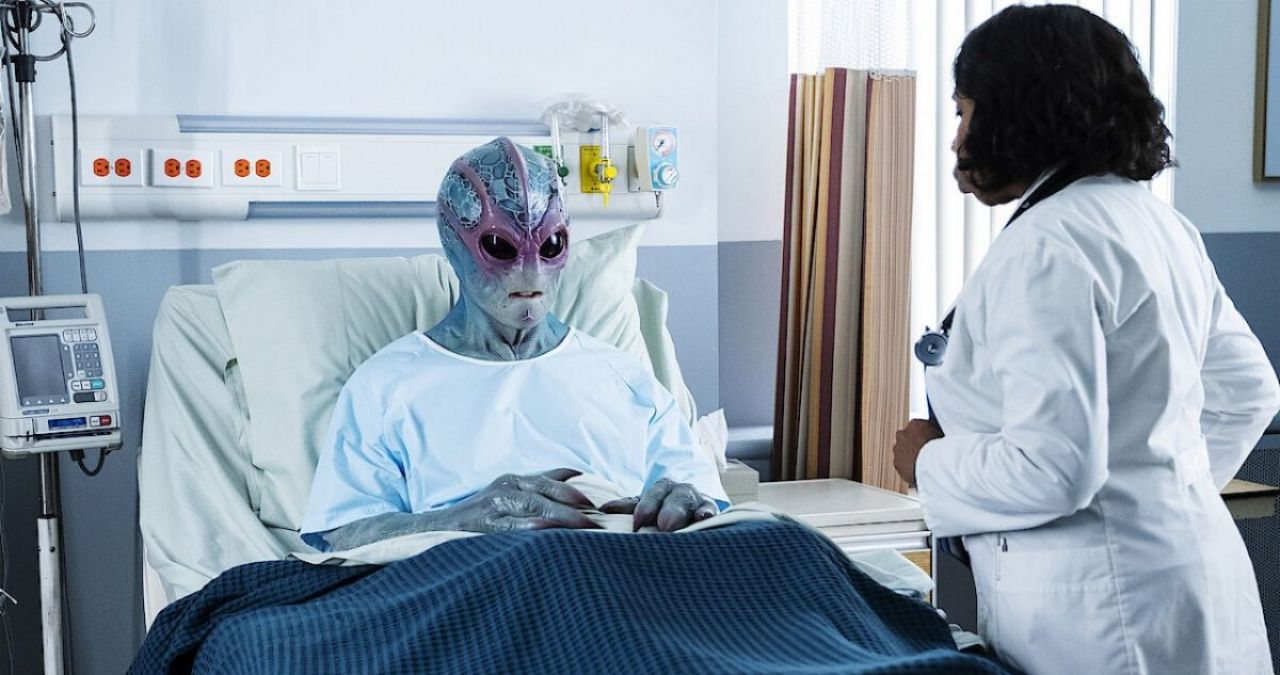
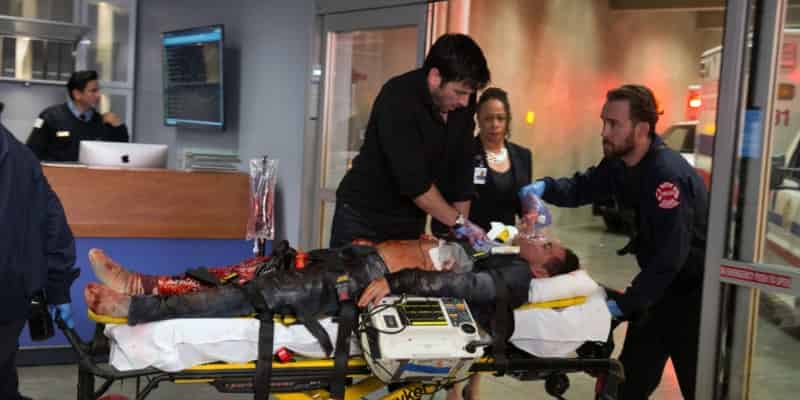
Here a doctor heroically tries to restart a patient's heart with a defibrillator while sitting on them on a gurney. And here a car accident victim kicks down a door and climbs out of a wrecked car. Medicine in movies has become a special screen magic...
Who isn't impressed by a scene where a doctor pumps a patient's heart right on a moving gurney, even sitting on top of them? Or the story where a random passerby saves a choking person by sticking a plastic pen tube into their throat? We love medical series most often for the hope and inspiration we feel every time a sufferer on the brink of life and death is saved on screen. And also for the amazement we feel watching doctors do truly superheroic things without superpowers or training at Hogwarts. And of course, we love medical movies for the intensity of passions between characters and their emotional experiences, but our material is not about that.
The author of this article is madly in love with medical series for the drive with which doctors tackle any problem, for the viewer's adrenaline at the moment of saving a patient, and overall for the spectacular and beautiful stories. But at some point, a thought clicks in your head: what of this is true, and what is the fantasy of showrunners and screenwriters to impress the viewer? That's what this material is about. Debunking the myths of medical series, so to speak.
I was helped in this by a first aid instructor of the Russian Red Cross, an instructor of the National Council for Resuscitation in Basic Resuscitation, and two practicing doctors.
The RCC first aid instructor commented on situations specifically from the perspective of first aid (FA), which an ordinary person can provide to avoid causing more harm and not end up in court. She tried not to touch on issues related to the actions of doctors and medical staff, as there are their own nuances.
Warning: the material contains descriptions of some medical moments with pictures. If you are particularly impressionable, keep that in mind.
Let's Talk About Blood (But Without Blood)
Radiologist Tatyana Bukkieva
How easy and realistic is it to secretly take blood from a hospital?
I have never encountered anything like this :) I don't know what legal liability there might be, but generally, blood for transfusion is almost like a donor organ, so ideally it should be treated accordingly. You'd have to ask lawyers about that. But of course, all blood (both tests and blood for transfusion) has labels with patient data, and each bag of blood for transfusion has its own number stored in the blood bank database. During transfusion, we fill out a special protocol where we indicate this number.
Therapist, Cardiologist Nikolay
Is drawing blood from yourself safe and as simple as in the movies?
Usually, people express milk ;) With a little medical experience and knowledge, it is quite possible to safely perform bloodletting. The question is, why? If you think you need it, it's better to consult a specialist.
How easy and realistic is it to secretly take blood from a hospital?
I've never heard of such a thing, but theoretically it's possible. It depends on the level of control in the organization where blood is collected and transfused. However, I think it's difficult to do alone. But it's worth understanding that this is outright theft with all the consequences. In any case, there is almost always some degree of shortage of blood components. It's better and more useful to be a donor.
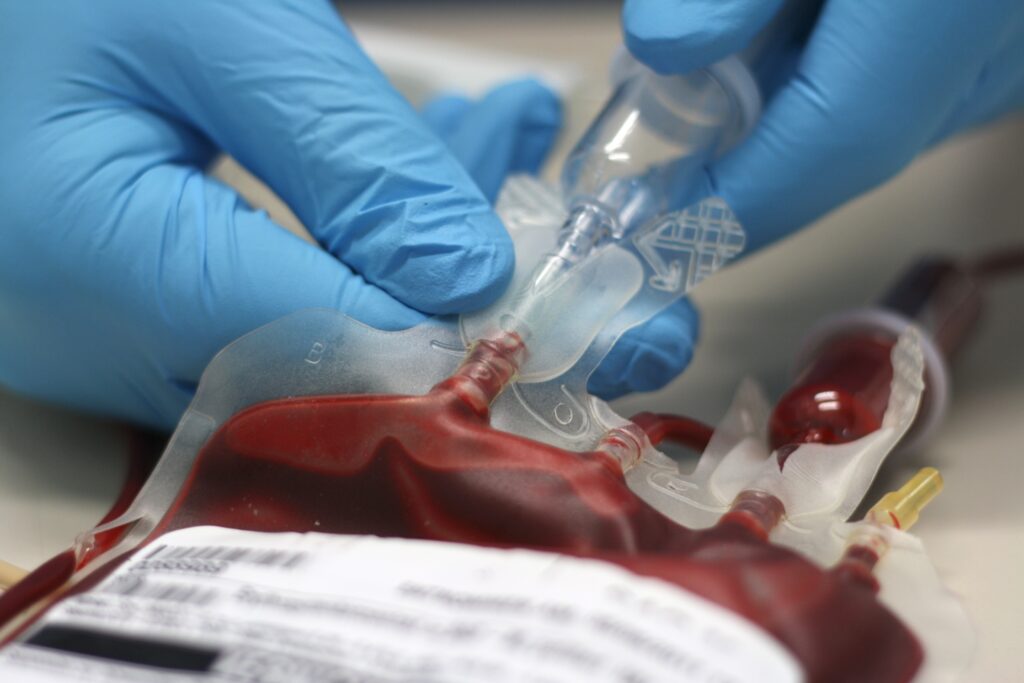
Stealing bodies, as the characters of the film 'Hereafter' did, by the way, is also not worth it — advice from the editorial board.
Magic Hits and Shots
RCC First Aid Instructor Maria
Does the magic shot to the heart really help revive a person whose heart has stopped? Is it dangerous?
This is a popular scene in movies. Usually, it's an adrenaline shot. It looks spectacular, so they use it.
In real life, this is done only as part of full medical care, for example, by ambulance doctors. But all these drugs are easily administered intravenously or intramuscularly. Injecting into the heart doesn't make much sense; it's purely for a nice picture.
Is there any point in a magic punch to the heart for resuscitation?
This is called a precordial thump. This 'method' was previously prescribed not only for medics but also in first aid. In the USSR, it was actively used. But now there is not a single study proving that such a blow is effective in any way.
In fact, it is a dangerous thing in the context of first aid, and the 'thump' is now prohibited even for medical workers. It is not reasonable, not effective, and not safe.
CPR for Effect and Other Games with the Heart
RCC First Aid Instructor Maria
Is it really possible to perform CPR on a moving gurney?
Ideally, CPR should be performed in a static position. But in practice, something similar might happen. However, it is not recommended to do it while moving, especially jumping on top of a person as sometimes shown.

Is it useful to use a defibrillator in cardiac arrest?
If we're talking about an automated external defibrillator, which is available in public places, it is designed not only for medical workers. It is useful and increases a person's chances of a favorable outcome by about 70%.
Why do we need a defibrillator? A person's heart may work inefficiently if fibrillation or a number of other conditions occur, or not work at all. The heart, as a muscle, contracts due to electrical discharges. Normally, these discharges are generated in one specific place in the heart and then go along a chain, exciting the rest of the muscle. When fibrillation occurs, the order is disrupted, and electrical discharges, instead of being generated at one specific point, begin to occur all over the surface of the heart. Everywhere there is electricity, it contracts. But it contracts randomly and chaotically, and blood is not pumped because random contractions are ineffective. This is called fibrillation. A defibrillator can try to restore a normal rhythm with a shock.
The automated external defibrillator itself announces all the actions that need to be taken. It is impossible to harm the victim because the AED itself detects fibrillation and decides whether a shock is needed or not.
A defibrillator can only help if there is at least some electrical activity in the heart (yes, even if it is chaotic and ineffective, but it exists, so there is a chance to bring it into order). If the heart is not working, then it is useless.
That is, when there is a scene with a flat line on the monitor and a 'beep' sound, there is no point in shouting 'He has cardiac arrest. Asystole. Defibrillator urgently' (as they do in series).
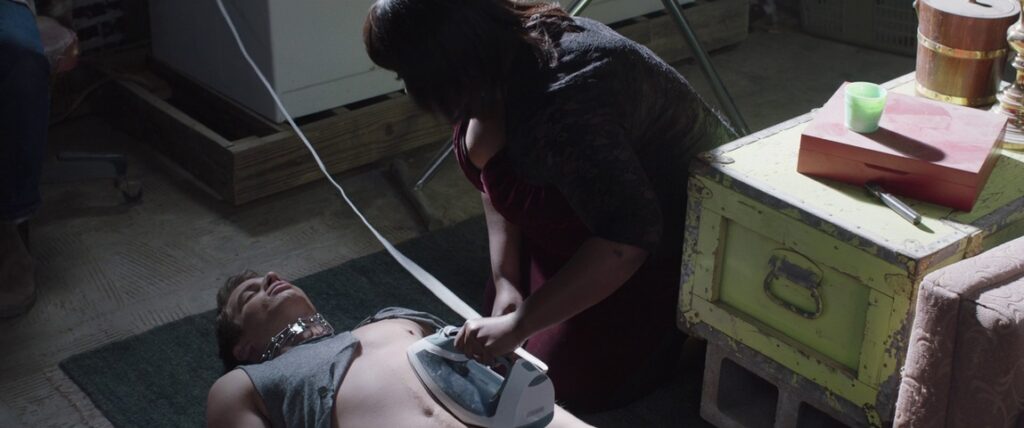
Does a person's body really jump when using a defibrillator?
No, that doesn't happen. They do that [in movies] to make it look more spectacular.
Is it correct to perform CPR with bent elbows?
The technique of CPR (resuscitation) in movies is a separate sore subject. No, you cannot perform CPR with bent arms; it is simply not effective. If you like it, of course, you can try, but it won't make any sense.
Radiologist Tatyana Bukkieva
Is it useful to use a defibrillator in cardiac arrest?
One of the main medical movie blunders is using a defibrillator for asystole on an ECG (when it's just a straight line, meaning the heart has stopped). In reality (which is clear from the name), it is used for ventricular fibrillation, i.e., when the heart chambers contract completely asynchronously. This looks roughly like the picture below.
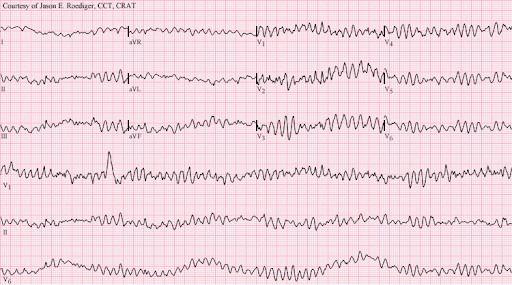
In asystole, using a defibrillator is pointless because there is no electrical activity in the heart. In such a situation, standard CPR is performed. By the way, modern automated external defibrillators (which are available, for example, in airports) automatically record an ECG and determine whether defibrillation is necessary (usually giving a voice instruction).
Superhumans Without Superpowers
RCC First Aid Instructor Maria
Can a person with an injury really kick down a door, for example, if they've been in a car accident?
That can happen. It's not common, and not everyone can do it. It can happen when a person doesn't feel pain for a while. A stressful situation, the body produces hormones, including for pain relief. While under the influence of their own hormones, which prevent them from feeling pain, such a thing is possible. But not for long.
A person gets sprayed in the face with a gas canister. Can they quickly wipe their eyes with a handkerchief and immediately run after the attacker or escape from a maniac?
Not very realistic. In everyday life, you more often encounter pepper spray. After 'pepper,' you at least need to rinse your eyes because your eyes will hurt a lot if sprayed with pepper spray. And it takes at least half an hour to recover if something gets on the mucous membrane. And if a serious burn occurs, you'll have to go to the emergency room. So, such a thing is only possible if the victim wasn't hit in the eyes with the canister.

Radiologist Tatyana Bukkieva
Do people who regain consciousness after a coma come to their senses as quickly as in movies? There, it's literally a matter of half an hour. And then the person after a coma is already talking, understanding everything, and quite independent.
I am not a neurologist or a resuscitator, but as far as I know from the literature, it all depends on many factors: the duration of the coma (when a coma lasts a long time, it is already called a vegetative state or a state of minimal consciousness), the cause of the coma, whether there is brain damage, which areas of the brain are damaged and how exactly.
There is, for example, diabetic coma — a complication of diabetes mellitus. In this condition, when laboratory parameters are normalized, a person usually quickly regains consciousness. But after a stroke or severe traumatic brain injury, a person can be in a vegetative state for years, and even if they gradually emerge from it, the recovery process is very slow.
What Makes a Doctor a Doctor
Therapist, Cardiologist Nikolay
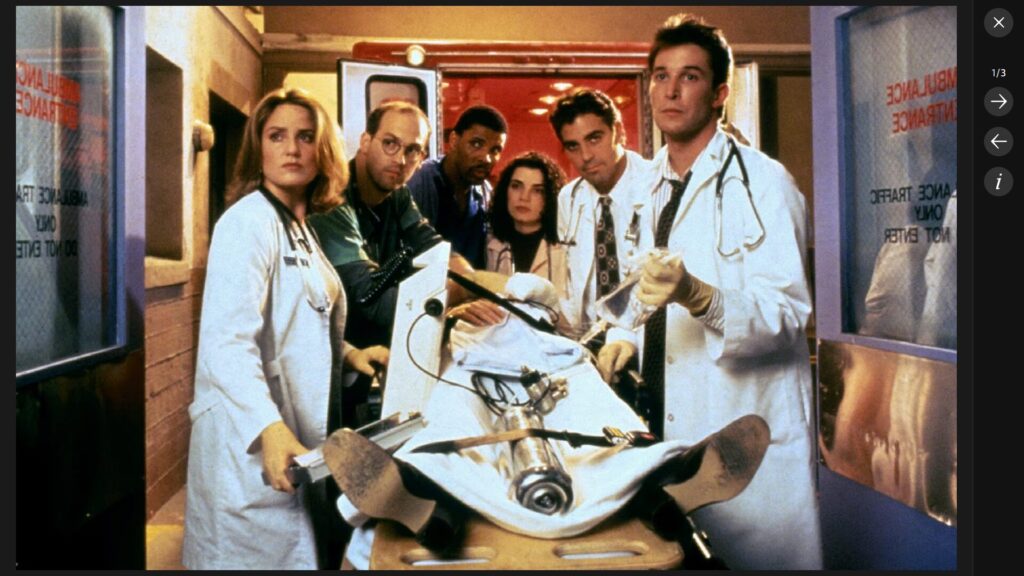
In movies, a stethoscope around the neck is the main attribute of a doctor's external image. In real life, does every doctor always have one?
Usually, stethoscopes are worn by those who use them: therapists, cardiologists, pulmonologists, less often surgeons. But the main attribute is rather the white coat. In general, wearing a stethoscope around the neck is incorrect, unsafe, and even harmful, but convenient.
Are nurses in real life also ready to carry out absolutely all doctor's orders on demand?
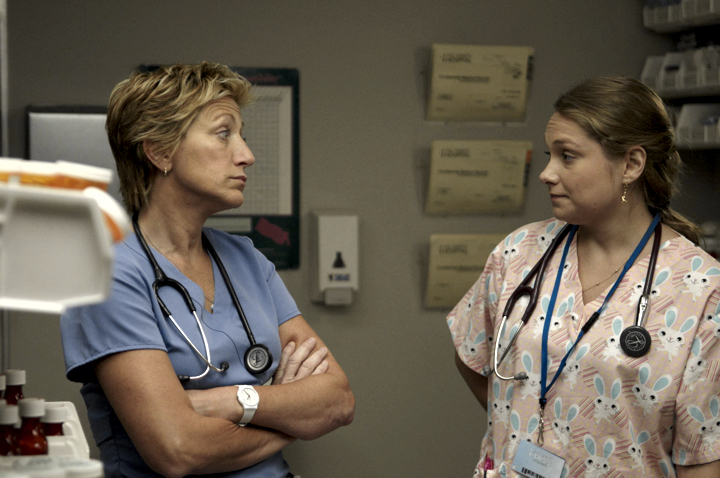
In a normal medical system, a nurse is a separate actor with their own duties and rights, part of which is carrying out doctor's orders. But only medical ones. They are not obliged to carry out all, especially non-medical, demands of a doctor.
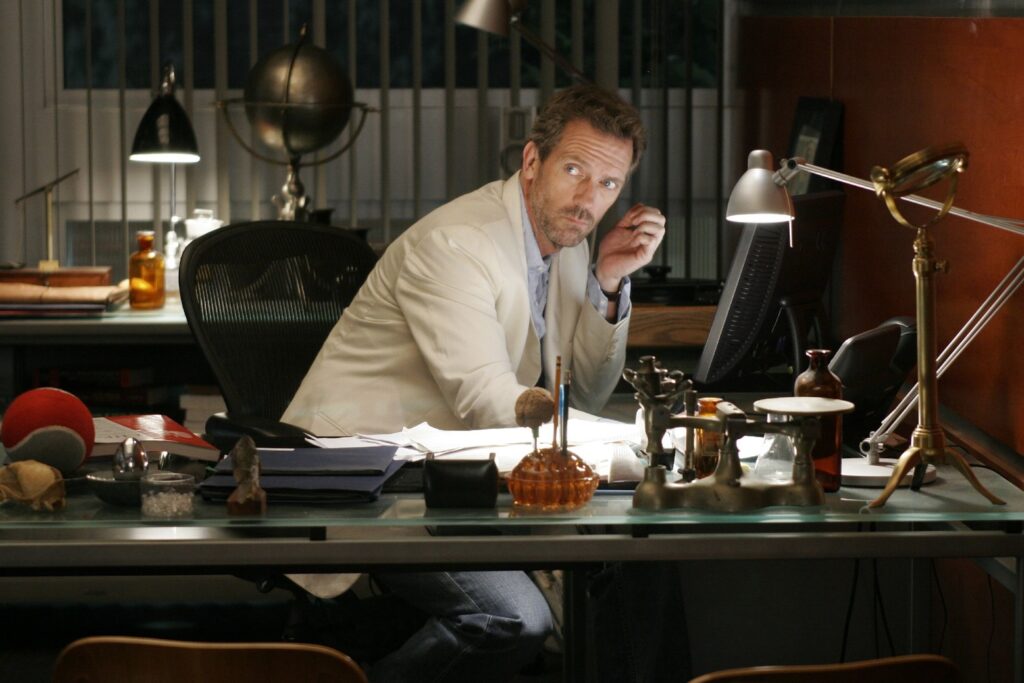
Why, having a certain specialization, do the employees of Gregory House (series 'House M.D.') often perform manipulations that, in theory, they should not and cannot?
Education and the set of manipulations a doctor can perform differ in different countries and even hospitals. And even doctors of the same specialty often know how to perform a different set of manipulations. In any case, highly specialized procedures are most often the domain of highly specialized specialists.
Can diagnosticians operate at all? Or perform any actions besides making a diagnosis?
There is no such medical specialty as 'diagnostician.' If you mean radiologists, etc., they usually perform and evaluate diagnostic studies but do not make diagnoses. Making a diagnosis is the prerogative of the attending physician.
Some diagnostic specialties — for example, ultrasound or functional diagnostics doctors — are absent in most countries. There, these studies are performed by technicians, radiologists, or the attending physicians themselves. Often, surgeons who operate may also perform, for example, ultrasound examinations, having the appropriate knowledge and training. So one doctor can perform diagnostic studies, make a diagnosis, and operate.
In movies, a doctor checks breathing, checks the pulse, and then announces out loud that the person has died. Is it the same in real life?
In real life, everything happens differently, but the general algorithm when suspecting a person's death includes assessing breathing and pulse. And then everything depends on the situation. However, to establish the fact of biological death, an assessment of other signs is required: in many countries, there are strictly prescribed algorithms for this.
Radiologist Tatyana Bukkieva
In movies, a stethoscope around the neck is the main attribute of a doctor's external image. In real life, does every doctor always have one?
It depends on the doctor's specialty. Mostly, stethoscopes are worn by various internists (therapists and their narrow 'subtypes' like cardiologists, pediatricians). Also, a stethoscope is needed, for example, by anesthesiologists-resuscitators. Surgical specialties use it less often, and some ophthalmologists or radiologists don't need it at all. As for wearing it around the neck — it varies: some wear it around the neck, some in the pocket of their white coat, or, for example, in my clinic, they often wear a stethoscope in the side pocket of their trousers.
Are nurses in real life also ready to carry out all doctor's orders on demand?
The work of nursing staff is incredibly important, no less than the work of a doctor. It seems to me that in movies, the role of nurses is often underestimated, showing them more as assistants to the doctor. But in reality, their role is much broader. Yes, they carry out doctor's orders, take blood for tests, distribute medications, etc., but they also provide care, patient mobilization, operating room nurses are responsible for all instruments and sterility during surgery, etc.
Yes, there is subordination in hospitals, and nurses carry out doctor's orders. But in fact, experienced nurses do a lot themselves, and doctors, on the other hand, do not know some of the subtleties of nursing work.
As for the speed of execution — it all depends on the organization of work in a particular hospital, the experience of the staff, and also the overall workload :)
Can diagnosticians operate at all? Or perform any actions besides making a diagnosis?
In general, the concept of 'diagnostician' as a separate profession does not exist. Almost all doctors make diagnoses during their work — therapists, surgeons, dermatologists, ophthalmologists, etc. That is, all are, in a way, diagnosticians. But of course, only trained doctors can operate.
This, by the way, is not necessarily 'pure' surgeons. There are, for example, operating ENT doctors, ophthalmologists, gynecologists, etc. It depends on what a person chooses — for example, being a gynecologist, you can work in a women's consultation and not operate, you can deliver babies, or you can be an operating gynecologist. As a rule, a person chooses this during residency training.
In movies, a doctor checks breathing, checks the pulse, and then announces out loud that the person has died. Is it the same in real life?
In Russia, I have never encountered a patient's death because I worked in radiology. But in Austria, working in a therapy department, I personally had to pronounce death a couple of times.
The procedure is as follows: you need to check the pulse and breathing (using a stethoscope), then check the reaction of the pupils to light (absence of pupil constriction to light) and the corneal reflex (in a living person, when the mucous membrane of the eye is irritated, the eyelid closes). Then, in the medical history, we fill out a special form indicating the time of death (no one pompously announces the time of death out loud, as in movies). This is all if death occurs in the department. During an operation or, for example, after ineffective resuscitation (after 30 minutes), they also look at the ECG (asystole), but the algorithm is generally the same. However, it must be said that from the point of view of pathanatomy and forensic medicine, all the described signs are relative, while absolute signs are cadaveric spots and rigor mortis.
Why, having a certain specialization, do the employees of Gregory House (series 'House M.D.') often perform manipulations that, in theory, they should not and cannot?
This is one of the most unrealistic and slightly offensive things in the series. Of course, doctors cannot be universal and can only work within their specialty. In 'House,' for example, all CT and MRI studies were performed by the main characters, who had internist/surgical specialties (neurologist, immunologist, and surgeon, if I'm not mistaken).
In reality, studies are performed by specially trained nursing staff (radiologic technologists), and images are interpreted by radiologists (in Russia they are called rentgenologists). As a radiologist, I find this funny to watch. And most importantly, why couldn't they introduce one radiologist character, because often it is we (and also pathologists) who help in making the final diagnosis.
Also, in the series, characters often performed various surgical manipulations without being surgeons. In reality, the result of all this would be disastrous :) Although, of course, I understand that 'House' is not about realism and never claimed to be.
In series, doctors often perform emergency operations on car hoods, in helicopter cabins on the way to surgery. Is this really so common in real life? Or do doctors try not to operate until they get to the hospital?
I still laugh when I remember the scene from the series 'The Good Doctor' where they removed a thrombus from a liver transplant on the hood of a car in a traffic jam. In most cases, in ordinary urban conditions, of course, they get to the hospital. The only problem is how advanced the system is and how quickly a person can be transported. Some manipulations like temporary bleeding control, splinting, medication administration are, of course, already performed in the ambulance. But surgical operations require special sterile conditions of the operating room, adequate anesthesia, and trained personnel.
In medical series and movies, doctors constantly have romances and get distracted by non-medical issues. Is this really possible in a real medical facility? Or is it more of a movie convention for the sake of viewer interest?
As for romances, I know many colleagues who met during medical school or at work. And of course, it's normal, but certainly directly during work, during working hours, any sexual relations, relationship clarifications, flirting (as in 'Grey's Anatomy') is a violation of medical and work ethics and, at a minimum, unacceptable, and at a maximum, can lead to bad consequences. But, of course, if we're just talking about conversations, it's perfectly normal to talk with colleagues about non-work topics. Doctors are also people.
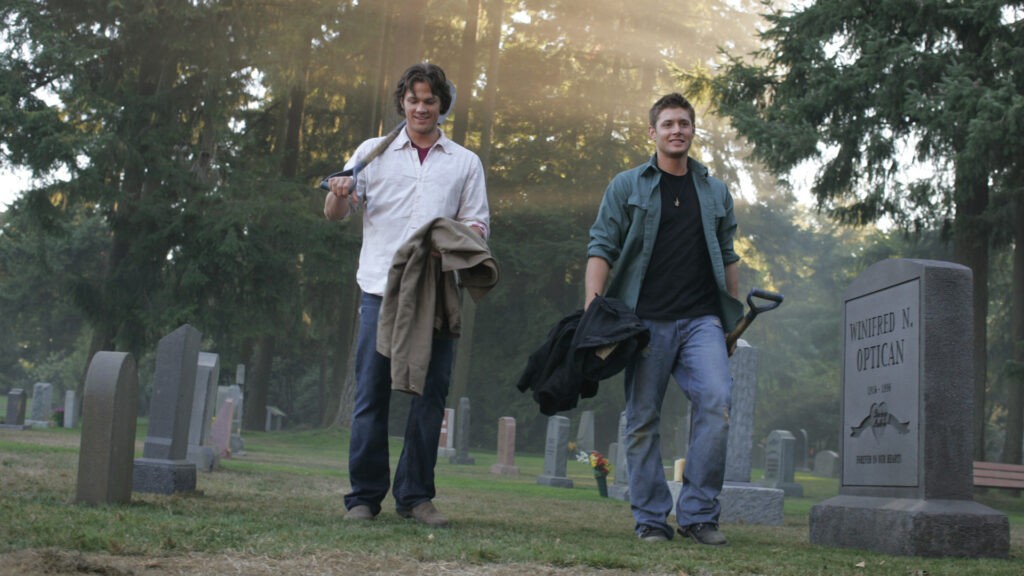
Can digging up a person's remains help determine the diagnosis of a deceased patient? If the attending physician has doubts.
This is more of a question for forensic experts, but in general, yes. People can even determine the causes of death of various ancient people from bones with a certain degree of probability. Of course, it all depends on the condition of the remains and technical capabilities. Usually, if there is suspicion of a criminal nature of death, a forensic examination is conducted.
About MRI Honestly
Therapist, Cardiologist Nikolay
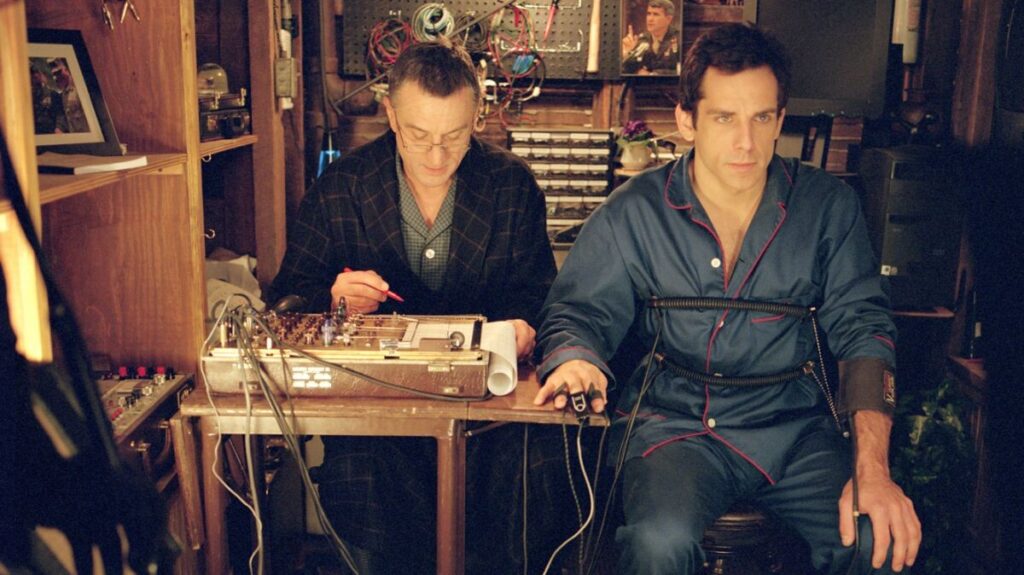
Can MRI really be used as a lie detector?
In some cases, yes. For example, if a person lied about having implanted devices or objects in their pocket made of certain (magnetic) metals. But this is strictly monitored because it is dangerous. Functional MRI allows assessing the activity of different parts of the brain. However, whether it can be used in such a complex area as lie detection is better to ask specialists in this field.
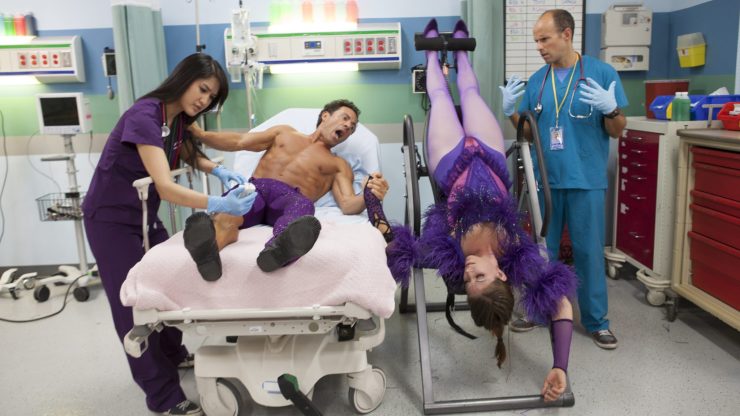
In movies, patients often vomit/have hallucinations/faint/feel unwell in an MRI. Are there such side effects in reality?
Some people may develop a claustrophobia attack (fear of enclosed spaces) in an MRI, as the internal space of the scanner is quite narrow and noisy. For such patients, scanners with an open working area have been designed.
Radiologist Tatyana Bukkieva
Can MRI really be used as a lie detector?
Indeed, there are studies in which, using a special technique of functional MRI, they tried to find out whether it is possible to determine if a person is lying by brain activity in certain areas. But so far, this is only at the scientific level and, of course, is not used in wide practice.
I googled it, and I found a Wikipedia article on this topic)
In movies, patients often vomit/have hallucinations/faint/feel unwell in an MRI. Are there such side effects in reality?
MRI is generally an absolutely safe method. The only contraindication is the presence of metal objects in the body that are incompatible with MRI (but even this contraindication is quite narrow — for example, titanium prostheses and pacemakers compatible with MRI are now being produced). Of course, if a person has a bullet in the head, MRI cannot be done. Although it won't fly out of the head (as was in some movie), it could shift and cause bleeding/damage important areas.
In reality, people may experience claustrophobia or panic attacks in an MRI machine, which can manifest with the symptoms mentioned in the question. Before the study, we always ask about the presence of claustrophobia and give a special signal bulb that the person can press if they want to stop the study.
What About Medications
Radiologist Tatyana Bukkieva
Are there pills or injections that calm or put a person to sleep within a minute or two?
Yes, this is quite real. Intravenous anesthesia, for example, works very quickly. Or haloperidol, which is often used to control aggression in psychosis.
RCC First Aid Instructor Maria
Why do all medications in movies work instantly and without side effects?
I can't answer specifically because I'm not a medic. But still, most medications need at least some time to show effects (at least seconds, but it is needed). As for acting without side effects, I'll allow myself to quote Vodovozov again: 'If a drug has absolutely no side effects, then it most likely has no main effect either.'
Therapist, Cardiologist Nikolay
Why do all medications in movies work instantly and without side effects?
Many medications do work instantly, and side effects are rare. It depends on the substance administered. I think you wouldn't want to watch for hours in a movie how a patient develops, for example, an allergy. Although rapidly developing side effects also happen.
Are there pills or injections that calm or put a person to sleep within a minute or two?
Yes. Some tranquilizers (from Latin tranquillo — 'to calm') and antipsychotics (from ancient Greek νεῦρον — 'nerve' and ληπτικός — 'absorbing, drawing in'), especially when administered intravenously, work almost instantly. And of course, anesthesia drugs have the same effect. One of them was unlucky for a famous pop singer, so leave it to professionals.
Forgetting Scalpels in a Patient's Body?
Radiologist Tatyana Bukkieva
How often do doctors forget things in a patient's body?
During surgery, all instruments and materials (napkins, tampons, etc.) are counted by operating room nurses, so overall this happens rarely. But it still happens sometimes (I can't give statistics, I'm not a surgeon :))
Therapist, Cardiologist Nikolay
How often do doctors forget things in a patient's body?
Things, I think, not often :). But everyone can make a mistake, and there are cases when some medical item accidentally remains. Various algorithms have been devised for prevention, as this is fraught with serious consequences. But unfortunately, very rarely, it does happen.
Alcohol and Other Curious Methods of Rescue/Help
RCC First Aid Instructor Maria
In series, they like to show how a person without medical education uses pens and other objects to help with tracheostomy.
This cannot be done. Firstly, it is prohibited by the law of the Russian Federation [and not only the Russian Federation — editor's note].
Such a scene is very popular in movies. Someone always takes a knife, a pen, inserts a tube into the hole, and everyone is happy. But as a result, you can seriously harm the person. After that, there will be a bunch of side effects. Starting with the fact that you incorrectly identified the place and cut the wrong thing, and ending with the fact that you did it all on the street with dirty hands and a knife.
This negatively affects the condition of the victim, and from a legal point of view, it won't be praised. Moreover, you can harm a person, especially if it was done by a non-medic, a person who has watched too many series. This is in any case beyond the scope of first aid. If something happens to the victim later, and the person says they were providing first aid and saving their life, they will never prove why they cut their throat.
But even medical workers within the framework of first aid (i.e., when they are not on shift and outside a medical facility) cannot do this either. This is a serious medical procedure with a high degree of penetration into a person, almost an operative intervention.
The consequences for a medical worker can be even worse than for an ordinary person if they perform such a procedure in a public place. Medical workers within the framework of first aid can only do what ordinary people can do. We become equal within the framework of FA.
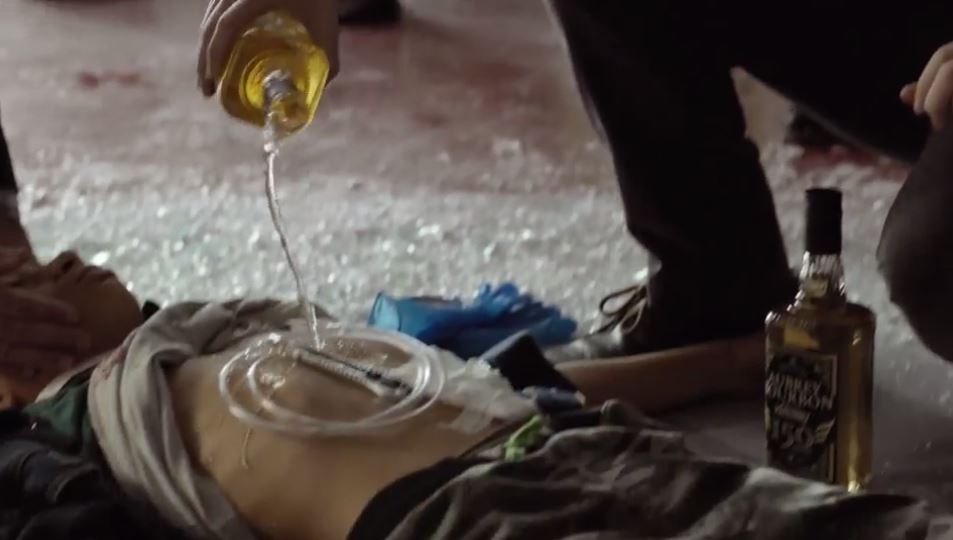
In series, whiskey is sometimes used to disinfect a wound. They pour it on instruments, the work area, the wound. Can alcohol be used for disinfection? And specifically whiskey?
There is no special type of alcohol for disinfection. Otherwise, it depends on what and why you are disinfecting.
If we are talking about a wound, rinsing to prevent infection, the action itself is initially incorrect. If we want to rinse something, we have water in FA.
Antiseptics are considered medications: hydrogen peroxide, chlorhexidine, brilliant green, iodine — all of these cannot be used. They have been removed from FA, they burn the skin. Alcohol too, and alcohol is based on alcohol. Plus, no one has canceled allergies, including even to alcohol-based antiseptics.
Therefore, alcohol on the skin, if we use it as an alcohol antiseptic, can be dangerous. It will be painful, there will be a skin burn, an allergy may occur.
Is there any point in using a vape to cauterize wounds?
No, it's hardly possible. A vape doesn't seem to heat up. It won't work as a cauterizing agent at all.
If we talk about a cigarette, then in general the interaction is initially strange and incorrect.
Within the framework of FA, this is all not applicable because in first aid we do not injure or damage a person. And a burn is damage.
Turning a victim into an ashtray is not very good.
Is it correct to use makeshift tools to widen a wound and pull a person out from under some rubble? For example, from under rebar.
Tornado, a person under rubble, pierced through the leg with a rod. People try to pull them out so that nothing else falls. They widen the hole in the leg to pull the leg out. They remove it from the rebar (scene description).
If the tornado has already passed and the surroundings are more or less safe, we do not remove foreign objects from a person. You can damage blood vessels, tissues by pulling this object out of the person. You can hit arteries, which increases the risk of severe bleeding.
But common sense has not been canceled. These are safety issues for the helpers and the victim. In general, you need to wait for specialists to do it correctly.
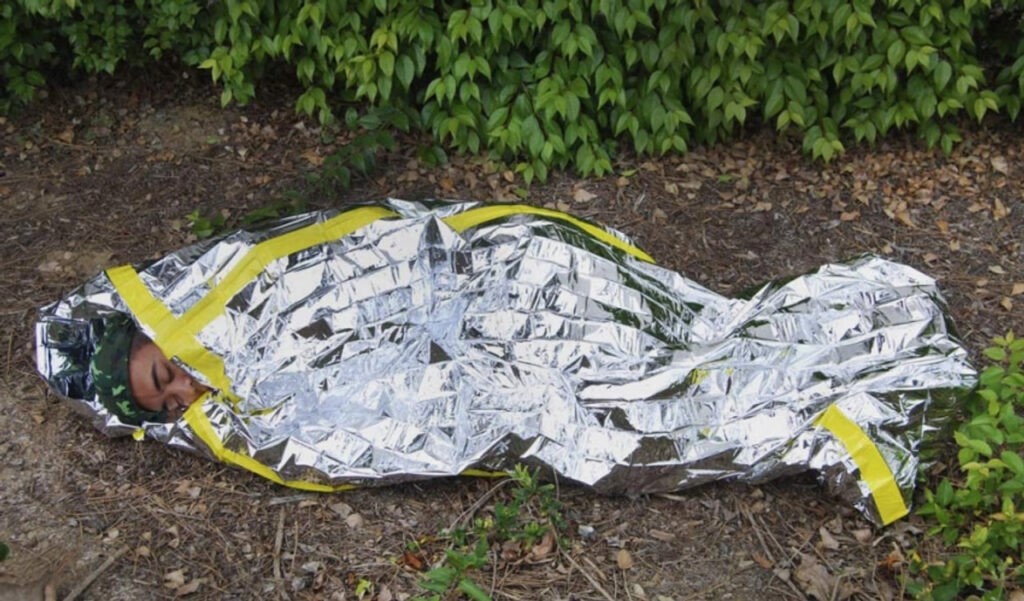
In series, they often show a rescue blanket being draped over the victim's shoulders like a shawl. Is that correct or not?
This is an extremely implausible picture. If you wrap a person in such a foil rescue blanket, you need to literally swaddle them, wrap them from head to toe, so that only the face is visible, so they can breathe and sometimes talk.
Why should it be done this way and not draped over the shoulders? The blanket itself does not warm anyone. The point of a rescue blanket is that the foil prevents a person from radiating heat into the environment. That is, we warm ourselves with our own heat. This can only be achieved if the person is completely wrapped up. However, sometimes such blankets can work as psychological support. When a person is covered in a 'house,' they feel safer.
Spiritual Fingers, Toothpicks, and Coughed-Up Lungs
RCC First Aid Instructor Maria
Can you put severed/torn body parts in a mini-fridge, for example, for beer? Will that preserve the limbs?
A severed limb needs to be placed in cold, that's a fact. But there should be no direct contact of the limb with cold. Ideally, take a bag, pour cold water, put the severed limb in another bag, and place the bag with the limb in the bag with water. It's better not to use ice, snow, or frozen vegetables.
But if the situation is extreme, there is no water, but there is snow or ice, then you have to use it. Then the limb needs to be wrapped not only in a bag but also in 3-4 layers of fabric before immersion in cold water. If there is direct contact, tissue death from cold will occur. And then all our efforts to preserve the limb will be useless, the cells will die from cold. And you don't need to put it in the freezer. Stories about severed fingers in ice cream are also more for effect.

Radiologist Tatyana Bukkieva
If you accidentally swallow a toothpick, can it pierce, for example, the rectum and cause internal bleeding?
Quite possible. But rather, it will cause not bleeding, but perforation [damage — editor's note] of the intestinal wall. And this is a rather dangerous complication requiring urgent surgical intervention. Again, I can't say how high the probability is, but such cases are definitely in the literature)
Therapist, Cardiologist Nikolay
If you accidentally swallow a toothpick, can it pierce, for example, the rectum and cause internal bleeding?
Yes, swallowed sharp objects can lead to injuries of internal organs. In such cases, you should immediately consult a doctor.

Can you cough up a piece of lung?
Coughing up a piece of lung — no, you cannot. But very small fragments of lung tissue in a destructive (accompanied by destruction of lung tissue) disease can come off with coughing.
Epilepsy, Spoons in the Mouth, and Other Strange Things
RCC First Aid Instructor Maria
Should you put fingers, spoons, or other objects in the mouth during an epileptic seizure?
No, you should not. I'm not sure if this is as common in series as in real life.
What is dangerous about putting something, like a spoon, in the mouth?
For the victim, we will achieve that we break all their teeth, they will go into the respiratory and digestive tracts and damage a lot along the way. As for us, if we put our hand in, our fingers get bitten off. A small thing, but unpleasant.
Also, popularizer Alexey Vodovozov said that it is unclear where this idea with a spoon comes from so actively in the masses. A person has a seizure in a public place: in the subway or at a bus stop — and immediately a bunch of people appear who suddenly have a spoon with them. As if they carry them with them and wait for the moment to realize themselves with this spoon. This tradition goes back to the USSR.
Versions of where this 'method' came from:
People were afraid that the person would choke, bite off their tongue, or that the tongue could fall back during seizures. None of these reasons are relevant: the tongue cannot fall back during seizures because it is a muscle. And during a seizure, all the person's muscles are tense, including the tongue. It beats inside, like the whole body during convulsions.
Bite off — they won't. They may bite the tip of the tongue, but it's not fatal, and certainly not the whole tongue.
Choke? There is such a risk, but a spoon is unlikely to save from it.
Sometimes in series, during an epileptic seizure, they also hold arms and legs straight. Is that reasonable?
This also makes no sense. Just leave them and wait for the seizure to end. While the convulsions are going on, it's better not to do much with the person. The main thing is to put something soft under the head and make sure the person doesn't get injured during the seizure. So that the environment doesn't injure them, etc.
Radiologist Tatyana Bukkieva
Magic shot to the heart to revive a person whose heart has stopped — is it effective, so beloved by doctors?
An adrenaline shot to the heart as in 'Pulp Fiction' is a myth. No one does that for sure. Moreover, it is fraught with complications like pneumothorax or pericardial damage.
Does lupus occur in real life as often as in 8 seasons of 'House M.D.'?
From Wikipedia: the incidence of systemic lupus erythematosus is about 20-70 per 100,000 population (which is not so rare, but of course, not as common as, say, diabetes mellitus).
But in general, it is not by chance that it often appears in the series, because this disease has a very large number of diverse symptoms. It can affect almost all systems and organs (kidneys, skin, nervous system, gastrointestinal tract, etc.) and therefore very often acts as a differential diagnosis in case of some diverse and unclear symptoms.
Therapist, Cardiologist Nikolay
Scene: a person has convulsions, foam from the mouth. Doctors wipe off the foam, turn them on their side, and immediately put a breathing bag (Ambu bag) over the mouth to pump air into the lungs. Is that possible, won't there be asphyxia?
To prevent asphyxia (suffocation) from oral secretions or stomach contents, a stable side position is used so that the contents of the mouth can drain out. Also, cleaning the oral cavity (if there is suspicion that something is there) can be performed on the side. After that, artificial ventilation can be performed.
In general, I advise everyone to take basic CPR courses. Then you will know all the nuances and, perhaps, be able to save someone.
Magic shot to the heart to revive a person whose heart has stopped — is it effective, so beloved by doctors?
Intracardiac administration of drugs was indeed used earlier in manipulation. But, approximately from the second half of the 20th century, it became clear that administering drugs into a vein, intraosseously, or into the trachea is no less effective, but simpler and safer. Therefore, intracardiac administration is not used now.
'Shot to the heart' is now usually used to remove excess fluid in the pericardial sac when it interferes with the heart's work, and it is very effective. But the needle is not inserted into the heart muscle itself.
What Medical Series Can You Watch?
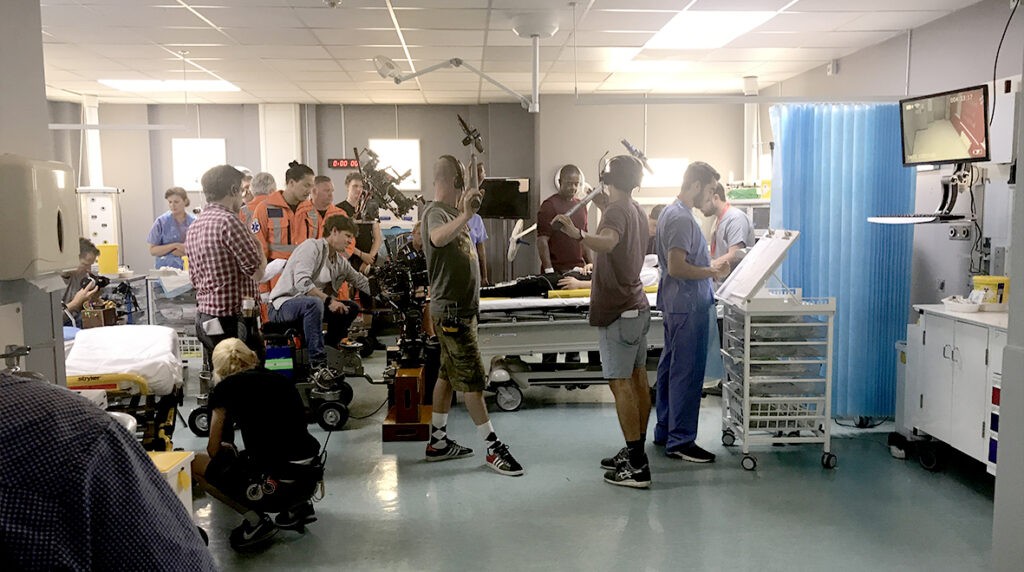
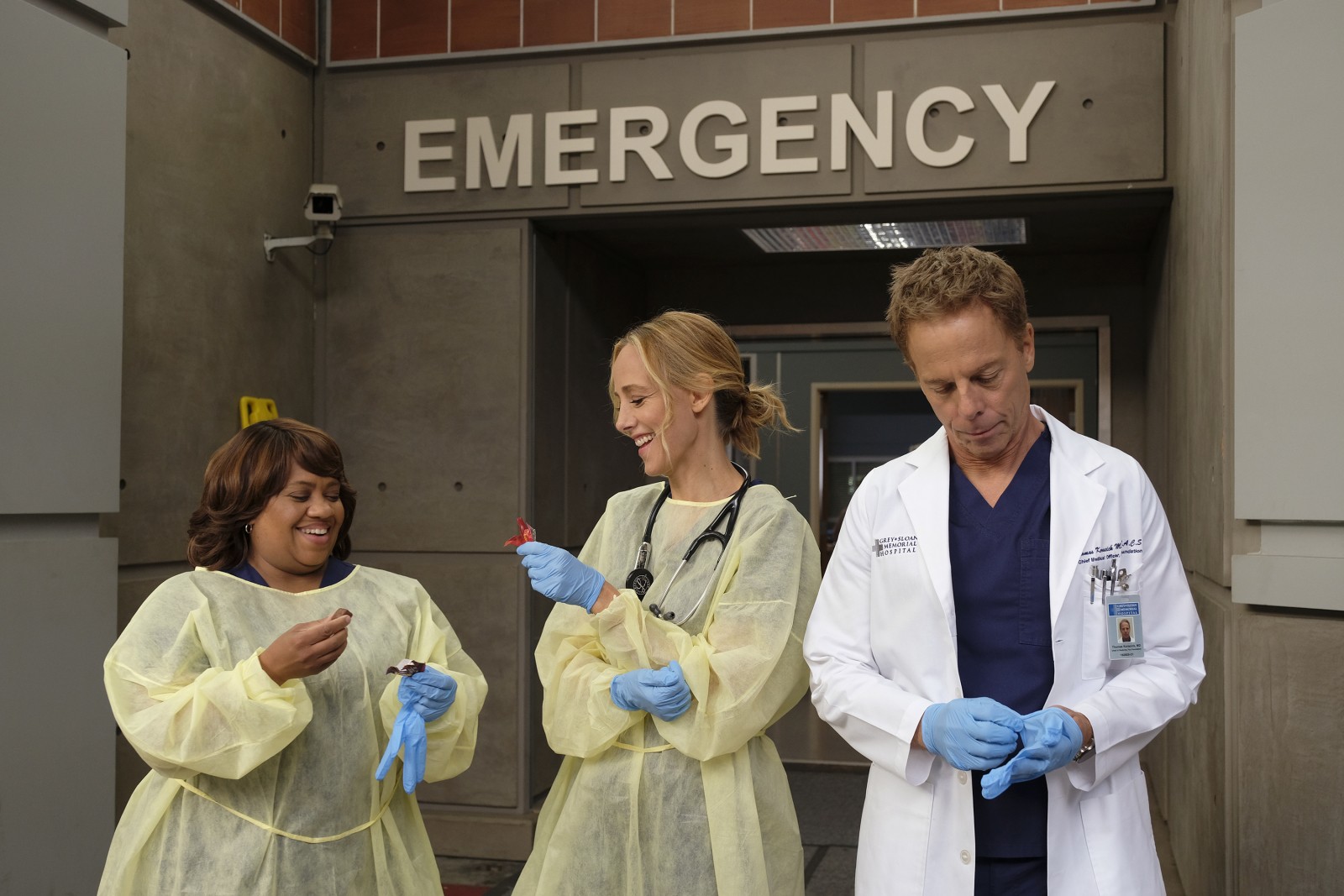
In the movie world, there is a special name for medical projects — medical procedural (also popular are police, legal procedurals). The essence of this subgenre is that the center of each episode is one specific medical problem that is resolved by the finale. And in addition, there are personal dramas of the characters. This makes each episode independent and autonomous, and the series can be started from any episode. But to maintain viewer interest, showrunners still run a cross-cutting story arc that can develop over several seasons (i.e., years). Which most often does not benefit the series.
The series format is most suitable for medical projects, because it allows you to study in detail various medical curiosities and clinical cases (the entire procedure from diagnosis to recovery). We have compiled a selection of decent medical shows where medicine is not a background (as, for example, in 'Scrubs'), but an active character in the plot (and indicated which seasons may be interesting). But, of course, there are scientific blunders there. And, alas, some of them have stretched out over seasons so much that pleasant memories remain only of the first seasons.
- 'M*A*S*H' (1972-1983) and separately the film from this universe 'M*A*S*H' (1983)
- 'ER' (1994-2009)
- 'House M.D.' (2004-2012) (first 4 seasons)
- 'Grey's Anatomy' (2005-...) (first 5 seasons max)
- 'Nurse Jackie' (2009-2015)
- 'Mercy' (2009)
- 'Miami Medical' (2010)
- 'Combat Hospital' (specifically the American series of 2011)
- 'Body of Proof' (2011-2013)
- 'Saving Hope' (2012-2017)
- 'The Night Shift' (2014)
- 'Chicago Med' (2015-...) (first 2 seasons)
- 'Code Black' (2015-2018)
- 'Pure Genius' (2016)
- 'Heartbeat' (2016)
- 'The Good Doctor' (2017-2024) (first 3 seasons)
- 'Harrow' (2018-2021)
- 'The Resident' (2018-2023) (first 4-5 seasons)
- 'New Amsterdam' (2018-2023) (first 3 seasons)
- '9-1-1' (2018-...)
- 'Transplant' (2020-2024)
- '9-1-1: Lone Star' (2020-...)
- 'This Is Going to Hurt' (2022)
- 'Good Sam' (2022)
- 'SkyMed' (2022-...)
Thank you for reading this piece of text about medicine in movies!
We hope you found it interesting!
If you have any questions, you can ask them in the comments, and we will try to find answers that are logical and physiological.
Comments
0No comments yet.
Sign in to join the discussion.