
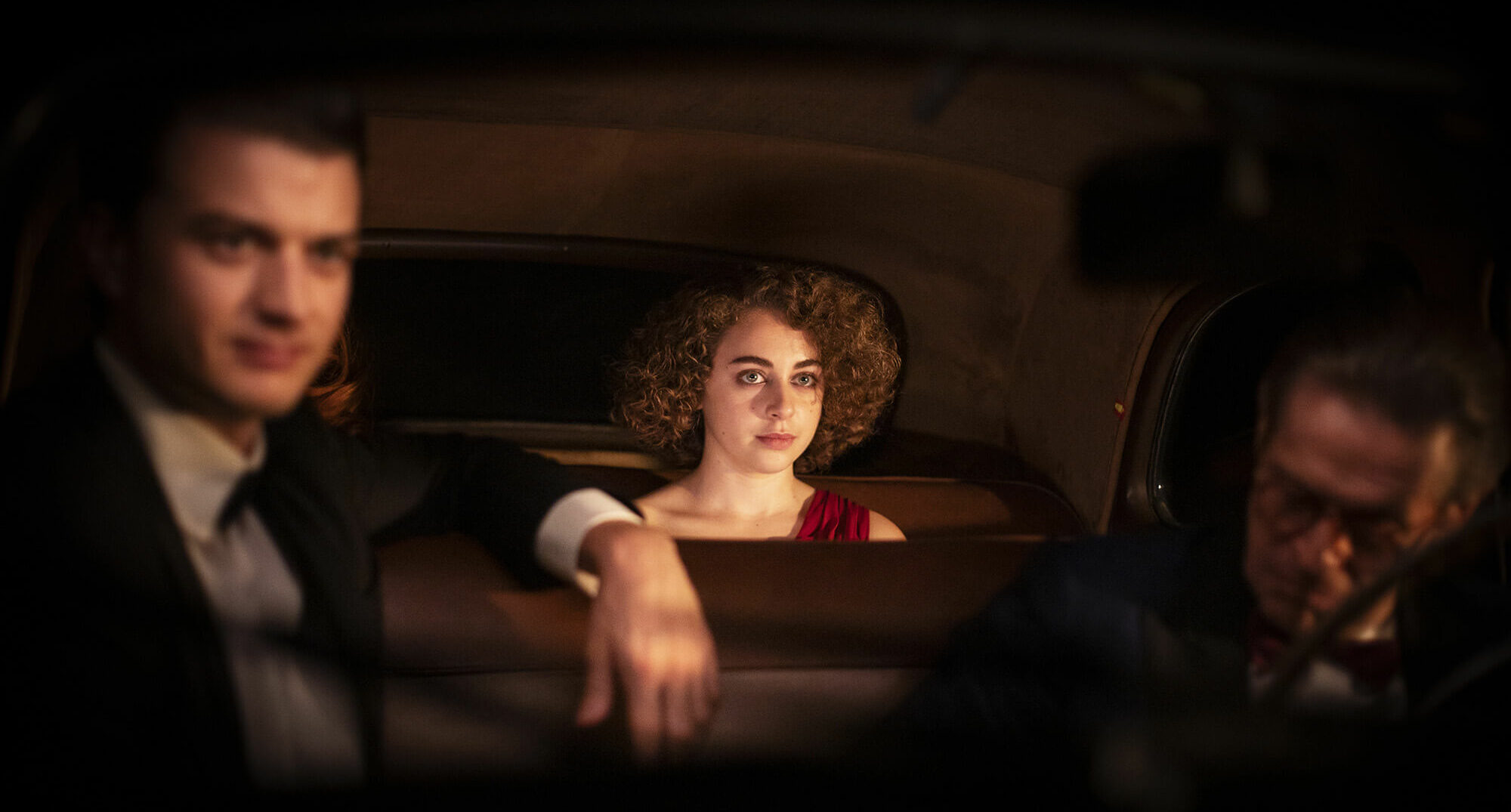
The film 'Finally Dawn' by Saverio Costanzo has appeared on domestic online cinema platforms. What did the Italian drama with a star ensemble cast turn out to be? In our review.
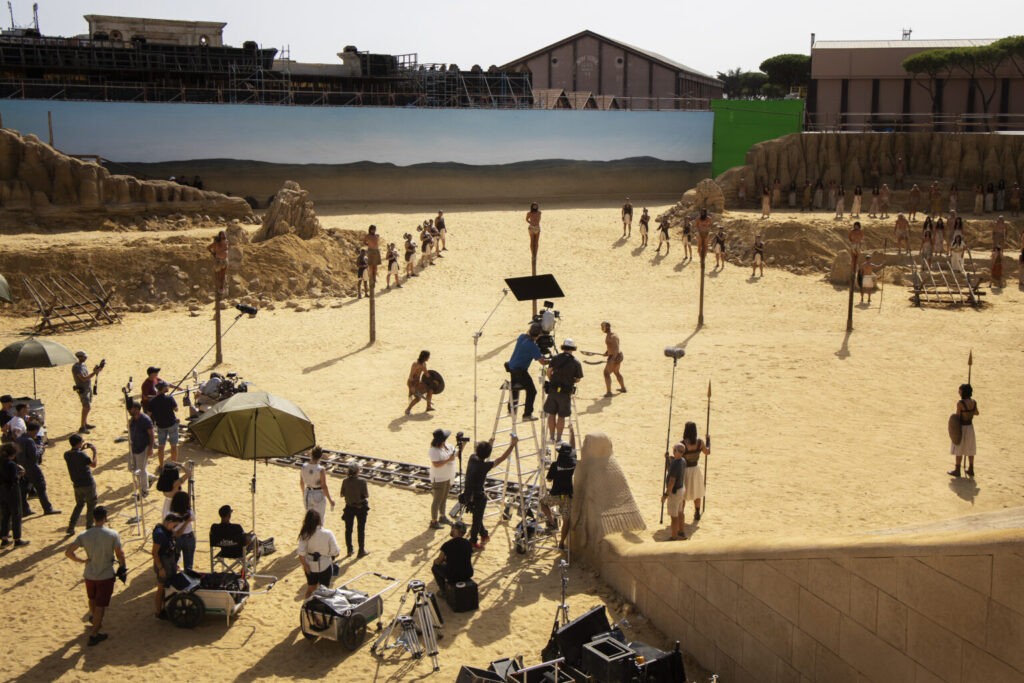
The film 'Finally Dawn' transports the viewer to post-war Italy of the 1950s, which became a favorite location for American filmmakers due to the low cost of production and labor. And so, on the set of another historical epic, clearly referencing the real 'Ben-Hur' by William Wyler and 'Cleopatra' by Joseph L. Mankiewicz, a modest girl named Mimosa (Rebecca Antonaci) finds herself by chance, whose sister dreams of becoming an actress. In the studio corridors, where the protagonist wanders accidentally, she is noticed by the lead actress — Hollywood star Josephine Esperanto (Lily James). The new acquaintance turns into a sleepless night spent in the company of the cultural (and not so cultural) elite.
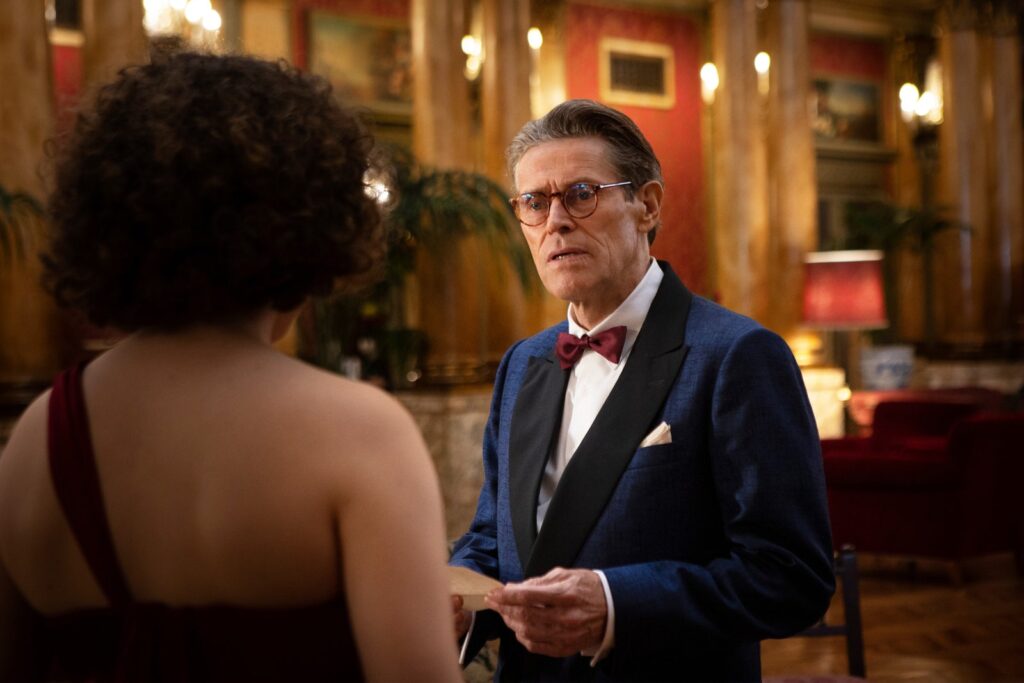
Italian director Saverio Costanzo pulls the same trick as Quentin Tarantino in 'Once Upon a Time in Hollywood': he crosses real and fictional people, creating a portrait of an entire era while professing his love for the cinema of those years. And he does it in the spirit of Woody Allen's works, chronologically narrating the events of that night, thus turning the viewer into a silent companion of the characters.
Mimosa's journey into the world of big cinema initially seems deliberately fairy-tale-like. Rebecca Antonaci's heroine is enchanted by this world and its inhabitants, and her gaze has a childlike sense of discovery. In just one night, the heroine must confront harsh reality, seeing first all the brilliance and then the poverty of the local cultural elite, where pretense and hypocrisy reign, and friendship and love, like other manifestations of human feelings, are illusory and reduced to extracting benefits.
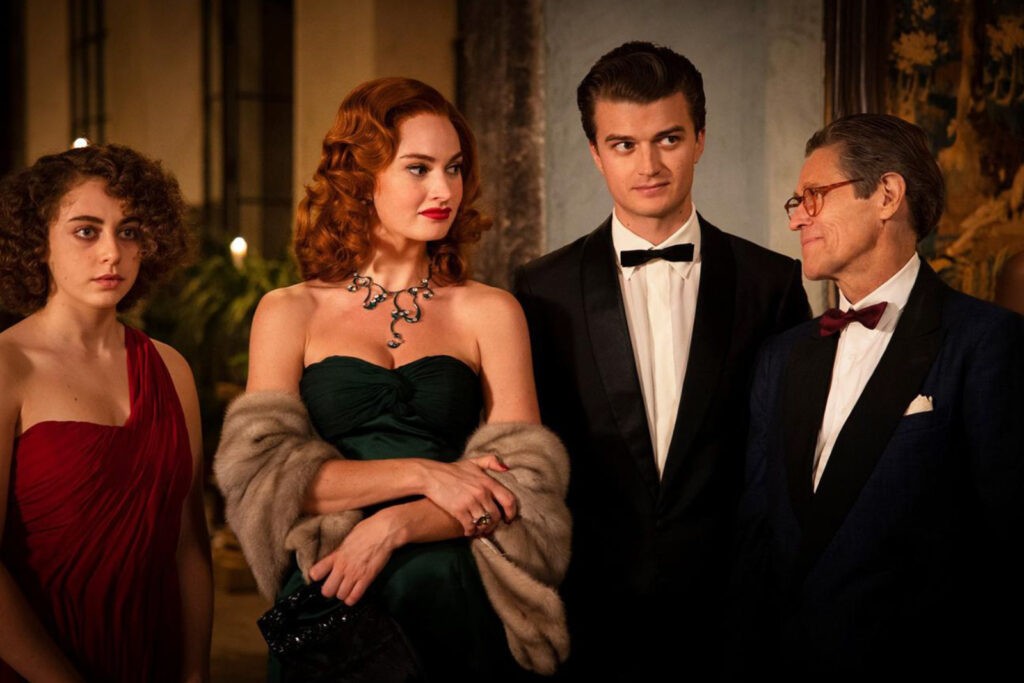
The film's main treasure is its ensemble cast. Mimosa, played by Rebecca Antonaci, is incredibly convincing in the role of a character who has to be disappointed in what she sincerely loved. Possessing a gentle and submissive nature, she quickly becomes a hostage to the experienced and frighteningly ruthless heroine of Lily James, whom it is better not to cross. By the way, for the star of 'Baby Driver' and BBC's 'War and Peace', this is a highly atypical role compared to the rest of her filmography. Here she is powerful, arrogant, cold, but at the same time hypnotically attractive.
Josephine's two companions — a kind of entourage — were brilliantly played by Joe Keery and Willem Dafoe. However, they failed to overshadow the female characters on screen. The former played the role of a Hollywood heartthrob, but in reality an insecure actor living in the shadow of his partner both professionally and romantically. The latter played the only bohemian who does not cause rejection — the courteous and understanding art dealer Rufus.
Perhaps 'Finally Dawn' is not the most outstanding film about the unsightly underbelly of the industry. And certainly far from innovative in exposing it. Among the obvious negative aspects of the film, one can highlight a simple story that may bore the viewer and an unjustifiably meditative pace in the third act. But at the same time, it is a beautiful and wildly poetic (it's no coincidence the film ends with a poem!) statement about the magical world of cinema and the horror that sometimes exists beyond the frame and all kinds of red carpets.
Trailer:
Comments
0No comments yet.
Sign in to join the discussion.