
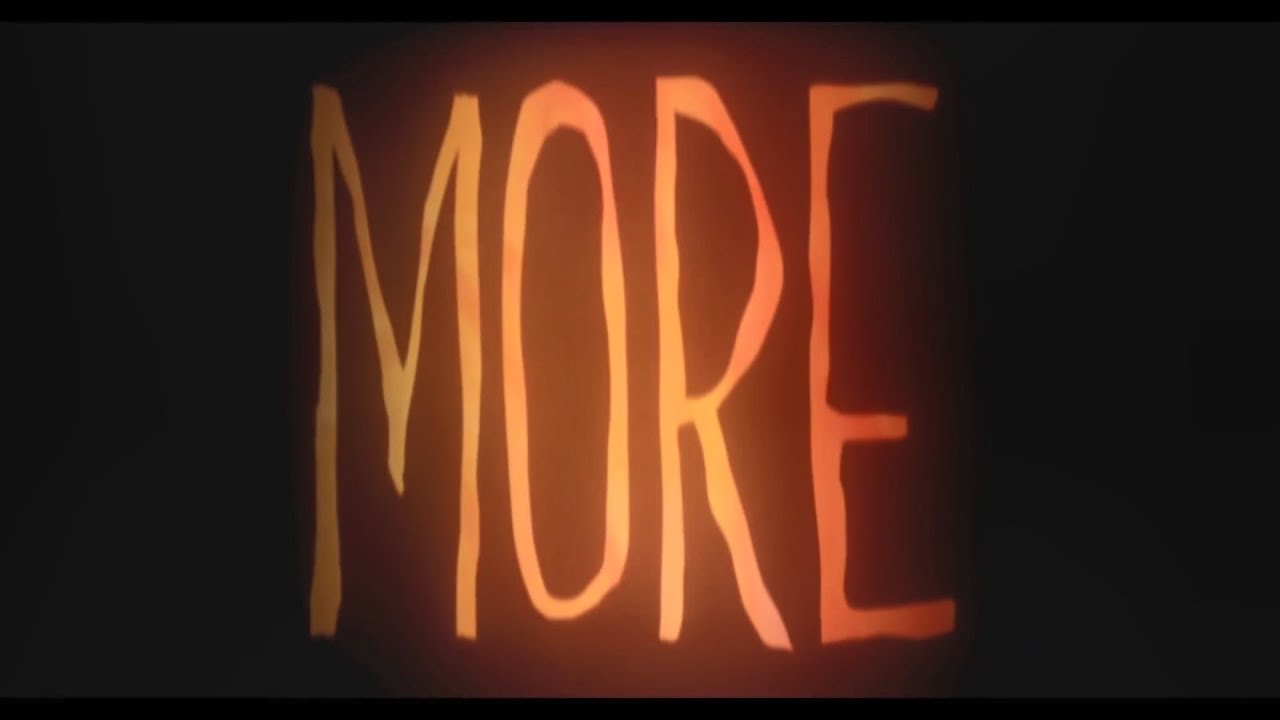
Dive into the history and analyze one of the first works by the director of the legendary 'Kung Fu Panda', Mark Osborne – the short film 'More'.
In 1998, when Aardman Animation had not yet inspired universal love for plasticine animation with films like 'Chicken Run' and 'Wallace & Gromit', animator Mark Osborne created the short plasticine film 'More'. It currently ranks 18th on IMDb's list of best short films, which is no coincidence. Let's discuss why.
Plot
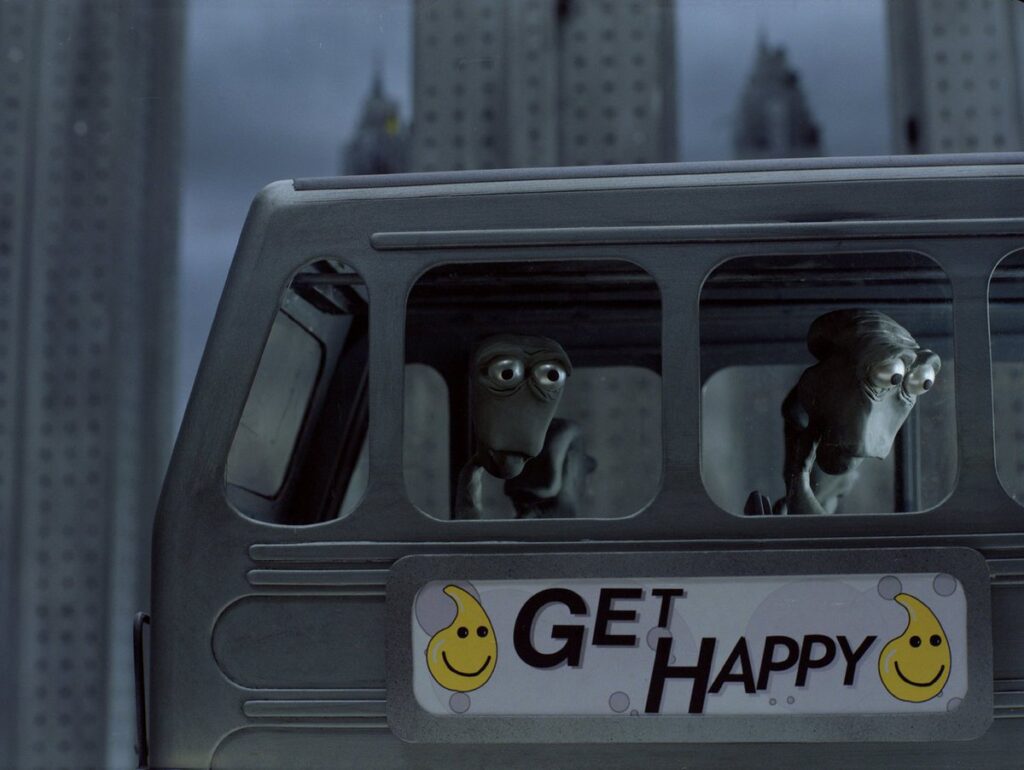
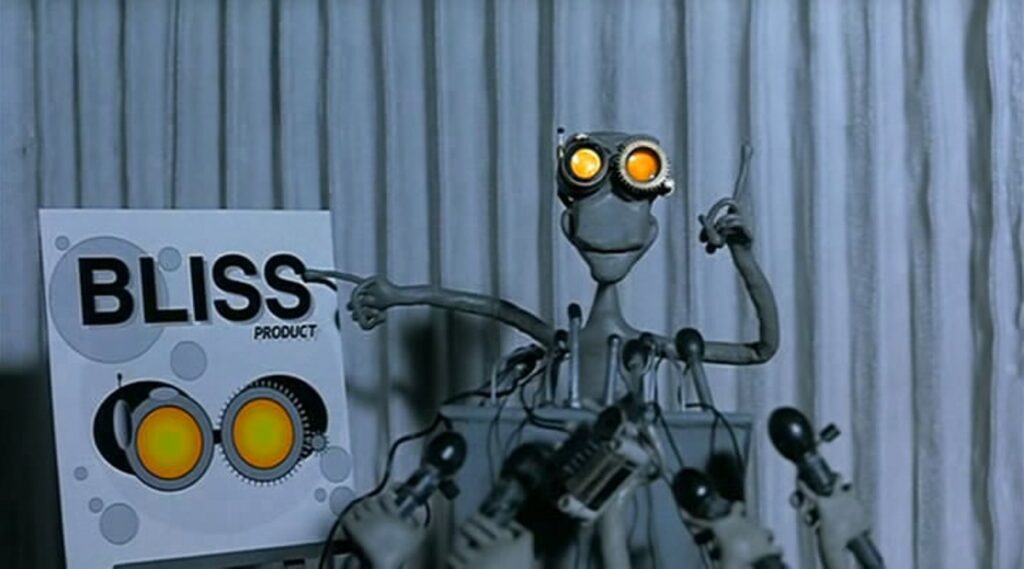
In a gray city, an inventor lives a routine life working on an assembly line, producing a product called Happy. Each night in his dreams, he returns to colorful childhood memories. Finding an inner spark, he creates a device that transmits this feeling. The glasses, named Bliss, flood store shelves, while their creator, having lost his memories, becomes a soulless part of reality.
Director
Mark Osborne is a director whose name appears in the credits of few films, but each one is sure to be well-known. He is responsible for the childhood memories of the millennial generation, having directed 'Kung Fu Panda' and contributed to the adventures of the one who lives in a pineapple under the sea.
For connoisseurs of unconventional animation, Osborne honored them with a beautifully conceptual interpretation of 'The Little Prince', whose puppet characters are refined largely because the mechanics of working with puppet models, even under a layer of plasticine, had already been fully utilized 16 years earlier in 'More'.
Production Features
Working with plasticine animation was not unfamiliar to Mark Osborne at the time of creating 'More'. In 1993, Osborne directed a plasticine music video for 'Weird Al' Yankovic's song 'Jurassic Park', and in 1994, he made the short film 'Greener', which served as a template for 'More', sharing not only cinematographic techniques but also the visual similarity of characters.
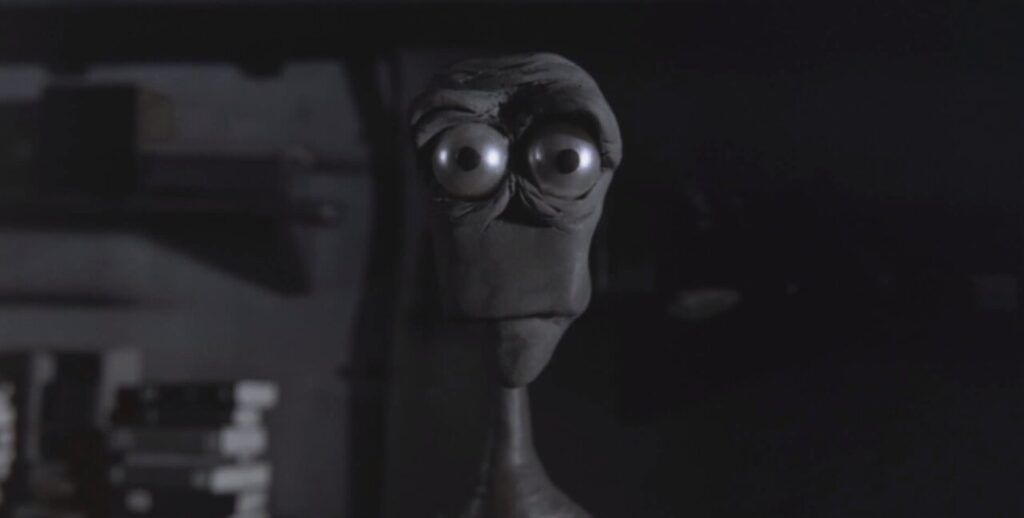
The film was the first short project shot entirely on an IMAX camera, with a production budget of $105,000 paid out of Osborne's own pocket. The budget was reduced thanks to connections that allowed the director to obtain the camera and necessary services from the Large Format Cinema Association. Filming was not Osborne's main job, so the creation took nearly a year, with plasticine being only the outer layer of the puppets used. The director focused on the plot, which is a synthesis of meaningful components.
Reflections on the State of Society
While the plot of 'Greener' focuses on the individual's confinement within literal walls, where mechanical devices replace physical capability (such as self-positioning hospital bedpans and a mechanical breast that dispenses milk), the main goal of 'More' is to show the individual's confinement in the grip of impersonality in a society mired in routine, where inventions replace spiritual fulfillment.
Osborne presents a world whose robotization is a consequence of existence obeying artificial rules and laws. The plot focuses on the substitution of the concept of true happiness. Happiness is concentrated in children who have not lost the ability to see the world through the prism of sincerity. Children embody happiness, finding it in every day regardless of the mise-en-scène, while adults lose their spontaneity and breadth of imagination, confining themselves to the rigid conditions of a world ruled by 'consumer stimulation' and capitalism.
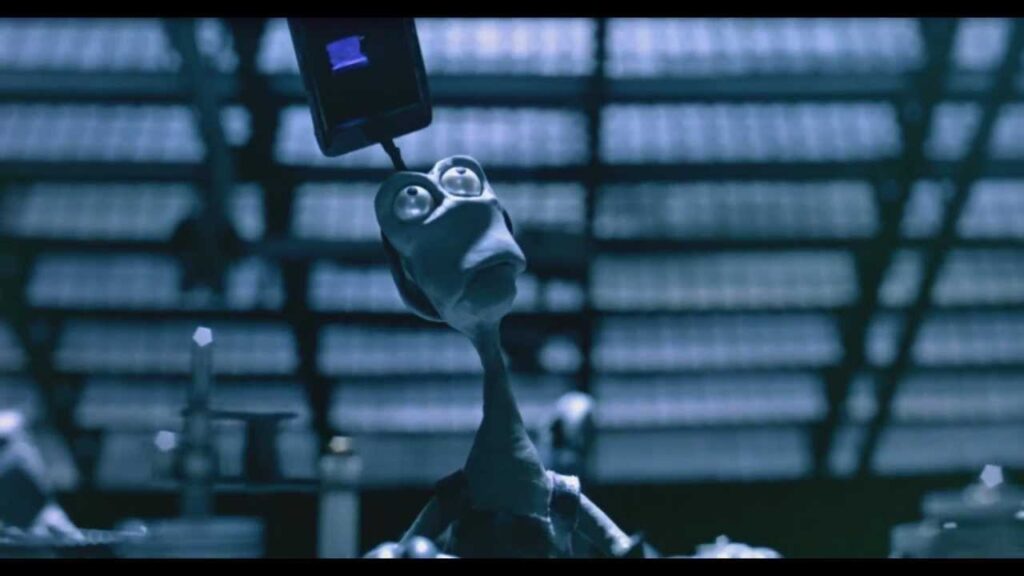
One way to interpret Osborne is a reflection on the transmission of essence. The viewer is led to conclude that the hero misused the fire within him. On one hand, there is a mistaken desire to put one's soul into tools rather than radiate it through oneself; on the other, the pursuit of monetizing one's soulfulness leads to a loss of identity.
The inventor feels life inside, but Osborne deliberately gives the hero no chance. It seems that at the beginning of the film, he sees memories through the lenses of the glasses he later creates. An illusion of a vignette is created—most of the screen is black, and children are shown in glimpses through a small circle, symbolizing the character's distance from the possibility of returning to the colorful state of childhood.
Interestingly, the film, released 26 years ago, finds its relevance precisely now, when modern society, forced to live a 'Groundhog Day' in cities filled with high-rise 'human hives', finds happiness in tools—no wonder the eponymous glasses filled store shelves.
But, as in existing realities, replacing the emptiness of the soul with artificial happiness from objects (which, by the way, Osborne depicts using garish colors and unhealthy hallucinogenic images) does not last forever, so a new object comes along. And even Osborne's invented 'Bliss' glasses, which augmented reality, recently ceased to be fiction, finding their reflection in the released glasses of the 'Apple' corporation.
Use of Color
To show the impersonality of the world, Osborne uses gray shades, monochrome, where the only colored elements are the boxes of Happy and Bliss products. When the inventor dreams of memories, children are shown through the same yellow prism that later appears on the boxes. This conveys an image of a life that no longer has a veneer of authenticity, even though it still flickers inside the character. The glasses created by the inventor immerse the viewer in a hyperbolically colorful world, where colors are artificial, like the reality created by the glasses. The viewer sees natural color only when live children appear on screen in the finale as a symbol of genuine emotions.
Music by New Order
The musical accompaniment for the film is the composition 'Elegia' by the band New Order, recorded in 1985 and associated by the younger generation with the series 'Stranger Things'. The style of the melody matches the semantic component of the plot—the monotony of the inventor's work is consonant with the looped nature of the composition. But another parallel is more interesting: in English literature, 'elegy' is a lament for the dead. The composition was stated by the band as a recording in memory of Joy Division vocalist Ian Curtis, while the use of the melody in the film can be interpreted metaphorically—a lament for lost feelings.
Overall Impressions and Critique
The film garnered praise from audiences and critics. 'More' received over ten film awards, but did not win the Oscar, which went to the short film 'Bunny'. Yet to this day, Mark Osborne's work continues to align with modern trends, despite the film being 26 years old. Nowadays, IMAX and plasticine animation (which is entirely created to reduce production costs using the same 'puppet in plasticine' principle) are not surprising, but 'More' can simultaneously engage viewers with its execution style and meaningful content.
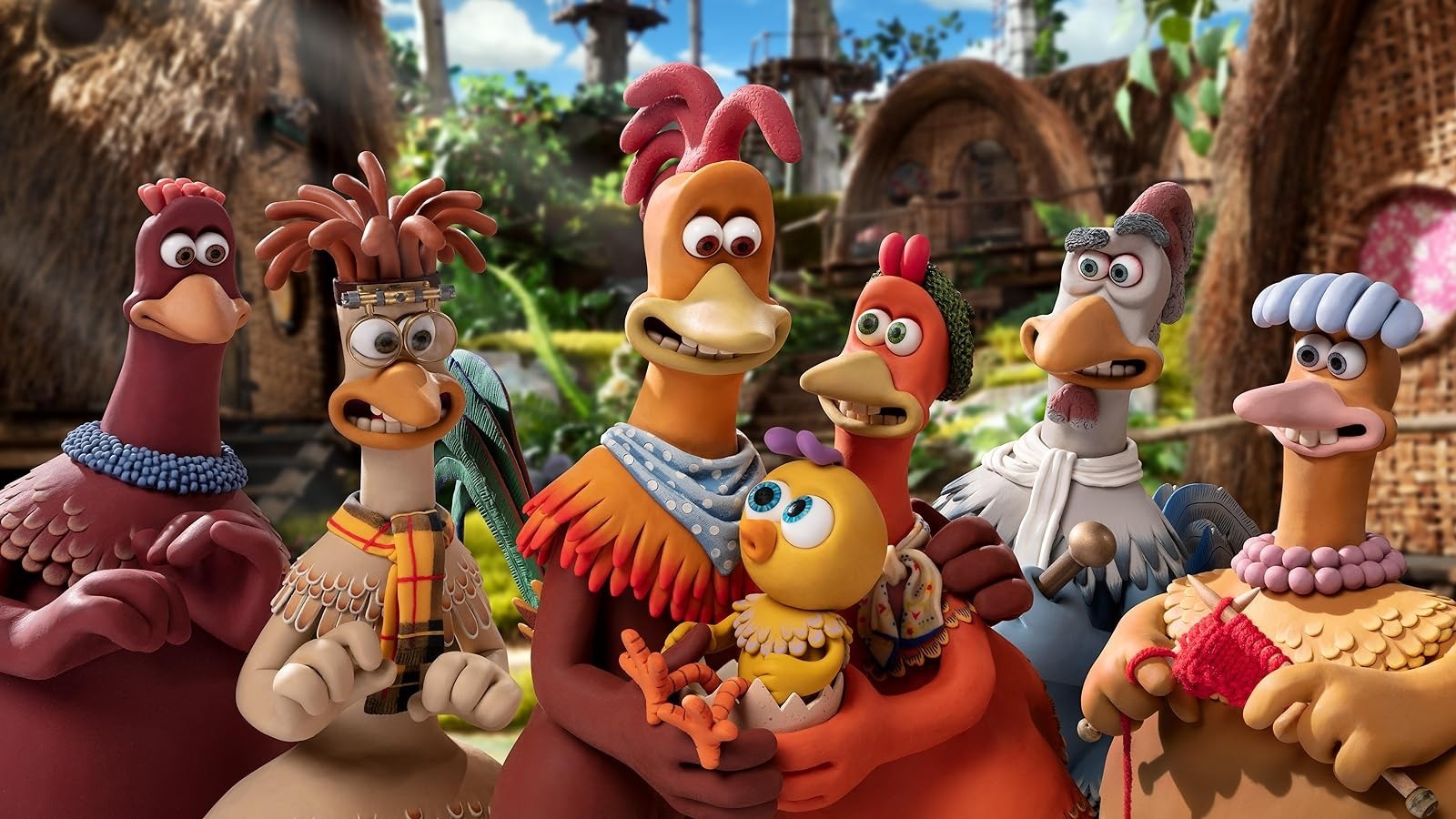
A sequel that grown-up fans of the original film had long given up waiting for, and today's children weren't expecting at all. Why 'Chicken Run 2', which meets modern demands...
Open material
Comments
0No comments yet.
Sign in to join the discussion.