

The first season of the series "Sugar", a stylish detective show with Colin Farrell that wants to surprise the viewer but rather causes bewilderment, has concluded on Apple TV+.
John Sugar (Colin Farrell), a private detective specializing in missing persons, cruises through sun-drenched Los Angeles in his luxurious convertible. A new case leads him to renowned film producer Jonathan Siegel (James Cromwell), whose beloved granddaughter has disappeared. Sugar himself is a film buff, so he can't refuse help to a man from Hollywood. But as he digs into the case, many unsavory aspects of the dream factory surface, and the detective's own demons don't exactly help him succeed.

"Sugar" works like a cool pilot episode aimed at grabbing attention and selling a product that hasn't been fully formed yet. It has stylish visuals, where the impeccably dressed Farrell shines with charisma like a seasoned noir hero from the 50s, backed by a languid voiceover. It cleverly integrates the cinephile game "Guess the Movie" – since the hero loves cinema, the frame constantly features films somehow related to the unfolding events. So watching feels like being at a hardcore movie quiz.

From "Body Heat" to "Touch of Evil" – a selection of films appearing in the series "Sugar".
Open material"Okay," the viewer thinks. "I'm in. I hope the story turns out to be just as gripping." And that's where the series starts to fall apart.
As a detective story, it's mediocre. Sugar drives around town, asks questions of those involved, tries to provoke the missing girl's relatives and acquaintances into revealing the truth. And that's about it. There are no clever clues that would help not only the titular hero but also the audience build theories. No intrigues beyond the kidnapper's identity either. Those very interrogations are written as lazily as possible.
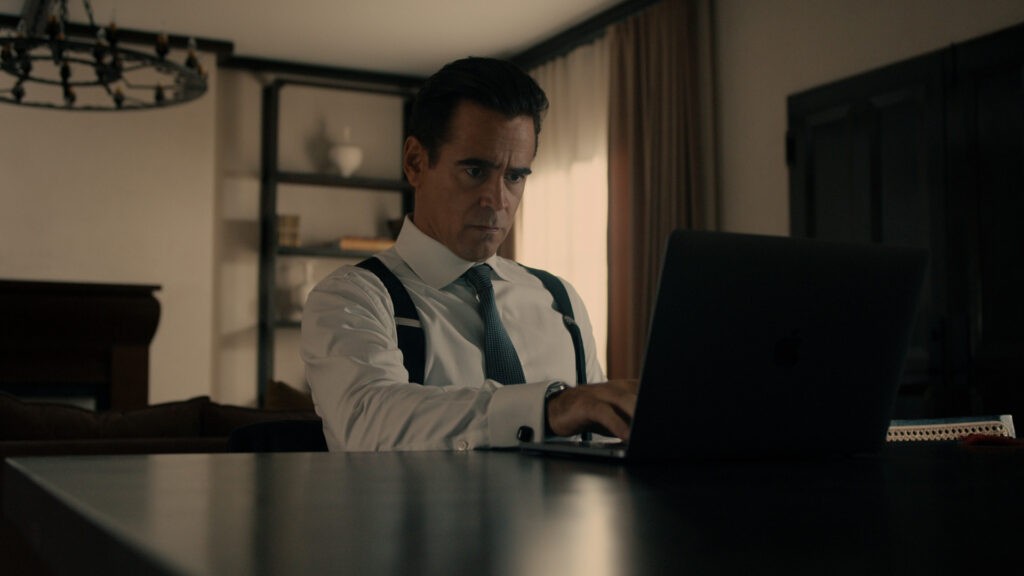
As a dramatic work, "Sugar" doesn't work. We know almost nothing about the hero except that he lost his sister (which drives his urge to find people), he doesn't develop, so it's hard to empathize with him. Moreover, Farrell's character is practically a superhero: he can handle a crowd of thugs, calm guard dogs, and give money to a homeless person. And we all know why people root for Batman, not Superman.
The supporting cast also lacks depth. There's Sugar's friend and colleague Ruby (Kirby), who worries about her friend just because. There's John's love interest Melanie (Amy Ryan), who is supposed to be the local femme fatale, otherwise what noir are we talking about? But her storyline is written half-heartedly, and there's no chemistry between the actors.

The most interesting in this regard turned out to be the odious Siegel family. This is where the seedy underbelly of Hollywood is woven in, with the silencing of harassment, the problems of star life, and so on. It feels like if the authors had focused on this aspect, blending it with the investigation, they would have produced a more cohesive work. But they chose a different path.
In the sixth episode, the creators pull a cat out of the bag. With a twist, hints of which were thinner than Ricky Gervais's sense of humor, they boldly change the genre, paradigm, and narrative content. But behind the wow effect (and it is real, as few manage to hide such a turn so cleverly) comes absolutely nothing. The new circumstances somewhat justify what happened earlier and set the stage for a continuation, which apparently wasn't planned (the project was initially announced as a miniseries).
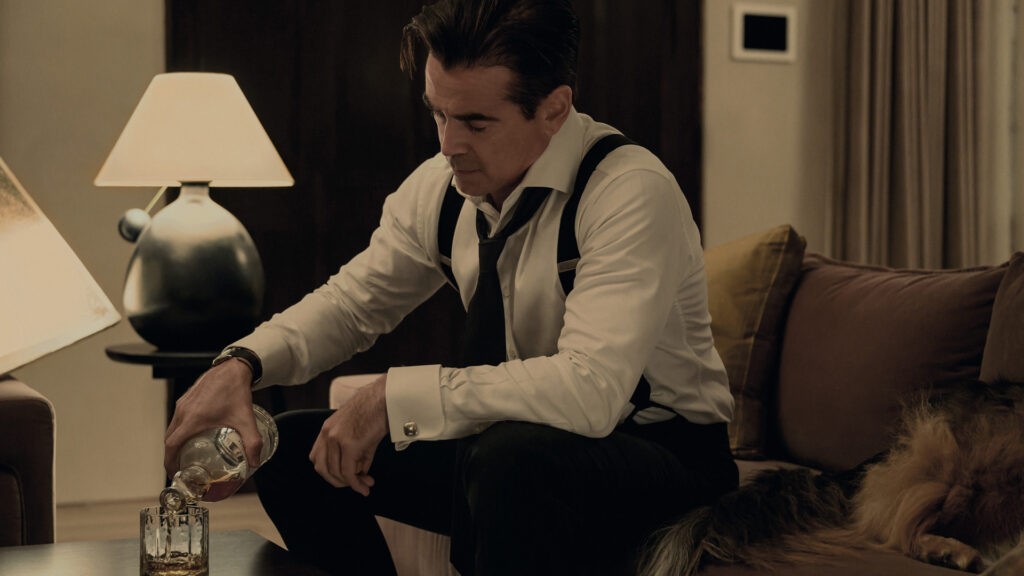
In the end, we got an uneven and even strange series. It balances between classic noir, playing by its rules most of the time, and attempts to shock the viewer with a WTF twist, with the main bet placed on atmosphere and Farrell's persona. As an experiment, it turned out curious, but as a full-fledged work, it's closer to a fiasco.
Trailer:
Comments
0No comments yet.