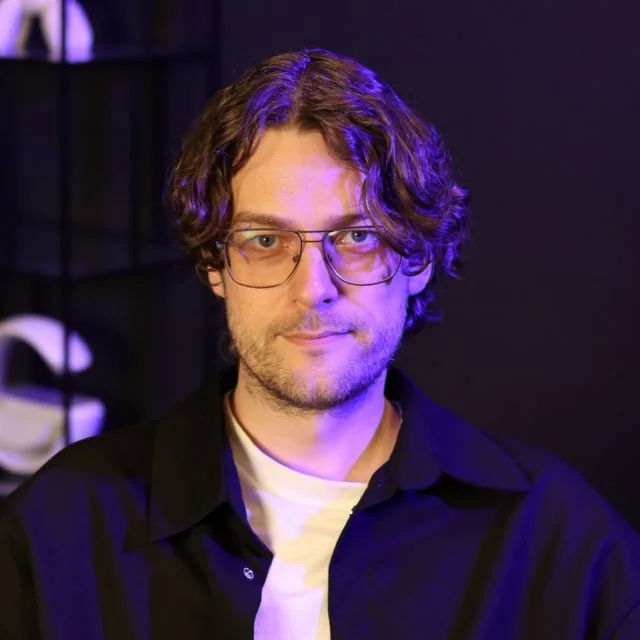

Ingrid Olerinskaya, Angelina Strechina, Liza Shakira, Anastasia Ukolova, Maria Shumakova, Sofya Lebedeva, Mila Ershova, Sonya Priss – all these names are well-known not only for their successful roles but also due to comprehensive promotion in media and social networks. And the person responsible for this is the director of communications and promotion of TV and film actors Alexandra Plisakova.
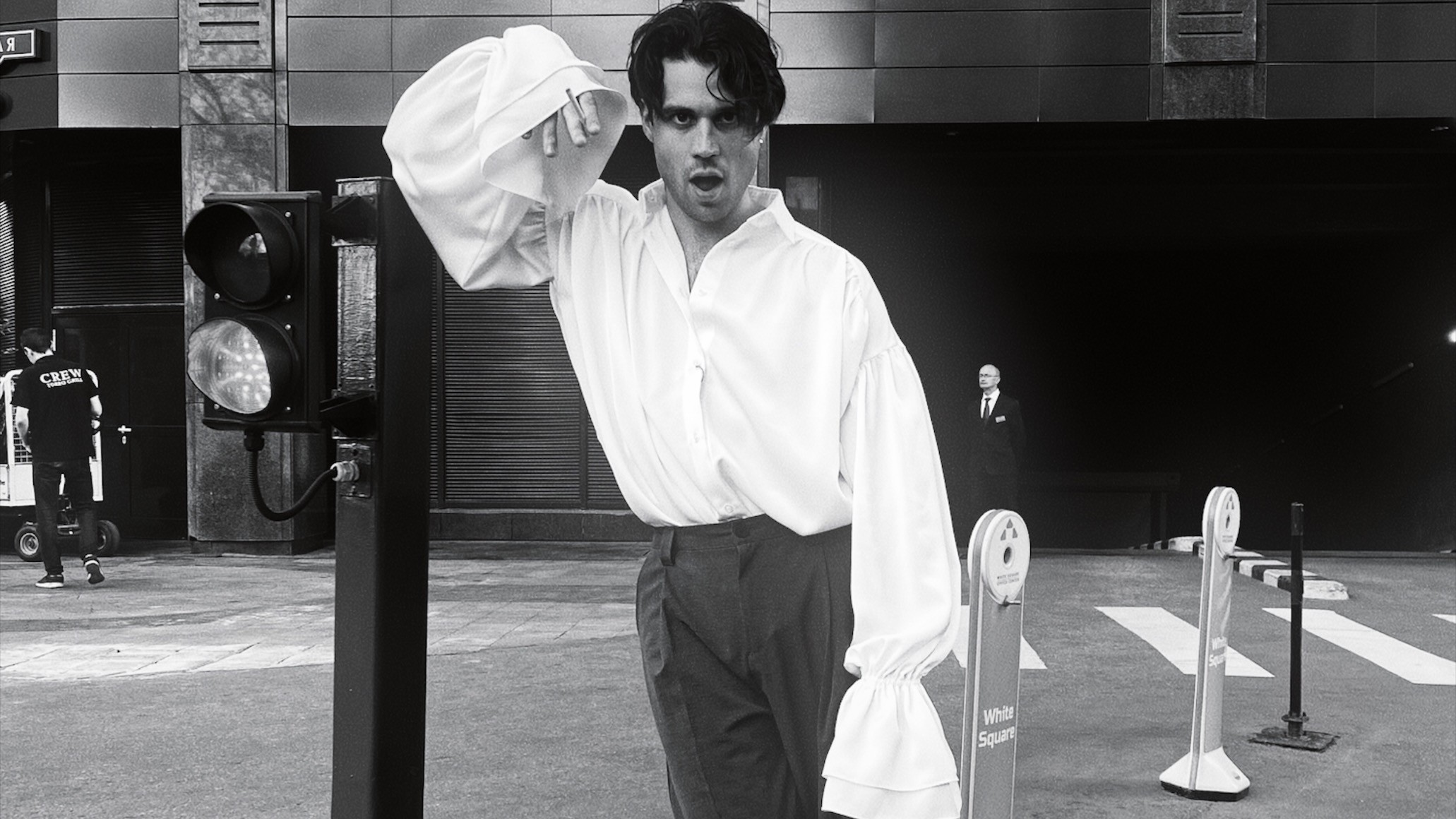
On January 4, a new season of the series 'The Mediator' started. In honor of this event, we spoke with one of the lead actors, Vladislav Tsenev, about acting, his creative path, and more.
Open materialWe spoke with Alexandra about how to promote Russian actors, current trends in the field, her attitude towards working with publications, and unexpected stories from the lives of artists.
Spoiler: once she had to book a hotel room for... a hamster!
– How do you assess the role of PR in the careers of modern actors? What trends have you observed in this area in recent years?
A very interesting question. On one hand, I am convinced that it is difficult to overestimate the role of PR support. On the other hand, I look at the path of some artists and it seems that everything is going well for them anyway: top projects, media attention, advertising contracts. Nevertheless, sooner or later the question of how to work with such attention will arise. And here there are certain rules of the game, you need to understand them, because it largely determines what niche the artist will eventually occupy in the information field. And in my experience, this can also affect the artist's direct work.
Speaking of trends, when I started my journey in personal PR, it was mostly cold calls. I remember just sending a message with an offer of my services to all the artists whose contacts I could find. Some didn't respond at all, some thanked me and refused, and some responded. For example, I waited about a month for a meeting agreement from my first client, actress Ingrid Olerinskaya. At that time, she was filming outside Russia and couldn't be reached in Moscow. At some point, I had already lost hope, but recently FB* reminded me that we have been together for 10 years now. And for us, these are not only working relationships but also friendly ones. By the way, I am convinced that in my craft, good personal relationships with the artist are an important component of successful interaction.
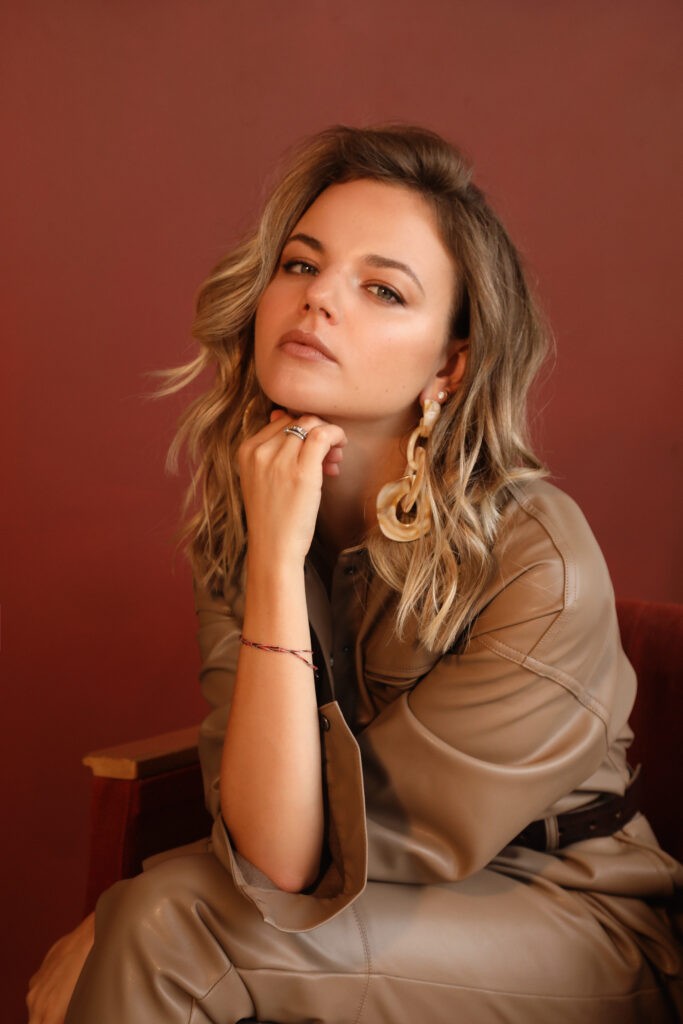
So, if at the start it was always outgoing offers, now many artists write and call themselves. It's funny that sometimes even those who didn't respond to me back then reach out. Of course, during this time, strong metamorphoses have occurred in the entire industry, including advertising.
Let's not forget about social networks; their role in shaping a personal brand is hard to overestimate. All this at some point puts the artist in a position where they need help to navigate this space of options. But most often, they reach out for two reasons: 'producers don't approve because of lack of media presence' and 'I have good roles, but no one knows about it.' And by the way, perhaps it is these requests that have predetermined the specifics of my work.
I realized that I am much more interested in working with new faces, young talents who often do not receive enough attention from the media because it goes to more media-savvy artists. Working with young talents, you feel involved, and all the growth points are much more tangible. This is a great motivation.
And it's nice when these results are noticed. But here I want to make an important remark: it is always teamwork. In an ideal world, it is a close collaboration between the artist, their agent, and the PR manager. And I'm not even talking about the model that is still the least common for our market, where there is also room for an advertising agent, stylist, makeup artist, etc.
– What are the challenges in promoting Russian actors?
The main challenge is that such an ideal picture does not happen. Either there is no PR manager at all, and then the agent does all the work for everyone, or the agent and PR manager are not even acquainted, and there is no coordinated action. Everything is very chaotic, there is no clear division of labor, no understanding of the overall picture, no development strategy. And the biggest difficulty you can face is the artist's lack of understanding that PR is also work that requires time, effort, concentration, and meeting deadlines. Sometimes it even involves changes in appearance or mindset. And few are ready for this, as experience shows.
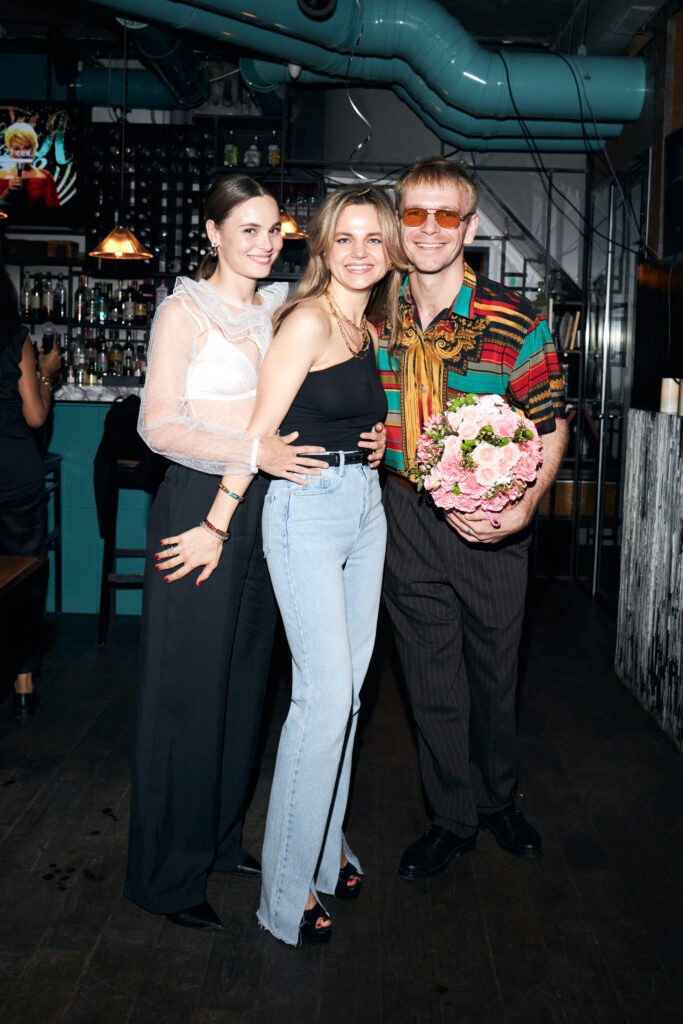
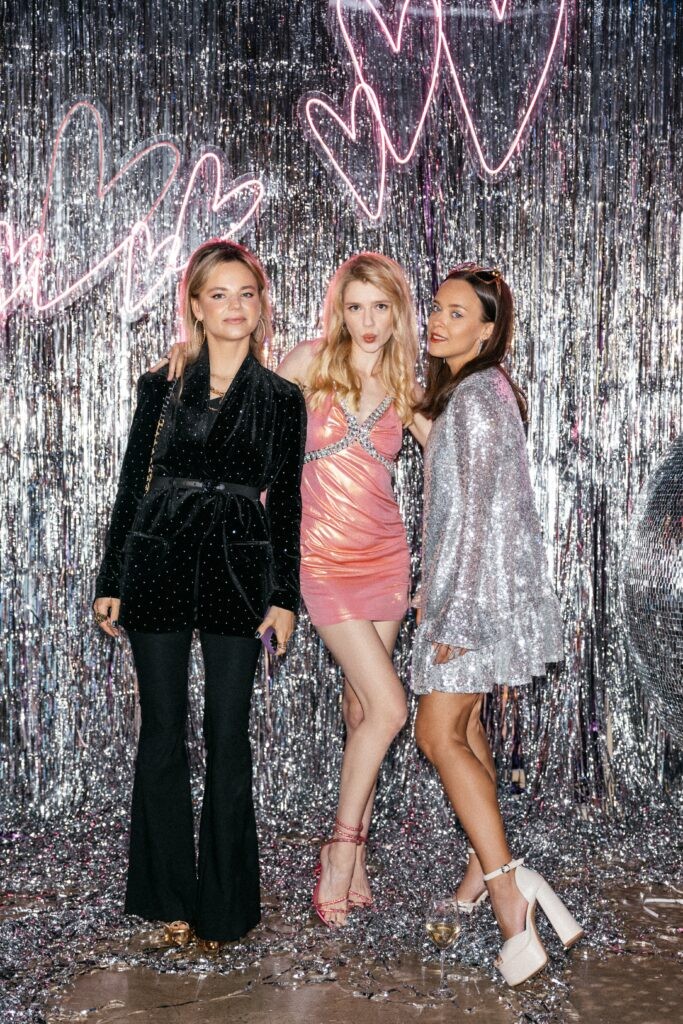
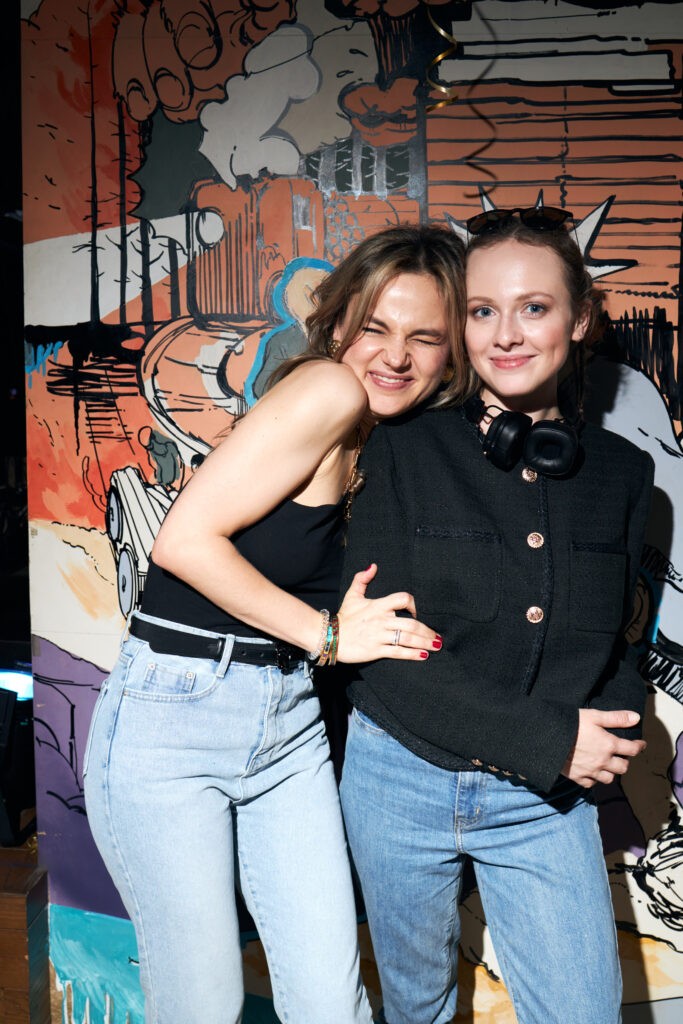
Alexandra with her clients
I think if every artist realized that they can be not only a creative unit but also a kind of brand, the attitude would be different. Although, of course, not everyone needs additional attention. Many are exclusively engaged in work in theater and cinema. In general, I don't know how it is now, but I've heard that in theater circles such activities are not encouraged.
Therefore, some artists treat personal PR as something not very worthy, but in fact, it is a tool that, when used correctly, can be very useful in the profession.
– What about the international market? Have you had any experience promoting our stars in Europe or Hollywood? Or are you planning something similar in the near future?
Not really, I suppose. After all, to promote in a certain market, you need to be in that environment. When my client, actress and director Yang Ge, moved to Berlin, I helped with materials for a couple of local publications, but they were still aimed at the Russian-speaking audience. I'm not sure that counts (smiles).
– What strategies do you use to maintain the public image of your clients in media and social networks?
The main strategy, perhaps, is that the artist appears in the media for a reason, that is, in connection with their projects. I am not a supporter of fabricating news stories out of thin air. And since I mainly work with new faces, I consider it extremely important that they make themselves known primarily in the context of their roles. And only after a more or less formed image, very carefully move on to covering personal topics and news stories, if necessary. Sometimes artists want to cover important events for them in a print publication as a keepsake, but most of my clients are extremely cautious about covering their personal lives.
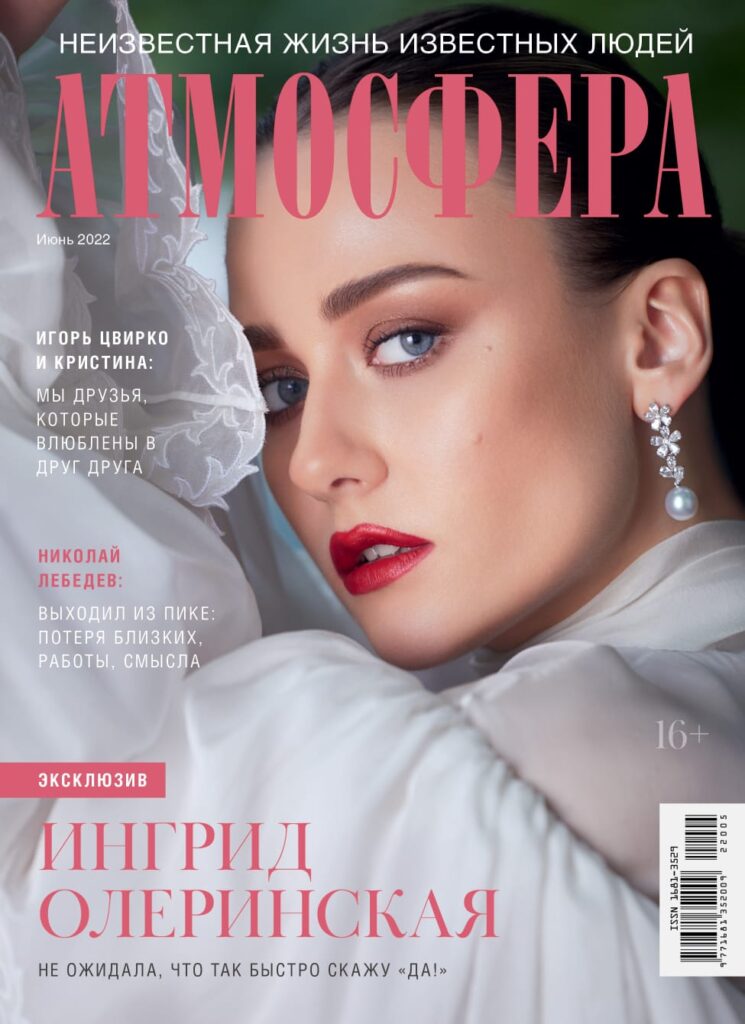
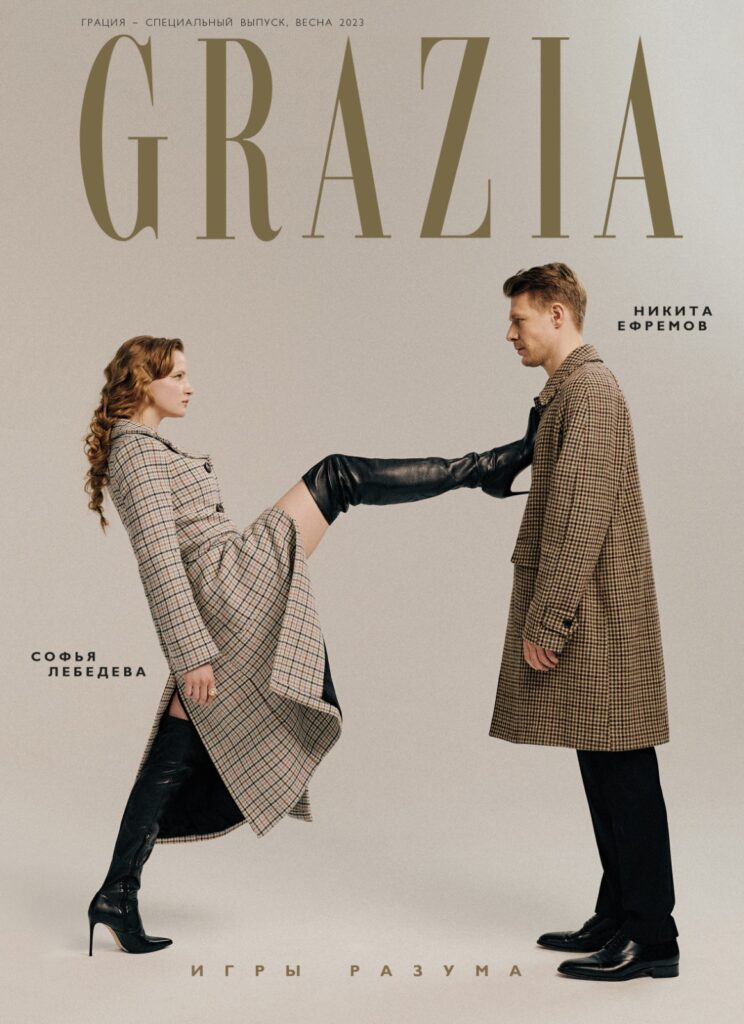
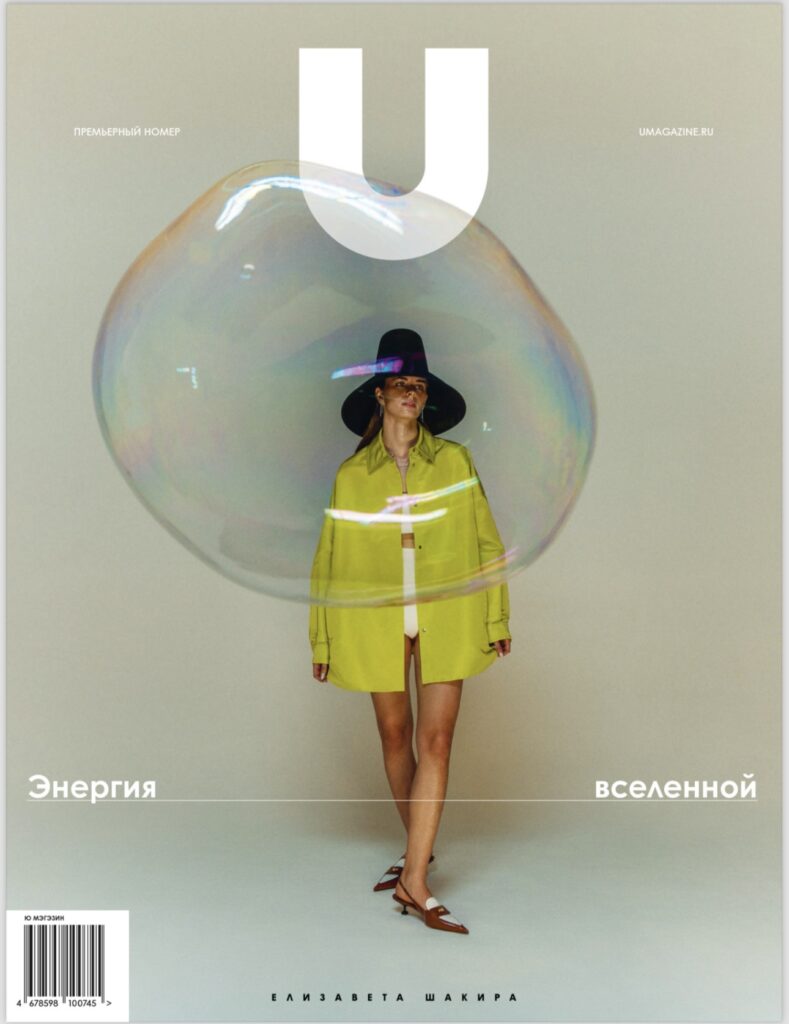
Alexandra's clients on the covers of fashion magazines
– How do you approach working with influencers, bloggers, and media to promote your clients and their projects?
The cornerstone principle is to try to preserve the individuality and self-perception of the hero. That is, if at the beginning of my career I could sometimes lead the artist into some universal story so that, conditionally, they would be 'loved' equally by glossies and more mass publications, over time it became obvious that this is not a working tactic.
I am still convinced that for an artist's recognition, it is necessary to cover different audiences and platforms, but at the same time, it is essential to take into account the personality type, character, and interests. Some are sociable, others are extremely closed. And I do not consider myself entitled to change that radically. This is perhaps the biggest challenge – to create such a compromise environment in working with the artist that allows each side to solve their tasks most effectively, but without betraying their internal principles.
Already based on the interests of each specific artist, I understand which publications, sections, projects we should go to, and which we should refrain from. The same, by the way, applies to interaction with brands, whether in beauty, fashion, or lifestyle. Each brand has its own hero, and you should not try to please everyone. You need to understand who you are, what is important to you, and choose those who share your values and principles. Actually, by the way, a good credo in life, I would say (smiles).
– Tell us about some other interesting stories related to actors. You can omit names.
I often think that I should record all sorts of such stories somewhere, but I never get around to it.
Here are a few episodes that come to mind.
Once, one of my actresses came to St. Petersburg for filming and stayed at a hotel, but it turned out that during her stay she needed to return to Moscow for two days for auditions, if I remember correctly. And she says: 'Sasha, can we please check with the hotel if they are willing to provide a room for my hamster on a barter basis?'
Of course, one might assume she meant a person (laughs). But no, it was about her pet. It was inconvenient to take him to Moscow for such a short period. So I write to the manager and think for a long time whether to say that the room is needed for a hamster. In the end, when it came to food, I had to describe the situation as it was. Surprisingly, no further questions followed, and everything worked out.
But at that moment, I remember thinking: 'Sasha, seriously? You're arranging a room for a hamster? This is the peak of your professional achievements!' (laughs)
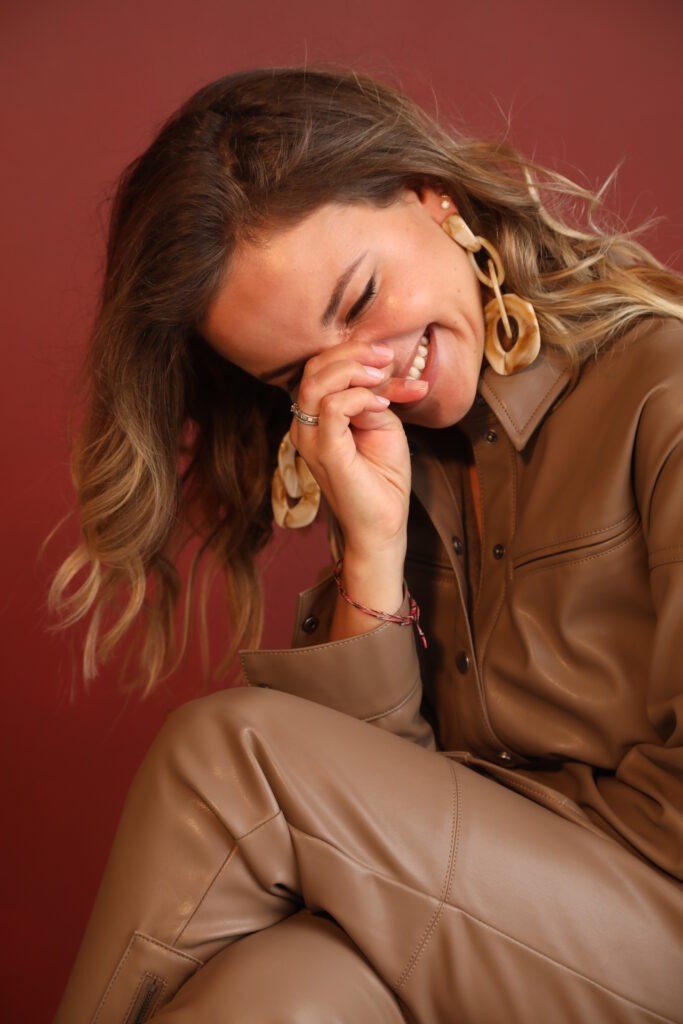
Another situation also amused me greatly.
So, December. Corporate party season is approaching. A request comes from Kazakhstan to host an event. At this stage, nothing was suspicious. Questions arose when this mysterious contact, who hadn't even properly introduced himself, couldn't describe the format of the event and who the client was in detail. Everything, as he said, was absolutely secret, since the client is involved in crypto, so he couldn't give any details, but we just had to trust and come. Something like that. Under the pressure of my continued questioning, he was forced to give up, take a break, and disappear.
Literally a week passes, and from another Kazakh number, a request comes to the same actress for filming in Kazakhstan. I always pass such questions to agents because that's their domain, but I preliminarily clarify details. And then I asked what kind of film, what team, whether there is a script, etc. And then they send me information by email, from which I understand that it's about porn. And the fee, as I remember, was offered in dollars. Around 100,000.
Well, I laughed and then wrote to this mysterious person from Kazakhstan that they had come to the wrong address. And his first reaction was: 'Oh, I wasn't warned that it was about such a film! Sorry! And I was wondering why everyone reacts like that...' But literally five minutes passed, and he asks: 'What if we increase the price?'
And the culmination was when, after an hour of my silence, a message came addressed to me: 'Don't you want to star in it?'
I laughed and blocked him.
Yes, I think this is probably the ultimate success – an offer to star in an adult film (laughs).
– How do you assess the impact of scandals or negativity on an actor's career, and how do you react to such situations?
Well, we've smoothly approached scandals and intrigues (smiles).
This is definitely not my forte. Working with black PR. I genuinely don't understand why young artists who plan to develop and improve in their profession need it. Of course, it is an effective tool for attracting attention. But there is very little pleasant about it.
I worked with a famous TV presenter when some notorious footballers beat up high-ranking officials at Coffee Mania and also her driver. My phone had never died just from the huge number of incoming calls. It rang all day without stopping. But we immediately decided not to comment on the situation in any way, so as not to be drawn into that vortex. Although we were offered press conferences and various shows.
I'll say this: few can afford scandals without negative consequences for their career and image.
– What do you think will change in PR work with actors in the near future, considering trends, especially regarding technology?
I once listened to Will Smith's book 'Will', and he reflected on how it's a waste of time to try to guess the future and make any predictions. I don't know why, but in the context of the twists and turns of his life and everything around, this idea sounded new to me. So I won't even try to guess.
As for technology, I would like the acting profession to live, because what AI is already doing is both mesmerizing and frightening.
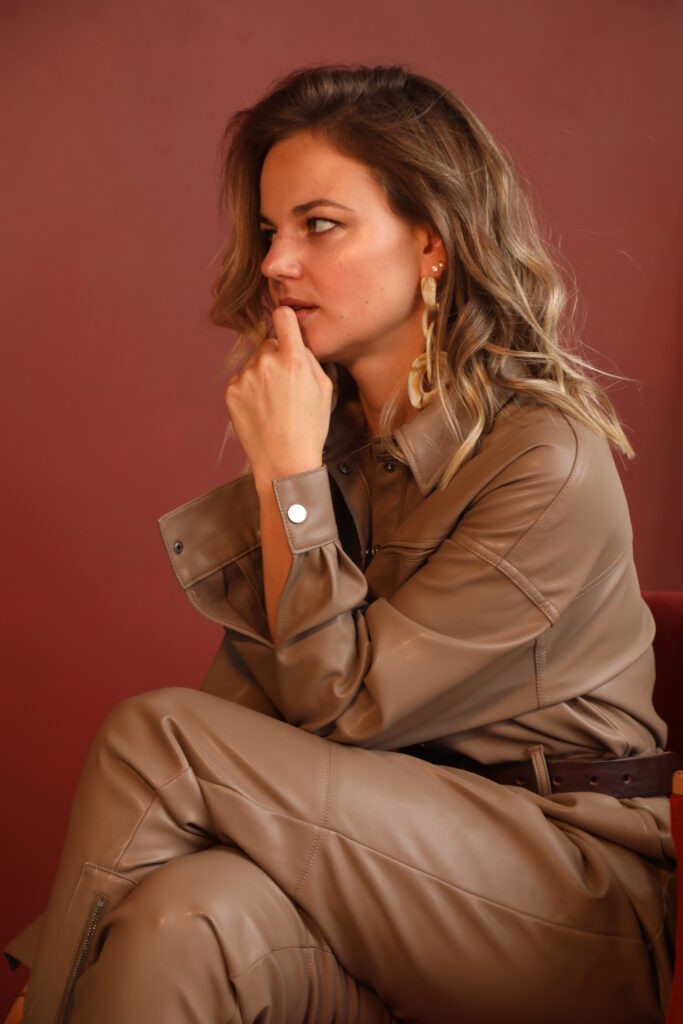
– What about memes and internet humor in shaping the image of an actor in the modern media space? How do you feel about that?
I have a positive attitude if it is close to the actor. But I would lean towards intellectual humor. For example, there is Nastya Pautova's channel on the banned network. There are cool memes there.
– Which roles, in your opinion, are difficult to promote due to the specifics of the script or character image, and how do you solve such tasks?
I think any project can be supported, as long as it does not contradict the law.
Just the volume and format of support will be different. Author cinema has one pool of media, mainstream cinema has another.
Although, of course, it is no longer so easy to classify a film or series into a specific genre; we often see mixing, but this also increases the possibilities for support. In general, in my experience, ways can always be found.
– If you could restart the career of one famous actor, who would you choose and what would you suggest changing in the PR strategy?
In my opinion, it is incorrect to single out individuals. I am a fatalist; I believe that everyone must go their own path.
But I think it's great when from the very beginning of an artist's journey there are people nearby who can help guide them at the right moments, so that later they don't have to do damage control.
– If you could suggest an actor do something unusual or completely unexpected for their image, what would it be?
Well, in this sense, I'm a bore – I'm for careful and smooth movements. And also, I would, of course, discuss it with the artist's agent, because any such changes can affect their work in cinema.
I believe that any changes must be justified.
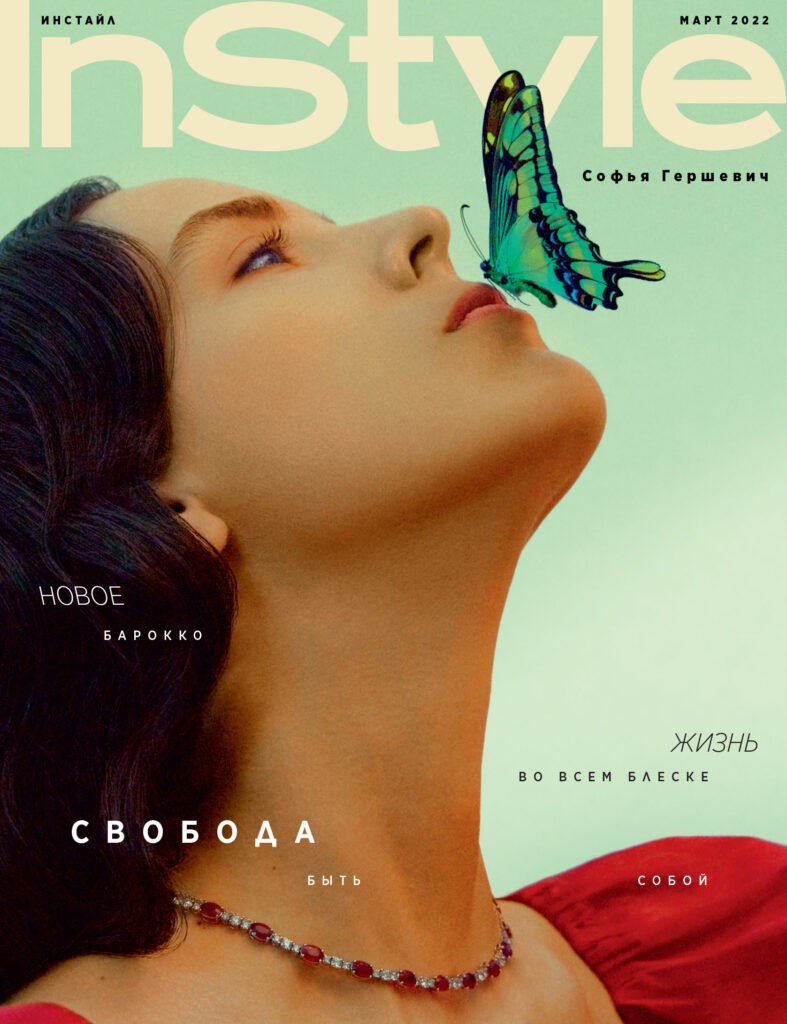
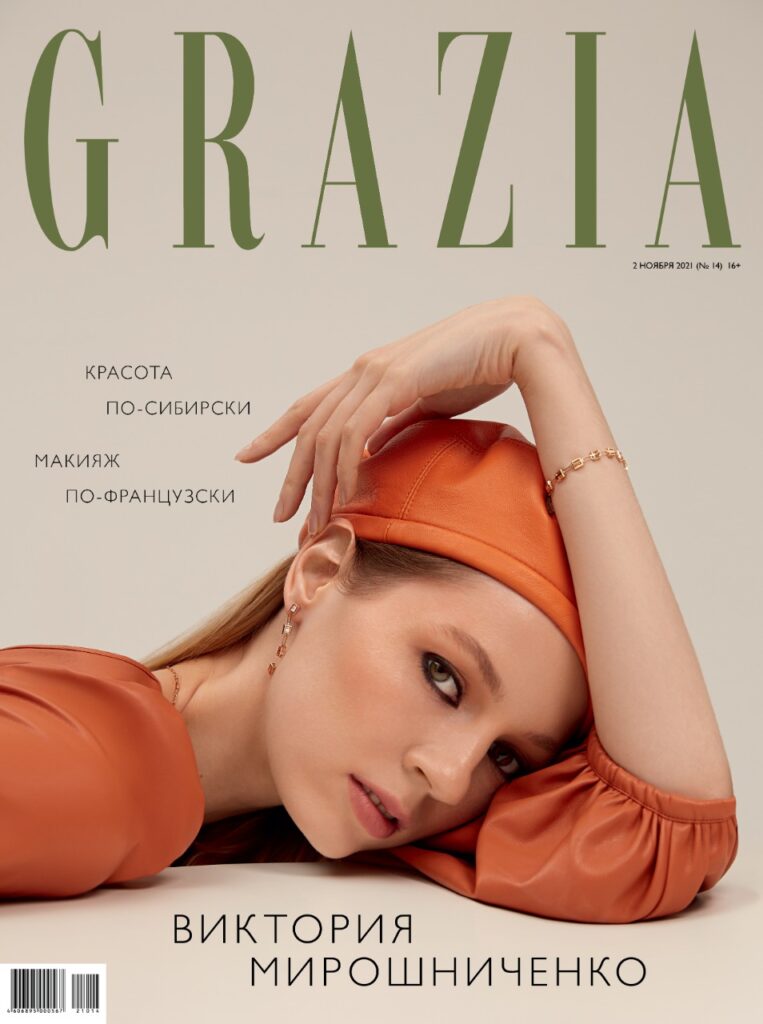

Alexandra's clients on the covers of fashion magazines
– Which films or series in recent times, in your opinion, have most effectively used PR campaigns to attract attention, and what made them successful?
..? This is hardly an unexpected answer (smiles).
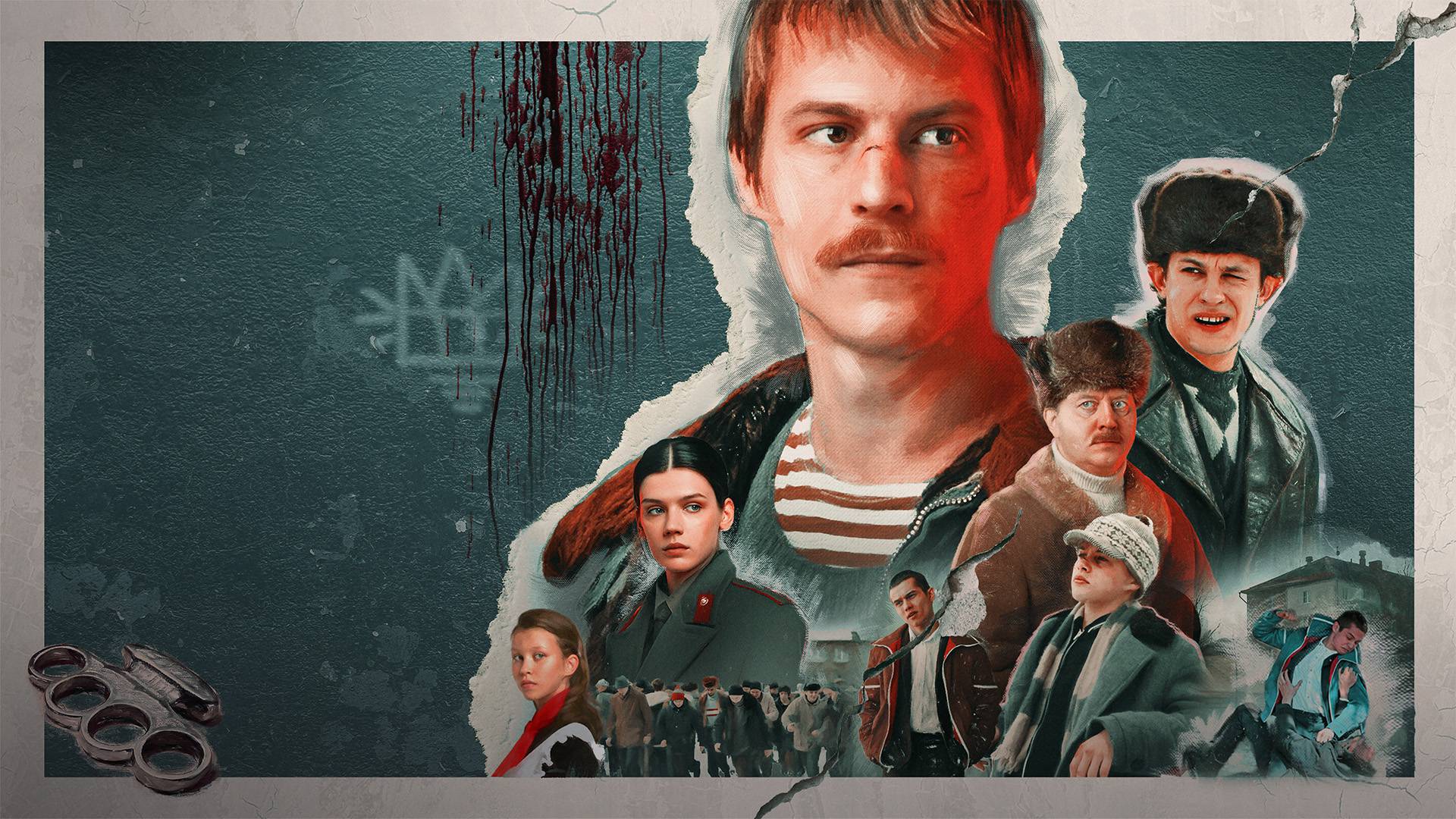
On December 21, 2023, the final episode of perhaps the most popular series of the past year, 'The Boy's Word: Blood on the Asphalt', was released on the START and Wink platforms. Now that the viewing is over...
Open materialBut I would say that the PR campaign there was of a different order. For example, I first wanted to watch the series after reading about it not in specialized channels, but in public pages covering world events. I became curious why everyone was discussing it. This is absolutely a case where everything came together. I think there is also an element of predetermination in this. There are many high-quality and worthy projects, but not all of them take off like that. A few, I would say.
Speaking of the foreign market, there are more examples there, but I won't venture to discuss them because I don't follow their promo campaigns. I just watch what's trending.
– What do you think can be done to make actors more accessible to their fans and increase audience engagement?
I think that when it comes to artists, nothing increases audience engagement as much as a project with their participation that goes viral. How can we not mention 'The Boy's Word' again? (smiles).
Otherwise, we see that humorous content, as a rule, attracts particular attention.
In general, in my practice, the most striking example of promoting one's accounts was the experience of Yang Ge, who launched 'unbearable Russian language'* and the trend for 'spasiiiiiba' :) She turned out to be an excellent SMM manager, the best I personally know!
– If you had the opportunity to conduct a one-day master class for actors on PR, what would you talk about and what skills would you want to impart?
I would start by saying that PR should be based on mutual love. It would be extremely difficult for me to work with people to whom I would have to prove every day that they need it, first and foremost, not me.
Many people think that PR is a comfortable thing: give a couple of interviews, pose for a magazine. But it is actually also hard work that requires, at the very least, discipline.
There are deadlines for submitting materials, for example. And if it's not just one interview but several, you also need to find time for a shoot or an event; you must be able to integrate these tasks into your busy work schedule. Therefore, seeking PR support services requires a conscious and responsible attitude from the artist.
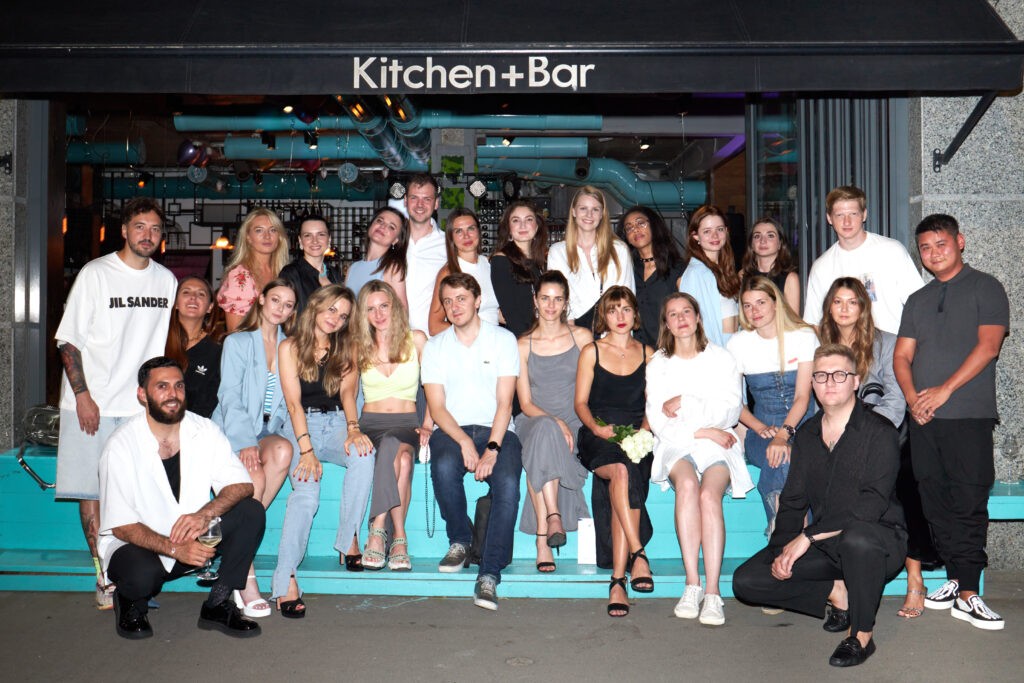
I would like to note a trend: the role of PR in the development of an artist's career is positively assessed by other industry participants: artists have started seeking services on the recommendation of agents, casting directors, and even producers.
To summarize, I would say that when you and the artist are like communicating vessels, when you have common goals, tasks, an understanding of how to achieve them, and you are open to dialogue with each other, then synergy happens, and PR works for the benefit of the artist.
*belongs to Meta company, which is recognized as extremist in the Russian Federation.
Comments
0No comments yet.
Sign in to join the discussion.