
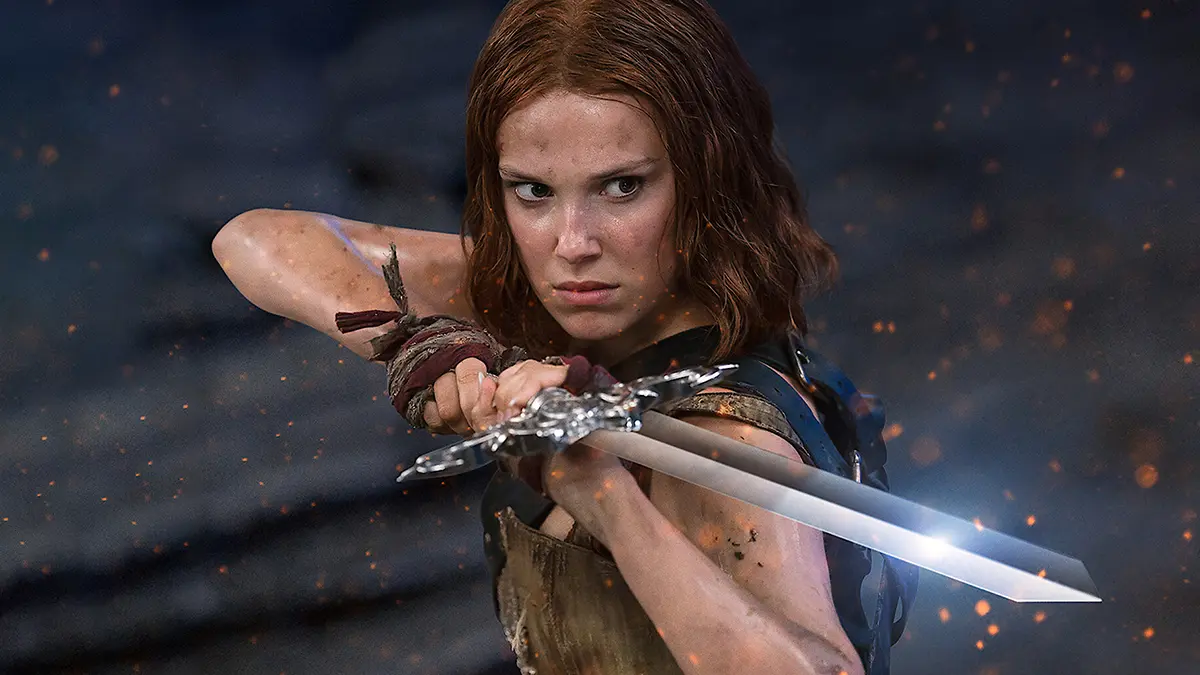
Let's talk about why the promising fantasy 'Damsel' in the style of 'Game of Thrones' is actually a bland echo of 'Brave'.
Lord Bayford's (Ray Winstone) daughter, young maiden Elodie (Millie Bobby Brown), lives in a poor country. The people are starving because the barren soil yields insufficient food due to weather conditions. So the girl helps the people as best she can: chopping wood, selling utensils, and even agreeing to marry the prince of a prosperous kingdom, sacrificing her own happiness. Miraculously, the prince is kind, and the future newlyweds even share the same dreams! But there's a catch: along with the prince come relatives with a trailer in the form of a ancestral bloody pact with a dragon, to whom the girl is sacrificed on her wedding day.
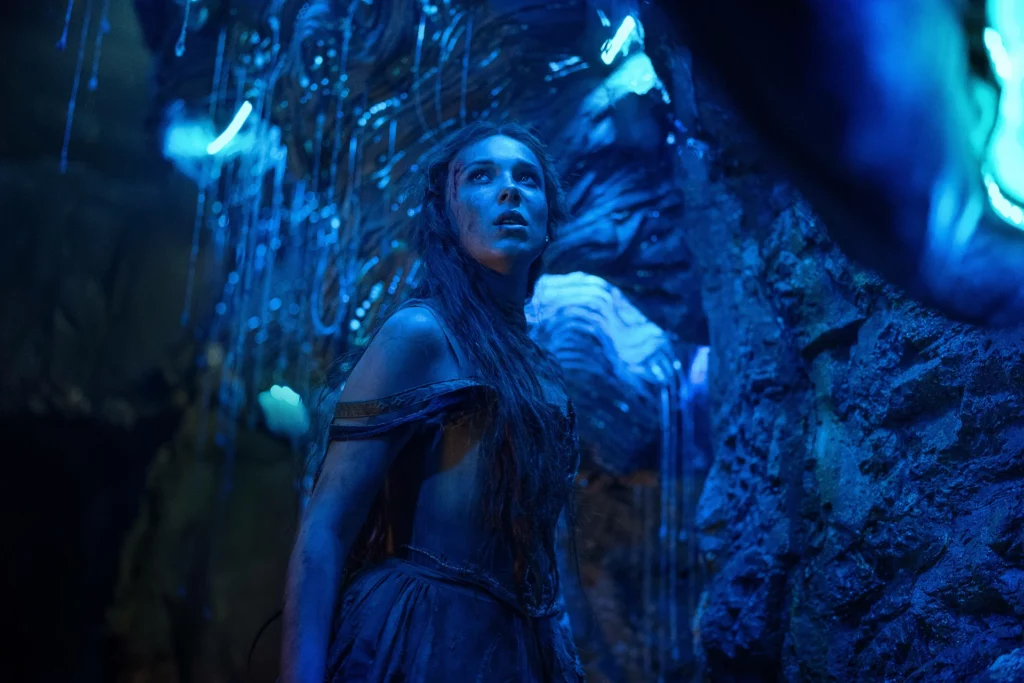
Time sets trends, and the current one is a rethinking of classic fantasy and fairy tale templates. And while stepmothers stand up for their stepdaughters, and dragons evolve from one-dimensional antagonists into ambiguous characters with deep personal drama (the first dragon since 'Shrek' to be familiar with female and maternal issues), princesses fight for their own lives without relying on a handsome prince.
He, by the way, is now a completely amorphous and optional character. In the 20-plus years since 'Shrek', the savior has not only become a mere companion to a self-sufficient but still not rejecting love and sentimentality princess like Fiona, but has lost his voice entirely, remaining a shadow of a domineering mother.
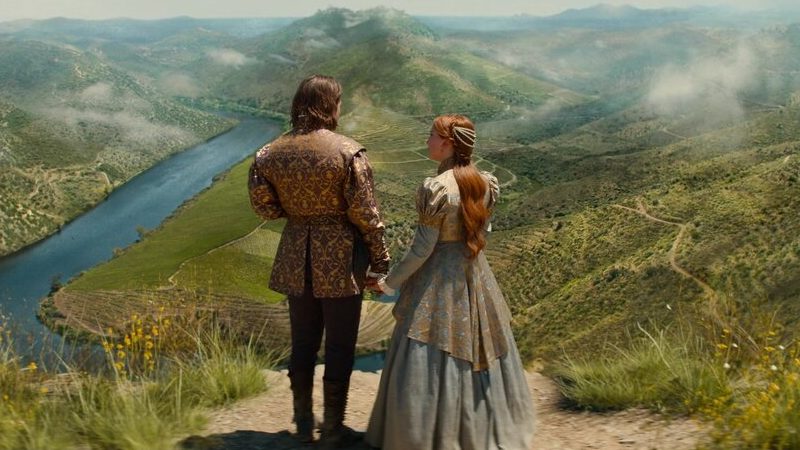
Princesses have also come a long way in progress, but they seem to have lost a lot in conveying their essence of 'unique not-like-others'. After all, the idea was vividly revealed back in 2012, when the animated film 'Brave' showcased an atypical princess who does not dream of marriage.
I don't want to get married. I want to be free. And let my hair blow in the wind as I ride through the valley, shooting arrows at the setting sun!
Remember that sarcastic passage from the main character's father? You involuntarily quote it with even more sarcasm when you see a very poor theatrical performance unfolding on screen with elaborate costumes and a one-actor show. For all the strength of Millie Bobby Brown's acting, her character's speeches sound like slogans read from a cue card. Roll up an armored car, or at least a cart, and the memorized manifesto is hardly distinguishable from a feminist rally.
And this lifelessness in the film 'Damsel' is evident in everything: from the boring predictable plot, full of deus ex machina in bushes caves, to the methods of its presentation. Millie Bobby Brown has firmly established herself at Netflix, having already appeared as Enola Holmes. But, for all the absurdity of the films about the detective's sister, even they look much livelier than 'Damsel'. Yes, the viewer sees the same brave girl born on the set of 'Stranger Things' and appearing in 'Godzilla' 2019 (Brown's roles, alas, are unchanged), but if Enola attracted with her spontaneity, flirting directly with the viewer, breaking the fourth wall, then Elodie in the film 'Damsel' is poor in inner world, representing a set of clichés.
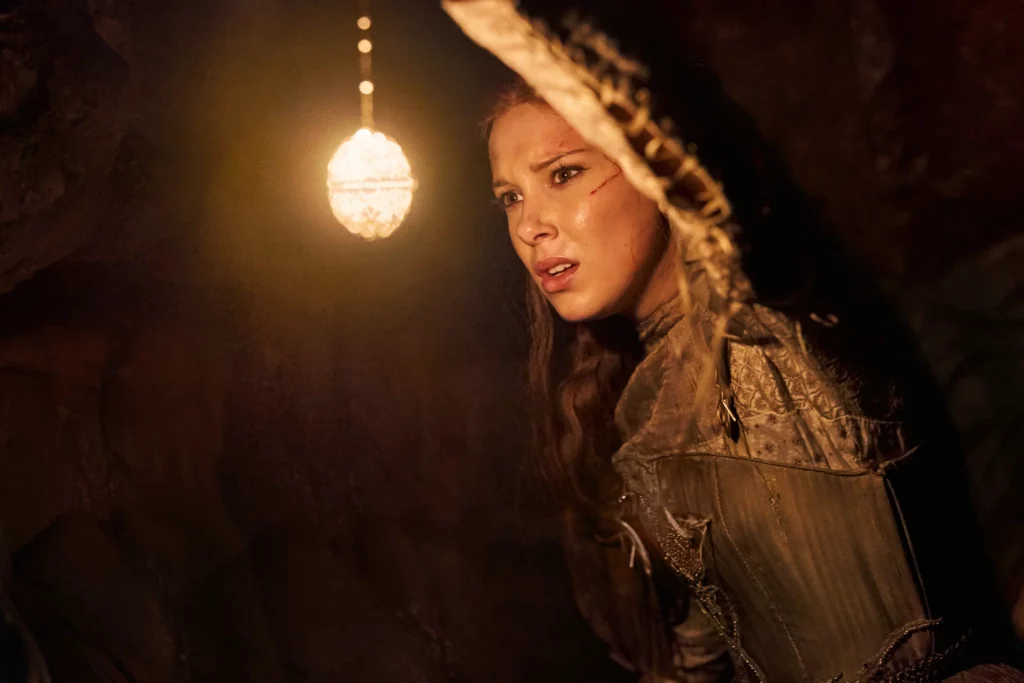
Millie Bobby Brown tries hard to act at the limit of suffering emotions. And you try to believe her, but the faceless, not even slightly weighted down with plot twists, script nullifies any attempts. Paradoxically, the actress is both the only strong link of the film and absolutely weak. Heavily made up, squeezed into a piquant corset with a not-too-long skirt, with a 'wet look' hairstyle, Brown does not correlate at all with the image of a young maiden. And even the fact that the film shows us the complete opposite of the classic 'damsel in distress', it gives the impression that the maiden fell into the cave not from a fairy-tale kingdom, but straight from a modern beauty salon.
And perhaps this image would have worked well in a more contrasting bloody plot or deliberately comedic one, but here too Netflix smoothed the edges. The streaming service did not risk raising the age rating and losing profit from viewing by potential Brown fans, who are teenagers, so the dragon here talks more than it acts, and no one cuts off heads (even if the characters really want to). But the writers also failed to follow the path of the film 'Dungeons & Dragons' (we wrote about it), which showed its worth in humor, due to a lack of any imagination.
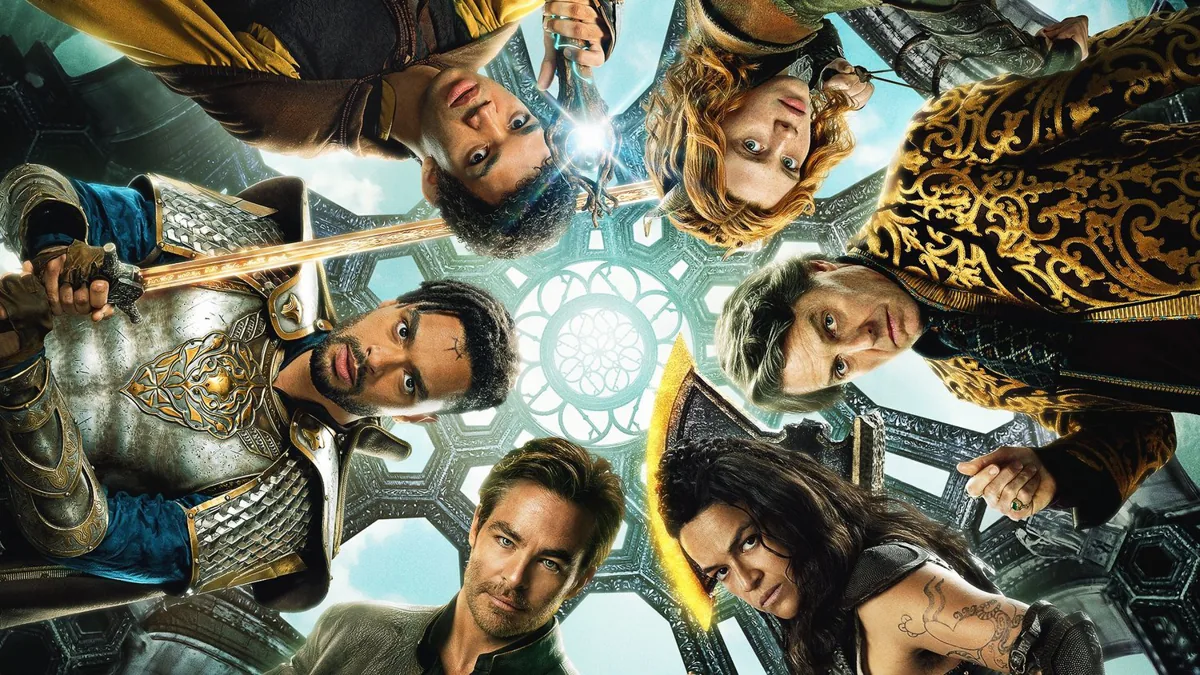
To get to the hearts of viewers, the team of thieves of the Forgotten Realms universe does not need to go through a thorny path. Let's talk about how the adaptation of 'Dungeons
Open material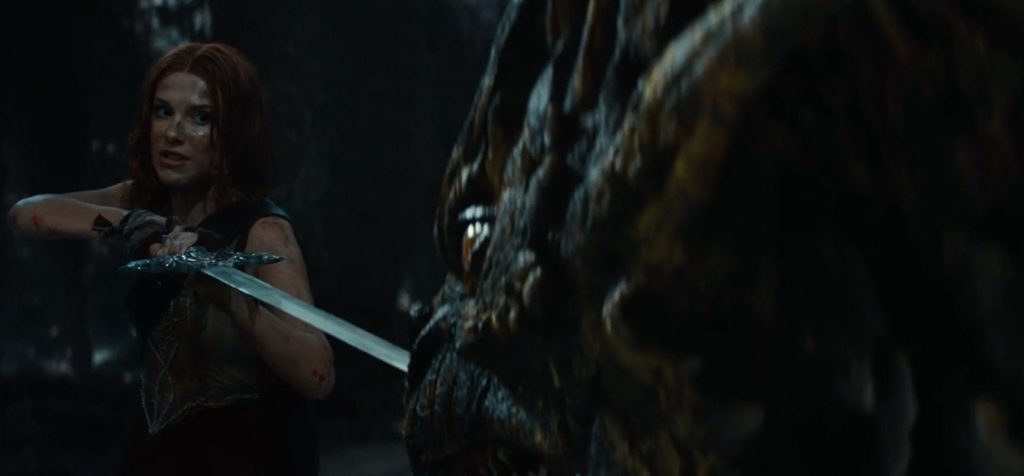
Increasingly, Netflix releases toothless cinema aimed at fans of a particular idea or actors. Disposable and unsophisticated, these 'masterpieces' are frankly lazily cobbled together, but have enough output from fans to meet the streaming service's profit needs. Quality is out of the question. It's a shame that a promising actress is firmly mired in contractual relations with a platform for which the priority is a narrow-minded agenda. But what's done is done, so instead of a gripping survival story in the style of 'Game of Thrones', you get a feminist fantasy about how a dame stopped a dragon mid-flight.
Comments
0No comments yet.
Sign in to join the discussion.