
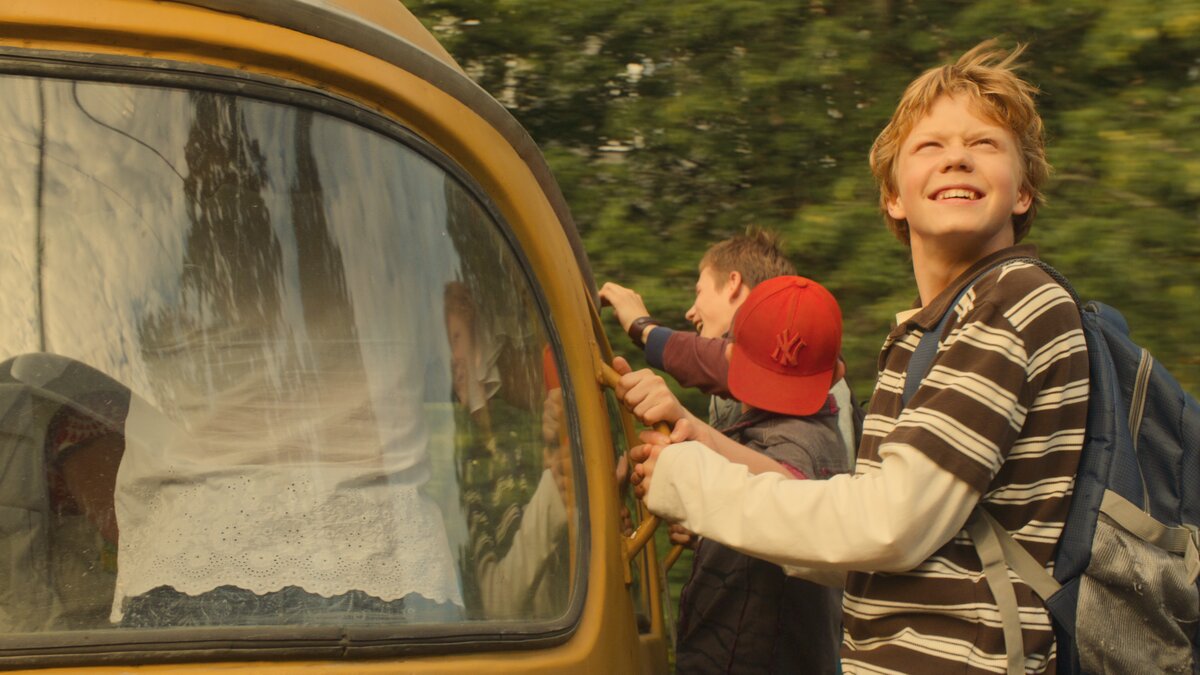
Russian World Vision is releasing the lyrical comedy 'Summer. The 2000s' in domestic theaters on March 21. Elements of pop culture from the era, memories of carefree evenings of the hottest months of the year and first love — all this refreshes memor...
15-year-old Sashka (Timofey Kochnev) lives in a small town on the Volga, and this summer will be special in his life. Together with friends, he will build a small business to buy a Sony PlayStation, the neighbor girl's house will become a close object of observation, and the disco will be the site of his first fight. Growing up, he will have to learn the value of others' lives, feel the pain of loss, and learn to make truly serious decisions.
"Well, that's it, you love me!"
Sunlight floods a small computer club where a bunch of boys play the important "Sony" for each of them. The main character Sashka cunningly extracts from the club owner a debt for repairs made, part of which will go into the common bank of the iron box, and part will go to crackers. With them, they will manage to lure a goat, which changes both the company's plans and the perception of the further plot. One emotional event changes the story and Sashka himself, but it does not have the desired effect — you simply do not have time to love and empathize with them in these tiny minutes of exposition.
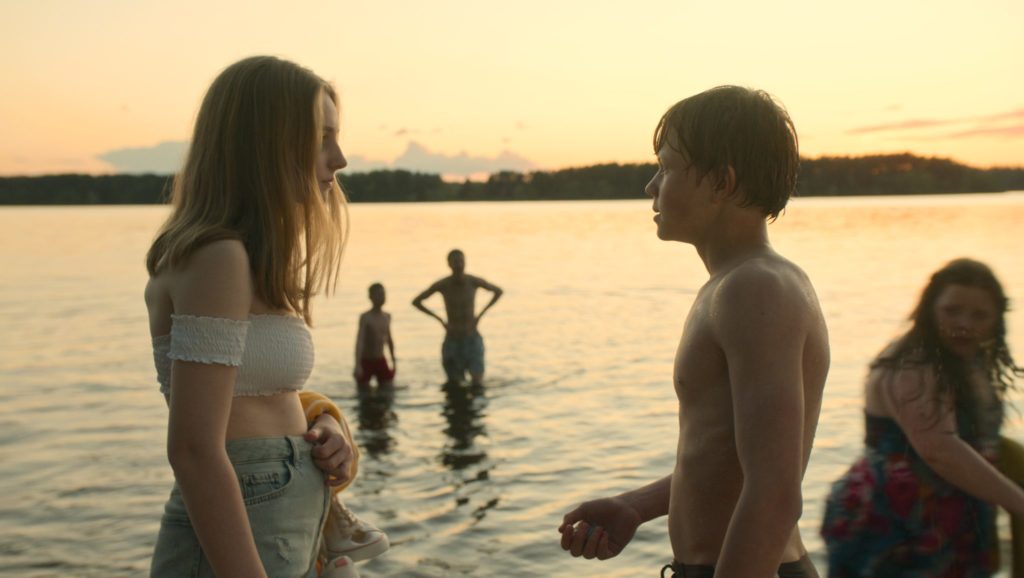
The uneven plot becomes acutely noticeable at the very beginning of the second act, when the hero faces the main part of his adventures. Sasha's character changes abruptly: now, instead of a clever businessman, we see a slacker. His love interest Svetka (Anastasia Tsybulskaya) is perhaps the most mysterious and illogical character in the film 'Summer. The 2000s'. Their relationship starts abruptly and develops overly emotionally even for teenagers. Instead of an interesting storyline about first love with an unattainable, ambitious older girl, we get a kinder 'The Best Day Ever' with all the ensuing awkward dialogues and overacting. Sasha's parents and friends appear and disappear only when convenient for the plot, creating a sense of falseness in what is happening.
Nominal Nostalgia in 'Summer. The 2000s'
In retrospect, the 2000s are perceived as a fertile time with its own difficulties, so the fashion for rethinking the late 1990s and early 2000s is gaining new momentum, finding resonance in cinema as well. The declared atmosphere and references to pop culture are, of course, present in the film: posters of 'The Matrix', 'Star Wars', 'Max Payne', 'GTA', etc. hang decorously on the walls of the computer club, in the heroes' rooms and garages, mom gives a flip phone, newspapers are still used as the main source of information. At the same time, the warmth of the summer sun is felt in some shots, and the song by 'Zveri' at the disco pleases, even old buses make the heart beat faster, but this is only pointwise, again, in the first third of the film.

The lack of plot immersion seems to be due to the fragmentary memories of director Sergey Ilyutin and screenwriter Kirill Kuznetsov, who wrote the film with an eye on their youth. There are many similar films where creators compile fictional characters, shades of autobiography, and the time of growing up. You don't need to go far: Steven Spielberg's 'The Fabelmans' and Jonah Hill's 'Mid90s' are partially based on the directors' childhoods, but they are more structured, with a sense of the magic of memories of the past.
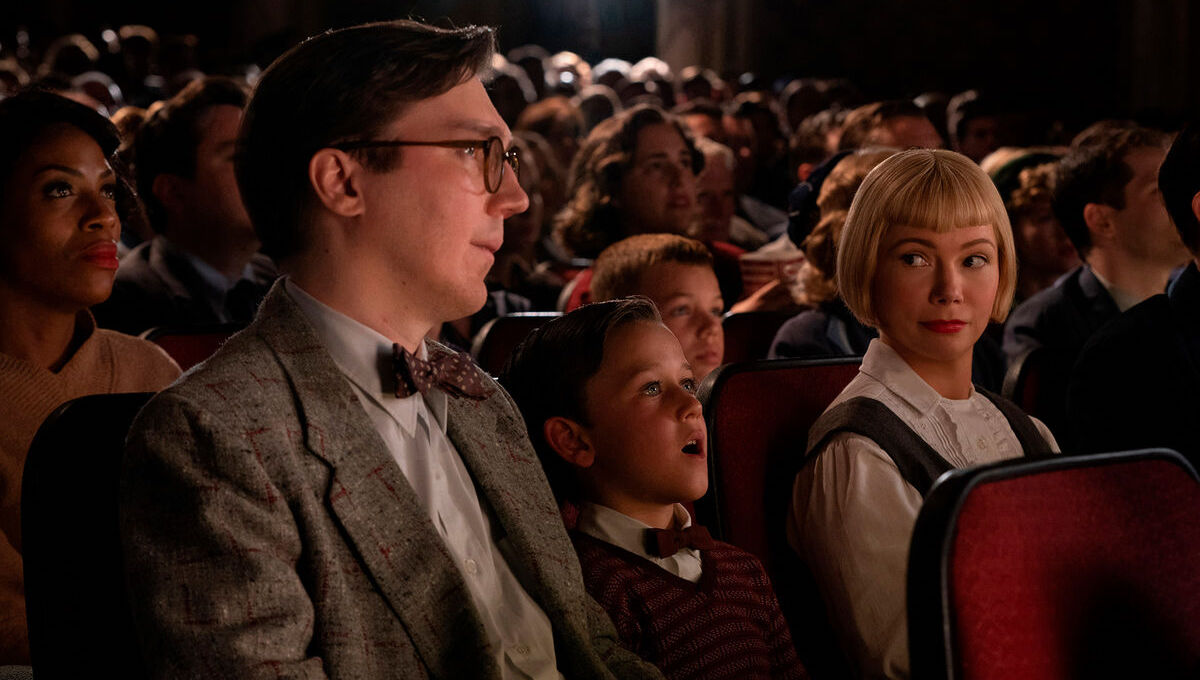
Steven Spielberg's new film about a boy's coming of age who loved cinema very much. About why this drama with autobiographical elements is one of the best films of the classic in the 21st century, tells
Open materialIt's hard to say something about 'Summer. The 2000s': on one hand, it's a decent debut by young authors, but on the other, the film feels like a contrived, underdeveloped story with phantom flashes of memory.
Comments
0No comments yet.