
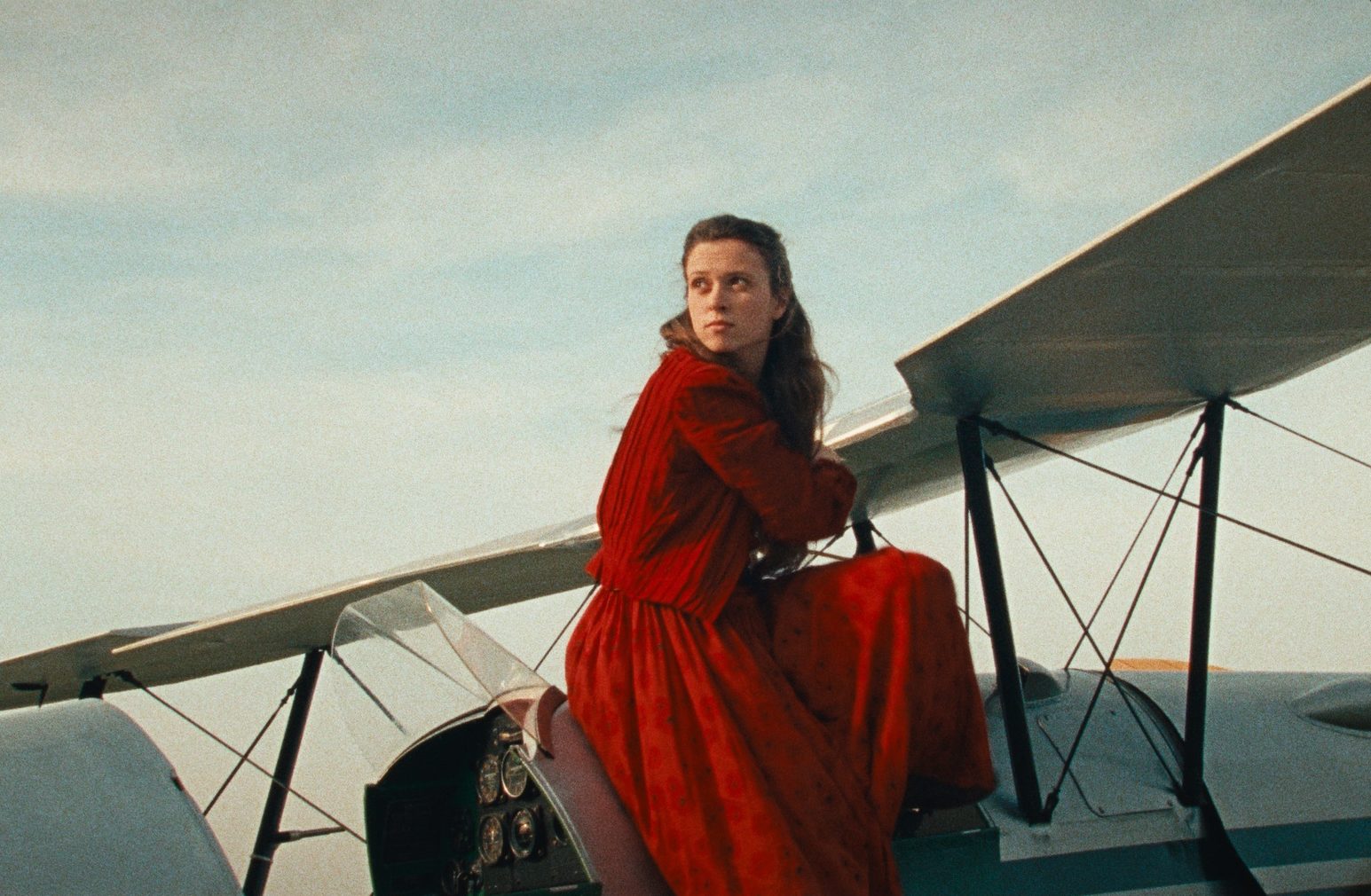
Two years ago at the Cannes Film Festival, in one of the parallel programs, the premiere of a new adaptation of Alexander Grin's novella 'Scarlet Sails' took place. It seems that Western European cinema encounters this text for the first time: the di...
In France, the film is called 'L'envol', internationally 'Scarlet', and in Russia it was titled 'Scarlet Sails' so that domestic audiences wouldn't get confused: yes, this is an adaptation of that very text by Alexander Grin. And it's a truly international project: Italian director Pietro Marcello, who started as a documentary filmmaker and has now ventured into fiction (his previous fiction work was in 2019), shoots in France with French actors a story based on a book by a Russian writer. Additionally, the producer list includes Russian Ilya Stewart, who now works extensively in Europe and collaborates with Russian directors making films abroad.
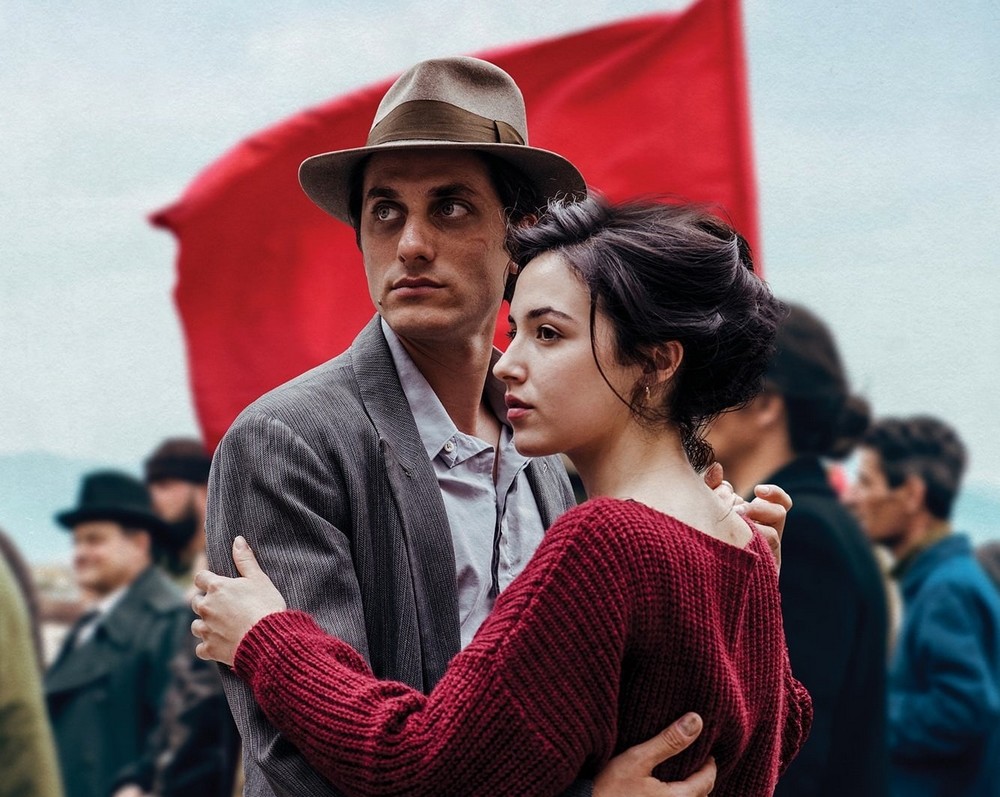
'She's the local crazy woman: she's always singing'
We've known the story since childhood: a dreamy girl (later a young woman played by the wonderful debutante Juliette Jouan) grows up with her lonely father (Raphaël Thierry) and believes that one day a handsome captain will sail to her on a yacht with scarlet sails—and she will wait for him with bated breath until he arrives.
Of course, the film doesn't replicate the book in every detail, so some elements are predictably changed. For example, the scarlet sails in the finale flutter not on a ship, as we're used to, but on an airplane, which, incidentally, makes the image even more poetic; moreover, at the helm will be Louis Garrel (more on the differences between Grin's book and Marcello's film can be found in our separate article). But the main thing is that Marcello manages to preserve Grin's overall tone: ultimately, it doesn't matter what this world looks like if it's infused with dreams, youth, and the expectation of a miracle.

'Time was never kind to us'
On screen, everything becomes much more concrete: instead of the mysterious 'Grinlandia'—a French village, and instead of a fairy-tale timelessness—the first half of the 20th century. This is no accident: here 'Scarlet Sails' becomes very French in spirit, and time rushes on, making itself felt (the old father returns from WWI at the beginning of the story, and a few years later the wooden toys he made are no longer needed: children now only play with those that move). Time is cruel and relentless in any case; it's hard to ignore, which makes what is beyond time all the more valuable.
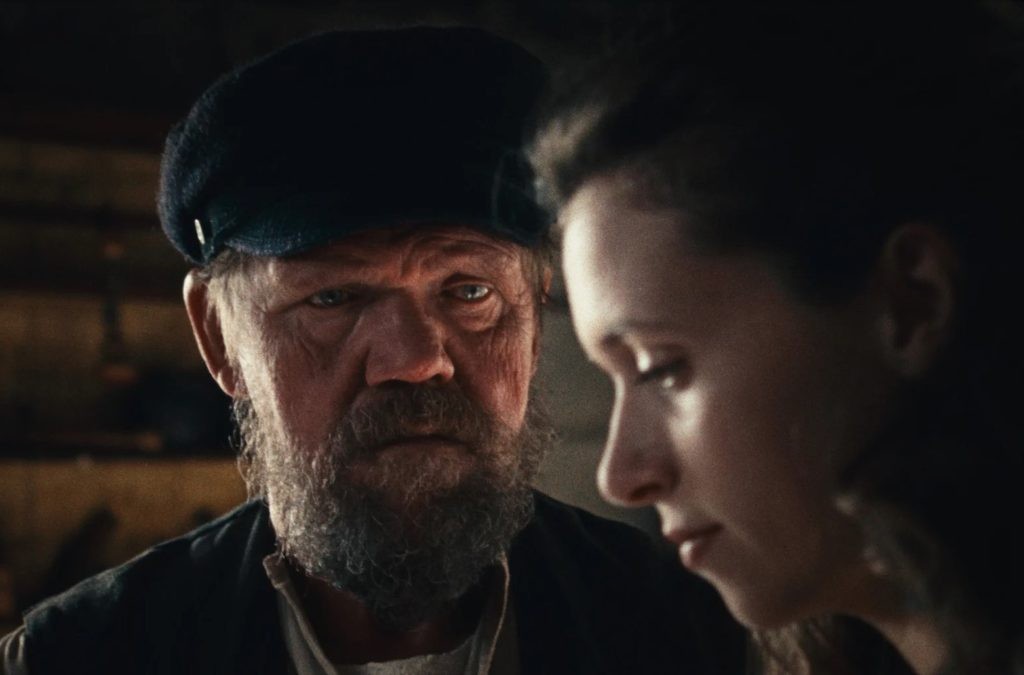
For instance, the names immediately stand out: instead of the strange 'Assol' or 'Longren', the characters here have more familiar names, but they are always meaningful; moreover, the characters' names often coincide with the actors' names. The old father is named Raphaël (he works with wood all his life, but is an artist at heart: a carver and sculptor), and his deceased wife is Maria (an obvious echo of the Virgin Mary—also the wife of a carpenter). They named their daughter not Assol, but Juliette, and it seems fate has destined her to wait for her Romeo. Thus, the specific life of a specific person is inscribed either in myth, fairy tale, or history: a name always reminds of the past, but at the same time seems to predict the entire future life.
'Making so-called miracles with one's own hands'
And then magic bursts into this material world: the neighbor who helps raise Juliette (Noémie Lvovsky) will read coffee grounds, and little girls will play at being 'three witches' (evoking either the three ancient Greek Fates weaving the threads of destiny, or simply the three Graces). Raphaël makes toys that come to life in children's imaginations, and when he finishes a wooden statue of his deceased wife, he looks almost like Pygmalion (if the action took place a few centuries earlier, the statue would surely come to life—without a doubt).
But the most magical element here is the music (the work of composer Gabriel Yared cannot be overlooked): the father manages to tune a decrepit piano for the girl, and he himself, in a rustic manner (you have to see his hands!), plays a small accordion. Music in 'Scarlet Sails' is something elusive, born seemingly out of emptiness, but capable of saying more than spoken words. This house seems to live in the language of songs and notes: in the city, people don't listen to music, but here there is plenty of it.
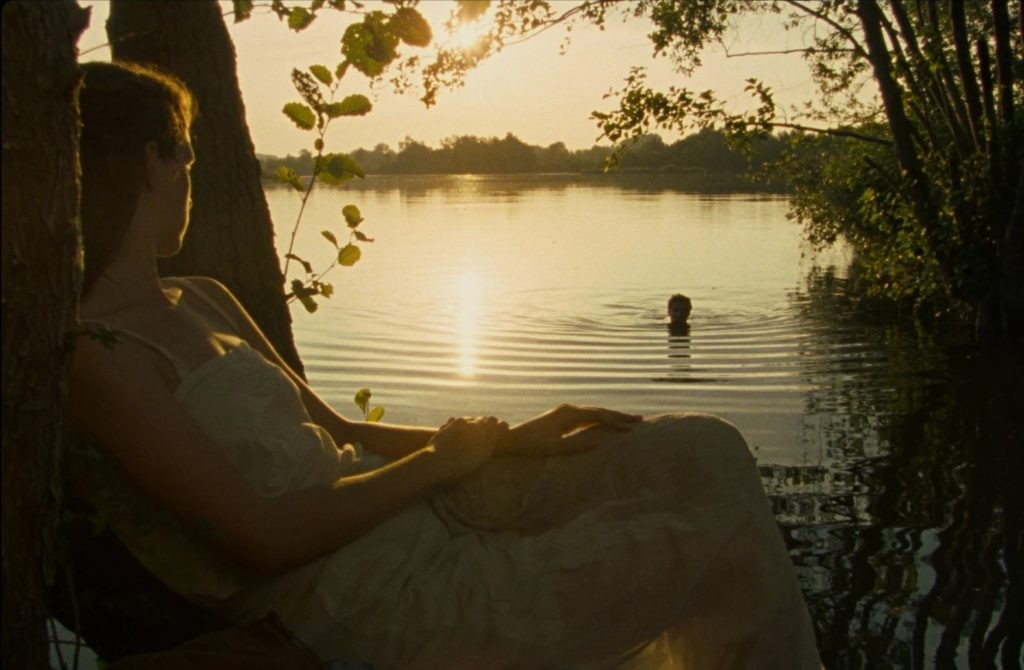
In Pietro Marcello's 'Scarlet Sails', it becomes a magical synthesis of fairy tale and reality: either it's a fairy tale into which reality penetrates with its laws of space and time, or it's a reality in which magic is imperceptibly discovered. And it doesn't matter that technically there is nothing inexplicable in the plot: Marcello, following Grin, is not interested in magic as such; the shift must occur not in 'objective reality' (which, moreover, hardly exists), but in the human perspective on the world. You just need to convince the viewer and the characters that everything happening is akin to a magical story. Then it turns out that there are no clear boundaries between the ordinary and the magical, between reality and dream: all of this is inextricably linked—you just need to look at our world from the right angle.
'She was looking for the ship with Scarlet Sails'
You can, for example, look around through the lens of cinematographer Marco Graziaplena, who shoots on film: with the same attention to sun rays, material texture (be it the water surface, the skin on the father's hands, or forest vegetation), and the color scarlet. Scarlet is present on screen from the very beginning: Juliette constantly wears a little scarlet dress or red ribbons in her hair, and pinkish upholstery is visible on the walls from time to time. For a while, there is little red: it is presented as hints, becoming a constant reminder that the encounter with the most important scarlet in the girl's life is inevitable and still ahead.
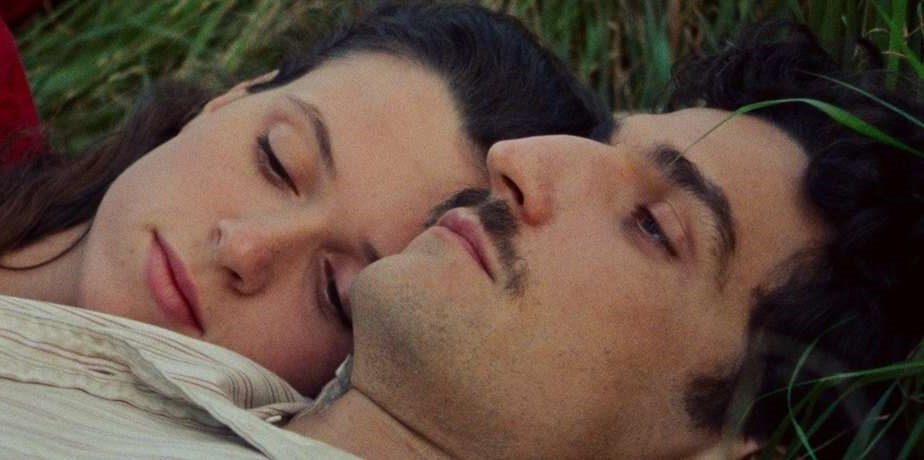
The only drawback of the film, perhaps, could be a lack of drama given the rather tense story, but this is a justified sacrifice in favor of maintaining the overall style. After all, 'Scarlet Sails' is not a drama, but a subtle and sincere fairy tale; even more—a 'extravaganza' about dreams and love without regard for anything else.
It's all the more surprising to recall that Alexander Grin finished his text in distant 1922, which, just a second, was the year the Russian Civil War ended. It feels like a hundred years haven't changed time much: too complex to hope for something that so contradicts the surrounding reality. But since you believe this wonderful film, it's a small matter: all that's left is to spot those scarlet sails that are meant for you personally. If not on a ship, then on an airplane; if not on an airplane, then somewhere else.
Trailer:
'Scarlet Sails' in theaters from March 7.
Comments
0No comments yet.
Sign in to join the discussion.