
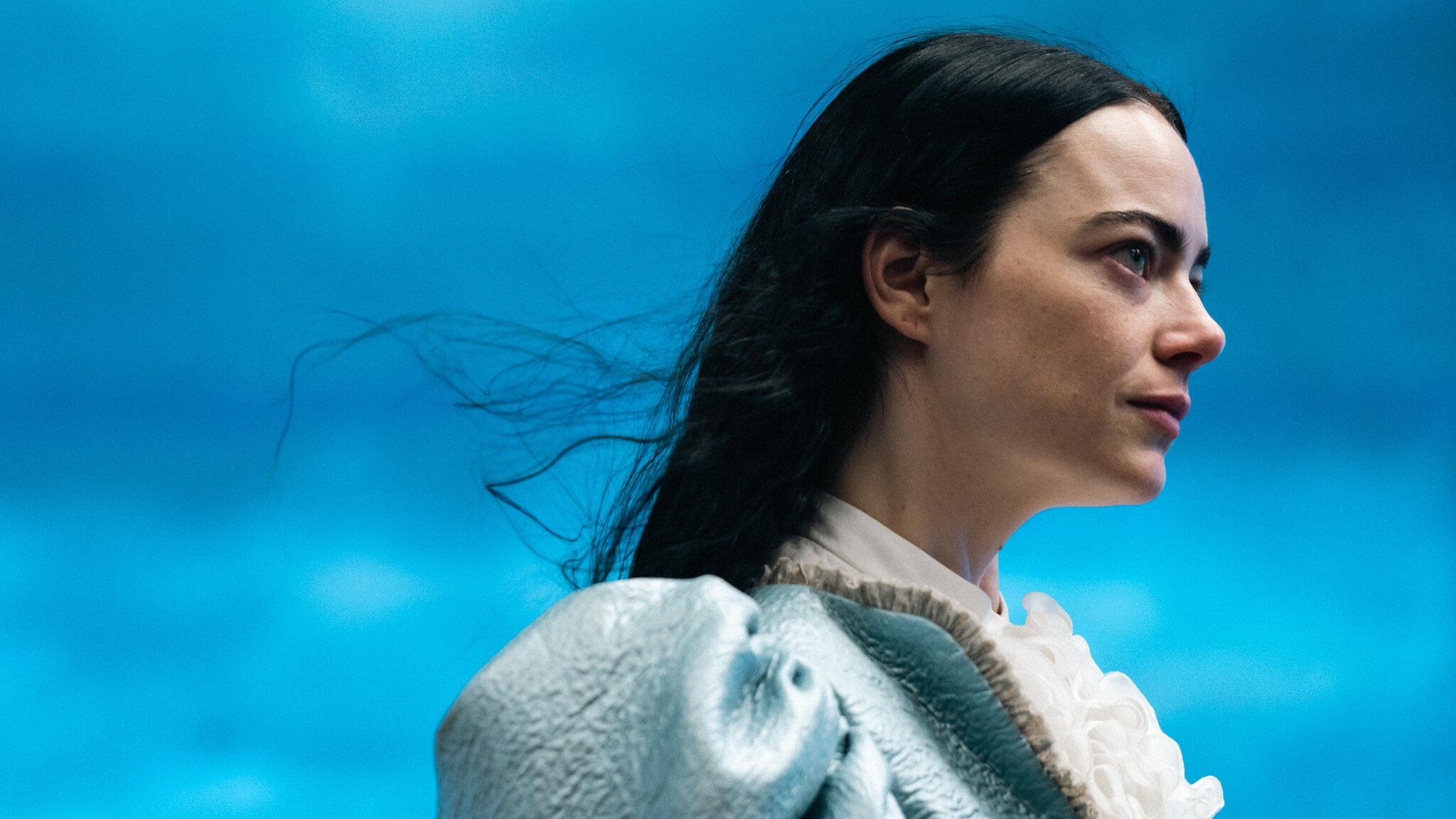
On February 27, one of the main favorites of the Oscar race, 'Poor Things' by Greek director Yorgos Lanthimos, reached digital screens. Almost everyone who has seen it is raving about the film, but is it justified? We tell you in our review.
'Poor Things' has collected a total of 10 Oscar nominations, won 2 Golden Globes, and snagged the main prize in the form of the Golden Lion in Venice. Yorgos Lanthimos's new film looks like the main competitor to Christopher Nolan (who has 11 nominations) in the race for a bunch of statuettes at the main film award. The film, recognized by both critics and audiences, is masterful if you look at the form, but not without flaws if you also look at the content.
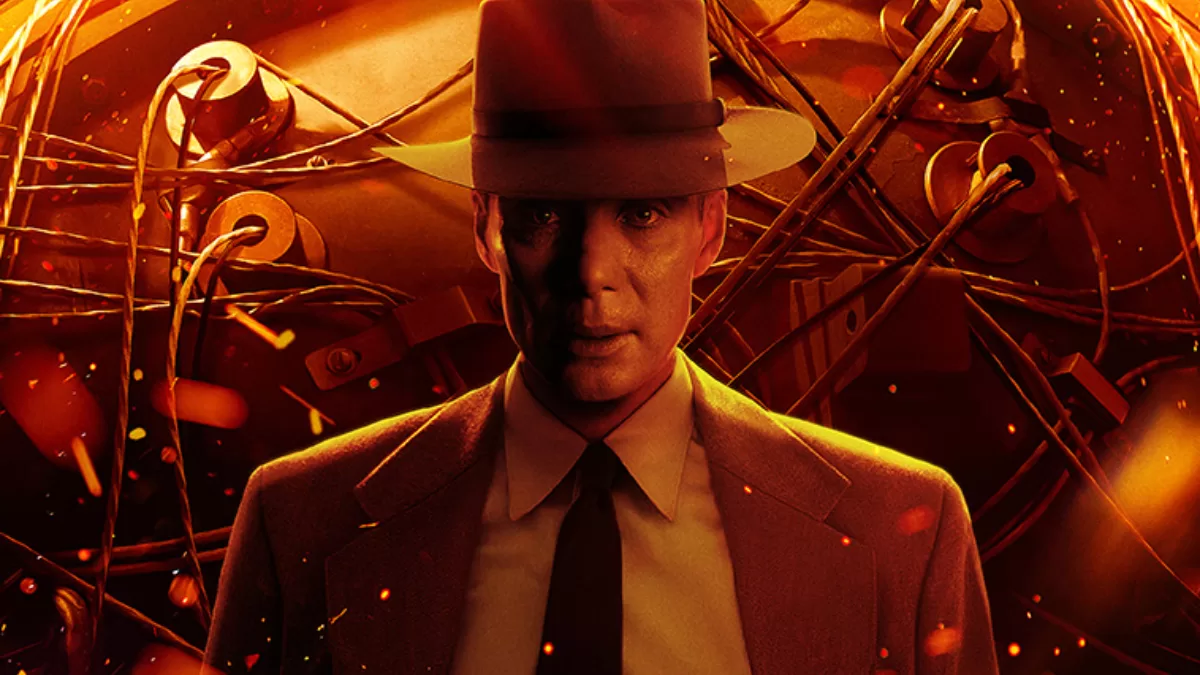
The authors of 'After the Credits' discuss the pros and cons of Nolan's deliberately adopted neutrality towards the story of Robert Oppenheimer.
Open materialWhat's the Plot?
In an alternative Victorian-era London, a brilliant and mad surgeon (everyone remembers Captain Jack Sparrow's words about these extremes?) named Godwin Baxter (Willem Dafoe) fishes the corpse of a pregnant woman with a still-living fetus out of the Thames. Dismfigured by his own father, the anatomist decides to conduct a rather unusual experiment and transplants the baby's brain into its dead mother's body, resulting in the unusual Bella Baxter (Emma Stone).
The child in a woman's body develops quickly, and Godwin cannot constantly observe her, so he decides to enlist the help of one of his medical students and asks the admiring Max McCandles (Ramy Youssef) to take on this unusual duty. The agreeing young man had no idea that one day the experiment might lead to the doctor proposing marriage to the charming and special Bella.
However, after seeking legal advice from a certain Duncan Wedderburn (Mark Ruffalo), the unexpected happens. The cunning playboy brazenly took advantage of the period when the girl's childish brain first discovered masturbation and sexual desire, and whisked her away from almost under the altar on a journey around the world, where Bella Baxter explores everything around her, including herself, with insatiable curiosity.
Happiness Is Just Around the Corner
'Poor Things' is an adaptation of the eponymous novel by Alasdair Gray, published in 1992. I cannot judge how well the film captures the spirit of the original, as I am not familiar with the source material, but if descriptions are to be believed, there are several significant differences between the book and the screenplay written by Tony McNamara. However, whether they matter is unclear.
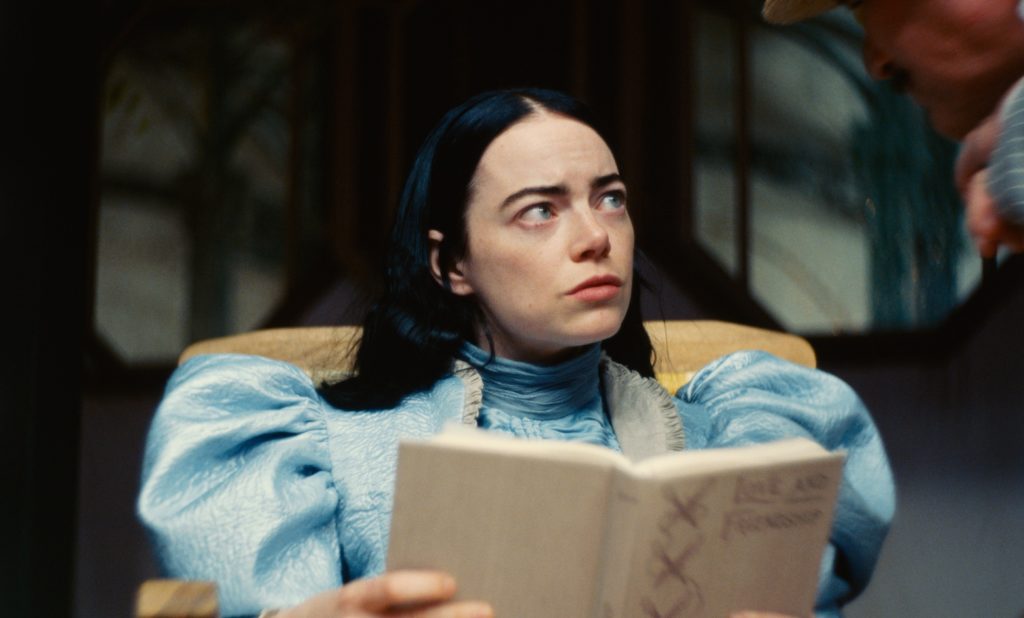
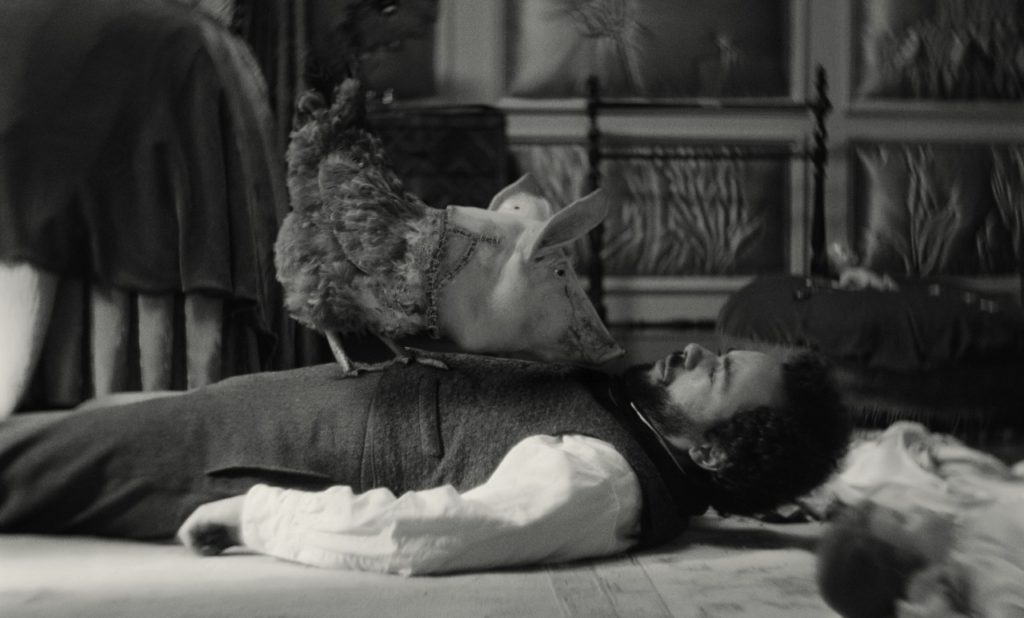
In any case, Yorgos Lanthimos has created simply brilliant cinema that deserves praise. If you set aside the fisheye lens that becomes annoying after the first hour, from the first frame to the last second, the film can be called a visual work of art. Even the live photos that divide the film into formal chapters look as if they were painted by Salvador Dalí. And the contrast created between the black-and-white segments and the main part of the film, saturated with bright colors, is simply incredible.
'Poor Things' has absorbed a multitude of positive qualities worth talking about. And first on the list, of course, is the acting. I think it's almost obvious that the statuette for Best Actress will go to an actress with a stone surname (either Stone or ...).
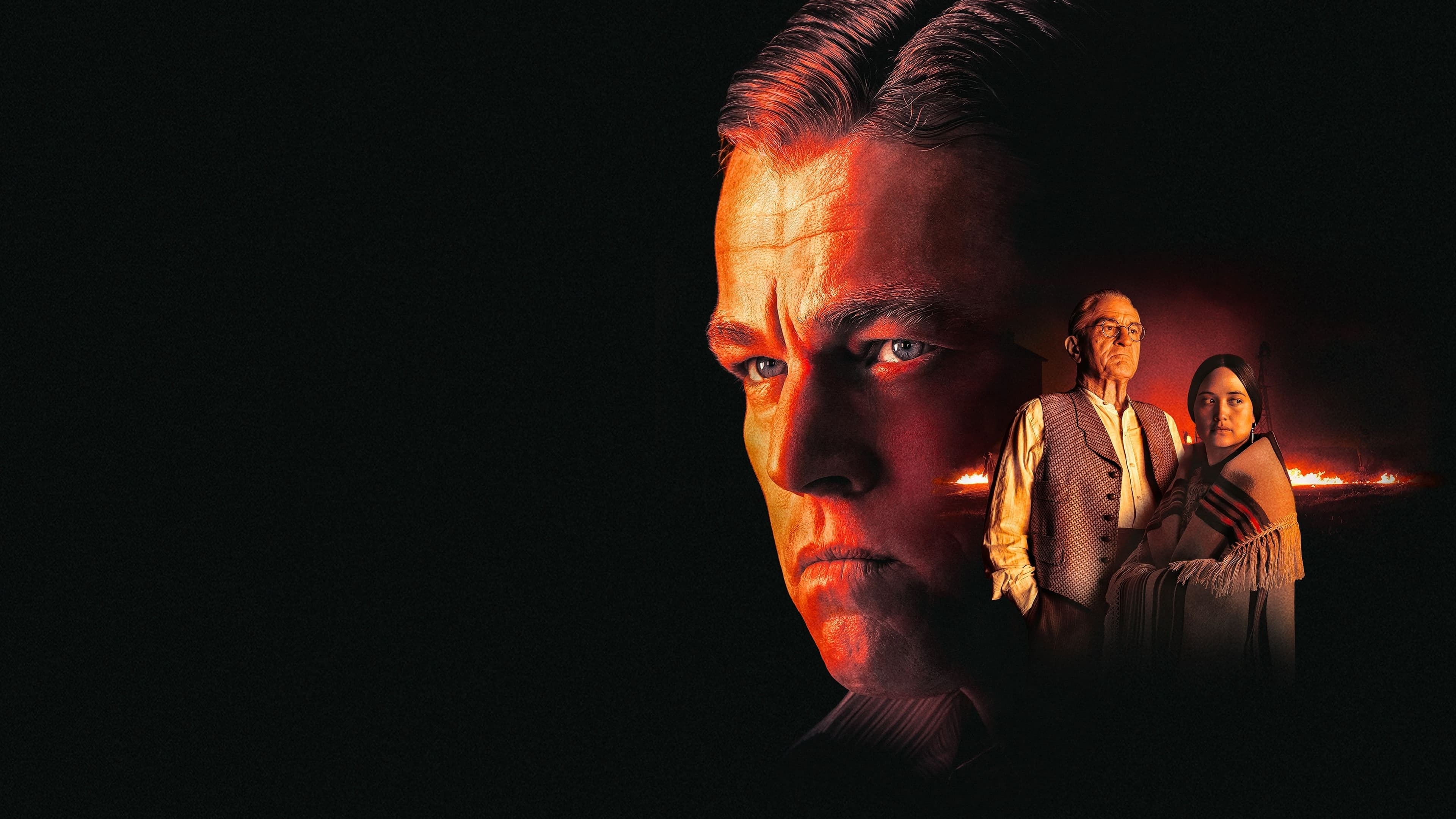
On December 5, the digital release of Martin Scorsese's 'Killers of the Flower Moon' took place. Apple's streaming service gave the director a ton of money and did not limit him in runtime, and we...
Open materialHowever, Emma delivers such performances here that you want to root for her in this cinematic showdown. Her incredible dance alone deserves to stand alongside the meme-worthy 'Wednesday'. Stone once again proves she is a brilliant actress capable of much (if not everything). No matter the role, she will always be one of the brightest highlights: whether as Gwen Stacy, in a zombie apocalypse setting, in a musical, or even in a coming-of-age film.
Naturally, everyone understands whose benefit 'Poor Things' is, but I don't want to neglect the other participants. First, the monstrous Willem Dafoe, even under layers of makeup, could not hide his professionalism, so denying that he is cool is madness.
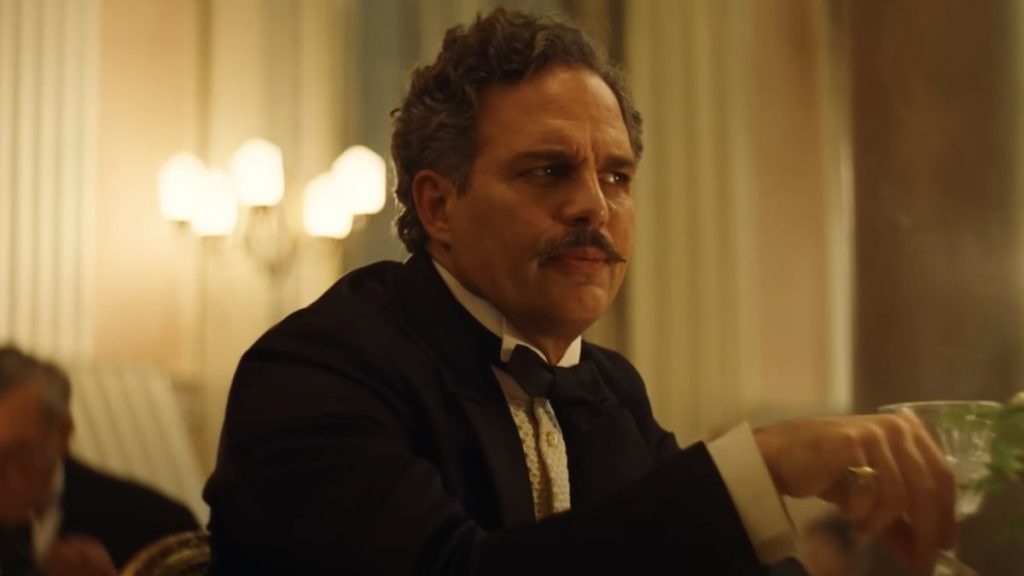
And secondly, of course, one cannot ignore Mark Ruffalo. It's nice to realize that a person who long existed as a nearly mindless CGI model for a green giant in torn pants (now in spandex) is still capable of such magnificent expressive-dramatic performances. As a result, he even received a nomination for Best Supporting Actor (though it's unlikely that in this particular showdown, the Hulk will prove stronger than Iron Man).
Ramy Youssef, Hanna Schygulla, Jerrod Carmichael, and other actors are also good, but still cannot compare to the main trio. Although Margaret Qualley and Christopher Abbott also have some decent scenes in this steampunk world teeming with madness and lust.


Incidentally, the reality of the film itself is very engaging, and the sets look simply incredible. I admit, I wouldn't mind walking with Bella Baxter through the streets of Lisbon, admiring the landscapes and listening to music, and a cruise ship journey would be quite welcome now. It's no wonder the heroine is so curious, because when a whole world opens up before you, it's a sin not to seize the opportunity to explore it.
The Unfortunate Together
However, besides discussing the obvious pluses of the film, I would also like to talk about the plot content and the characters themselves. If you strip away all the beautiful facade, you can notice that the story itself is quite simple, although in reality it wants to seem more complex through all the directorial techniques and atmosphere.

In essence, 'Poor Things' is 'Heart of a Dog', 'Bride of Frankenstein', 'The Elephant Man', and a bit of a sequel where the heroine has already seen a gynecologist and learned all the delights of having a vagina, only in a retro-futuristic setting and postmodern shell. Not that it's bad, it's just that they are trying to sell us a not-so-clever thing under the guise of something extraordinary and in an incredibly beautiful package. Perhaps that's the intention and that's where the film's mastery lies, or perhaps... Perhaps the grain is in something else entirely.
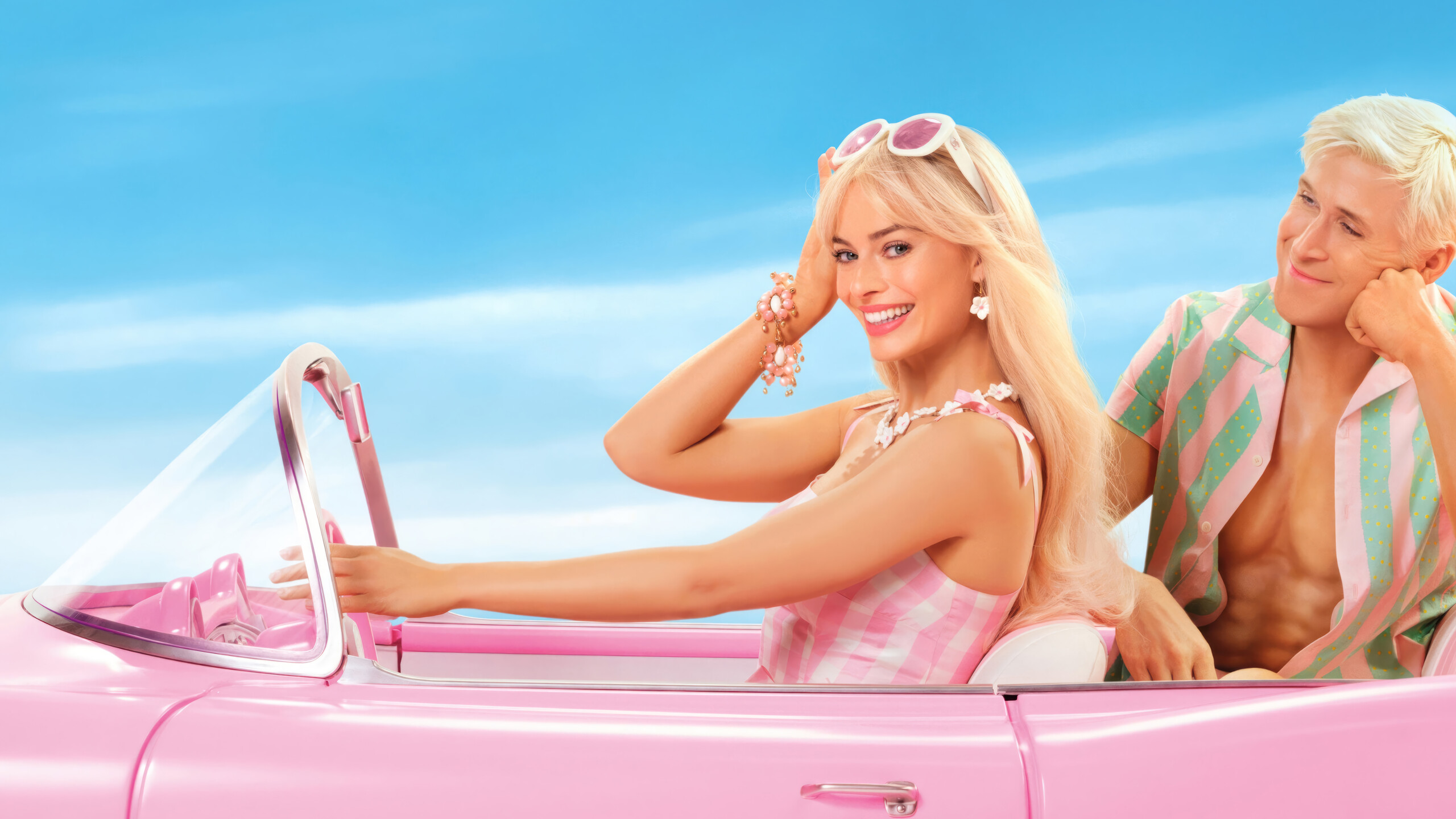
After several delays, Warner Bros. finally released their summer blockbuster 'Barbie' digitally, so now the film can be enjoyed at home (ahem, and in theaters). We are ahead of the trends...
Open materialAs for the characters, only Emma Stone's heroine is fully developed (which is understandable, since the film is about her coming of age), while the others remain merely sketchy images and auxiliary models to advance the main character's story. Additionally, it is obvious to everyone that 'Poor Things' is a kind of feminist canvas about the liberation of women from the shackles of patriarchal society and the attainment of complete freedom.
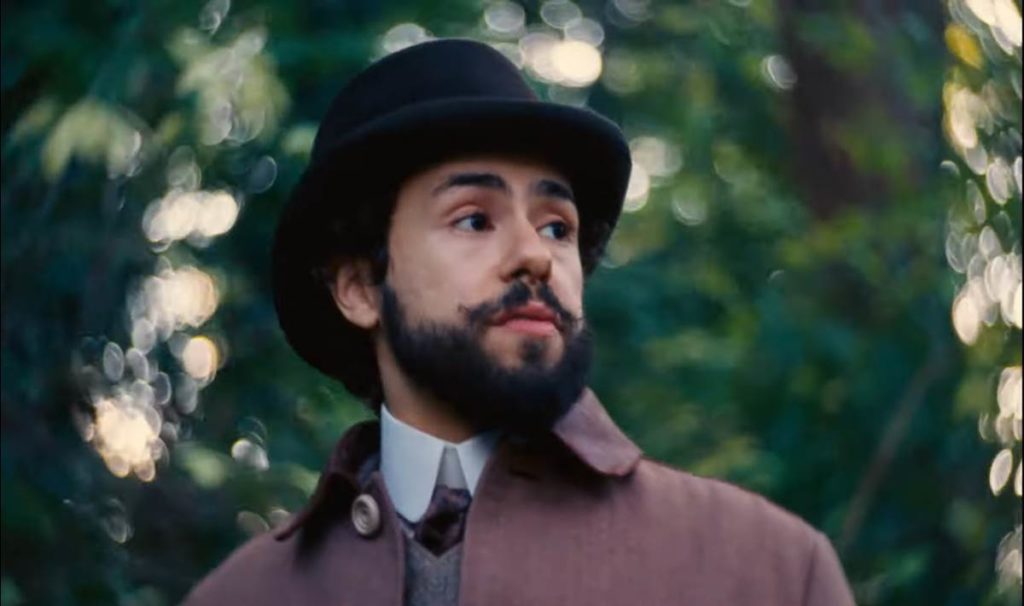
Bella Baxter, due to her childish brain, is overly sincere and curious. She does not intend to meet anyone's expectations or live by 'rules of decency', so she says what she thinks and does what she wants: has a lot of sex and talks about it without embarrassment, philosophizes about life (interestingly, philosophy appears in the film somewhere near Greece), tries alcohol, spits out unpleasant food (and also vomits tasty food because she overate), and dances as if no one is watching, as they say. This charming childish genuineness combined with natural beauty can indeed charm anyone. Perhaps that's why many do not notice the flip side of the coin, namely that Bella is a child.
She is angry, aggressive, and cruel, so viewing her as a role model for feminism is a bit strange. Killing animals, beating people, furiously stabbing corpses with a scalpel, and wanting to hit a child and kill a person out of irritation—this is how Bella behaves for most of the film, before her consciousness matures and forms into a fully free personality. We all coo over children until they cry next to us on a plane or in a store. Childhood and adolescence are part of growing up, but in Baxter's case, everyone only admires her sincerity, but no one condemns her anger and aggression.
Moreover, most people don't care that a child, albeit in the body of an adult woman, is having sex with everyone. Anime usually gets called out for pedophilia in similar cases (though there it's usually the opposite—an adult mind in a child's body), but here everyone turned a blind eye to the fact that an incapacitated person is engaging in total debauchery. They say, 'her body, her choice,' but in fact, she is a teenager of about twelve, if not younger. It's clear that the journey arc is necessary for character development, but are there really zero questions about such a plot point? Okay.
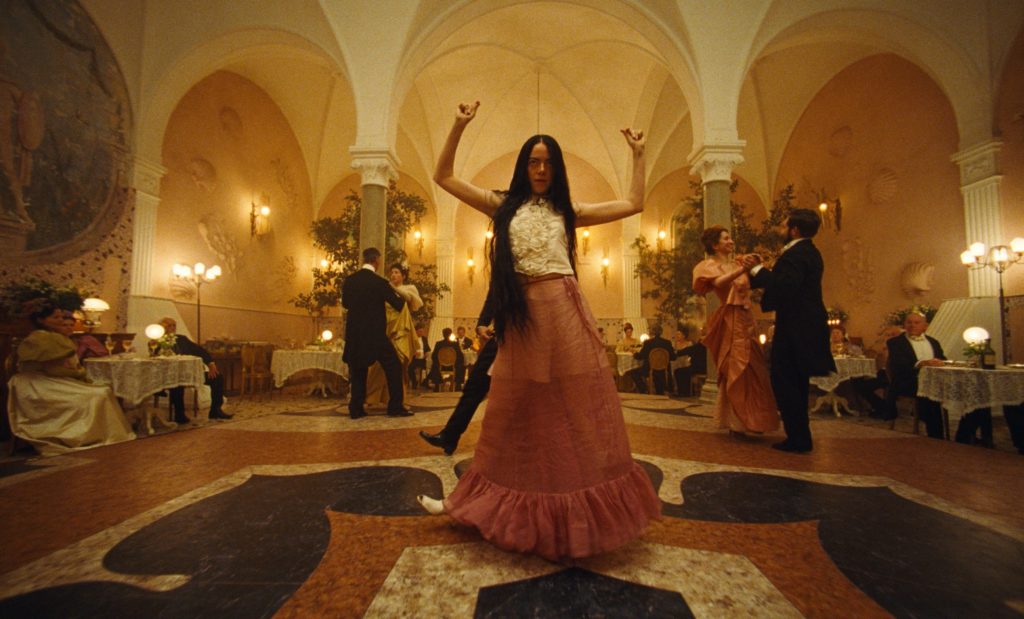
And, as often happens, the feminist perspective here is not fully realized but rides on the back of stupid male characters. They are all cut from the same cloth. A sex-obsessed manipulator, an alcoholic and gambler who uses women like toys. An old man detached from reality with hints of Stockholm syndrome, rejected by the world, obsessed with his experiments and deciding to play God (it's no coincidence that everyone shortens his name to God). A tyrant-sexist and outright monster who loves cruelty in all its forms, who decided he has the right to cut off his wife's clitoris and forcibly impregnate her. A soft, cuckold-like man who falls in love with a carefree child, ready to look into her mouth just to have her nearby.
Plus, there are plenty of perverts for every taste as brothel visitors. Indeed. Patriarchal society should not be justified, and there are some characters there, but why in most films that raise the topic of feminism are female characters made brighter solely at the expense of utterly degenerate men? Is healthy feminism not understood by the audience, or what?
And in the end, I would also like to make a small complaint about the runtime. Watching the film is, of course, incredibly interesting, but some scenes could have been trimmed. And in such volume, watching sex becomes tiresome at some point (maybe the film also has a couple of nominations for the 'Porno-Oscar', has anyone checked?). Perhaps Yorgos Lanthimos forgot that happy hours are not watched, and we, like the film's characters, are just as poor and unfortunate.
What's the Verdict?
The new work by the Greek director is undoubtedly great cinema, but if you think about it, even it is not without certain flaws (though they depend more on your personal perception). Nevertheless, it is a fascinating steampunk road movie, a beautiful coming-of-age film, and simply a visual masterpiece with good humor, social subtext, and the divine Emma Stone. 'Poor Things' will undoubtedly win several well-deserved Oscars. The only question is how many.
By the way, subscribe to our Telegram channel 'After the Credits' (here's the link). There we post posters, trailers, and various interesting and funny news from the world of cinema.
Comments
0No comments yet.
Sign in to join the discussion.