
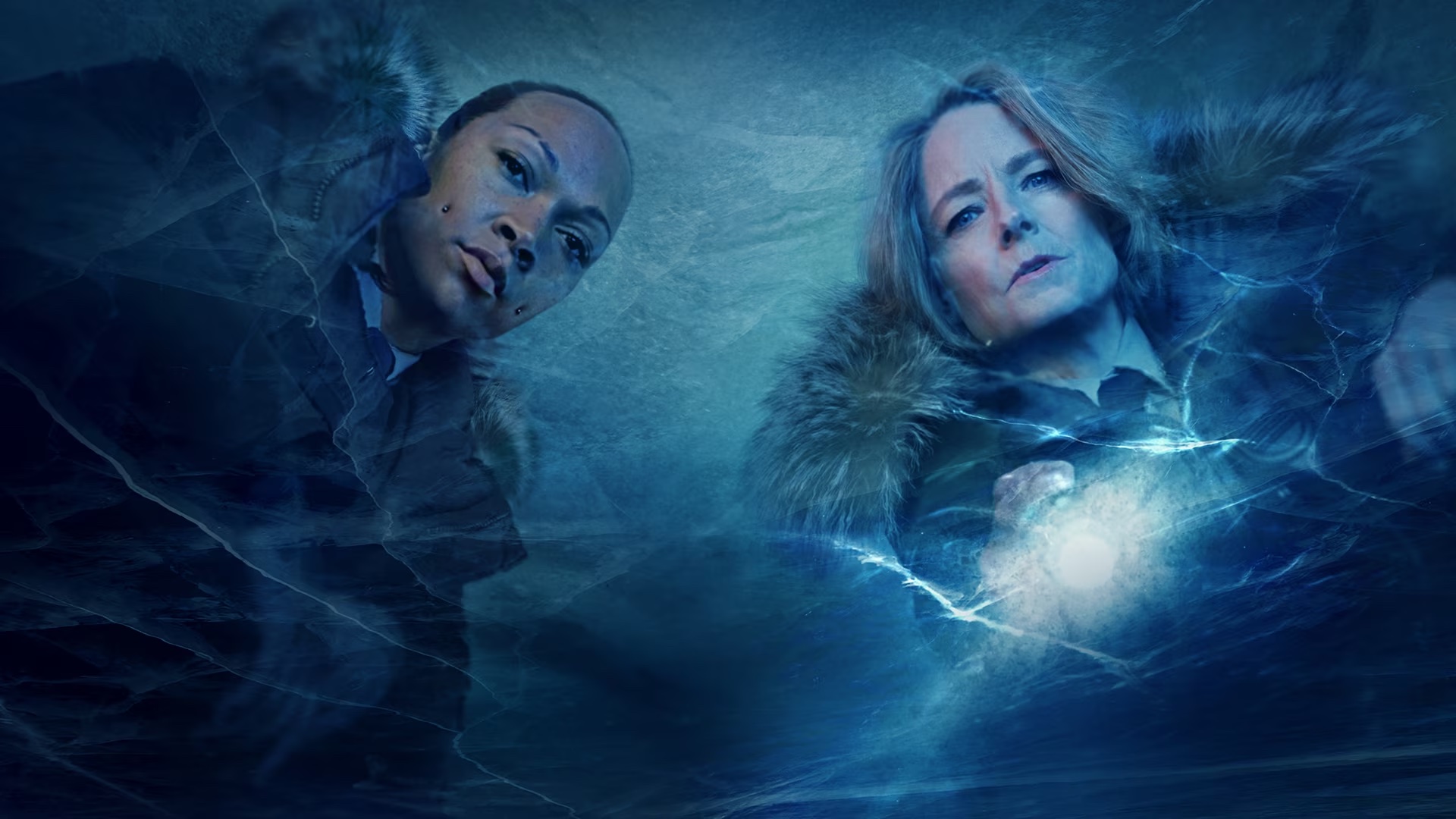
On HBO, the fourth season of the anthology series 'True Detective' has concluded. For the first time, the show was made without the participation of its creator Nic Pizzolatto, but despite record viewership, 'Night Country' (the subtitle of the seaso...
As it happens, the series 'True Detective' is celebrating its tenth anniversary this year. The iconic first season with Woody Harrelson and Matthew McConaughey still looks great today, especially since even Nic Pizzolatto himself failed to reach the bar he set at the start with his two subsequent attempts. As a result, for the fourth season, the creator decided not to return, acting only as an executive producer, while HBO entrusted the show to Mexican Issa López, who, in the anniversary year, decided to show everyone how much better the first season (and the second and third) are compared to the new one.
ATTENTION! THE TEXT CONTAINS SPOILERS, SO IF YOU HAVEN'T WATCHED, ALL RESPONSIBILITY LIES WITH YOU!
What's the Plot?
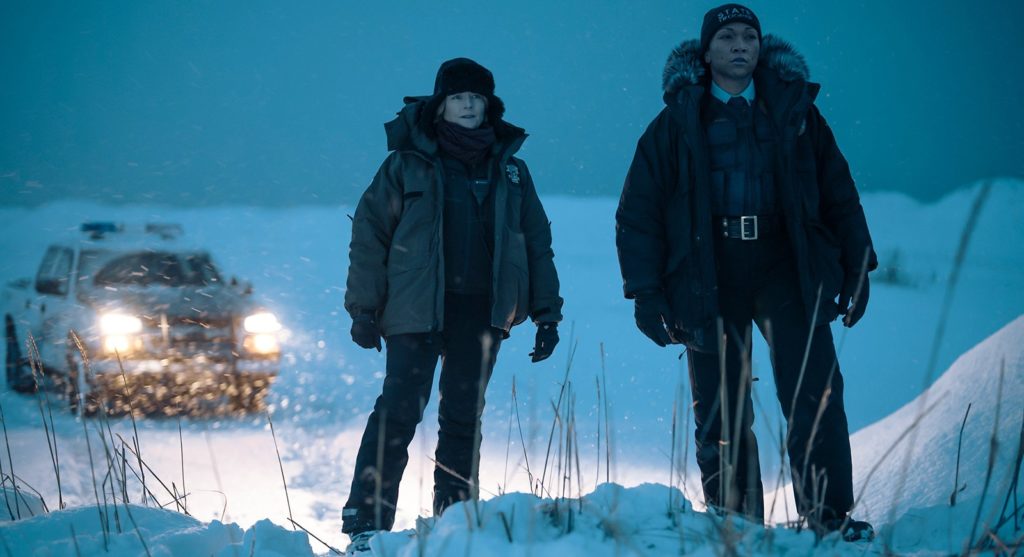
In the small town of Ennis, Alaska, on the eve of the polar night, a group of scientists mysteriously disappears right from the walls of the Tsalal research station. All that was found at the crime scene is a severed tongue. The case is to be investigated by local police chief Liz Danvers (Jodie Foster), whom everyone around can't stand because of her personality (except perhaps young officer Peter Prior (Finn Bennett), who doesn't side with the others). However, when the news of the tongue reaches patrol officer Evangeline Navarro (Kali Reis), she immediately recalls the murder of a young activist six years ago (the victim was brutally stabbed, beaten, and had her tongue cut off as a message) and realizes the cases are connected, which she hastens to report.
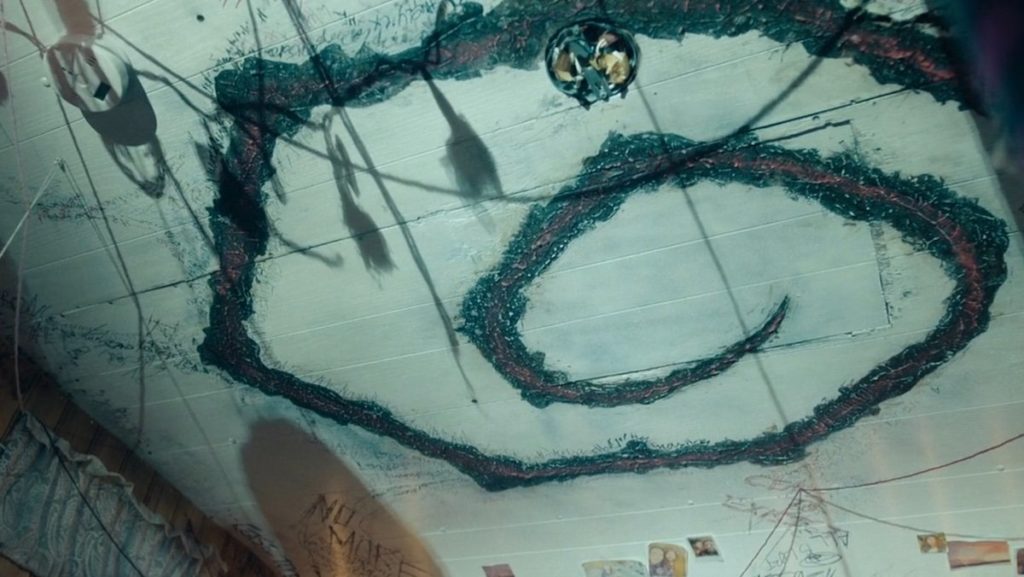
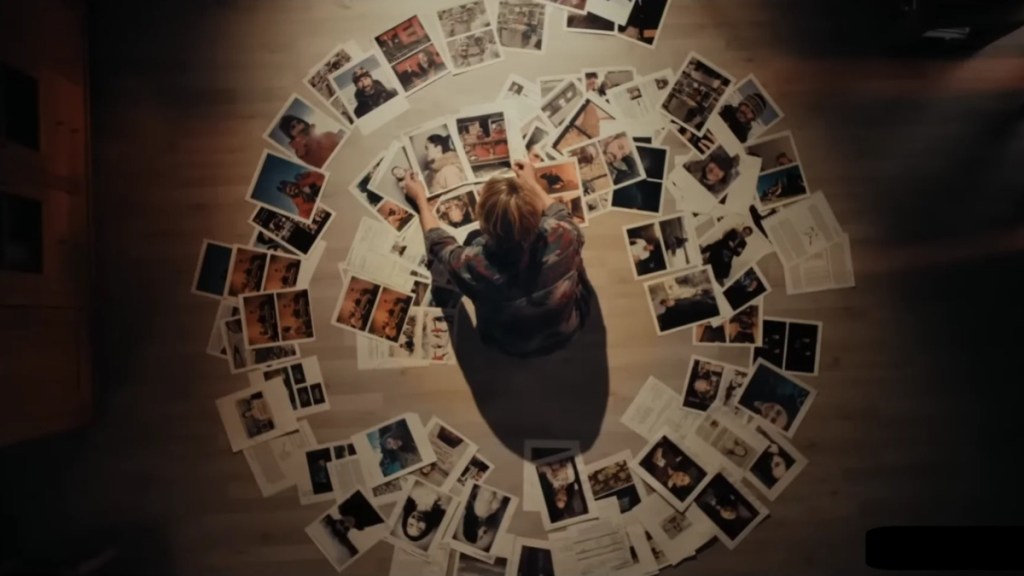
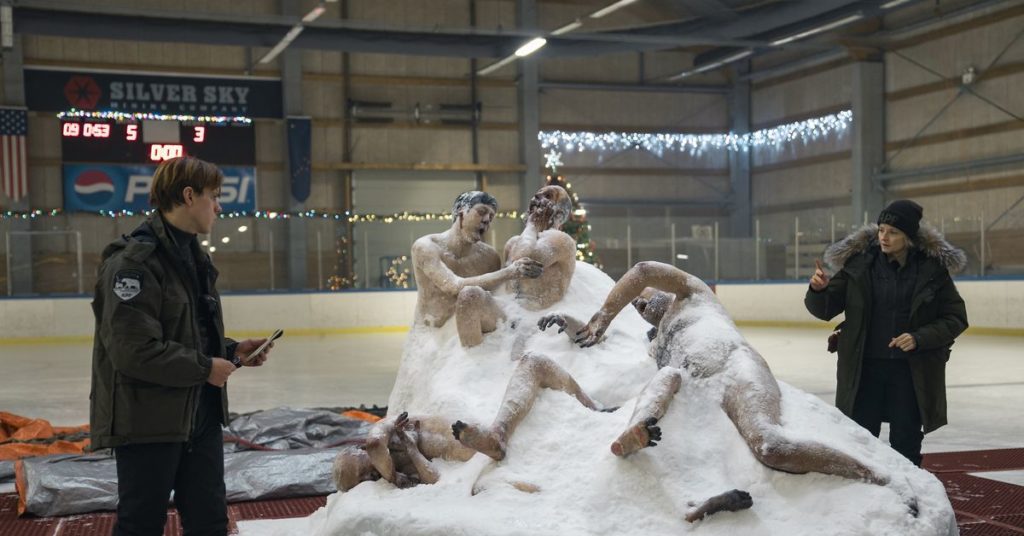
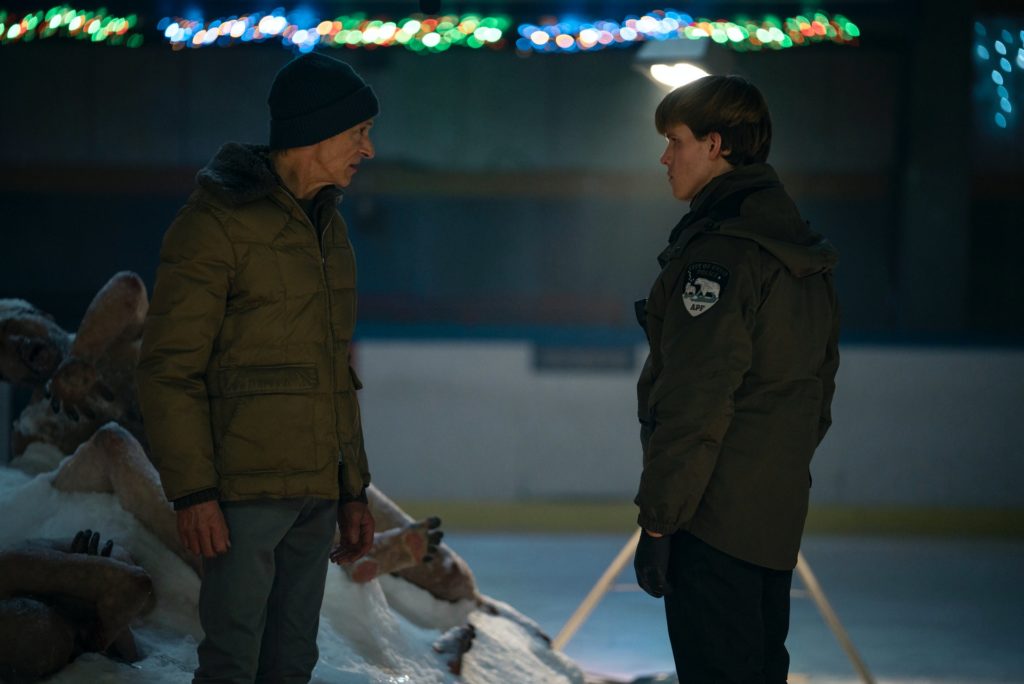
Danvers turns her former partner away 180 degrees, convincing her to forget about that terrible case that is not meant to be solved, but Navarro, due to her feminist convictions, is not going to give up and intends to find new leads on the case that concerns her. Things are also far from smooth in the town itself: the tap water is undrinkable, the people are dissatisfied with the situation, some residents see ghosts, and then the scientists are found (thanks to Fiona Shaw and her deus ex machina) naked, huddled together, and frozen in the ice, with a mysterious spiral drawn on the forehead of one of them (dum-dum-dum).
Winter, Mother
'True Detective: Night Country' is a complete reversal of the first season. The central characters have swapped genders, southern Louisiana has turned into northern Alaska, and the victims are no longer young girls but a group of adult men. That's how Issa López decided to show that the rules of the game are changing, and the series' misogyny is now corrected, but (unfortunately, there is this damned 'but') 'True Detective' is loved not because it tells stories about brutal investigators catching a psychopath to stop the killing of fragile and defenseless girls. The first season became iconic because all the details (from the cast and script to the direction and soundtrack) merged into a single perfect mechanism. It was not created with the aim of humiliating anyone or correcting any mistake (unlike…).
If we analyze what the absolute majority praises the series for, we can come to one thesis: 'Instead of dumb men, strong women are now in the foreground, and the actresses have perfectly embodied them on screen. If you don't like it, then you are just as rude and sexist as the series creator Nic Pizzolatto, who allows himself a lot on social media.' Strange, is it really that in our time a great series is defined by a feminist perspective and good acting, and dissatisfaction and criticism from the creator towards the person who ruined his creation is unacceptable behavior? By this logic, if you are sold a fake iPhone, you should complain to Steve Jobs, not to the one who slipped you the counterfeit.
I am by no means denying that the praise for 'Night Country' on certain points is deserved. Strong women are cool, and the actresses truly play magnificently. Jodie Foster and Fiona Shaw, who recently shone, are simply irresistible, and you wouldn't even say about Kali Reis that she was a boxer not long ago and didn't act in films.
The first season of 'Andor' has ended. We watched this series, beloved by critics and not too popular with viewers, and tell you why it is a great show and the best 'St
Open materialAlso, the excellent setting can be counted among the pluses of the new season. The cold streets of Ennis, icy landscapes, permafrost, and round-the-clock night on screen create a truly fitting gloomy atmosphere for the new season. And the soundtrack is chic, especially the stylish opening with the song by Billie Eilish (though that's subjective, of course). But even despite all these pluses, the season has many more problems, and they are all extremely serious.
Glaciers Won't Melt
If you look at the series globally, 'Night Country' is the weakest season. Firstly, simply swapping men for women is not enough to make everything work. These women need to be interesting and not one-dimensional characters. The case of Danvers and Navarro is extremely ambiguous: they have the potential for depth and contradiction, but when it comes to execution, nothing really changes, and both heroines ultimately remain at the starting point, which kills all empathy and awakens a feeling of disgust. Given the feminist mood of the series, it's funny that the only positive and adequate character turns out to be Finn Bennett's hero, who tries to do the right thing but, due to the demands of his inadequate boss Danvers, loses his family, becoming mired in work.
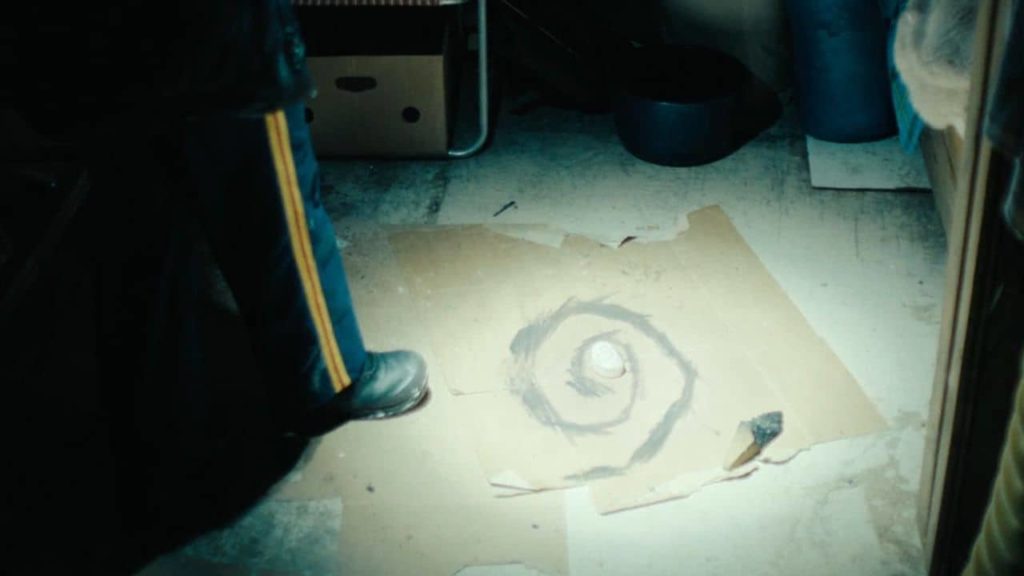
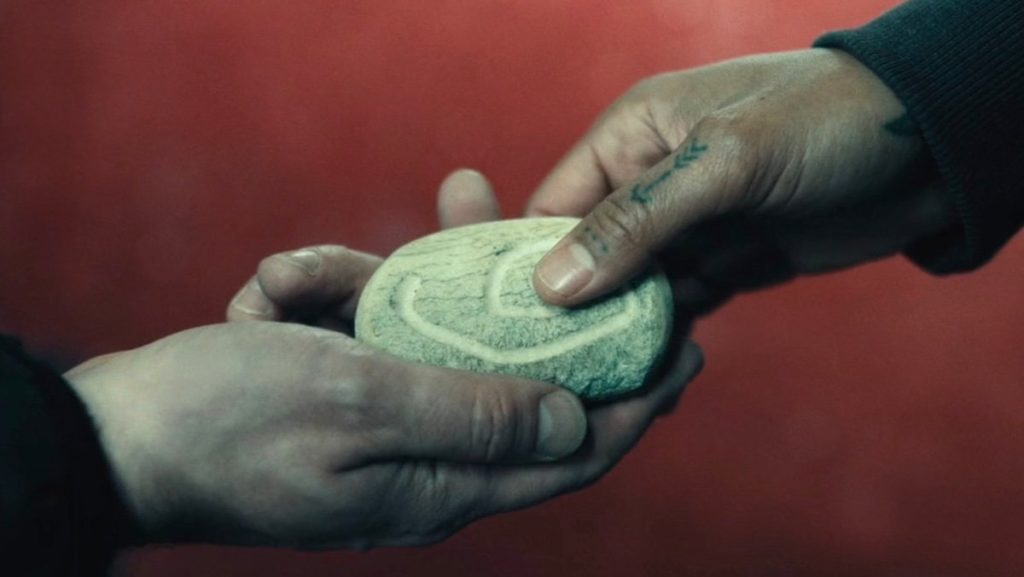
Secondly, the connection of 'Night Country' to the first season is indeed very stupid, as Pizzolatto noted. The spiral symbol haunts the heroines throughout the season but leads nowhere, remaining just a dumb fan service. The same happens with the Tuttles (the family behind the Yellow King cult from the first season), whose surname was inserted into the script as if as a joke. In passing, we are told that 'Tuttle United' sponsored the research at the station, but that's it. There will be no more information. Enjoy the Easter egg. By the way, 'time is a flat circle,' did you know? If you couldn't remember it from the first season, it should stick in your memory the second time around here.
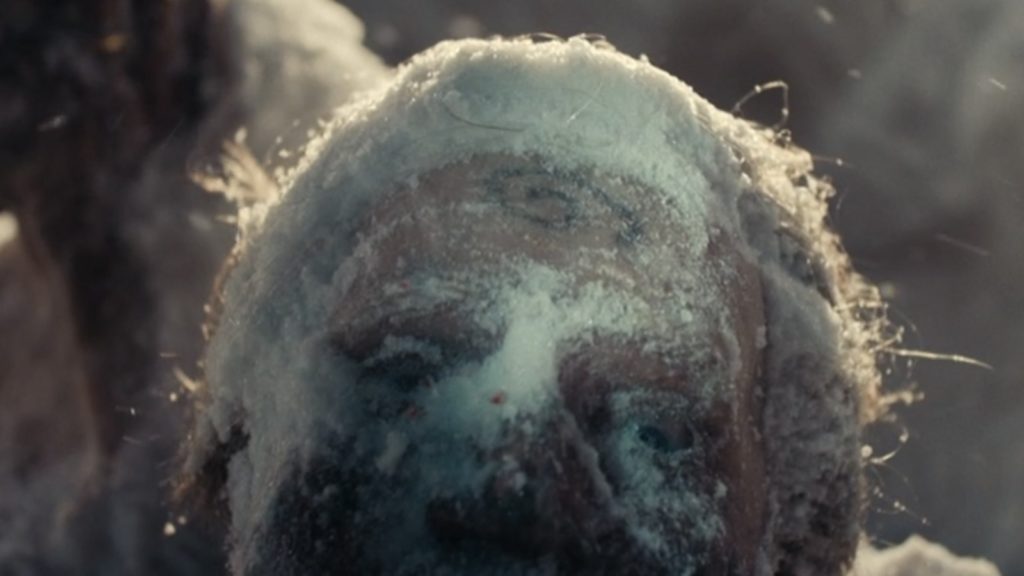
But the most outrageous connection is the inclusion of Rust Cohle's father in the plot, or rather his ghost. In one of the episodes, we learn that Fiona Shaw's character had a romantic relationship with Travis Cohle, who was suffering from leukemia and committed suicide by walking into the cold several years ago. The man's body was discovered by patrol officer Navarro, but this could not have happened physically, because the elder Cohle was dying of a terrible illness back in the mid-nineties (McConaughey's character flew to him in Alaska in one of the episodes), while the action of 'Night Country' takes place at the end of 2023.
Question: if Rust flew to his dying father in 1995, and he was definitely dead by 2012, how could patrol officer Navarro have discovered his body if she looks about 35-40? Answer (probably): time is a flat circle.
Based on this, we can safely conclude that Issa López, without even fully studying the series' lore, decided to connect her story to the first season solely for fan service, hoping that everyone would appreciate what a good job she did. But when it became clear that it didn't turn out well and there would be no respect from Pizzolatto and fans, the director got upset, and people began to indignantly ask how the creator could not like a fan fiction based on his creation? It turns out Nic is a very bad person for allowing himself to express his own opinion, calling the season 'stupid,' because in reality he should be grateful for such a magnificent continuation that corrected his personal misogynistic mistake.
These Crazy Nights
However, everything described above is not even the main problem of the series, because the primary complaint relates to the script. Moreover, one can easily turn a blind eye to some conventions, such as the heroes driving with open windows in the cold or constantly walking around in unzipped jackets and without hats. And the fact that 'Night Country' is assembled from a bunch of other projects ('The Thing,' 'Wind River,' 'The Dyatlov Pass Incident,' and, of course, the first season of 'True Detective') is also unimportant, because that's not the point at all. The story itself intrigues only for the first one and a half episodes, and then it becomes uninteresting to watch (which is an extremely big problem for a detective series). The plot stagnates, and the episodes last an hour (or more), which is simply tiring.
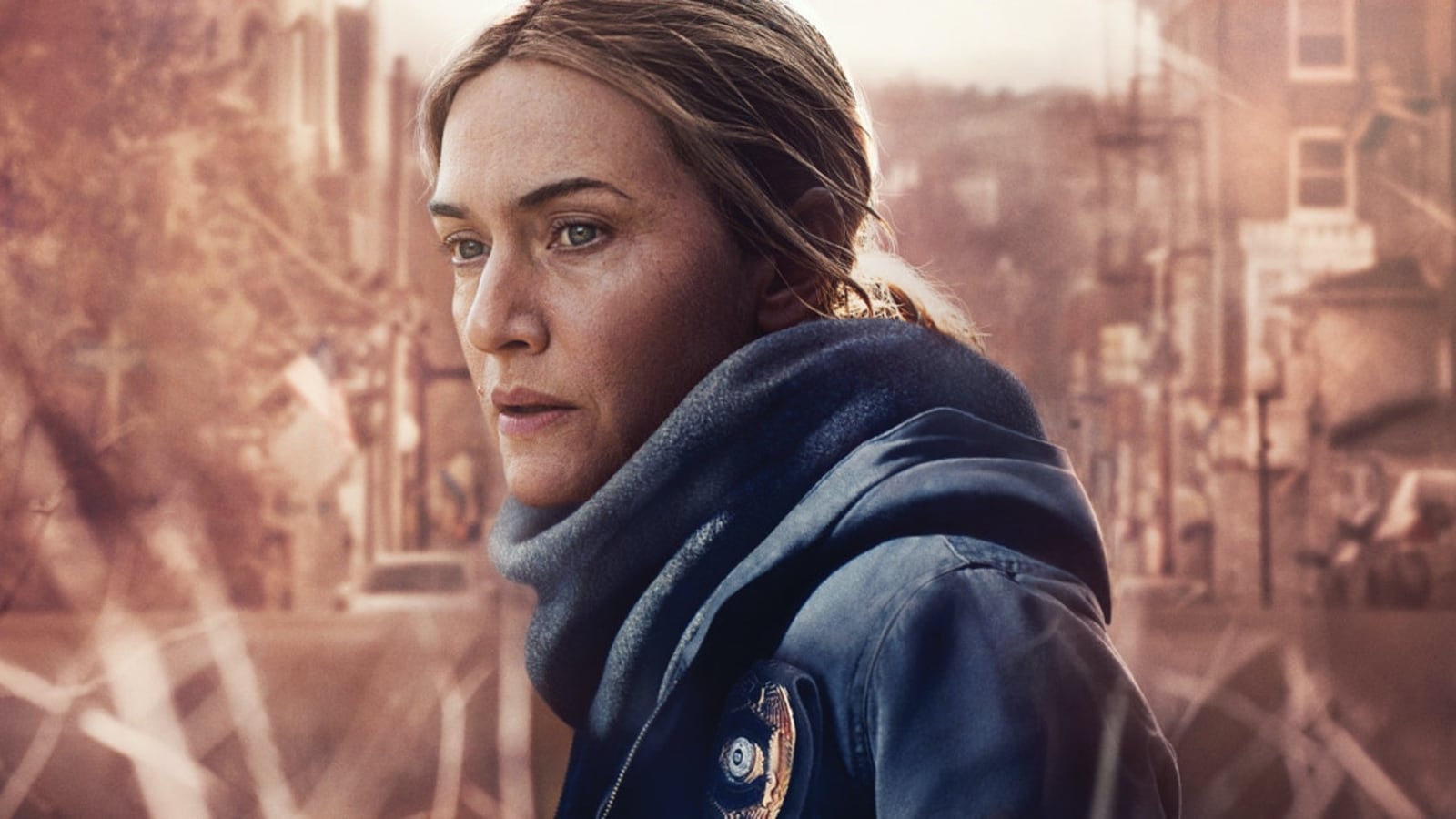
'Mare of Easttown' is a new hit that all fans of quality stories should watch. And now we'll tell you why.
Open material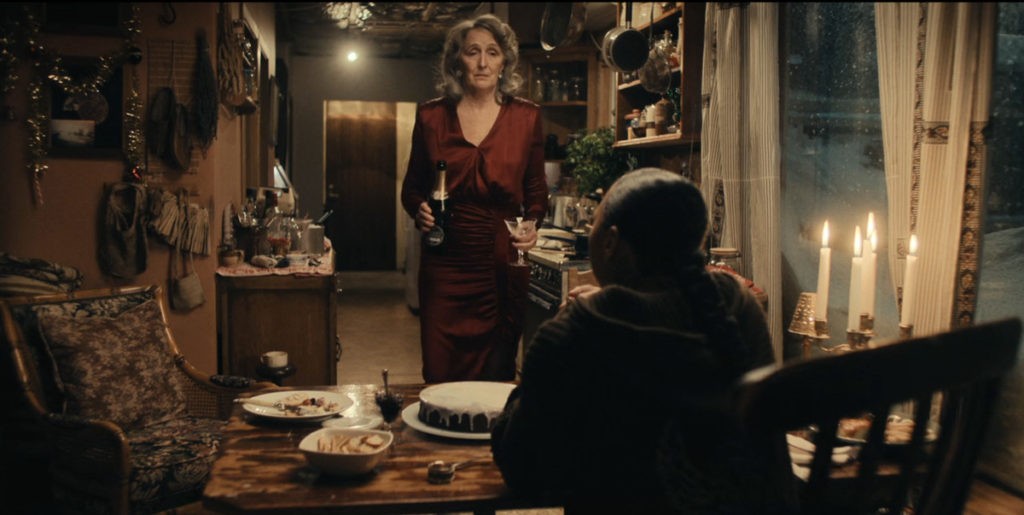
Some semblance of action begins only in the finale. The rest of the time is devoted to some ridiculous conflicts and secondary storylines that barely coexist under the same roof with the main story, causing 'Night Country' to crack at the seams, practically unable to contain everything López wants to talk about. There is a hint of raising environmental issues, but it is abruptly cut off in the finale. Also, the life of the indigenous peoples of Alaska is seemingly shown, but the topic is not properly explored, leading almost to a romanticization of suicide, and practically the entire population appears before the viewer as unfriendly and psychologically unhealthy people. I won't even mention the themes of feminism and LGBT* (the latter, of course, are cut out in Russia), they are presented in such a ridiculous agenda-driven light.
But the script's cherry on top is the finale, which, in essence, was supposed to resolve all the accumulated issues from the previous five episodes, but ultimately could not withstand the pressure and not only cracked under the weight of unresolved plot threads but also ended the story as stupidly as possible, finally burying the potential of the two main heroines.
Unfortunately, strong spoilers cannot be avoided, so if you haven't watched and don't want to know the ending, we recommend skipping directly to the conclusion block.
In the finale, it turns out that the young activist was killed by a group of scientists, which was accidentally discovered by ordinary female cleaners, after which they decided to take the law into their own hands and kill the men themselves. Under the barrels of weapons, the criminal researchers were loaded into a container, taken into the snow, forced to undress, and ordered to run naked into the darkness of the night.
In their defense, the newly minted criminals came up with an excuse that their lives were taken by the activist herself (or rather her spirit), because if she had wanted to keep them alive, she would have, since nothing prevented the scientists from returning and getting dressed (zero obstacles except for a crowd of women with combat weapons), but the murdered woman still decided to take them. If you want to know how the detectives tracked down the cleaners, it was helped by the wonderful intuition of the police chief, who, with almost no clues, guessed what needed to be done, and she was very lucky (in short, López didn't bother at all).
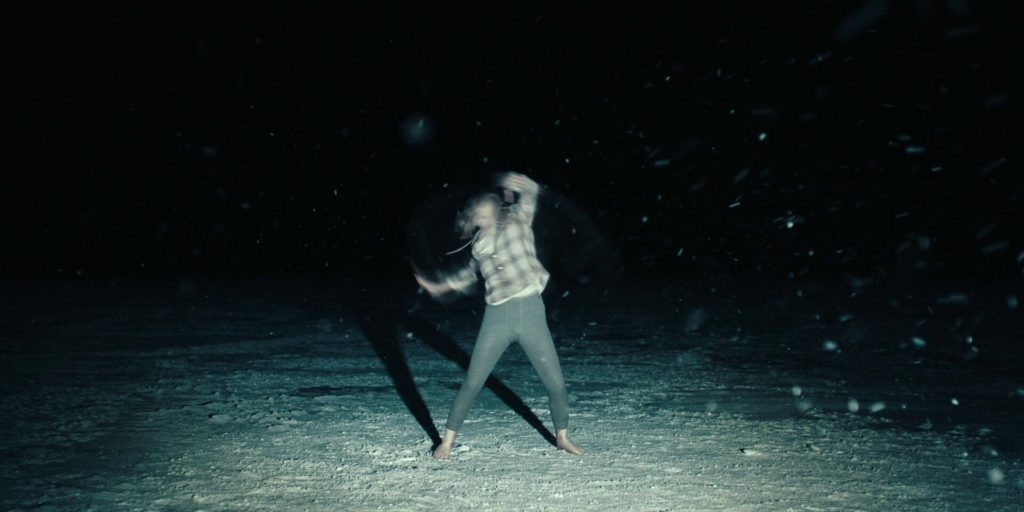
After hearing this wonderful story, as all those responsible for the scientists' murder pompously and proudly enter the room, police officers Danvers and Navarro simply leave and decide to leave the ladies alone, agreeing with their version. Like, the stupid cruel men deserved such a dog's death. This scene was supposed to reveal 'women power' in all its glory. To show women as strong, united, and able to stand up for themselves, but in the end, the series becomes much worse because of it. And the issue here is far from women.
Throughout the season, Foster and Reis's characters demonstrate how disgusting they are as cops and people. They are ready to kill and falsify testimony to avoid punishment. In 'Night Country,' there is a hint that this mistake will be reflected upon and the heroines will change, but over 6 episodes, the situation only worsens. In the end, we have two messed-up women who will kill whoever needs killing, frame whoever needs framing, cover up or release whoever needs covering up or releasing, and lie wherever necessary.
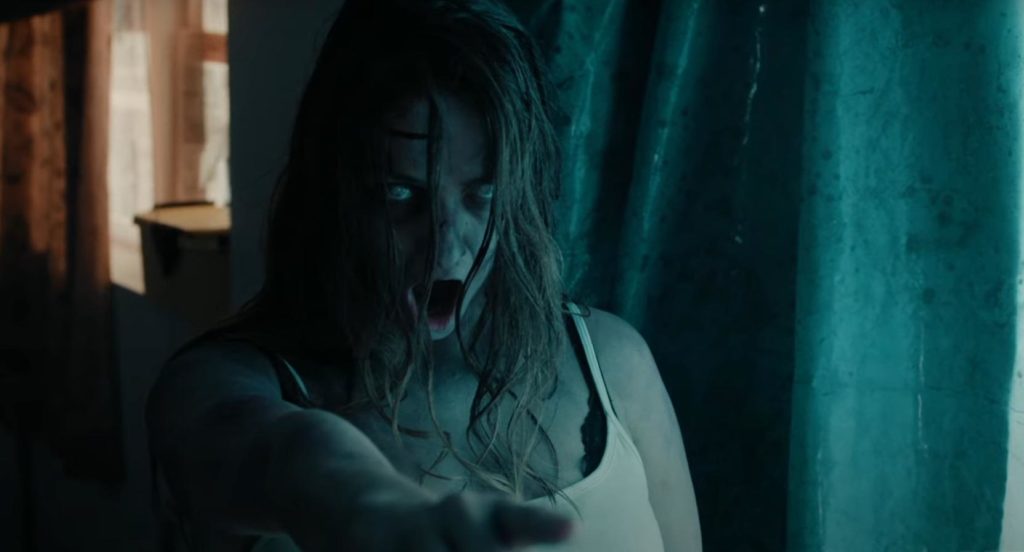
Moreover, at the end, they simply regard the local lynching as a method of fair punishment due to 'women power,' turning a blind eye to the brutal mass murder committed by women in a premeditated conspiracy. If this is feminism and its principles, for which 'Night Country' is praised, then I would rather be a 'sexist who believes that everyone should be equal before the law, regardless of gender, orientation, nationality, and other differences.' By supporting and praising such actions, people return to the times of barbarians. As the slogan of the first season said: 'Man is the cruelest animal'? Issa López has proven this to us once again, because in 'Night Country,' almost everyone fits this thesis, and in particular, detectives Liz Danvers and Evangeline Navarro.
What's the Verdict?
Honestly, it's unclear why the tie-in to the 'True Detective' brand was needed at all (it's clear the goal is purely capitalist, but still), if it were possible to remove all connections to the first season, refine the script into a good story, work on the secondary storylines and characters, rewrite the ending, keep the title 'Night Country,' and it would have turned out much better and more interesting. But in the end, the new season is a second-rate fan fiction trying to please as many people as possible, but we all know that if you are friends with everyone, you are friends with no one.
It has already become known that the project has been renewed for a fifth season, and Issa López will be in charge again (which is understandable, the season became the most-watched in the entire series). But not always are viewership numbers and revenue the best indicator. On IMDb, the final episode set a completely different record — the lowest audience rating across all four seasons, and that is also a reason to think (though there is always the convenient option of calling everyone sexists). They say the darkest hour is just before dawn, so we can only hope that 'Night Country' is that very hour, and not the first day of a long polar night that will see no end.
*The LGBT movement is recognized as extremist and banned in the Russian Federation.
By the way, subscribe to our Telegram channel 'After the Credits' (here's the link). There we post posters, trailers, and various interesting and funny news from the world of cinema.
Comments
0No comments yet.