

In theaters, you can catch the melodrama 'The Nature of Love,' released on February 22. A film worth watching even when all the Valentine's cards have already been given. More about this desperately clever film in our review.
Philosophy teacher Sophie (Magalie Lépine Blondeau) is waiting for a professorship at the university, periodically quarrels with her husband Xavier (Francis-William Rhéaume), also a philosopher, ironizes about every next girlfriend of her brother, and tries to be a support for her mother and her mother-in-law. She loves her husband, but there is no passion between them, and what passion could there be — Gaston Bachelard's 'The Poetics of Space,' which is exactly the book Sophie's husband gives her for her birthday, should, of course, be discussed with a cool head.
Everything changes when Sophie goes to their new country house to put it in order. The foreman Sylvain, who is supposed to do the renovations, turns out to be, to put it bluntly, a hot hunk. And with Spaniards in his lineage (and that in a Francophone region of Canada!). Even a lover of Plato (or maybe especially her) didn't really stand a chance, especially when five minutes of screen time later, Sylvain invites Sophie to a pub to meet the neighbors.
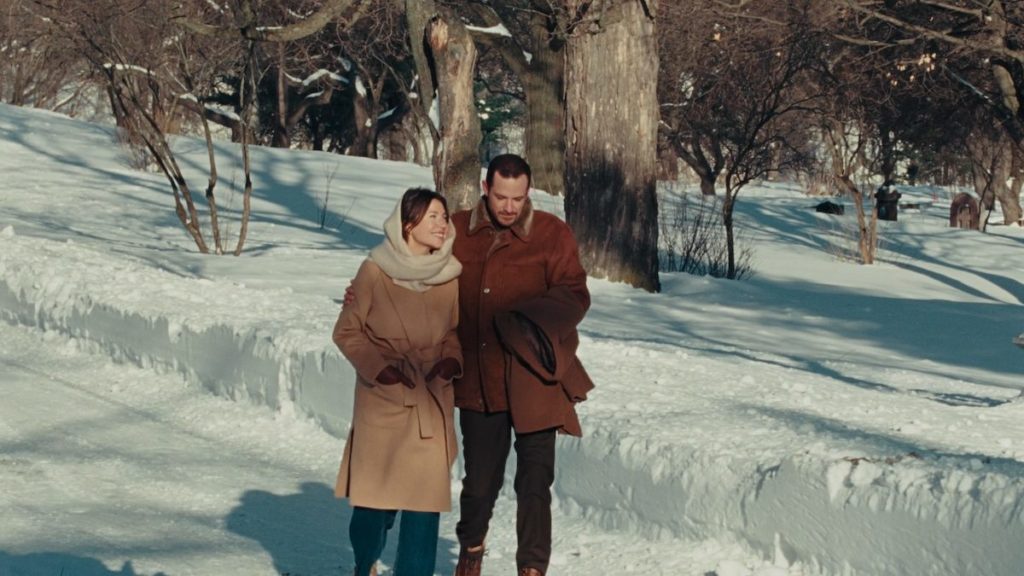
The further plot is probably easy to predict: for a while, Sophie and Sylvain's affair remains a secret, but soon the girl can't take it and confesses everything to her husband in the same country house. Xavier leaves with his things that same night, even though just that evening he was telling his parents that he and Sophie were thinking about children. Sophie gets a chance at happiness with Sylvain. Yes, he is from a completely different background, listens to Michel Sardou (Rosenbaum, to translate into our realities), while she quotes a hypothetical Baudelaire, his mother believes in aliens and clearly leans toward the bottle, and his brother treats his wife in the spirit of recommendations from the 'Domostroy,' but still.
The classic narrative of rom-coms, like melodramas, teaches us that even if people have nothing in common, love can unite them. A senator will get along with a maid, a redneck will change for a New York intellectual, Shrek will be happy in the swamp with Princess Fiona. Monia Chokri does not exactly deny this possibility, but simply suggests looking at reality more soberly. Importantly, she does not disenchant classic melodramas; her goal is not to deprive everyone of childhood dreams, but rather she offers an alternative narrative, 'Husbands and Wives' through the lens of political theory, if you will.

Vampires are some of the favorite monsters in cinema. Over the past few decades, they have been made into fatal lovers and romantics, killers and superheroes. In 2003, 'The Other World' was released on screens.
Open materialSylvain and Sophie are good together, but ultimately they are only bound by passion. She learns to look at herself, her body in particular, through his eyes, and he once again confirms to himself and those around him that he has always been smarter than the classic redneck. With Xavier, Sophie was also fine, and their meetings throughout the film only confirm that they are actually connected by common interests, similar expectations from life, and cultural level. However, with so much in common, they cannot truly connect; there is always a gap in their relationship.
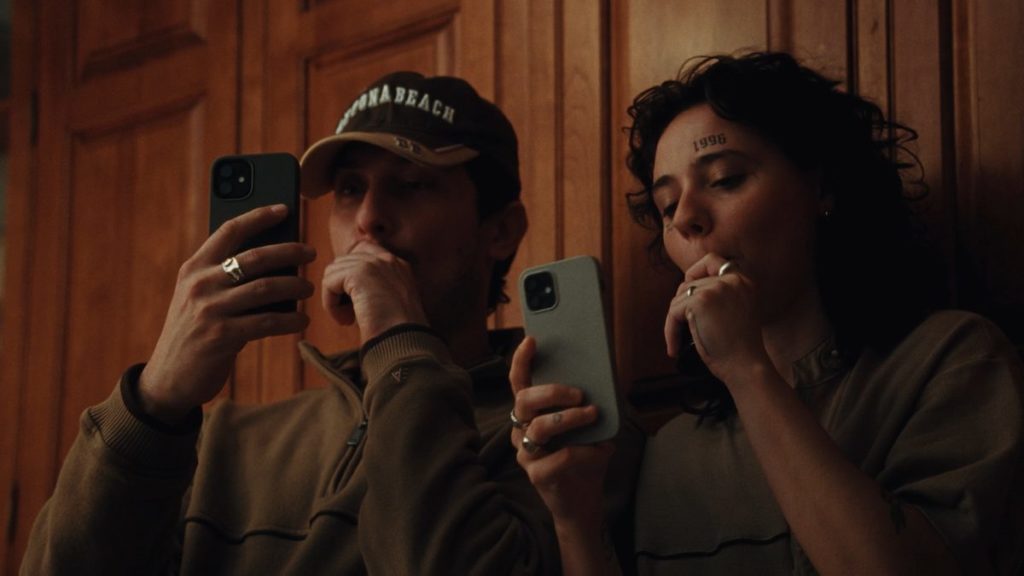
Chokri, observing this, patiently recounting sad truths and cheerful dialogues, a series of successful and not-so-successful dates, meetings, and family evenings, ultimately asks two questions. What is love? And if it is somehow connected to the union of two people, the formation of a close bond between them, then where does this bond come from? Why, for example, does it not form between Sophie and Xavier, even though their lifestyle and they themselves are so similar?
These are good questions, so to speak, food for thought, and if the first is considered more in philosophical inserts, where Sophie in seminars recounts the approaches to love of famous philosophers — from Spinoza to bell hooks (the American feminist always wrote her creative pseudonym in lowercase to draw attention to her ideas, not to herself) — then the second actually constitutes the entire film in all its sad beauty.
Like many intelligent people, Chokri apparently wanted to make a porn about a sore subject, but cultural baggage did not allow it. Rom-com, erotica, melodrama, these essentially pulp genres serve as a conceptual framework for her, just like Platonic dialogues, for reasoning about what can connect modern people, whether conditional Trump supporters and lovers of French poetry really live in the same country, or whether these have long been completely different realities, and Sophie's arrival at a family evening for a proletarian family is the same as the arrival of aliens?
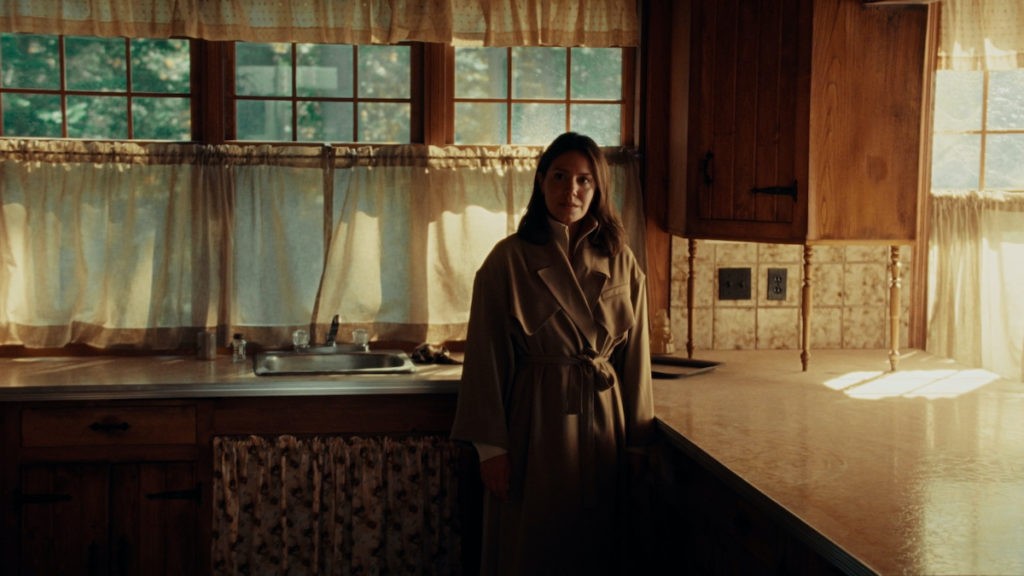
She is alien to their rude simplicity, Sylvain is alien to the pompous sense of self-righteousness so common among Sophie's friends. The lovers do not so much get to know each other in the end as they begin to see strangers in their own circle. Alienating themselves from their own families and friends, the heroes find no support in anything. Global loneliness, the possibility of only mechanical intimacy, the death of love in the society of the spectacle — all these motifs make up 'The Nature of Love,' a sad and honest film in the spirit of mature Woody Allen about how hard it is to love another if you cannot not only love but even simply find yourself.
Comments
0No comments yet.
Sign in to join the discussion.