
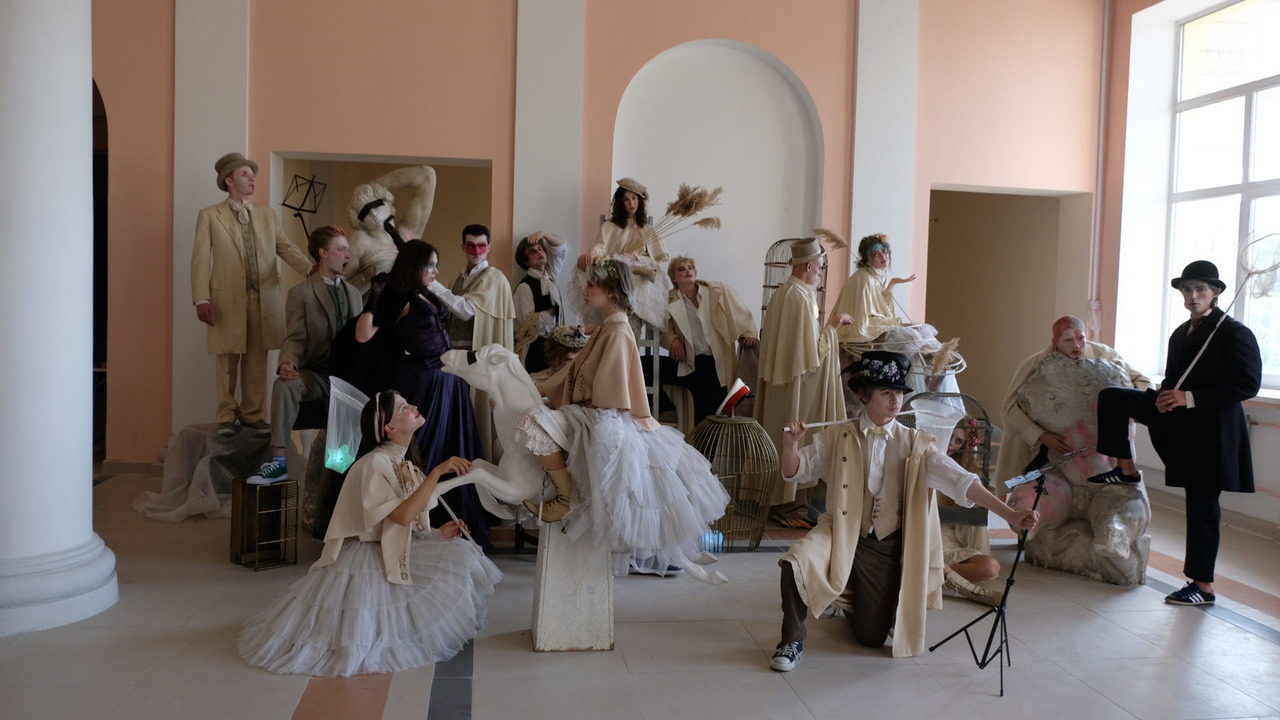
On February 14, the drama 'Secret Attraction' is released. This is the directorial feature debut of Stasya Tolstaya and, coincidentally, a therapy session. We tell you why this film actually doesn't need an audience.
The main character is actress Veta (Maria Yanycheva), who finds herself in a love triangle that slowly turns into a square. Her behavior, actions, and statements can be explained by Dmitry Pisarev's phrase about Tatyana Larina: "The insignificant amount of brain in her head was in the most deplorable state."
Veta's boyfriend Denis (Anton Rogachev) is a "very, very good boy. Polite, truthful, modest, kind. He listens to his mom, does exercises every morning. His character is very soft." In short, he is the only character who evokes sympathy.
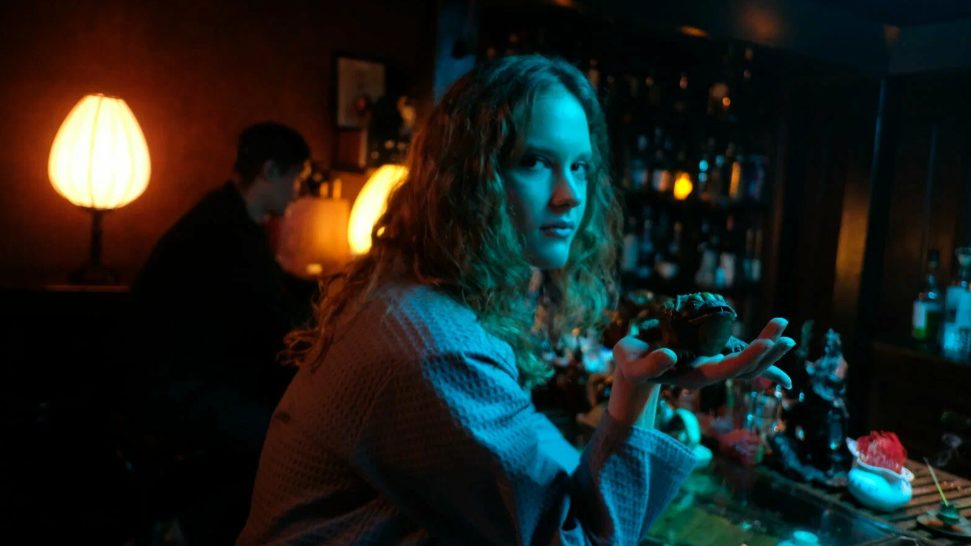
The last corner of this triangle is Roman (Mindaugas Papinigis), who is some kind of hyperbolic fantasy about a secretive, mystical, "attractive" sadist with poor diction and a hoarse voice. He is a director who came on an exchange and is rehearsing "Anna Karenina" with Veta. Naturally, the girl falls in love with him, leaves the good boy, but ends up deceived, as the mysterious director turns out not to be too interested in her.
Despite the heavy visual load, the semantic part of the film is not very convincing: the characters' discussions about God, art, and relationships are quite superficial. Stasya Tolstaya either mocks her characters in a Gogolian manner or puts something so personal and intimate into their mouths that an outside observer cannot understand it.

The informational poverty of the dialogues forces one to desperately seek an explanation for what is happening in visual images. But one doesn't have to search long: there are red cinema chairs in Veta's yard; cards with a print of Tarkovsky's eyes on tree trunks; a glass box that Veta breaks from the inside to try her hand at directing; and a constantly flashing toy vending machine. Although even this is not as intriguing as the traces of other cultural products left in 'Secret Attraction' in almost every scene.
It's pointless to talk about how the film references Anna Karenina (let's not state the obvious). Much more interesting seems the director and screenwriter's inspiration from 'Black Swan'. Veta also experiences a painful fusion with her heroine, trying to find her place in creativity. And the large number of mirrors, the affair with the director, Veta's gradual 'corruption' are more than direct parallels.
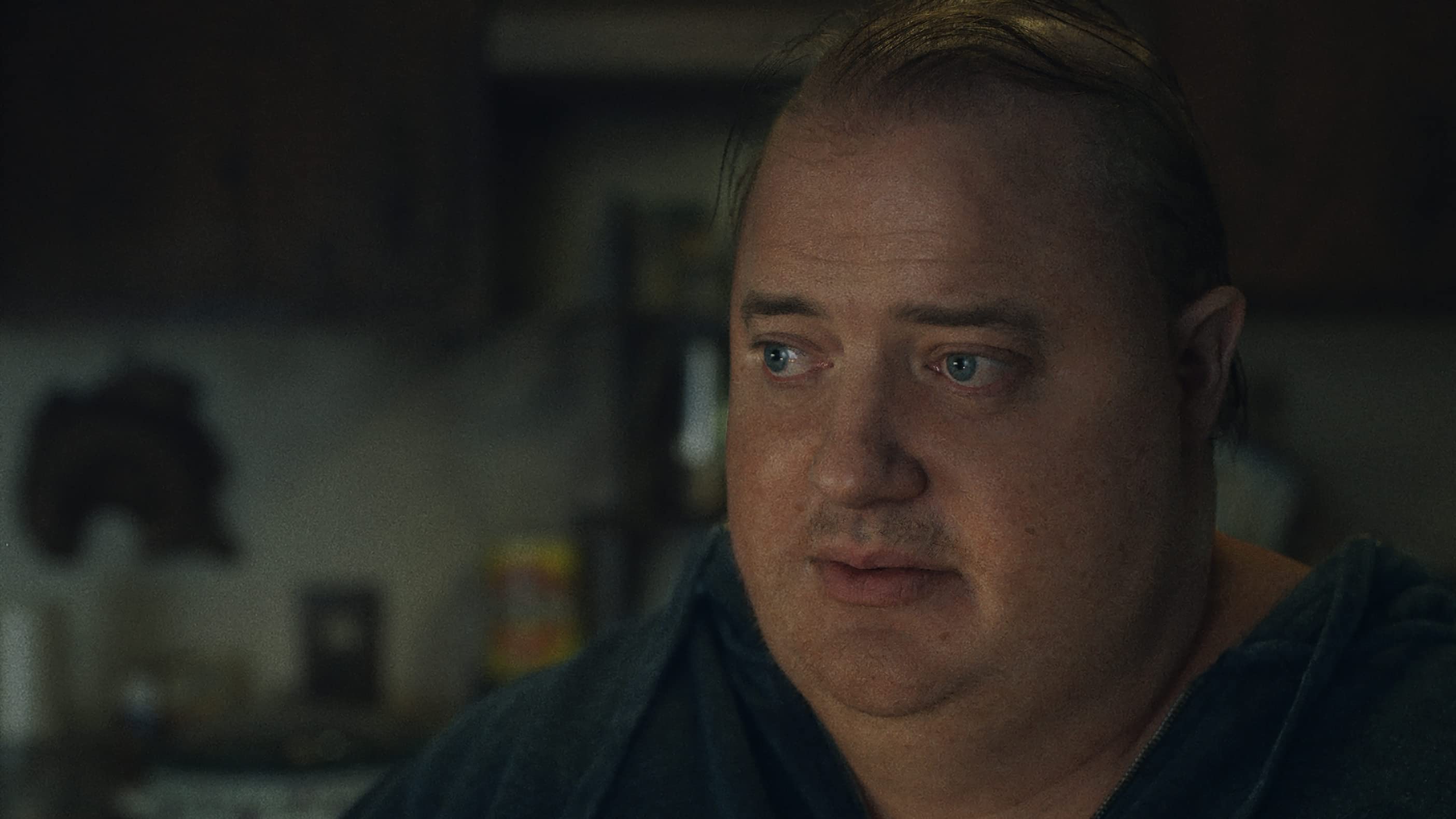
On February 21, the digital release of Darren Aronofsky's new film 'The Whale' starring Brendan Fraser took place. We talk about the cinematic comeback of the star of 'The Mummy' in an unfamiliar
Open material
'Secret Attraction' is also rife with other small borrowings, like two lines from 'The Bremen Town Musicians', or an unfortunate (too often mentioned this year) cat in a bad apartment. Whether there is a connection between the eroticism surrounded by red rose petals and 'American Beauty', I cannot say for sure, but the creative ecstasy during rehearsals and the great attention to color symbolism clearly smacks of Gaspar Noé.
Another association was Nabokov's 'Lolita'. It looks quite funny how Veta puts bagels on her fingers (Lolita put raspberries), but even funnier is Roman's story about his first love. At 16, he liked a girl, she made him happy by talking to him, but died the next day. I wonder if she managed to give our hippie Humbert a ribbon as a farewell, like in the original?
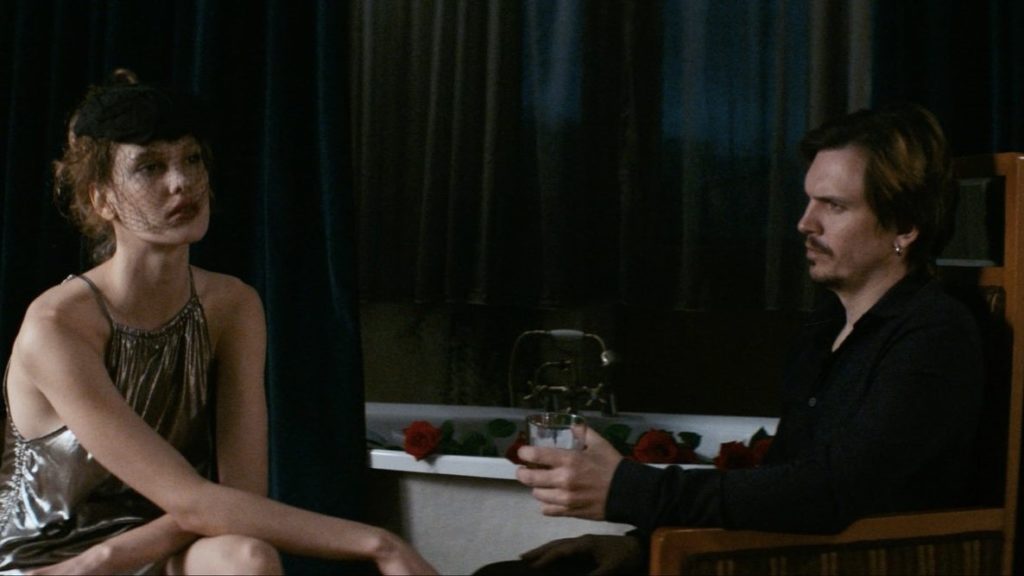
The big problem with the film is that a bunch of little cultural shards do not come together into a beautiful mosaic. The works, characters, and plot twists are too different to coexist on the canvas of one film. It's hard to assess Veta's evolution when in the setup she appears in the image of the nymphet Lolita, then suddenly something dangerously demonic reminiscent of Lilith appears in her, and towards the end the heroine suddenly dresses up as Rita, who came to the mysterious theater 'Silencio'.
It is unclear what 'Secret Attraction' is: is it a synthetic work of art, pure postmodernism trying to include too many cultural products at once? Or is it an intimate revelation, a subtle (very abstract) meaning that I failed to grasp? To be honest, if you fire a shotgun at this beautiful canvas, many through-holes will remain, and peering into them you can see many works of art that do not need to be collected into a compilation.
Trailer:
Comments
0No comments yet.
Sign in to join the discussion.