
A great many films come out with an ambiguous ending hinting at a continuation, but not every movie can afford one. A whole range of factors influences the decision to abandon a sequel. Mainly, it's low box office returns and lack of audience response, but there are other reasons that prevent a sequel from seeing the light of day. So which films lost their deserved (or not so deserved) sequel and why, we break down in our article.
The Man from U.N.C.L.E. 2: Mission Failed
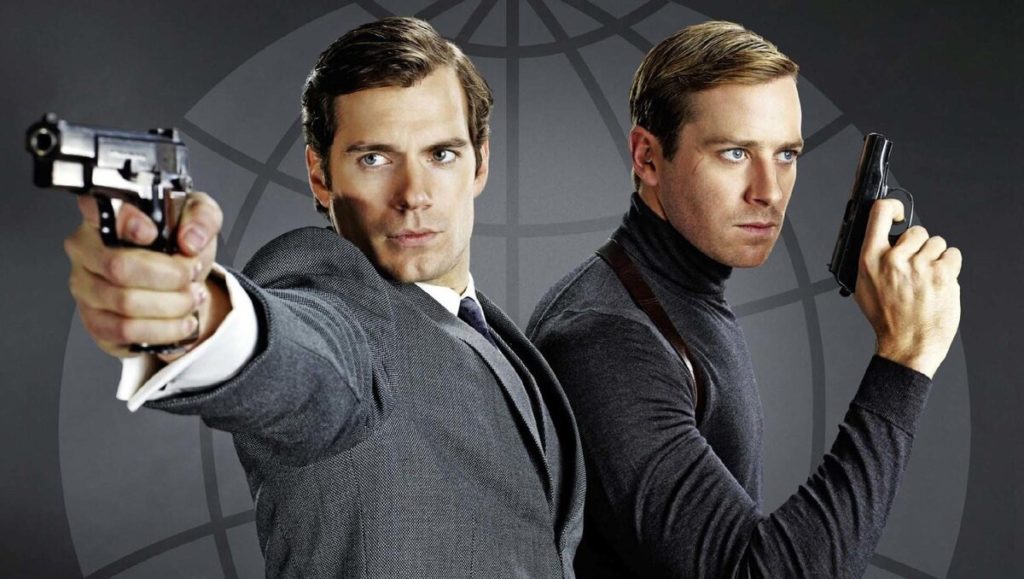
The plot is based on the eponymous novels about espionage in the 1960s. There were many series, many stories, and no fewer opportunities for adaptations.
The spy film by Guy Ritchie starred Henry Cavill, Armie Hammer, and Alicia Vikander. Due to mixed reviews and disappointing box office results, the film came out without much attention and almost no talk of a sequel, despite being intended as a new franchise. However, as the film gradually gained fans, the question of 'The Man from U.N.C.L.E. 2' kept coming up.
At one point, a script was being developed, and even tentative dates were announced. The sequel was promised to hit screens in 2019 and later. After a long silence about the project, some media outlets reported new news in 2023. It was said that the long-awaited sequel was in development. The report provided few details beyond the fact that Guy Ritchie would return as director and Henry Cavill would reprise his role as Napoleon Solo. It is also assumed that the role of the second main character, Illya Kuryakin, would be changed following Armie Hammer's sexual misconduct allegations in early 2021.
Despite rumors and news about 'The Man from U.N.C.L.E. 2', the film has not yet been confirmed by Warner Bros. This means it is in the early stages and most likely doesn't even have a script yet. Also, considering that Henry Cavill and Guy Ritchie are currently working on the film 'The Ministry of Ungentlemanly Warfare', scheduled for release in 2024, we should expect 'The Man from U.N.C.L.E. 2' no earlier than 2025.
'The Lone Ranger' (2013)
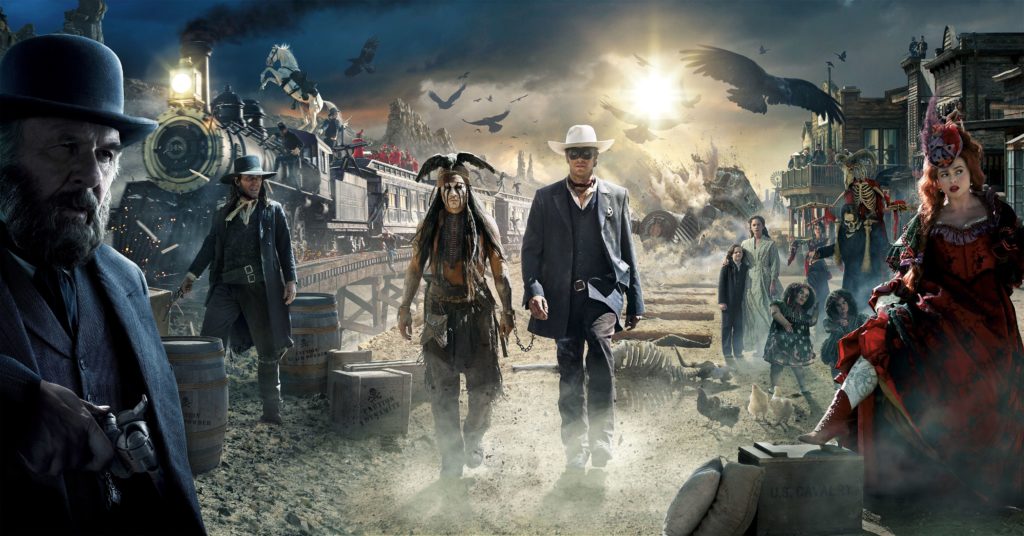
When 'The Lone Ranger' was released, Disney naturally believed it would spawn a wave of successful sequels and revive the western. American critics feared the same, while domestic critics stoically accepted this seemingly already accomplished fact. But in the end, nothing came of it.
Johnny Depp never played a Native American again. Armie Hammer was canceled altogether, although watching this film, it's hard to understand how a person with such dull charisma could do anything like that (and the allegations go as far as cannibalism). Gore Verbinski switched to adapting Thomas Mann. And the western never became a nationwide genre again, continuing to hide in corners and Taylor Sheridan series.
Probably, it all turned out this way because of Verbinski – with his eternal quotes from films with Eastwood, his principled refusal to build a logical plot (even the railroad – the central image of the film – he, one feels, would have built in a zigzag), his fixation on death and criticism of capitalism. In terms of narrative coherence, 'The Ranger' turned out to be similar to the third part of 'Pirates of the Caribbean', the only bad trip in the world financed by Disney. Only that one had two previous parts to get used to the degree of absurdity. 'The Ranger', both on screen and off, jumped straight into the deep end and left everyone in slight bewilderment – it seemed like a children's film, but also somehow like Jodorowsky. It's scary to think what depths of consciousness Verbinski would have reached by the third film of such a strangely started franchise. Scary, but very interesting.
'Batman'
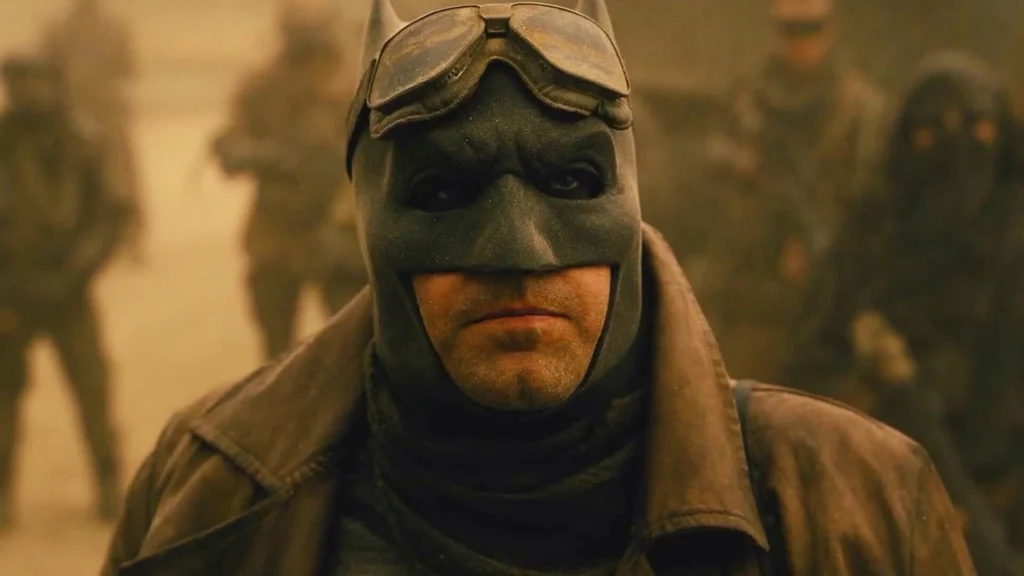
As they say? Alcohol is evil. I completely agree, because it was the cursed alcohol that deprived us of 'Batman' by Ben Affleck. The actor playing the Dark Knight was also supposed to write and direct the blockbuster (a rough draft of the script was even ready), but in the end, Affleck left the director's chair due to fear of 'drinking himself to death'.
It's not exactly a direct sequel to any film, but the movie was supposed to be part of the DC Extended Universe, which has now practically fallen apart (it is to be rebooted soon by James Gunn). Who knows, maybe with Affleck's 'Batman' things would have been different, but in the end, the film was handed over to Matt Reeves, who made his own version of the superhero with Robert Pattinson, unrelated to the DCEU.
District 9 (2009)
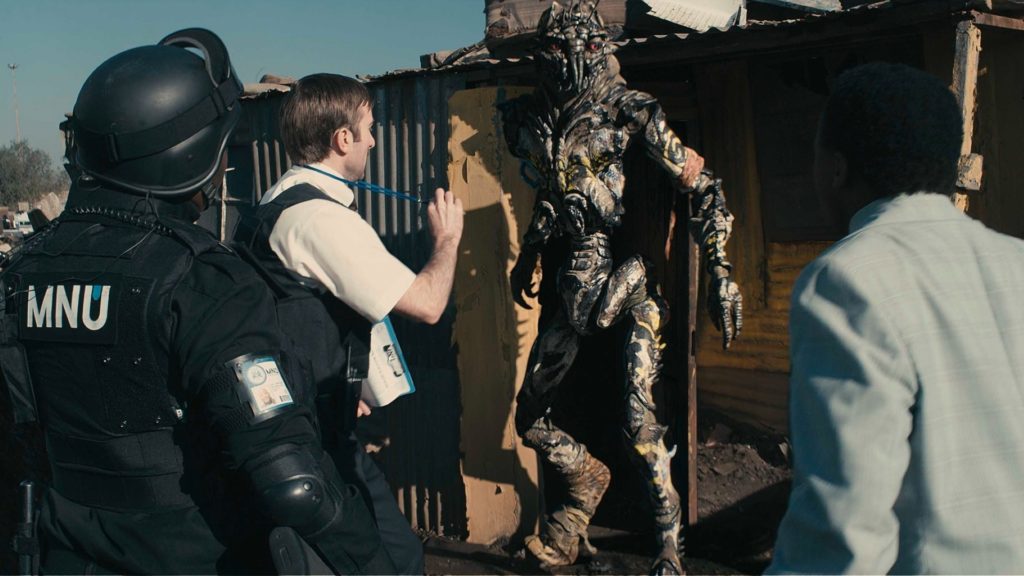
A low-budget, social sci-fi film by Neill Blomkamp, who was just starting his career in the late 2000s, unexpectedly became a commercial and critical hit in 2009, spawning dozens of imitators and earning four Academy Award nominations. True, Blomkamp didn't win any statuettes, but that was already a big victory.
Everything about the film is wonderful: the deliberately sloppy filming in the format of a TV report coexisting with clearly staged scenes, the meticulously thought-out concept, the images of aliens stranded on Earth against their will, the dynamic action, and of course the brilliant Sharlto Copley as a petty and cowardly bureaucrat.
His transformation from office plankton into a desperate rebel deserves special praise. And the ending of the film was just right, without inappropriate sentimentality at the moment. But in 1.5 hours, viewers managed to fall in love with the main characters and their story, which begs to be continued in a sequel or, at worst, some spin-off. By the way, Sharlto Copley recently admitted to journalists that he is working on a rough draft of the script together with Blomkamp.
'The Golden Compass' (2007)
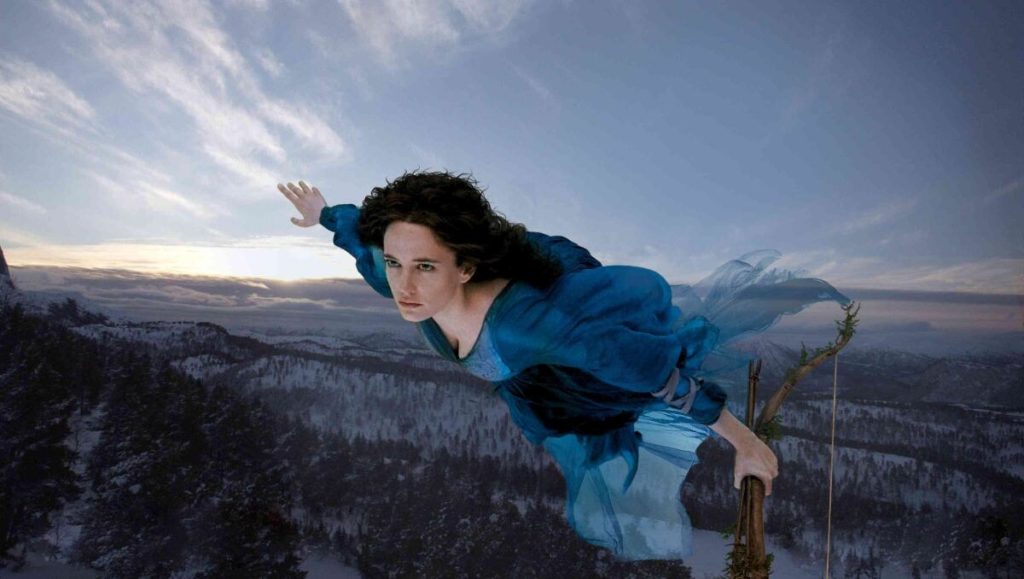
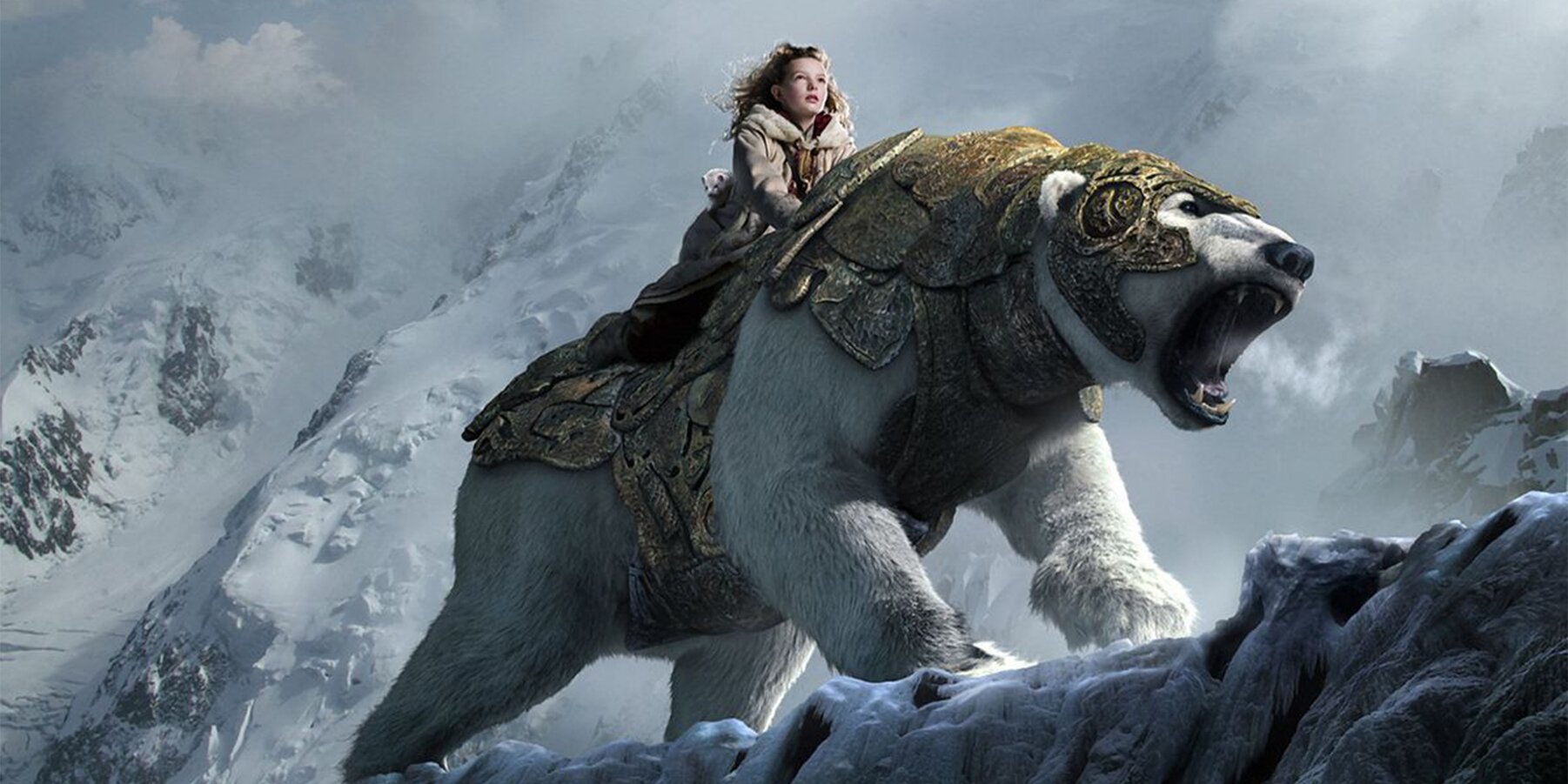
Even before James McAvoy tore the boundary between two worlds in the series 'His Dark Materials' based on Philip Pullman's book 'Northern Lights', Daniel Craig did it in 2007 in the excellent adaptation 'The Golden Compass'.
The fantasy film tells the story of a girl Lyra (Dakota Blue Richards) and her daemon Pantalaimon, living in a parallel world of theocracy and steampunk.
The creators wanted to adapt all the books in the series, creating a large-scale franchise that could compete with Potteriana. They invited top stars: Daniel Craig, Nicole Kidman, Eva Green, Freddie Highmore, and Sir Ian McKellen. New Line Cinema allocated a huge amount for them — $180 million, resulting in excellent graphics that won an Academy Award.
Overall, the film looks magnificent: colorful visuals, a complex but interesting plot, excellent acting… but the world never saw a sequel. Why?
The culprit was Ben Barnes. Or rather, a film with his participation, 'The Chronicles of Narnia: Prince Caspian'. Viewers preferred to go to the already familiar story about the world in the wardrobe rather than get acquainted with something new, especially since the poster for 'The Golden Compass' too closely resembled the first part of the Narnia cinematic universe.
'The Golden Compass' earned decently. But due to distribution peculiarities, it didn't bring money to New Line Cinema. The company was absorbed by Warner Bros.
In 2019, the series 'His Dark Materials' based on the same work was released. But, with my unconditional love for McAvoy, it looks sparse, with a longing for the magnificence we once lost.
Ellina Chernikova
'Halloween 7'
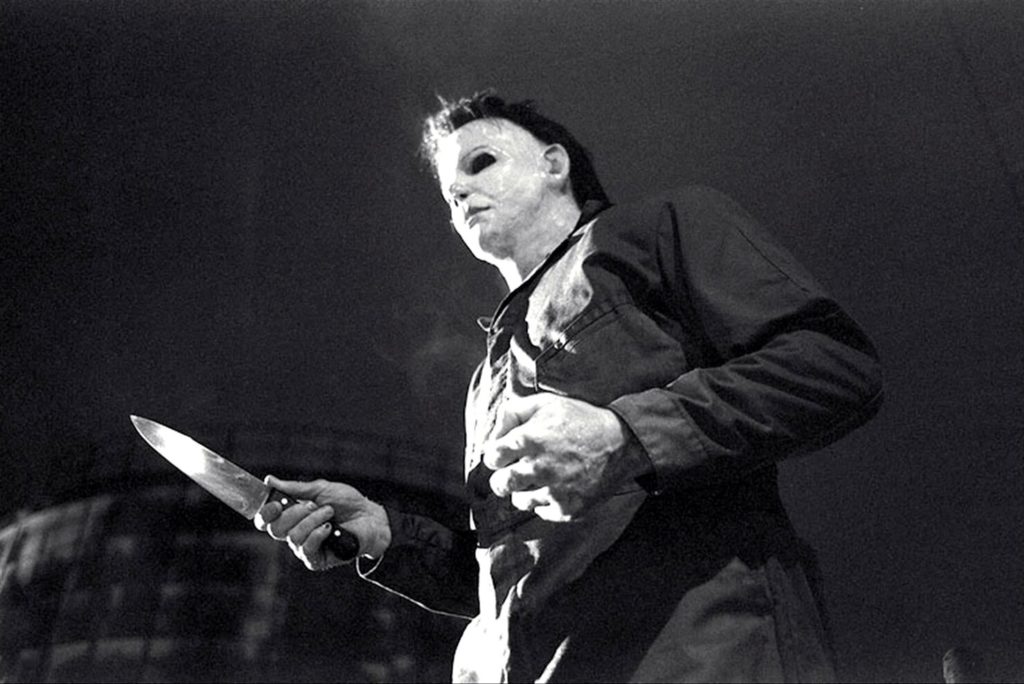
Of course, not everyone watched the sixth 'Halloween' (1995), but those who did know that the ending is open in its own way, ending on a cliffhanger hinting at the next part. It was supposed to delve deeper into the theme of the devilish cult responsible for creating Michael Myers — but in the end, we never learned anything about the cult, that version of Myers, or his telepathic niece. And we probably never will, and it's hard not to see a conspiracy of those same cultists from the film.
Seriously, although the seventh film wouldn't have saved that version of the franchise (Myers' story was later retconned three times), it still should have been made. First, because it would have added one more slasher from that era (they run out if you watch too many); and second, because now, almost 30 years later, it's clear that there is no spectacle funnier than a horror film from the eighties that ended up in the nineties. Such a film was 'Friday the 13th Part IX', also strange, as if from another time, even somewhat grandiose in its own way. The seventh 'Halloween' could have been that, but it's clear that it will never happen.
Push (2009)
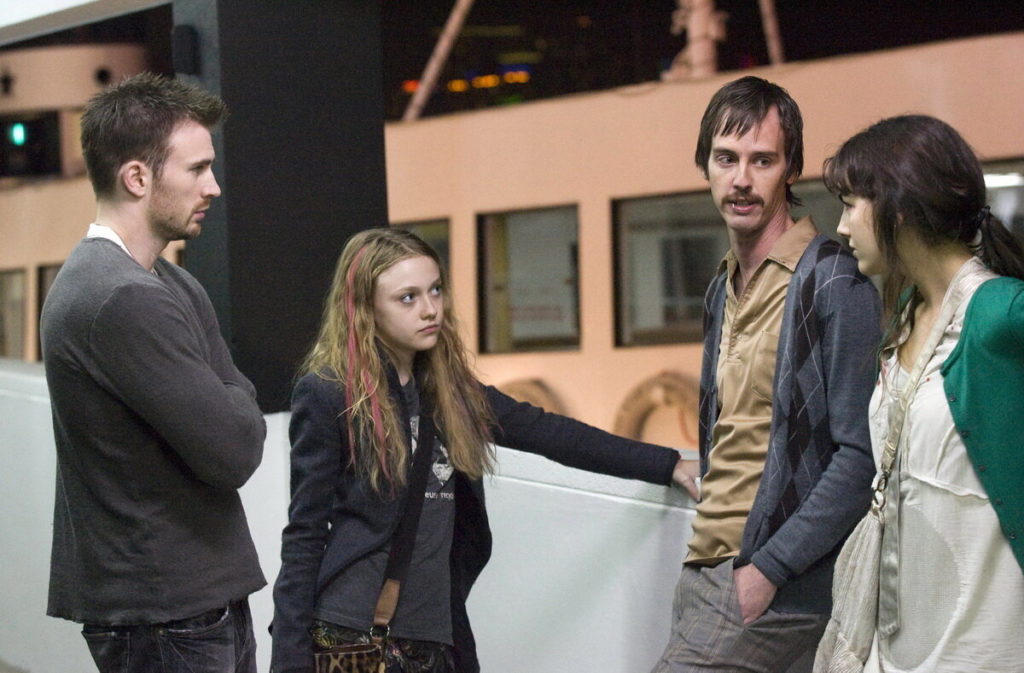
The main character, a telepath, hides in Hong Kong from a secret government organization that uses people with superpowers for its own purposes. A young clairvoyant asks the hero for help. From this moment, the plot spins at lightning speed: on screen, gang fights with various abilities flash by, an evil corporation chases the heroes, and the viewer tries to understand what is reality and what is one of the variants of the future.
Paul McGuigan, who had previously directed the successful 'Lucky Number Slevin' and 'Wicker Park', stepped on the mine of the wave of comic book adaptations. And if viewers are somewhat familiar with comic book heroes, not everyone could fall in love with new unknown characters. It's a pity, because the plot and setting are quite engaging, the actors play convincingly, and it's interesting to watch their movements and decisions.
The production cost of the film was $38 million, and the film earned only about $60 million. With such a cost-to-profit ratio, no one would dare to make a second part. Moreover, the film was coolly received by both critics and audiences. On Rotten Tomatoes, the film has 24% freshness from critics and 42% from audiences. Therefore, those who loved the film can only speculate how the story might have ended.
Comments
0No comments yet.
Sign in to join the discussion.