
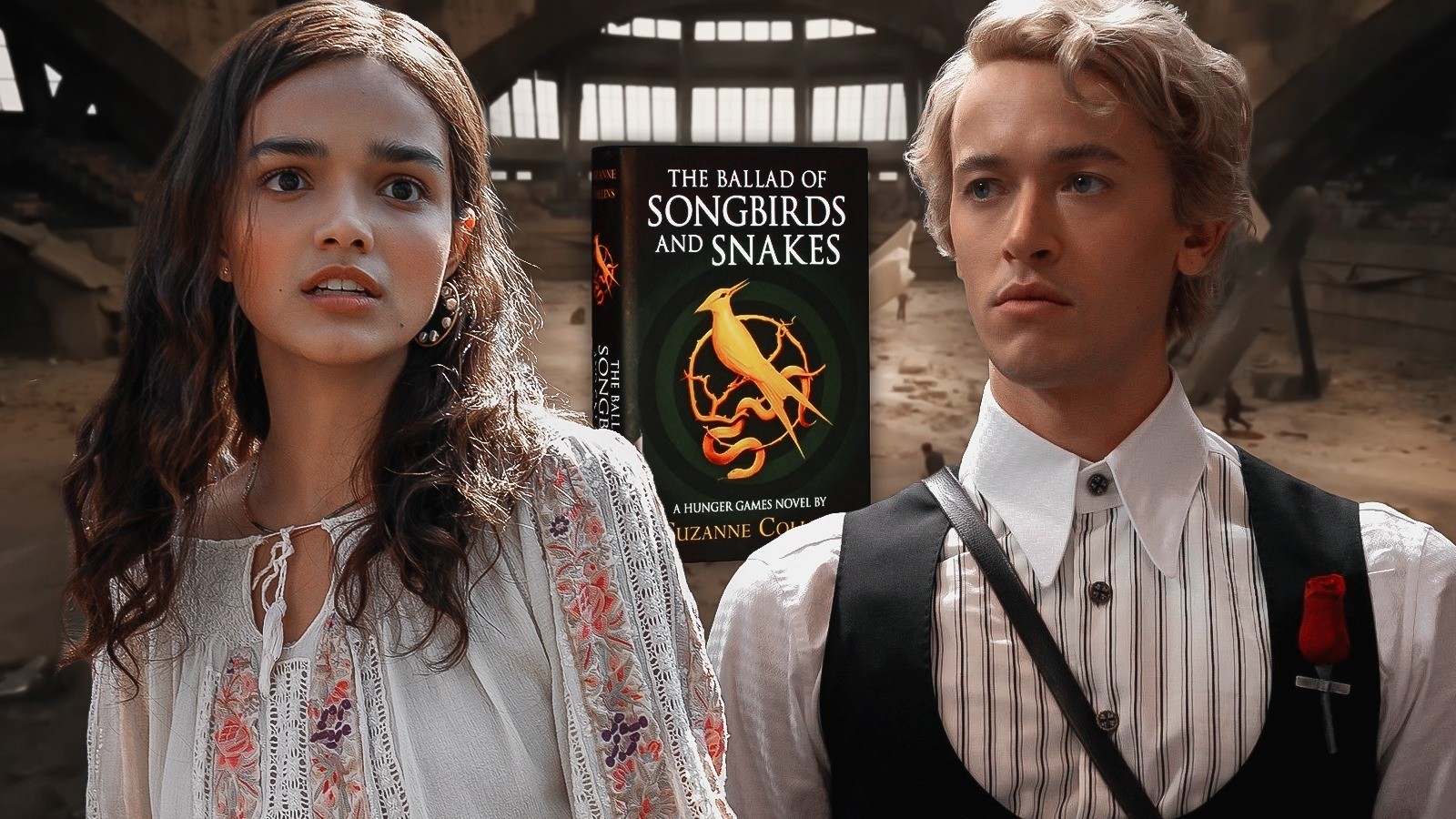
The Hunger Games: The Ballad of Songbirds & Snakes preserved as many details from the books with amazing accuracy. But what was omitted? Let's find out together.
The Hunger Games: The Ballad of Songbirds & Snakes revived the dormant movie fandom, which, as it turned out, was just waiting for a continuation of the beloved universe. And we see that both ratings and box office are decent, even within the franchise. And considering that the book didn't receive much love from fans, this result for the film is definitely a success.
But what else were The Hunger Games always famous for? That's right, the adaptation. The films transferred to the screen with amazing accuracy, preserving as many details as possible. Did The Ballad manage to continue this trend? Spoiler: yes. But let's break it down.
The first and main concern of book fans of the universe was related to the volume of the book: 500+ pages for one film is a huge amount of material. And when it was announced that the movie lasts only 2 hours 40 minutes, it became clear that changes were inevitable. But are they so critical? In the overall percentage – no. The Ballad of Songbirds & Snakes is very faithful to the source material, literally from the very first minutes, when the viewer understands that the film is divided into three logical parts, as it was in the book: "Mentor", "Prize", "Peacekeeper".
There are quite a few differences from the books, but they are all details. We have selected the main ones that, in our opinion, could still have strengthened and improved the script.
The following contains plot spoilers! We recommend reading only for those who want to know the events of the books and the film.
The Dark Days
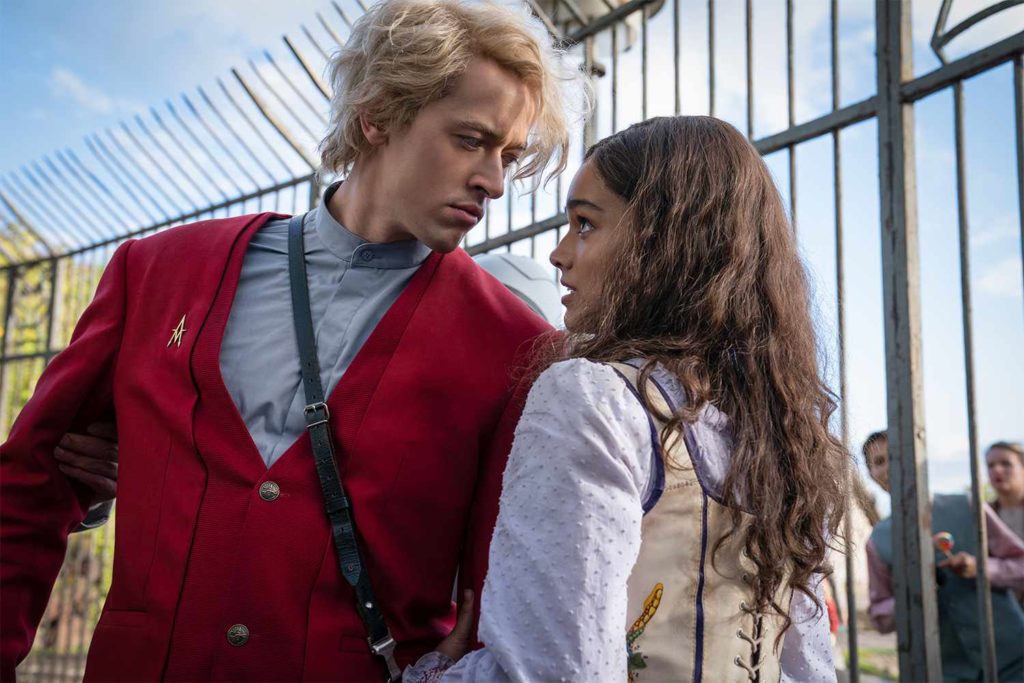
The film starts with Coriolanus Snow's memories, where we see wartime, hunger, and destruction. This quickly immerses the viewer in the atmosphere, gives a clear signal about the former greatness of the once great family, and makes it clear that Snow was close to his sister Tigris from childhood, and also lost his father at an early age, which clearly affected the already grown-up character.
In the book: there is no such prologue, but memories are periodically retold from Coriolanus's words. There are several different stories about the Dark Days, including a memory of a cannibal man, which is where the movie started.
Father's Death
And here is the first plot change or addition – in the film we learn that Snow's father died at the hands of a rebel from District 12. Can you feel the tension immediately?
In the book: there weren't many details about the father's death. It is only known that he died at the hands of a rebel sniper during the rebellion. But who the rebel was was not stated. Now, belonging to the district became another reason for the adult Coriolanus's hatred.
Plinth Prize and Lucy Gray
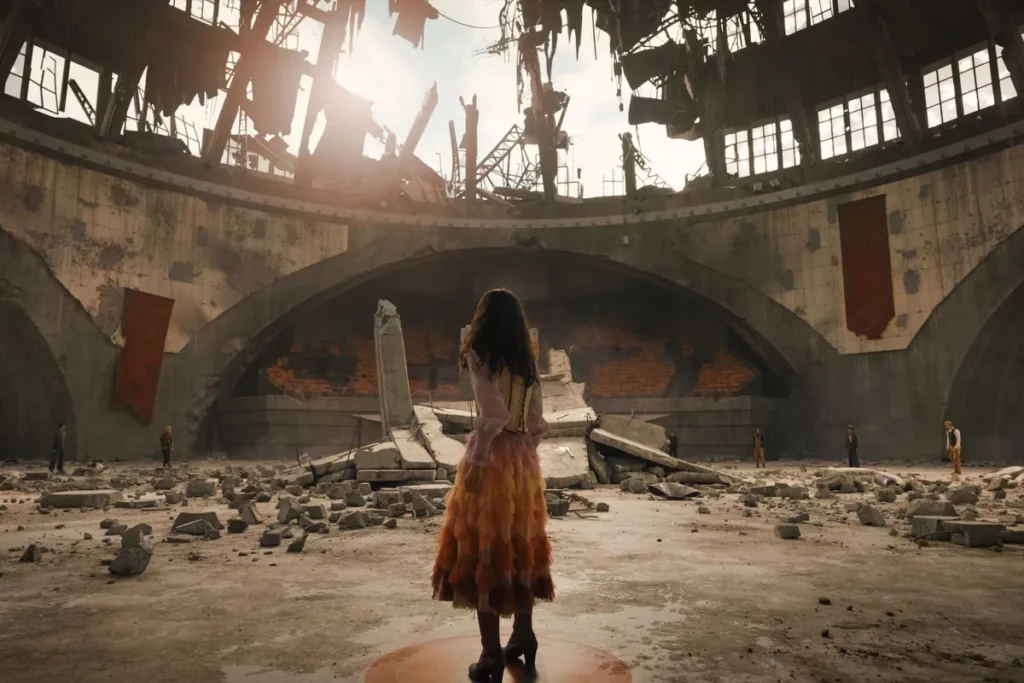
In the film, the introduction to Corio begins precisely with the anticipation of the Prize award. The hero has high hopes for victory, because it will cover his family's expenses and debts, and also secure his future. Also, the Academy students do not know that they will be mentors for the Hunger Games. The Prize is promised to them for the "spectacle" of the tributes' performances.
In the book: the prize is not established by the Academy – it simply does not exist. Until a certain point. A cash prize is introduced into the Games when Sejanus infiltrates the arena, and it is promised to the one whose tribute wins the Games. As Snow says in the book, it was "an attempt to bury the son's outrageous behavior in cash." Moreover, the Academy students know in advance that they will be mentors in the Games; they only don't know who they will get during the Reaping.
At first, Corio was very unhappy with his tribute – she is a girl, weak, from a district hostile to him. Later, he clearly developed feelings for her, because even the first kiss happened right in the zoo in front of other people. It was then that the book hero doubted whether he really felt something for Lucy Gray. Or was it all a game? We'll also disappoint you with the fact that there were generally more kisses in the book.
Food for the Tributes
Snow appears to us as a kind of "gray hero" who seems to sympathize with the tributes, especially Lucy Gray. And he steals food from the Academy to bring to the cage in the zoo.
In the book: this was entirely Sejanus's initiative (as were some other actions that were somehow attributed to Snow in the film). Coriolanus skillfully latched onto his "friend" to be in the spotlight of the movie cameras. And the food for the tributes was prepared by Sejanus's mother (who, by the way, has a fairly extensive role in the book).
Classmate's Death
Perhaps a small detail, but the first and gruesome death on screen is associated with a water bottle and mocking the tribute.
In the book: Arachne's throat was cut by the tribute with a knife that he managed to smuggle into the zoo. You'll agree, the bottle neck looked more effective?
Clemensia Dovecote
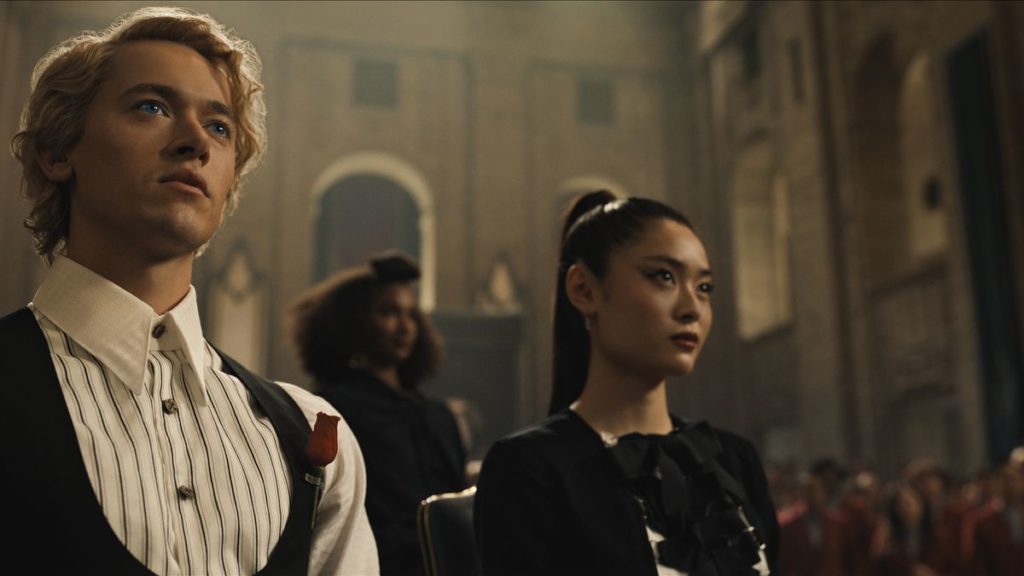
Unfortunately, many characters simply didn't get screen time, so we didn't learn the outcome of the story of that same Snow classmate who tried to "copy homework." After the bite, we don't encounter any mention of Clemensia.
In the book: she survived! The snake bite left strange marks on her skin, which later turned into rainbow scales, and her eyes became yellow. The girl was disfigured and periodically stuck out her tongue. But she returned to her duties as a mentor in the Games. For a while, she sulked at Snow, but then the characters made up.
Moreover, it is important that in the book Snow did not come up with all his ideas alone. His classmates helped him during a general brainstorming session, including Arachne Crane and Clemensia.
Sejanus's Stunt
Jumping ahead, straight to Sejanus's action: in the film, Coriolanus quite skillfully manipulates his "friend" and quickly convinces him to leave the arena. And he is sent to the arena by Dr. Volumnia Gaul.
In the book: Sejanus refuses to leave the arena without Marcus's body. So he and Coriolanus try to drag the body with them for a while, but then abandon it because they are attacked by a "flock." And it is Sejanus's mother who asks him to go to the arena.
Deaths During the Hunger Games
A big plus is that we were able to see them at all. After all, what is a Hunger Games movie without the Games themselves?
In the book: many deaths occurred, so to speak, "off-screen," because not many cameras were installed in the arena. There were many blank spots, and there were no cameras in the catacombs at all. Watching these games, as you can imagine, wasn't very exciting. But let's move on to the important changes.
The poison from the bottle, slipped by Lucy Gray, is drunk by Wovey – yes, the youngest girl in the Games. Dill dies from complications of tuberculosis. In the film, Lucy pours poison into Treech's eyes. In the book, Lucy puts a snake on his back, from whose bites he dies.
Reaper lives a little longer than shown in the film – he survives the snake attack but contracts rabies from Jessup. Then he drinks water from a puddle poisoned with poison (+1 death at the hands of Lucy Gray).
It is also interesting that book Lucy Gray smuggled the rat poison into the arena herself – in the film, it was passed by Coriolanus. In the book, she obtained the poison in the zoo cage.
Uncontrollable Drones
For greater spectacle and a beautiful picture, the drones in the film are completely uncontrollable. And Coriolanus is a real smart-aleck who figured out how to use this.
In the book: the drones are functional. And they work precisely. Moreover, the drone with water that saves Lucy Gray from Jessup is launched by Coriolanus's classmate herself – it is entirely her idea that rabies is cured this way. Also, the girl was rooting for Lucy Gray, essentially sacrificing her own tribute. Other mentors, indeed, send food and water to the tributes as a sign of respect.

Sejanus and the Plinth Family
In the film, it seems that more importance is given to the friendship between Sejanus and Coriolanus. After all, they even travel to the districts together.
In the book: Sejanus arrives in the district quite differently; moreover, in the book, from Coriolanus's internal monologues, it is immediately clear that there is no "friendship" between him and Sejanus. He uses him only for his own purposes. Or rather, not even him, but his closeness to the wealthy family. So, after Sejanus's death, he gets close to his father and establishes a connection, using their surname to gain money and power.
During their time in the district, Sejanus's mother sends them pastries and food, which the hero shares with the rebels and Coriolanus himself. He is close friends with the Covey and is generally a very positive and compassionate character, which makes his death even more tragic.
The influence of the Plinth family was greatly reduced. In the book, Mrs. Plinth was close to Coriolanus, trying to replace his mother.
In the book, Corio warned Sejanus many more times not to stick his neck out. And the last straw was Sejanus's plan to poison other Peacekeepers. After that, Coriolanus decided to betray him.
Interestingly, in the book there is no clear understanding of whether Sejanus Plinth knew before his execution that Coriolanus had betrayed him. Because the recording in the book was not included.
Pluribus Bell
A character who was completely excluded from the plot. He is a friend of the Snow family who brought them food during the war. He himself was a former musician and owned a club. It was he who obtained the guitar for Lucy Gray's performance. And it was he who ensured the safety of the Snow family after they were evicted from their apartment.
Life in the District
Perhaps the biggest omission of the film. This part of the book was shortened, one might say, by about half. Therefore, Snow's betrayal may not have seemed as vile as it should have been.
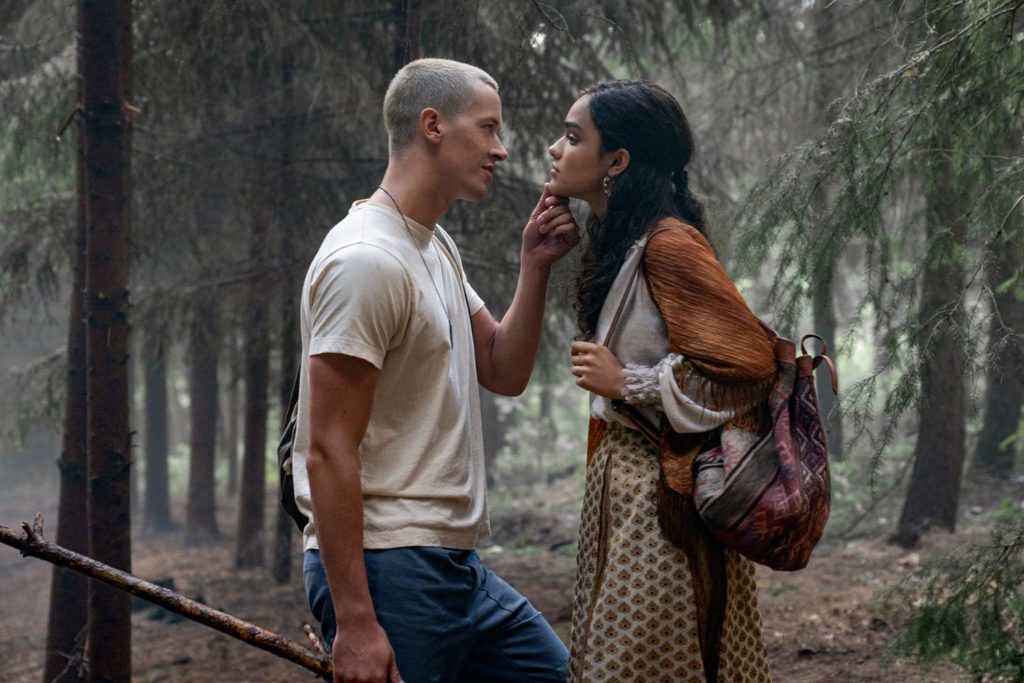
In the book: the connection between Lucy Gray and the Covey is more developed, as well as their way of life. It is during his time in the district that Coriolanus Snow undergoes an internal struggle – his monologues reveal all the character's dissatisfaction with local life. He doesn't like the people, the poverty; he wants to take Lucy Gray to the Capitol, muses about his future and how to escape as soon as possible. And then he questions Lucy Gray's reliability. Also excluded are Coriolanus's interactions with two hanged rebel characters.
The Song "The Hanging Tree"
This moment is also omitted in the film. The famous song is written by Lucy Gray after she and Coriolanus witness the execution of a man who allegedly killed three people.
The Tenth Hunger Games
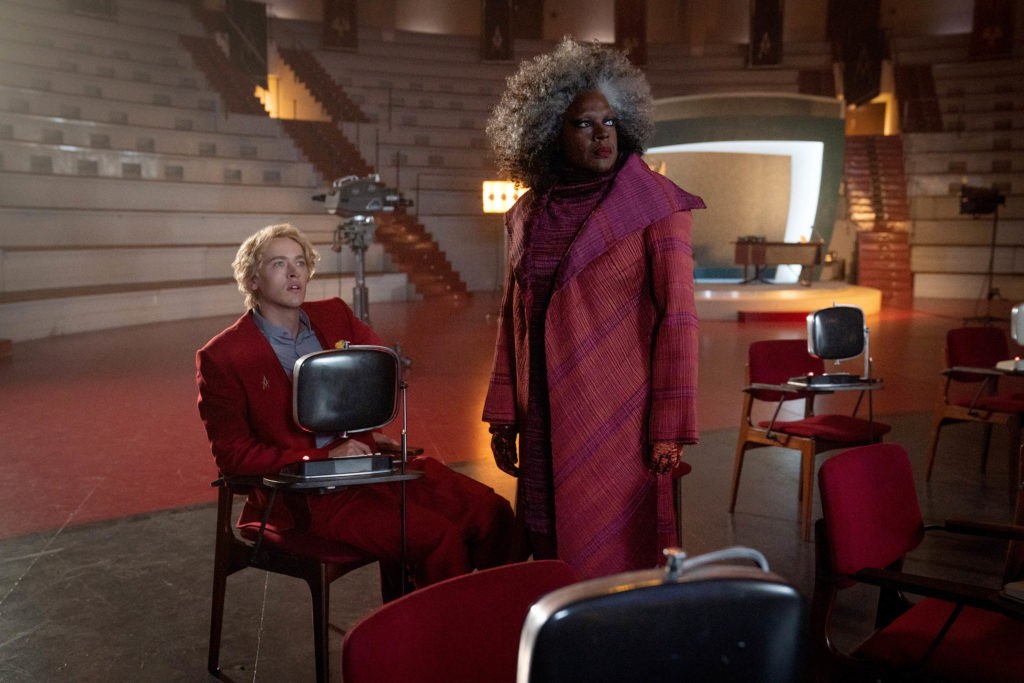
The film quickly glosses over how the Games themselves ended and what happened after.
In the book: everything clearly went not according to plan for the Capitol. So Professor Gaul simply erased all recordings of these Games, except for one (keeping it as a souvenir). No one years later knew about the existence of Lucy Gray or the explosion in the arena. Because in this chaos, the Capitol looked bad.
Coriolanus Snow's Character
In short: he was heavily romanticized. As they like to say now. Some moments that were much harsher in the book were smoothed over.
In the book: it is clearly written that Snow uses people for his own benefit. He behaves like a true narcissist, manipulating feelings. And even if he experiences "pangs of conscience," it is very short-term. In every action of his, a tactic can be traced. And internal monologues help to understand his "rebellious soul," his priorities in life. He is cynical. He feels sympathy for no one except Lucy Gray. And even about her, he has doubts.
The Finale
We see Snow shoot at Lucy Gray, then find her earring. As if leaving the ending open – is the girl alive? No one knows. This becomes his internal torment for, perhaps, his entire life.
In the book: a clear answer is also not given. The author left the ending open. But in the book, Snow does not find the earring, and even doubts that he saw Lucy Gray in the forest. He suspects it was all hallucinations caused by the snake bite. After the shots, he hears a faint cry, but finds no evidence of Lucy Gray.
Snow Lands on Top
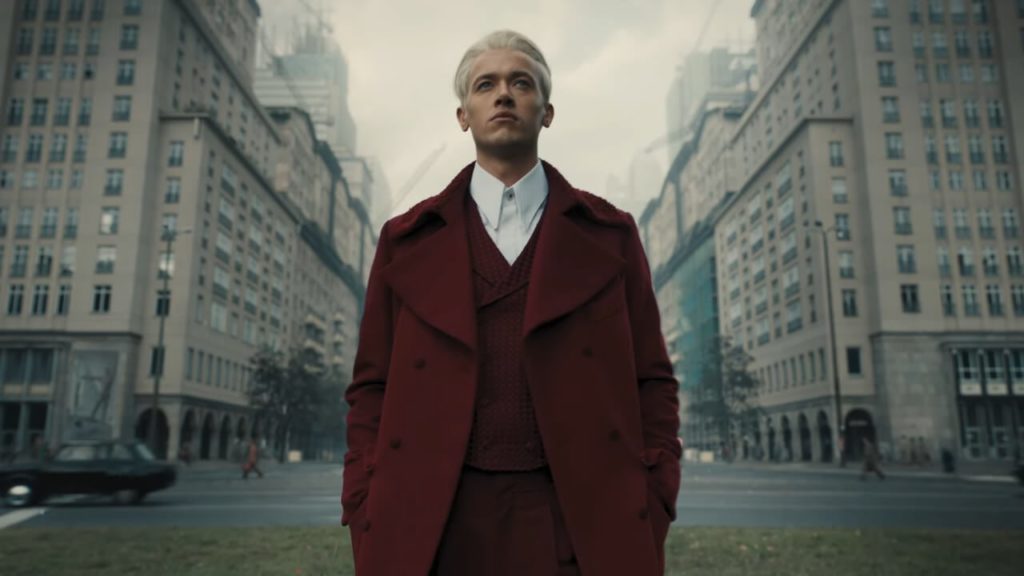
The hero's quote went viral on social media. In the film, it is said only once and quite pompously right at the end.
In the book: the phrase appears throughout the story, serving as a kind of guide for the hero – setting his priorities.
Comments
0No comments yet.