
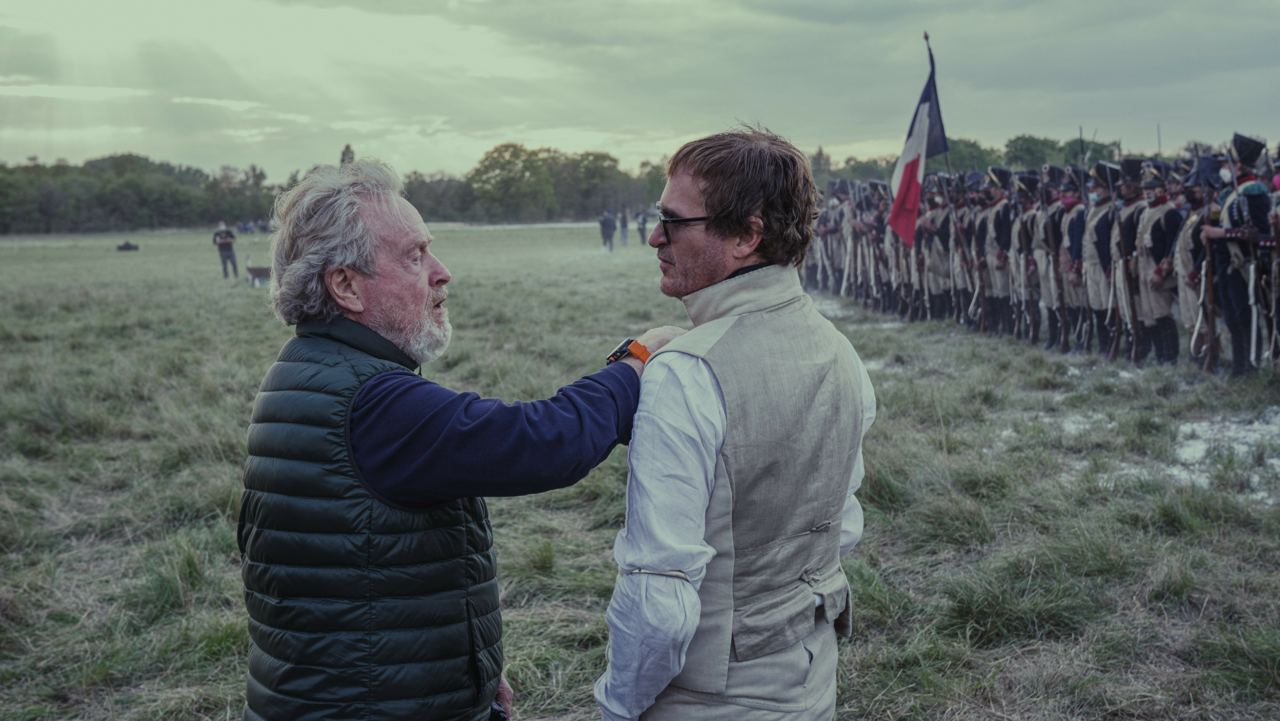
On November 22, the world saw the new historical epic 'Napoleon' by Ridley Scott starring Joaquin Phoenix. And while the renowned director fends off critics with schoolboy tactics, we decided to gather our favorite works from his filmography
Ridley Scott is an amazing director. He can scare the audience with a thriller in space, impress with a historical epic, touch with a romantic road movie, and even make you cry with a frankly failed and dreary film. The hype around 'Napoleon' inspired us to compile our top favorite films of the man who sent Anton Dolin packing.
The Duellists (1977)
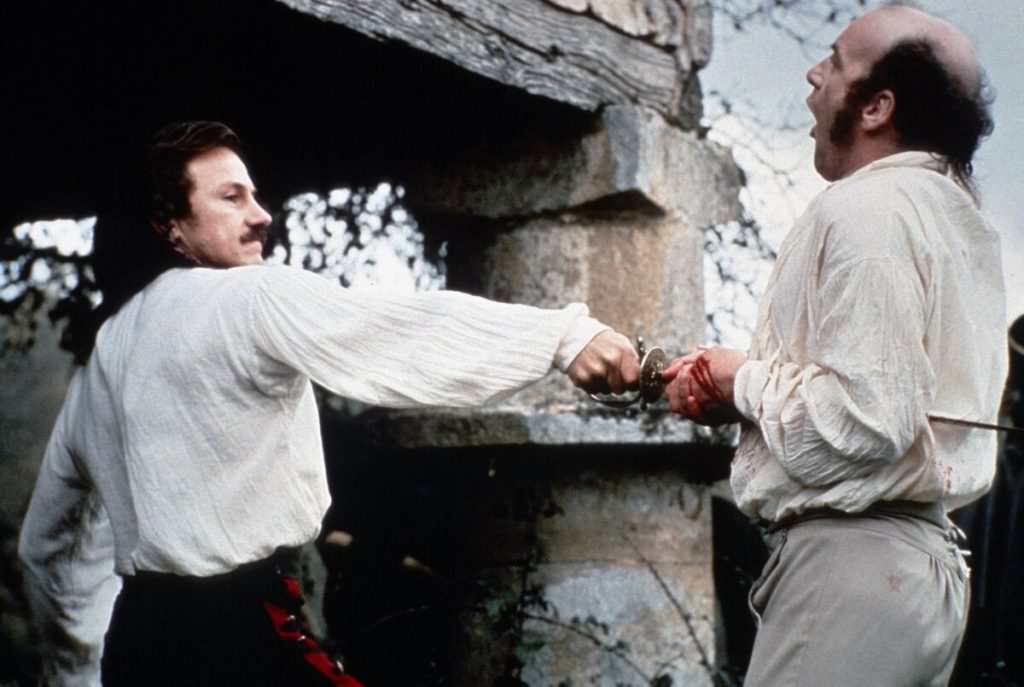
Ridley Scott's first foray into feature films and immediately the Palme d'Or at the Cannes Film Festival in 1977. In 'The Duellists,' Scott immediately demonstrated his unique style, so easily recognizable later. The film tells the story of two French officers who engage in a prolonged duel over some trifle (though what 'trifles' could there be in France during Napoleon's reign?). Initial intemperance and hotheadedness ultimately lead to a duel lasting almost a lifetime, with no winners or losers. And the reason, as time passes, no one can remember.
Shot on location on a small budget and difficult in production and post-production, 'The Duellists' became a real hit and a successful debut for Scott in cinema. An incredibly beautiful, almost decorative, and slightly melancholic film, soothing with picturesque nature, it skillfully builds suspense in the scenes of the clash between two soldiers of the same army, each evoking equal sympathy thanks to the excellent performances of Harvey Keitel and Keith Carradine.
Alien (1979)
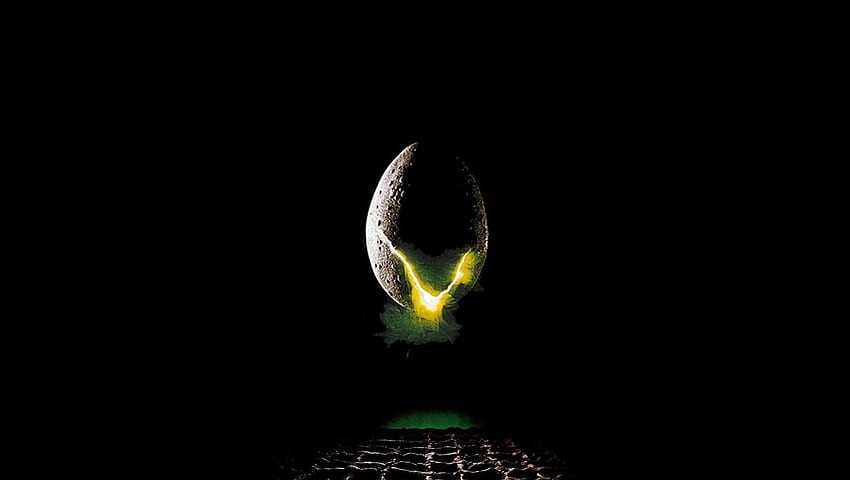
Before James Cameron made one of the best sequels and David Fincher debuted in cinema, Ridley Scott created a magnificent claustrophobic thriller about a ship's crew trying to get rid of a stowaway xenomorph in the boundless cosmos where no help can be expected. The first 'Alien' is a masterpiece of cinema, giving audiences one of the best strong women in the form of Lieutenant Ripley, played by Sigourney Weaver. At a time when it seemed everyone would be going crazy over 'Star Wars' and romanticizing space travel for a long time, Scott launched a completely different franchise where these odysseys bode nothing good for humans.
Almost four and a half decades later, the original 'Alien' is still one of the director's most important works, having accumulated many readings and interpretations. Back then, the director wasn't yet so fervently following the 'Covenants' and created excellent cinema about loneliness in space and its frightening unknown. Ridley Scott tries to understand human nature (the twist with the android is magnificent) and reflect on our place in this universe. But even after so many years, it's still not entirely clear who exactly is the alien in space: the xenomorph or the human?
Blade Runner (1982)
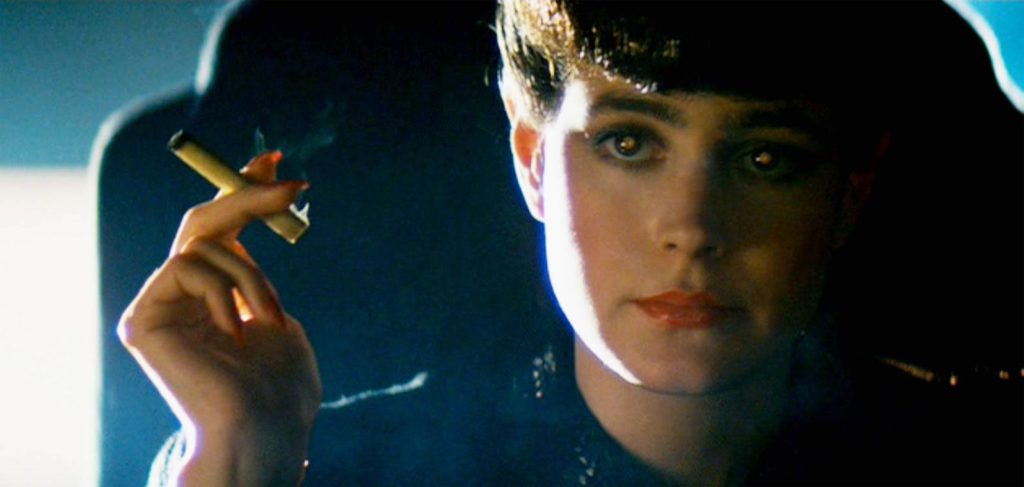
In a world of the near future, replicants do all the dirty work for humans, while humans—instead of enjoying life—drink, ponder meaning, and suffer from the consequences of an ecological catastrophe. 'Blade Runner' is the great noir 'The Maltese Falcon' placed in a futuristic world of the future without a future. And it's also the best film about love, death, and robots. The plot about a detective falling in love with a femme fatale who turns out not to be who she claimed is probably known to everyone who has ever held a remote. But Scott managed to fill this story with completely new content: not only the femme fatale (wonderful Sean Young) is not who she seems, but also the detective (the great Harrison Ford in one of his best roles), and the world around.
In this convoluted detective story, the chase for replicants who have escaped from the mines turns into a journey, essentially, inside oneself. Harrison Ford's odyssey through neon alleys, strange factories, and bars at some point pretends to be a love story, only to pose the film's main questions with even greater force: what if you love a replicant? What if you yourself are a replicant? And what then? How do you recognize a human? And how do you know you are human?
The main theme of Scott's films (duel and confrontation) surfaces here in the same vein: who is opposing whom? Humans against replicants, or ultimately, human against human? But even if the answer to this question is not found, 'Blade Runner' is simply a spectacular, inventive, and captivating cyberpunk that should be shown regularly in all cinemas. This is cinema for the big screen and probably the main legacy of the great director Scott, because in the eighties, machines never flew like this anywhere else.
Thelma & Louise (1991)
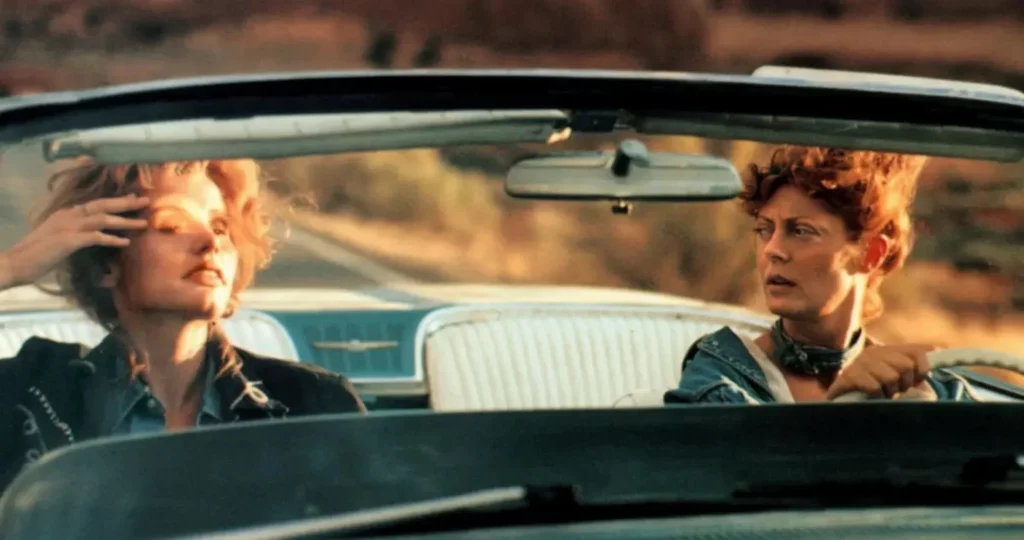
'Thelma & Louise' is a film that stands somewhat apart from Ridley Scott's filmography, as in the early 90s he was drawn to the road movie genre. Although many of his film's characters are in a state of motion, starting, continuing, or ending their journey. Be it space ('Alien'), the crime-ridden neighborhoods of New York ('American Gangster'), the gladiator arena ('Gladiator'), or even running on a sharp blade.
In this sense, 'Thelma & Louise' is more straightforward and filled with romantic charm, a spirit of freedom, independence, and a desperate escape from the stuffy captivity of everyday life (which, however, Scott seems to mock more than necessary). This is not the first time the director has sided with women, but perhaps the only time where the film's heroines no longer need to reach the final destination. Their journey is still ongoing.
Vitaly Gizatullin
Gladiator (2000)
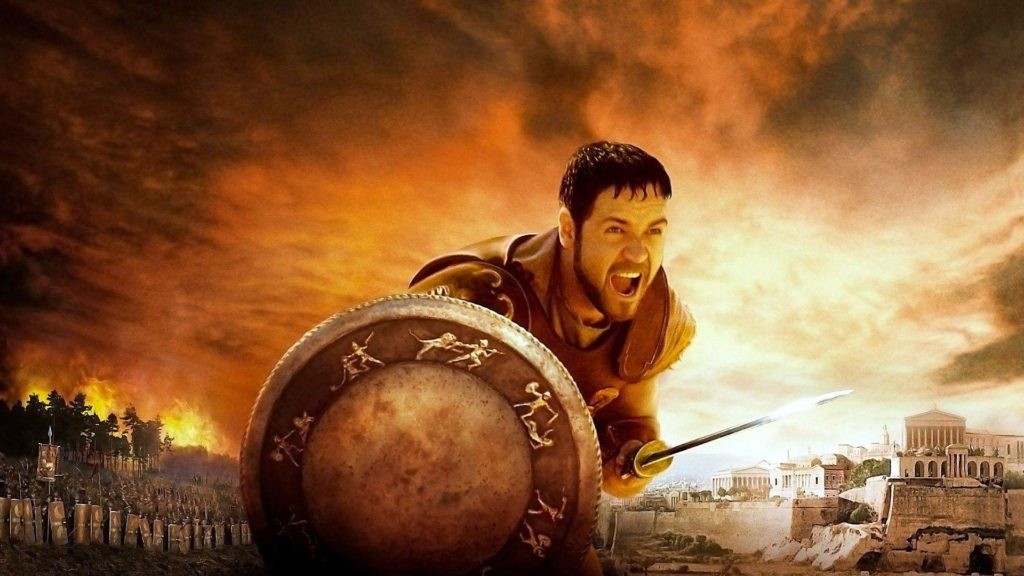
To tie the material to the release of 'Napoleon' and not mention 'Gladiator' would be a real crime. Firstly, both films are monumental epics, and secondly, both feature the magnificent Joaquin Phoenix (though now he's in the foreground). At the start of the 2000s, Ridley Scott took a very risky gamble and literally breathed new life into peplum films, which were considered uninteresting at the time. If not for 'Gladiator,' we might not have seen 'Troy' and 'Alexander'. The film was truly revolutionary in the genre.
The director placed a human (instead of a god) at the center of the film, did not skimp on spectacle (but did not forget about realism), and blended an auteur statement with the shell of a blockbuster. 'Gladiator' won five Oscars (the incredible Russell Crowe took the statuette for Best Actor) and became a box office hit, also showing that the people are always delighted with bread and circuses, no matter what era we are in. The main thing is that it be high-quality and interesting.
Evgeny Belousov
Matchstick Men (2003)
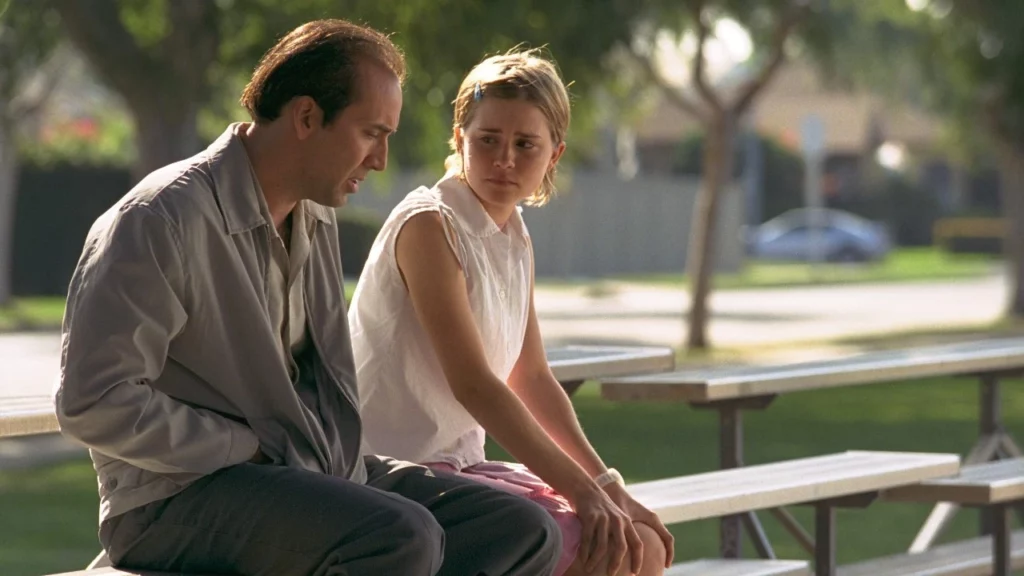
More than epics, Uncle Ridley loves adapting books. 'Matchstick Men' is a vivid confirmation of that. The turn of the century was a golden time in Ridley Scott's career. Even 'Black Hawk Down,' which buried Josh Hartnett's career, did not shake the confidence of the Father of All Aliens. Around that time, Scott released the film 'Matchstick Men,' which was localized as 'Velikolepnaya afera' in Russian. An intimate drama with nostalgia for the 70s about a con man, impeccably played by Nicolas Cage, with talented support from my favorite Sam Rockwell and the beautiful Alison Lohman.
A slightly drawn-out but charming film, unfortunately released rather quietly, lost among other more dynamic and commercially successful crime dramas, and rarely remembered in conversations about Ridley Scott. Although the story about what true happiness is and what healing means is very well reflected in the film. And after the ending, you want to rewind the plot and see all the clues left behind. In 2013, the film 'The Best Offer' would come out and drive the final nail into the coffin of audience love for 'Matchstick Men,' but in my opinion, this does not diminish the brilliant acting and interesting directorial choices that Ridley Scott would use again.
Ellina Chernikova
Prometheus (2012)
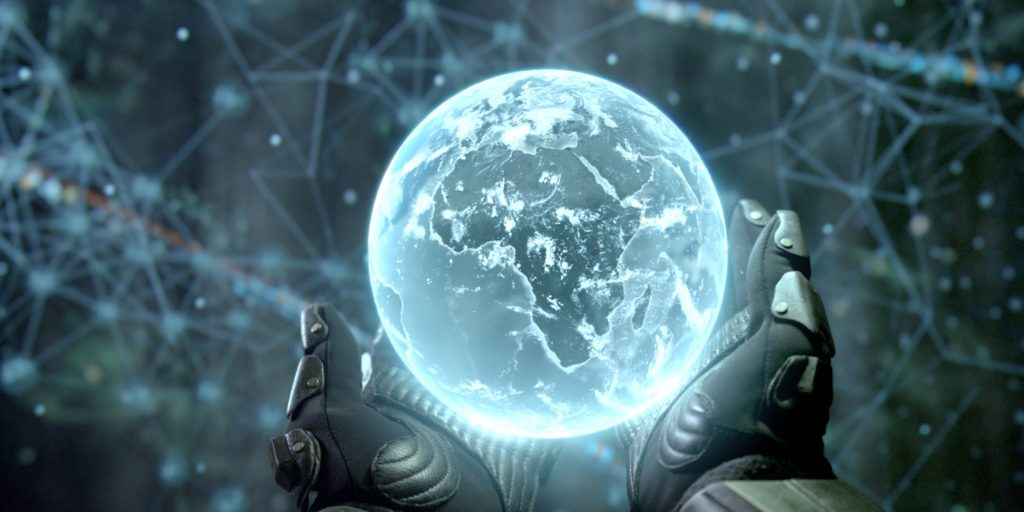
An expedition of researchers, funded by dubious capitalists led by Guy Pearce, arrives on a mysterious planet where human civilization may have once originated. Since this is a prequel to 'Alien,' it's clear that nothing good awaits the heroes there, but the bad things are not limited to xenomorphs.
In 1979, Ridley Scott scared everyone with a black spot in a dark room. A claustrophobic horror about loneliness in space. In 2012, he proved he could scare anyone in broad daylight and in open spaces (though we never doubted it, of course), and that ultimately there is nothing more sublimely terrifying than a biblical epic in space.
Of course, the main thing in 'Alien,' 'Prometheus,' and other best horrors is not jump scares or shadows at the end of the corridor, but the ability to pose serious questions. 'Prometheus' is good at this: it's a very curious reflection on how sometimes it's better not to know who we are and where we come from. About how existential questions asked at the wrong time and place too easily turn into an existential threat.
'Prometheus' plot-wise echoes 'Alien,' but the film about overcoming death is reinterpreted here as a story about how life can be much scarier. And ultimately, the main question Scott leaves us with is not at all about how to defeat aliens, but how to live if the result of searching for the meaning of life is that there is no meaning, and the former life will never return. In other words, how to live knowing that in space, humanity may not be loved by anyone?
Ivan Kilyakov
The Martian (2015)

After the frankly failed 'Exodus: Gods and Kings,' few expected a directorial 'wow' from Ridley Scott. And in general, by 2015, audiences seemed a bit tired of serious science fiction, preferring spectacle films.
However, 'The Martian' surprised both lovers of space action and fans of agriculture. And I love it too!
A talented adaptation without biblical subtext (which is extremely typical of today's Scott), a star-studded cast led by Matt Damon, who is being rescued for the third time, and incredible Martian aesthetics shot in the Wadi Rum desert—all this made the film six times its budget and turned the story of Robinson Crusoe in space into Ridley Scott's most commercially successful project.
The pomposity characteristic of the director here harmoniously highlights the epic scenes, and the well-written script, based on a well-written book, gives us interesting conflicts that reveal the main character and secondary characters. Here the director shows us that he can still do sincerity without a God complex. And even, as it were, believes in humanity... (In 'Alien: Covenant,' this feeling will be gone).
Ellina Chernikova
The Last Duel (2021)

'The Last Duel' turned out to be a very ambitious project. It would seem, what could be difficult about adapting a documented historical episode? But Ridley Scott decided to add a twist and made his own version of 'Rashomon.' We have three characters, and each, recalling the events, adds or provides context to the stories of the other characters. Did he succeed? Yes, definitely. The film is very intriguing and interesting. Although we cannot ignore two points for which Scott was criticized.
First, there are considerable liberties in historical aspects (half-helmets, though very beautiful, would not protect any French knight from a spear to the eye). Second, the addition of modern feminist talking points, which may confuse purists. However, neither flaw makes the film less impressive or intriguing. After all, cinema is not obliged to follow the letter of historical documents and can be used precisely for the director's and screenwriter's self-expression. And they certainly tried their best. The cinematographers and editors also did a great job, no doubt.
By the way, subscribe to our Telegram channel 'After the Credits' (here's the link). There we post posters, trailers, and various interesting and funny news from the world of cinema
Comments
0No comments yet.
Sign in to join the discussion.