
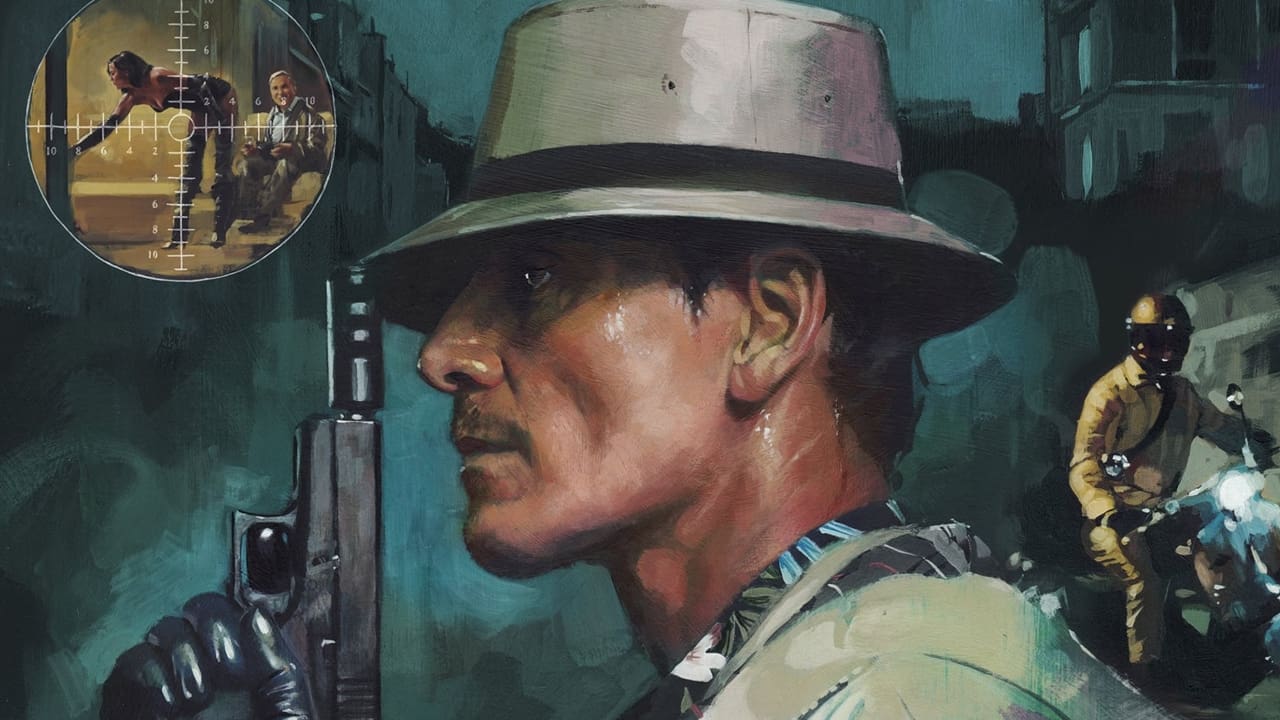
Netflix has premiered David Fincher's new film 'The Killer', where Michael Fassbender talks about the intricacies of the hitman profession. We, in turn, talk about the film and what it turned out to be.
After the release of the controversial and nearly three-year hiatus, David Fincher returned (to his roots) on Netflix with the neo-noir thriller 'The Killer', which premiered at the 80th Venice Film Festival and received almost seven minutes of applause. Now the film has reached the 'tudum' streaming service, with which the director has a contract and, judging by Fincher's flattering reviews, with which he will continue to work in the future. Of course, because the platform did not interfere with bringing a long-planned project to life and gave a production carte blanche, but does the name in the credits match the quality of the result? Let's try to figure it out.
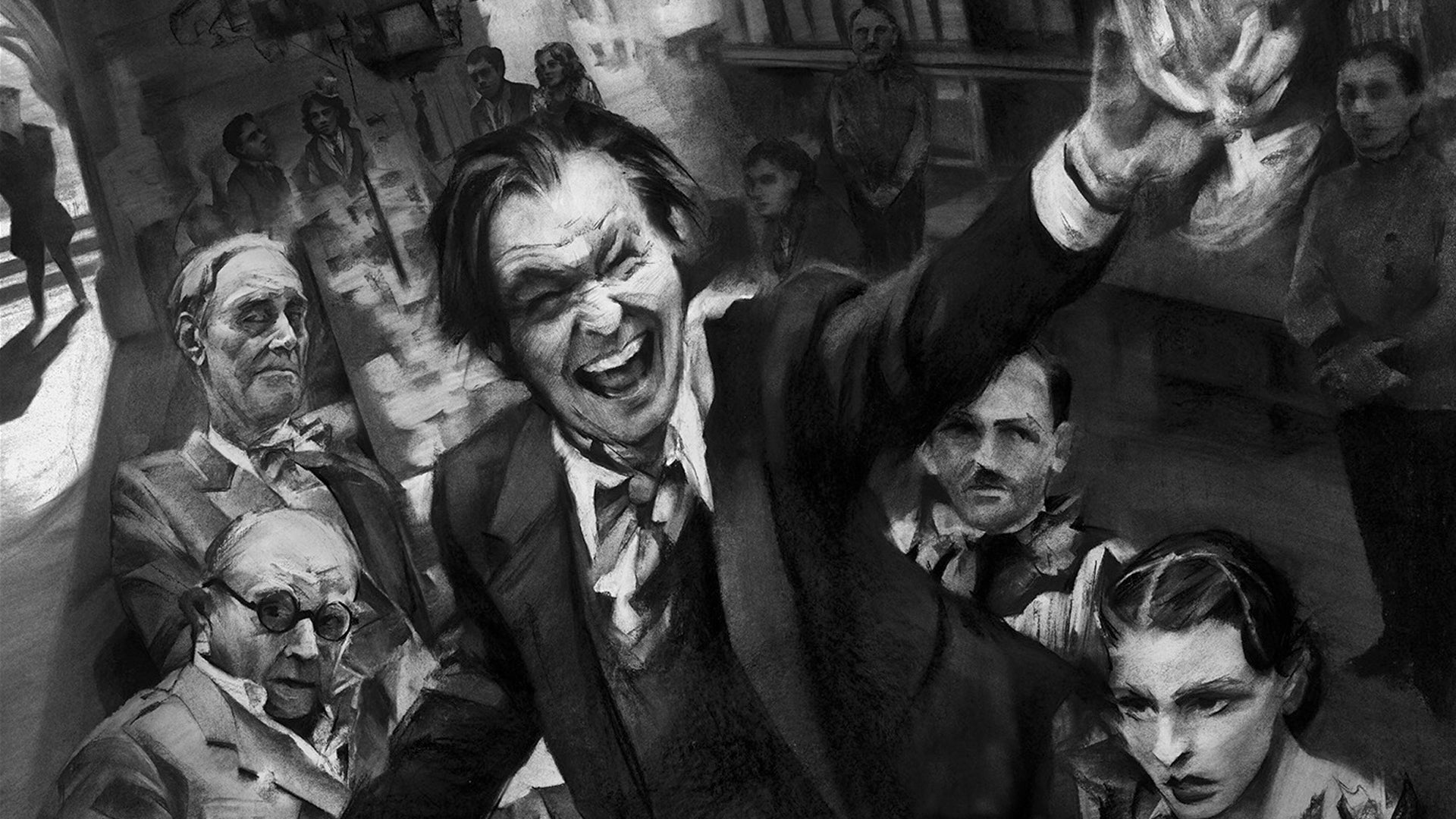
After the premiere of David Fincher's film 'Mank', the question of the best film of the year remains open.
Open materialWhat's the Plot?
An unnamed hitman (Michael Fassbender) sits waiting for his target in a building opposite the luxurious apartments of a hotel in Paris. When exactly the target will arrive is unknown, so on the territory of his temporary shelter (some space closed for renovation) the killer has to fight boredom.
By the way, we have a perfectionist professional with a 100% success rate. He rinses and disinfects the sink after brushing his teeth, does exercises, sleeps on a cloth rag, almost never takes off his gloves, tries not to stand out from the crowd, and eats at McDonald's purely for camouflage. The man even has a clear algorithm for long-distance killing, where before the shot he needs to check his pulse. But! When the ordered person finally appears in the scope, something goes wrong. The hitman makes his first miss, and with a classic 'Fuck!' life takes a new turn.
Having failed the assignment but masterfully eliminated all evidence, the man, with transfers and a short delay at an intermediate point, returns to his hideout in the Dominican Republic, where he discovers that his girlfriend (Sophie Charlotte) has been attacked by two unknown individuals on the tip of the employer (Charles Parnell), who tried to extract information from her through torture. Deciding not to let such insolence slide, the killer packs his bags and prepares for a new journey, in which he plans to settle scores with everyone involved in the attack on his and his beloved's lives.
A Killer, But Not a Cyborg
The basis of David Fincher's new project is the eponymous series of French comics written by Alexis Nolent (known as Matz) and illustrated by Luc Jacamon. This story was turned into a screenplay by Andrew Kevin Walker, who worked on the scripts for 'Se7en' and 'Sleepy Hollow'. It would seem an ideal setup for the return of the famous director's former form (favorite genre, strong source material, and proven screenwriter), but it's not that simple. Undoubtedly, stylistically we again enjoy 'old good' David Fincher, but the plot and semantic content of the film may well disappoint many fans.
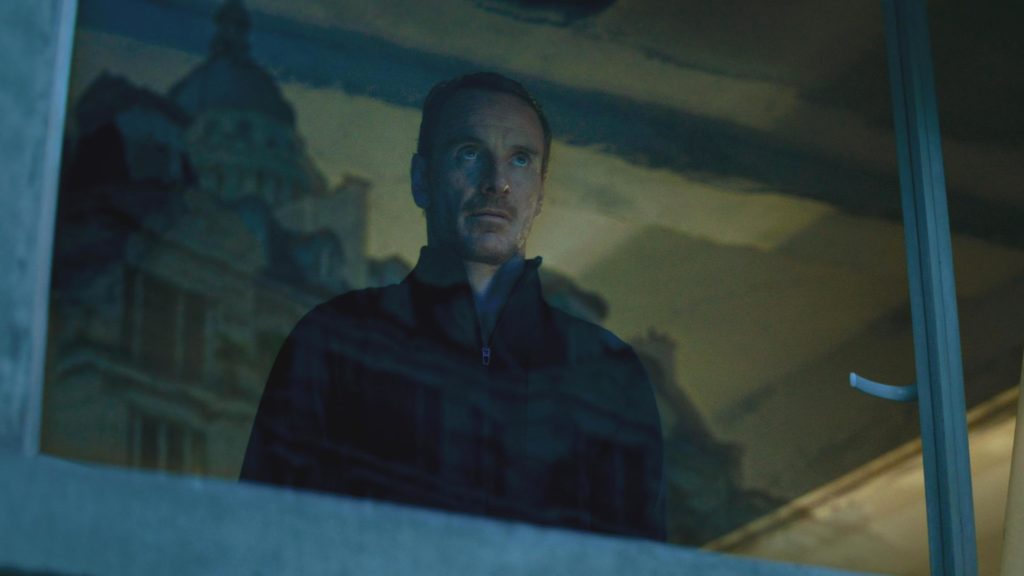
'The Killer' is truly the simplest project of the director, with no deconstruction of the genre, no complex multi-layered story, no unexpected plot twists. We have the most classic revenge story with all the accompanying templates. It differs from, say, 'John Wick' only in that there is no action here at all, and there is only one fight, and even that cannot boast of any complex choreography (which, of course, was intended). In essence, David Fincher had the most ordinary set of tools at hand: a simple (even banal) story, a couple of famous actors, the necessary crew for filming, and, actually, the finances to realize the project. With all these means, available to almost every moderately famous director, he had to show what he is capable of as a craftsman-professional. And, it must be said, he didn't screw up.
At its elementary level, 'The Killer' turned out to be a good and solid film. Even if it's not the product that most people expect from the director, the work is done damn skillfully. Signature color grading, suspense out of nowhere, perfectionism in every frame, and a claim to profundity through the philosophical musings of a character who is an anti-hero. Fincher proves that even from a banal and predictable project, he can create an attractive film that won't bore viewers for two hours and will be able to hold attention even in moments when nothing special is happening on screen.
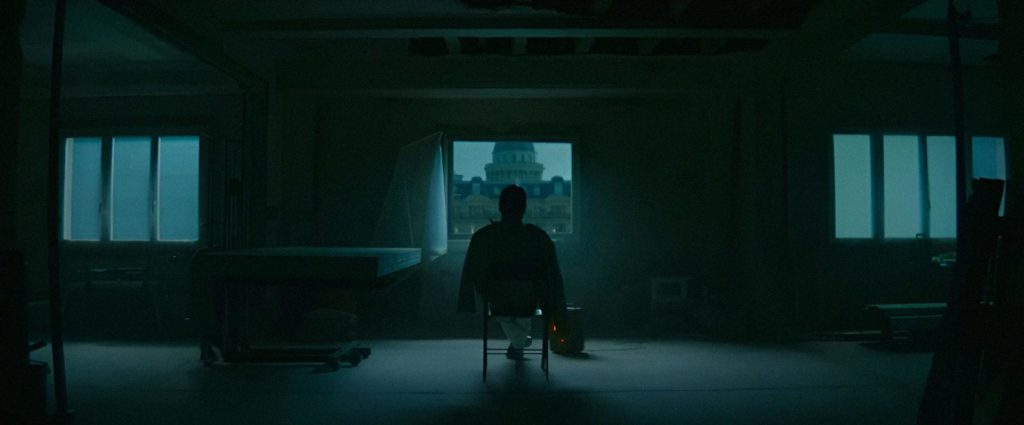
Another question: would the film have received its Venice applause and praise if the name next to the 'director' line was less prominent? Probably not. It would most likely have been torn apart at the script level and questions about the text (at least one murder in the film is completely unnecessary). And for the feigned profundity, distracting from real problems, it would have gotten plenty.
But, as we know, a cult name can be both a gift and a curse. In the sense that directors of David Fincher's level have two options: they are either expected to produce something lofty and almost genius, so that merely good projects can be torn to shreds for not meeting expectations, or average and bad films are covered up and justified by 'a deep idea with a simple plot that many didn't understand and underestimated' (or other circumstances). In this situation, the director's name clearly worked in his favor, but 'The Killer' is still definitely not a bad film. Moreover, I am sure that the expression 'the man who directed 'Fight Club' and 'Se7en'' is no longer so much a great achievement as a responsible burden.
I'm Already in His Head!
Probably, I should have said right away that Michael Fassbender's performance is far from the last merit of why 'The Killer' is good cinema. The actor so masterfully transformed into a unblinking cold-blooded killer that watching his benefit for two hours after four years of absence from the screen is a pleasure. Only, contrary to the character's words about his facelessness and mimicry, Fassbender with such a face and appearance looks super suspicious and frightening, so in the real world he would hardly be able to pull off his vendetta.
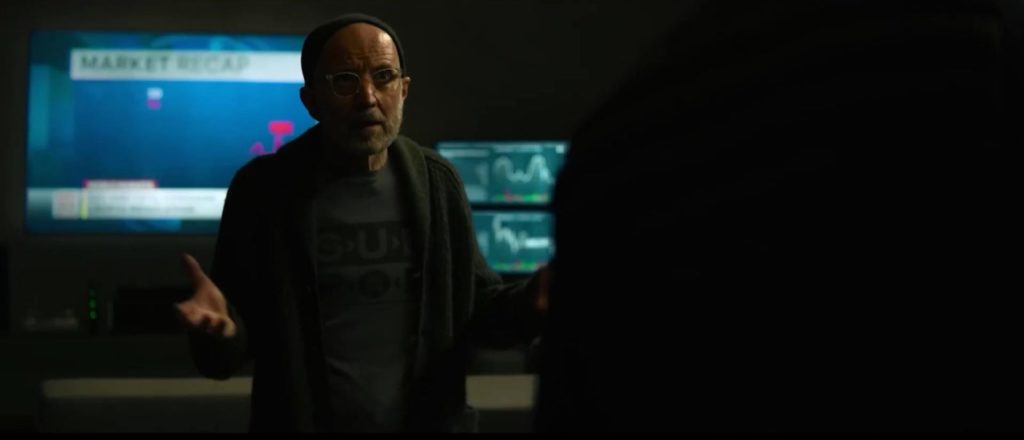
What the film managed to give 'facelessness' to is the cities. All these streets and buildings surrounding the character are absolutely unattached and completely unexpressive. Only the climate and time of day change around, so it's not always clear where France is, where the USA is, and where the Dominican Republic is. Such a detail fully reflects the atmosphere of the film, where Fincher seems to tell us that this is just a city with a bunch of people, among whom such a little man can easily hide. People like him masterfully blend in with us and at first glance are engaged in everyday activities, but their routine is someone's death, and most likely, the target won't even have time to suspect anything.
Therefore, I want to note that David Fincher succeeded in conveying ordinariness through the environment. Viewers are told that the killer is in Paris, and we have to take the information on faith, because there are no familiar attributes like the Eiffel Tower or the Arc de Triomphe here (and now remember the capital of France in , where Keanu Reeves staged a massacre near almost every landmark).
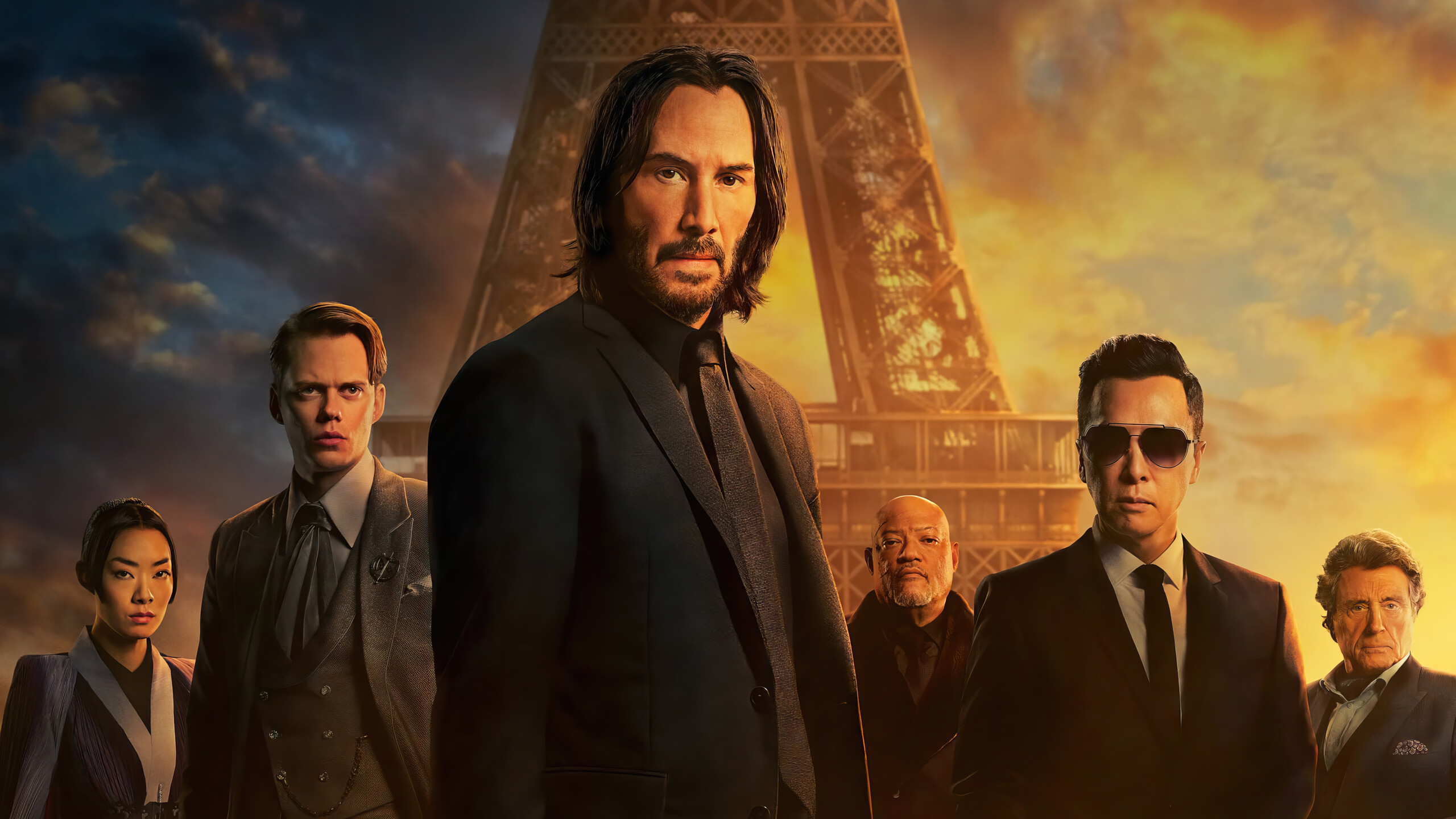
The fourth part of the 'John Wick' franchise has officially been released in Russian theaters. The story of a killer who initially took revenge on bandits for killing a dog and stealing a car does not tire of expanding
Open materialDespite the fact that the hitman has minimal dialogue in the plot, the viewer listens to his chatter constantly. We are placed inside the character's head, and we constantly hear all the thoughts and reasoning of the anti-hero. Observation of what is happening and attitude to any situation is formed from the only available position. Along the way, the killer introduces us to the everyday life of the 'profession', shares his love for the music of The Smiths, and tells about his commandments-mantras in the spirit of 'anticipate, don't improvise' or 'trust no one and only engage in the fight you're paid for'. Only, absolutely every one of these rules is violated by the killer during the film, as if proving that paradise for a pragmatic perfectionist is just an illusion that life constantly destroys with ease.
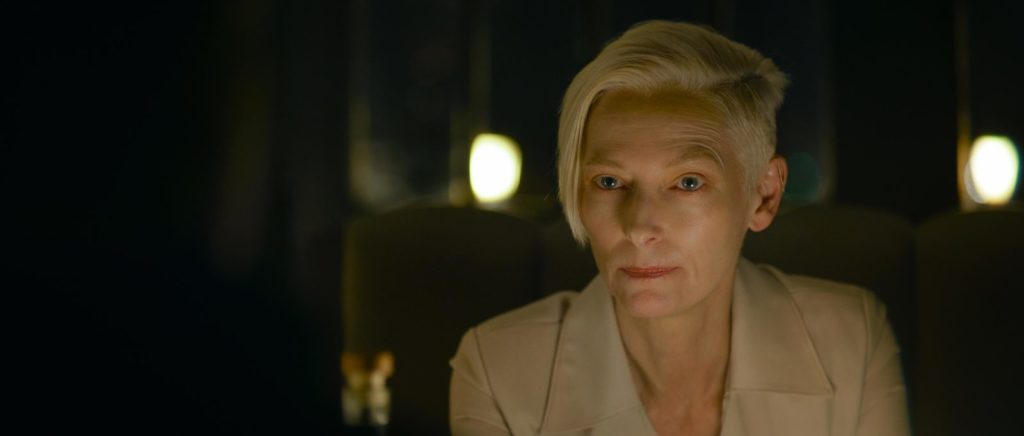
In general, there are minimal names in the film, and all characters are designated in the credits simply as 'Target', 'Lawyer', 'Client', or 'Expert' (this role went to the magnificent Tilda Swinton, for whose vulgar anecdote alone it's worth watching this film). Perhaps, with all these nameless labels and the simple plot, the creators are telling us that 'The Killer' is just the skeleton of any revenge story, onto which any kind of meat can be layered.
The characters can be given any names and personalities, placed in any cities, and the internal events can be shuffled and decorated however you like, but the film will not change from this. The main character will in any case achieve the final result, bypassing intermediate goals along the way, and will definitely find peace at the end. It's just a matter of how the director handles this skeleton, and Fincher, as you understand, masters the craft of filmmaking masterfully.
What's the Verdict?
'The Killer' is a simple but quite good film that will appeal to fans of the genre, but if someone expected something revolutionary and genius from David Fincher, then, probably, they'll have to wait a couple more years. However, I think it's not entirely correct to place too much responsibility on the director's name, because sometimes we all need to do what simply brings pleasure, regardless of the demands of others. Perhaps Netflix understood this right away, which is why they gave the director carte blanche, knowing that the man who gave the world 'The Game' and 'The Social Network' still has bullets in his clip; he just needs time to aim properly. God willing, he won't miss.
By the way, subscribe to our Telegram channel 'After the Credits' (here's the link). There we post posters, trailers, and various interesting and funny news from the world of cinema.
Comments
0No comments yet.
Sign in to join the discussion.