
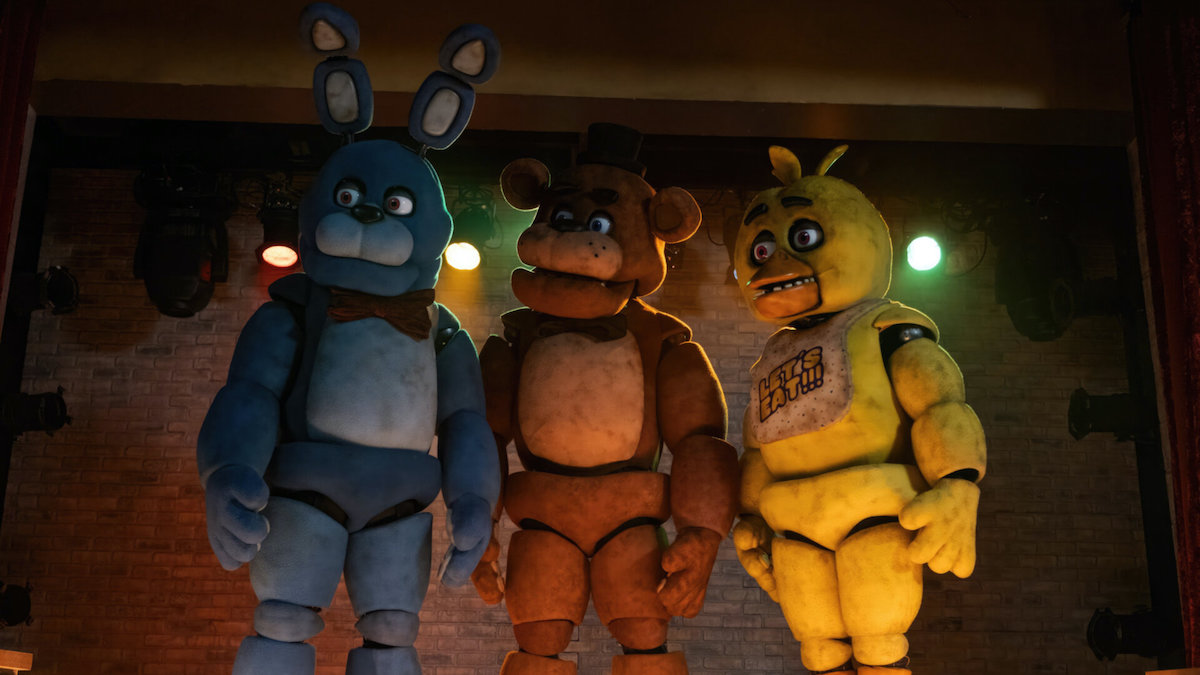
The horror film Five Nights at Freddy's has been released online and in theaters. About the film and the consequences of watching it – in our review.
Mike (Josh Hutcherson, once a decent child actor and star of The Hunger Games) sleeps poorly at night, takes pills, and keeps returning to one scary episode from childhood: when he was trusted to watch his younger brother at a barbecue, and the brother was kidnapped. Mike tries so hard to recall any previously unnoticed detail of the kidnapping that he slowly goes crazy from lucid dreaming.
The guy gets fired from his job, but he needs to raise his little sister (their parents recently died), who also mostly mopes and sadly draws something. Mike struggles to get a very strange job as a night guard at a long-closed family restaurant, where the main attraction used to be cheerful animatronic robots. Now they, like Mike, are essentially unwanted and languish, seemingly idle, reminiscent of carefree American eighties.
Naturally, it soon turns out that Mike is not guarding the restaurant from people, but people from the restaurant; the animatronics are quite alive, and the problems of the already unbearably sad hero are just beginning. This is the plot of the very popular game of the same name, the essence of which is to survive five long nights in an abandoned establishment.
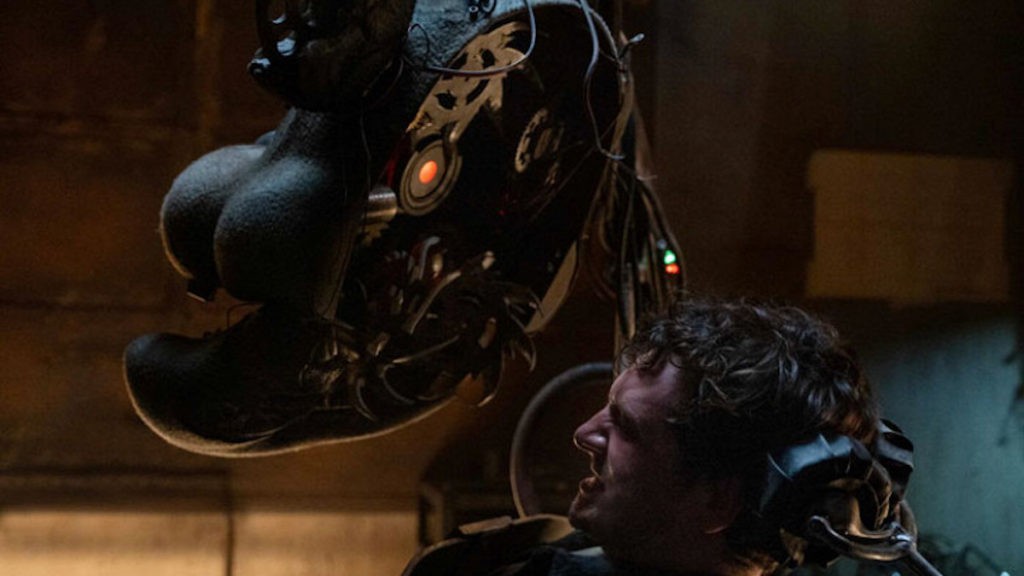
On screen, this simple concept is realized in a peculiar way: the promised five nights with Freddy indeed turn out to be very, incredibly long. In general, it is likely that these are the longest five nights that can ever be in your life, because, basically, they are the most boring, and surviving them is really not so easy.
Instead of the fun carnage with animatronics that everyone hoped for, we got a dreary psychological horror with absolutely terrible dialogue and not a single scary moment. The only thing that is truly frightening is that they find screenwriters somewhere who think lucid dreams, sad withdrawn girls, and a dreamlike Groundhog Day are original, interesting techniques. In this sense, perhaps watching the film will be the scariest moment of your life – watching boring bad movies is certainly scary – but the film itself has not a single working jumpscare, and the creepy atmosphere that the characters constantly hint at won't scare even a five-year-old child in the dark.
Mike in his lucid dreams at the restaurant tries to bargain with strange children who know something about his missing brother, his sister meanwhile starts befriending creepy animatronics, somewhere in the background an overly smiling policewoman constantly appears, and every twenty minutes the plot also loops towards a very dubious intrigue about custody rights over Mike's sister.
The problem is not with each line individually, but that together they look like a clumsy attempt to make a post-horror from schizophrenic slasher material. This is a normal trend: in the ninth Friday the 13th, they tried something like that (with worms and demon hunters, but still); there was in a known sense an attempt to reduce everything to human sins. These are very unsuccessful films, but, of course, in a different sense than Five Nights at Freddy's.
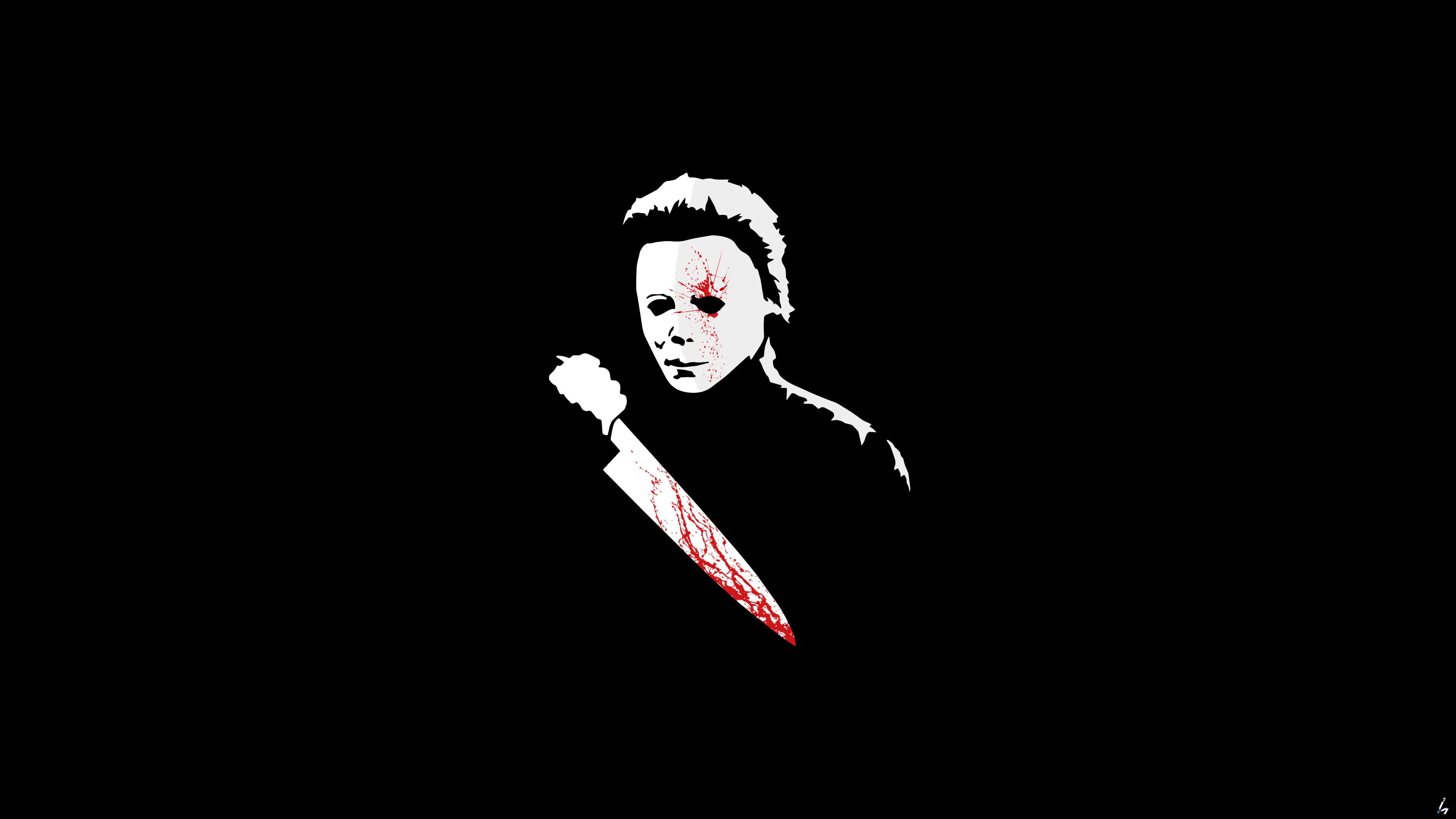
This year, John Carpenter's iconic slasher Halloween turned 45. During this time, the bloodthirsty maniac Michael Myers has become a brand, and the first film has spawned sequels. For
Open materialThe ninth Friday the 13th, for example, is not Wuthering Heights at all, but it is smarter, subtler (and this, we remind you, is a film where evil is personified in a worm), more entertaining than Five Nights at Freddy's, another box office hit where pop psychology ruins an already bad movie. It simply has more gore, which in Nights is like at a hemophobes' meeting.
Instead of a conclusion, a proposal: let's finally start fining directors at the legislative level who take on making elevated horror without having learned how to make horror in principle. A license to work in the subgenre should only be given to those who have already made a dozen solid B-movies; to those who already understand that horror is not just about sad faces and low key. What is truly scary in the end is only what is engaging. And certainly, those who came up with the idea of making an elevated horror with colorful animatronic killers and a PG-13 rating should be permanently banned from the camera.
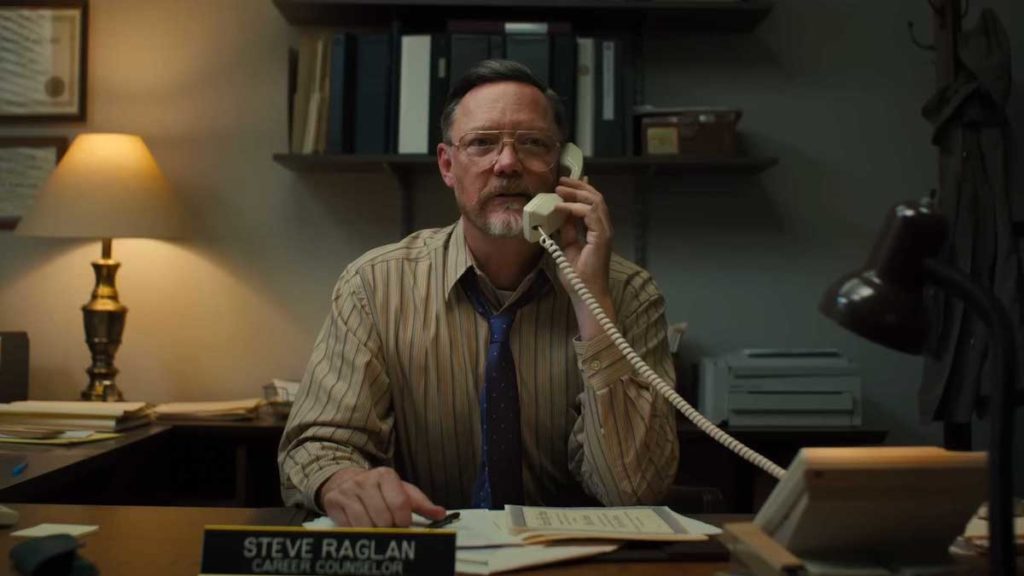
It's unclear who came up with such an idea. It's unclear who agreed to finance it. It's unclear how the great actor Matthew Lillard agreed to participate. And it's completely unclear who in principle decided to go see this film in such numbers that we are now guaranteed sequels and spin-offs. Every day we move further from God, and for horror, that is, of course, normal. What is frightening is that every day we are also moving further from Michael Myers.
Comments
0No comments yet.
Sign in to join the discussion.