
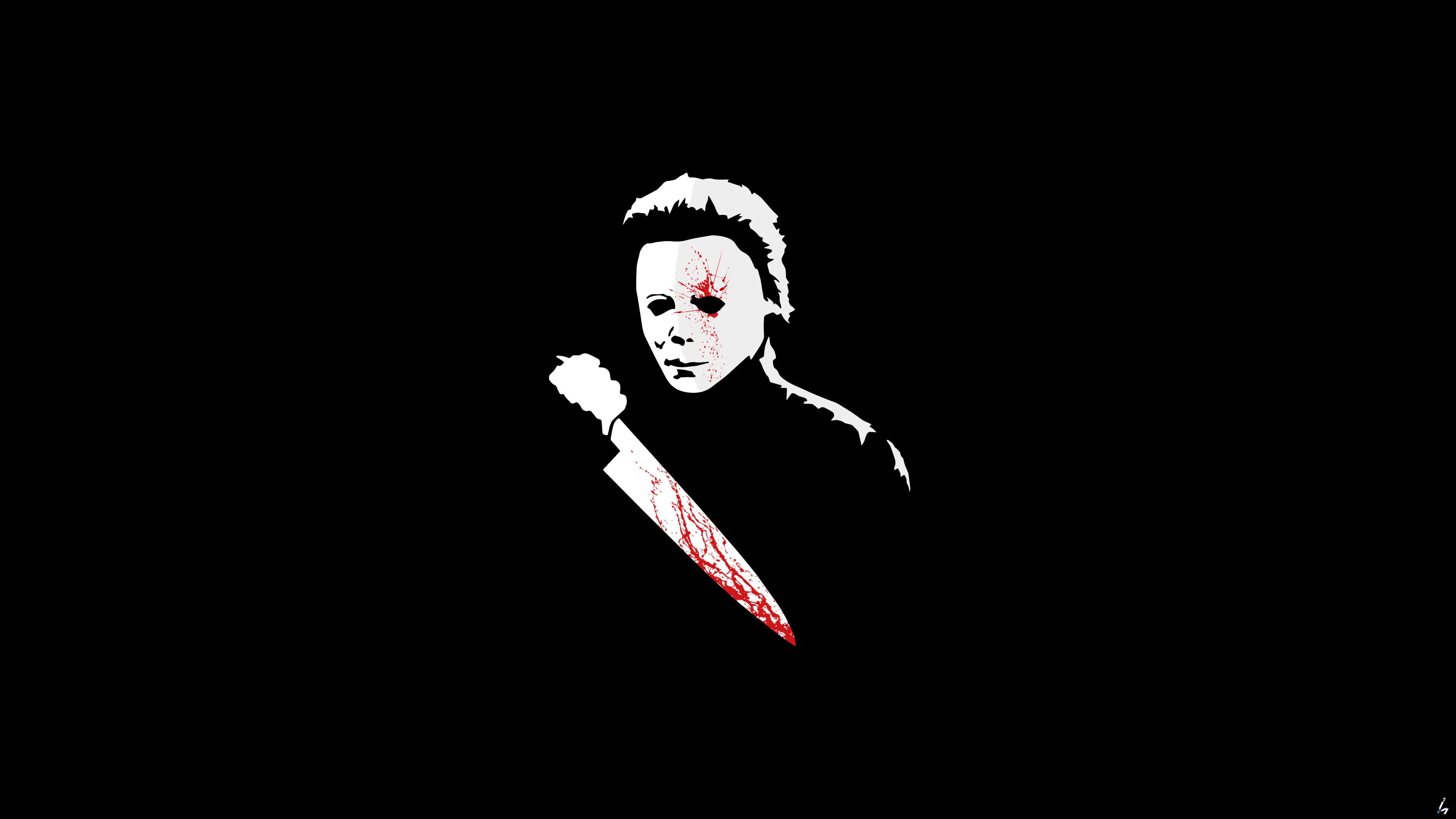
This year, John Carpenter's cult slasher Halloween turned 45. During this time, the bloodthirsty maniac Michael Myers has become a brand, and the first film has spawned sequels. Over four and a half decades, the horror has turned into a franchise tha...
The Halloween franchise includes 13 films, but besides them, Michael Myers has visited the pages of books and comics, as well as the world of video games. Our guide will not touch on literature and gaming and will only tell about the cinematic universe of the killer in the mechanic's jumpsuit. First, we will cover each film separately in order of release, and at the end of the material, we will provide a description of the connections between the films and several ways to watch them.
ATTENTION! THE TEXT CONTAINS SPOILERS, SO IF YOU HAVEN'T WATCHED AND JUST WANT TO KNOW THE VIEWING ORDER, THEN GO TO THE CORRESPONDING SECTION, OR READ AT YOUR OWN RISK!
Contents
Halloween (1978, dir. John Carpenter)
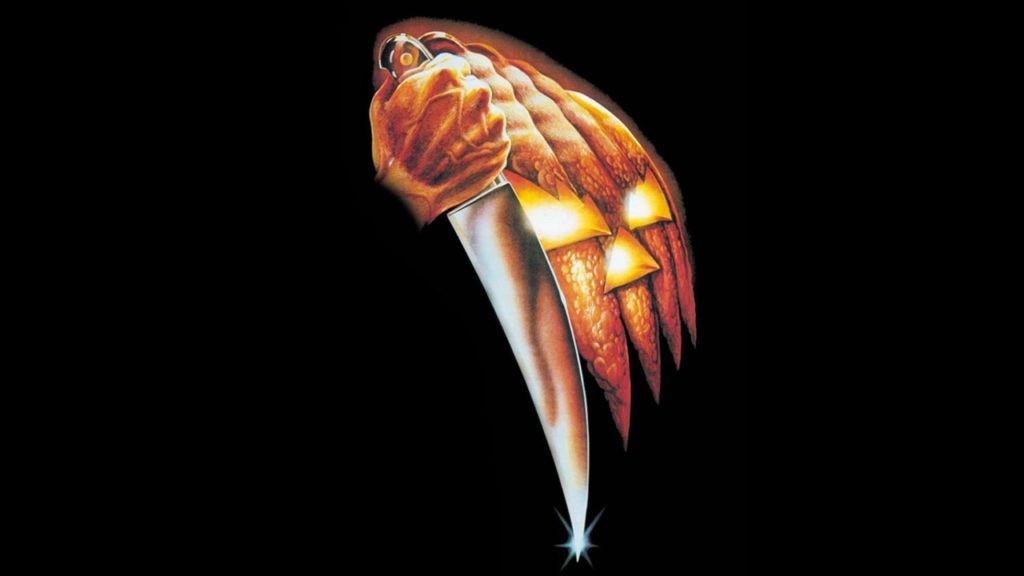
What's the plot? On Halloween night 1963 in the town of Haddonfield, Illinois, a misfortune occurred: six-year-old boy Michael Myers killed his older sister, for which he was placed in a psychiatric hospital. During his entire period of "confinement," the boy did not speak to anyone and just stared at the wall. And exactly 15 years later (in 1978), during a transfer from the hospital to court, Michael escapes, returns to his hometown, and begins to stalk and kill teenagers.
The alma mater of the entire Halloween universe needs no introduction. Today, the first Halloween is truly a legendary film that had a huge impact not only on slashers but on horror in general. In 2006, it was added to the National Film Registry for its cultural significance. With a budget of $325,000, the film grossed a whopping $70 million worldwide, which is an incredible box office success. Unsurprisingly, producers wanted to turn the film into a whole franchise about the maniac. When dollar signs appear instead of pupils, all sorts of thoughts come to mind.
When the word 'slasher' is mentioned, iconic maniacs like Freddy Krueger and the creative chopping of stupid characters come to mind. We'll tell you where this formula came from, who was the main
Open material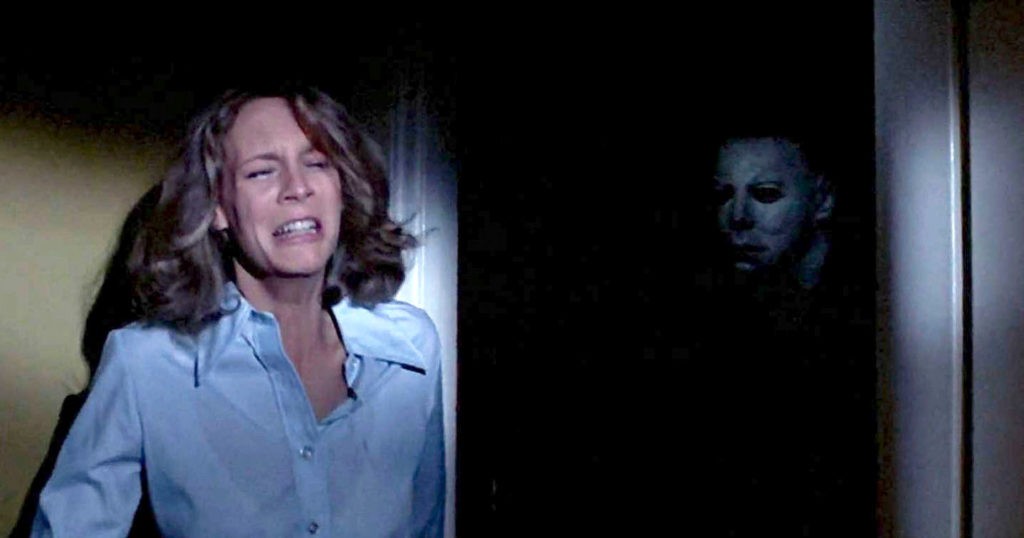
Even today, Carpenter's project, shot 45 years ago, looks frightening thanks to its cool atmosphere and great soundtrack, not visual effects and jump scares. I don't want to say much about this Halloween because it needs to be seen. No matter how your further relationship with the franchise develops, the first part is definitely recommended for viewing (if for some miraculous reason you haven't seen it yet) and rewatching.
Halloween II (1981, dir. Rick Rosenthal)
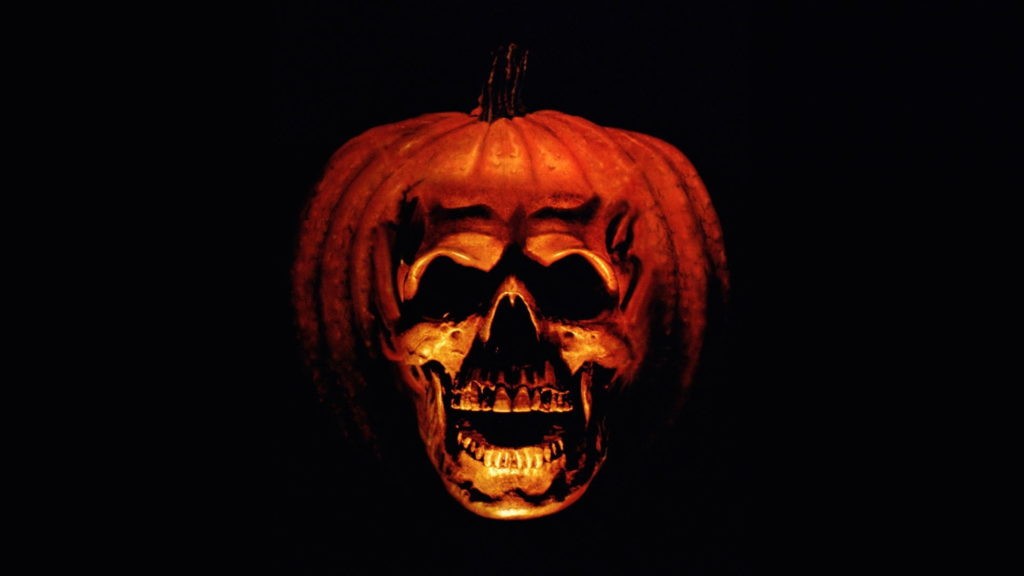
What's the plot? The story of the sequel begins exactly where the first film ended. Shot by his own psychiatrist Sam Loomis (Donald Pleasence), Michael Myers survives and, having fled the scene, continues to pursue the surviving Laurie Strode (Jamie Lee Curtis) at Haddonfield Memorial Hospital.
After the mind-blowing success of the original, a sequel was only a matter of time. The screenwriters (John Carpenter and Debra Hill) initially planned a continuation, but the events were supposed to take place a few years later, with Michael stalking and pursuing Laurie in a high-rise building where she had an apartment. But in the end, it turned out differently. Later, Carpenter recalled that writing the text for the second part is associated with a huge number of beer cans in front of the typewriter, and Hill said in an interview that the final version of the script differs from their and John's version.
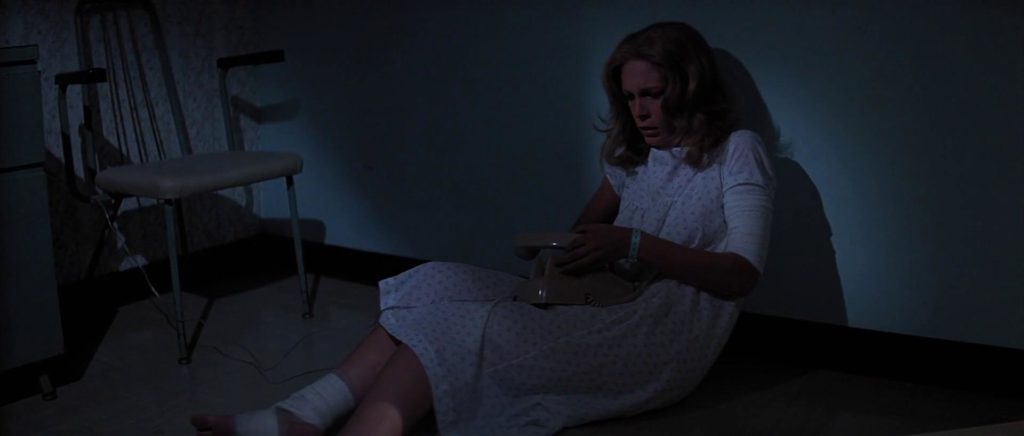
Moreover, the twist about Laurie and Michael's relationship was added only because producer Irwin Yablans didn't like the text and called it banal and predictable. Later, Carpenter repeatedly regretted creating the plot twist while drunk, which became the foundation for future films, and in 2018 he tried to fix the situation. In general, the sequel was supposed to end the storyline of Laurie and Michael, but that idea clearly didn't suit the producers.
A whole $2.5 million was allocated for the production of the second part, and the funds were more than recouped, as the film grossed ten times its budget in domestic release alone. And if the original influenced an entire genre, the sequel influenced at least one person — Richard Delmer Boyer, who watched Halloween II under the influence of phencyclidine, alcohol, and marijuana. After watching, the guy began to hallucinate, and as a result, he brutally killed (43 stab wounds) an elderly couple, thinking he was reproducing scenes from the film. Boyer was sentenced to death, and the tragedy was called the "Halloween II Murders." However, the film was not banned, as it was considered foolish to blame a specific person's mistake and crime on a film (see how it was before, and now everyone blames games for everything).
Halloween III: Season of the Witch (1982, dir. Tommy Lee Wallace)
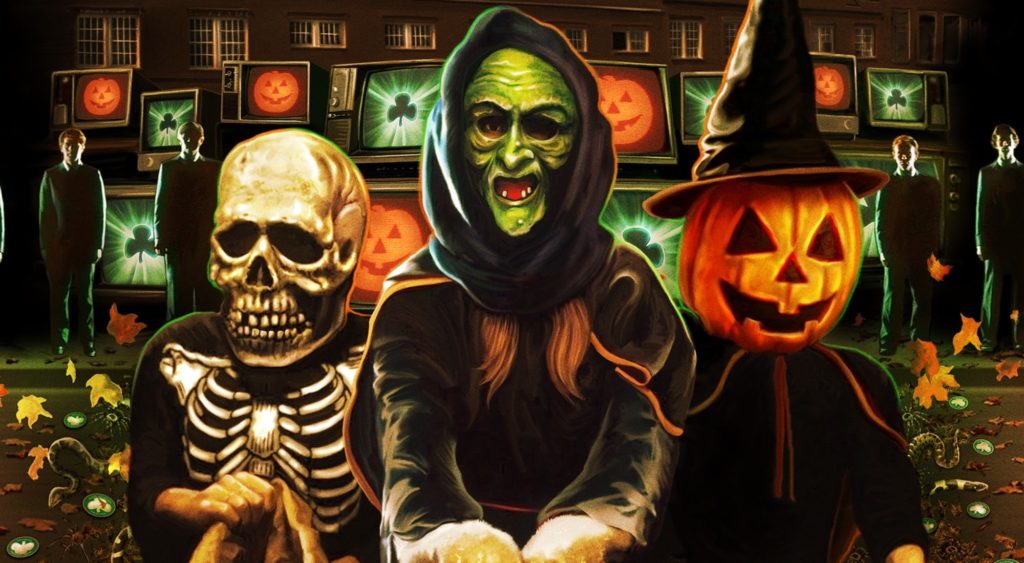
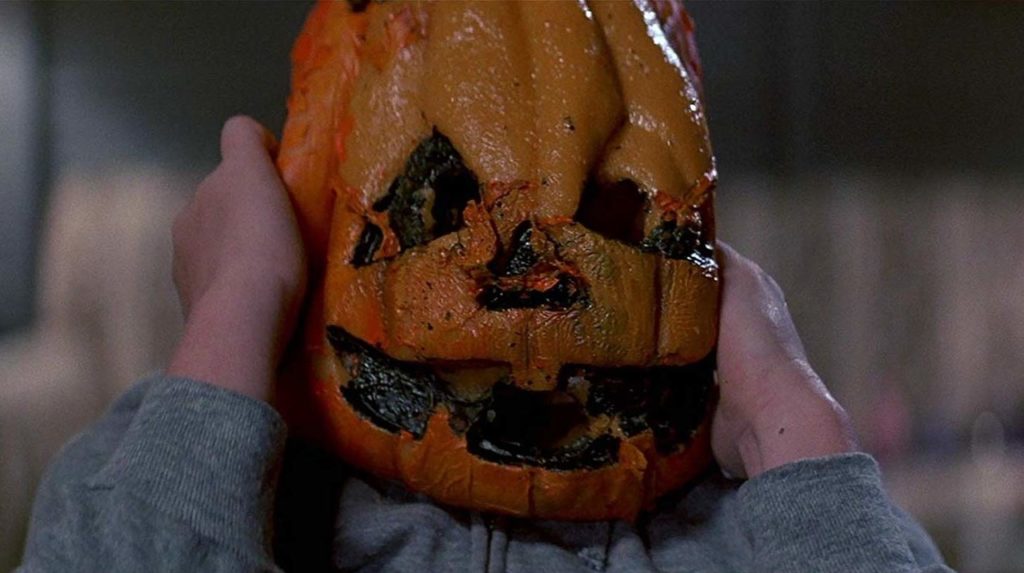
What's the plot? Owner of the Silver Shamrock Novelties factory, Conal Cochran (Dan O'Herlihy), created a bunch of Halloween masks that are supposed to sacrifice all the children who wear them during the holiday. Trying to stop the madman from carrying out his cunning plan are Ellie Grimbridge (Stacey Nelkin), who lost her father because of Cochran, and alcoholic doctor Daniel Challis (Tom Atkins).
Yes, you understood correctly. Season of the Witch is completely unrelated plot-wise to the previous (and future) films of the franchise. It has no Michael Myers, no Laurie Strode. The fact is that John Carpenter wanted to make Halloween an anthology, including various scary stories that happen on the holiday. It was supposed to be something like The Twilight Zone, only bigger. However, the idea had to be buried immediately after the first attempt to implement it, because the public demanded the return of Myers to the screens. And critics mostly panned the third film. However, over time, the project still gained a bunch of fans who consider the film cult even apart from the franchise.
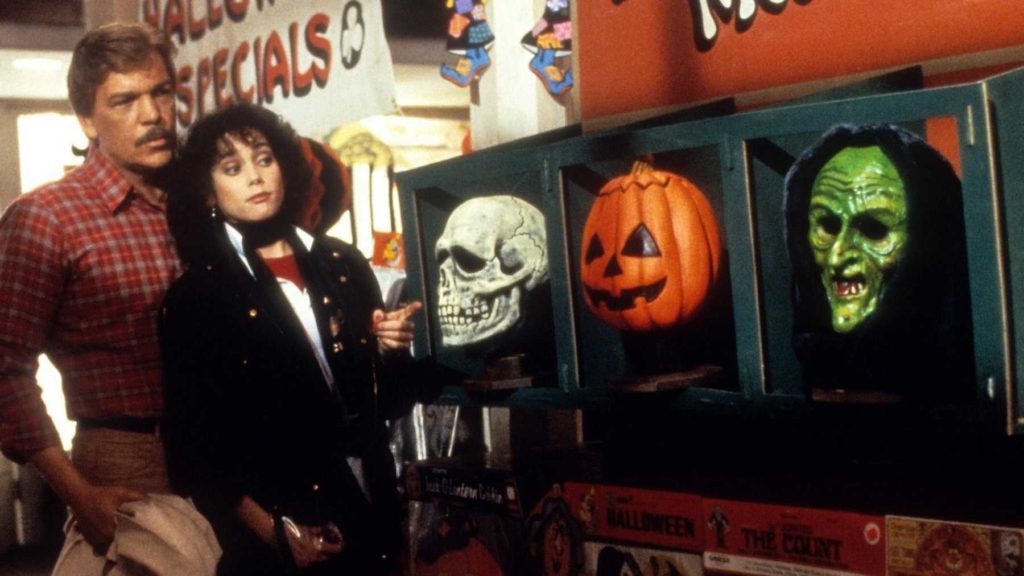
With a budget of $2.5 million, the third film grossed almost $14.5 million, which seems like a success but looked weak compared to direct competitors. Despite Carpenter stating in interviews that Myers and Loomis are dead, to please audiences and producers, they had to be "resurrected" and continue to exploit the image of the maniac for profit.
Halloween 4: The Return of Michael Myers (1988, dir. Dwight H. Little)
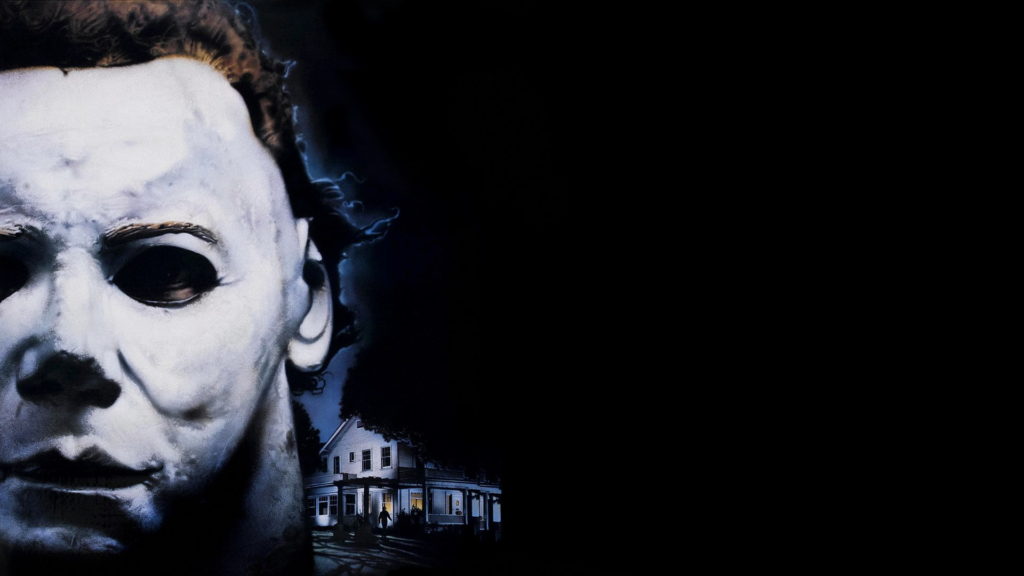
What's the plot? Ten whole years have passed since the explosion at Haddonfield Hospital. Michael Myers and Dr. Loomis survived, albeit with serious burns (the killer was in a coma all this time). Formally, the psychiatrist is no longer responsible for Myers because he is paralyzed and, according to doctors' forecasts, will no longer be able to walk. This means that even if he wakes up, he will not be able to harm anyone.
Due to the impossibility of further stay in the hospital, it was decided to transport Michael to the hospital from which he escaped 10 years ago. During transport, the orderlies discuss that the patient's custody should be transferred from the state to relatives, and Myers' closest blood relative at the moment is Laurie Strode's daughter — Jamie Lloyd (Danielle Harris). News of his niece awakens the maniac, after which he kills the talkative orderlies and escapes to find Jamie, but clearly not for a family reunion.
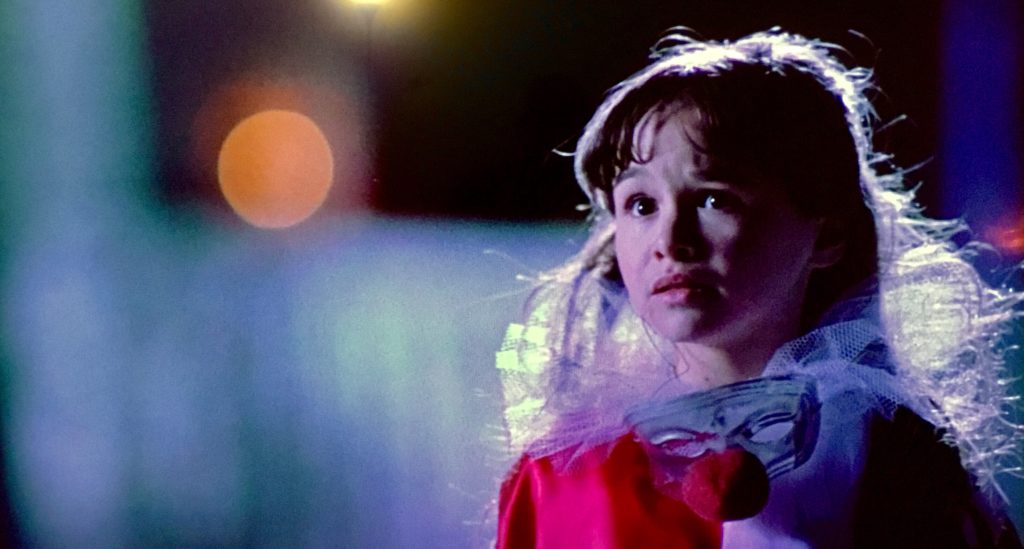
Initially, John Carpenter himself wrote the script for the fourth part together with Dennis Etchison, but their version was rejected, after which Carpenter and Hill sold their rights to Halloween to producer Moustapha Akkad, who hired writer Alan B. McElroy. The text was written in less than 11 days, as McElroy took up the task on February 25, and on March 7, a writers' strike began, prohibiting guild members from working.
I think it's obvious what the quality of a script written in such a short time was. The film turned out, to put it mildly, so-so, and with a budget of $5 million, it managed to gross only a little over $17.5 million, which is not very rosy, considering that the creators put Myers' name in the title. The fact is that the fourth part did not even feature Jamie Lee Curtis's character. According to the plot, she died in a car accident. Viewers had to make do with only the company of her daughter, whom the screenwriter placed in the care of the family where Laurie Strode was a babysitter in the original film. So, the quadriquel (which is essentially a triquel) is a film that loses on almost all fronts, but nevertheless, it is still part of this franchise, no matter how sad that may be.
Halloween 5: The Revenge of Michael Myers (1989, dir. Dominique Othenin-Girard)
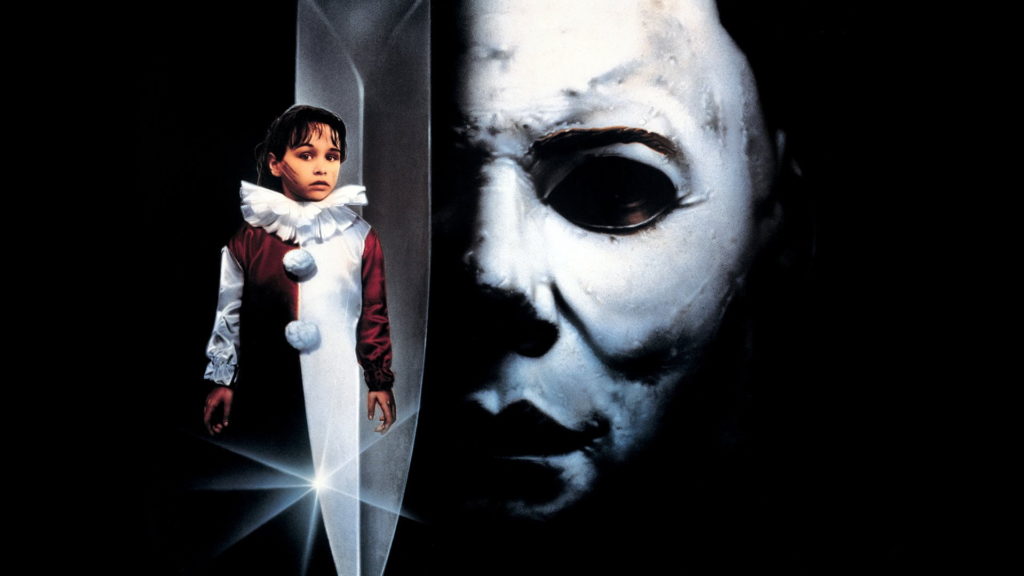
What's the plot? A year passes from the previous part, and Michael goes hunting again. His target is his niece Jamie, who has some astral connection with her uncle (she sees Myers' actions). The closer Halloween gets, the more restless the girl, placed in a hospital, becomes. She feels that Haddonfield will soon be shaken again by a bloody massacre perpetrated by the legendary maniac.
Despite the modest box office of the fourth film (relative to the first two parts), it was considered commercially successful, so the fifth film was not long in coming and was quickly put into development. The script for The Revenge of Michael Myers (although the credits simply say Halloween 5) was being written right during filming, so many details were included in the film in live mode. For example, the telepathic connection between the relatives or the influence of an ancient cult on Myers were lines added at the very last moment.
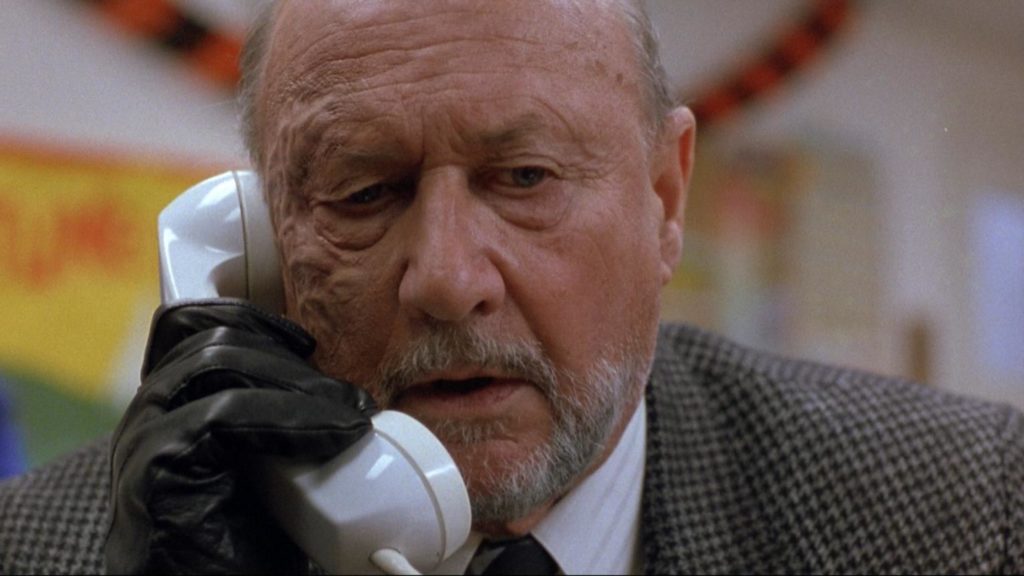
The franchise finally moved away from the realistic image of the maniac to some supernatural mysticism. Now the sequels were unrecognizably different from the cult original, and the desire to make money on a famous name became paramount (it turns out that "MMM" stands for "The Revenge of Michael Myers," and the goal of scamming people out of money was formed in this part of Halloween). The text was written on the fly, so some storylines were mercilessly abandoned. The result: critics and viewers surprised by the incompleteness of the project, devastating press, and just over $11.5 million in box office against a budget of $5 million. However, Moustapha Akkad had no intention of abandoning the idea of sequels. Why else would he have bought the rights from Carpenter and Hill? The Halloween universe will continue to expand further, albeit with a significant six-year break.
Halloween: The Curse of Michael Myers (1995, dir. Joe Chappelle)
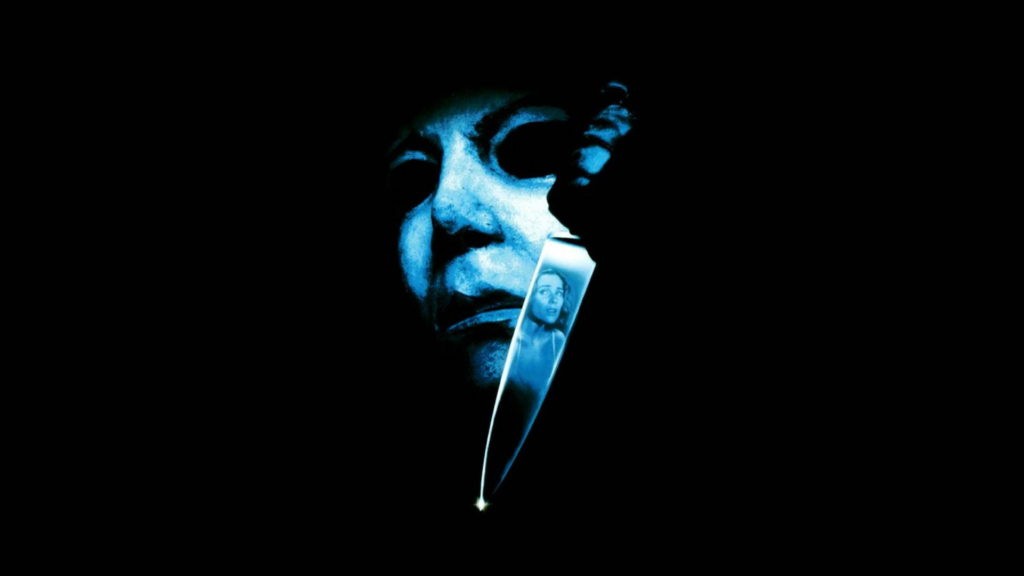
What's the plot? On Halloween 1989, Michael and his niece Jamie Lloyd are kidnapped by a mysterious Man in Black, and six years later, 15-year-old Jamie gives birth to a child, whom the same man, revealed to be the leader of some cult, intends to take. With outside help, the girl and her child manage to escape, but Michael Myers pursues them.
Yes, yes, yes, I perfectly understand that this already sounds like complete nonsense, but this is indeed the plot of the sixth part. The film concludes the arc of the maniac's niece, and Donald Pleasence performs the role of Dr. Loomis for the last time (a few months after filming, the actor passed away). When the authors found out that Pleasence could no longer act, the ending was reshot and the psychiatrist was written out of the narrative so that the plot would not contradict possible sequels (as if a plot hole would be a colossal problem for such a project). Also, the film features Paul Rudd (an even darker past of Ant-Man, before he started stealing) as Tommy Doyle — the grown-up boy that Laurie babysat in the first film.
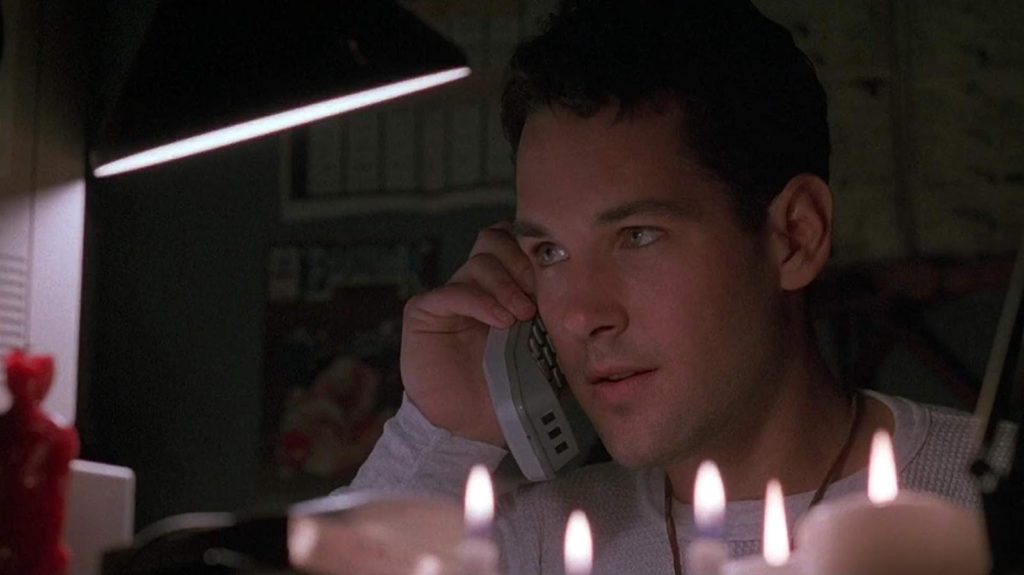
In the sixth part, they decided to reveal Myers' motivation for killing, as well as the source of his immortality, but this did not add any particular logic to all the sequels. The film managed to survive production hell and was sent for reshoots after failed test screenings. In the end, it was being finished and changed even in post-production (and still in vain). The creators were well aware of the quality of their product, so they didn't even show it to critics (naturally, after the release, they watched the film and simply trashed it). With a budget of a stable $5 million, The Curse of Michael Myers managed to gross over $15 million, surpassing its predecessor's box office. But which part is better: the fifth or the sixth — a very philosophical question.
Halloween H20: 20 Years Later (1998, dir. Steve Miner)
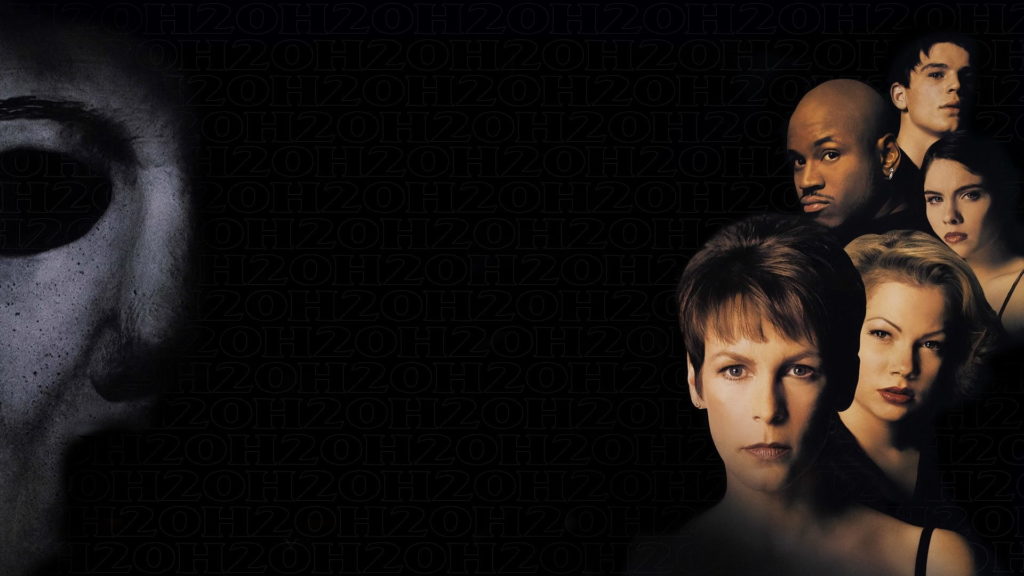
What's the plot? Laurie Strode has been living under the assumed name Keri Tate with her son John (Josh Hartnett) all these years. The fears of 20 years ago still torment her, so she has become addicted to alcohol. Another Halloween is approaching, and the woman feels uncomfortable (as she does every year), but this time the anxiety is justified because Michael Myers has learned where his old enemy is and is rushing to meet her. Laurie will have to face her past again and confront it just as bravely.
What Laurie? She died. What son? There was a daughter. I perfectly understand your questions. But here's the thing: H20 is a direct sequel to Halloween II, not Halloween: The Curse of Michael Myers. So, all events after the second part can be safely forgotten (this will be either very easy due to their terrible quality, or very difficult due to their TERRIBLE quality) and watch how the returning Jamie Lee Curtis again fights against the bloodthirsty maniac.
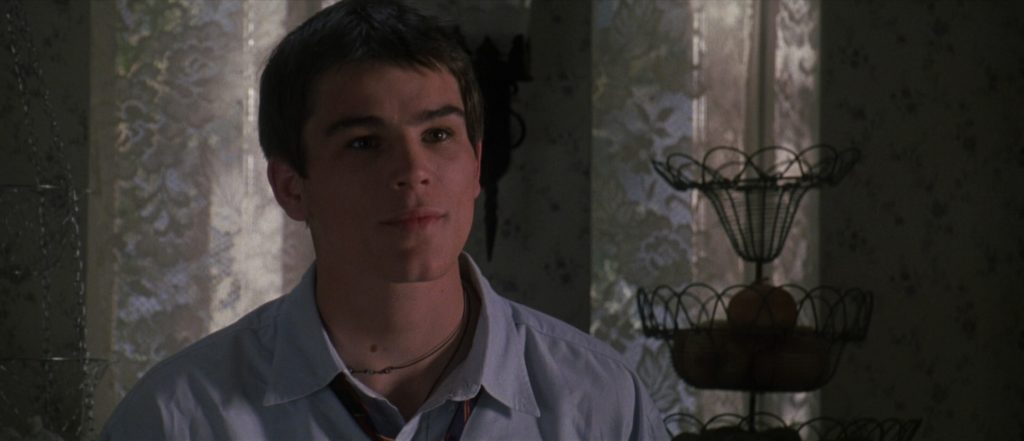
In fact, this was supposed to be a direct continuation of the sixth part, but, as per the classics, the studio rejected a whole bunch of texts, so in the end, they based it on an idea from Scream screenwriter Kevin Williamson, who suggested explaining Laurie's return by faking her own death and changing her identity. The film was supposed to include flashbacks from previous films, as well as a scene where Strode learns of her daughter Jamie Lloyd's death. Ultimately, it was decided to ignore the plot of the last three films and only consider the first two films (unfortunately, they forgot to explain how Michael and Dr. Loomis survived the explosion).
However, despite the drawbacks, the creators managed to produce a fairly decent film (relative to what came "before," even good), which received mixed reviews from the press and grossed a whopping $55 million at the box office (with a budget of $17 million). The project was commercially successful, so another sequel was inevitable. Now the plot connections in the Halloween universe have split.
Halloween: Resurrection (2002, dir. Rick Rosenthal)
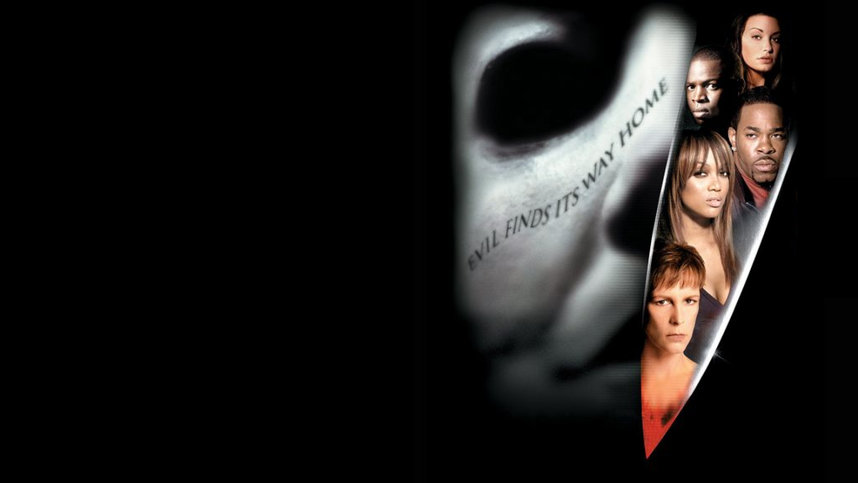
What's the plot? It turns out that at the school, Laurie Strode did not kill Michael, but another person. The real Myers escaped and hid for three years, but after a while, he decided to finish what he started and kill the cursed girl (now a woman). Laurie, placed in a hospital, understands everything and awaits the killer's return, so she has prepared a trap for him. But when it works, Strode decides to verify the maniac's identity to avoid repeating the mistake of three years ago. This brings about the demise of Michael Myers' sworn enemy. It would seem that now the killer can finally calm down, but no... A reality show is being filmed in Myers' childhood home. It turns out that Michael doesn't like this arrangement.
Imagine, Jamie Lee Curtis received $3 million for her short role at the beginning of the film, and even set a condition that she would only appear if she would never be asked to return to the franchise (how naive). This time, Halloween tries to flirt with youth territory and the internet, and it looks almost as funny as during the times of mysticism and rune cults. The creators even invited rapper Busta Rhymes, but didn't say why.
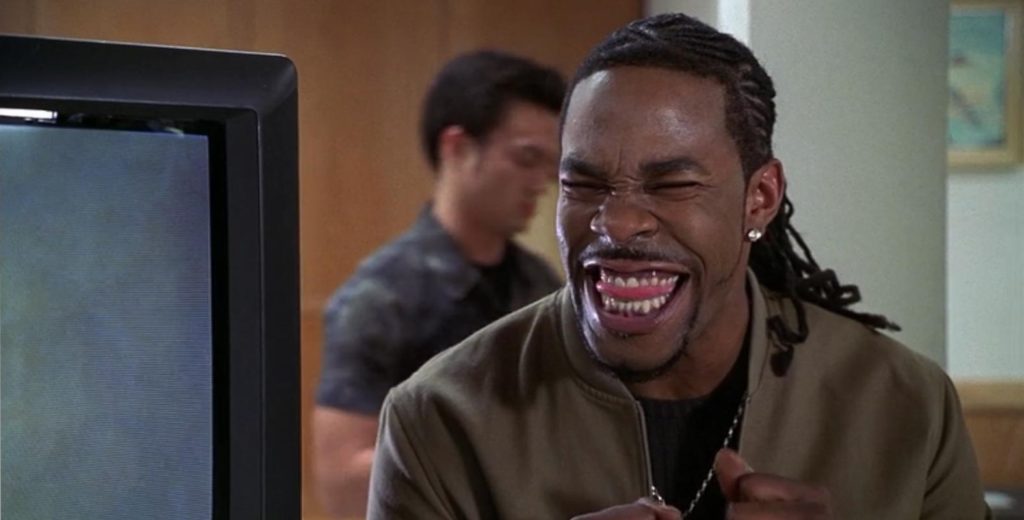
Rick Rosenthal, who directed the second film, returned to directing but could not bring anything good. The film was simply trashed by critics, and the planned sequel to this soft reboot was canceled. Symbolically, the film with the subtitle "Resurrection" killed the second narrative line of the franchise. With a budget of $13 million, the project managed to gross $37 million worldwide. Of course, it's not a complete failure, but the next time the killer in the mask and mechanic's jumpsuit returned, it was not in a sequel but in a full reboot.
Halloween (2007, dir. Rob Zombie)
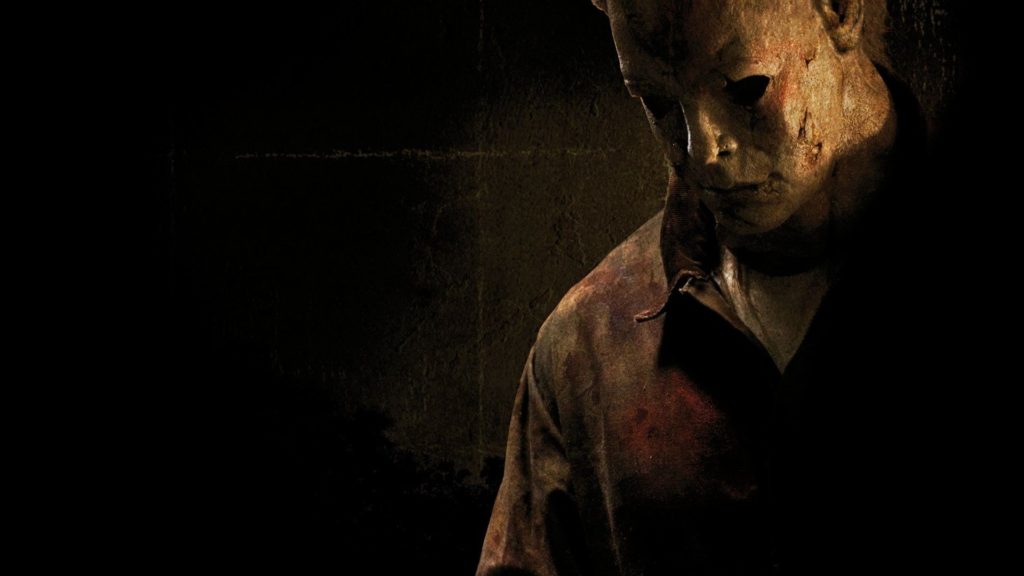
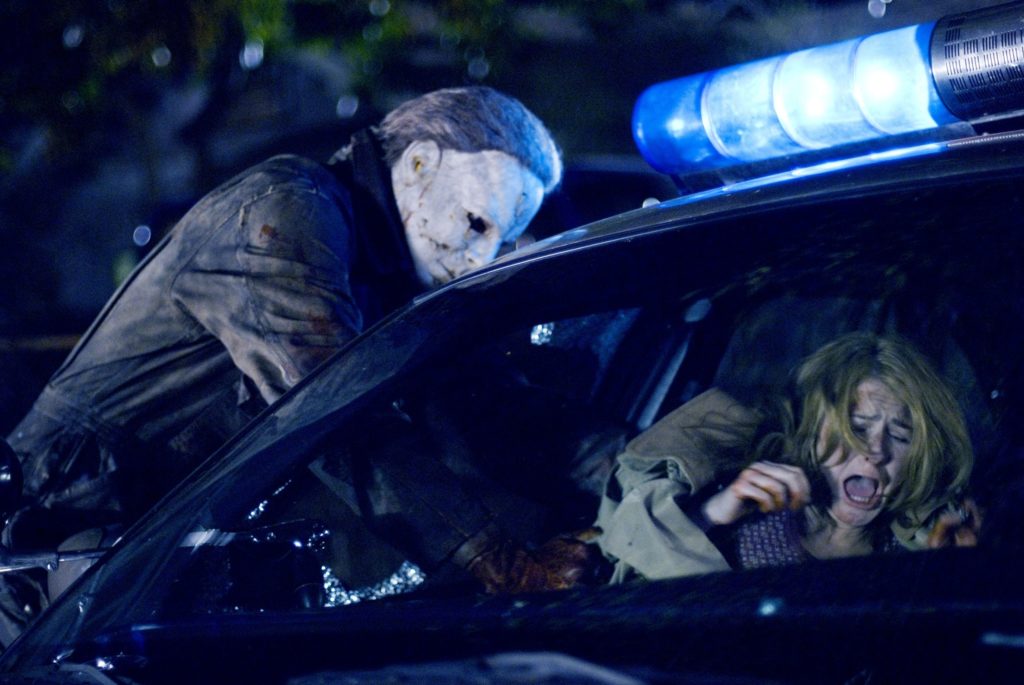
What's the plot? In the town of Haddonfield lives a ten-year-old boy, Michael Myers. His family is dysfunctional: his mother is a stripper, his sister is a promiscuous girl, and his stepfather is an alcoholic invalid. The only ray of light in this gloomy kingdom is his seven-month-old baby sister. In such an oppressive atmosphere, the growing child develops an unstable psyche, leading him to abuse animals.
On Halloween eve, due to a clash with bullies, the cruel treatment of our smaller brothers is exposed, and the school principal, in the presence of psychiatrist Samuel Loomis (Malcolm McDowell), warns Michael's mother of possible consequences. That same day, Myers beats one of the bullies to death, and in the evening, when his mother leaves, he cuts his stepfather's throat and kills his older sister and her boyfriend, then goes to his little sister's room and wishes her a happy Halloween. Then, as per the classics: mental hospital, escape, terrorizing Haddonfield. Well, you know the rest.
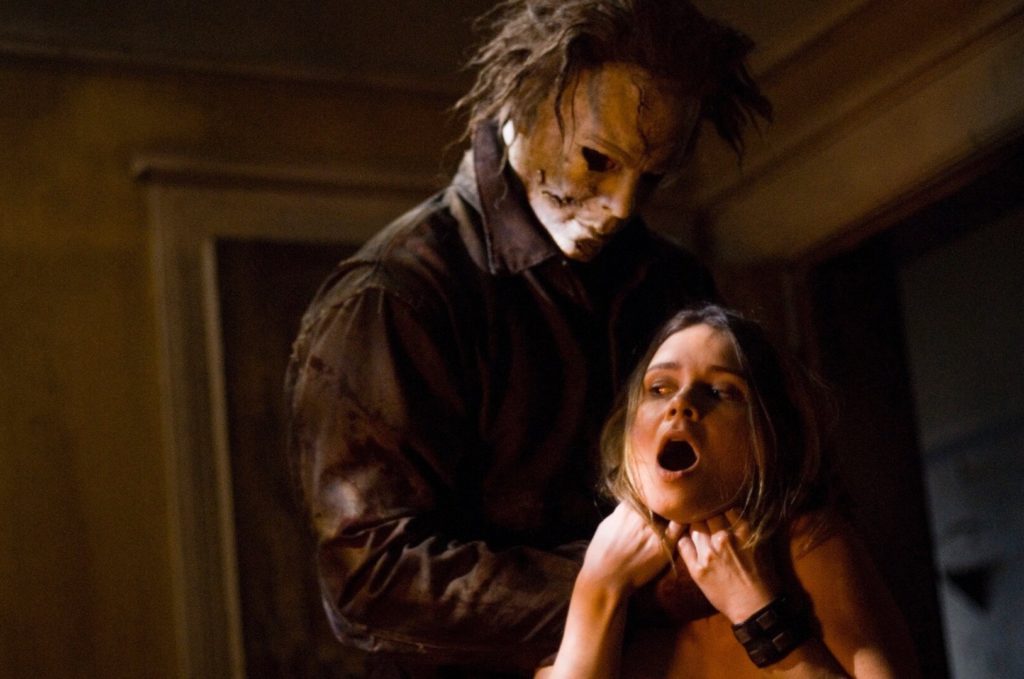
Before filming, John Carpenter advised Rob Zombie to "make the film his own," rather than just remaking the original. That's why the director added the killer's origin story to the plot, trying to delve into his psychology. Of course, the film did not garner much acclaim, but with a relatively modest budget of $15 million, it managed to gross over $80 million worldwide.
In general, before arriving at the idea of a remake of the original 1978 film, Dimension Films had planned all sorts of things. After the canceled sequel to Resurrection, a crossover with the Hellraiser franchise was considered, akin to Freddy vs. Jason, but after a poll on the official website, the idea was abandoned. Then the studio almost agreed to a prequel to the original under the working title Halloween: The Missing Years, which was supposed to tell about Michael Myers' life in a psychiatric hospital. And then work on the film was suspended altogether due to the tragic death of Moustapha Akkad. The constant producer of all previous films died from injuries sustained in a terrorist attack in Jordan in 2005.
In the end, Dimension Films came to the idea of a full reboot of the franchise. The remake turned out, although not good, certainly not the worst among what Halloween has produced throughout its history. Yes, the box office success played its role, so two years later, a sequel to the film by the same Rob Zombie appeared on big screens.
Halloween II (2009, dir. Rob Zombie)
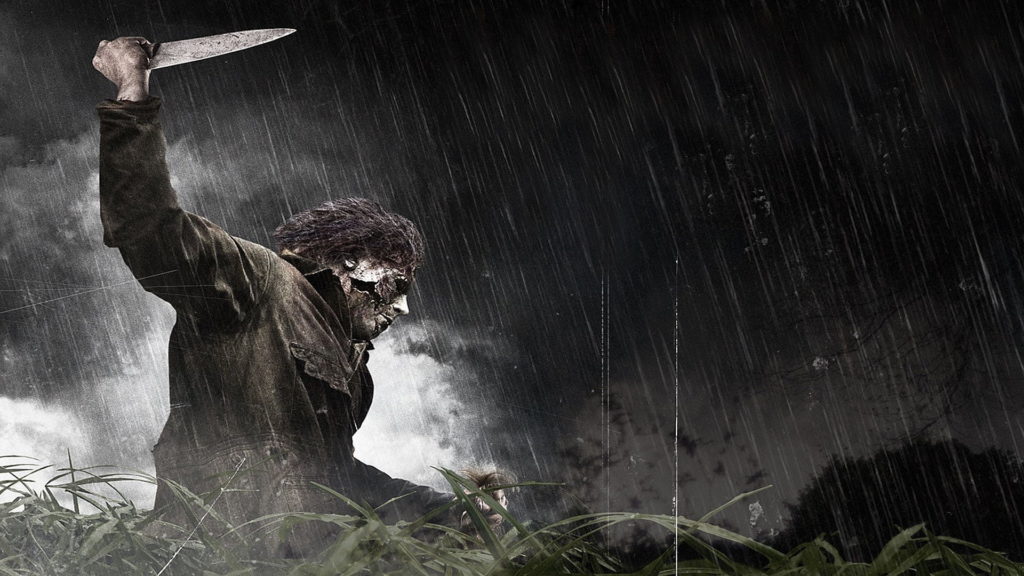
What's the plot? A year after the events of the first film, Michael is missing and presumed dead, Laurie Strode (Scout Taylor-Compton) lives with the Bracketts, and Dr. Loomis has released a book and is profiting from the tragic story. However, in reality, Myers survived and lives as a vagrant. This continues until he begins to see the ghost of his mother and a younger version of himself, who convince him to reunite with Laurie. In short, Haddonfield awaits another bloody massacre perpetrated by the legendary maniac.
During the filming of the sequel, Rob Zombie faced a lot of problems. First, producers the Weinstein brothers cut the shooting period by two weeks on the very first day, so the director furiously tore out pages from the script that he wouldn't have time to shoot. Then part of the filmed material was damaged at the airport due to X-ray exposure of the reel, so everything had to be started over. Additionally, the gloomy and humid climate of Georgia constantly interfered (the first film was shot in California), so locations had to be constantly changed due to sudden rains. And the final touch was the release date being moved from Halloween to August without any warning, which significantly shortened the post-production and editing schedule.
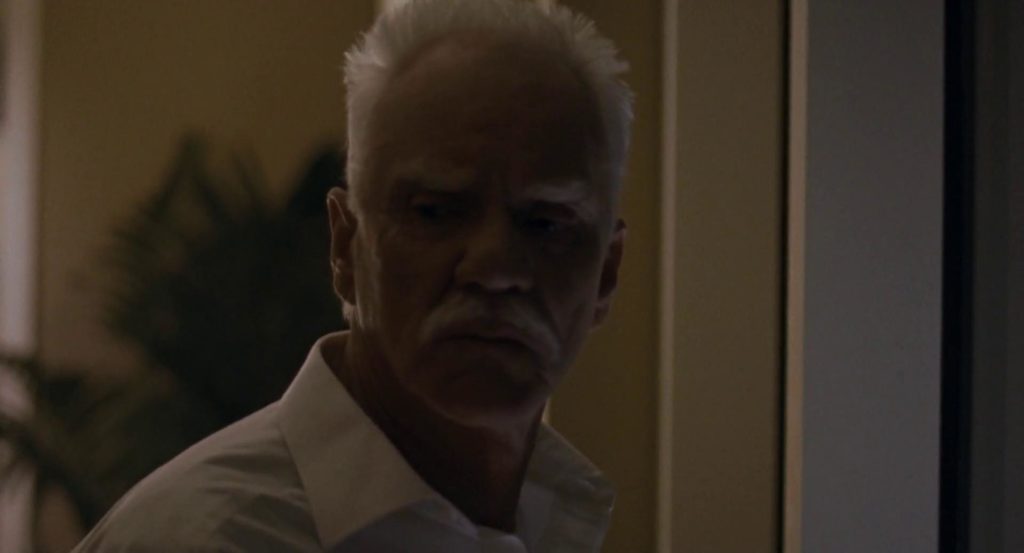
After such treatment of himself and his work, Rob Zombie killed all the characters at the end of the film (to ensure there would be no sequels) and refused to participate in the third film, Halloween 3D. Naturally, the press trashed the film, and with the same budget of $15 million, it grossed half of its predecessor (just under $40 million). No, it's clear that the project would have been bad anyway, but the sticks put in the director's wheels made it even worse. Even more surprising is that Dimension Films still insisted on a continuation and tried to persuade Zombie to continue working, but each time they received a categorical refusal. In this regard, over time, the rights to the franchise passed to Blumhouse and Universal Pictures, and peace reigned in Haddonfield for a whole 9 years.
Halloween (2018, dir. David Gordon Green)
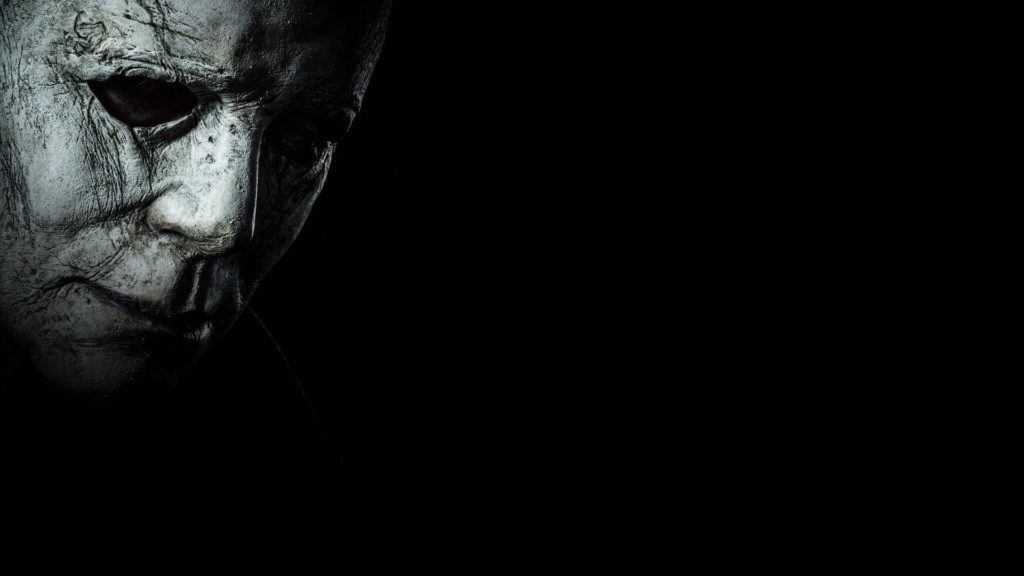
What's the plot? The story takes place 40 years after the events of the original film. Michael Myers was arrested that night and has spent all these years in the Smith's Grove sanitarium. During this time, Laurie Strode gave birth to a daughter, Karen (Judy Greer), but her certainty that Michael would return destroyed the family. Laurie has been preparing for the meeting for decades, and on October 30, 2018, the silent killer is decided to be transported to prison (where have we seen this before?), so during transport, the maniac escapes and heads to guess where.
After the rights transferred to Blumhouse, it was decided to rethink the franchise and make a direct sequel to the original, canceling the events of all previous films. Yes, this is already the third time, but how else can you milk the Halloween universe? Not take into account all the garbage that has come out. You need to take and create a new one. They entrusted this to David Gordon Green, who apparently took a line from a song as his motto: "Everything that was before me, reset." After the "trilogy of Halloween sequels," the director proceeded to a trilogy of sequels to the original The Exorcist, ignoring the events of all previous films and that franchise as well. A genius, no less.
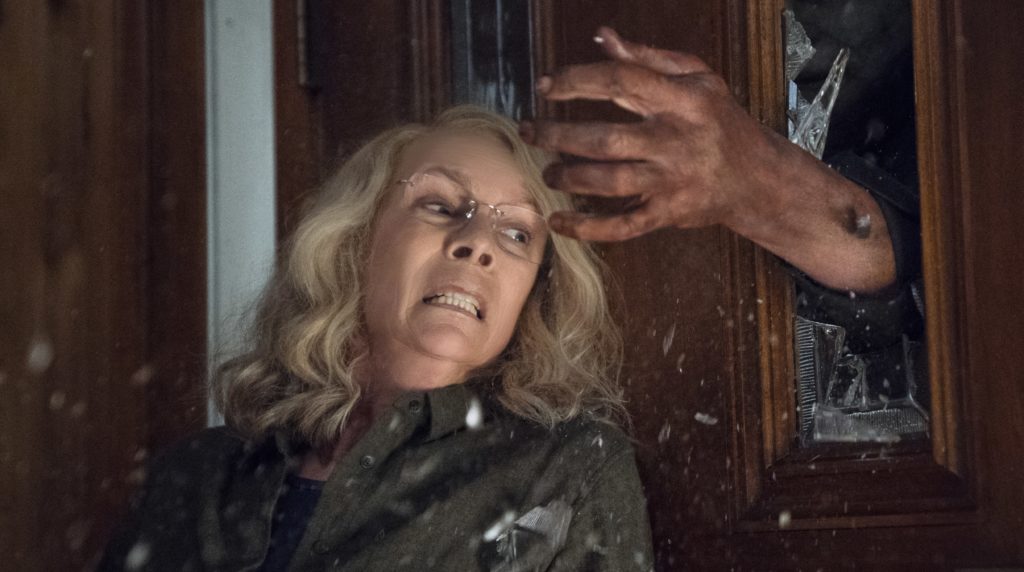
As for the new Halloween, it was even shown at the Toronto International Film Festival as part of the "Midnight Madness" section. Critics mostly positively received the reimagining and noted respect for the original, as well as the correct ignoring of all unsuccessful sequels with their vague lore (it was here that John Carpenter was able to correct the mistake of introducing the relationship line between Michael and Laurie into the plot). The box office confirmed the success, and with a budget of $10 million, the film grossed a whopping $255 million! But in reality, it was still the same Halloween that didn't bring anything new, so viewers and critics who missed Jamie Lee Curtis as Laurie Strode and Michael Myers noticeably cooled off by the release of the next part.
Halloween Kills (2021, dir. David Gordon Green)
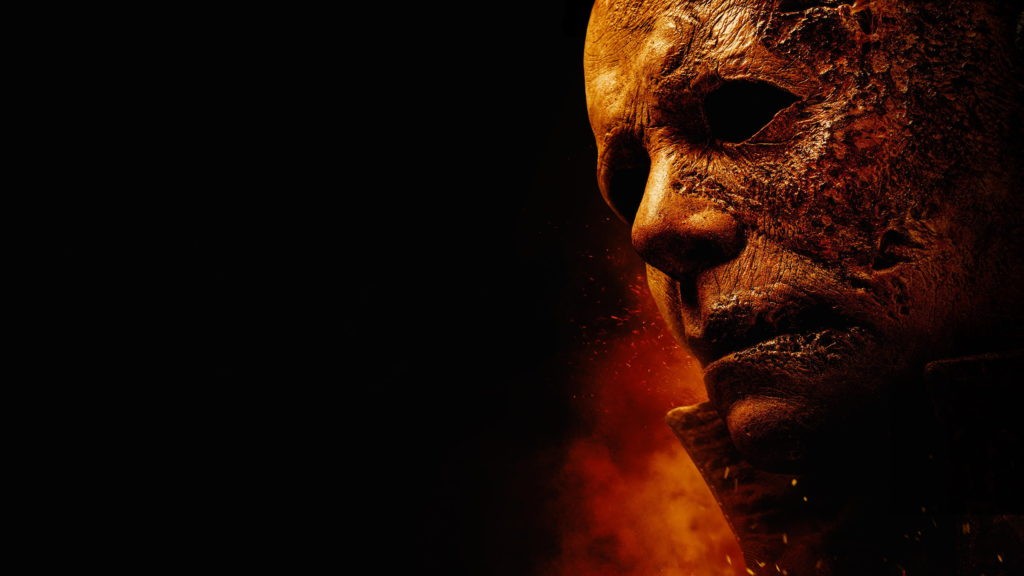
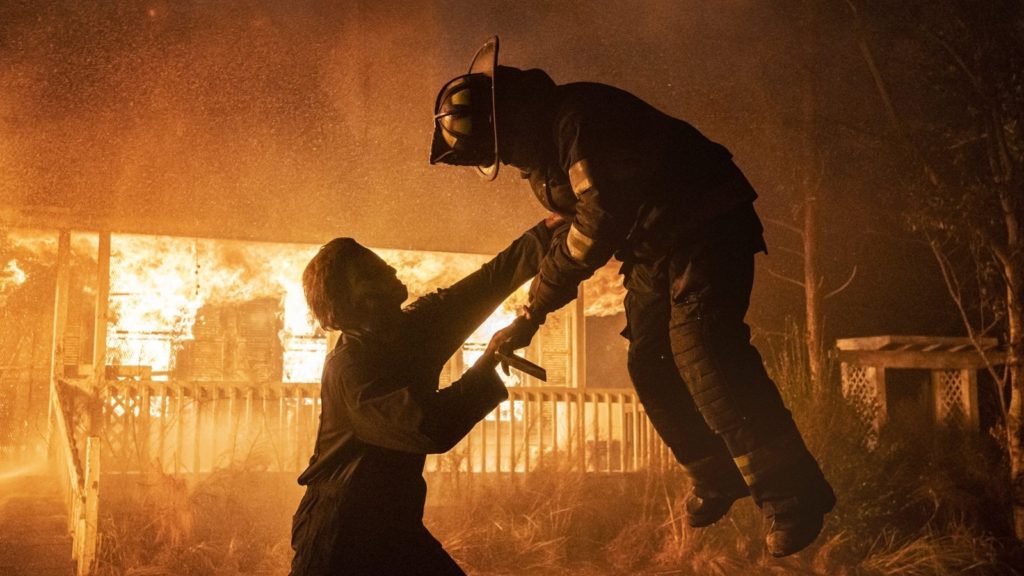
What's the plot? The story begins exactly where the previous part ended. Firefighters arrive at Laurie Strode's burning house and accidentally rescue Michael Myers from the fire, who kills the entire crew and sets off to find Laurie (yes, once again), her daughter Karen, and granddaughter Allyson (Andi Matichak), who are at Haddonfield Memorial Hospital.
After the success of the 2018 sequel, two more sequels were announced under the direction of David Gordon Green, scheduled for release in 2020 and 2021, but unexpectedly for everyone, the coronavirus pandemic happened, so the release of each part was delayed by a year. It was also announced that two more characters from the original would return — Tommy Doyle (Anthony Michael Hall), whom Laurie babysat and who was once played by Paul Rudd, and Lindsey Wallace (Kyle Richards, who played the same role in the 1978 film).
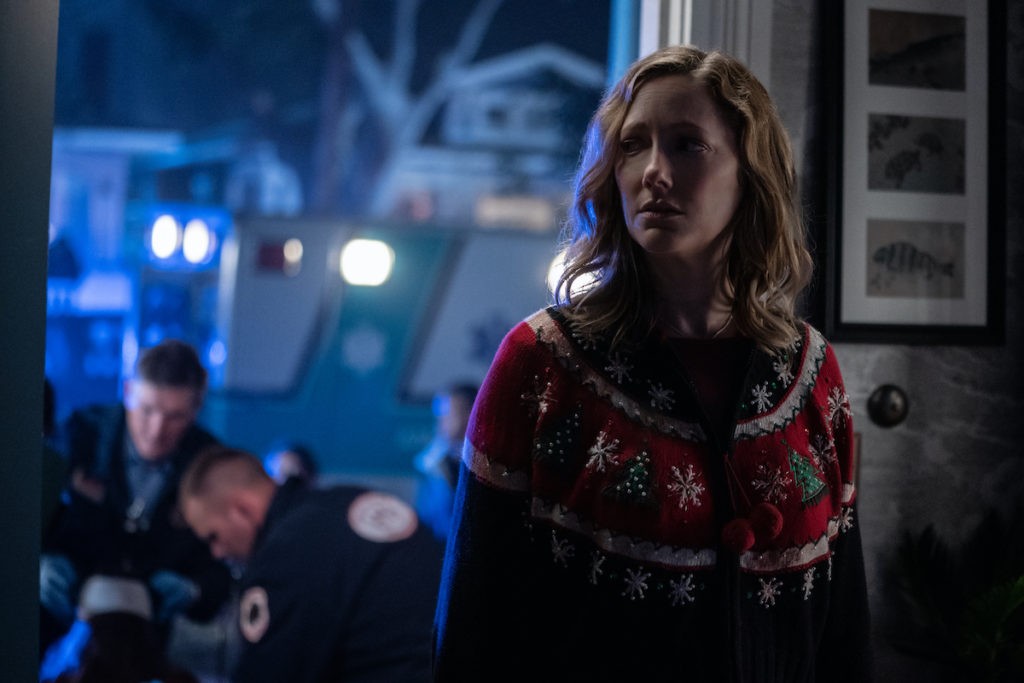
This time, playing on the nostalgia effect did not work even with the return of some characters. Although the film was presented at the Venice Film Festival, the press received it very reservedly, if not negatively. It was stated that fans of brutal slashers would be satisfied, but this part hardly develops the franchise. In general, this is probably the bloodiest massacre in the entire series, and Michael kills the most people here (so to speak, justifying the title), but the sequel still turned out quite weak. The box office also confirmed the decline in interest (almost half) compared to the 2018 film: just over $131.5 million with an increased budget ($20 million). Well, nothing terrible (the franchise's motto), because judging by the title, the next part should be the last.
Halloween Ends (2022, dir. David Gordon Green)
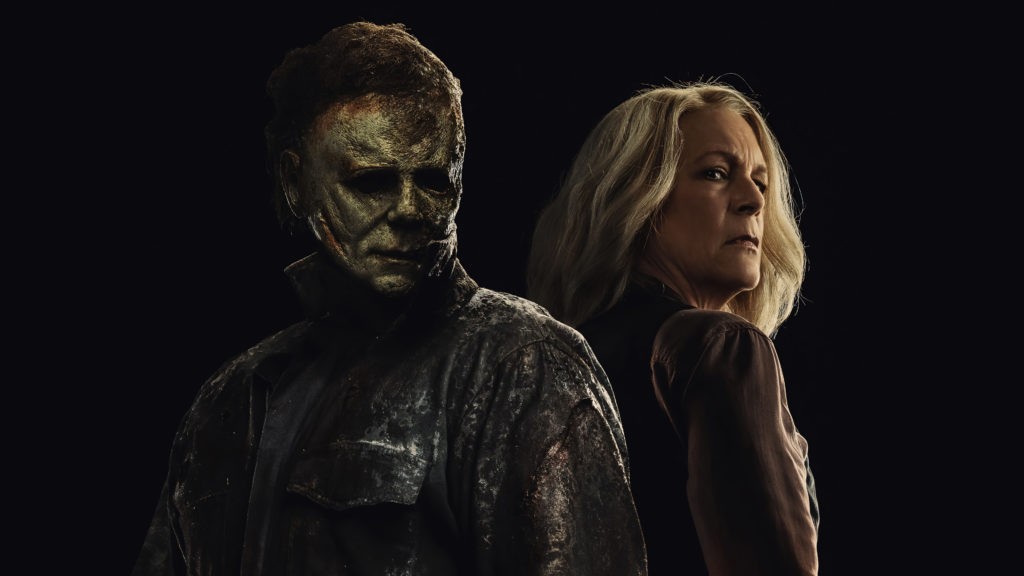
What's the plot? A year after Michael Myers' disappearance, the residents of Haddonfield find a new object of hatred on Halloween. It becomes Corey Cunningham (Rohan Campbell), who is involved in a fatal accident with a child he was babysitting. Over the next three years, the young man becomes an outcast, but one day fate brings him together with Laurie Strode. The old woman, after Michael killed her daughter, lives a quiet life with her granddaughter Allyson and is writing a book to work through her psychological traumas. But another Halloween is approaching, so the vanished Michael Myers will once again stir up the ill-fated Haddonfield. And this time, the maniac will not be alone.
David Gordon Green decided to end his trilogy with a drama and a conversation with the viewer about the nature of evil (we wrote more about the film in our review). As a result, Halloween still slid to negative reviews from critics and began to bore audiences ($104.5 million box office with a budget of $20 million). Of course, the drop in box office can be justified by the simultaneous online release on Peacock, but even there, the film was initially available for a fee, so everyone who wanted to watch it for money (except Russia and Belarus for obvious reasons) watched it.
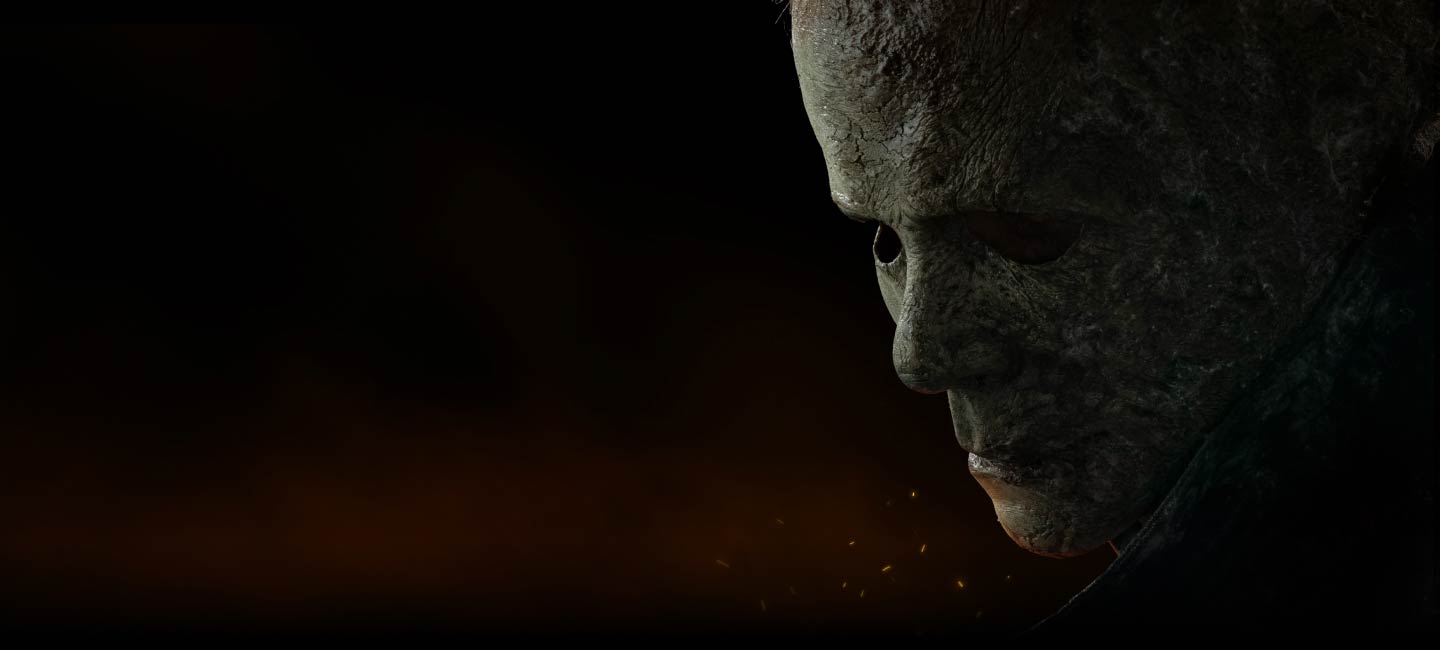
On October 14, the premiere of the film Halloween Ends, a new part of the cult slasher franchise, took place in foreign cinemas and on the online service Peacock. The third film by David G
Open material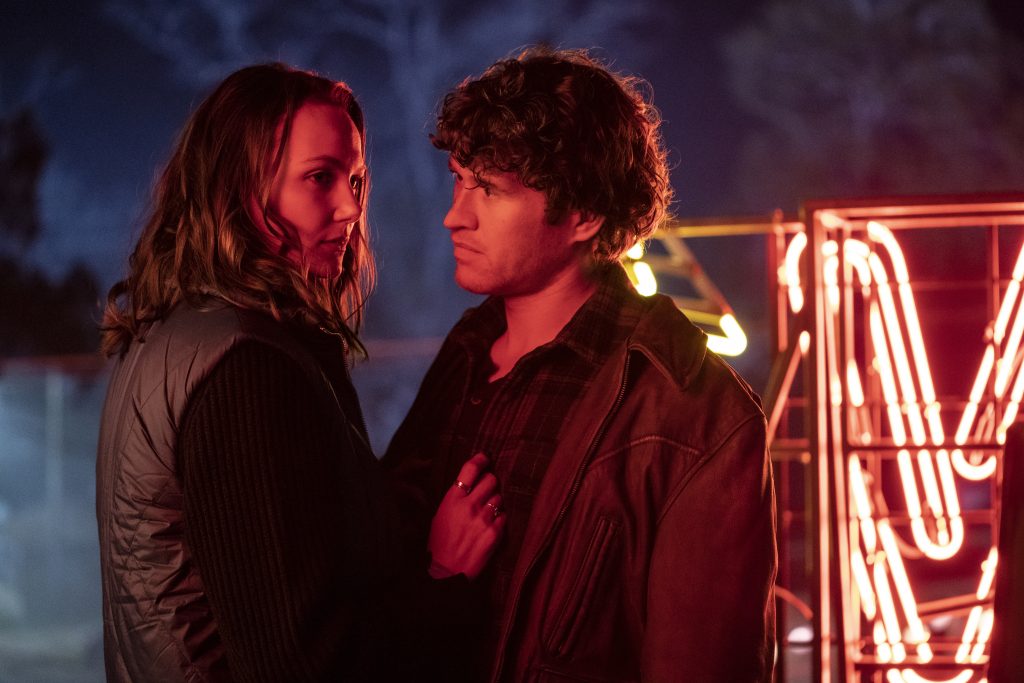
And so another reboot has ended, the money from the interested has been collected, John Carpenter has closed old gestalts, slasher fans have been pleased, so the creators have taken a break with a clear conscience until the next coming of Michael Myers, who can resurrect even if his throat is cut and his body is shoved into a shredder, because from the film Halloween Ends it became clear that evil is contagious. And in general, you don't have to be the real Michael to terrorize Haddonfield on October 31 of any year.
How to Watch the Halloween Franchise Films?
The Halloween universe can be divided into four parts (although many divide it into three):
- Original Films
- "Anniversary" Reboot
- Rob Zombie Remakes
- David Gordon Green's Sequel Trilogy
Usually, the first two categories are combined into one, but I believe they are still separate parts of the franchise.
So, how to watch the films of the Halloween cinematic universe? Of course, there is the answer "as you please," but I will highlight 6 main ways.
The first way is to get acquainted with the entire universe "from" and "to" in the order of release of the films, as described in this material, namely:
Halloween (1978) — Halloween II (1981) — Halloween III: Season of the Witch (1982) — Halloween 4: The Return of Michael Myers (1988) — Halloween 5: The Revenge of Michael Myers (1989) — Halloween: The Curse of Michael Myers (1995) — Halloween H20: 20 Years Later (1998) — Halloween: Resurrection (2002) — Halloween (2007) — Halloween II (2009) — Halloween (2018) — Halloween Kills (2021) — Halloween Ends (2022)
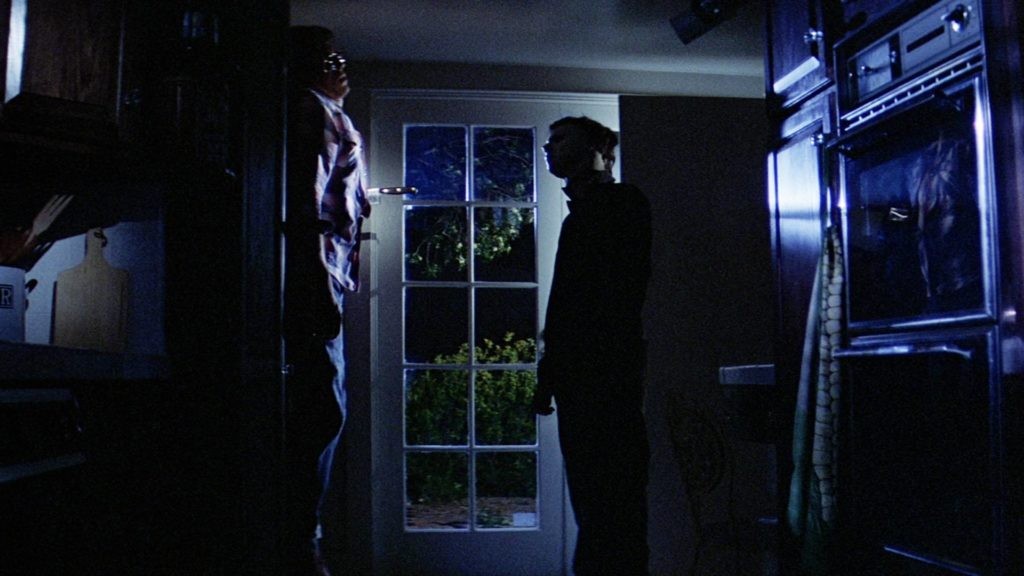
The second way is most imbued with pain and suffering, because it collects all the trash of the Halloween universe associated with the main antagonist Michael Myers, and with each part it only gets worse:
Halloween (1978) — Halloween II (1981) — Halloween 4: The Return of Michael Myers (1988) — Halloween 5: The Revenge of Michael Myers (1989) — Halloween: The Curse of Michael Myers (1995)
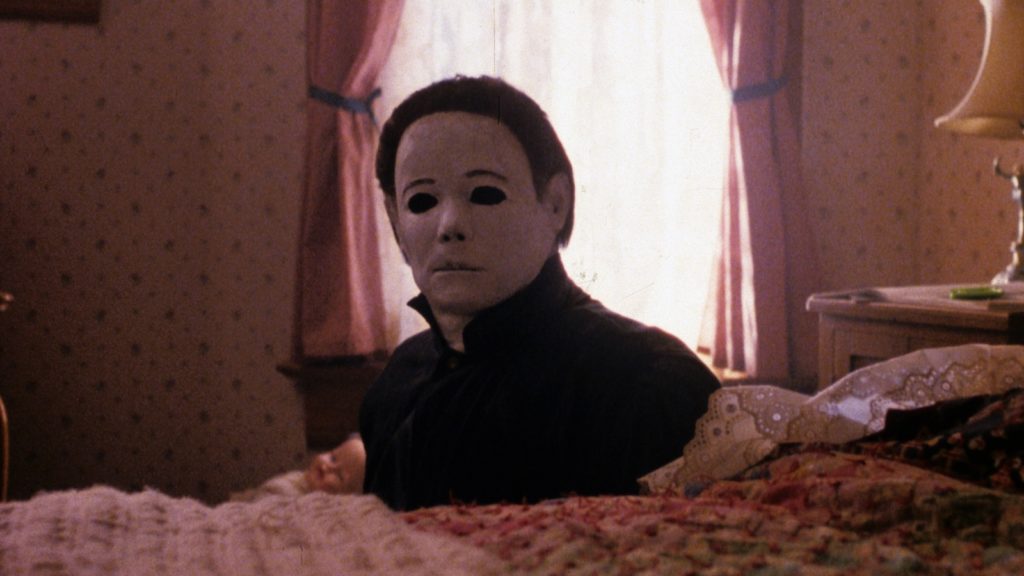
The third way is to take a lighter path and drop all the main mystical and supernatural nonsense with uninteresting relatives:
Halloween (1978) — Halloween II (1981) — Halloween H20: 20 Years Later (1998) — Halloween: Resurrection (2002)
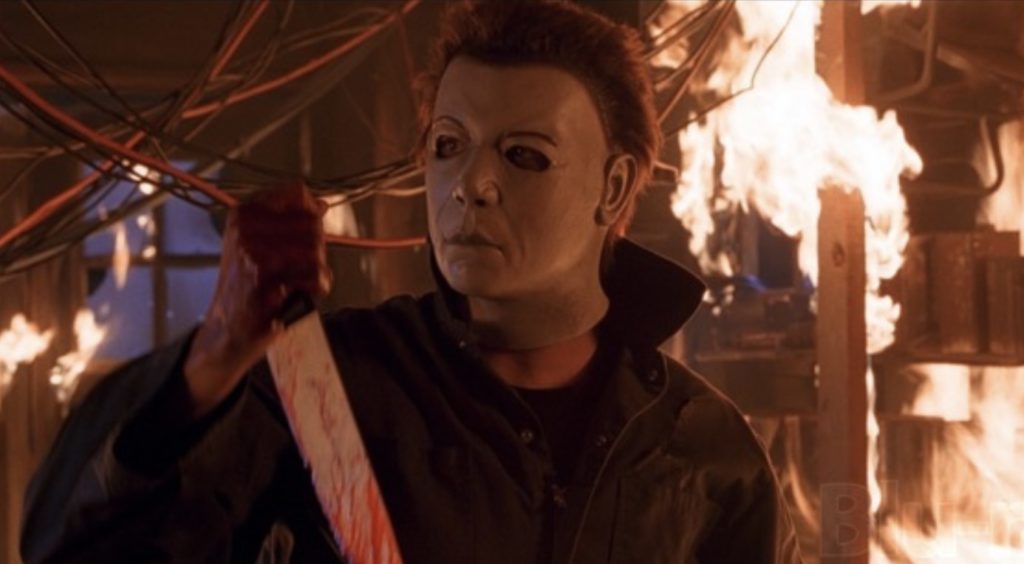
The fourth way is the simplest and least painful, because it includes the most modern (as of now) view of the Halloween universe:
Halloween (1978) — Halloween (2018) — Halloween Kills (2021) — Halloween Ends (2022)
The fifth way (very strange) is to watch only Rob Zombie's remakes:
Halloween (2007) — Halloween II (2009)
And the final, sixth way (which, honestly, is unclear who it would suit at all, because it is even stranger than the previous one) is to watch ONLY the third film, which is not connected to any of the other parts:
Halloween III: Season of the Witch (1982)
I would like to warn that when choosing ANY of the viewing methods, bad (and sometimes downright terrible) films are unavoidable. So if you don't want to experience any negative emotions, there is a secret bonus way — to watch only the original Halloween from 1978 and not touch anything else (at least for now).
In conclusion, I would like to say that, in essence, over 13 films, we have observed a wave-like interest in the Halloween universe, which began a whole 45 years ago. Last year, Michael Myers died once again, but as soon as producers catch a new wave of public interest, they will immediately get down to business. Moreover, there have already been news that Halloween will soon turn into a series, which will be another reboot and begin a new round of history.
We will definitely watch the fresh creation in this universe and add it to our guide as soon as it comes out. So until next time, and take care of yourself on this Halloween night. And on every subsequent one too, because you never know.
By the way, subscribe to our Telegram channel "After the Credits" (here's the link). There we post posters, trailers, and various interesting and funny news from the world of cinema.
Comments
0No comments yet.
Sign in to join the discussion.