
In the United States, the term 'woke' is increasingly used in relation to what is happening in the cultural sphere. Russian viewers may not know the term itself, but they can still feel its consequences in the final product Hollywood puts out. And no one has gotten as entangled in this as Disney.
And besides, we can't always praise the studio on its birthday. Sometimes we need to criticize it too.
What Even Is 'Woke Culture'?
To understand how we got to this point, you need to realize that Hollywood is the USA, and the USA has a history rich in various interesting events. Black people got the short end of the stick, and to a lesser extent, Asians, Spanish-speaking peoples, and so on. So what we are seeing now is a 'pendulum effect.' The pendulum was pushed too far in one direction for too long, and now it's swinging back, sweeping everything in its path.
Hence the concept of 'woke,' which essentially means heightened attention to issues of justice for minorities. And unfortunately, instead of being a tool to fight discrimination, it is increasingly becoming the fastest and most effective way to score social points. And also to distract the crowd from more pressing (and more politically dangerous for modern governments) issues.
The problem with this culture is that an attentive viewer often subconsciously understands when creators make a character black or gay to tell an important and interesting story, and when they do it to fill a quota or protect their project from potential attacks.
What Does Mickey Mouse Have to Do with It
The history of Walt Disney Studios perfectly illustrates changes in society. Its classic animated works are characterized by fairly conservative ideas. The main heroine is always white, falls in love with a prince, and gets married.
Racial issues are also not foreign to Disney. The studio has been criticized multiple times for caricatured depictions of African Americans (the crows in 'Dumbo'), Native Americans ('Peter Pan'), and Asians ('The Aristocats' and 'Lady and the Tramp'). This doesn't even include live-action and lesser-known films here like 'Song of the South.'
One would think the principle of historicism hasn't been canceled. We can learn from past mistakes and try not to repeat them in the future. And the funny thing is, Disney would probably agree with that, if not for one thing: money.
I'll Fix Everything
In a world where auteur cinema has gradually taken a back seat to big studio projects, the main thing for producers is to guarantee a big box office. It's hard to get people into theaters for something new, as it once was.
So Disney, in an attempt to secure a stable source of income, decided not to take risks and reimagined a couple of its previous works (thus, 20 years ago, Tim Burton's 'Alice in Wonderland' and 'Maleficent' were born).
Then in 2015, Kenneth Branagh's 'Cinderella' came out. It was warmly received by critics and audiences and made a very good box office. And it had the first hints of 'woke culture,' because the main character was rewritten as stronger and more independent, plus her meeting with the prince happens much earlier than at the ball.
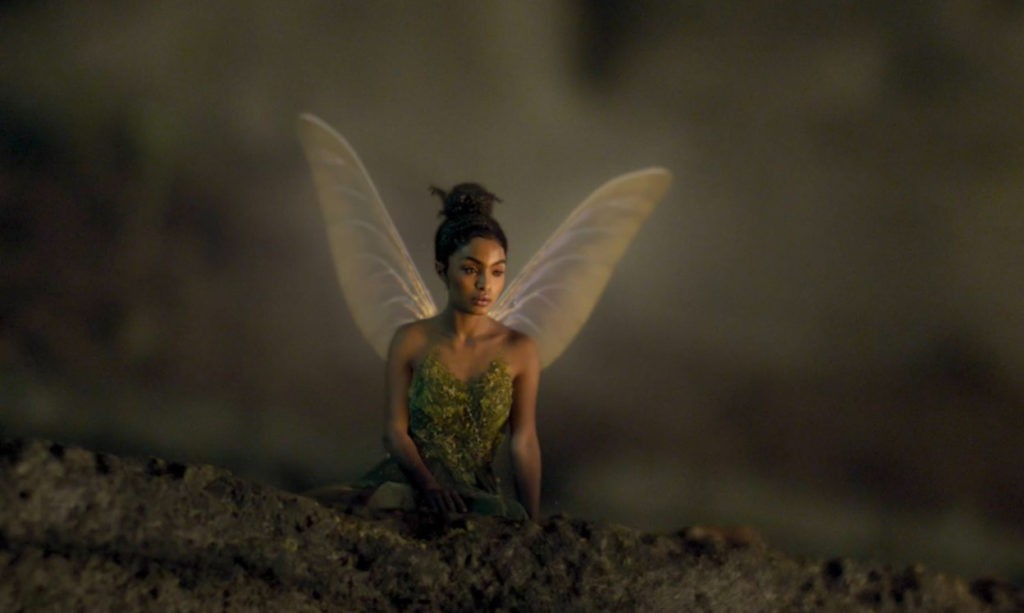
Around this time, dollar signs started flashing in the eyes of studio bosses. Why invent sequels when you can just remake existing works? And justifying the creation of a very derivative product is easy: 'We are correcting the mistakes of the past and introducing modern audiences to beloved stories,' while simultaneously trashing your own old works.
The Futility of Existence
First, let's look at what Disney does with its new 'live-action' remakes using the example of the recent 'The Little Mermaid' (since we missed the opportunity to write a full review of it).
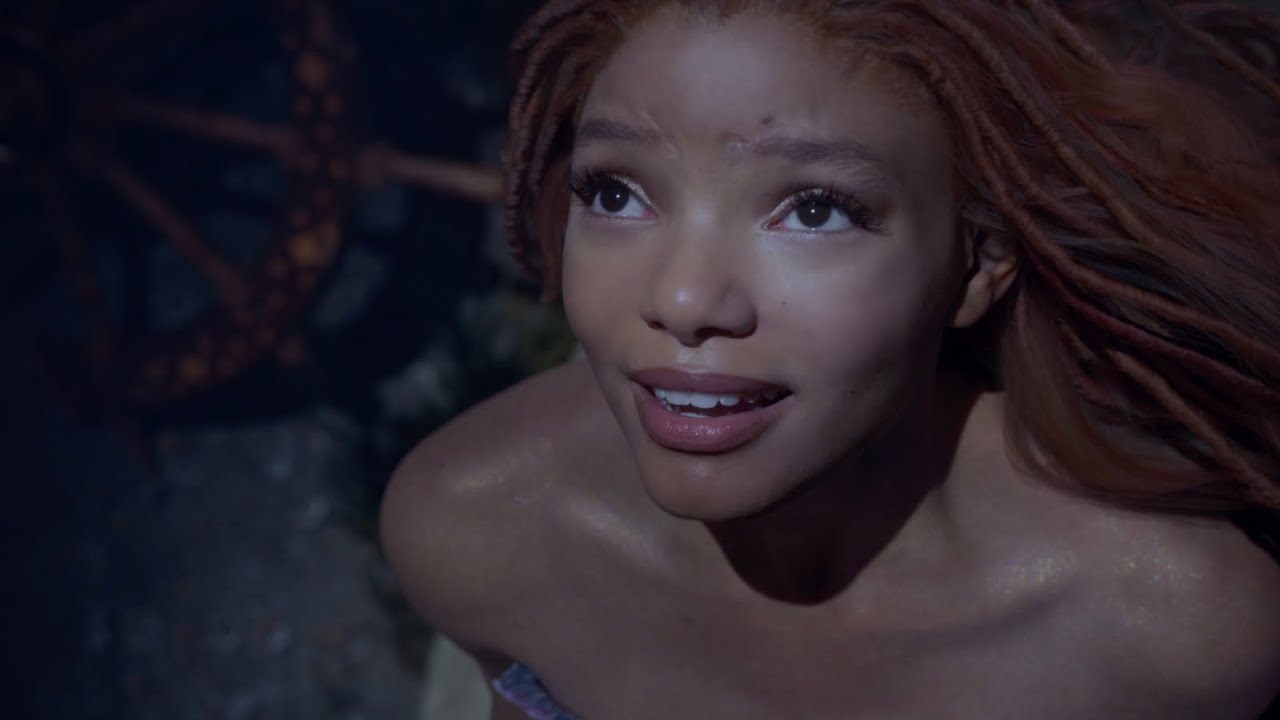
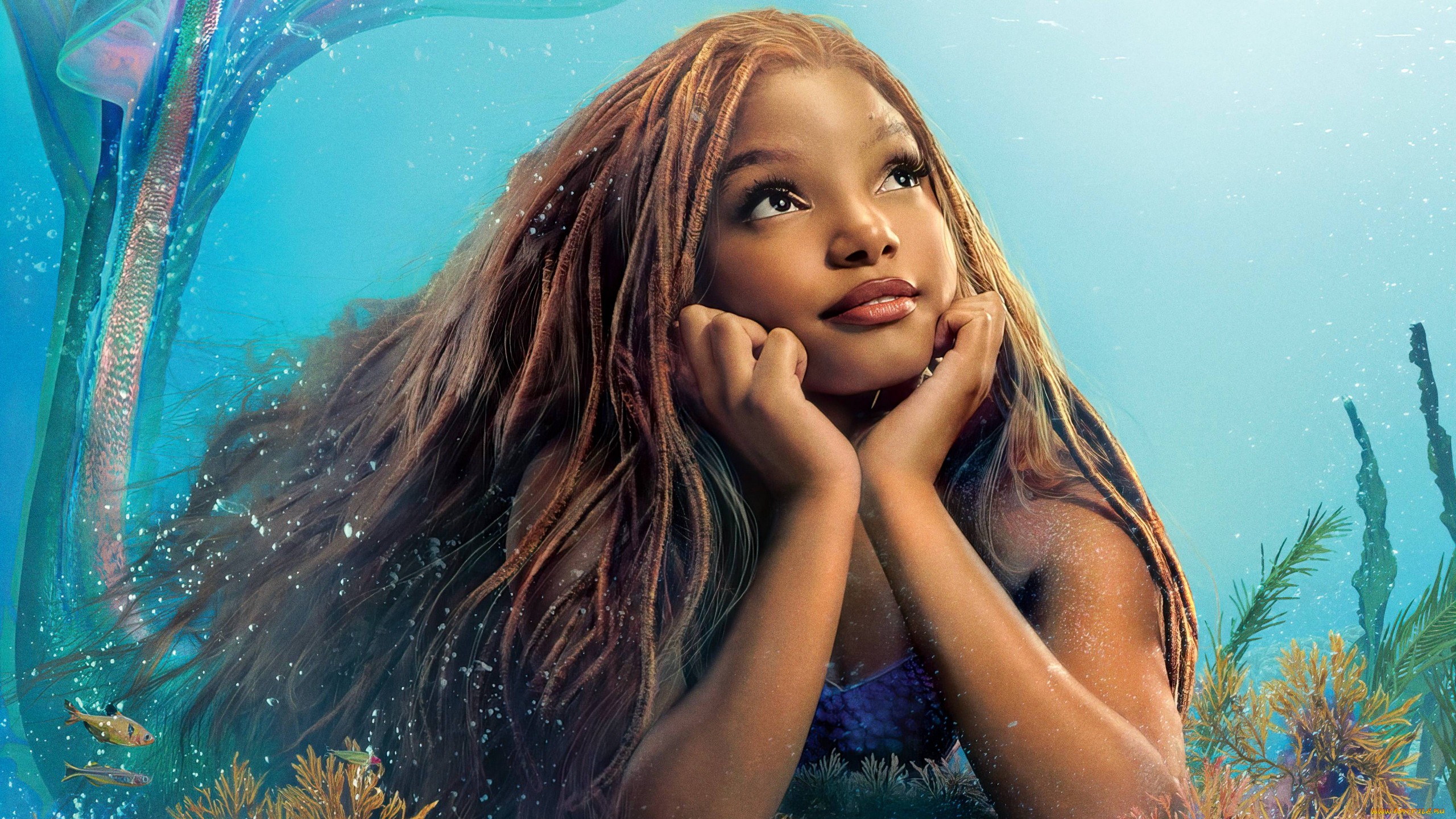
First, racial diversity is added to the cast for main and supporting roles – because the original films predominantly featured big-eyed, pale-skinned Europeans. Ariel was white with red hair – now she's an African American with sandy-red hair. Very 'woke.'
Second, more content regarding minority rights is added. Ariel couldn't physically consent to a kiss? No problem, we'll try to justify that our strong and independent Ariel herself refused a kiss from Eric, even if it contradicts the logic of the original story. The only representatives of authority were men? No problem, we'll have a whole black queen.
Third, attempts are made to quietly fix the original's plot holes that fans have noticed and discussed for years. And this is the funniest point. For example, fans have wondered for years why Ariel couldn't communicate with Eric in writing, since she signed a contract with Ursula – meaning she was literate. So now Ariel gives up her scale instead of a signature – and additionally suffers from magical amnesia. Seriously?
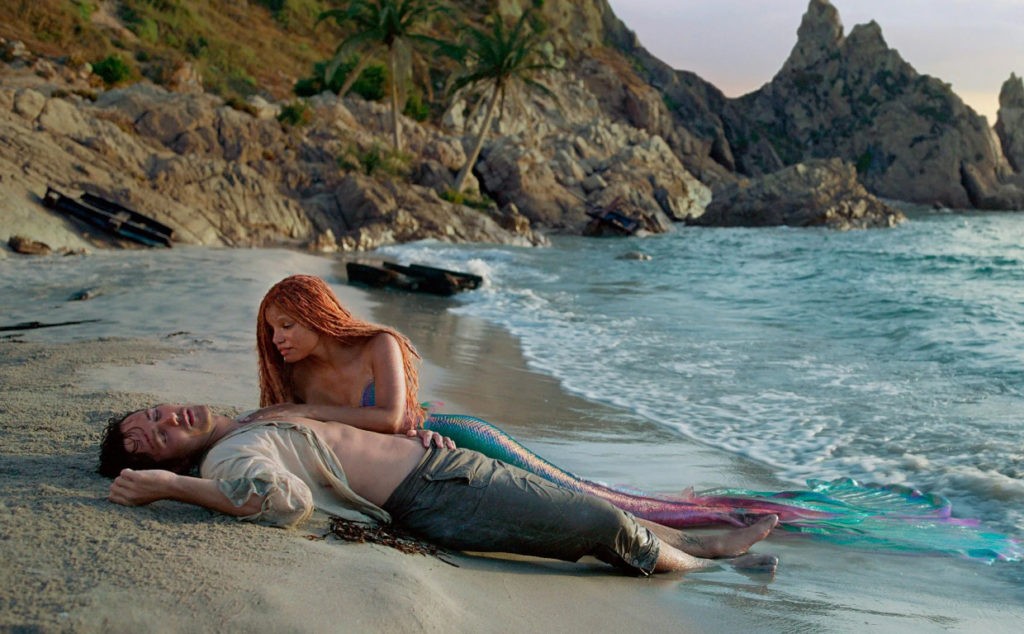
And what's the result? The result can't even compete with the original work, because it's a secondary rehash trying to be everything at once – and therefore nothing specific. Pardon the pun, but the 'woke' version of 'The Little Mermaid' turned out to be neither fish nor fowl.
Why Do This?
It's all banally simple. Producers need to somehow justify their greedy appetite for money and unwillingness to take risks. If you think they care about proper representation – think twice. Consider the fact that the Chinese were never happy with the live-action 'Mulan.'
But you can never be 'woke' enough. Moreover, when you yourself cultivate an audience on 'progressiveness,' at some point it will outgrow you and start proactively looking for ways to criticize you specifically.
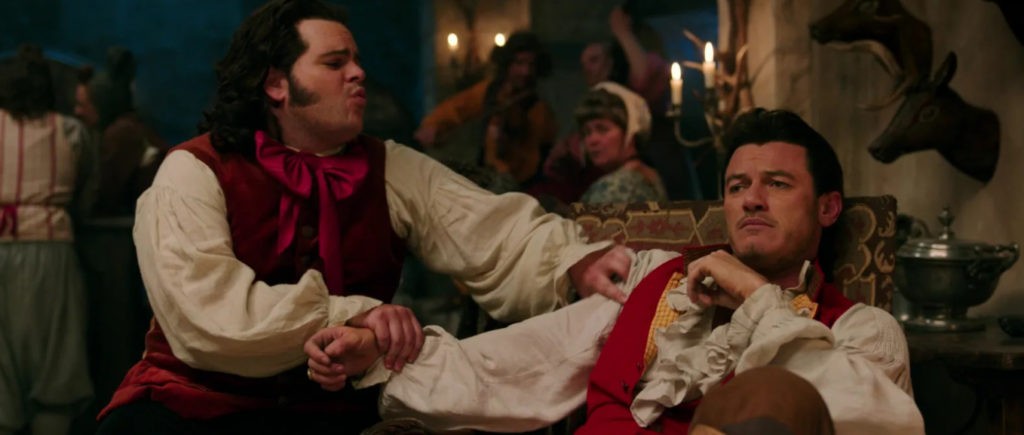
And yet we can already see where this is heading. Take, for example, the box office of 'Beauty and the Beast,' when audiences hadn't yet caught on to the trick. With a budget of $255 million, it grossed $1.3 billion. 'The Little Mermaid,' with the same budget, grossed $600 million (if you factor in marketing costs, which usually equal the budget, the film barely broke even). And no, you can't blame it on post-COVID reluctance to go to the movies – at least not with 'Barbie' grossing $1.5 billion and 'Oppenheimer' nearly a billion.
And ahead of us is the godforsaken live-action 'Snow White,' which, in an attempt to please 'woke culture,' cast Rachel Zegler in the lead role. Yes, that same Zegler who frankly hates the original animated film with every fiber of her being, finds it scary and terribly unprogressive. Do you think a good result will come from those who don't have the slightest warm feelings for the beloved classic?
In short, dark times are upon us. But remember – the further the pendulum swings in one direction, the harder it will swing back.
Comments
0No comments yet.
Sign in to join the discussion.