
Let's look at examples in cinema history where authors went beyond the plots they described, changed them, or expanded them to please the audience.
Part of the Ship, Part of the Crew: How Bill Murray Visited 'Asteroid City'
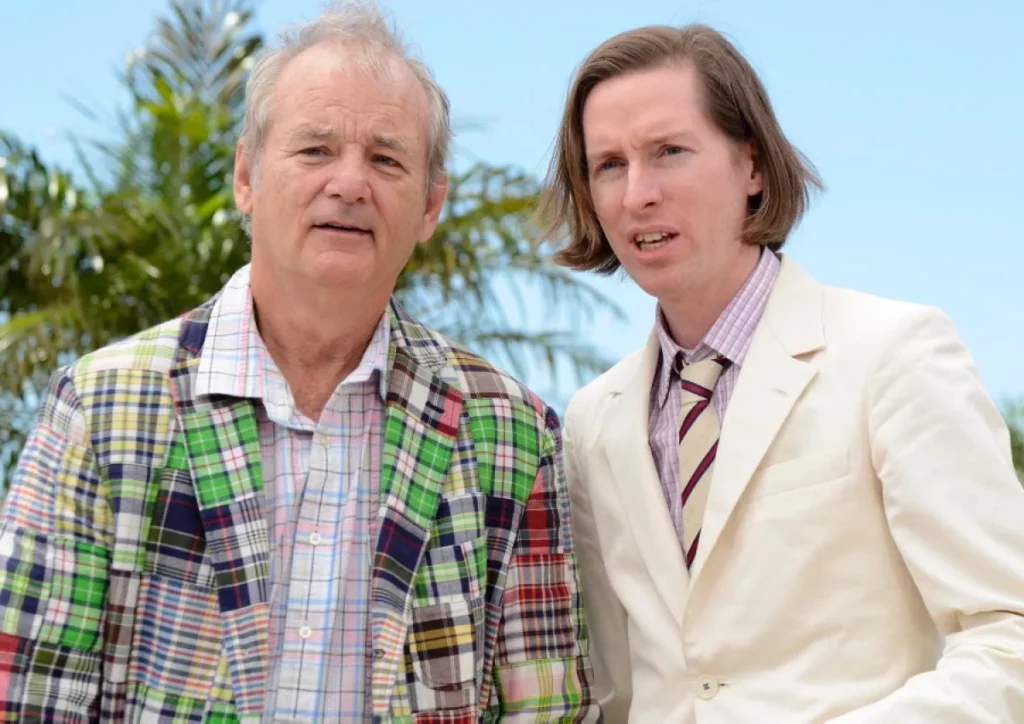
A regular in Wes Anderson films (one might say part of his on-screen family), Bill Murray contracted COVID-19 at the start of filming 'Asteroid City,' preventing him from appearing directly in the movie. However, this did not diminish his interest in the director's creation. After recovering, Murray visited the set and looked so natural in the constructed sets that Anderson simply couldn't leave his friend out of 'Asteroid City.' A solution was found – a three-minute scene with Jason Schwartzman, in which Murray's character Whitney talks about the upcoming release of a film that, unfortunately, had scenes with his character cut out.
We Need More Toretto: The Post-Credits Scene of 'The Fast and the Furious'
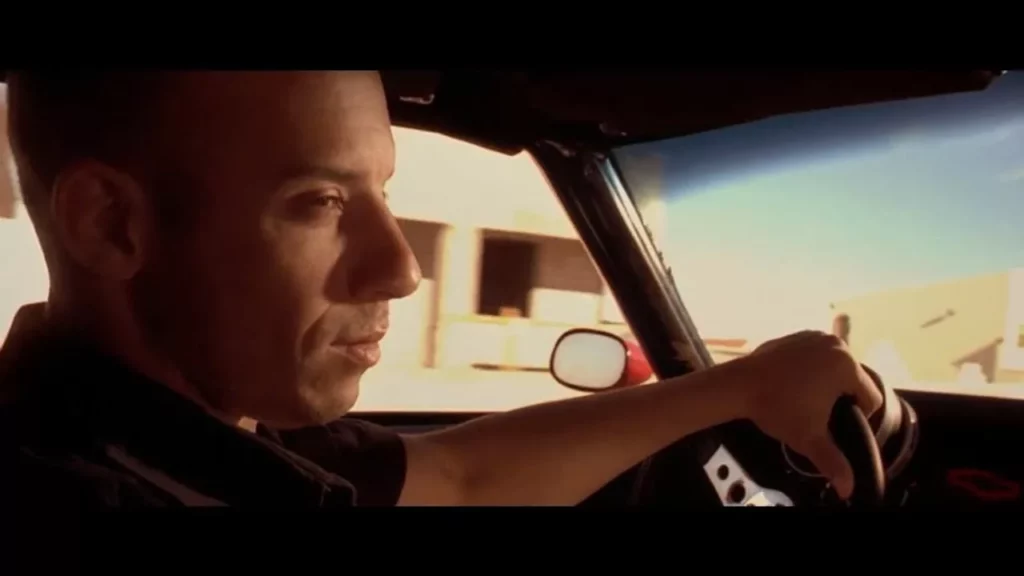
The number of installments in the gasoline-fueled saga tends towards infinity, which is why most casual viewers, who don't consider themselves fans of Dominic Toretto (for whom the laws of family are stronger than the laws of physics), can hardly say which part of the franchise is currently in theaters. Even fewer people know that post-credits scenes are far from a recent tradition for 'The Fast and the Furious.' Even in the first part of these long-running races against common sense, there is a post-credits scene. The viewer sees Dominic, driving his car through Mexico, hiding from the feds. Given that Vin Diesel's character does not appear in the second and third 'Fast & Furious' films, such a scene is the icing on the cake for hardcore fans.
Therapy for Men: A Sketch from the Creators of 'The Nice Guys'
The main comedic moments of the film 'The Nice Guys' are rooted in the disconnect between the forcibly united protagonists. The diametrically opposed characters – the brutal fixer and the soft loser – clashing repeatedly in various situations, entertained the audience while steadily moving towards a cooperative coexistence.
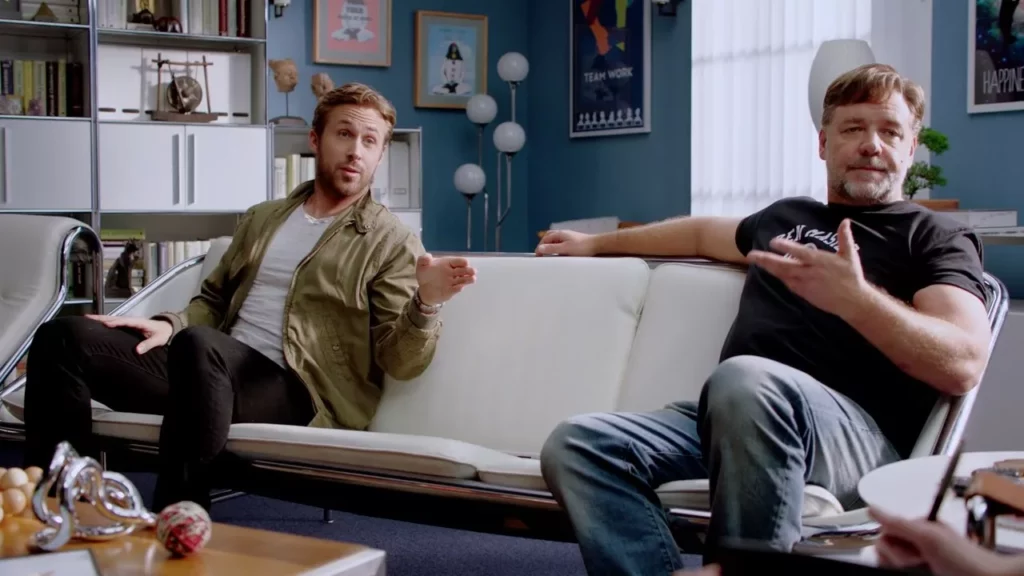
But, just like the characters on screen, the actors also need harmony, which a psychologist can help achieve. It is precisely about sessions of couples therapy that the video, released before the film's premiere, tells. Ryan Gosling and Russell Crowe are preparing for the film's release, and for this purpose, they turn to a psychologist for help in promoting it. Souvenirs with Gosling's image, Crowe venting his anger, the reflection of the perpetually tense actors, and, of course, a stream of jokes under the control of Melissa Rauch – all this can be found in the 9-minute video.
And Yet, the Mother: The Alternative Ending of 'How I Met Your Mother'
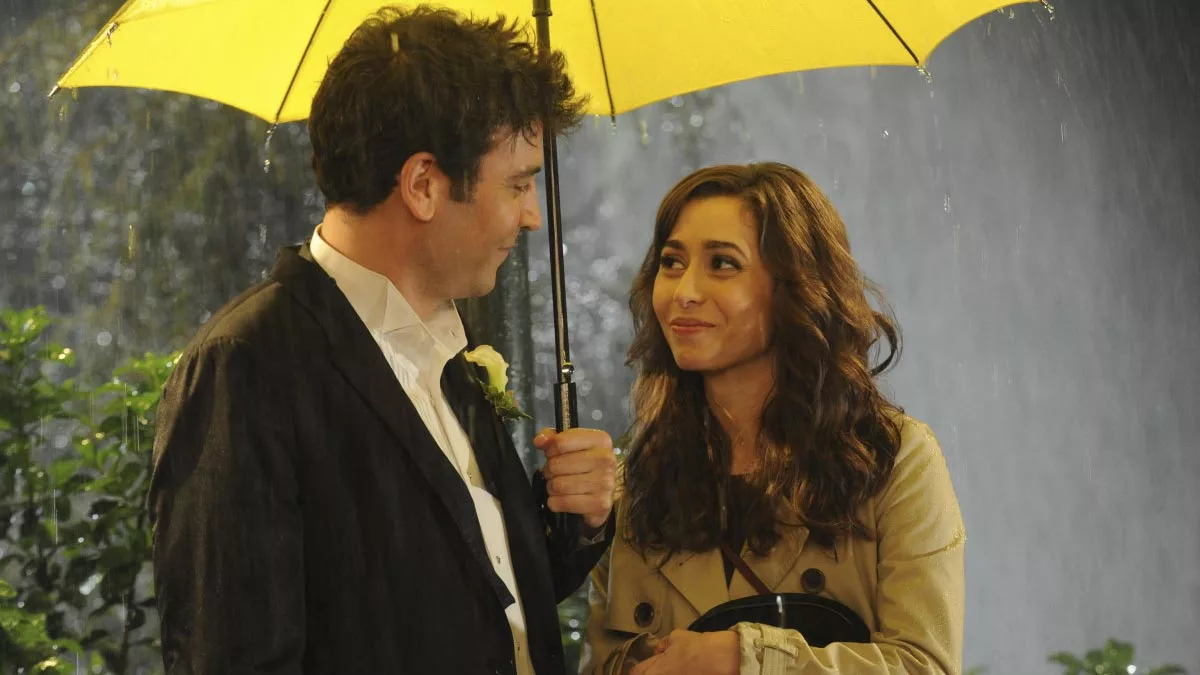
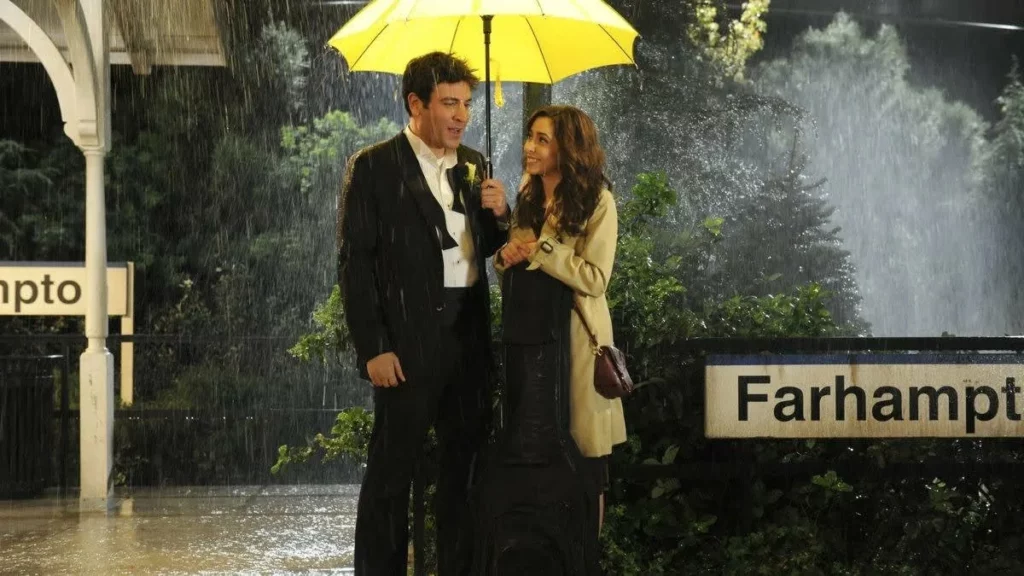
'How I Met Your Mother' is one of the most popular sitcoms of modern times, which ran for 9 seasons. All this time, Ted Mosby tells his children the detailed story of meeting their mother. And although Tracy (the mother's name) appears as a full-fledged character only in the last season, viewers fell in love with actress Cristin Milioti and her tandem with Josh Radnor just as much as the couple Robin and Barney, whose wedding the audience watched for an entire season.
Watched it for what? Exactly! To find out in the final episode that Robin and Barney divorced, Tracy died, and Ted was telling the story of 'how I loved Aunt Robin my whole life' to his children solely to get their blessing to rekindle a romantic relationship with her.
Naturally, this ending not only upset fans of the series but infuriated them. The outrage reached such proportions that the creators had to use an alternative ending for the DVD release, in which the mother is alive, and Barney and Robin's wedding was not in vain.
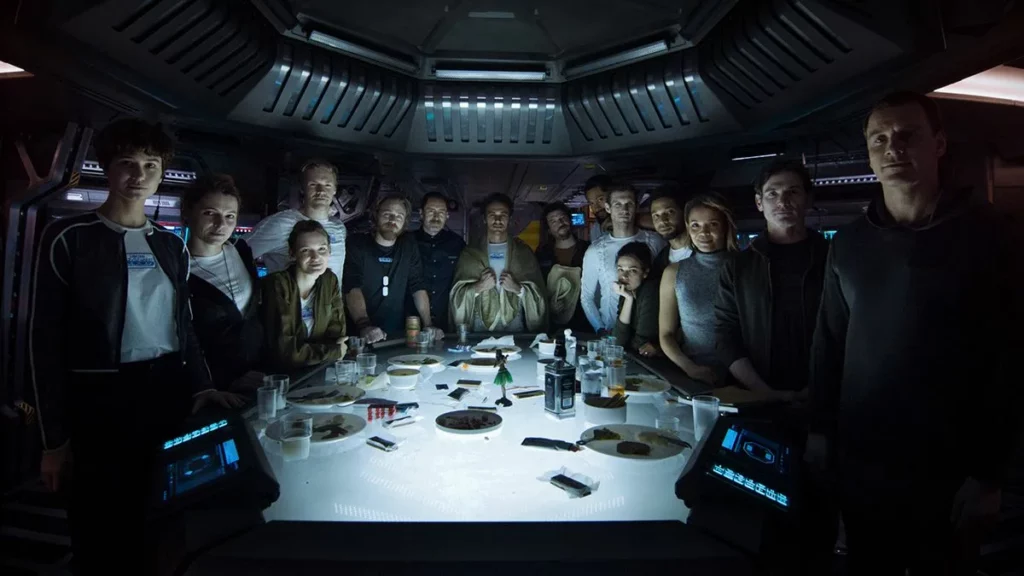
'Alien: Covenant' – A Religious Prologue to a Religious Film
Legends already circulate about the religious references in Ridley Scott's films. Sometimes there are so many that they not only push the plot into the background but even replace it. The most telling example is the short prequel to the film 'Alien: Covenant.' The title 'Prologue: The Last Supper' speaks for itself. Similar to Leonardo da Vinci's painting depicting the last meal shared by Jesus Christ with his disciples, the excerpt offers the viewer a chance to meet the crew and take one last look at all the characters on the ship before the events of the film begin – the 'alienation' from religion.
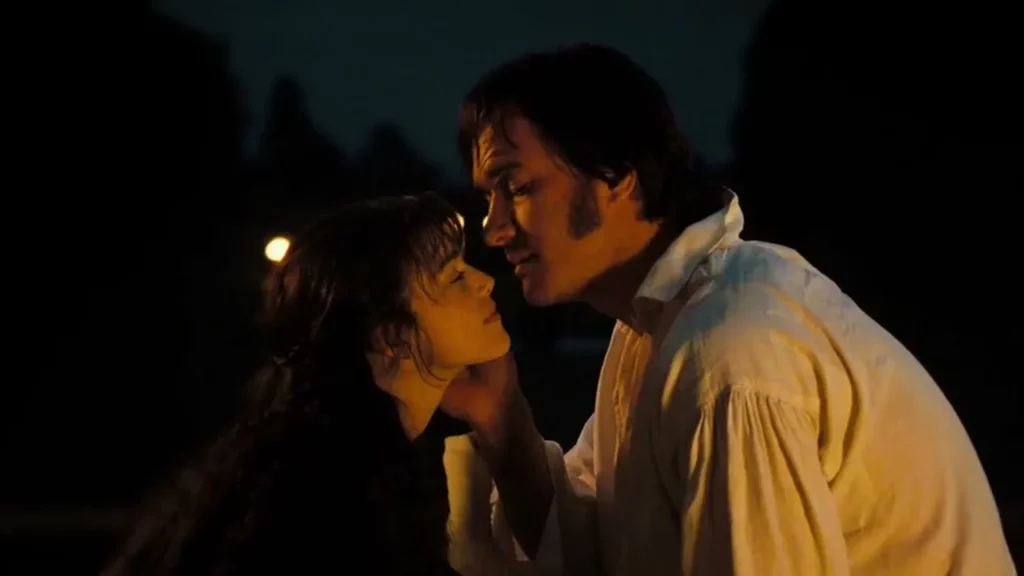
Under the Veil of Intimacy: The Long-Awaited Kiss for the Sentimental Audience of 'Pride & Prejudice'
The film version of the novel 'Pride and Prejudice' starring Keira Knightley and Matthew Macfadyen was loved by many. The chemistry between the characters is so good that many fans of the adaptation, contrary to the moral norms described by Jane Austen herself, longed to see something more intimate than a light touch of the lovers' hands not through a glove.
And for such sentimental viewers, in love with love, director Joe Wright created an incredibly tender ending, in which Mr. Darcy and Elizabeth enjoy each other's company in the silence of the night. But the conservative supporters of Austen's work were stronger, and so the passionate kiss of the main characters remained a separate scene, for the delight of tender fan hearts.
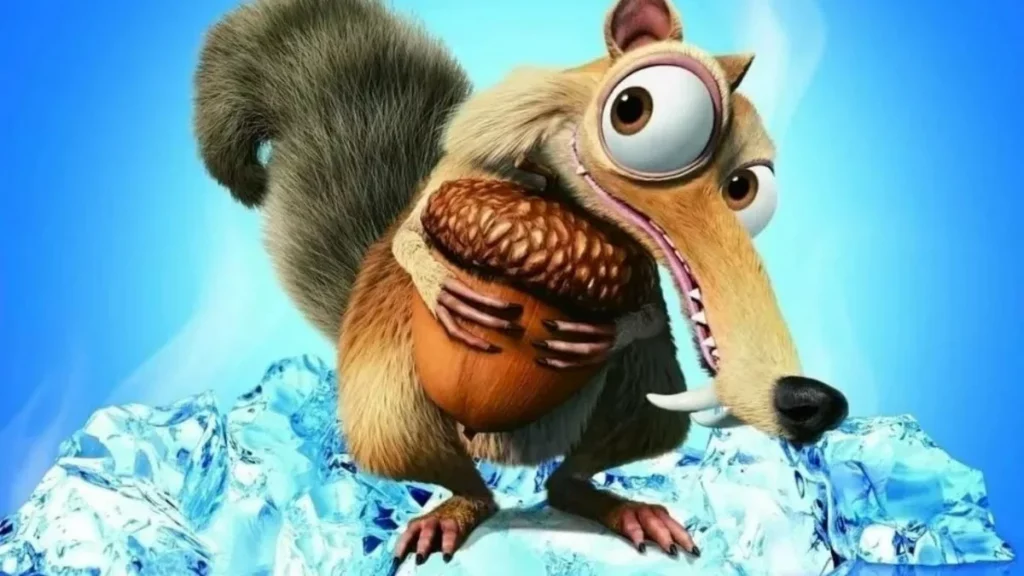
'Ice Age' – The Tale of the Coveted Acorn
In 2020, Blue Sky Studios was acquired by Disney, shutting down the projects of the once-successful animation team. And although the audience itself had already grown tired of the conveyor belt called 'Ice Age,' the iconic status of the early films is hard to deny, as is the endless love for certain characters.
So a group of Blue Sky artists came together to release, for the delight of fans, it – a small but so important video in which the squirrel Scrat finally eats the acorn! For a little over twenty years, this acorn was the catalyst for many events and disasters occurring in the franchise, and the squirrel's persistence could be cited as an example in motivational courses. The hour has come when Scrat's boundless attraction was no longer in vain. Both he and the viewer got their acorn!
Welcome to the Royal Wedding: The Short Sequel to 'Tangled'
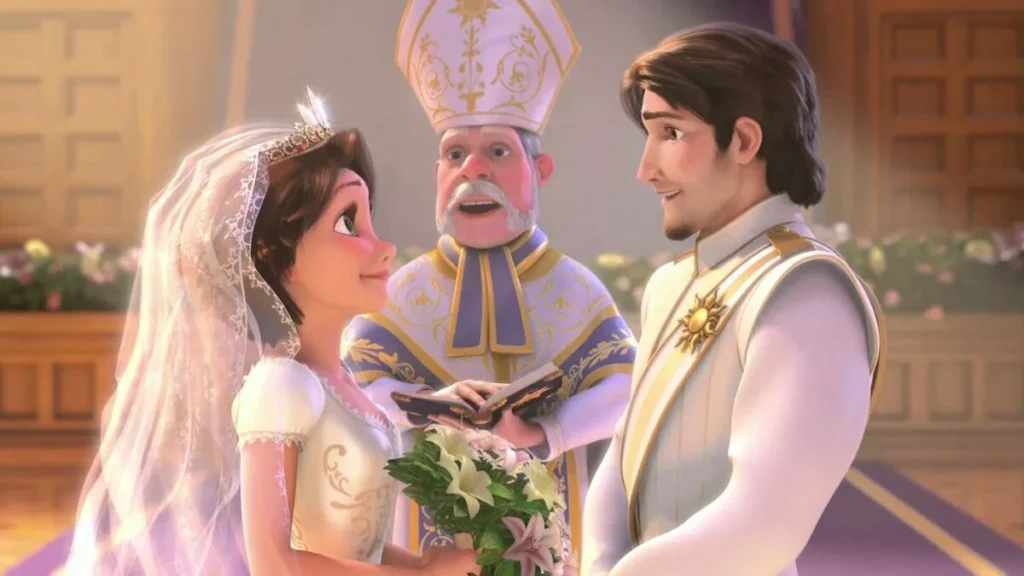
It is customary in fairy tales that the screen time devoted to revealing the problem and the lovers' thorny path into each other's arms always prevails over the 'happily ever after,' which is expressed on screen by no more than a kiss and a minute-long wedding.
But the creators of 'Tangled' did not deprive the viewer of the opportunity to peek behind the scenes of the celebration, by making the short film 'Tangled: Ever After' – a direct continuation of the story in which the horse Maximus and the chameleon Pascal lose the wedding rings. Although the story focuses on these characters, it still allows the viewer to see what other cartoons only let you glimpse, and to be a guest at the royal wedding of the beloved characters.
Let's Start Over, Igor, All Over...: The Alternate Worlds of 'Major Grom'
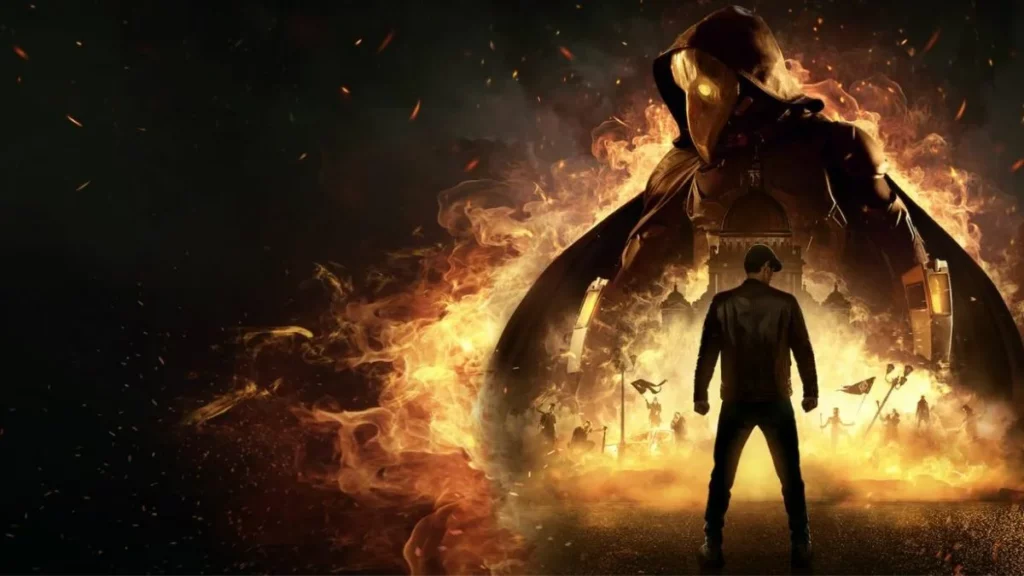
Back in 2017, directors Vladimir Besedin and Maxim Malinin created a five-minute video 'Paper Planes'. The events of the short film unfold in St. Petersburg, and the main antagonist of the film 'Major Grom: Plague Doctor' calls for releasing paper airplanes from windows as a demonstration of the desire to see changes in public consciousness. After the reboot by Bubble Studios, the original film was reworked (retaining some details and characters), and the teaser no longer has a direct connection to it, but will forever remain a catalyst for the story.
And that's not all! What about a whole half-hour film released in 2017, in which the role of Igor Grom is played by Alexander Gorbatov? Now serving as a kind of alternate dimension to the canonical universe, the film has a considerable number of views on YouTube – 12 million.
We've Seen This Before: From the Short Film '9' to the Feature Length
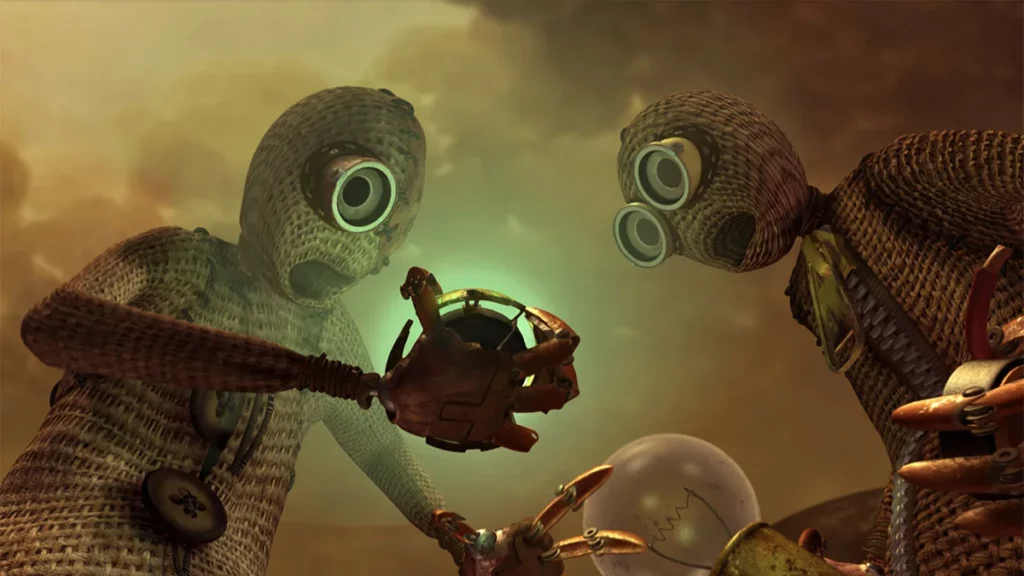
Let's go back 14 years and remember how on 09.09.2009, the animated film '9' was released worldwide. Created in the steampunk genre, Shane Acker's film not only captivated with its theme of an alternate universe in the first half of the 20th century and the image of its characters – rag dolls – but also frightened with the atmosphere of a post-apocalyptic world where a struggle for survival against machines is waged. The animated drama with a touch of Burtonesque style ran for less than an hour and a half and had at least two variations: the international and the Russian one.
But does everyone know that the film itself is an adaptation? More precisely, an expanded version of itself. After all, 4 years earlier, in 2005, Acker released the eponymous 11-minute short film, which had a bit less of Burton's spirit, a bit more of Švankmajer's style, was made at home, but fully conveys the essence of the expanded story already known to everyone. It is noteworthy that both versions of the film have numerous award nominations, reflecting the self-sufficiency of each despite their external similarity.
A Dark Puppet Bonus
And since Tim Burton is mentioned in the article, let's recall that the director's filmography also includes a cartoon that can be placed in the same line as the examples discussed above.
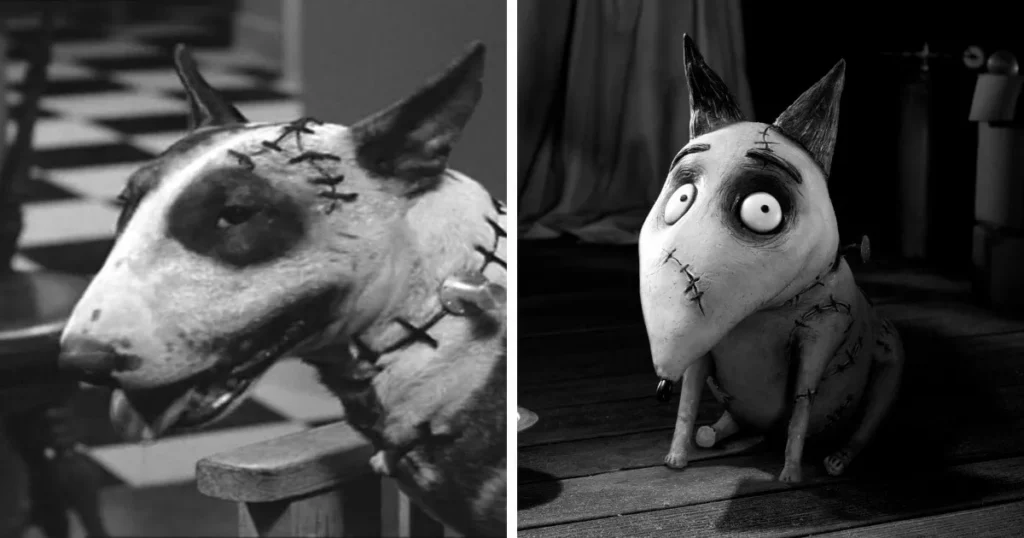
The 2012 film 'Frankenweenie' has its origins back in 1984, when Burton created the eponymous short film for Disney. At the time, the film, which is an interpretation of James Whale's 1931 'Frankenstein,' was rejected by the studio, which deemed the material too frightening for children, and the project was shelved until 1992, when it finally saw the light of day in an edited version. Only 20 years later did Burton release a remake on screens, creating it in his signature dark setting using stop-motion technology.
Comments
0No comments yet.
Sign in to join the discussion.