
The editorial team's favorite ghost movies – of consciousness, the past, old mansions, and new technologies.
The much-praised horror with a funny title, which has no demons but plenty of ghosts, is finishing its not-too-bloody but extremely profitable harvest at the box office, and it's about to be replaced by a classic aged 25 years and one of the scariest films in the world – 'Ring' (1998) by Hideo Nakata about the spirit of a girl and a cursed videotape. In other words, a 'Pulse' has suddenly become palpable in the ghostly Russian box office. And although the fashion for ghost horror movies never seems to have completely disappeared, vampires, zombies, and maniacs – more physical enemies, generally – have recently occupied filmmakers a bit more.
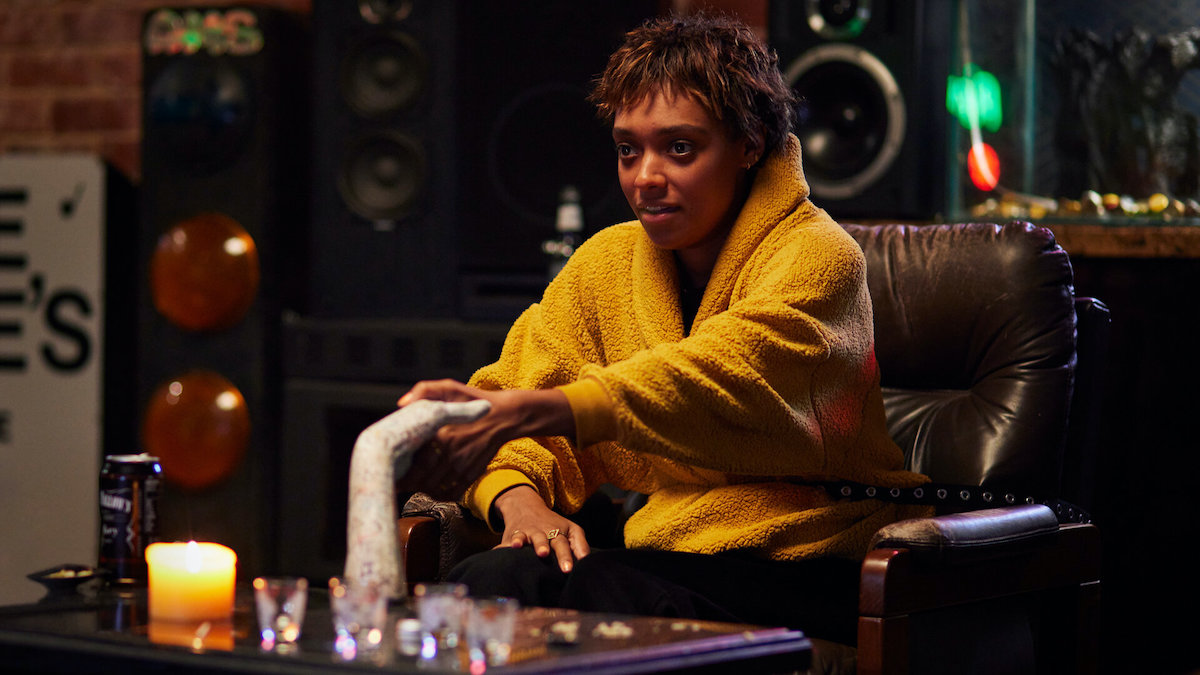
'Talk to Me' has been released, a moderately engaging genre statement about not disturbing the dead. About the popular horror that many (seemingly, not...
Open materialNow everyone is again fleeing from the scary present to the scary past, whose most obvious metaphor is precisely ghosts. And although there are plenty of them in theaters, there can never be too many ghost movies. Guided by this nerve-wracking principle, we've gathered our favorite films of the genre: new, classic, obscure. Without 'The Haunting of Hill House', but with 'The Innocents'. Without 'Ring' (1998), but with 'Pulse' (2001). And yet with 'The Ring' – but the American version by Verbinski.
'The Secret of Marrowbone' (2017)
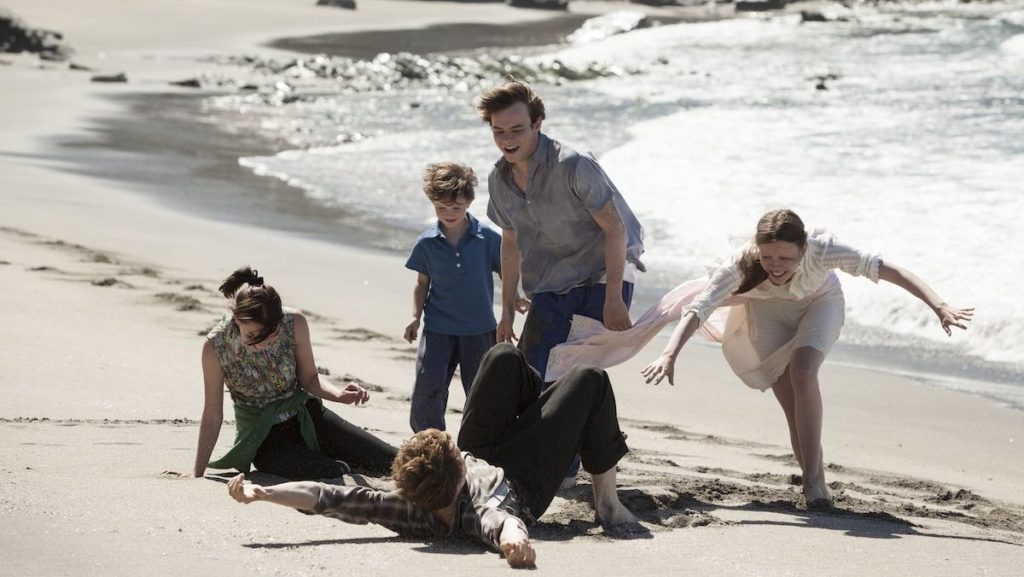
A woman with four children, three of whom are on the verge of adulthood, moves from Britain to America, to a secluded house by the ocean. The family bears the invisible mark of a terrible secret about events that happened before the move, which all family members prefer to keep silent about.
Soon the woman dies of a serious illness. The children decide not to tell anyone, so they won't be taken to an orphanage, and wait until the oldest – Jack (George MacKay) – turns 21. At the same time, frightening things begin to happen in the house, and the orphans have to drape mirrors and board up the attic door.
Spanish director Sergio Sánchez ('The Orphanage', 'The Impossible') successfully combined a psychodrama about a dysfunctional family and an effective horror film in 'The Secret of Marrowbone'. The director didn't offer anything fundamentally new: the same enclosed space, loud knocks, an invisible and scary 'something' deep in the dark attic, and a finale with two plot twists that rather baffle.
But in this, generally unpretentious story, one feels a confident mastery of the craft, where rare but precisely calibrated scary scenes once again make genre-savvy viewers afraid of their own closets.
'The Innkeepers' (2011)
If you work within indie horror, success lies in turning budget constraints to your advantage — relying less on special effects and expensive sets, and more on characters, story, and atmosphere.
Ti West understands this better than most, which made his film 'The House of the Devil' so effective. 'The Innkeepers' follows the same DNA, but in a more restrained and simultaneously ambitious execution.
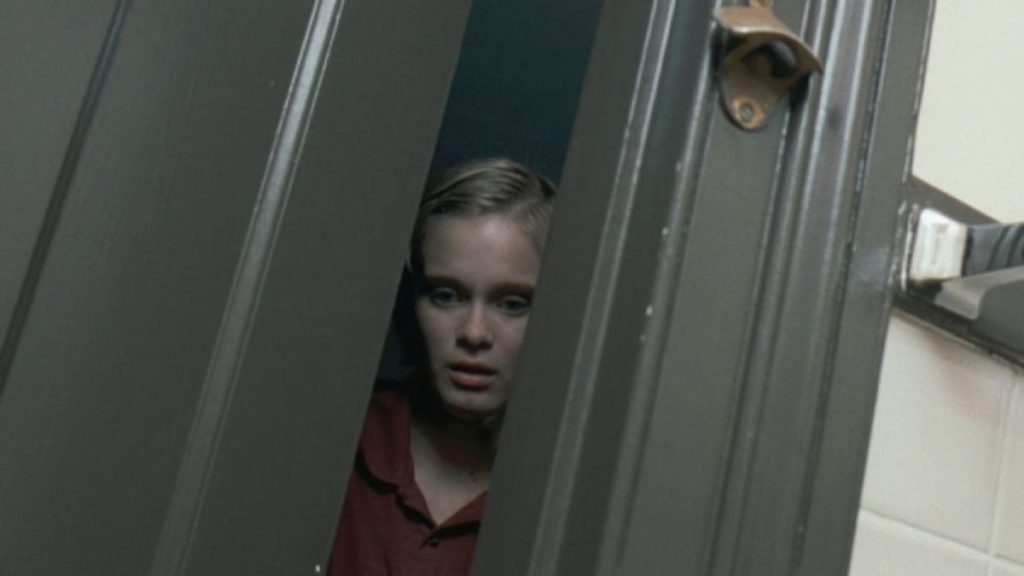
The film tells the story of unremarkable friends (Sara Paxton and Pat Healy) who work in an old, gloomy hotel and explore local paranormal phenomena at night. With a simple premise, West, at times acting like Quentin Tarantino, happily focuses on the characters during their ordinary conversations, creating a sense of easy camaraderie between longtime work colleagues.
Of course, eventually, the attraction everyone came for begins. The film turns into a classic ghost story with jump scares that work perfectly, precisely because the audience has had time to bond with the characters and their emotional state.
'The Sixth Sense' (1999)
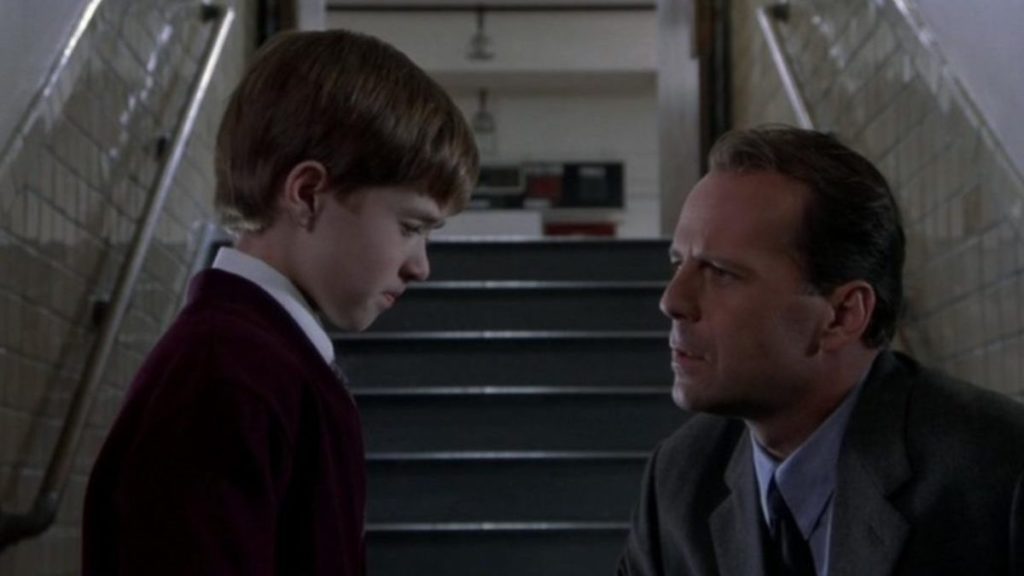
To bypass this classic would be a crime. It was 'The Sixth Sense' that launched the career of young director M. Night Shyamalan. And we can say whatever we want about 'The Village' or 'The Happening', but the beginning was not just promising, but bordering on genius.
There's suspense, excellent acting, and that twist that became both Shyamalan's trademark and curse. If you love the genre of mystical psychological thriller, you surely love 'The Sixth Sense'. And if you haven't seen it yet – get a move on!
'I Am the Pretty Thing That Lives in the House' (2016)
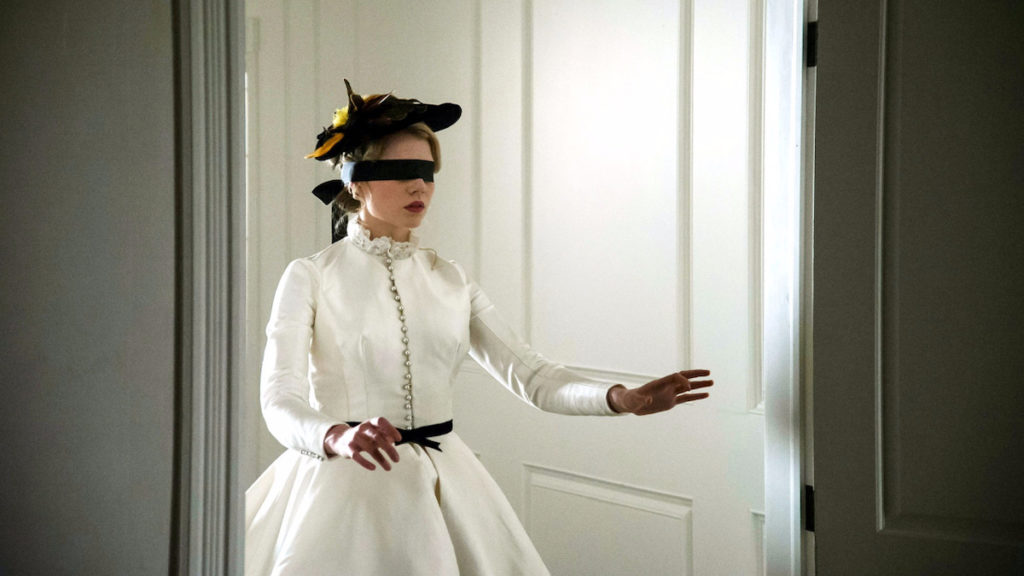
There is an opinion that art imitates reality, and in antiquity, the Greeks, for example, considered perfect those statues that imitated their objects best and most accurately. The Greeks would have rated Oz Perkins's direction highly: his ghost cinema itself most resembles a ghost — it is a fragile, elusive, seemingly transparent work that, it seems, would crumble if touched. And like any real ghost, this film needs the viewer not to scare them, but to share the loneliness. Together, of course, it's not more fun, but in a certain sense, more pleasant.
A lonely girl takes a job as a caregiver for a lonely elderly novelist who has been writing horrors for so long that they seem to have taken on a life of their own. Her house also lives its own life – the TV glitches, books fall, chairs stick to the ceiling – but the main character can't seem to live her own. The plot doesn't move forward, and for an hour and a half we wait for the inevitable: some for death, some for the credits, some for something to finally become clear. If you judge by the rating on Kinopoisk, then the latter definitely didn't get what they wanted, but since looking at soulless numbers is the last thing to do, we note that for the 'right' viewer, this film is a feast for the heart. A heart, of course, pre-infarction and broken, but big.
'Grave Encounters' (2011)
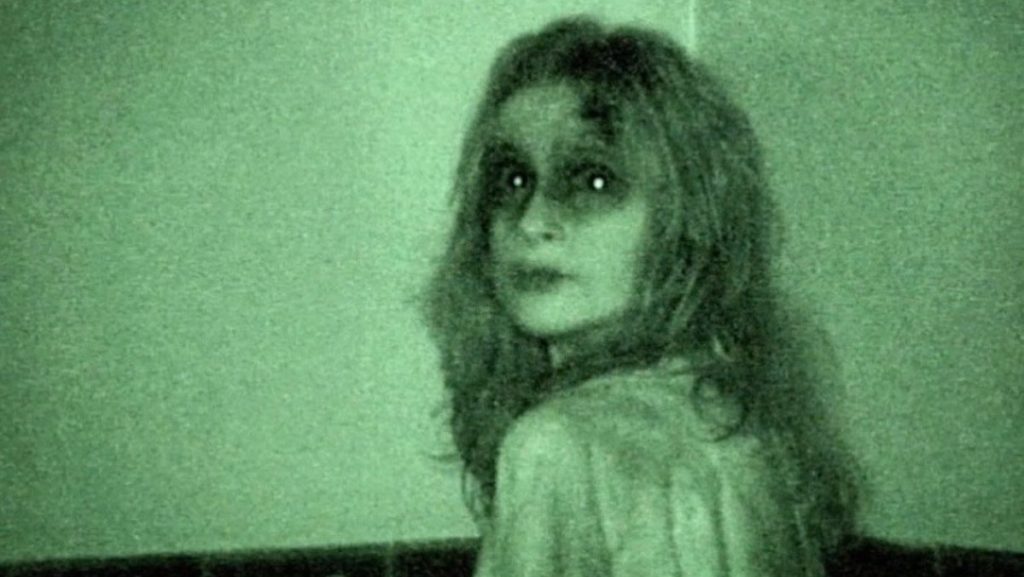
The found-footage genre — also known as mockumentary, pseudo-documentary filming with all sorts of gadgets: from smartphones to surveillance cameras — is quite specific. It has many limitations, but also a wealth of possibilities. The latter thesis is perfectly illustrated by the film 'Grave Encounters', which is both scary (no worse than the cult 'Blair Witch Project') and amusing.
This horror is a talented parody of the once popular (maybe still now) ghost-hunting shows (in the West, an example would be Ghost Adventures; in Russia, YouTube videos by Dima Maslennikov). According to the plot, a group of outright charlatans actually ends up in a sinister place densely populated with ghosts. There's running around with a shaky camera, and more creative episodes with equally creative ghosts. In short, a real horror attraction for fans of the genre. But it's better to avoid the sequel, which lost all the inspiration and originality of the original.
'Run Rabbit Run' (2023)
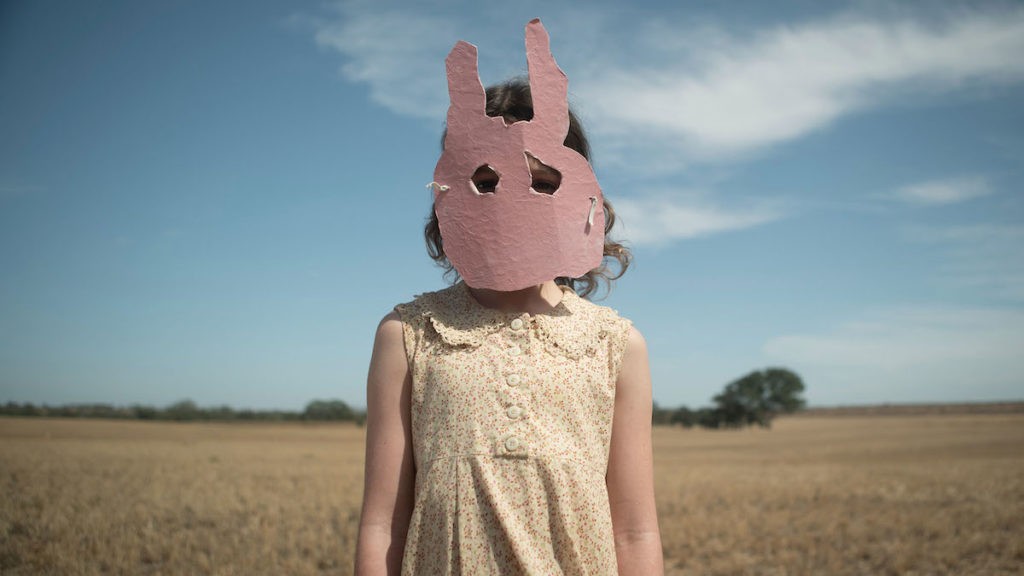
One day, a rabbit appears out of nowhere in the house of Sarah, who is grieving her father's death and her mother's illness. From that moment on, only the rabbit will be white, and the streak in the heroine's life will not just turn black, but will literally begin to suck the woman's mind into the darkest depths. In addition, her seven-year-old daughter Mia starts calling herself Alice, the name of Sarah's deceased sister, and behaves extremely frighteningly.
Throughout the entire film, there is not a single jumpscare or other classic horror movie technique, but the atmosphere builds up completely in the spirit of Hitchcock. It resembles a slow madness that takes over Sarah, accompanied by dark but incredibly beautiful landscapes.
In fact, we are witnessing the heroine's strongest traumas, which she buried in her childhood but which refuse to be buried alive. This is an interesting allegory of unprocessed feelings that people hide deeper and deeper, pretending they don't exist. This is exactly how children react, who have not yet learned to live through their fears and other unpleasant emotions. This is a special film; it will resonate with few, but for those it does, it will probably help them better understand their own experiences.
'The Babadook' (2014)
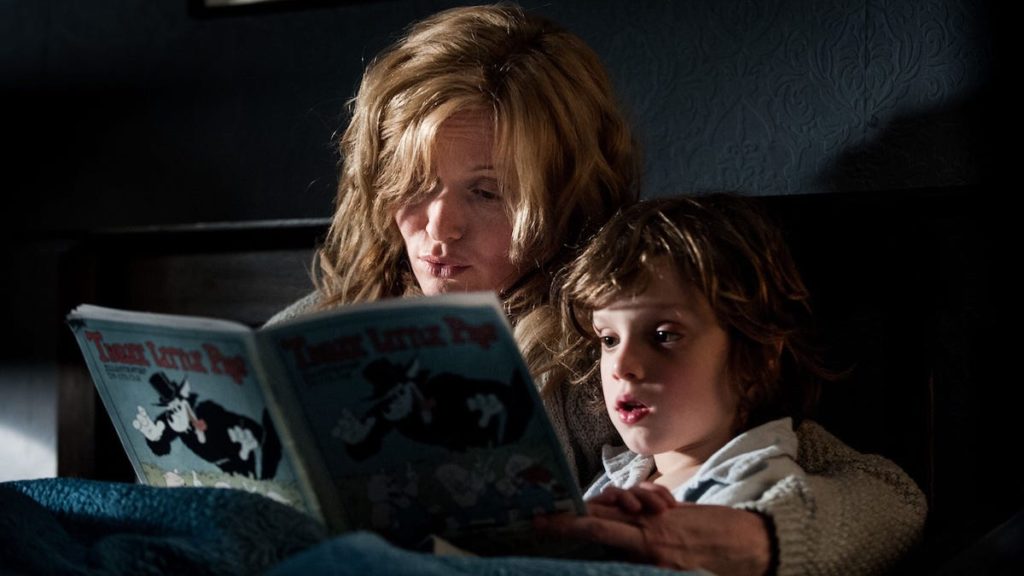
The scariest horrors often frighten precisely when they play on the most hidden human fears. That's exactly what 'The Babadook' does, telling a story of grief and the fear of going mad through the archetype of an aggressive ghost. Australian director Jennifer Kent masterfully pulled off this trick. Although the role of Essie Davis's magnificent acting in the film's success should not be discounted either.
'The Babadook' grabs the viewer by slowly building up the atmosphere, rather than using cheap jump scares left and right. The tension and sense of hopelessness will stay with you throughout the entire hour and a half runtime.
I also want to separately highlight the designers of the book about Mr. Babadook (an important artifact for the plot). The illustrations there are my respect.
'The Black Phone' (2021)
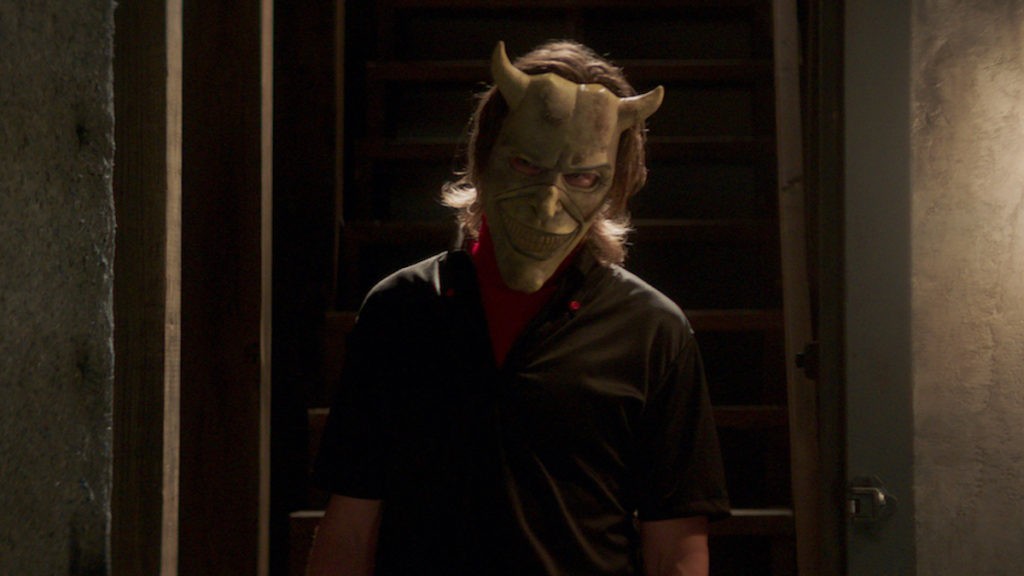
13-year-old Finney (Mason Thames) falls into the clutches of a dangerous maniac nicknamed The Grabber (Ethan Hawke). There is almost no hope of rescue, but in the concrete basement where The Grabber locks him, Finney finds an old, long-broken phone. At some point, the device starts ringing insistently – it's The Grabber's previous victims trying to contact Finney and save the boy, telling him about their mistakes in planning their escape.
'The Black Phone' is a familiar story about teenagers in a small town, grainy 70s, an infernal stranger in a scary mask, and balloons (this time black). The plot, on which the film by director Scott Derrickson ('The Exorcism of Emily Rose') is based, is built on a story by Joe Hill, who, either out of modesty or to avoid inevitable comparisons, did not take the surname of his famous father, Stephen King.
So it's no surprise that 'The Black Phone' is essentially 'It' in profile, and it works just as amazingly reliably. A coherent story with an excellent finale, like in the best novels of King Sr., Derrickson's precisely dosed direction, a refined villain played by Hawke, metaphors naively scattered here and there, and a viscous atmosphere of horror rightfully earn it the title of another hit from Blumhouse Studios.
'Pulse' (2001)
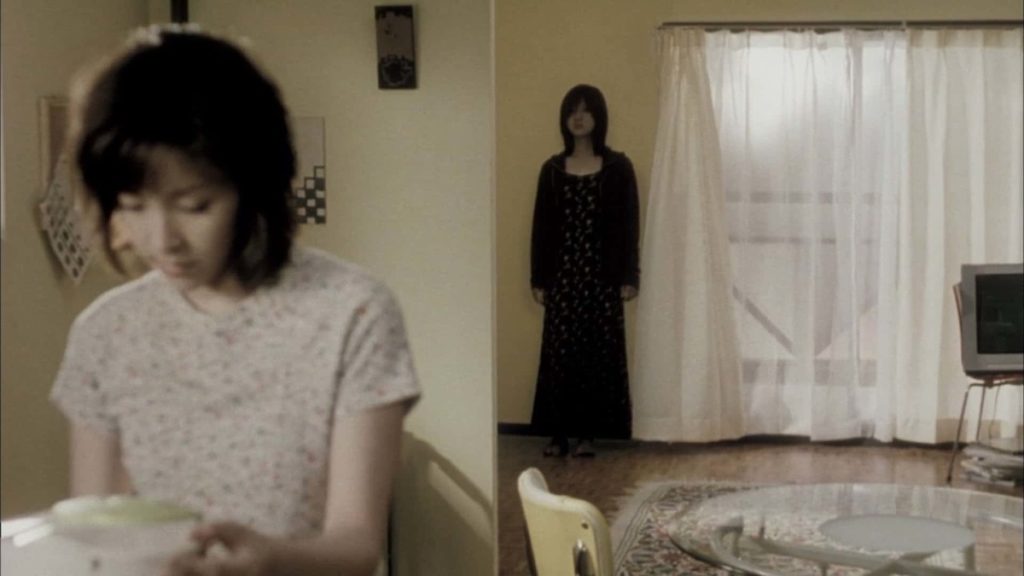
A sad film, not so much a horror as a meditation on fear: fear of loneliness; that everyone will disappear; that computers will lead to no good; that after death everything will be the same as in life. Kiyoshi Kurosawa understands life in his own way — completely different from his famous namesake, for example.
This somewhat plotless film with an interesting premise (the ghost world ran out of space, and they began to infiltrate computers) is composed of standalone melancholic scenes; each has no more than two or three people, and by the end, no more than one. The main thing here is the tragedy of the living, who have lost each other and the meaning of existence, and the same tragedy of the ghosts, which the sad characters become in turn, simply dissolving into the walls.
Not as popular as 'Ring', although no less masterfully made, 'Pulse' also has a lot to say about modern technology, loneliness in the big city, and perhaps that the most viscous horror lies in everyday life.
'The Ring' (2002)
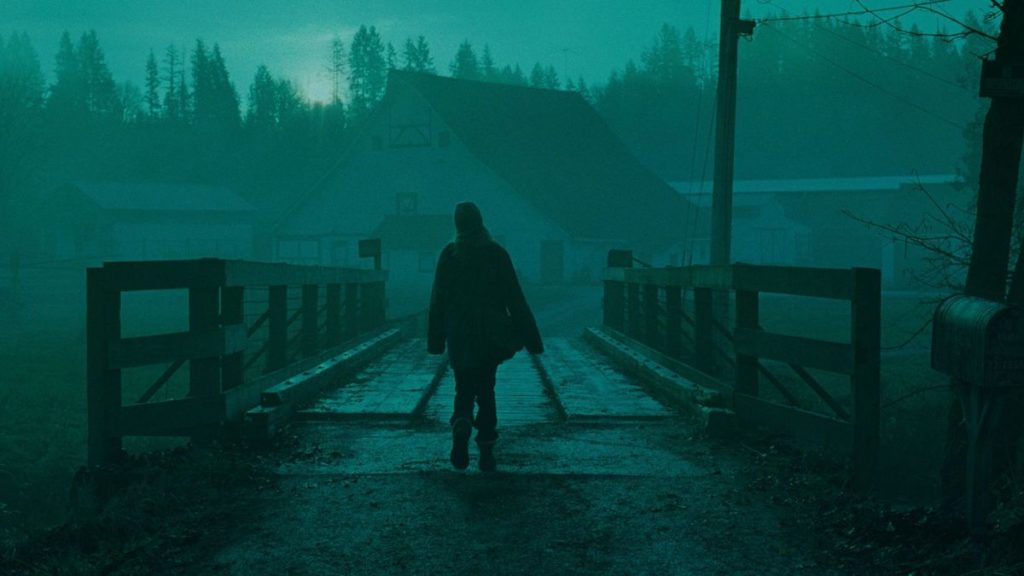
Since the early 2000s, Gore Verbinski's film has become a classic of the genre and truly frightened horror fans who were quite tired of masked maniacs with sharp objects in their hands.
Verbinski's minimalist, unsettling, straightforward masterpiece with a cursed videotape passed from hand to hand turned into a pop culture phenomenon, still flickering in the endless stream of director followers and parody films.
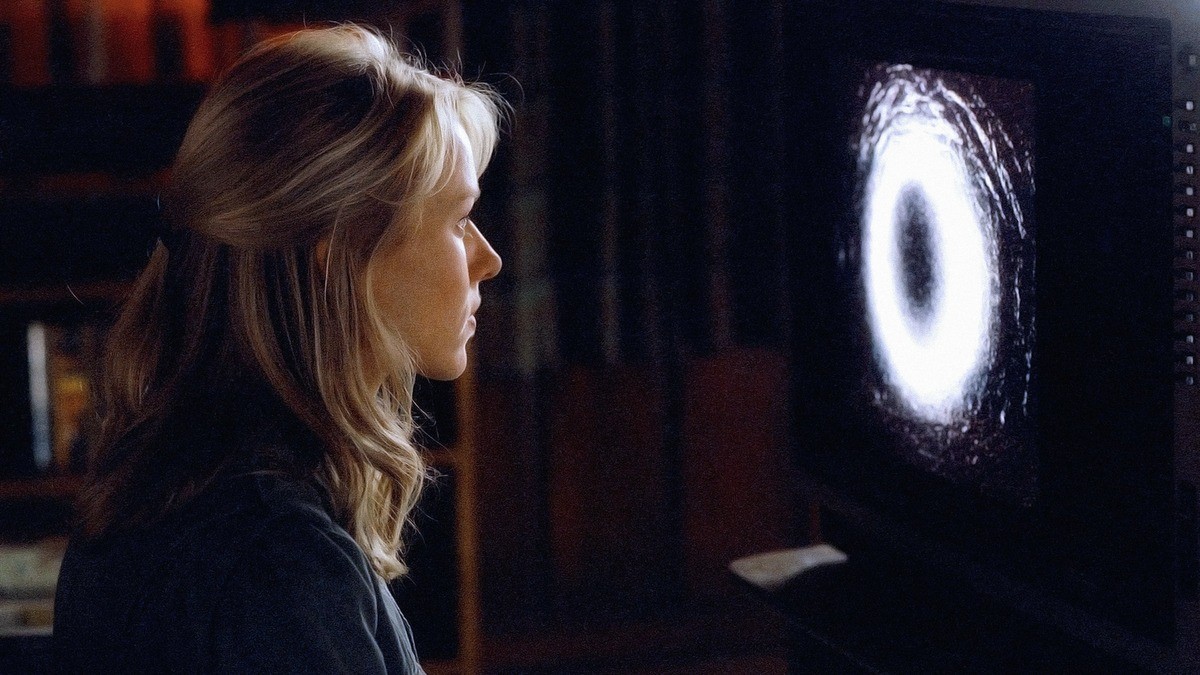
'The Ring' is a visual and auditory feast, cinema of a restless mind, a strange fairy tale with an unhappy ending, where evil is doomed to forever go in circles, dragging another victim along, and Naomi Watts' character is not a savior at all, but just another heroine of inexhaustible urban legends told under the covers.
Not everyone will want to check these stories, of course. And if you do decide, it's better to finish all your business within seven days.
'The Innocents' (1961)
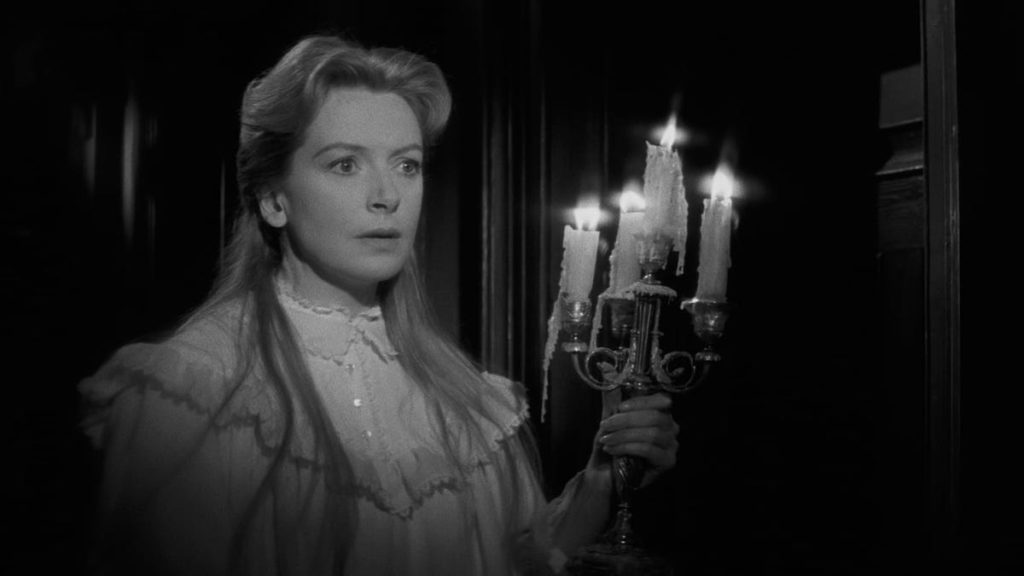
A girl raised in the spirit of traditional values takes a job as a nanny for orphaned brother and sister, heirs to large fortunes that no one cares about. She loves children, and it seems impossible not to love these particular ones: smart and cheerful little Flora, perceptive Miles – they charm the young nanny, but then they start to seriously frighten her. Miles's perceptiveness reveals licentiousness; Flora sees more than she says; and the experienced housekeeper who looked after the children suspects something.
'The Innocents' was shot in the rare-for-its-time Cinemascope format. It is a widescreen film, and not limited by the frame of the academic ratio, it includes many things, views, shadows on the walls that seem superfluous not only on the screen of the late fifties, but also in our world. And the ghosts here – mysterious, lonely beings – their existence remains in question.
It's completely unclear, in general, whether it was about ghosts, or whether the priest's daughter simply cannot accept the fact that children are not always kind, and sometimes even evil. 'The Innocents' in this sense goes even somewhat further than its great contemporaries – 'The Haunting' (1963) and 'House on Haunted Hill' (1959), which also have a lot of Freud, but fewer thoughts. This film, mixing psychoanalysis, gothic, and philosophy in non-obvious but surprisingly well-chosen proportions, is a great classic and one of the best horrors in the world.
Comments
0No comments yet.
Sign in to join the discussion.