
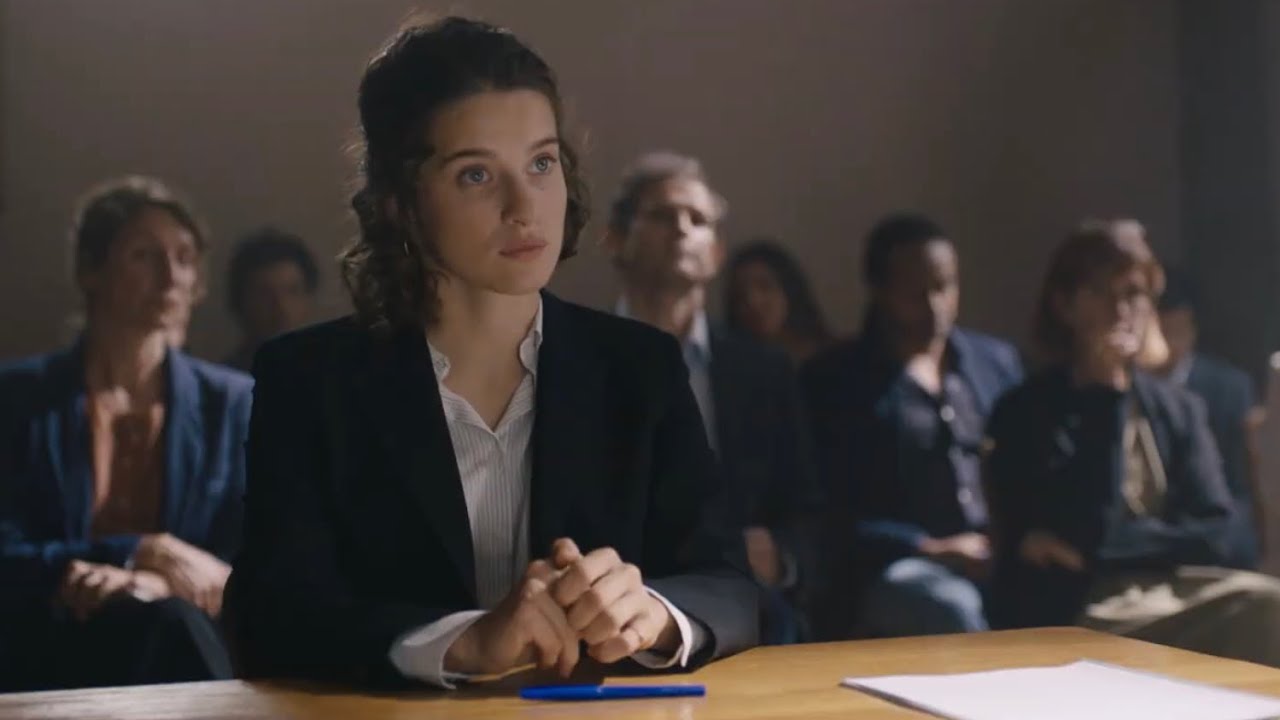
'The Perfect Lie' – a fine example of a thriller or something more?
On August 10, the film Sylvain Desclous' 'The Perfect Lie' (original title: 'Big Hopes') will be released in Russian theaters, starring modern French cinema stars Rebecca Marder ('My Crime', 'Extramarital Affairs') and Benjamin Lavernhe ('Jeanne du Barry', 'The French Dispatch', 'The Swapper').
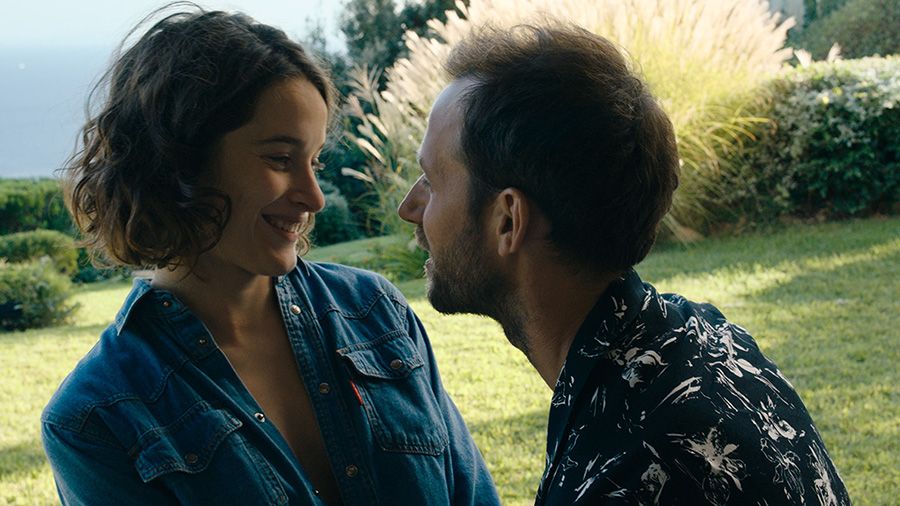
This is a decoy film in the most elegant sense: for a long time, you will think you are watching a classic thriller with a political twist, but the ending will remind you that you are watching French cinema.
This plot twist alone is worth watching 'The Perfect Lie', but it is not the only reason.
What is the film about?
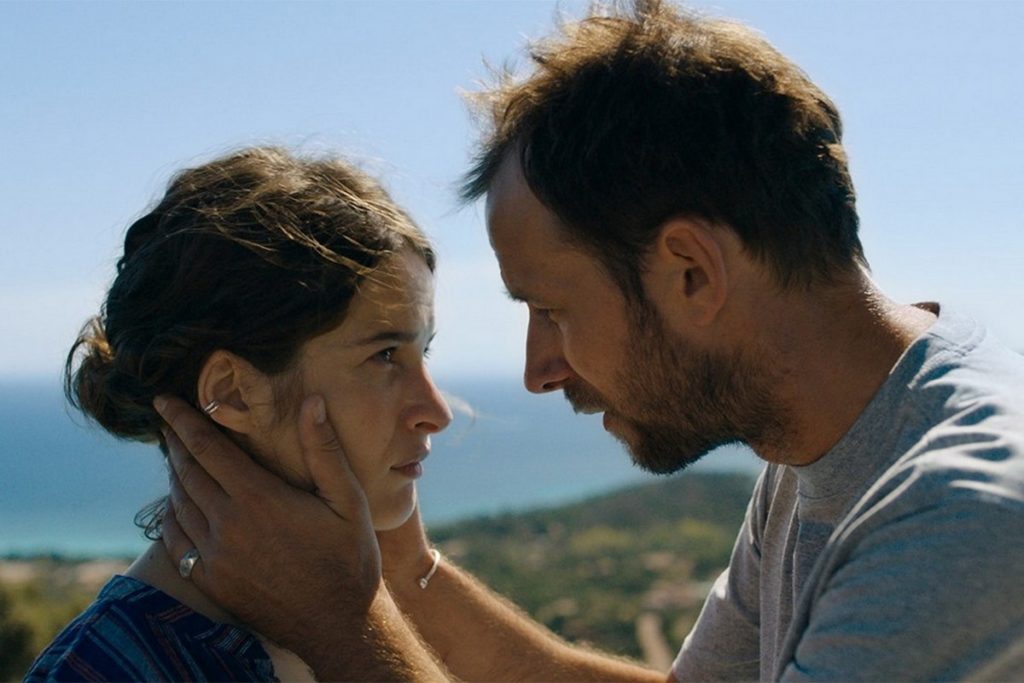
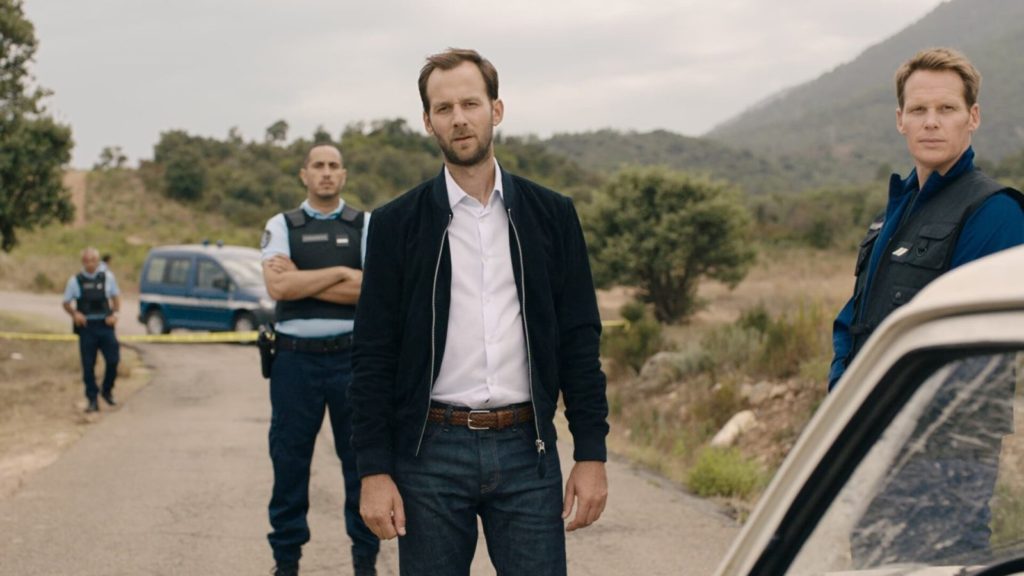
Young and ambitious Madeleine (Rebecca Marder) and her infantile, romantic boyfriend Antoine (Benjamin Lavernhe) get into a verbal altercation with a simple farmer on the island of Corsica, which ends with the heroine killing the latter. However, since the couple in love have promising political careers ahead of them, they decide to cover up their involvement in the incident and leave the crime scene.
It sounds like a POV for 'House of Cards' or 'True Detective', but director Sylvain Desclous develops the story in a French way. After parting ways under the stress of killing a man, Madeleine and Antoine take different career paths: she sticks to her past goals and dreams, while he chooses the easier path. However, the spoiled Antoine cannot come to terms with Madeleine's success, so he decides to turn his former lover in to the police.
Why watch it?
The film's structure is classic. Up until the denouement, you can literally plot it on diagrams from Linda Seger's books, and one almost wants to scold the film for its pedantic perfection (something you rarely expect from French directors).
This feeling is reinforced by the simple, even ascetic cinematography of Julien Hirsch ('Ten Minutes Older: The Cello') and, at times, student-level visual techniques (the image of the murdered farmer haunting the heroine, a wet stain on Madeleine's T-shirt that mirrors the chest wound, etc.).
However, everything is redeemed by the well-written and excellently acted main characters.
Madeleine
Madeleine, played by Rebecca Marder, turned out to be an ambiguous anti-heroine: smart, cunning, determined, passionate.
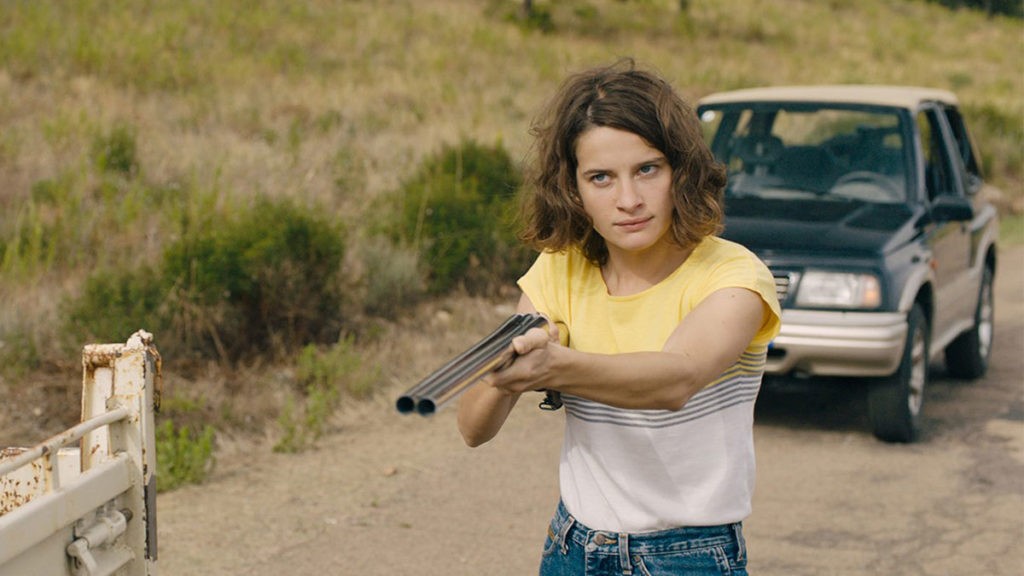
It's very valuable when an author doesn't serve the viewer the entire backstory of a character on a silver platter to crudely explain all actions, but skillfully hints, without cluttering the air with unnecessary details.
Madeleine is just such a character. A girl from the provinces, slightly ashamed of her origins, wants a better life for herself and people of the same social class. She is ready to play a dirty game for this, but empathy and humanity are not foreign to her.
Antoine
Benjamin Lavernhe manages to impress. Even though Antoine in the script came off as a slightly caricatured rich brat, in the film he is played with surprising love and talent. In him, you clearly see that ex-boyfriend of your best friend – a terrible toxic person to whom she keeps returning for some reason (spoiler: Madeleine is not that friend of yours)
Desclous also manages to touch on the conflict of fathers and children. No, he won't reveal anything new, but he will perfectly show the similarity of two social worlds – no matter how much we want separation, feeling in danger, we go to our father's house. The main characters do the same.
What about the visuals?
Despite characterizing Hirsch's work as ascetic, that does not mean it is bad. The film is very beautiful and pleasing to the eye. Even composition and smooth dolly shots, well-developed lighting, especially in night scenes.
Moreover, the visual solution develops in parallel with the plot, which, honestly, you don't expect from such a film. Not only the color palette changes, but also the camera angles and shot types. Of course, we won't see 'Mr. Robot', but the picture will be pleasing.
What about social issues?
Everything is good here. The film, in a Godardian style, does not forget where it comes from, so one of the main ideas is, of course, social.
Personally, as a viewer, I appreciate the way 'The Perfect Lie' demonstrates the current problems of its country. Contrary to the familiar auteur French cinema, Madeleine does not snobbishly and thoughtfully observe what is happening in the country (which, by the way, Antoine does), nor does she recklessly rush to the proverbial barricades of the established regime.
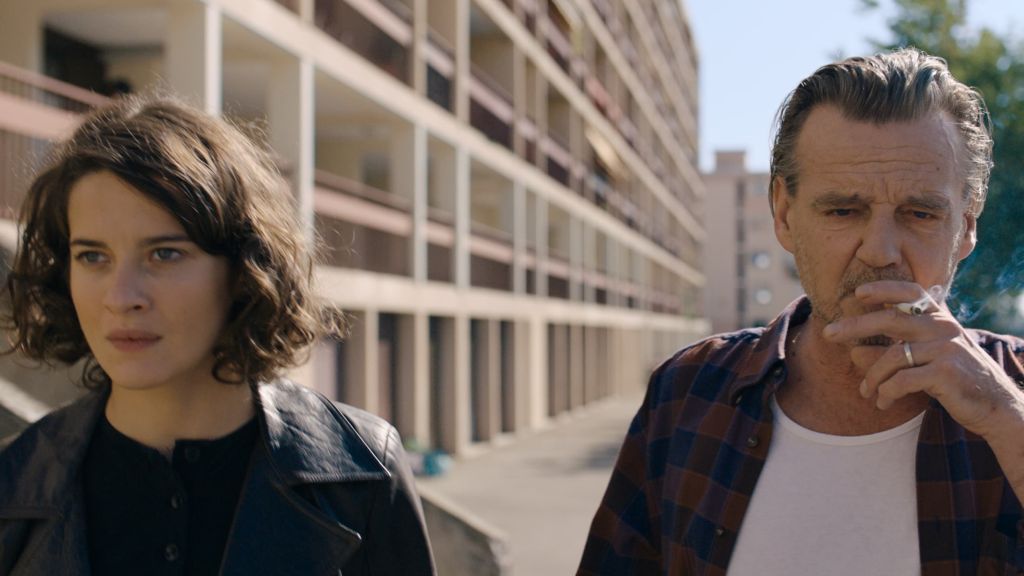
She is not a caricature, although the character, due to her age, is not devoid of maximalism and naivety. And you believe her, and completely forgive her for that very perfect lie.
Verdict
'The Perfect Lie' is a good summer thriller. It will not let you get bored, and will be an excellent alternative to overly dynamic and bright blockbusters. It is a smart story, with homages to cinema legends (Bergman's 'Persona' alone is worth it!), pleasant visuals, and topicality of the themes addressed. At the same time, the film does not delve into deep symbolism and allegories, making it an easy companion for an evening.
However, do not expect anything outstanding from Desclous' film. Despite the fact that 'The Perfect Lie' was the box office leader in France last year, this is not a research film, and even within its genre, it is unlikely to reveal anything new for a seasoned cinephile.
Trailer:
Comments
0No comments yet.
Sign in to join the discussion.