
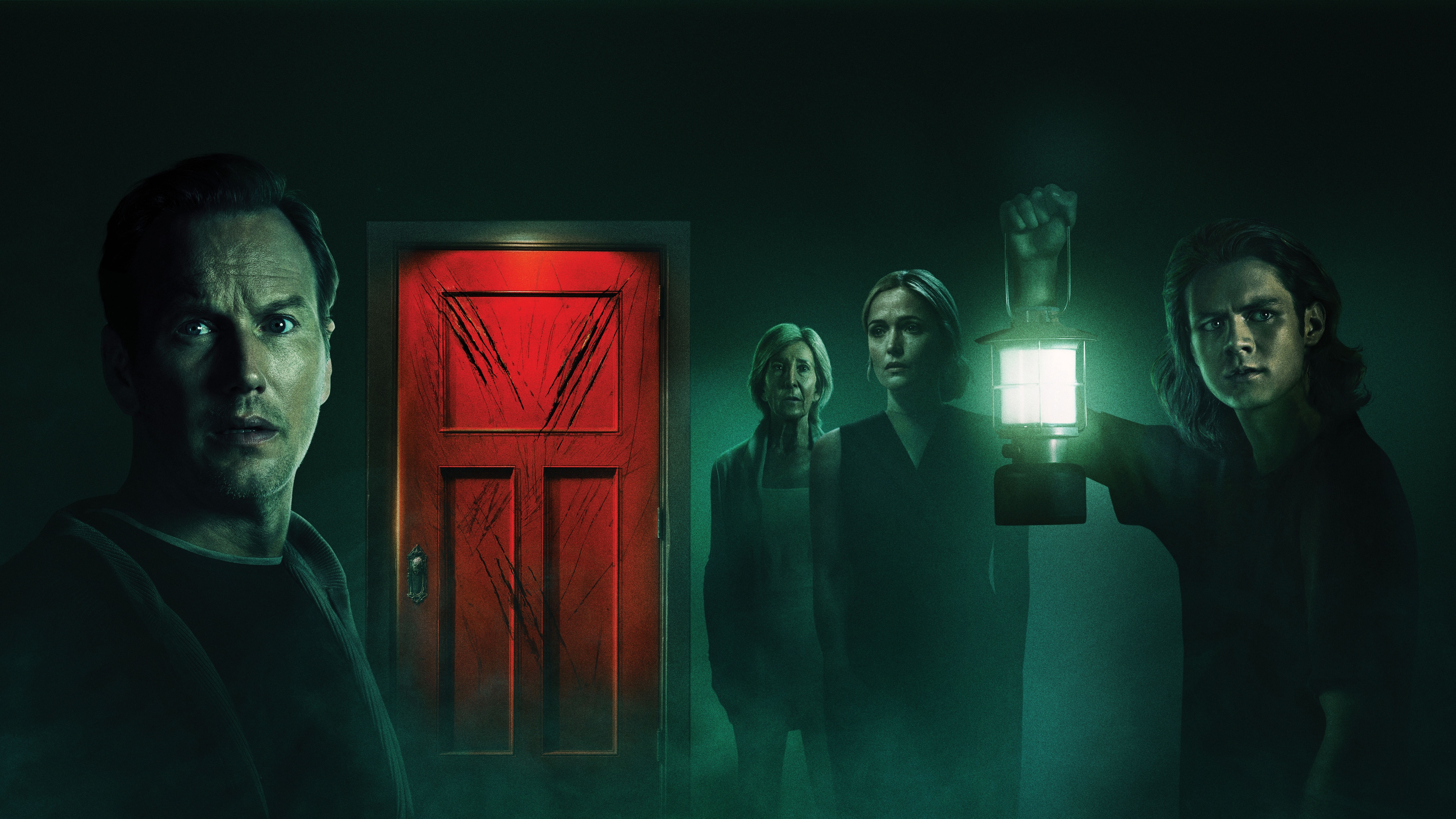
With the arrival of the last month of summer, the digital premiere of the horror film 'Insidious: The Red Door' took place. Patrick Wilson took matters into his own hands to, somehow, close the gestalts and put an end to the franchise. At least in it...
This year marks the 13th anniversary of the first 'Insidious' film, and the number thirteen is symbolic for horror (though not always lucky). The story created by James Wan and Leigh Whannell experienced ups and downs but left a couple of unresolved questions. So the 'king of scream' Patrick Wilson personally directed the fifth installment with the subtitle 'The Red Door', hoping to close it (with 'The Last Key') along with the gestalts left 10 years ago. Did it work? We'll tell you now.
What's the plot?
At the end of the second 'Insidious', psychic Carl (Steve Coulter) made Josh (Patrick Wilson) and Dalton (Ty Simpkins) forget the terrifying events that happened to their family, including the dreadful otherworldly place called The Further. Nine years later, the Lambert family stands in full at Lorraine's (Barbara Hershey) funeral, where Dalton (now grown-up Simpkins) reads the last service for his grandmother. It turns out that over this time, Josh and Renai (Rose Byrne) have divorced and barely speak, while Dalton has taken up drawing and has already enrolled in college, which he is about to leave for. Renai suggests her ex-husband drive their son to school and talk to him, but the trip doesn't help the heroes mend their relationship—quite the opposite.
After quarreling with his son, the father leaves, and Dalton starts attending classes where a teacher forces young creators to delve into their subconscious and paint a picture reflecting their dark side. Needless to say, this won't end well? Lambert draws a door on paper, thereby opening a portal to The Further, releasing an old acquaintance—the Red-Faced Demon (Joseph Bishara). Now Dalton and Josh, who is trying to understand the reason for his memory lapses, will have to dig into their past to restore blocked memories and deal with otherworldly problems once and for all.
I'll show you only one door; where to go next, you'll figure out yourself
After the release of the second 'Insidious', James Wan left to direct blockbusters, limiting his involvement in the franchise to producing, and the focus of the sequels/prequels shifted from the Lambert family to demonologist Elise Rainier (Lin Shaye), but as a protagonist she turned out not very interesting (nevertheless, she carried two parts), so the franchise went on hiatus in 2018. Blumhouse Studios worked on further options, including even an idea for a crossover with 'Sinister' (it would probably have turned out terrible, but I would have watched it anyway). Eventually, they decided to give the director's chair for the fifth film to Patrick Wilson, star of the first two parts, and Scott Teems was brought in for the script.
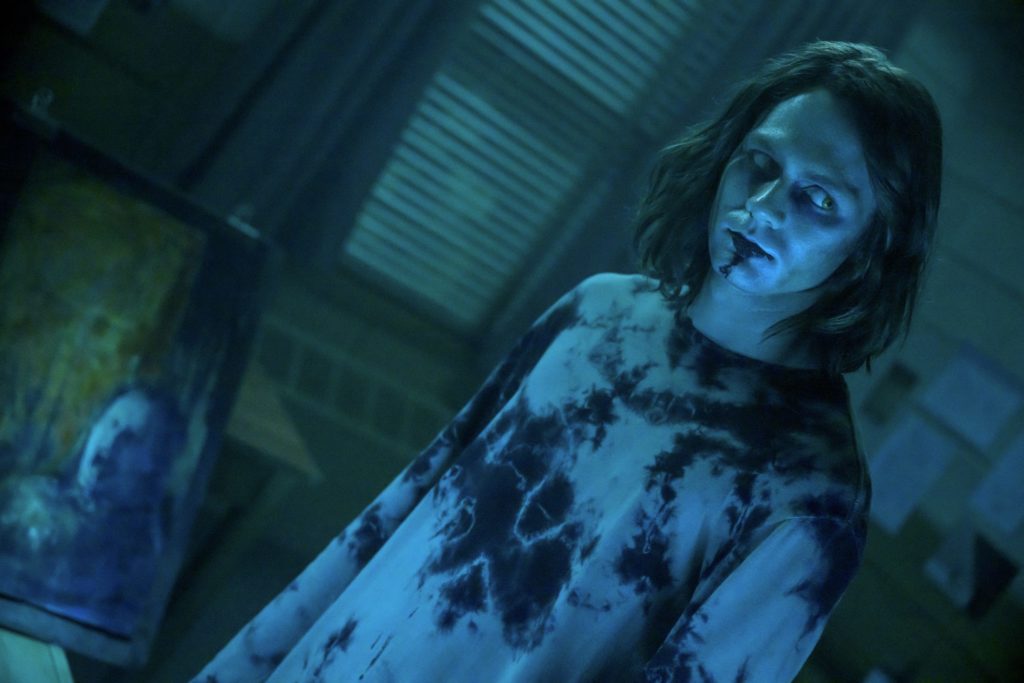
Through the efforts of the creators, 'The Red Door' gathered all the 'old-timers' to conclude the Lambert family story but turned 'Insidious' from a scary horror (one of the scariest in the 21st century) into a horror-melodrama. It's understandable: Wan and Whannell are now just astral projections who once created the franchise, and the key to the door is now in the hands of other people. Most likely, by adding drama to the project, Wilson and Teems wanted to create something more than just a horror with a dumb plot and a bunch of jump scares. According to the plan, the fifth film should fill in the gaps and put an end to the main story (unfortunately not the entire franchise, as a spin-off with Kumail Nanjiani and Mandy Moore has already been announced). And the plan, essentially, is fulfilled. Only it's a bit mediocre.
The project managed to gather all the actors from the franchise. From the grown-up Ty Simpkins and Andrew Astor (has anyone already joked about Linklater's 'Boyhood'?) to Lin Shaye and her on-screen protégés played by Leigh Whannell and Angus Sampson. This suggests that 'The Red Door' was made with good intentions, but it turned out so-so (by pure chance). But when Blumhouse head Jason Blum says the door is closing with a key, not a bolt, it becomes sadder. There's a feeling that the franchise will still be milked to the end, and the mediocrity of the fifth part is more a pattern than an accident. Given the record-breaking box office for the franchise (at the time of writing, $174.4 million), with a relatively small budget ($16 million), further sequels, prequels, spin-offs, reboots, and other cinematic gimmicks concerning any successful franchise are almost inevitable.
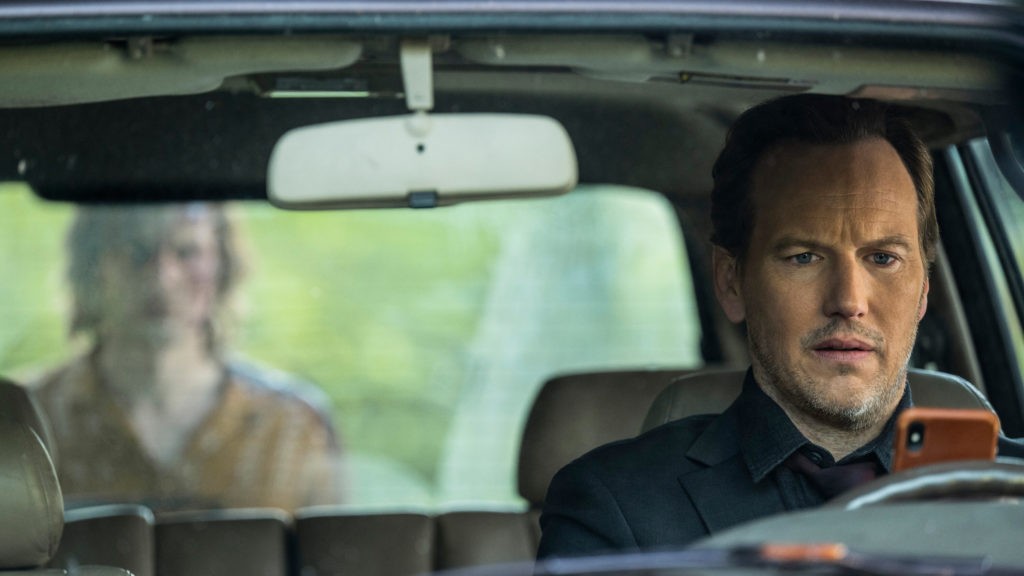
But whatever the intentions actually were, it turned out as it did. To serve the dramatic component, all psychics and demonologists were removed from the script, so the heroes now deal with astral troubles on their own. Dalton has a door, and he doesn't hesitate to pop into The Further every now and then, as if it's as easy as going to class. Josh and his son separately work through their past traumas, try to mend family relationships, and understand how important it is not to ignore hereditary diseases (curses). For the first time, 'Insidious' added another layer to the horror component, but the film apparently forgot that it's released by Blumhouse, not A24, so this layer looks more absurd than appropriate. Still, a definite plus for the attempt.
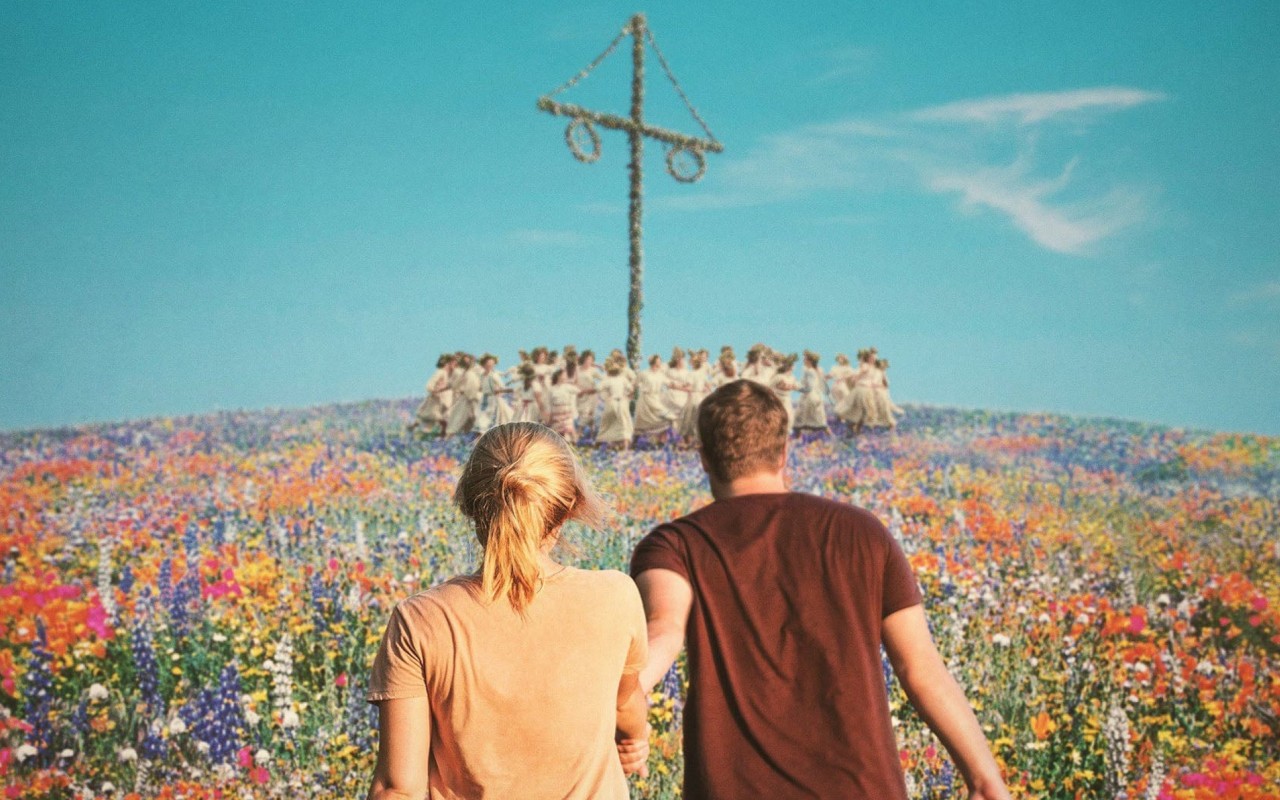
A24 has become a mark of quality, and the horror films it produces are currently defining the genre's development. And among them, there are clear favorites.
Open materialBy making 'The Red Door' a direct sequel to the second film, Wilson heavily indulges in fan service (if that term even applies to a franchise like 'Insidious'). He doesn't hesitate to insert entire fragments shot by James Wan that reference 'The Shining'. It turns out to be a quote within a quote (like a dream within a dream in Nolan's 'Inception'). The film also doesn't avoid self-repetition, which is quite logical for it.
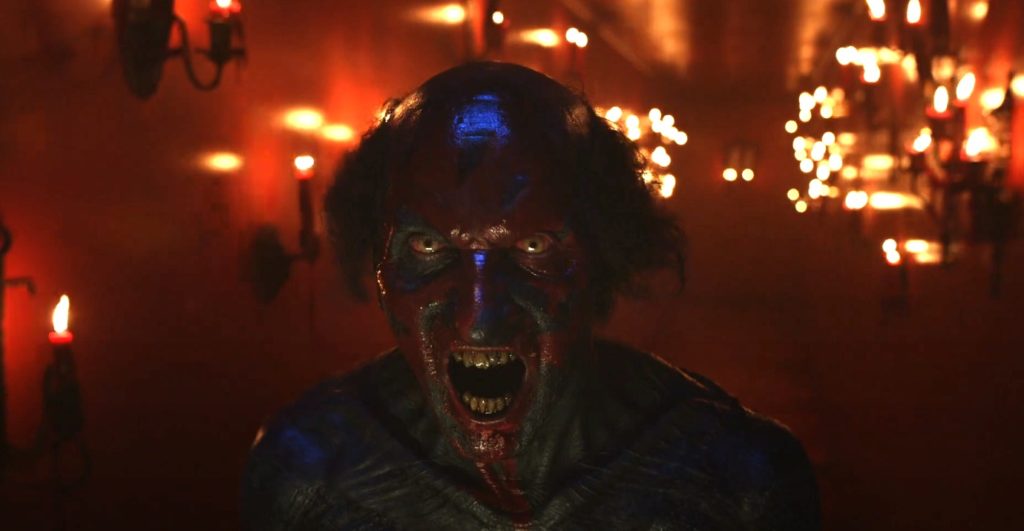
Essentially, I don't really want to criticize the film, because it's 'Insidious', and the fifth one at that. What can you expect from it? At least there's something to discuss here, unlike the third and fourth parts. But precisely because there is something to discuss, the film has to be criticized for its derivative nature. However, there are still a couple of good scary moments. For example, the claustrophobic scene in the MRI machine. And the appearances of the Red-Faced Demon are always pleasing, although sometimes the not-so-great special effects are noticeable (but you can turn a blind eye if it's really scary). Definitely, 'The Red Door' wins over the last two films, but unfortunately, it doesn't reach the level of James Wan's duology. It's a pity, because it was a decent attempt.
What's the bottom line?
As a movie, 'Insidious: The Red Door' is clearly bad, and as a horror, it's pretty average. However, considering how many incredibly awful horror films the industry releases, with absolutely nothing but a mediocre (often extremely unoriginal) story and a bunch of jump scares, Patrick Wilson's film looks a bit better. As they say, in the land of the blind, the one-eyed man is king, so you can watch the fifth part out of curiosity (or in the absence of a better option), but you won't find anything particularly new in it. Except perhaps you can peacefully let the Lambert family go into a happy, healthy future.
P.S. The film 'Insidious: The Red Door' has a small post-credits scene, so don't rush to leave the cinema or turn off the movie if you're watching it digitally.
Comments
0No comments yet.
Sign in to join the discussion.