
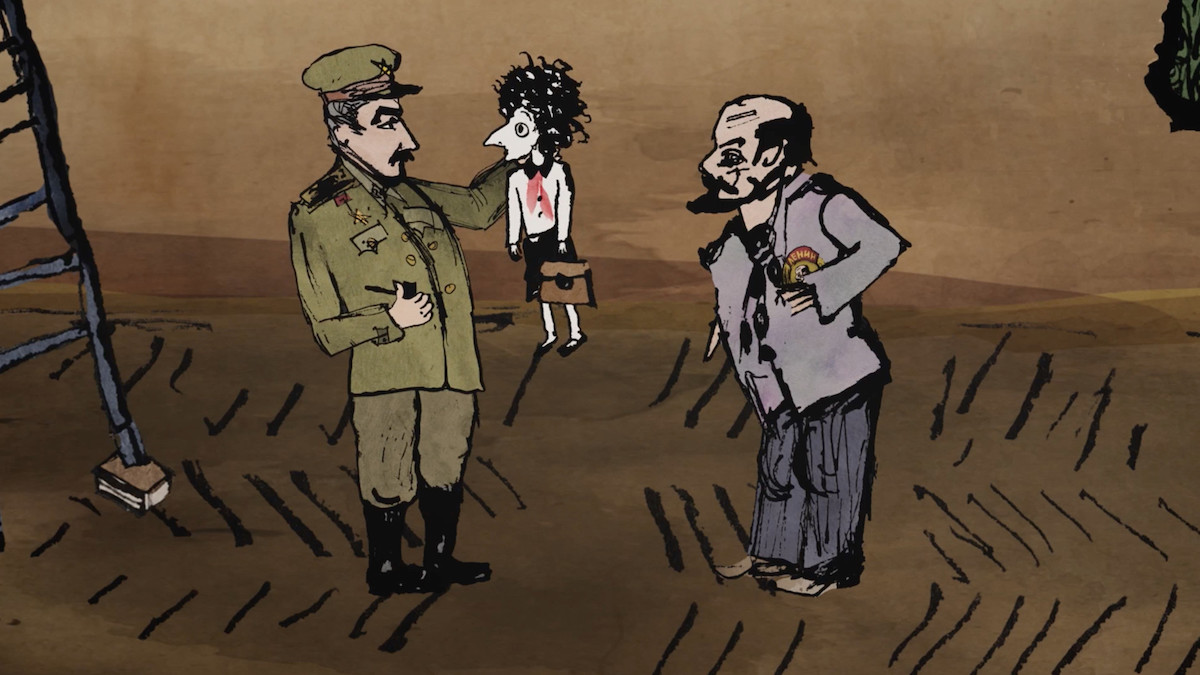
Let's look at examples of non-childish animation, from Soviet to modern, which through graphic representation will lead the viewer from global world and political problems to inner human experiences.
"The Island" (1973)
About: the story of a 20th-century Robinson Crusoe. The value of life versus material values.
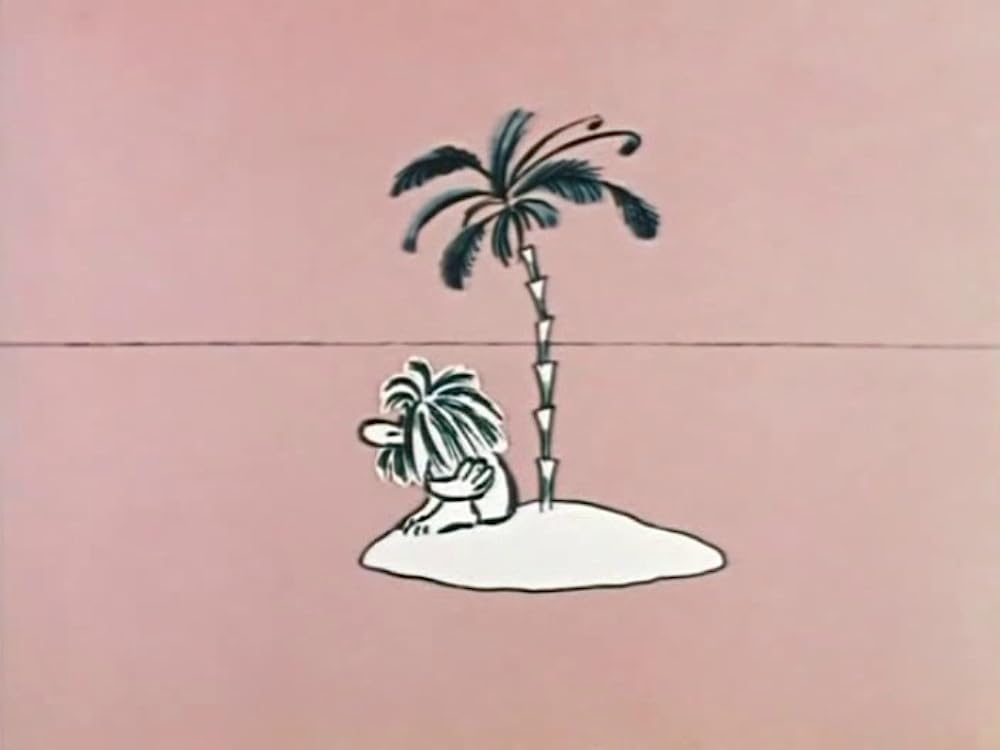
An unusual representative in this selection. First, it's a short film, and second, the age rating is "6+". But all this is conditional, since the 9-minute cartoon conveys to adults the frightening reality of the capitalist world. A world where the main thing is to grab, buy, master, show off, and conquer. A world where the ordinary person is lonely and unimportant, and true values are shared by few.
Why watch: a topical parable created by the brilliant Soviet director Fyodor Khitruk ("Boniface's Holidays", "Film, Film, Film", "Winnie the Pooh", "I Give You a Star") and won the Palme d'Or for Best Short Film at Cannes in 1974.
"There Will Come Soft Rains" (1984)
About: a sketch of nuclear winter in 2027.
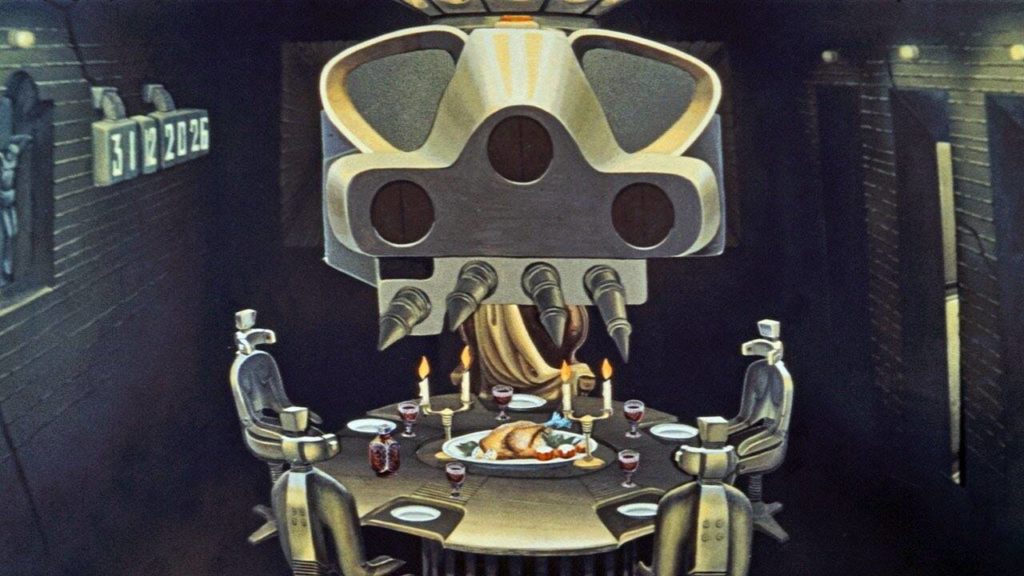
"And spring will meet the new dawn, not noticing that we are no longer there," - these words end the next representative of non-childish animation from the Soviet period. Nazim Tulyakhodzhaev's short film, using futuristic imagery, describes the possible future of humanity if people do not think about their actions, more powerfully than any disaster movie. And believe me, a handful of ash in bed is a convincing argument.
Why watch: to appreciate the organic intersection of the post-apocalyptic future described by Bradbury with the vision of Soviet filmmakers.
"Waltz with Bashir" (2008)
About: Former Israeli Defense Forces infantry soldier Ari Folman meets an army friend. The friend has nightmares about wartime episodes. Folman realizes he has no memory of that terrible period except for one episode. Folman begins visiting people connected to those events to remember everything.

The realm of uncertainty envelops both the protagonist and the viewer: Folman does not remember what happened, and the viewer does not know. So a psychotherapy session takes place on both sides of the screen. The animation, with characters superimposed on a static or semi-static background, provides relief both visually and documentary-wise. But even the departure from live-action cinema does not serve as an emotional shield in those moments when the viewer is forced to look at a child's face under a pile of stones accompanied by Max Richter's poignant music. The film is built on metaphors, among which the woman-mother-homeland line stands out.
Why watch: the film, drawn in a documentary style, is based on the true story of a veteran of the 1982 Lebanon War. The first animated film in the history of world cinema nominated for an Academy Award in the category "Best Foreign Language Film".
"The Illusionist" (2010)
About: Scotland in the late 1950s. An illusionist meets a girl named Alice, who believes the man is a true magician.
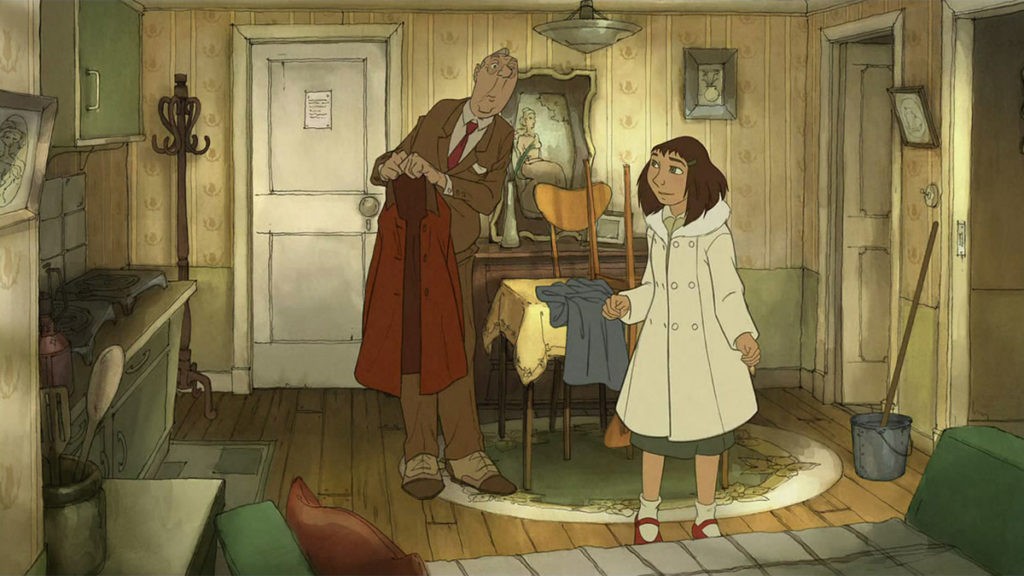
An amazingly subtle film by Sylvain Chomet about human relationships. The dramaturgy revolves around the reality hidden behind the visual magic of tricks. Reflections on the price of an ordinary person's "magic" give a minor tone to the entire narrative, which is nonetheless full of colors, comedic moments, and charm. Chomet poignantly describes the place of illusions in the real world. And this film is a graphically unmatched canvas where miracles are an essential attribute of life, but are firmly tied to growing up.
Why watch: if you are a fan of unconventional animation, heartfelt stories, and the film "The Triplets of Belleville".
"Anomalisa" (2015)
About: Writer Michael Stone cannot connect with people. A mental illness makes him see the same man in everyone. But one day he meets a girl named Lisa, who breaks out of his perception of reality.
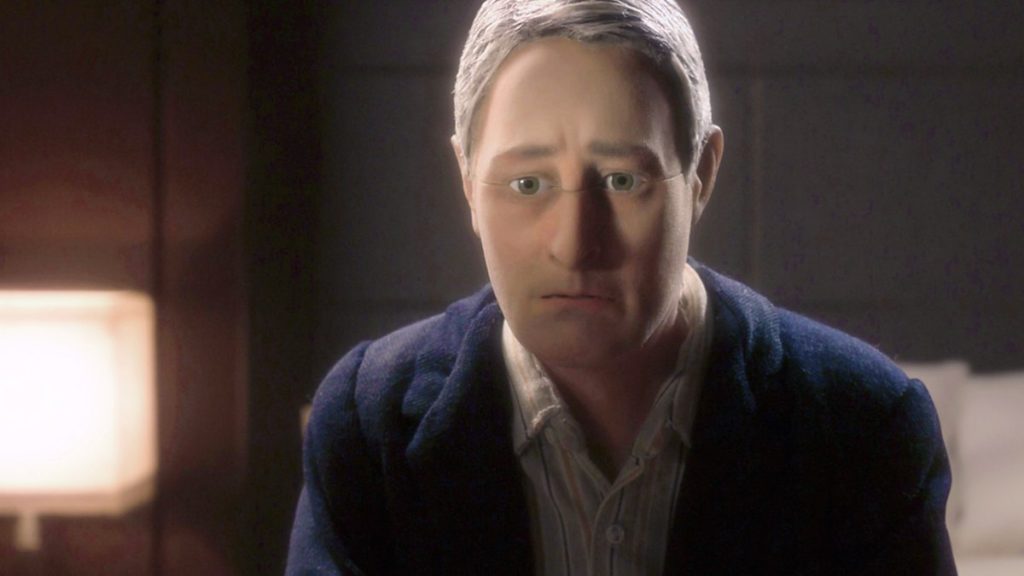
Funds for the creation of the film were raised through the website kickstarter.com. The highlight of the narrative is stop-motion animation, through which the insularity of personal cinema is conveyed. The viewer is placed inside the head of a misanthrope, seeing and hearing everything through his eyes. The constraint of the main characters is further bound by the puppet images. There is a certain charm in this, and in particularly spicy moments, awkwardness. A banal story about a man on a business trip turns into a deep story about the hope of meeting the love of one's life.
Why watch: for the bold fusion of stop-motion animation and a liberated "18+" plot.
"The Breadwinner" (2017)
About: The story of a girl named Parvana, who becomes a bacha posh after her father is sent to prison by the Taliban for possessing banned literature. Parvana tries to feed her family, which, apart from her little brother, has no men left, and to free her father from prison.
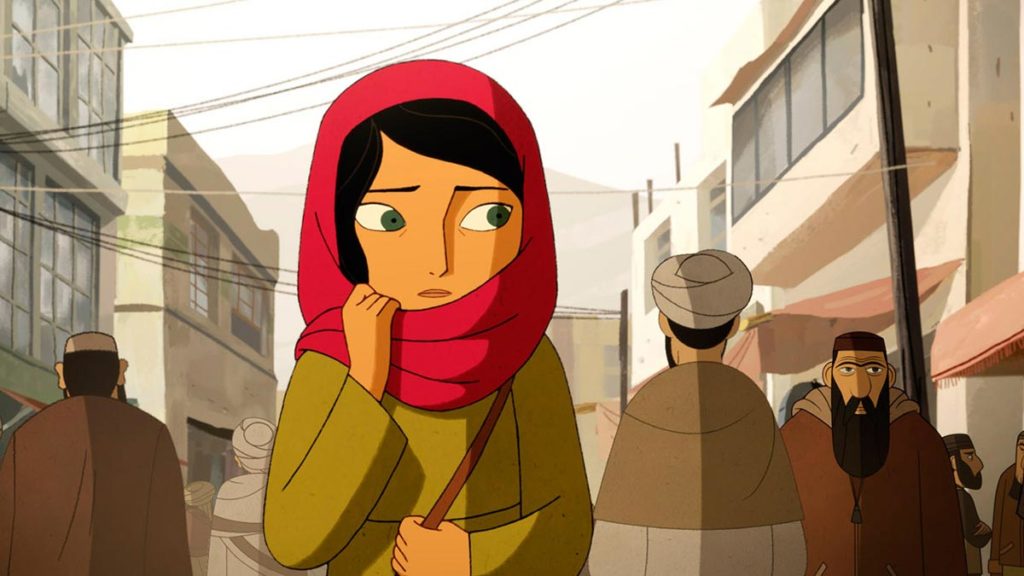
The adaptation of Deborah Ellis's book of the same name details the political problems of Afghanistan. Superficially, director Nora Twomey's film can be compared to Disney's "Mulan", but you won't find dragons in coats or generals in love in "The Breadwinner". From the routine life of a people divided by illiteracy and religion, from the frightening reality where children are chased with machine guns and it's not shameful to be unable to read, the viewer can only escape into a fairy tale told by the characters, which runs like a dotted line through the entire film. A fairy tale that proves the power of imagination.
Why watch: to immerse yourself in the artistic style of the Irish company Cartoon Saloon.
"You Know, Mom, Where I've Been?" (2017)
About: sketches from the life of ten-year-old Rezo Gabriadze. Post-war time, where reality and childhood fantasies coexist. The feature-length film, created from the artist's drawings, is filled with the most unusual characters.
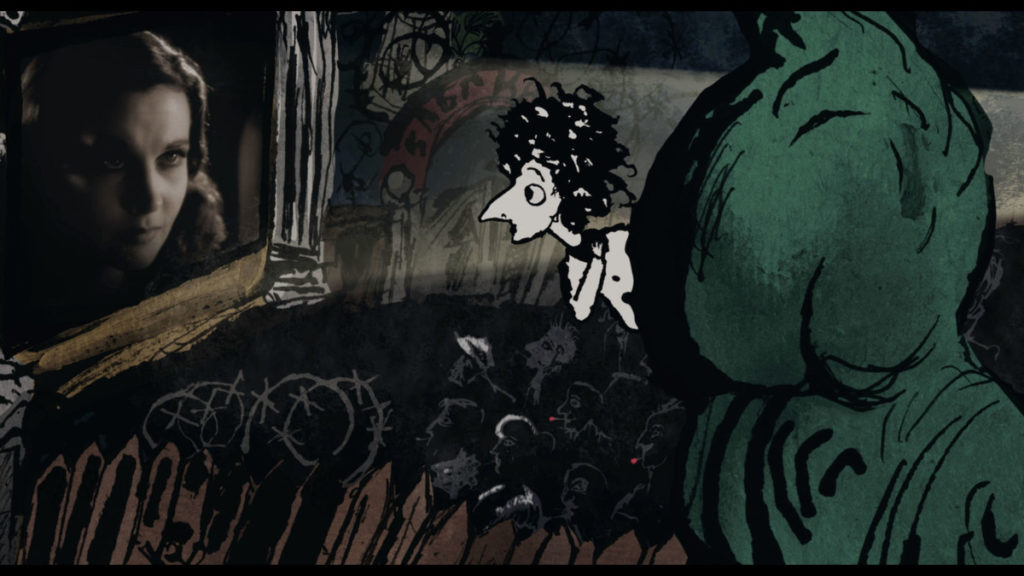
"You Know, Mom, Where I've Been?" is, although documentary in a sense, still a very personal film. The animated sketches create a solid informational tandem of seemingly incompatible genre components. On one hand, the viewer, like little Rezo himself, sees post-war Kutaisi in all its minute details, and on the other, immerses themselves in an atmosphere of childish spontaneity full of fiction.
Why watch: an opportunity to touch the personality of Rezo Gabriadze through the creative legacy of the famous artist and screenwriter.
"Buñuel in the Labyrinth of the Turtles" (2018)
About: The biopic is dedicated to the story of Luis Buñuel's filming of the documentary "Las Hurdes: Tierra Sin Pan".
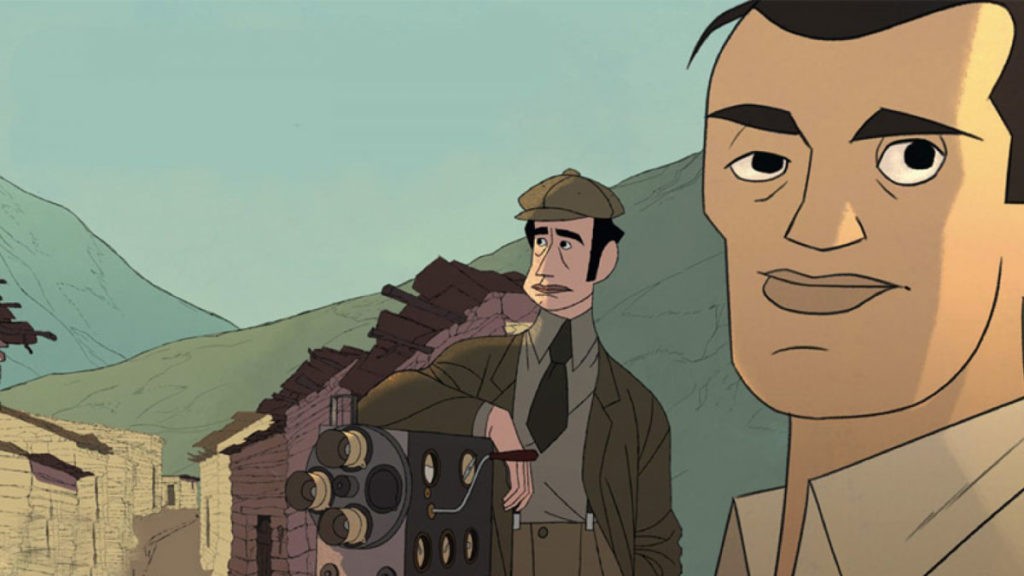
Salvador Simó chose one of the brightest fragments of Luis Buñuel's life. The action is directly related to understanding the essence of the director and his deep-seated problems. The image, paradoxically, becomes the main and at the same time completely secondary object of perception. Unpretentious graphics, penetrating surrealism through the tips of the hero's nightmares, and clips from "Land Without Bread" serve as an unobtrusive semantic background, but can shock with their content. After viewing, pure interest remains. Perhaps there is no better message from a biopic.
Why watch: if you love biopics and the genre transitions of the Soviet cartoon "Treasure Island".
"I Lost My Body" (2019)
About: The story of a pizza delivery boy in love. Events unfold in parallel with a hand escaping from a laboratory, wanting to find its body.
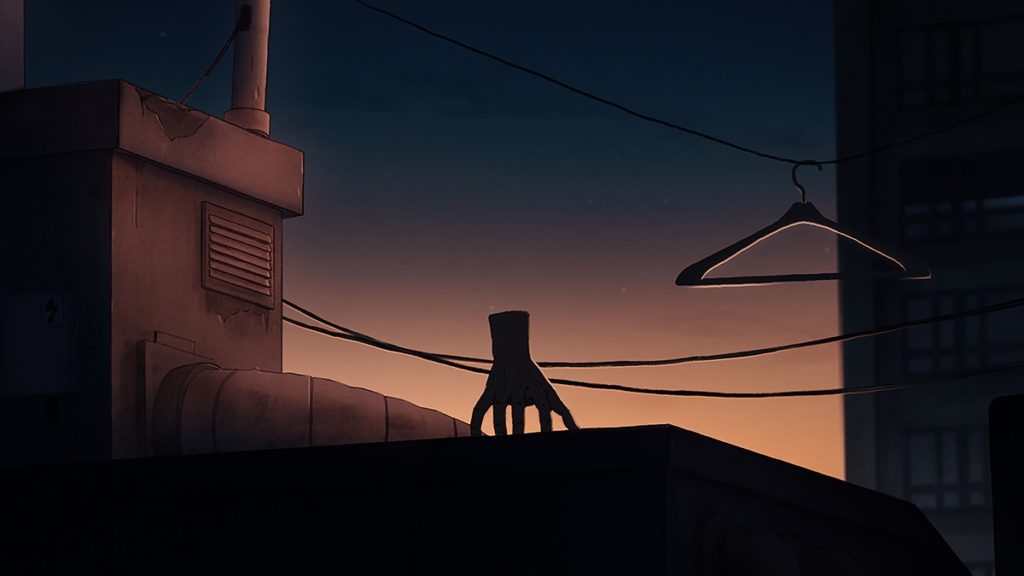
The hero reflects on fate, predestined events, and the possibility of changing them, while composer Dan Levy creates an atmosphere of thoughtful chills. The hand seeks its owner, who must finally remember what he truly wanted to live for. It is also an expression of the knowledge of the world, coupled with a different understanding that the film achieves: the inevitability that someday a loss will occur. But it should be seen as a stimulus to get up.
Why watch: a bright representative of European animation puts metaphorical philosophy at the forefront of the plot, making the hand a full-fledged driving element, and offers a plot full of semantic landmarks about the loss of one's own "self" under the sauce of a crazy demonstration solution in the style of Burton.
"Entergalactic" (2022)
About: the story of a young artist trying to find his love.

The plot of the film is less important than the feeling of love it is filled with. The kind that lifts the body off the ground, elevates above the mundane, and gives strength for self-realization. The visual sibling of "Spider-Man: Into the Spider-Verse" captivates with its graphic representation and will immerse you in the atmosphere of classic romantic cinema in the format of an adult cartoon.
Why watch: if you are a fan of melodramas, the animation of "Spider-Man: Into the Spider-Verse", rap music, and the work of Kid Cudi.
Comments
0No comments yet.
Sign in to join the discussion.