

The Danish melodrama 'Copenhagen Doesn't Exist' is being released, whose world premiere took place at the Rotterdam Film Festival, and the Moscow premiere took place recently at Summer Cinema by KION. On the unexpected merits of this quiet and poetic...
Sander sits at a table in a richly furnished house, unable to satisfy the curiosity of a heavy-set man with his answers—a man who simultaneously wants to know and doesn't want to know. The thing is, Sander is the boyfriend of his daughter Ida, who disappeared under mysterious circumstances three months ago. The father, played by the outstanding character actor Zlatko Burić («Copenhagen Cowboy», «Triangle of Sadness»), either suspects Sander or accuses him of something, but firmly believes his daughter will return, that she simply left Copenhagen, as she promised him on the phone shortly before her disappearance.
The gradual unfolding of the past is what Martin Skovbjerg's film is dedicated to, and thanks to its interesting structure (the screenplay was written by Eskil Vogt, a great master, co-author of the great existential rom-com «» and director of the original noir «Blind») and poetic editing, the past is not just shown in flashbacks, but seems to layer over the present, overlapping it. «Copenhagen Doesn't Exist» is a film about the past tense, shot also in the past tense. Love cannot be returned, nor can the beloved, and both Ida's father and lover sift through, dissolving into them, selected moments of their biographies, in which this elusive girl flickers like the ghost of a sad image.

The grand return of Tom Cruise as Maverick, new hits from Spielberg and Anderson—these and much more in our list of the 10 best films of 2022.
Open material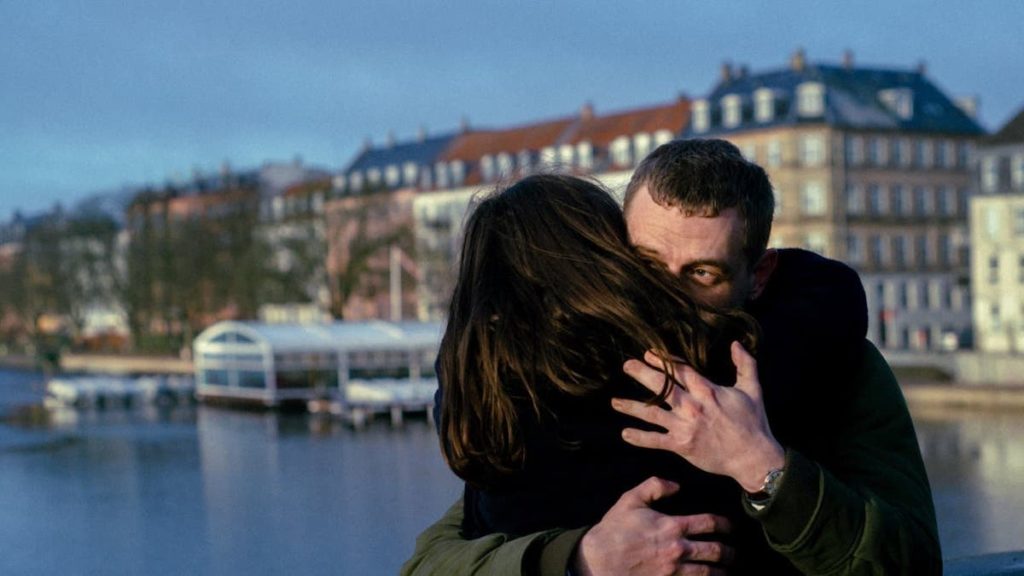
«Copenhagen Doesn't Exist» is, of course, a classic example of Scandinavian melodrama with its viscosity, tangled plot, and form prevailing over content, but it is equally an existential detective story. The film is called this in numerous descriptions, and generally, they are not lying. And as in a true existential detective story (see «Blow-Up», the purest example of the genre), the main question facing the characters is not 'what happened,' but 'how to live with it from now on.'
Some characters see no other way out but to not live on, and at the moment when this thought is finally clearly articulated, almost with a special title card, the film blossoms in all its sad, somewhat fading beauty. What is simpler—to live in Copenhagen or to leave it, not to live at all? Does one need more courage to keep trying to live with the strange pain of someone who misunderstood something about life, or to give up this eternal torment?
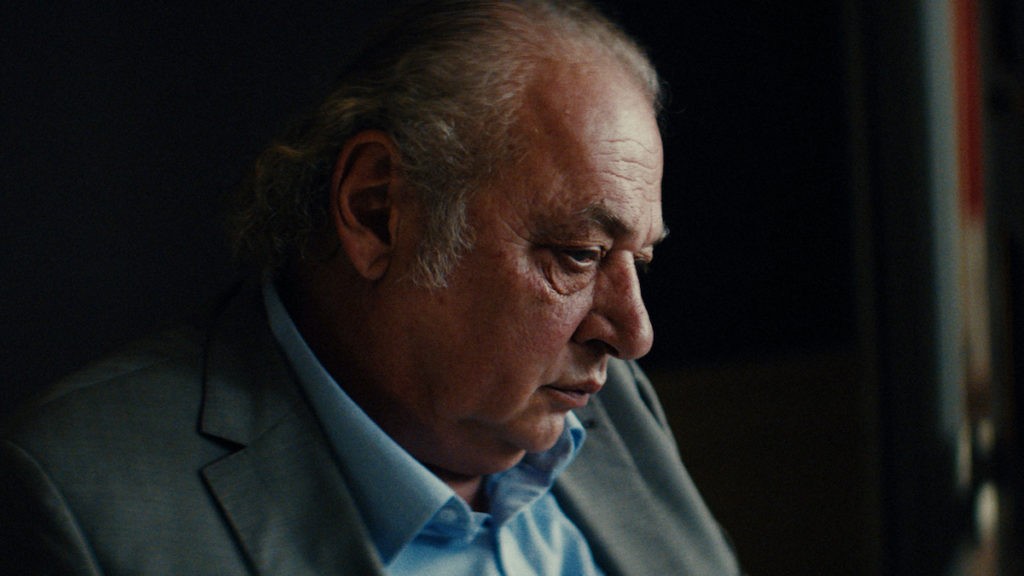
These are not the most original questions (in the same Danish kingdom, the question 'to be or not to be' has already been pondered, generally speaking), but they are asked with a touching intonation, and thanks to them, this sometimes disjointed, sometimes frankly drawn-out film rises somewhat above the cinematic release, even recalling the great film «Don't Look Now» (Skovbjerg seems to have been inspired by Roeg's masterpiece, judging by the heroine's red outfit and the poster). The characters around the heroine just refused to look at the world—they lived almost without leaving Ida's apartment for a year, a year trying to escape from this reality into some other, more honest, more correct one.
And now that Ida is gone, Sander and her father escape from reality in exactly the same way—only now not into one where Copenhagen doesn't exist, but into the past. They sit for hours and reminisce about their own lives, which have not yet passed but have already ended, not just remembering Ida, but reinventing her.
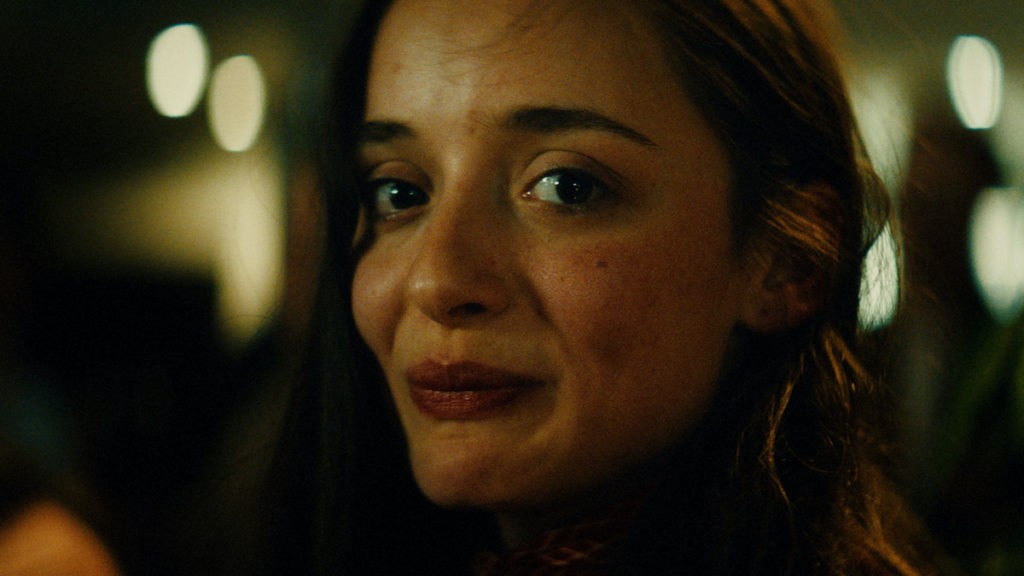
Who was she? What was she like? We only know about her from fragmentary and vague memories. Ida is played by Angela Budanovich, so she was, of course, mesmerizing. This is hard to notice from the series «Copenhagen Cowboy», where Budanovich plays a girl-medium of a distinctly otherworldly nature, but the actress has an amazing sad charm. For most of the film, she appears on screen for half a minute, only to disappear immediately, and speaks quite little, but muted smiles, strange poses, lost eyes actually say everything, and even Sander's story, clarifying what actually happened there, is actually completely unnecessary—it's enough just to look at the screen.
This, by the way, turned out to be the hardest thing for the audience at the premiere: two girls sitting right behind me were generally bored, and one of them even suggested to her friend that they leave. But the other sadly replied: 'No, no, it has to end with something.' In a certain sense, she is right, but maybe not.

Did it all actually end? Could it have? Do unsuccessful dinners with tiresome friends ever end? Conversations with a foreign father who understands nothing? Can misplaced phrases, wasted films, pointless weekends dissolve? Or do they never disappear, remaining, merging with the landscape, forever, only to remind you of themselves later?
Does longing ever end? That, perhaps, is the key question the film's characters try to answer and cannot. The film itself, by the way, ended, contrary to expectations, as it should, and the finale is a great success. True, already during the credits, in the courtyard of the Strelka bar, someone else's quiet tragedy was replaced, as often happens, by a domestic disco.
Comments
0No comments yet.
Sign in to join the discussion.