

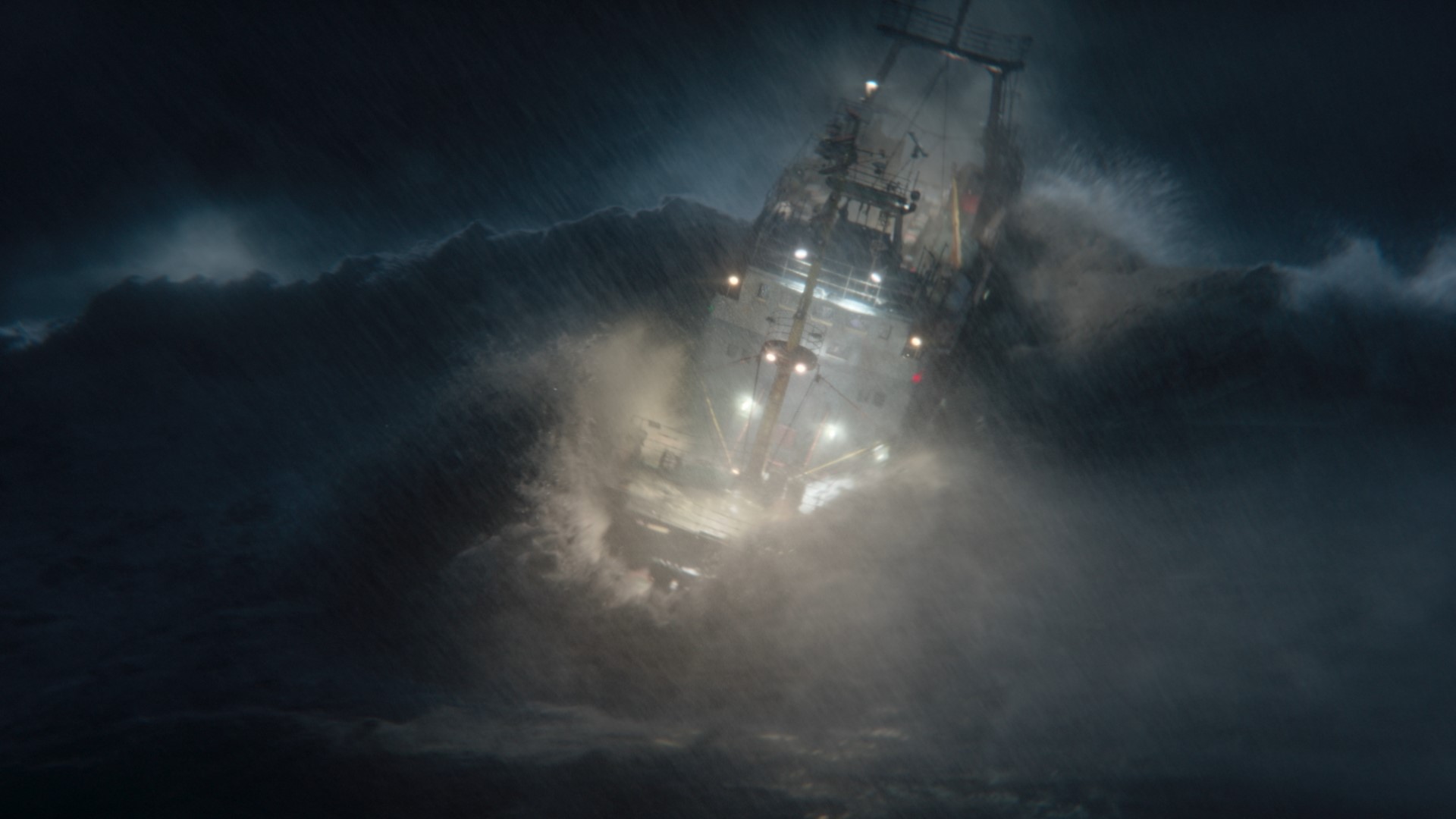
In domestic release, Boris Khlebnikov's drama 'The Bullfinch'. A film where the struggle against the elements looks like a way to escape from what is happening on the ship.
Two graduates of a maritime school, Nikita (Makar Khlebnikov) and Maxim (Oleg Savostyuk), after being assigned, end up on a fishing seiner with the poetic name 'The Bullfinch'.
The crew, thoroughly salted by sea winds, irritably takes the novice 'greenhorns' on board and grumpily gives them their first safety briefing before heading out to sea. At first, the two young sailors, understandably, can't get anything right: the knife isn't sharp enough, they stand where they shouldn't on deck, they take long showers. And the overall atmosphere of the gloomy vessel, reminiscent of a ship's prison, is a bit oppressive.
- 'So, how do you live here?', Nikita asks with a smirk, looking around the tiny cell, and shrugging, settles onto the top bunk of the metal bed.
After a while, Maxim begins to diligently carry out orders and talks with shining eyes about wanting to become a captain, while Nikita's process doesn't go that way. To tell the truth, he went on the voyage for company ('for the kicks'), and actually just wants to earn some money and go to Thailand, which greatly angers the crew, who initially took Nikita for one of their own.
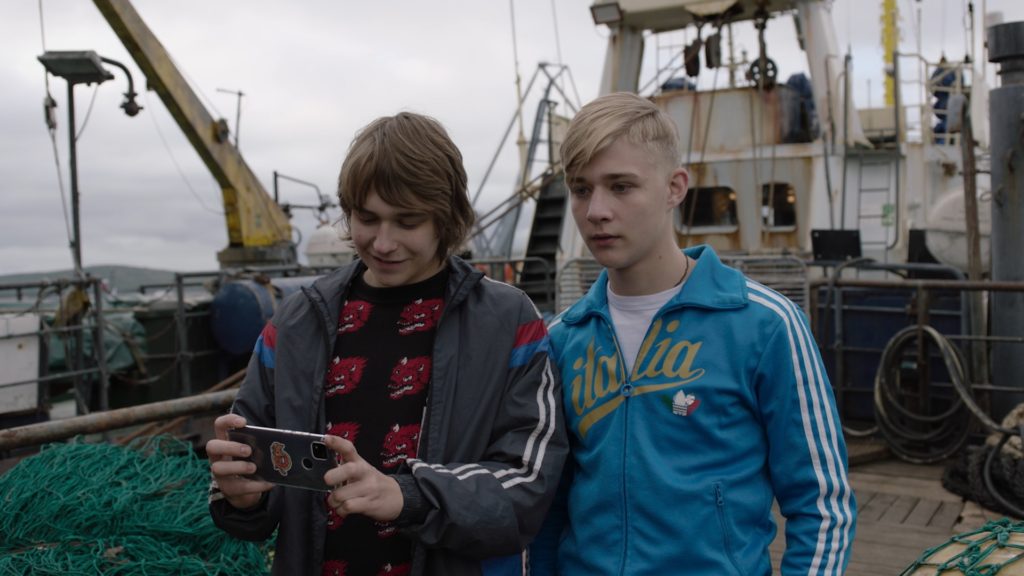
The introspective, contemplative gaze of Boris Khlebnikov is misleading from the first frames. The first act of the film 'The Bullfinch' cleverly pretends to be a typical workplace drama, against the backdrop of yet another generational conflict. On screen are just the gray everyday life of fishermen in the harsh Barents Sea: they shout at each other, discipline the unseasoned rookies, sometimes laugh, and dream of a good paycheck. But the further from shore, the more uncomfortable it becomes on the ship, and the feeling of imminent disaster presses down like a dark ceiling in a tiny cabin.
The conflict on the ship gradually escalates, but 'The Bullfinch' is in no hurry to divide those on board into the right and the wrong. Each has their own unyielding view of life. The scariest thing is that there are indifferent people in the crew, and they are the majority. For example, the experienced sailor Yurets () is only concerned with getting as many likes as possible on social media, filming one absurd thing after another; young Maxim turns away from his comrade as soon as he realizes he doesn't fit in; and the rest just observe, adding variety to the work routine. Here, the main task is a rich catch and the desire to think as little as possible about tomorrow.

Almost no one remembers the homes and families left ashore. It's much easier for the salt-crusted sea wolves on a voyage, where everything is long familiar and understood. Their tired gaze focuses only on the horizon, and no one even glances inside themselves, lest they inadvertently see the emptiness.
Only Gennady, the father played by Alexander Robak, shows some involvement in the adaptation of the newcomers, patronizing the weaker Nikita. He spoon-feeds him while he suffers from seasickness, stops attempts at bullying, and tries to simply talk to the younger generation, hoping to understand how to behave with his own daughters, who are the same age and 'always dissatisfied.' But at some point, this window also slams shut: Gena quickly exhausts all words and opportunities to bridge the generational gap and gives up, finding neither the desire nor the ability to understand Nikita's aspirations to 'just be himself,' not someone else. Not part of the ship means not part of the crew.

'The Bullfinch' is completely devoid of catharsis, so after leaving the theater, you can't shake the feeling of emptiness. It seems like everyone is in the same boat, but each row toward themselves, stubbornly and defiantly looking into the darkness gathering outside the porthole. Quite naturally, that darkness eventually begins to look back, and then the taut string snaps with a deafening crack.
And following that comes the 10-point storm, the culmination of any similar genre. But the desperate struggle against it, and the rescue of the drowning in 'The Bullfinch,' does not appear as an act of heroism – a final point after which everyone will embrace, the sun will peek out from behind the leaden clouds and illuminate happy faces. Everyone will forgive each other everything. It is rather an attempt to somehow distract from the grim reality unfolding on the ship, to atone for sins, to justify past deeds. Maybe it will count.
Comments
0No comments yet.
Sign in to join the discussion.