

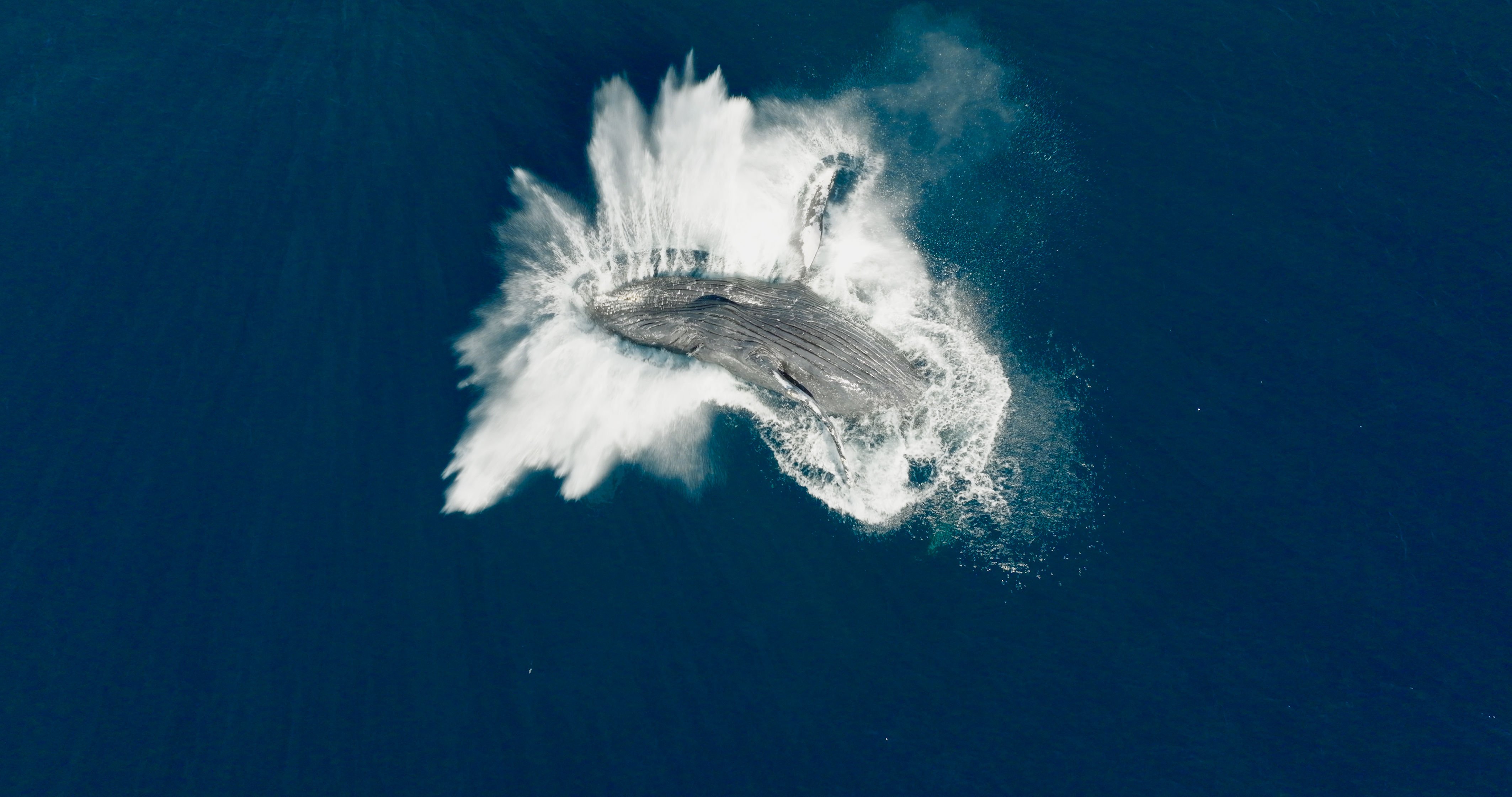
Nature documentaries are among the most captivating in cinema. But often, from a plot perspective, they are not particularly remarkable, and the story develops along standard lines. The new film 'Whales: Guardians of the Planet' stands out among such...
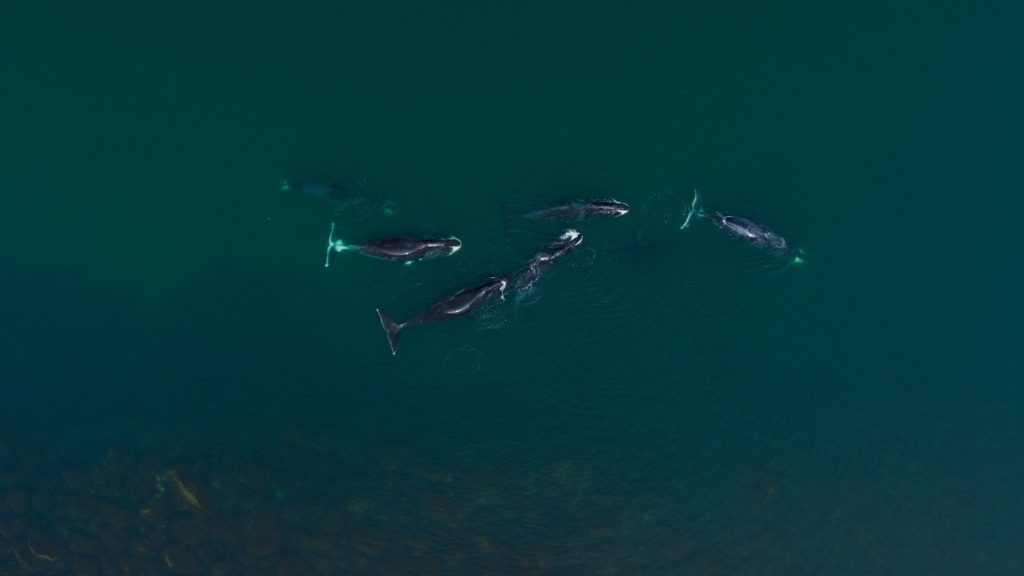
On June 8, the documentary Whales: Guardians of the Planet by French director Jean-Albert Lièvre hits theaters. This is an incredibly beautiful and touching story about the lives of these enormous marine inhabitants, filmed in various corners of our planet — Greenland, Mexico, Argentina, Polynesia, Brittany, the Mediterranean Sea, Normandy, South Africa, Australia, Tonga, Kamchatka, Antarctica, Norway, and Hawaii. The wide geography of the filming allowed the team to showcase breathtaking landscapes, rare natural phenomena, and, of course, a wide variety of whale species. The film introduces us to humpback, blue, gray, bowhead whales, and sperm whales.
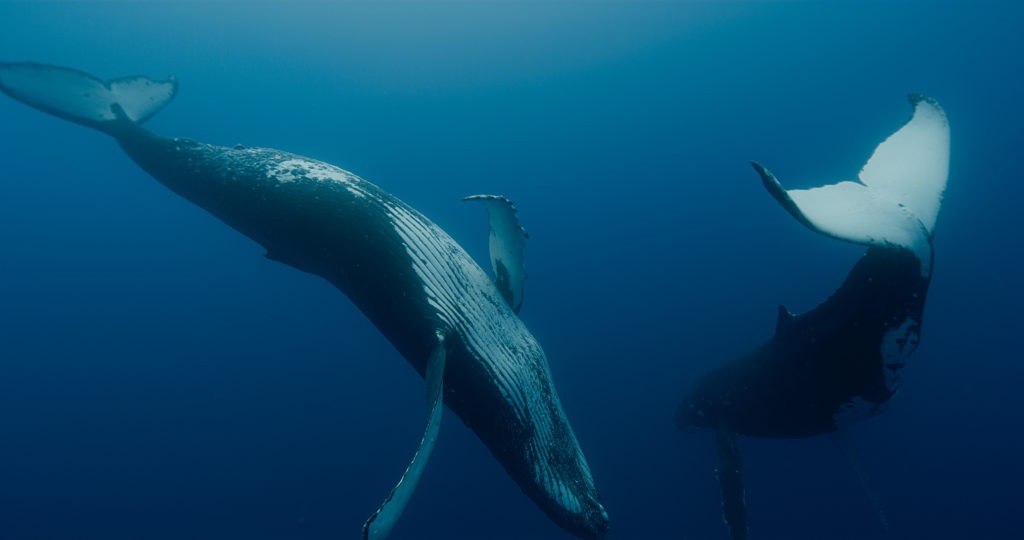
Underwater filming is always beautiful, as it lifts the veil on the hard-to-reach world of marine flora and fauna. And you gladly dive into these enveloping ocean depths. But Lièvre's 'Whales' has its own unique feature — striking upside-down shots. It seems like a small detail, but it completely changes perception, and you feel as if you are seeing the already familiar (for example, from the previous scene) waters of the Pacific Ocean for the first time. These shots literally make your head spin and emphasize the grace and elegance of the marine giants.
The impression of the film is also enhanced by the carefully selected musical accompaniment. Traditionally, nature documentaries use melodic instrumental music that tries to amplify the feeling of freedom, harmony, and beauty emanating from wildlife footage. In the French 'Whales,' the music does not just complement but helps tell the story, creating a special mood and atmosphere.
Melodies travel through the ocean five times faster than sound can travel through the air, the film narrates.
Here, whales roam the oceans and seas not only to piano compositions but also to pop melodies, jazz, and electronic music. There is even rap that incorporates elements of whale songs. The film also has a surprise for fantasy fans: in one scene, familiar musical motifs from the main theme of the mini-series 'The 10th Kingdom' can be heard.
And of course, a lot of time in the film is devoted to reproducing the songs of the whales themselves — a kind of whale karaoke, as it is called in the film.
The world of whales is not a world of silence. The seas and oceans are their concert halls.
But perhaps the main thing that sets this film apart from many others is who the narrator is — the story is told from the perspective of a whale. It tries to understand why people do what they do. These marine animals live for centuries and witness many events on the planet. And through the whale's perspective, the film seems to appeal to human empathy, inviting viewers to immerse themselves in their world and feel all the joy and pain, happiness and fear that these mammals experience. 'Whales: Guardians of the Planet' calls for philanthropy, urging people to treat marine giants as relatives, not as enemies or mere resources. And thanks to the calm, deep voice with subtle intonations of Sergei Burunov, who voices the narration, the story feels more tender and emotional.
This film's perspective, where the whale becomes the narrator, allows humans to look at the usual balance of power in the world differently. The director himself seems to try to see and feel the marine world as a whale might. How do they love, communicate, what do they think about, and what do they want to say — how do these enormous creatures live?
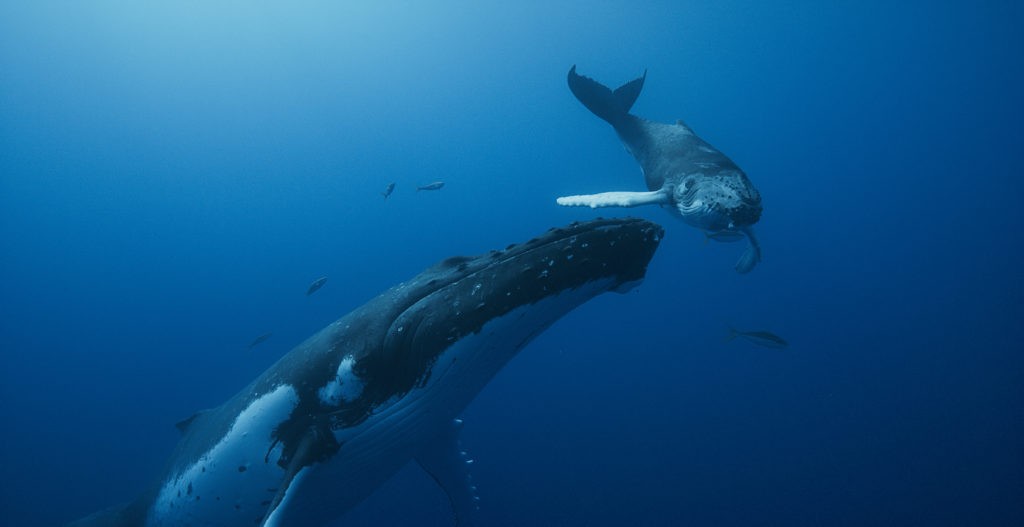
And the more you listen to this solitary monologue, the more you realize that whales and humans have much more in common than it seems. They have their own language, their own social networks, different 'peoples,' they care for and protect, raise and pass on their history to generations.
When the giants disappear, life becomes shallow, the film says.
But the film makes you think not only about the world around us but also about ourselves. 'Whales: Guardians of the Planet' turns out to be a subtle commentary on human nature. And thanks to the whale's perspective, it does not feel like yet another opinion from a person with an heightened sense of duty and justice, but rather makes you think about the future of a world where people consider themselves the pinnacle of evolution. The author does not hide his idea — humans have much to learn from the marine guardians: how to live in harmony with their kin, use resources wisely, and cherish what they have.
Of course, the film also touches on the protection of marine flora and fauna: ocean pollution and the whaling trade, which still exists. But director Jean-Albert Lièvre does not try to play on guilt or throw accusations; he wants the viewer not to understand with their head but to feel this pain with their heart.
From space, our planet is blue. The planet is not the territory of humans, but of whales.
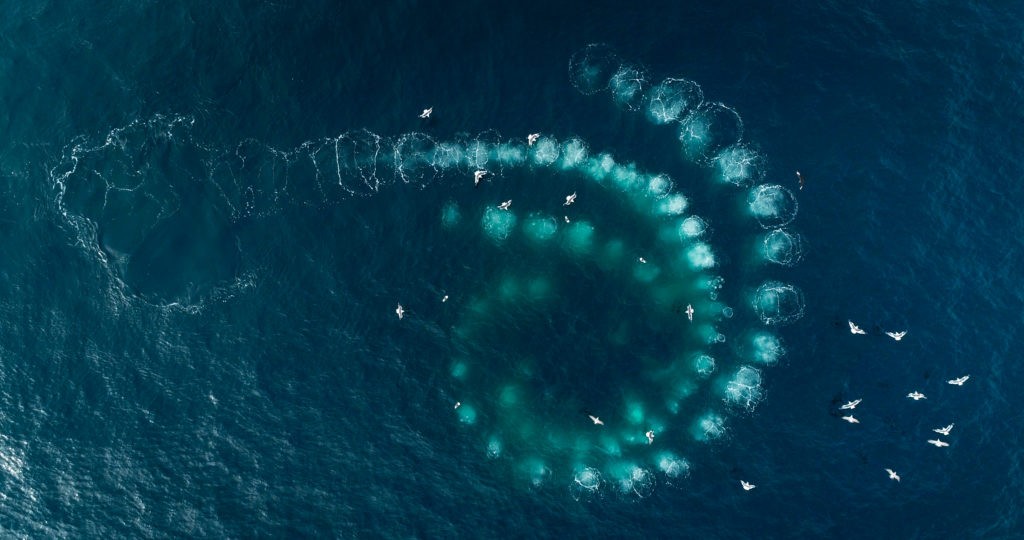
'Whales: Guardians of the Planet' is a sincere dialogue between the viewer and some of the largest and most powerful animals in the world, which are also among the most vulnerable. The documentary is imbued with love and respect for these creatures and for the entire planet. And the final story about saving a whale is not just a beautiful final chord but also a symbol of hope for a better future for both whales and humans.
Watch the documentary 'Whales: Guardians of the Planet' on big screens starting June 8, courtesy of the film distribution company Russian World Vision.
Comments
0No comments yet.
Sign in to join the discussion.