
Let's look at book adaptations from a different angle and think about why some reinterpretations can be credited to cinema's benefit.
How often do you notice changes in the plot while watching a movie? Perhaps in modern cinema, the notorious "based on" is encountered by viewers in almost every book adaptation. And these motifs are increasingly becoming a reason for free thinking. But let's look at cases where the filmmakers' free thinking is not the worst idea.
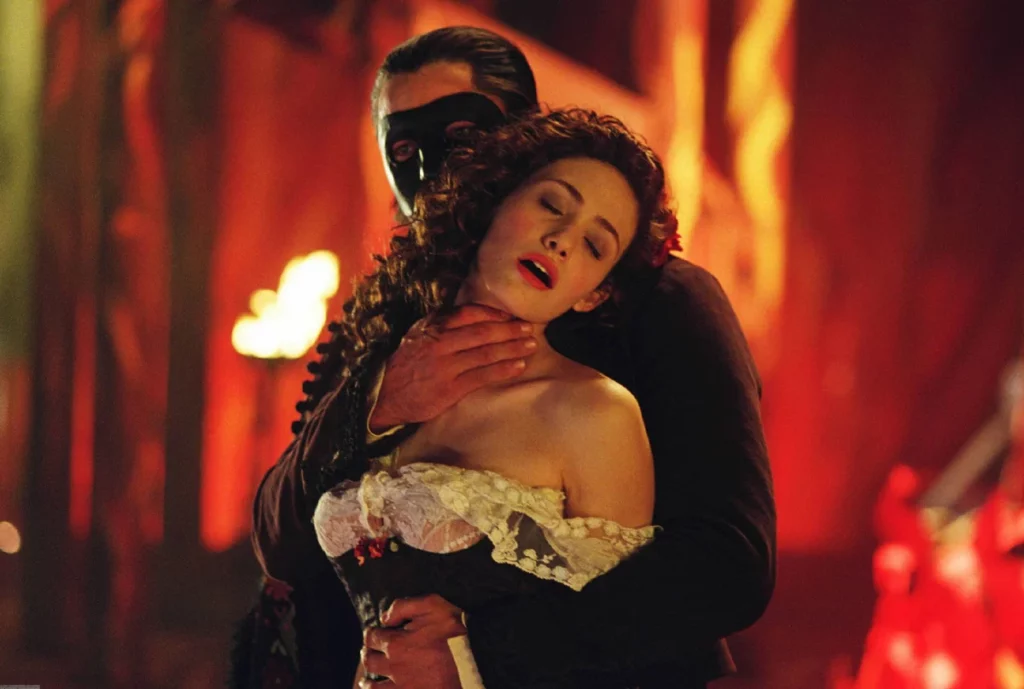
«The Phantom of the Opera»: An Unhappy Lover, a Melancholic «Othello» and a Strong Woman, or a Maniacal Suitor, a Decisive Viscount and a Fragile Creature?
"The Phantom of the Opera" Joel Schumacher's 2004 film, although it moves at a rapid pace in terms of content, still retains the core of the novel. The same cannot be said for the characters of certain individuals. Not counting the subjective sympathy for Gerard Butler as the Phantom, the latter remains in the shadows not only of the cellars but also of the young viscount. If the viewer doesn't say "no" to the Phantom, it's because they are filled with pity for his unrequited love.
But can one pity a perverted love? In the book, Gaston Leroux describes Erik's (the name the Phantom gave himself) feelings as akin to obsession. He repeatedly kidnaps the girl, manipulates with threats, pulls the strings, using the most important aspects of Christine's life as tools. Add to this the ugliness of a soul disfigured by murder and external rejection, and before the reader is a cold-blooded monster into whose maniacal clutches a poor girl has fallen. This no longer fits the image of an attractive villain that girls sigh over, contrary to logic, right?
And what about the weak girl? Leroux's Christine is capable of hiding her feelings for her beloved to protect him, engages in dangerous games, and does not allow herself to break down even when directly provoked into hysterics. And this is most often done by Raoul! Literally a page of text separates love from hate, reverent awe from curses. And at times, Raoul falls into a state of tearful despair born of self-pity. Not everyone can endure the emotional rollercoaster of an unhappy, lovesick boy (which is acceptable for literature of past centuries).
In the film, however, the viewer, along with the fragile Christine – she is the beautiful damsel in distress – gives an unequivocal "yes" to the young but self-possessed viscount. Schumacher deprived the viewer of a demonstration of Raoul's thoughts by cutting his emotional range, but in return gave a stable and even clichéd character on screen, who is easier to sympathize with and prefer. Exaggeratedly, the relationships in the love triangle become visually "correct", unlike in the book, and it is easier for the viewer to build associations and feel a sense of involvement.
«The Turkish Gambit»: Twist and Turn, I Want to Classify Anwar Efendi
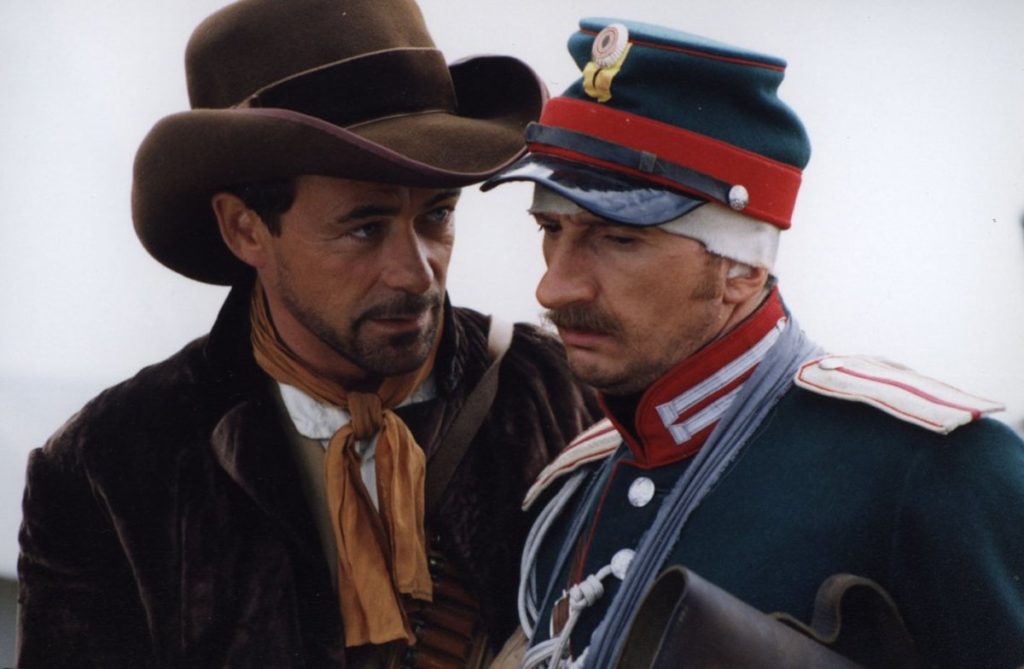
The film adaptation of the second book in Boris Akunin's cycle of novels about the adventures of Erast Fandorin was released in 2005. Dzhanik Fayziev directed it, not without flaws, but it is a coherent military detective story in which viewers who came to the cinemas with knowledge of the source material were in for some differences from the original. The final twist is especially surprising.
In the plot, Fandorin tries to uncover the identity of Anwar Efendi, a high-ranking agent of Turkish intelligence undermining the combat effectiveness of the Russian army. In the original source, he turns out to be the French journalist Charles D'Evreux – a kind of romantic villain whose legend is flawless and attracts the reader's sympathy.
The concept changes in the film, and the charming antagonist transforms into the repulsive Captain Yeremey Perepelkin. The cunning manipulations of the charismatic hero give way to cold calculation and the character's external absurdity. And the genius of espionage, who successfully hid under the mask of a Russian officer, confirms his status.
Fans of the novel have mixed feelings about this replacement, but one thing cannot be denied – they managed to stun the well-read viewer! And isn't that a plus for a detective adaptation, in the finale of which you experience a sense of novelty?
«Ender's Game»: Is the Main Character Too Young for Great Shocks?
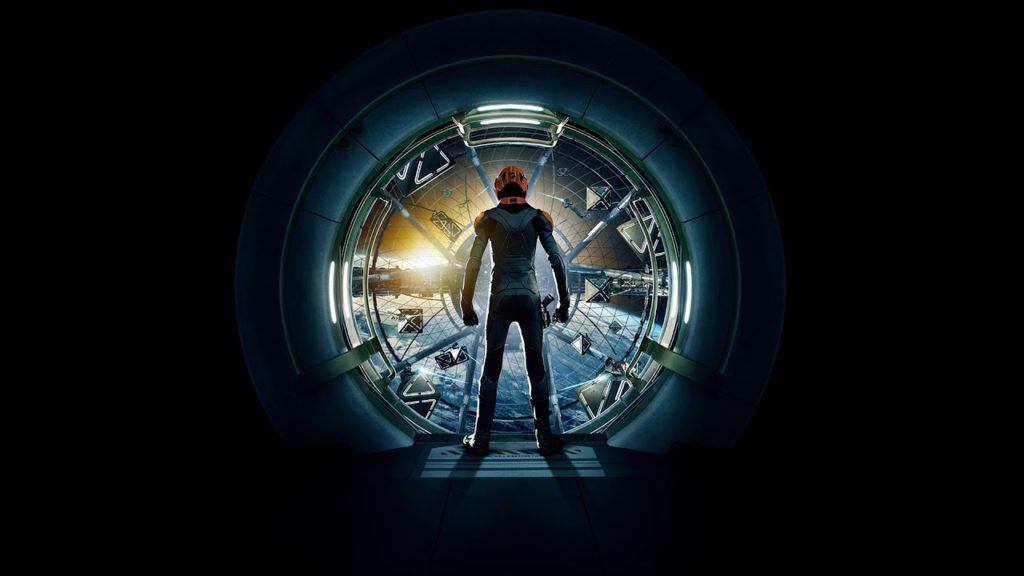
Orson Scott Card's work tells how young Andrew "Ender" Wiggin goes through a thorny path to the position of commander of the International Fleet of Earth, aimed at fighting the "Bugger" race. And despite the fact that Card explains the need to involve children in the war with the alien threat to make the content easier to digest, the film's director omitted fragments that cause particular shock when reading.
At the start of the film, Ender is about 12 years old. He has suffered enough bullying from his peers and his own brother. Ender defeats one of his tormentors in a fight. And the situation doesn't seem out of the ordinary, until it turns out that in the book, Wiggin is 6 years old, and the defeated boy is killed. The tragedies don't end there, as later another fight with an envious opponent will again lead to death. The viewer is not directly told about this, being placed in a cocoon of guesses and protected from a prolonged psychological drama. Not a very nutritious basis for a teenage sci-fi adaptation.
In the final battle, Ender prevails, losing almost his entire remotely piloted fleet. But while the viewer is immersed in the horror of the committed xenocide, the fact remains in black and white that the ships were not unmanned at all, and Ender snatched victory not only with the blood of enemies but also by destroying his own people. Isn't that too much of a mental burden for a teenager?
But comprehending a sometimes harsh book is not the same as perceiving a film of equal intensity. Rare entertainment cinema allows you to pause for long reflections on moral torments. And «Ender's Game» is primarily a film for the young masses. Therefore, preferring spectacular scenes of games and battles over tragic moments is not the worst decision for a book adaptation.
«It»: Not Crossing the Boundaries of Legality and Innocence
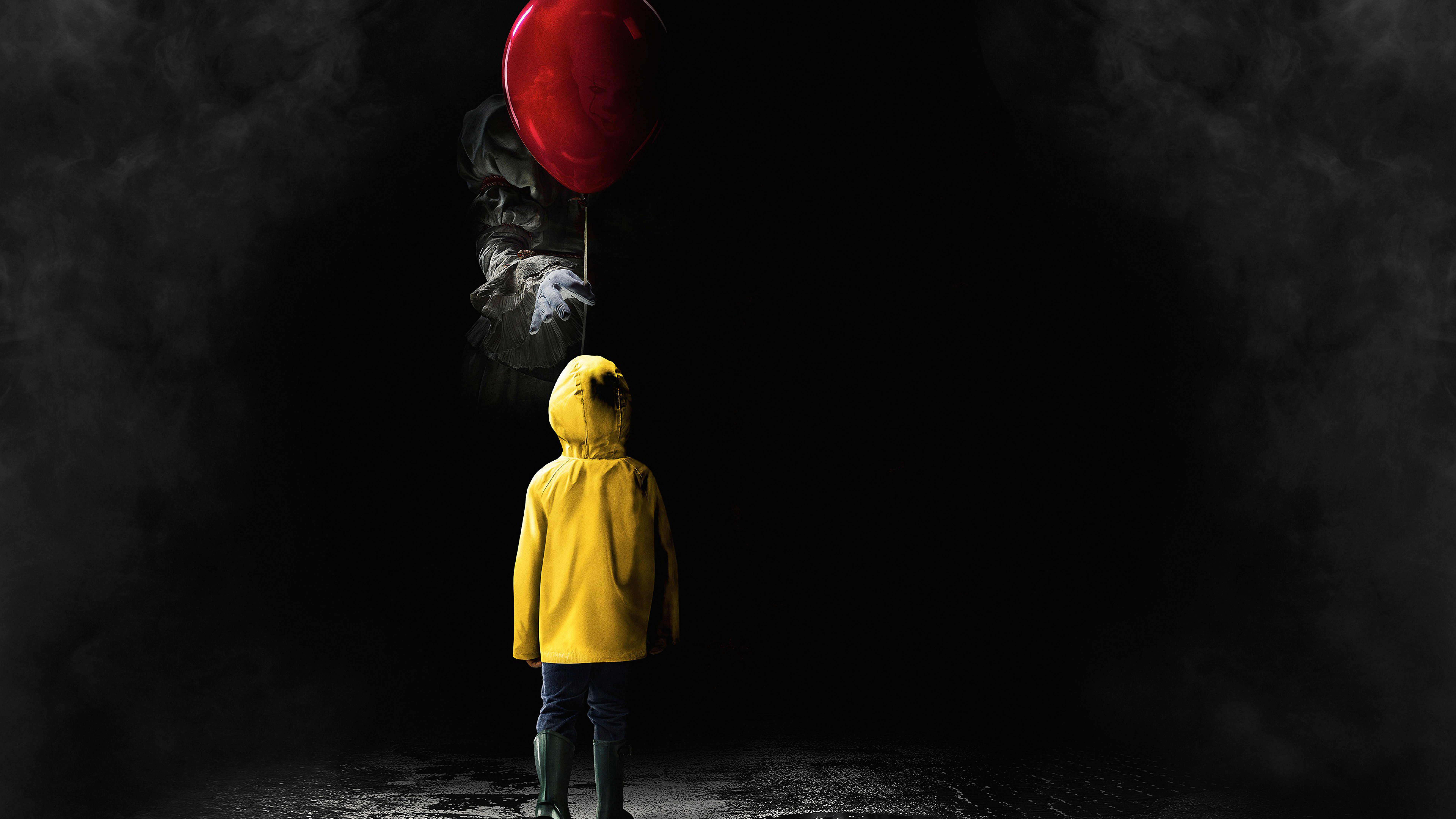
It's no secret that Stephen King flirts not only with nightmares of a fantastic nature but often ventures into the field of hidden fears and psychological horrors. And the prolific writer also loves to describe in detail things that do not conform to societal norms. The brightest example of this is the novel "It", which tells the story of a group of children fighting evil in the form of the clown Pennywise.
The novel pays great attention to the theme of unity through the example of friendship, but closer to the end of the first part of the book, reflections on unity become very literal, and the reader is described in all details, from the perspective of a little unformed girl, the sensations experienced during a spirit-raising orgy... The scene plays one of the key roles in the book, but needless to say, it's uncomfortable to read. And for children, it's completely forbidden. Moreover, no one wants to see it at all.
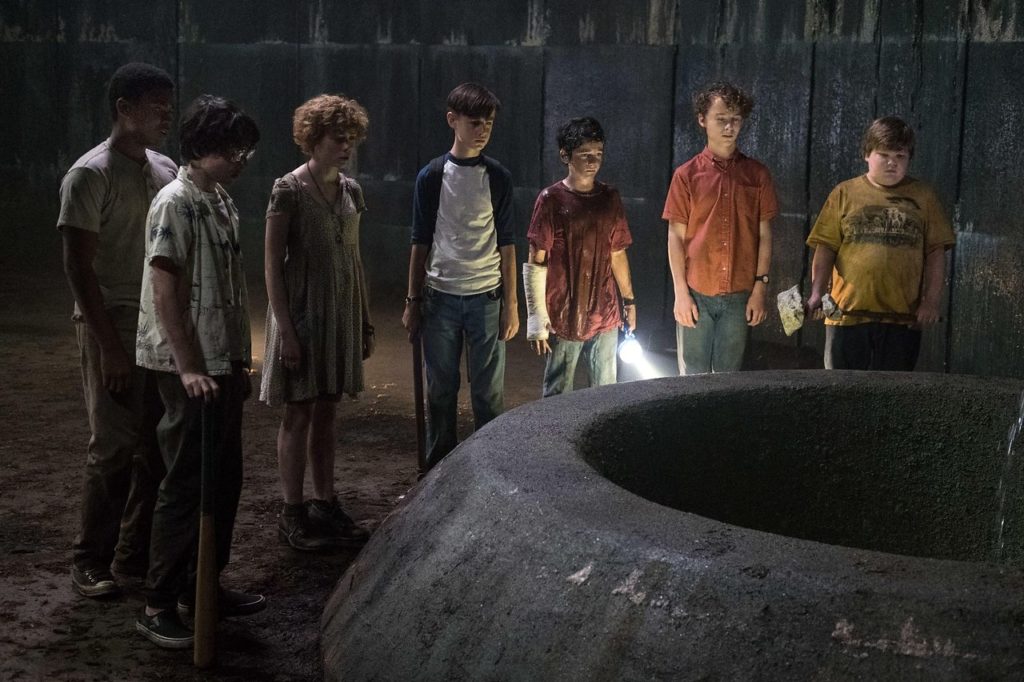
Fortunately, Andrés Muschietti did not include the scene in the film (a successful release by Warner Bros), leaving the children's relationship at the level of an innocent kiss, and placed the burden of horror on the shoulders of Bill Skarsgård and his brilliantly played Pennywise.
When Rethinking Was Beneficial (!?)
According to the author of the article, the described examples are book adaptations that spared the viewers' nerves. But debates between fans of books and adaptations will never subside. For the same change to the source material, some will vilify the film's creators, while others will thank them. In any of these cases, a significant factor is the subjective viewer perception. After all, we are talking about art! Therefore, this selection is for some with an exclamation mark at the end, and for others – with a question mark. Either way, you can recall these films/books (or discover them), find something new, or reaffirm a previously held position.
Comments
0No comments yet.
Sign in to join the discussion.