


Mysterious doppelgängers, magical nature, and the pursuit of one’s own ‘self’ – ‘Superposition’ offers a journey you can’t refuse, but also cleverly defies expectations.
Starting May 25, the Danish psychological thriller “Superposition” (Superposition) hits theaters. Director Karoline Lyngbye, together with screenwriter Mikkel Bak Sørensen, invites you to dive into the world of Stine and Teit, a married couple who, in search of a better life and creative inspiration, choose the most unexpected path – heading into an uninhabited forest.
Encounter with Doppelgängers, or How to Maintain Suspense with a Dull Plot
The beginning of “Superposition” seems somewhat naive and far-fetched – the heroes, whether for a digital detox or an experiment, head to a house in the middle of the woods, where they plan to write a book and record a podcast sharing their impressions of life away from civilization. And they plan to do this for a whole year. They also have a child with them, who, ideally, needs socialization at this age, but oh well, minor details.

The illusion of idyll shatters after a sudden encounter with identical copies of the main characters. Elements of science fiction appear in the film, introducing a dark intrigue that captivates the viewer. Thanks to this “mystical” component, which in reality is an overly straightforward metaphor, “Superposition” holds attention until the very last minutes. The technique is not new, but it works reliably.
The visual framing of the story evokes considerable delight. Shots of the wild Danish nature are mesmerizing and envelop you in their beauty. Lyngbye demonstrates an exceptional ability to use natural landscapes to highlight the characters’ inner experiences and conflicts.

Maria Bach Hansen and Mikkel Boe Følsgaard deliver deep and convincing performances in double doses. Their characters struggle with inner demons, sincerely trying to find their place in the world and sort out their complicated relationships.
The Film’s Unused Potential
Despite its merits, “Superposition” suffers from a superficial approach to the core questions the film tries to raise and dissect. Themes of family relationships after a rupture (also the most obvious one possible) and the search for one’s personal “self” are only touched upon indirectly and do not receive proper development.
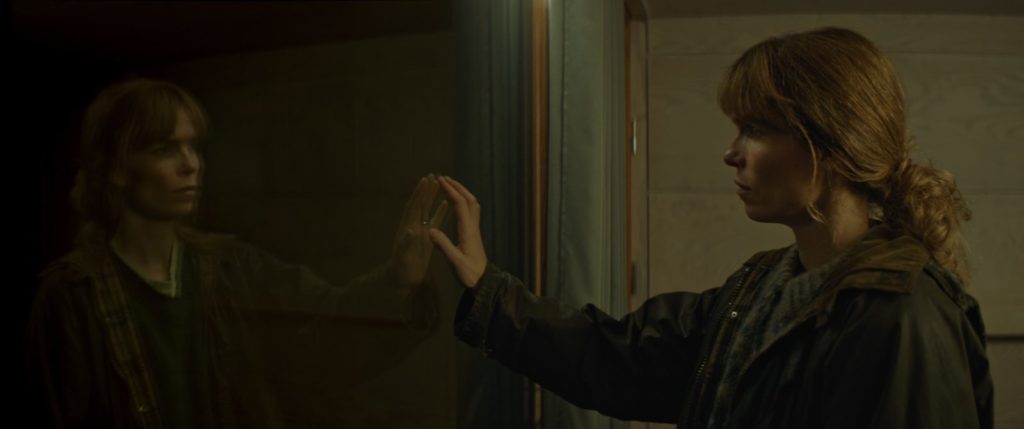
With truly great opportunities for a deep and nuanced analysis of these complex themes, the authors seem to have not dared to go beyond the first obvious questions that might arise when confronting another self. And some individual situations even turned out comical, underscored by the loud laughter of viewers in the theater during the screening, although it is more than obvious that the film was by no means intended for such an effect.
Overall, “Superposition” is an effective thriller that, despite some superficiality in its plot subtexts, captivates the viewer and provokes reflection on one’s own identity and attitude toward the people nearby.
“Superposition” is in theaters from May 25.
Comments
0No comments yet.
Sign in to join the discussion.