
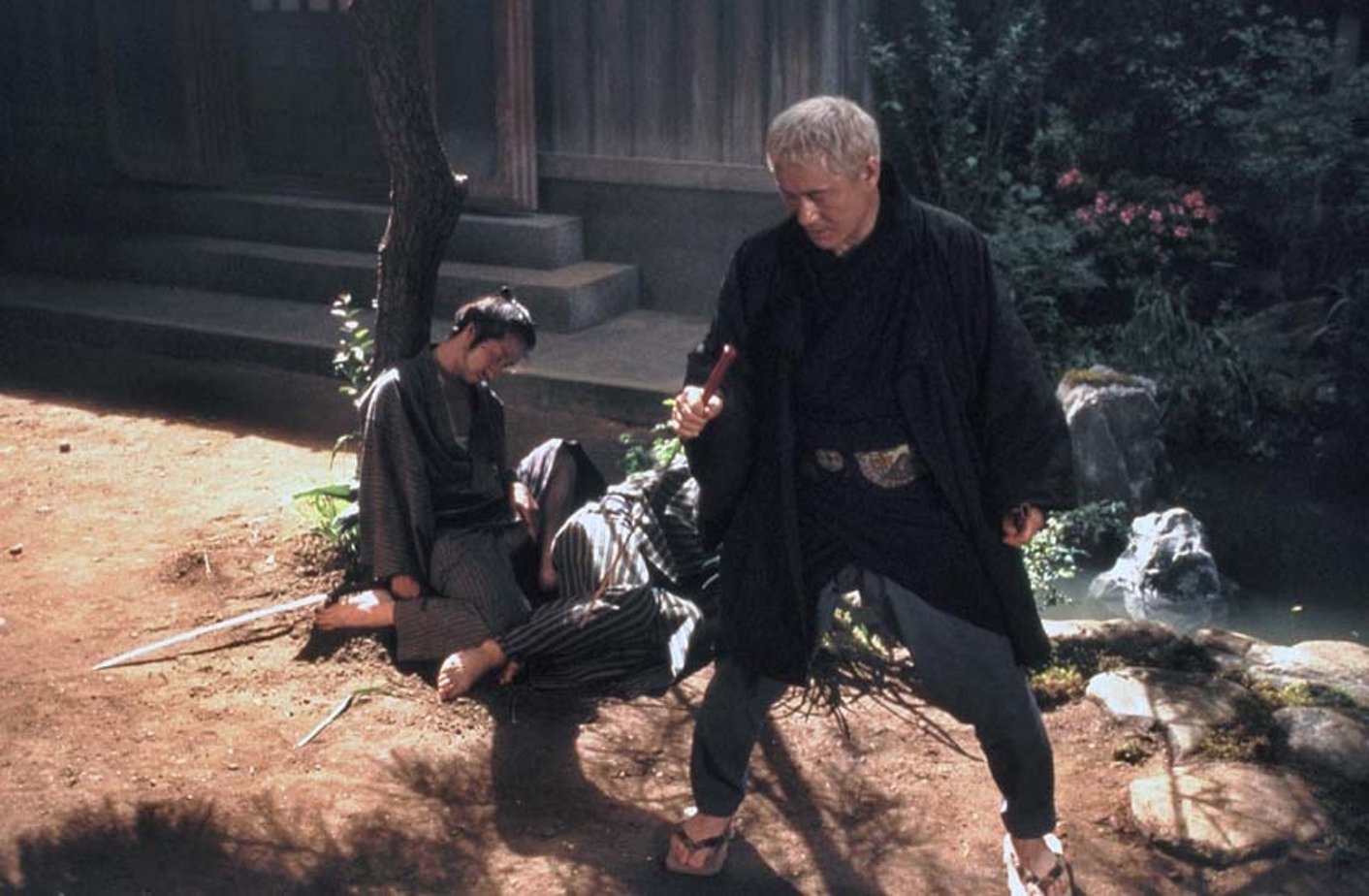
The heroes of the selection cannot use their eyes, but they won't need them for victory.
Sometimes, to see clearly, you need to lose your sight, because eyes can deceive. The heroes of today's selection are fencers, martial arts masters, former military men, detectives, and teenagers. Those who have lost the ability to fully use their sight but haven't given up. Meet eight films where the main characters are blind, which doesn't stop them from living, loving, and fighting.
«Blind Fury», 1989
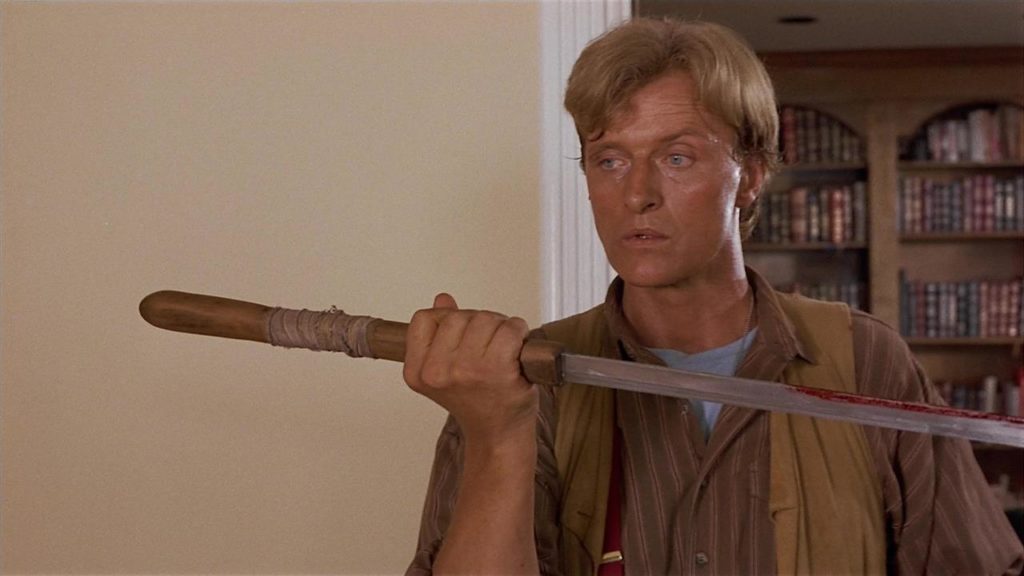
One of the most versatile actors in terms of roles taken is undoubtedly Rutger Hauer. As terrifying as he can be in «Blade Runner» or «The Hitcher», just as much you want to trust him in «Blind Fury». You immediately believe that he can easily protect a child and take on a whole gang of bad guys without batting an eye (ba-dum-tss).
A fairly simple story about a blind, masterfully blade-wielding former soldier turns into a real thrill ride thanks to excellent staging, and the atmosphere of a classic action movie allows us to connect with the characters' story.
What does «Zatoichi» have to do with it, you might ask?
«Zatoichi», 2003
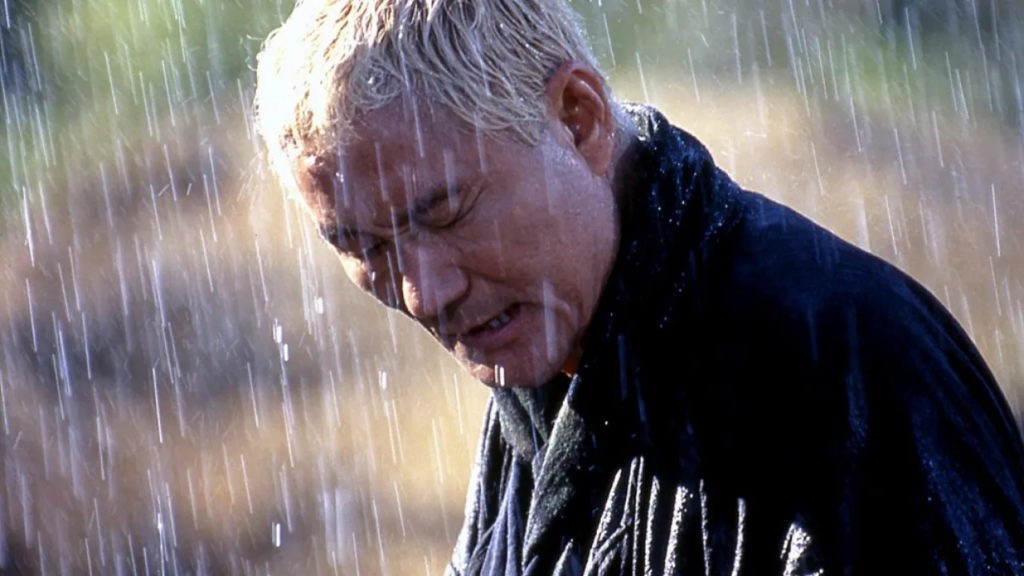
A blind masseur travels through Japan in the early 19th century and spends his free time in casinos. By the sound of dice falling, he can tell the outcome of the game and never loses (here, blindness is more of a superpower: all pluses, no minuses – there's nothing much to see in this world anyway). He never loses in a fight either, although few characters in the film can immediately believe that a clumsy blind old man is a great fencer.
That, in general, is the plot of all Zatoichi films – from the great «The Tale of Zatoichi» (1962) to any, even the most unexpected, of its dozens of sequels.
However, Takeshi Kitano's film is immediately recognizable. Coming into this conservative (and dying) franchise in the early 2000s, he made not so much a new «Zatoichi» as «Sonatine» (his early masterpiece) set in the world of «The Bodyguard», that is, a film whose genre is the director's name.
Again the friction of the comic and the tragic, again a clan war in a provincial seaside town, again a general feeling of melancholy that even liters of blood cannot dispel. And, of course, again the editing, where samurai-like precision and unexpected cuts coexist with the elegance of stylistic finds from a father with a camera at a children's matinee.
«The Blind Musician», 1960
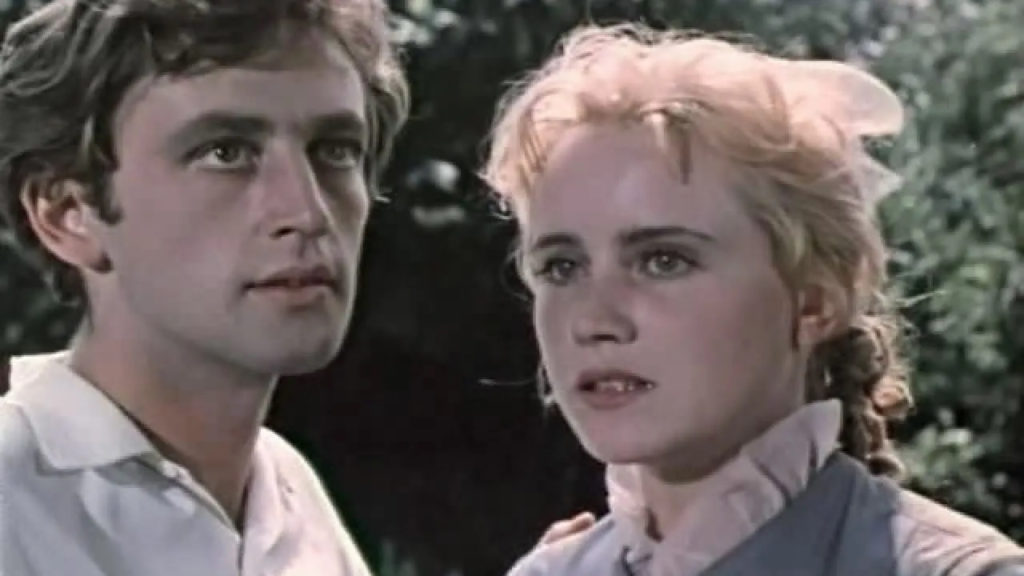
A feature film based on the novel of the same name by Vladimir Korolenko. Starring father and son Livanov.
A blind boy, raised in a quiet estate, begins to explore the world by touch, and one day his fingers find the keys of a piano. But, not yet knowing the value of his talent, he leaves with vagabonds to 'seek the truth.' And now only love can reconcile him with the world of the sighted.
Vladimir Korolenko and Tatyana Lukashevich make you think about how people live whose perception of the world differs from that of the majority. But despite Peter being blind, his experiences are close not only to those like him; his sorrow over the inadequacy of his own life, his fear of bringing suffering and bitterness to loved ones, are familiar to many completely healthy people.
«The Cat o' Nine Tails», 1970
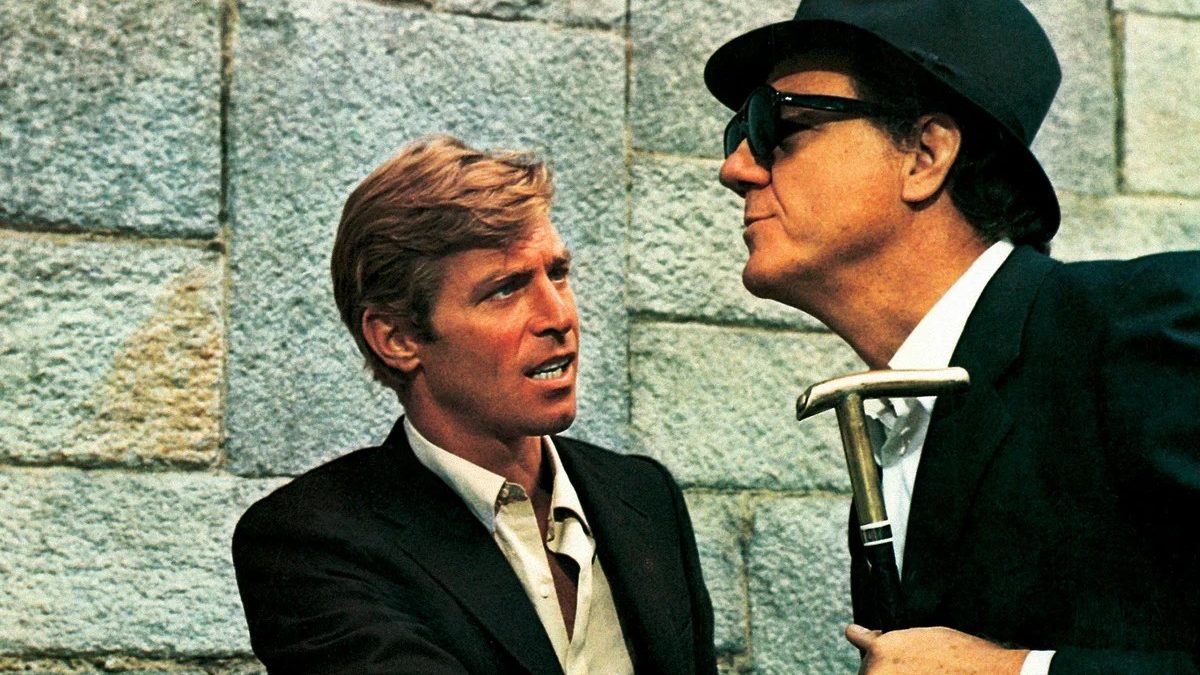
The police investigate a break-in at a genetics institute and the death of its employee, in typical giallo fashion, meaning not at all, and the initiative is taken by blind Franco, who accidentally overheard the employees' conversation that night, and an investigator from some tabloid (actor James Franciscus, a hero, so to speak, of many remarkable films – from «The Valley of Gwangi» to more conventional B-movies).
In «The Cat», there is almost everything you could wish for from a giallo: close-ups of the killer's eyes (creepy), incestuous motifs, failed attempts to scientifically explain the nature of evil. By placing a blind hero at the center, Argento also didn't miss a beat: Franco's inability to see turns out to be an antidote to the evil that in the director's films is always visual and always mesmerizing. Literally incapable of succumbing to evil, he doesn't lose much from his blindness, and this is, in general, an ironic thought for a film.
Like the heroes' investigation, the film, due to an abundance of cleverly devised details, periodically lurches from side to side, but Argento already in his second film reveals his main directorial talent – holding the viewer's attention literally on a wing and a prayer. At the same time, «The Cat» lacks the hypnotic atmosphere of his later films or his signature work with color, but it has brilliant Hitchcockian episodes – a chase (like in «To Catch a Thief»), a cemetery scene, a scene with poisoned milk. In short, pure joy.
«Don't Breathe», 2015
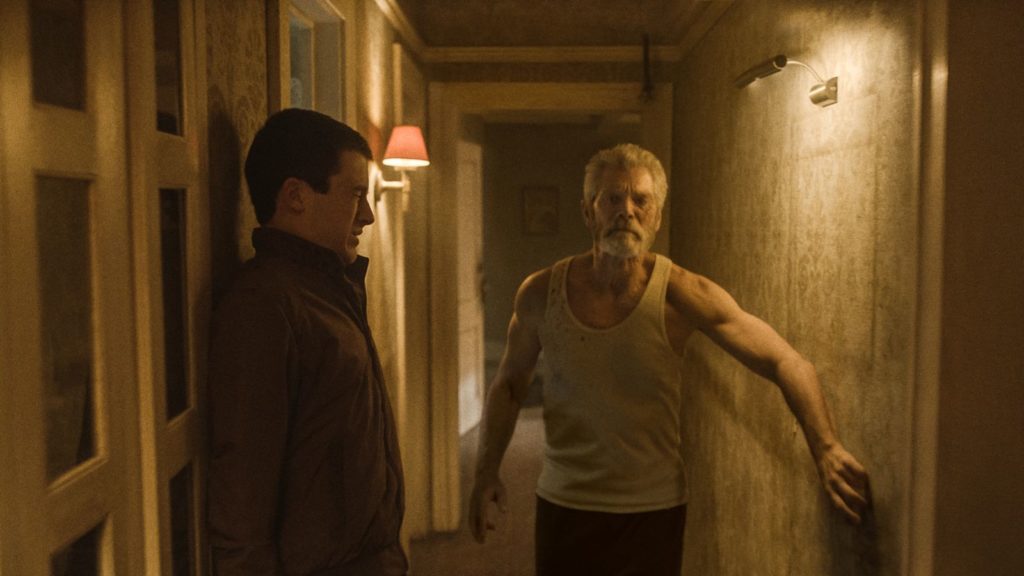
In a gradually dying Detroit, a group of teenagers involved in petty theft and burglary break into the unremarkable house of a blind Iraq War veteran (Stephen Lang). But instead of the expected loot, in the form of a monetary settlement for the death of the homeowner's daughter, the burglars fall into a labyrinth of horror, where the blind veteran, who hasn't lost his combat skills, begins to hunt them.
A modest production project by Sam Raimi captivated audiences with its stark minimalism (the entire action of the film unfolds within the walls of the old hermit's dilapidated townhouse) and incredible inventiveness, which reinvented the horror genre with the same basic premise but without any mysticism. Only the burglars' lust for profit and the blind veteran's lust for victory, unaccustomed to losing fights. Only one must survive.
This technique has been used many times by various directors, but with Fede Alvarez, it was perhaps the most memorable. Especially since there are plot twists, and the main surprise awaits the viewer at the very end of the film. The main star here, without a doubt, is Stephen Lang. In his silent cruelty and resourcefulness, the features of Jason Voorhees and John Rambo simultaneously emerge – you'd have to look for such antagonists. Fully aware of this, a sequel to the film was released in 2021, where the blind veteran already appeared as a positive character, which predictably led to failure. But that's a completely different story.
«Countdown», 2006
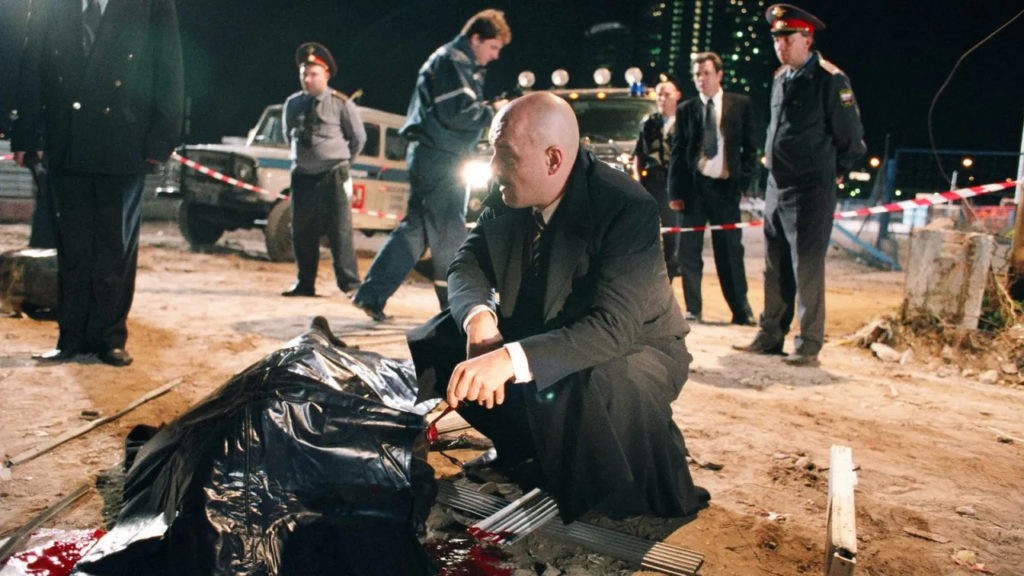
An adventure film by Vadim Shmelev about an independent group of FSB-losers. A terrorist attack may happen in Moscow, and only they can prevent the disaster. The group includes a blind sapper, Krot, played by Leonid Yarmolnik. An unusual image – a black coat, long hair, excellent intuition, and a perfect sense of smell. And all the humor and positive emotions of the film are created thanks to him.
«The Eyes», 1992
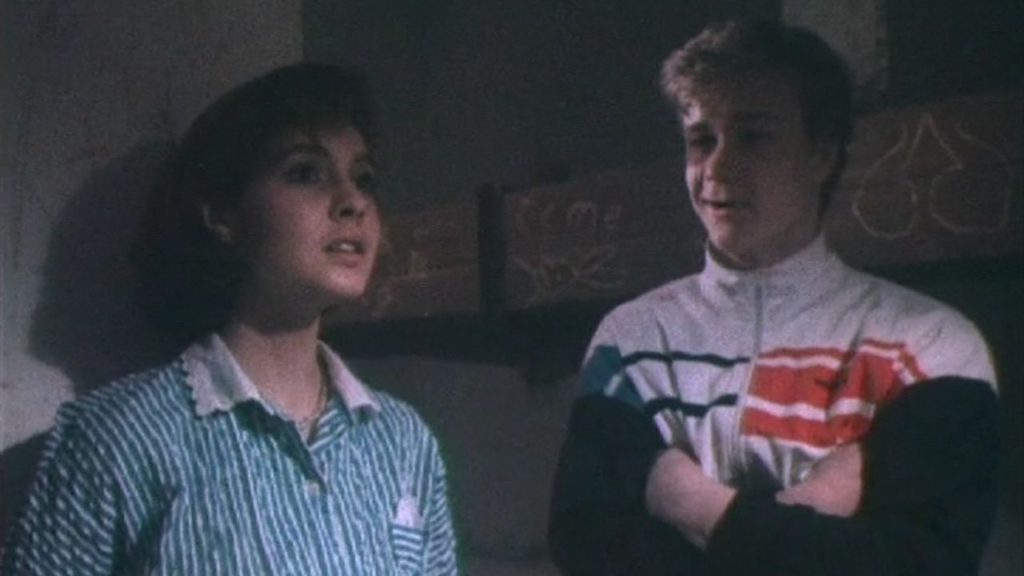
Young hockey player Kostya (Sergei Steblov) ends up in an eye clinic after an injury sustained during training – a puck hit his eye. In the hospital, he falls in love with a fragile, blind girl, Nastya (Inga Ilm), who is awaiting surgery.
Their short and stormy romance within the walls of the hospital corridors doesn't last long – the operation is successful, Nastya begins to see and realizes that Kostya is not at all the person she would want by her side. Kostya suffers a nervous breakdown and unexpectedly goes blind himself. The doctors are powerless and simply discharge the athlete home.
A Romeo and Juliet story, set against the backdrop of a collapsing system with vivid realities of the early 90s and an almost documentary-like recording of the daily life and surroundings of the main characters, was directed by the little-known Valentin Khomenko, who had previously shot segments for «Yeralash» and low-budget comedies. His film very accurately captures the rhythm of the reality of that time, where the eye department of a hospital looks like a last refuge for teenagers, as if unwilling to see what is happening around them and trying to find salvation in love and care.
«The Eyes» is an uncomfortable, stirring teenage drama with a disarming and happy ending, which surprisingly does not descend into ugly kitsch or grimdark. Not the most popular film of the 90s era, but certainly the most humane and responsive.
«The Crippled Avengers», 1978
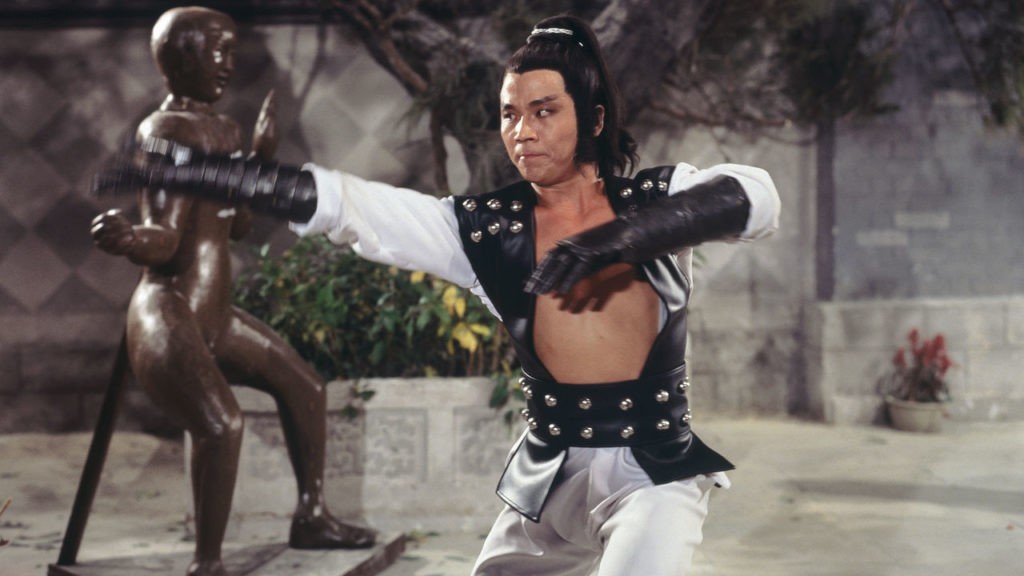
These guys wouldn't have needed two movies to defeat Thanos. Through an unfortunate twist of fate, four complete strangers encounter a vicious and vengeful duo of kung fu masters. After the encounter, the four previously healthy men become blind, deaf-mute, legless, and insane. Now they too thirst for revenge, for which they will have to learn martial arts and overcome their own fears.
«The Crippled Avengers» is a product of the well-known Shaw Brothers Studio, flesh and blood of Hong Kong action cinema. The director of «Avengers», Chang Cheh (one of the main auteurs of Shaw Brothers Studio), was a production leader. Cheh released five or six films a year, all more or less the same flat-plotted, teeth-rattling action films, shot on the cheap for pennies for lightning-fast distribution.
All of Chang Cheh's films (as well as 90% of related martial arts films) are created according to the formula 'hero's defeat – training – revenge – villain's defeat'. What sets «The Crippled Avengers» apart from the crowd is the emphasis on the spiritual superiority of the good guys over the bad guys. Both are equally physically crippled, but the one who can rise above the infirmities of the flesh and show strength of spirit, not just steel fists, will win.
Comments
0No comments yet.
Sign in to join the discussion.