
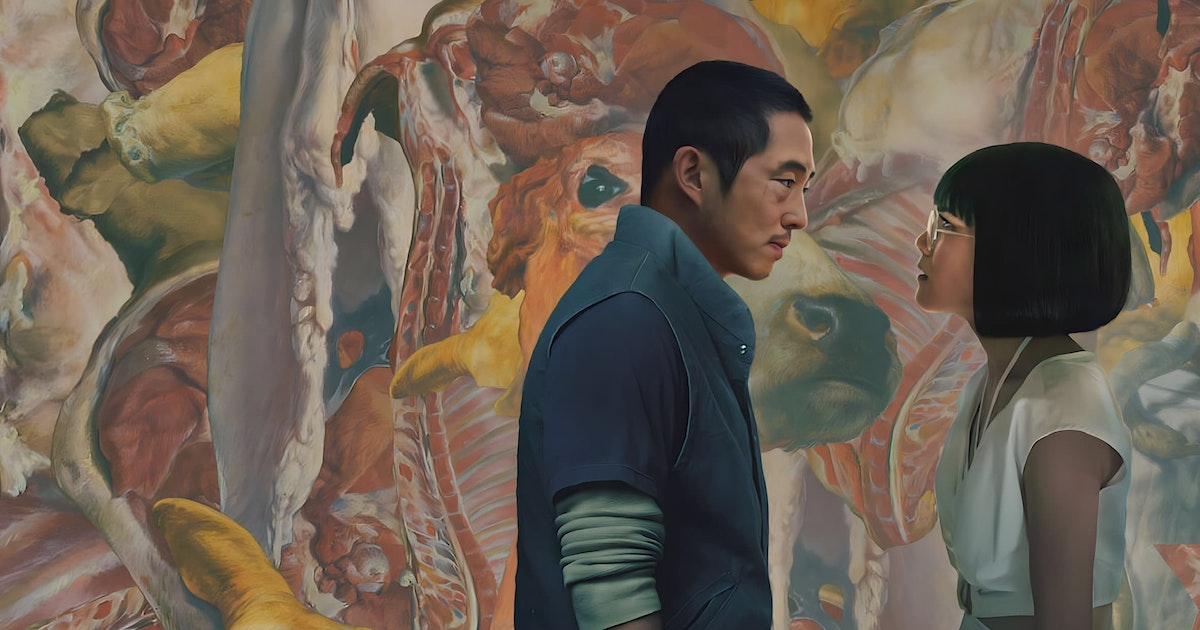
On April 6, Netflix premiered the series 'Beef', created by studio A24. The story of the 'war' between two like-minded people from different social classes is both funny and thought-provoking. We tell you where the suddenly started beef in a parking...
Studio A24 is widely known to audiences mainly for its auteur feature-length projects. For example, the Oscar-winning 'Everything Everywhere All at Once' is a bright diamond in the company's filmography. Besides it, of course, there are a bunch of cool films that many have heard of, but in the field of multi-episode shows, the studio is not quite on everyone's lips, although it is listed among those who had a hand in creating 'Irma Vep' and 'Euphoria'. 'Beef' is another solid step onto series territory, which A24 clearly plans to explore even more actively in the future. If earlier the company's projects came out on HBO and Hulu, now they have also conquered the great 'tudum' service, which won the inter-streaming beef for 'Beef', and, as it turned out, did not miscalculate.
What's the Plot?
Danny Cho (Steven Yeun) is a Korean man working as a contractor. Amy Lau (Ali Wong) is a Vietnamese-Chinese woman with a successful decorative plant business. He lives in a motel room once owned by his parents, together with his younger gamer brother, and thinks every day about the least painful suicide, tired of being broke and failing to bring his family back to America. She is married to the son of a famous artist, but works constantly; she is tired of endless meetings and barely sees her own daughter, so she tries to sell the business profitably and achieve family happiness.
One day in a parking lot near a hypermarket, these two strangers nearly crash into each other, and then the pair's 'brakes fail'. A verbal spat with curses out the window escalates into a furious chase with garbage thrown at the windshield and aggressive driving in a quiet neighborhood. From this moment, a real beef begins between Amy and Danny, the outcome of which is unknown for both them and their entourage.
Beef is a War Where Everyone is Against Everyone
'Beef' is the debut of Lee Sung Jin as showrunner and director (the creator personally directed the tenth episode). Previously, he was among the multiple writers for series such as 'Silicon Valley' and '2 Broke Girls', and today he is already working with Marvel on the script for the upcoming 'Thunderbolts'. In addition to Lee Sung Jin, the direction was handled by Jake Schreier — a well-known music video director who worked with Kanye West and Kendrick Lamar (incidentally, the director is currently attached to the same 'Thunderbolts'), and Kiyoka Miyazaki (under the pseudonym Hikari), who won the Audience Award at the Berlin International Film Festival in 2019 in the 'Panorama' section for her film '37 Seconds'.
The series is based on a real story that happened to Lee Sung Jin on the road four years ago. The showrunner 'zoned out' at a traffic light and didn't notice when it turned green. A honk and curses from the BMW behind were not long in coming. The situation threw the normally calm man off balance, and he chased after the insolent driver, but it didn't come to aggressive driving and f-bombs, so over time this incident turned into a funny story, until potential was spotted in it first by Steven Yeun, and then by studio A24. The altercation became the basis of the show, but the creators blew it up to hypertrophied proportions, making the consequences simply insane.
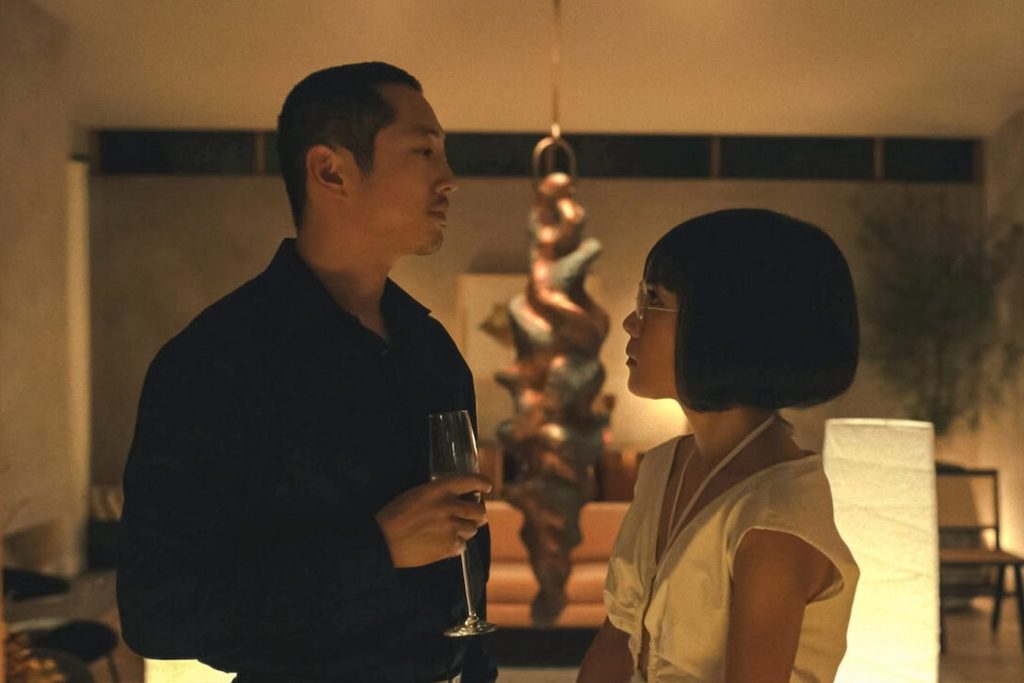
What's so special about a road conflict? This happens every day and usually doesn't go beyond hurtful words, but here the characters' nerves are stretched to the limit. They are two compressed springs that sharply release at the moment of the near-accident. A convenient opportunity to let off steam leads the situation not just to a chase in the style of 'The Fast and the Furious', but to a real war that brings pleasure to both participants. At the end of the first episode, Danny runs away from Amy with the happiest face after peeing all over her toilet. And that's the most harmless revenge presented in the season.
'Beef' resembles a mix of 'Everything Everywhere All at Once' and 'Parasite', where madness and absurdity are turned up to the max. Of course, the characters were never friends, they don't travel through universes or settle in other people's houses, but still a piece of each project seems to be present in the show. Critics and viewers have already lavished praise on the series as much as they could, and the fact is that it is largely deserved. To quote a legendary phrase: 'It seems this was a surprise for everyone. An unknown newcomer started the season as a dark horse, but now everyone knows him.'
Last week, Martin McDonagh's new film 'The Banshees of Inisherin' became available in digital format. The director's fourth film brought two awards from Venice: for Best Screenplay and
Open materialThe chain of events leads the characters to a point of no return. They could have stopped almost immediately, but they chose a completely different path for the conflict. The characters get so entangled in each other's lives that the consequences are catastrophic. The characters manage to sort out these kinds of life problems over ten episodes with great difficulty.
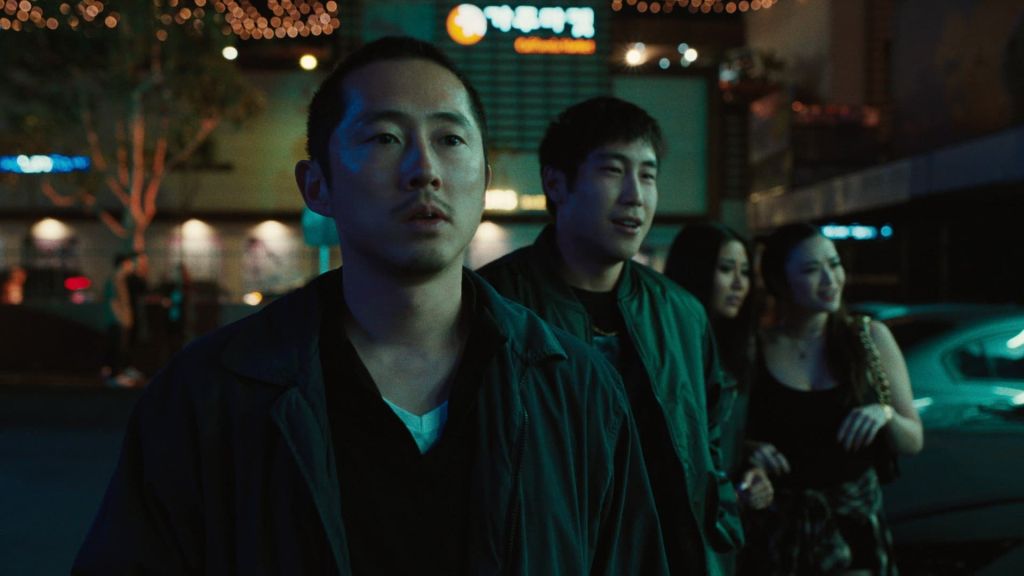
There is not a single filler episode in the season, so the plot almost perfectly evenly guides the viewer from the beginning to the finale, filling it with a wide range of emotions. 'Beef' is the kind of series that can be watched almost in one sitting. Nearly six hours of runtime (there is no opening sequence, and if you also exclude the credits, only about 5.5 hours remain) fly by unnoticed, as the humor, dynamics, and emotional roller coaster prevent fatigue from setting in.
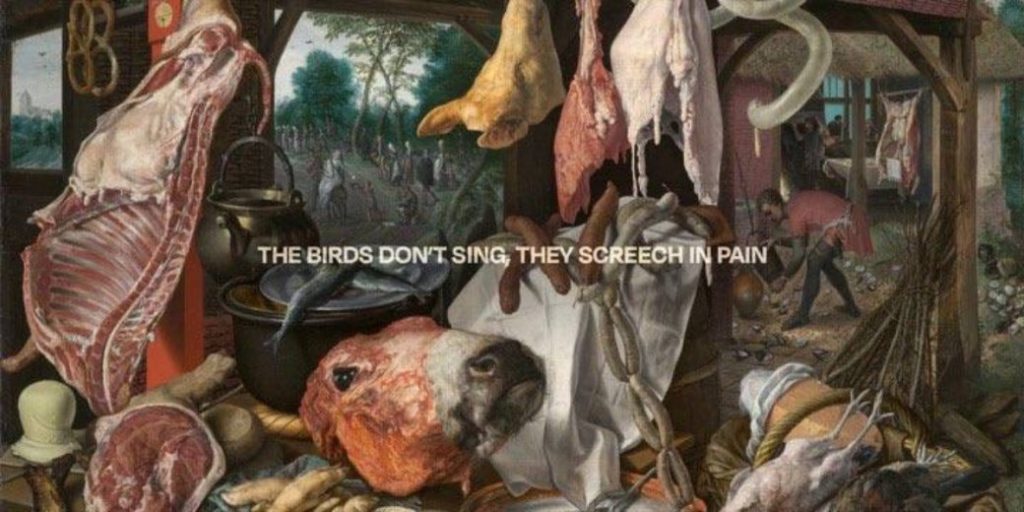
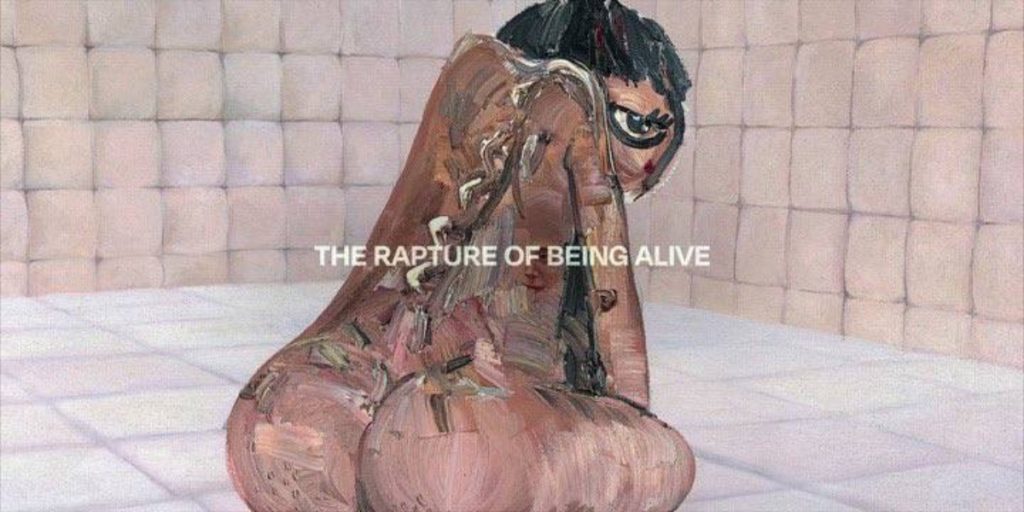
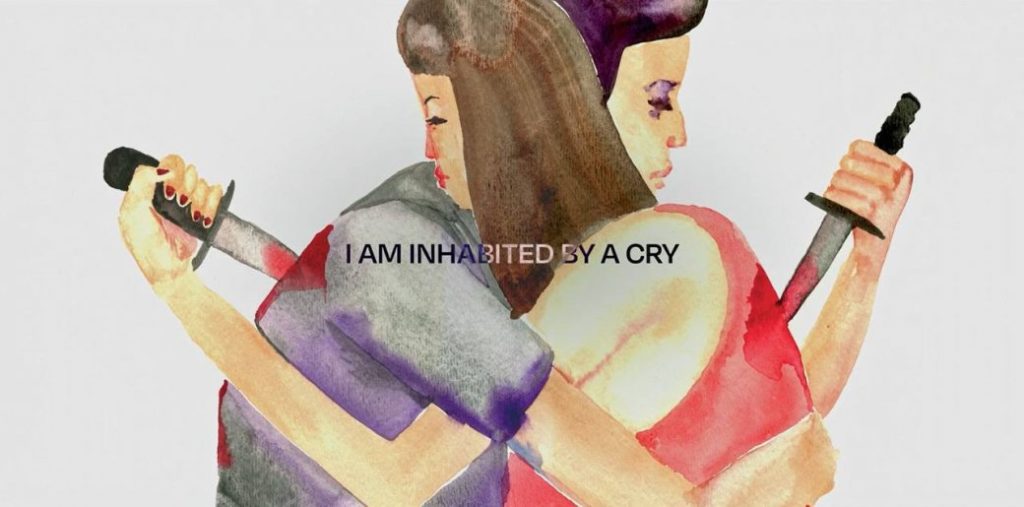
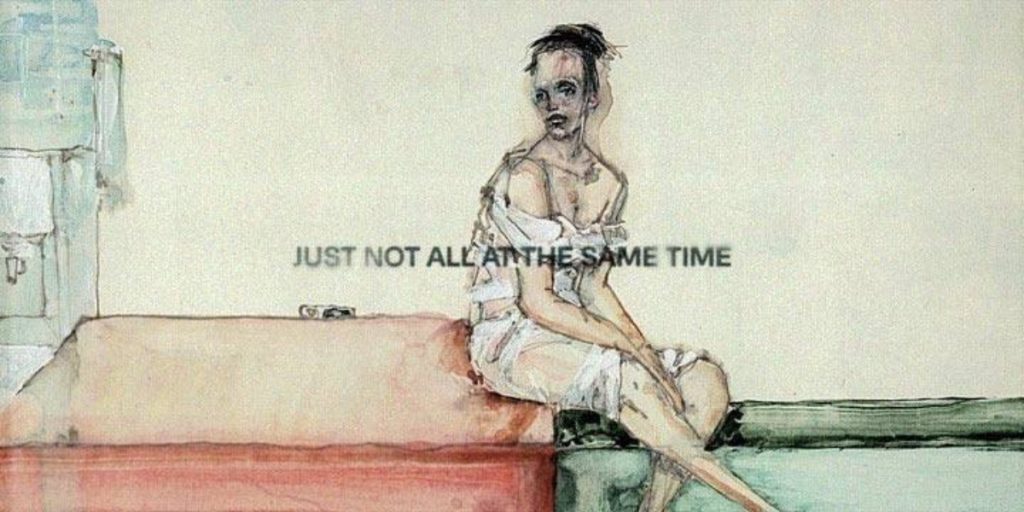
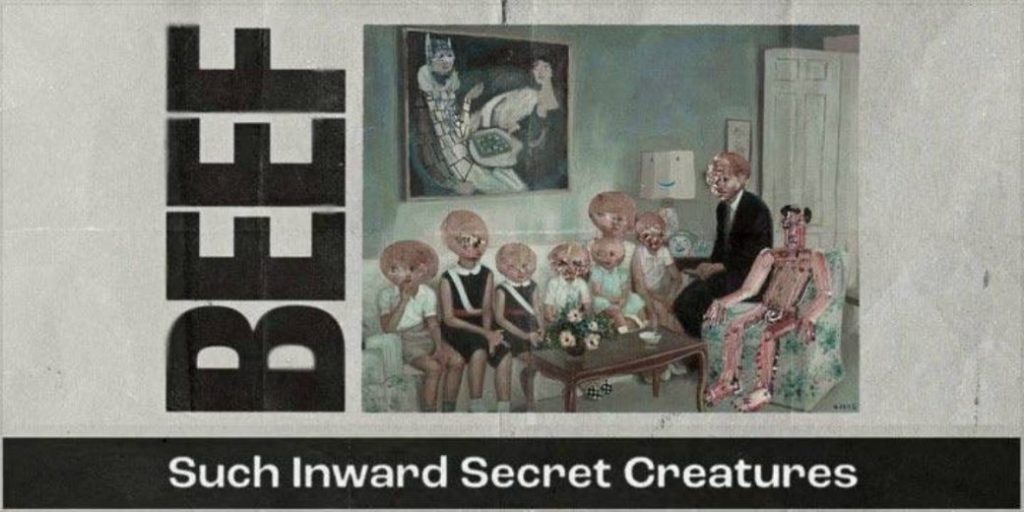
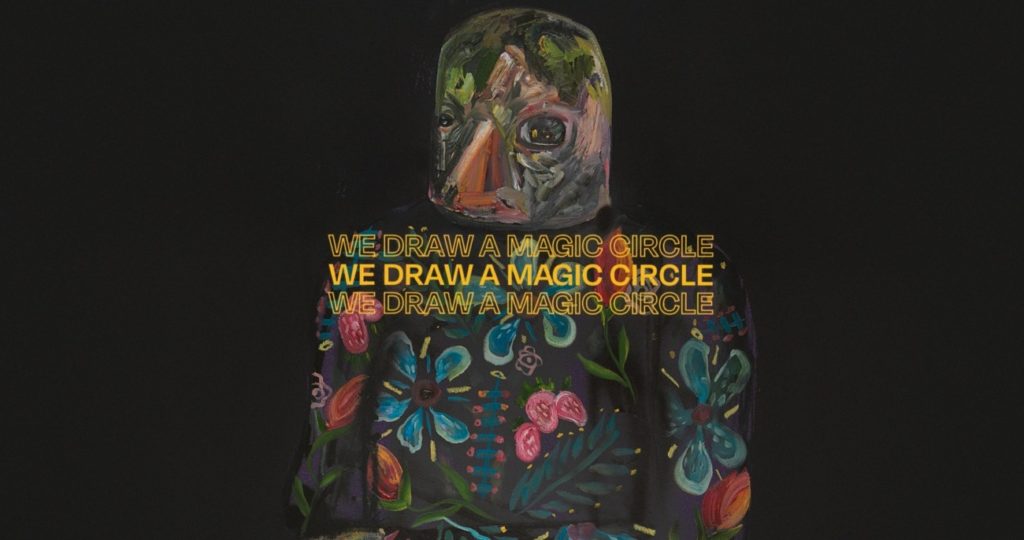
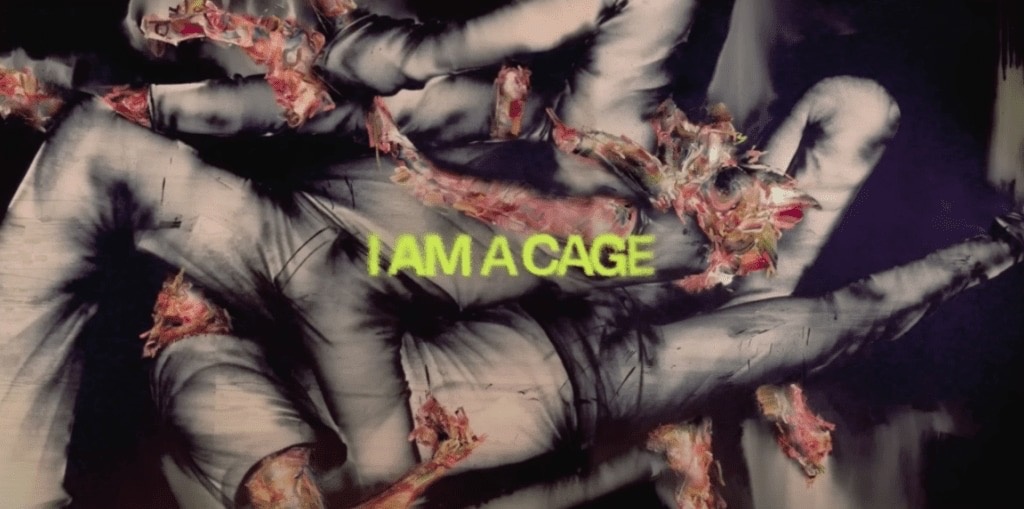
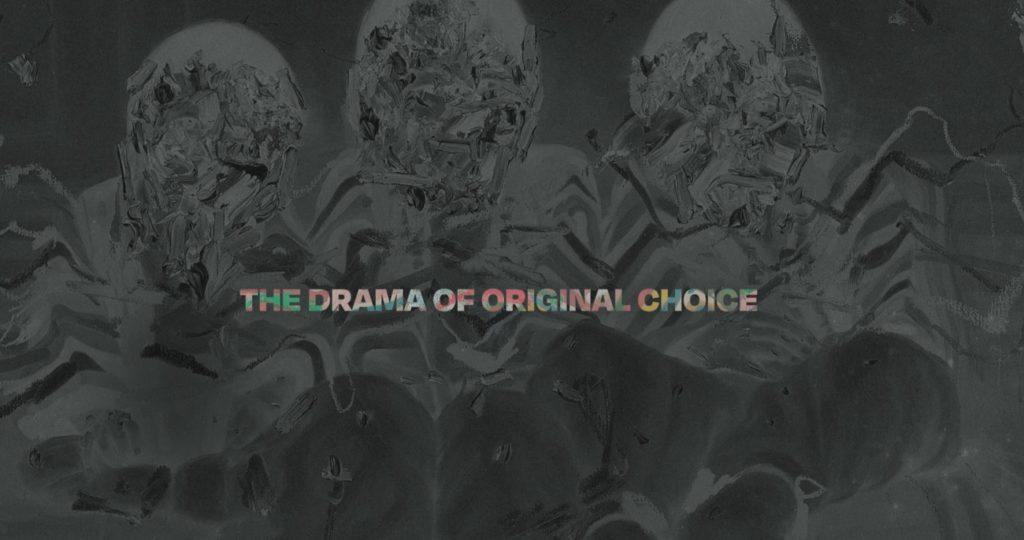
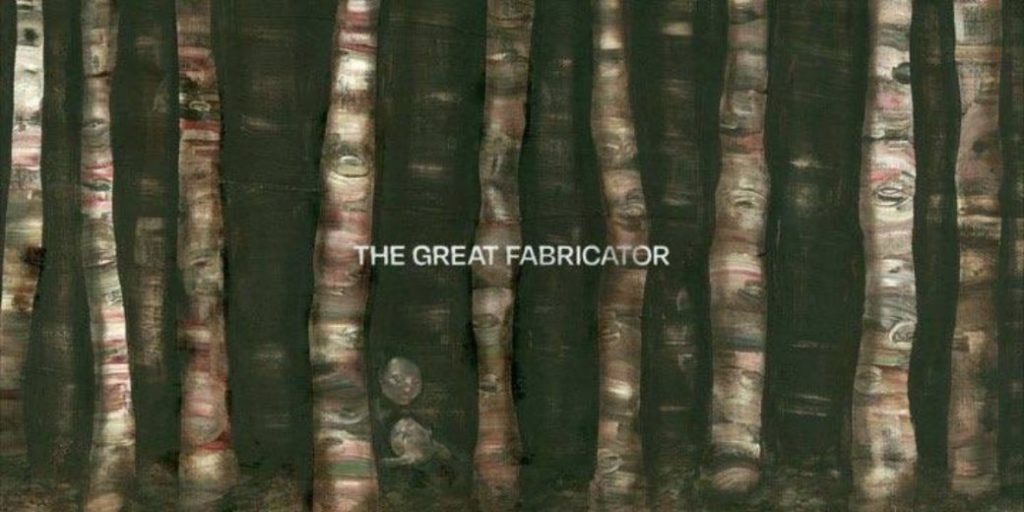
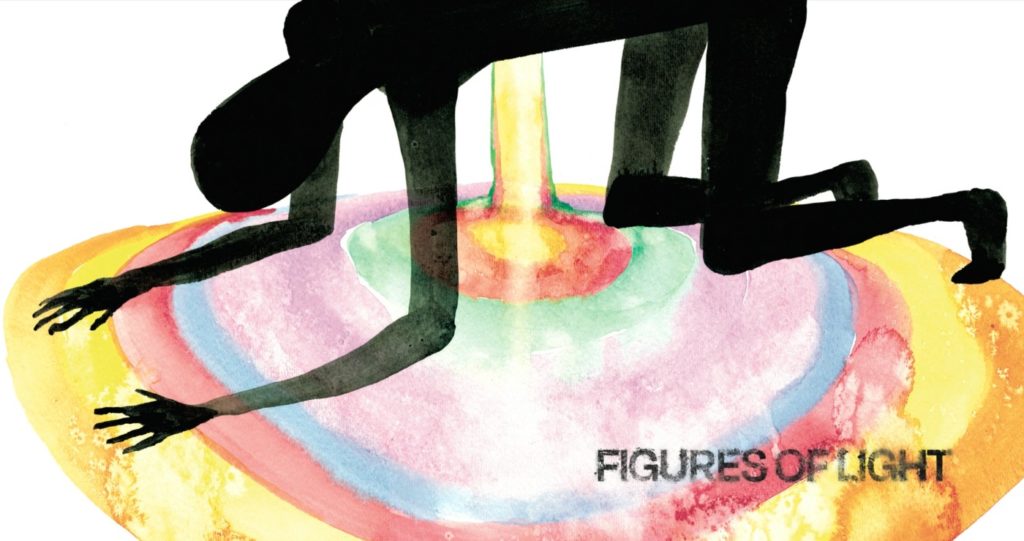
Speaking of which, instead of an opening sequence, the show opens with abstract paintings with an intertitle in the form of the episode title (which are often quotes). All the illustrations were drawn by actor David Choe, who played Isaac, Danny's cousin. You want to examine each image for a very long time, searching for hidden meanings and metaphors related to the episodes they accompany. Even in this detail, 'Beef' is a work of art.
Beef is When Only the Audacious Find Success
The main highlight of the show is the duo of Steven Yeun and Ali Wong. Their acting is simply flawless (the Emmys are surely already burning their ears), and the chemistry of the enmity that has formed between them is something divine. The confrontation between the characters draws you in and doesn't let you tear yourself away from the screen. Of course, for most of the series, the writers separate the characters to different corners, developing secondary storylines, but we know that all roads will eventually bring the enemies together in one place, after which another cataclysm will occur in the life of one of them.
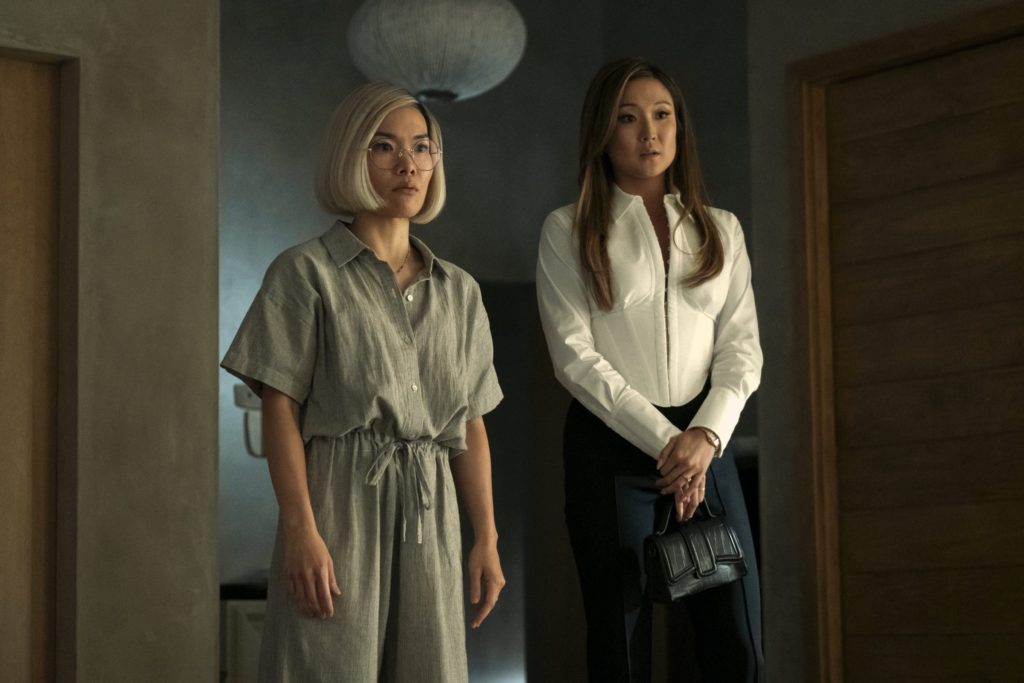
'Beef' is a screen adaptation of the meme 'This is fine', where a dog sits in a burning bar and smiles. That's exactly what Danny and Amy do throughout the entire series — smile when there is complete chaos around them. But behind these smiles, the actors hide completely different emotions that are perfectly read by the viewer. Sadness, joy, anger, emptiness, irritation — these are all completely different smiles. Just imagine how much you need to act to convey the right emotion with just facial expressions.
From episode to episode, the characters' life situations only get worse, and they are forced to put on a happy face and say everything is fine. But as soon as fate 'gifts' them a meeting, these two immediately become themselves and say everything they think about each other and the world around them.
She considers him a poor loser sexist, and he considers her a miserable bitch housewife. The thing is, both of them are actually unhappy. Not only does the fulfillment of a dream not make the characters happy, but they also infect their loved ones with unhappiness. Danny infects his brothers Paul (Young Mazino) and Isaac, and Amy infects her husband George (Joseph Lee) and daughter June (Remy Holt).
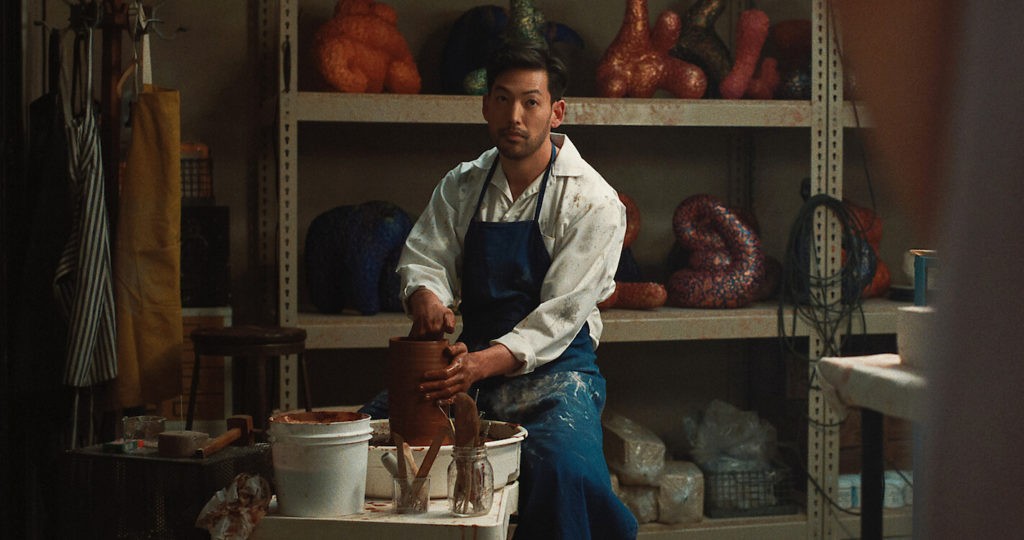
Essentially, the main characters are outright bad people, whose actions the viewer observes for ten episodes. They do not deserve sympathy, as some actions simply cannot be justified. Childhood trauma, psychological instability, excessive aggression and bitterness — these are clearly not traits of positive characters. All this needs to be carefully worked through with a psychologist, not vented into society, but 'Western therapy doesn't work on the Eastern mentality,' as stated in the series.
Besides the issue of the importance of psychological health, 'Beef' explores the problems of the Asian immigrant experience, parent-child relationships, and the division between rich and poor (this is generally a favorite of many directors in recent years). Such a rich volume of themes is explored quite well in the show. The viewer is emotionally burdened with the crises of other people, thereby distracting from their own. Of course, after watching, real life will again take center stage, but the events on screen can help get through difficult times and realize the insignificance of one's own problems compared to those shown on screen.
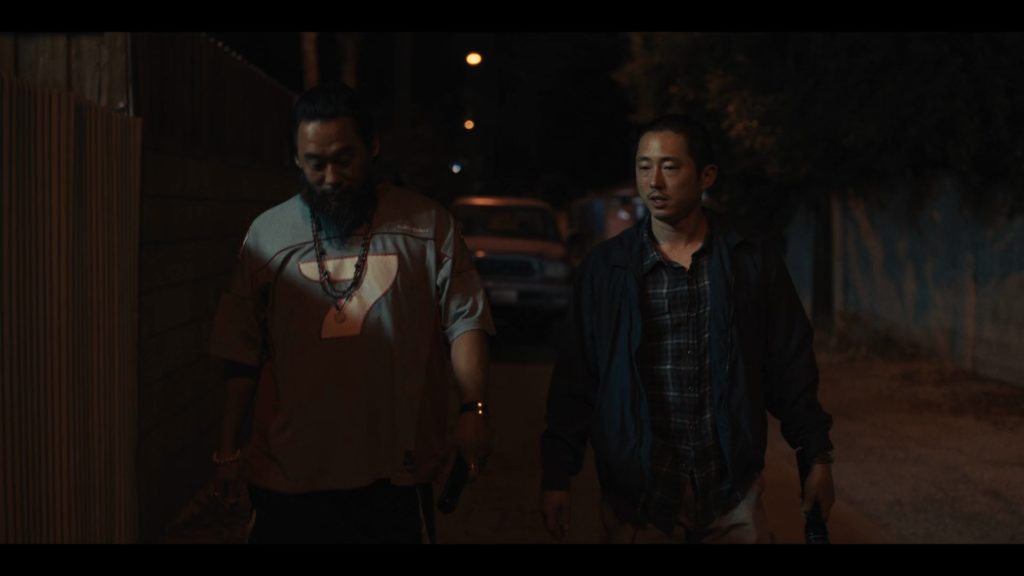
Against the backdrop of this ideal picture, only the secondary storylines stand out a bit, which don't grab as much as the main conflict. As soon as Amy starts confrontations with her husband and Danny tries to improve relations with his brother, the viewer's attention might wane a little. All these lines are not as captivating until they cross with the main one. But when that happens, 'Beef' pulls you back in completely.
In the end, the viewer is led to an open, but quite logical and cathartic finale that releases all accumulated feelings and emotions. And if during the credits you mentally rewind the show to the beginning, the desire to honk at various idiots on the road automatically disappears for an indefinite period.
So What's the Verdict?
Despite the fact that the story of the brutal conflict concluded in the final episode, Lee Sung Jin has thoughts of an anthology spanning three seasons. Given that 'Beef' is currently gaining popularity, a second season could be a very predictable move from Netflix and A24. As for the first season, it is an excellent dramedy for binge-watching, followed by reflection on happiness and the American Dream. It's unlikely these topics only concern Asians, because we all (regardless of views, orientation, or skin color) want to find our place in life and live it happily. It's just a pity that sometimes to achieve this goal you have to force a smile and give fate the middle finger, because if you don't, you risk getting roasted in the beef with life.
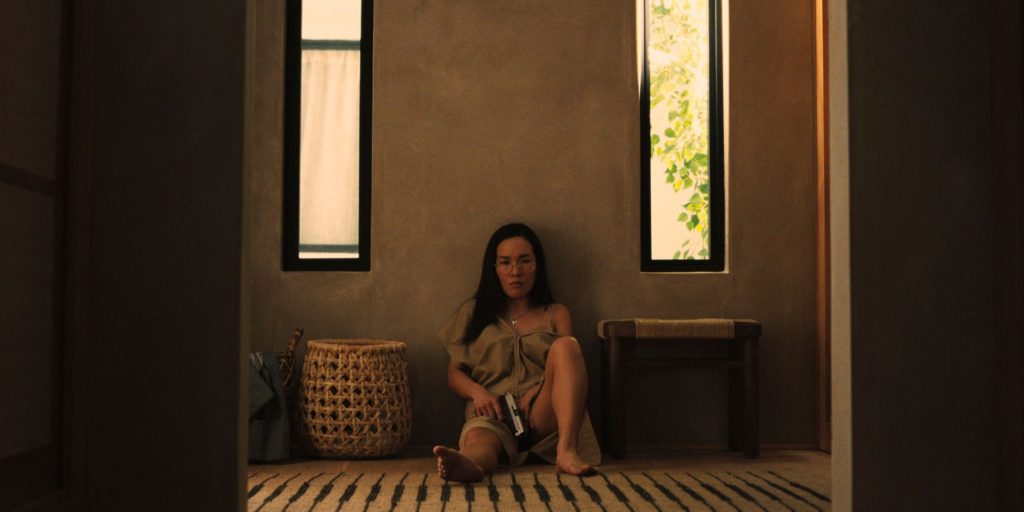
Lee Sung Jin's show can safely be called the second surprise series of the year (the first was ), which few people talked about before the premiere, but afterwards it fired with such a bang that my ears were slightly blocked. Of course, it's too early to put 'Beef' on the lists of the best projects of the year, but at least the bid is quite weighty. I wonder what else 2023 has in store for viewers. Let's hope this isn't the last surprise.

The first season of the series 'Poker Face', created by Rian Johnson, has concluded on the streaming service Peacock. The director of 'Knives Out' laughs at the detective genre again, but in thi
Open material
Comments
0No comments yet.
Sign in to join the discussion.