
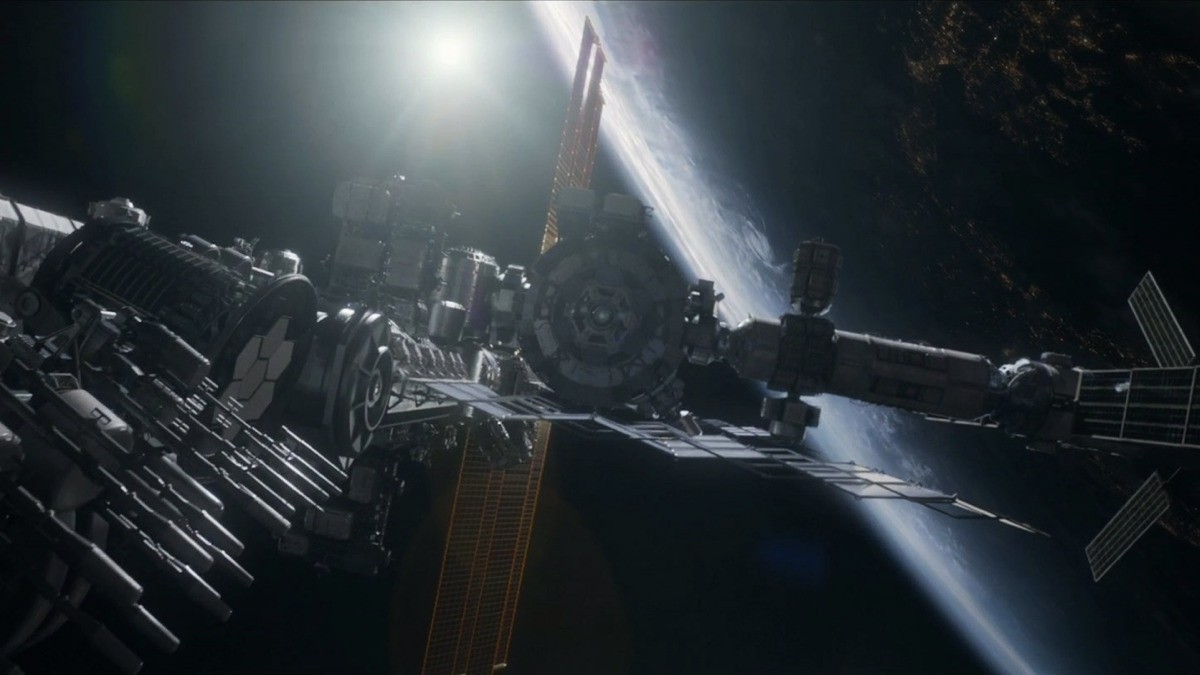
On Cosmonautics Day, we recall unexpected sci-fi horrors about how scary it is to leave Earth, what the stars hide, and, of course, why a person needs another person.
Watching a space horror is the best way to spend Cosmonautics Day. At least, that's what our editorial team thinks. We've gathered several outstanding space horrors (and left 'Alien' out: as we know, an alien on board spells trouble, and this great film doesn't even need describing, it just needs watching) – classic and new, popular and not so much, high-budget and those involving Roger Corman – but most importantly, ones that will be interesting even to those who are generally indifferent to cosmonautics the rest of the year.
'Planet of the Vampires', 1965
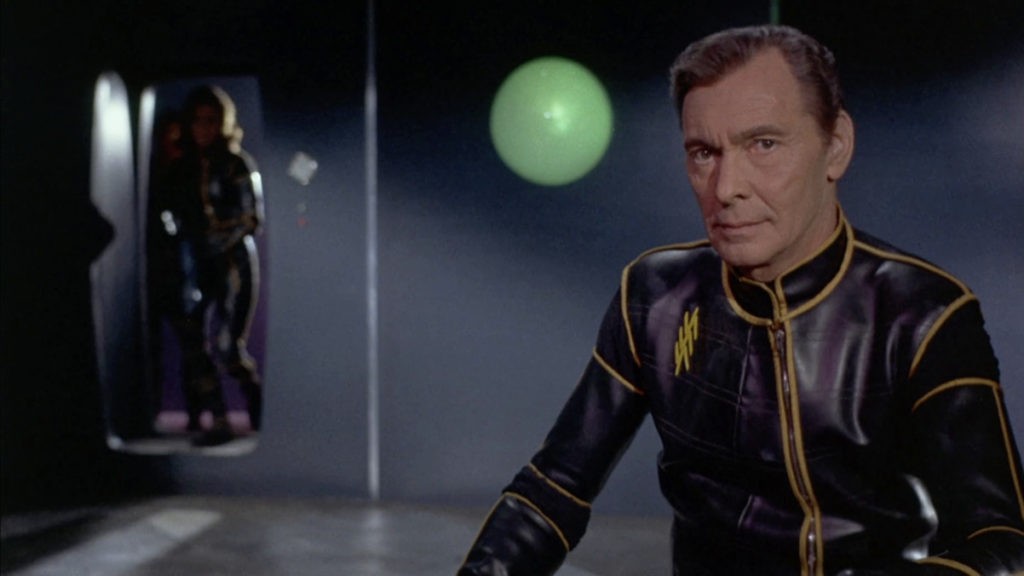
Since the plots of most films in the selection are similar to the point of confusion, it's almost awkward to recount 'Planet of the Vampires': experienced astronaut-scientists landed on a strange planet they thought didn't exist, fought each other in an unusual fit of madness, received a distress signal from colleagues who crashed there, went to rescue them, but only found bodies. The dead, however, at some point began to kill the living, and the dashing but simple film about a team of people in identical suits on an unfamiliar planet unexpectedly, by the thirtieth minute, stopped resembling and began to foreshadow 'Alien', which came out only ten years later.
Ridley Scott is a great director, and all subsequent authors of space horrors have, from time to time, borrowed something from 'Alien' when they couldn't or didn't want to come up with their own, but the brilliant simplicity of the plot about something taking over the astronauts, about how in space, where a person needs another person, it's hardest to remain human, belongs to Mario Bava.
His unique style – that of a craftsman who was more subtle and interesting than most authors of his generation (and simply a genius) – is felt in every unexpected frame, in every unplanned camera movement, in every strange scene that sets this film apart from the black hole of B-grade sci-fi horrors, and, of course, in the amazing aftertaste that is worth the hour and a half of sometimes amusing observation of how they saw space in Italian pavilions in 1965 (spoiler: everything is in fog and with toy rocks).
'Galaxy of Terror', 1981
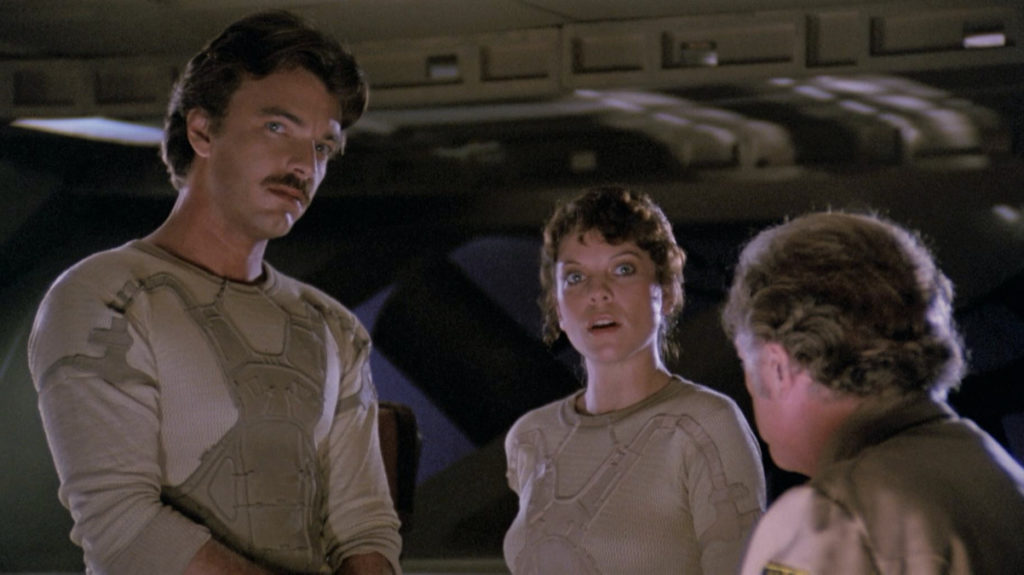
On a planet with the fairy-tale name Morganthus, an incident occurs with a spaceship. To rescue the crew, the mysterious Lord of the Planets dispatches another ship with the prosaic call sign 'Quest' and a crew of not the most balanced individuals. Upon landing, the comrades immediately realize that the planet is lousy and things are bad, hinted at by a sinister pyramid looming in the distance, creeping fog, and the mutilated bodies of their predecessors.
There's no getting away – something is holding the ship. In an attempt to figure out the devilry and not die, the crew of the 'Quest' begins a descent into the depths of the hell of their own fears.
Here are 4 reasons to watch 'Galaxy of Terror':
It is the flesh and blood brainchild of the penny-pinching king Roger Corman. A budget of $1.8 million, practical effects on a shoestring, an exploitation plot, and one of the most disgusting sex scenes in history;
It is the third serious work of James Cameron in cinema. As the second director, he figured out how to realistically and cheaply show alien creatures on screen. Many of the tricks from 'Galaxy of Terror' later migrated to his 'Aliens';
It is a precursor to horrors like 'The Thing', 'Aliens', 'Event Horizon', and a dozen other B-category clones. Although 'Galaxy' is essentially a carbon copy of 'Alien', run through the exploitation mill of drive-in theaters, many original ideas from it were developed in the blockbuster monsters of the 80s and 90s;
Finally, it is a disturbing, funny, and strange space horror with a devastating finale. 80 minutes of shameful, gut-level pleasure, like a Brothers Grimm fairy tale returned from a journey through the icy depths of hostile galaxies.
'Event Horizon', 1997

A strange film in which, in the icy void of space, the most terrifying thing turns out to be a burning ship, and in the promised paradise, a lost hell is discovered. This is, oddly enough, about a film by Paul W. S. Anderson, whose name could, if desired, be read as a combination of the names of two outstanding namesakes (Paul Thomas and Wes), but in whose films even the sharpest eye will not find either the subtle melancholy of the first or the triumph of imagination of the second.
Somewhere between 'Mortal Kombat' and 'Resident Evil', he made a small masterpiece – the space horror 'Event Horizon', which flopped at the box office but found its audience on DVD. In it, you see not the usual laziness of a skilled craftsman, but an imperfect yet engaging work of an enthusiast who watched 'The Thing', then read a Gothic novel and the synopsis of another Carpenter film, this time with Sam Neill, and decided he could do the same. And surprisingly, he could.

This year, the 'Resident Evil' film universe celebrates its 20th anniversary: in 2002, the first film adaptation based on the popular game Resident Evil starring Milla Jovovich was released. We remember
Open material'Event Horizon' is probably not great science fiction, but it is 'Hellraiser' (or 'The Haunting of Hill House', if you're a real aesthete) inserted by an editor's mistake into 'Alien', a film about a Victorian mansion haunted by ghosts, which, instead of the cinematic timelessness of historical films, drifts in the timelessness near a black hole. Everything will inevitably perish in it – the film, the viewers, and Anderson's directorial career, who could have aspired to Carpenter but instead rushed towards Uwe Boll.
'Sunshine', 2007
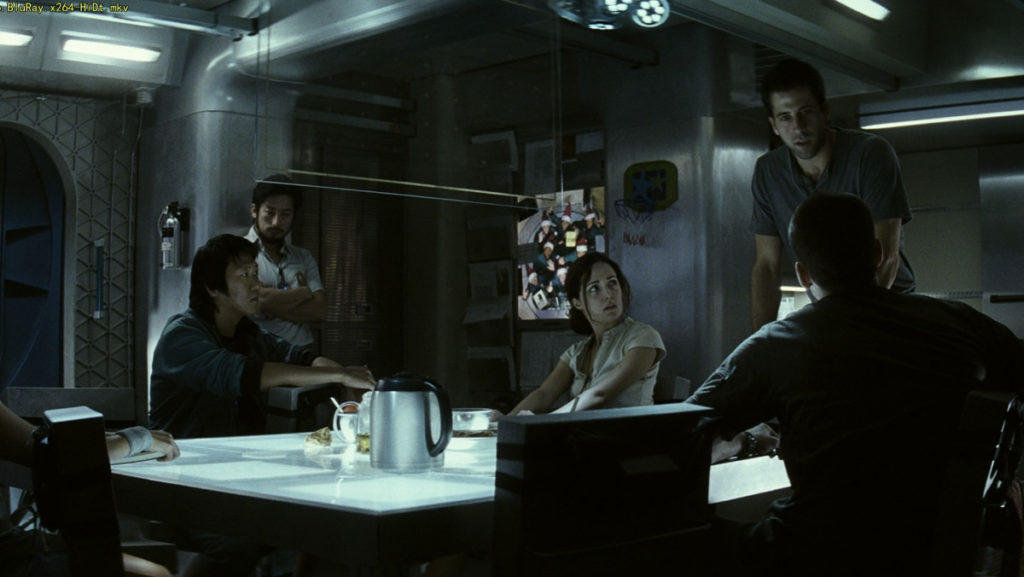
The fear born of various apocalyptic theories particularly tormented people's minds in the late 1990s and early 2000s. According to one version, the end of the world could come from a dying Sun: the Solar System would perish, and life on Earth would literally freeze. Danny Boyle, who directed the zombie film '28 Days Later' in 2002, certainly couldn't remain indifferent to apocalyptic ideas. Together with thoughtful sci-fi enthusiast Alex Garland (as screenwriter), the director adapted reflections on saving the Sun and all of humanity.
Avoiding philosophical undertones was impossible for them, so an international team of desperate scientists sets off to change the batteries of the solar giant on the ship 'Icarus II', recalling the tragedy from ancient Greek myths. There was also room for a metaphor for God and citations of sci-fi classics in the form of Stanley Kubrick and Ridley Scott.
As for the rest, the crew here is more occupied with moral dilemmas than scientific research for the sake of saving Earth. Despite the characters themselves not having many personal shades, thanks to the actors (Cillian Murphy, Rose Byrne, Michelle Yeoh, Chris Evans), the heroes don't come across as one-dimensional.
'Sunshine' was conceived as a space thriller, but at times it lacks dynamics and suspense. The film is more like a meditation on how alone and lost we are, and what hides inside us until a knife is held to our throat. The cosmic vacuum here serves as an impressive backdrop, not an antagonist. Nevertheless, 'Sunshine' has something to offer if you're not chasing action every 10 minutes of runtime and aren't afraid to get lost in someone else's thoughts.
'Pandorum', 2009
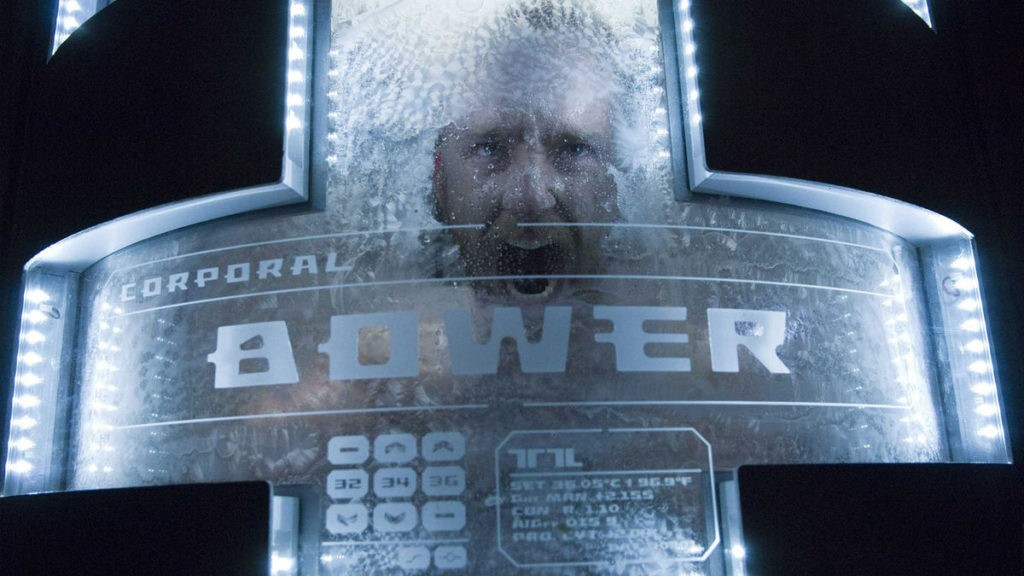
Stories about being lost without hope of rescue are among the most beloved in cinema. And if in sea voyages across boundless oceans land eventually appears on the horizon, in space you can wander endlessly. This drives people mad, as the German-British space horror by Christian Alvart vividly reminds us.
Pandorum in the world of cinematic fantasy is a mental disorder that takes the mind and soul of desperate spaceship captains. And if, on top of that, the crew suffers from amnesia, and your ship with dying 'engines' is overrun by disgusting mutants, then the chances of survival are close to zero. Nevertheless, the crew of the 'Elysium' (a reference to ancient Greek mythology) fights for an illusory chance to survive, because they are essentially already dead, so they have nothing to lose.
Space movies often sin with panoramic shots of a ship among the stars (a metaphor for deep loneliness), but in 'Pandorum', the emphasis is on the chaos hiding behind the metal hull and in the minds of the surviving passengers. The film is saturated with concentrated madness, despair in the style of 'the last people in the universe', and dynamic action, which, combined with decent cinematography and good acting (Dennis Quaid, Ben Foster, Cam Gigandet), can both scare you as a horror and give you pleasure as a solid action movie. And of course, it couldn't do without religious undertones, turning almost any space movie into a statement about the future of humanity. Not a masterpiece, but it leaves an aftertaste.
'Apollo 18', 2011
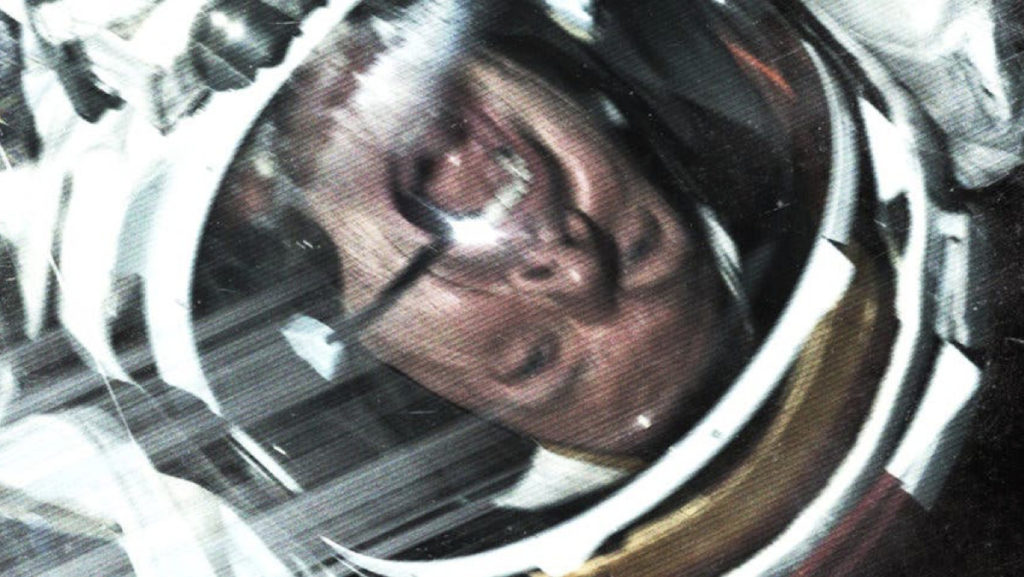
A film in the space mockumentary genre – perhaps the only one of its kind, made at a time when such plots were already on the wane. A group of scientists finds video footage shot during a secret expedition to the Moon by the crew of 'Apollo 18', which officially never existed. In the video footage, three astronauts, during a routine mission, encounter an unknown and frightening object that begins to hunt them.
Despite technical flaws in the filming, an uneven script, and clear nods to 'Alien' (but only within the strictly given circumstances), the film is genuinely frightening at times with its gloomy lunar atmosphere, unexpected jump scares, and the impossibility of hiding from the approaching evil – there is simply no suitable place for it. 'It's better to admire the Moon from Earth,' the film's authors emphasize. It's safer that way.
'Life', 2017
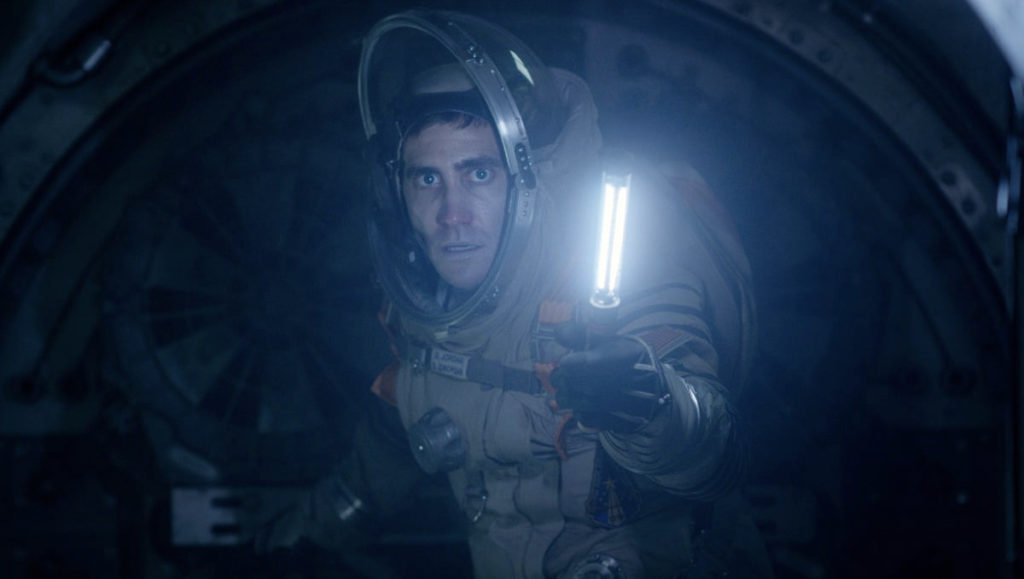
When a film has such a stellar cast, I'm always deceived (read: disappointed). But 'Life' is an exceptional case. The plot is quite trivial: astronauts find a fusion of alien and something, everyone rejoices (I never understood what's so wonderful about finding aliens), the little creature gets offended that it's not being petted and wants to destroy everyone. The astronauts need to decide: destroy the 'passenger' and escape in rescue capsules, or follow protocol and isolate the station.
The ensemble cast is magnificent. The creature is beautiful, sometimes you even feel sorry for it. And the realism of the production makes you believe in what's happening. Be sure to watch until the end! The ending still haunts my nightmares (especially the spine-chilling musical score).
Comments
0No comments yet.
Sign in to join the discussion.