
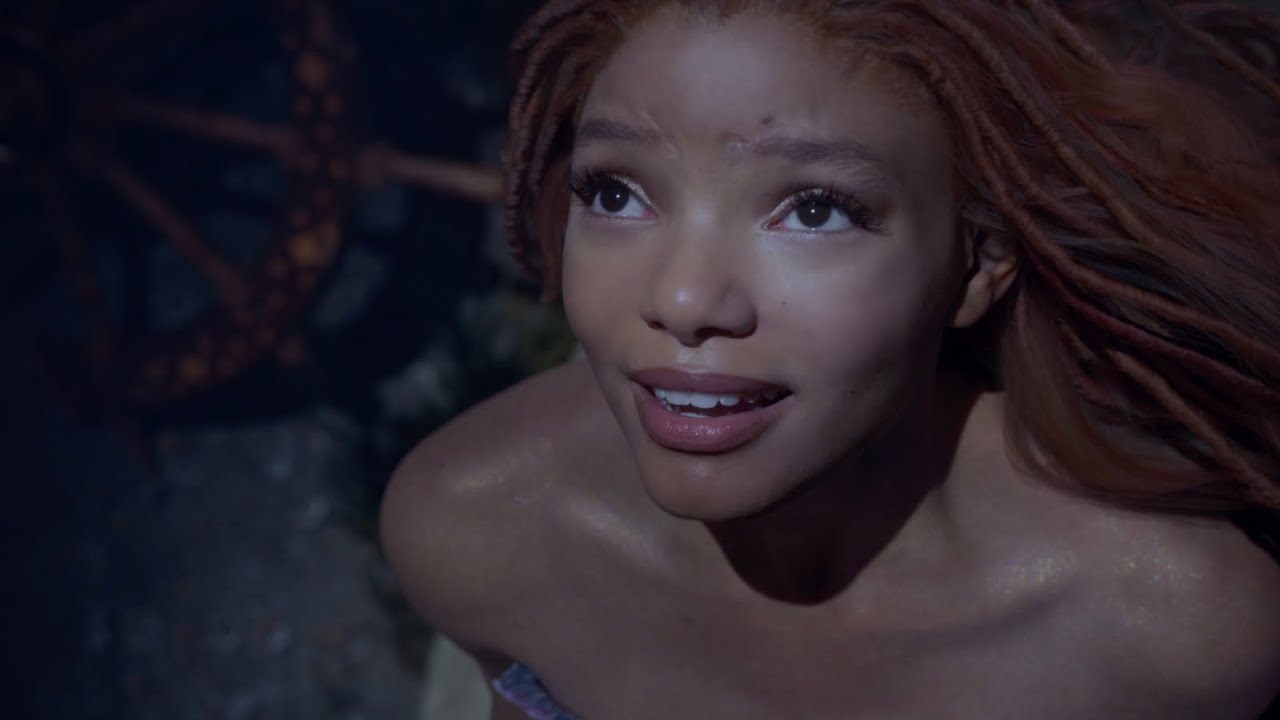
Do you remember the time when Disney put care and love into its animated films? And then how it sold its soul to the devil for the financial prosperity of remakes of its own movies? Yes, we remember too. Everyone remembers. And we'd like to let go and forget – but the studio itself just can't, and it won't let us.
See the problem? It's there!
You can see that most viewers have complaints about the live-action remakes from the greedy mouse by checking the online reaction to the trailers for the upcoming releases of "Peter Pan" and "The Little Mermaid". People are openly dissatisfied and don't mince words.
Of course, most complaints are against changing the skin color of main characters, like Tinker Bell or Ariel. But let's not rush to call all the dissatisfied racists and try to understand the main reasons for such a reaction. After all, sometimes people sense something is wrong but can't even explain to themselves why.
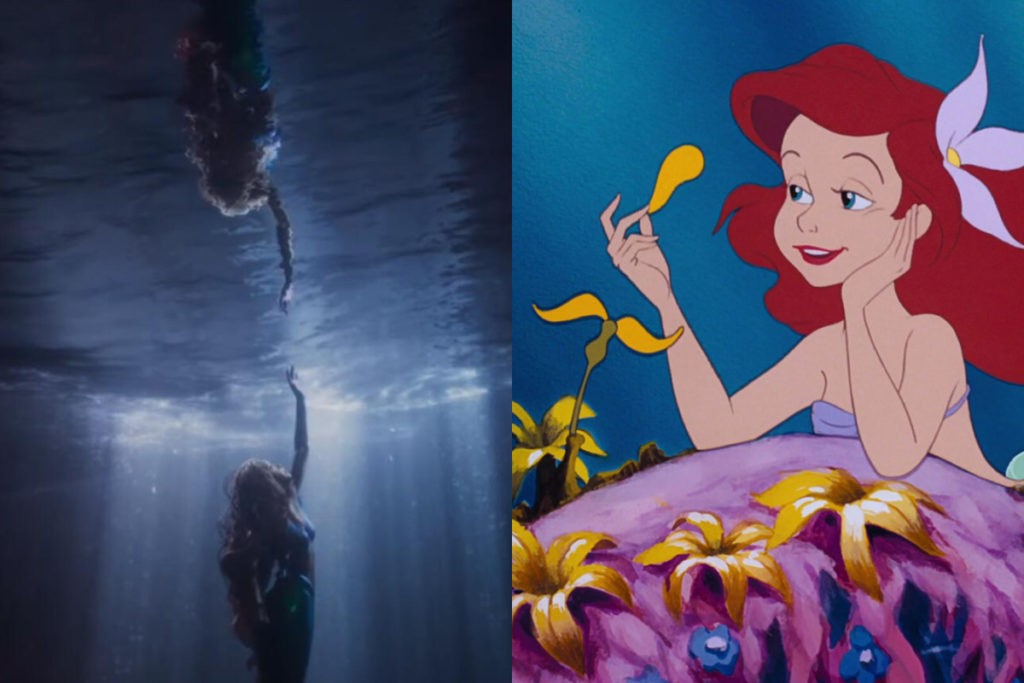
Remakes Fix the Mistakes of the Past! Or Do They?
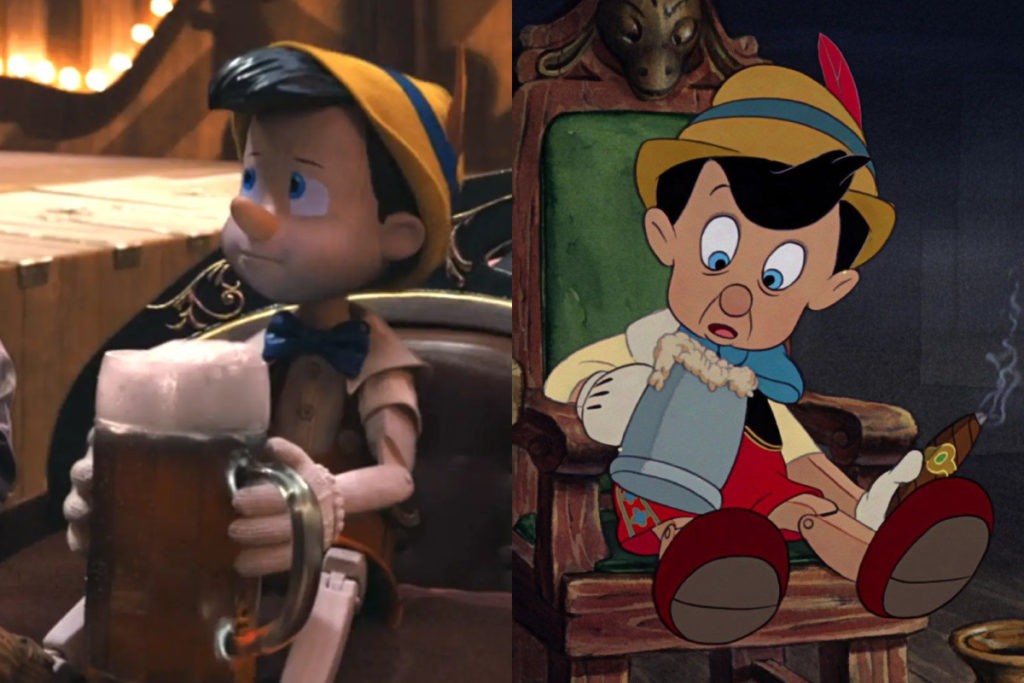
The main reason the studio gives for reimagining its old films is fixing the mistakes of the past. Remember how in "Pinocchio" the children on screen drank alcohol and smoked? Well, now it's soda and breaking clocks! Remember how in "Cinderella" the heroine was amorphous and needed constant help from others? We'll make her strong and proactive! Remember how in "Mulan" Chinese culture was disrespectfully portrayed? We'll shoot the remake in China itself!
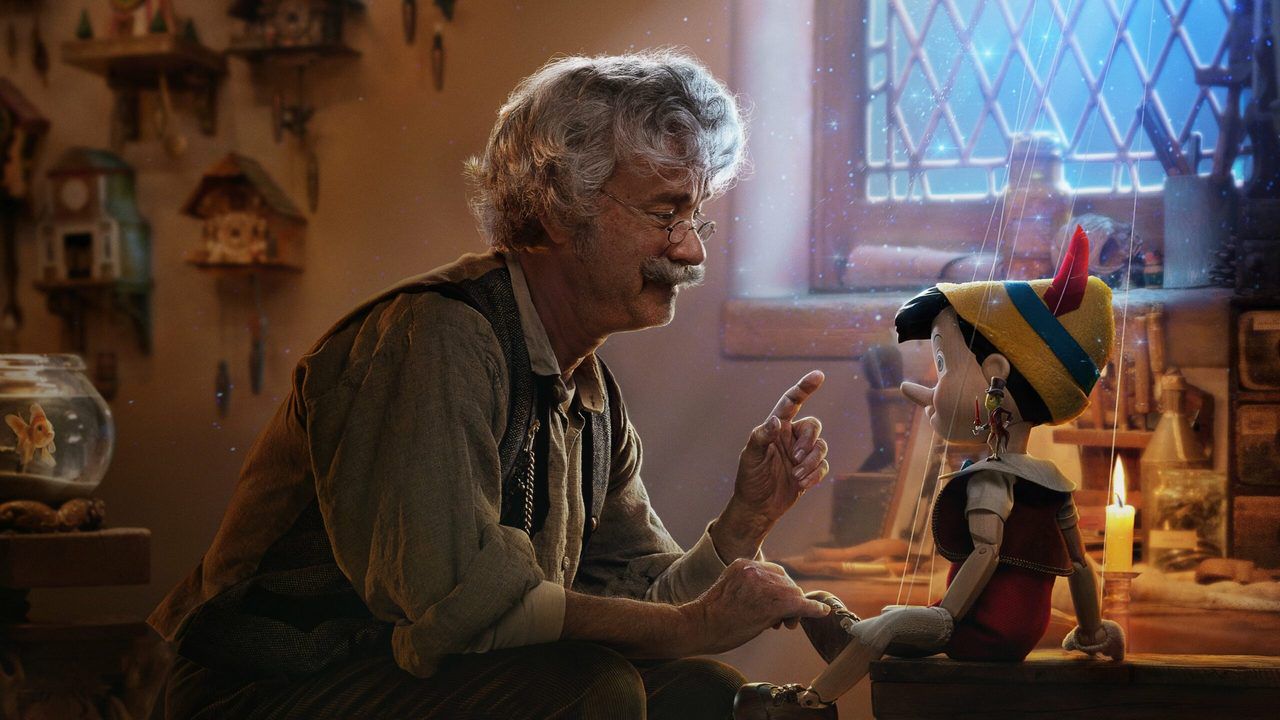
The problem, however, is that by fixing some issues, the remakes create a bunch of others. The development of Pinocchio's positive personal qualities is no longer felt. You no longer sympathize with Cinderella as much. Mulan has turned into a Mary Sue.
In trying to adapt old stories to a new tune, Disney forgets that creating a new film does not eliminate the existence of the old one, a comparison the remake simply cannot withstand. Moreover, new works have every chance of becoming outdated much faster than the timeless classics.
With Mulan, the situation was almost comical: the remake was filmed in Xinjiang province, where "re-education camps" for Muslims are established. So the film faced criticism even before its release, the likes of which the original never even came close to experiencing.
Problems of Realism
What did you love about the studio's original animated films? Maybe the rich, vibrant colors? The ability to artistically portray real magic on screen? The expressiveness of the drawn characters?
Forget it! Now you're in for a gloomy, maximally realistic picture, where all the brightness is filtered through a dark color grade, because light doesn't penetrate the ocean floor.
If you didn't know, people take their children to the movies to get a dose of realism, not to escape from worries and get a piece of a fairy tale.
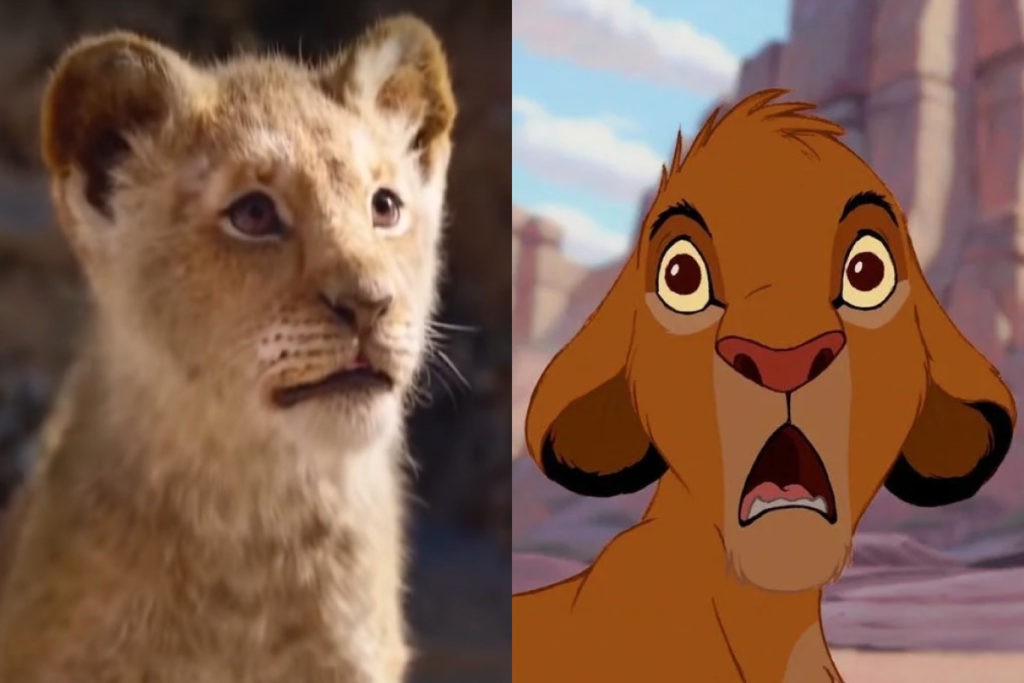
The pinnacle here was "The Lion King," which can't even be considered live-action cinema, whose main sin lies in the absolute lack of any emotion in the drawn animals. Where you could read horror or grief on Simba's face, now we see lifeless, expressionless eyes of a computer-animated pseudo-realistic lion cub that doesn't even have any distinguishing features.
A Cover for Laziness
Everything we've discussed is actually a consequence, not a cause. Because we all know the real reason for making these films (*sounds of cash registers opening in the background*). Exploiting nostalgia has proven to be a profitable business.
And you don't even have to put in any effort when writing plots or characters, because viewers will bring in money anyway. And when these same viewers have questions about the quality of the resulting product, you can always say, "You're just racists / sexists / purists, that's why you don't like our films with strong female characters and racial diversity!" One fine day, this will lead to it being easier to call yourself a racist than to try to prove the corporate bigwigs wrong.
Unfortunately, judging by the trends, remakes will continue to make money for the studio – and the studio will continue to make them. But don't rejoice too soon that the number of Disney animated films is limited. Because you can always make a prequel series exclusively for Disney+.
The conclusion is not to broadly label all those dissatisfied with the new "Little Mermaid" as racists. Of course, a miracle could happen, and "The Little Mermaid" or "Peter Pan" could turn out to be really good films. But something gives us vague doubts.
Comments
0No comments yet.
Sign in to join the discussion.