
Find out what 'Fisher', the new hit of the more.tv service, turned out like from our article.
Opening Move. Fisher vs. Us
1986. In the area of government dachas on Rublyovskoye Highway, teenagers are being killed one after another. The refined investigator Valery Kozyrev, his brash partner from Rostov, Yevgeny Bokov, and the very young investigator Natalya Dobrovolskaya begin an investigation, not even suspecting how much it will change the fate of each of them.
Atmosphere at the Table
From the very first frames, we are immersed in a special atmosphere in which we will stew for 8 episodes. The intro is a remake of the Soviet song 'Winged Swing' with the addition of noises more characteristic of horror films. The creators seem to warn – after the credits, childhood will end and there is no safe path ahead.
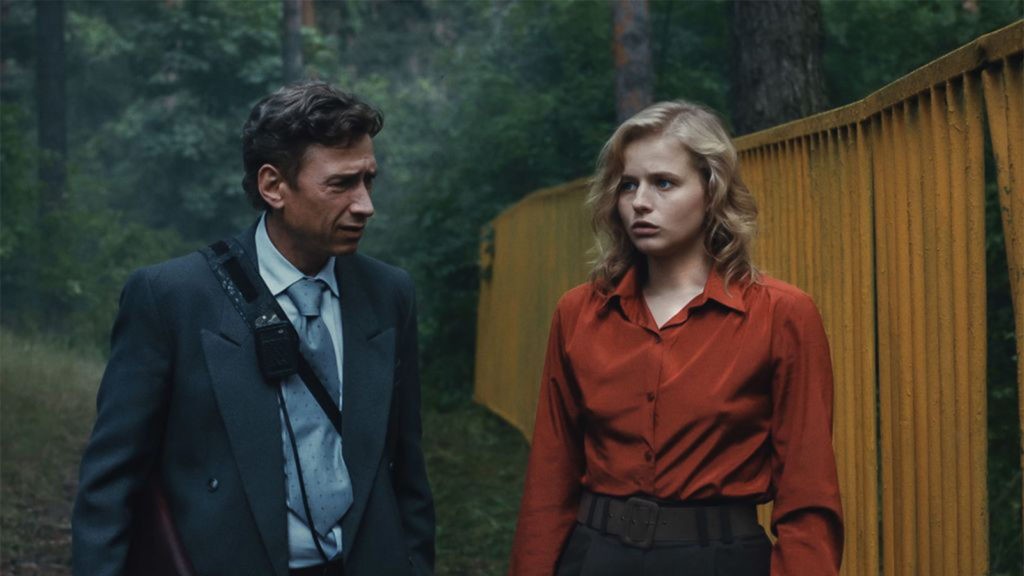
Most of the time, the characters are in the Moscow suburbs, so don't expect beautiful city streets. We will see bogs, swamps, and forests. Vast spaces where you can get lost. All this will alternate with a small investigators' office, cells, and hospitals. In such settings, we feel trapped. We are either let out 'to breathe' or sent back into the bloody horrors of what is happening.
And what is happening here is truly terrible. The detective thriller is based on real events and tells the story of the Moscow maniac Sergei Golovkin, who operated from 1986 to 1992. Screenwriters Sergei Kalvarsky and Natalya Kapustina spent a year carefully studying archival materials and communicating with investigators on the Golovkin case to write the script for the series 'Fisher'. Schematically, we got six episodes covering the period from '86, and from the seventh episode we jump in time to 1992.
If the murders shown in the series seem terrible, barbaric, and somewhat unreal, believe me, if you delve into the real story, you could say the screenwriters went easy on us.
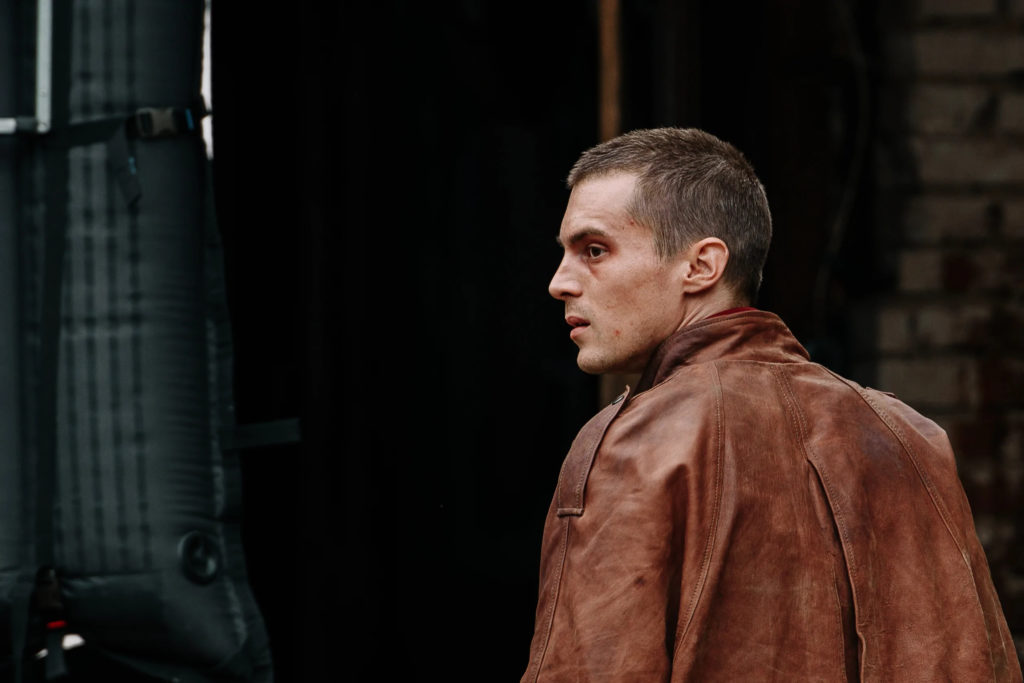
Despite the outwardly gloomy atmosphere, an almost nostalgic spirit of the 80s-90s lingers around. The characters' appearance, clothes, and objects surrounding them – everything is like from the pages of fashionable magazines of the time. Just recall, at least, the tracksuits from the sixth episode or Yevgeny's leather jacket and Natalya's gray trench coat.
Pieces on the Chessboard
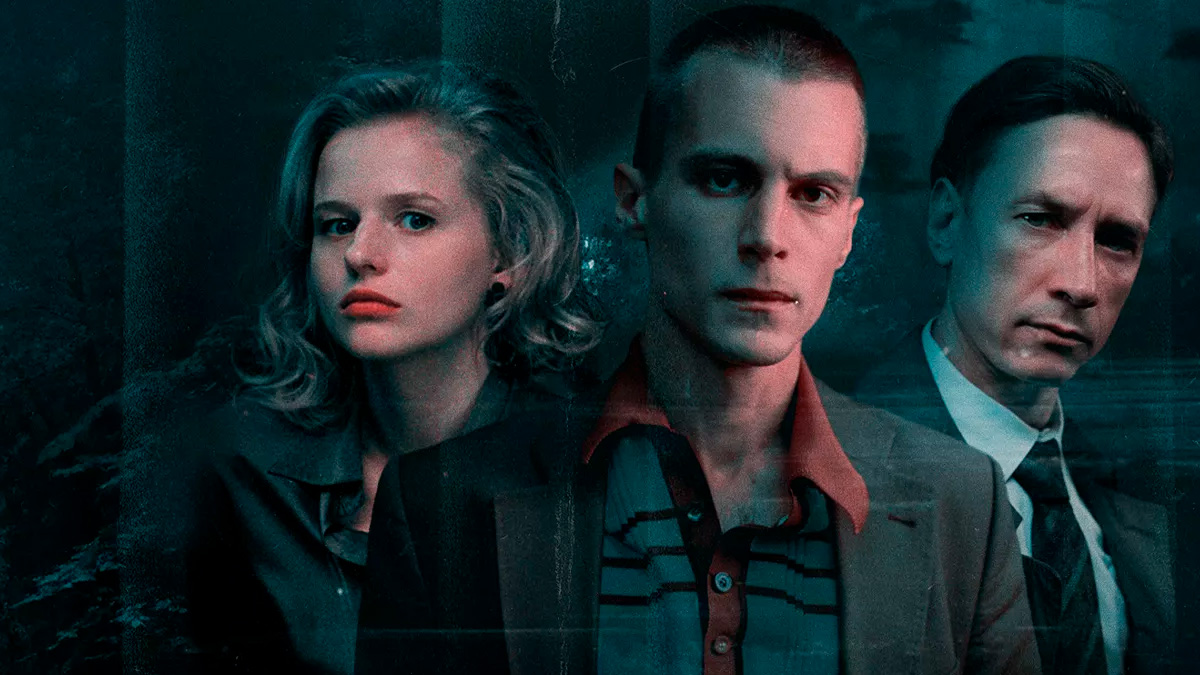
At the center of the story are three main characters, one might even say three pillars - Yevgeny Bokov (Ivan Yankovsky), (Alexandra Bortich) and Valery Kozyrev (Alexander Yatsenko).

In domestic cinema, the image of a strong woman is becoming increasingly popular. We decided to talk about powerful ladies in Russian series of recent years.
Open material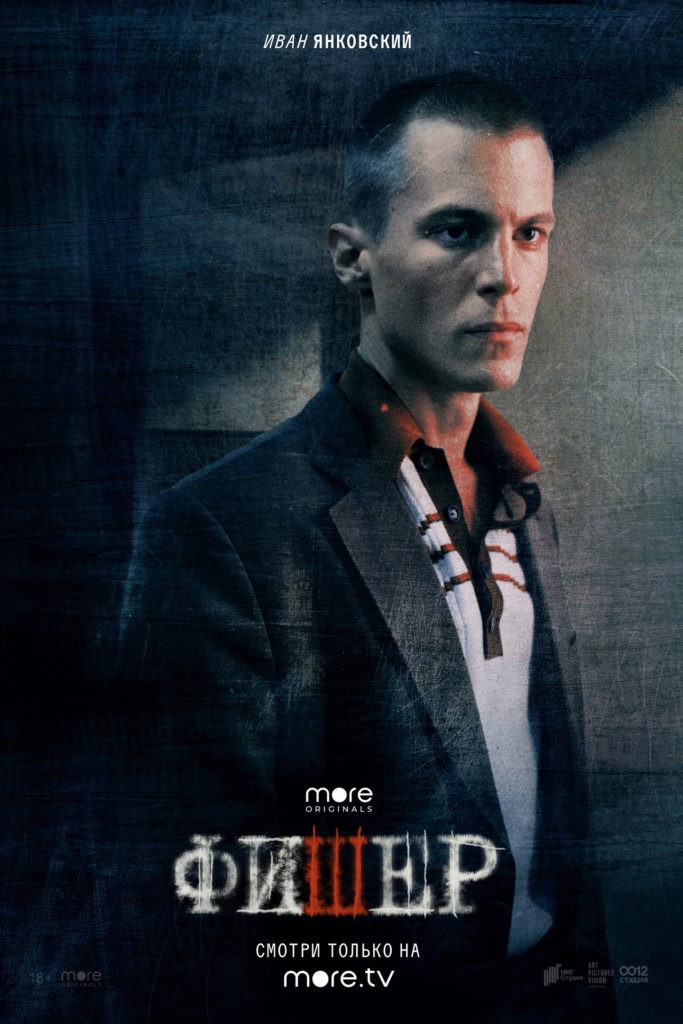
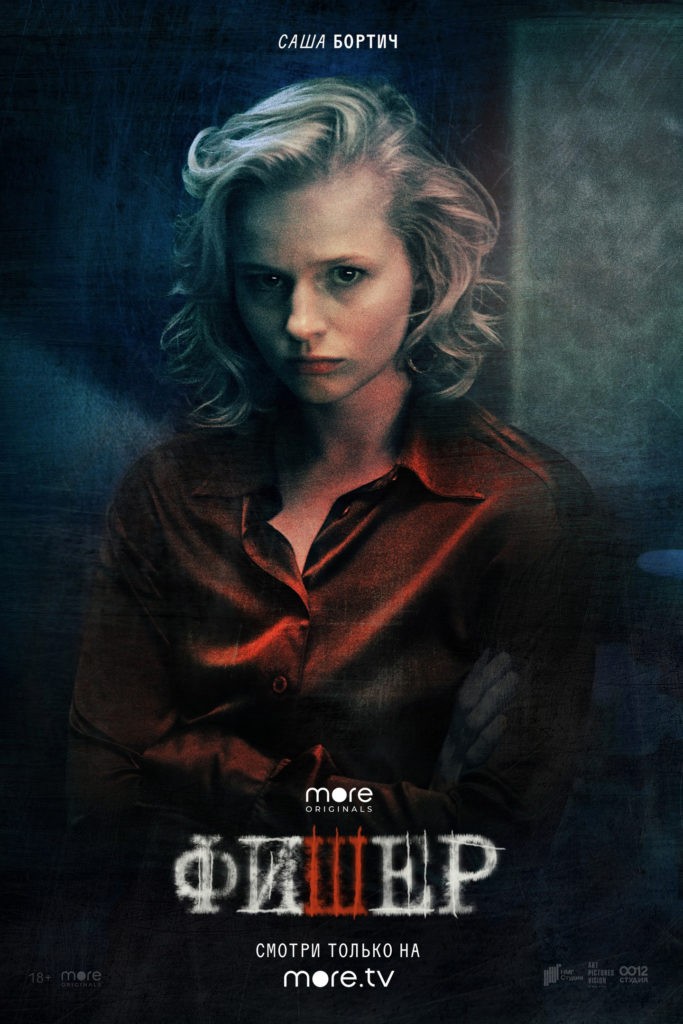
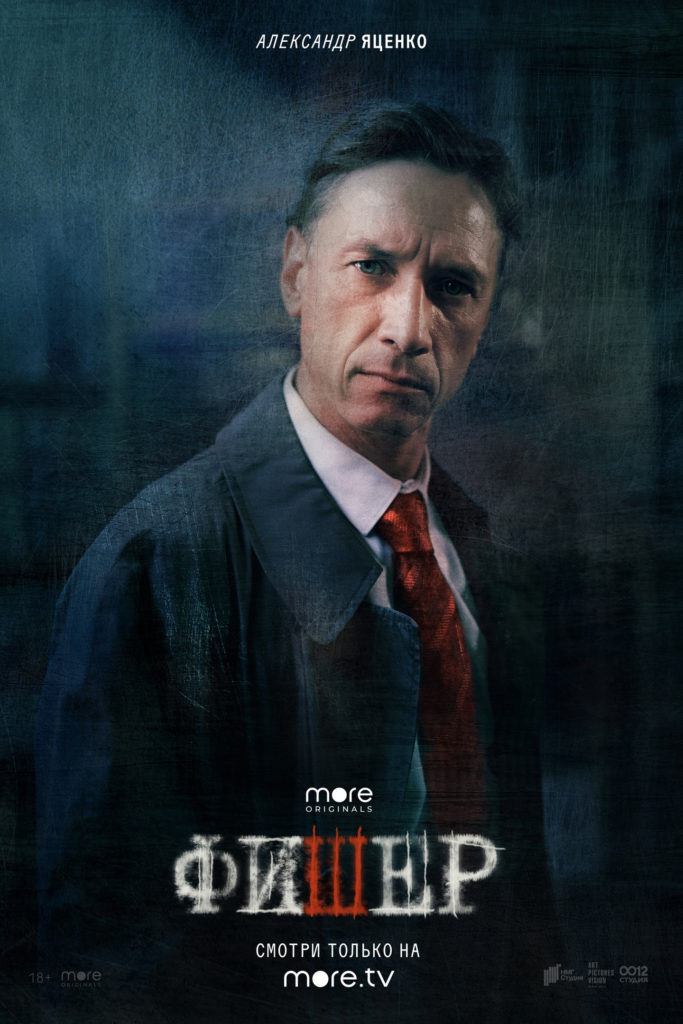
And, it seems, from the promo already, one gets the feeling that the characters will be distributed in a classic format: Ivan as the leading force, the other two as support, to supplement the story. But in this case, it's not quite like that. Let's look at our characters from the perspective of a chess game?
Throughout the series, Yevgeny does not seem like the main character or the king of this game in any way. We mostly observe how he tries his best to close this case quickly, catching anyone who even remotely passed near the crime scene.
Usually, such a character type tries to dig deeper when it seems everything is over, and disagrees with circumstances. Our Yevgeny, however, uses the dirtiest interrogation methods, he is rude, constantly uses 'shokat' (there are even big debates online – a scriptwriter's mistake or an intentional Southern Russian dialect), his speech is full of profanity, and only with his sick wife is he gentle and caring. In general, everything he does, he does to save her. But even so, he doesn't fit the main character mold.
So maybe the main one is still the queen? After all, it is the most powerful piece on the chessboard. But with Natalya, it's not so simple either. We see her weaknesses, understand that she has a difficult fate, raising a mixed-race girl alone, she is not respected at work – the same Yevgeny constantly tries to hit on her and mock her, and after the case is closed, her life goes downhill. Perhaps she is not our main character either.

Then Valery? Essentially, he resembles a knight on the board. He is limited in his actions, can only move along a certain path – in this case, according to the law. He cannot find common ground with his son, constantly clashes with Bokov's insolence and recklessness at work, strives to do everything by the rules, but often loses control.
But it is this character you want to empathize with, and sometimes it seems he is that voice of reason. However, in the second time period of the series, we see Valery break his principles and change drastically. In that case, he is also not our hero.
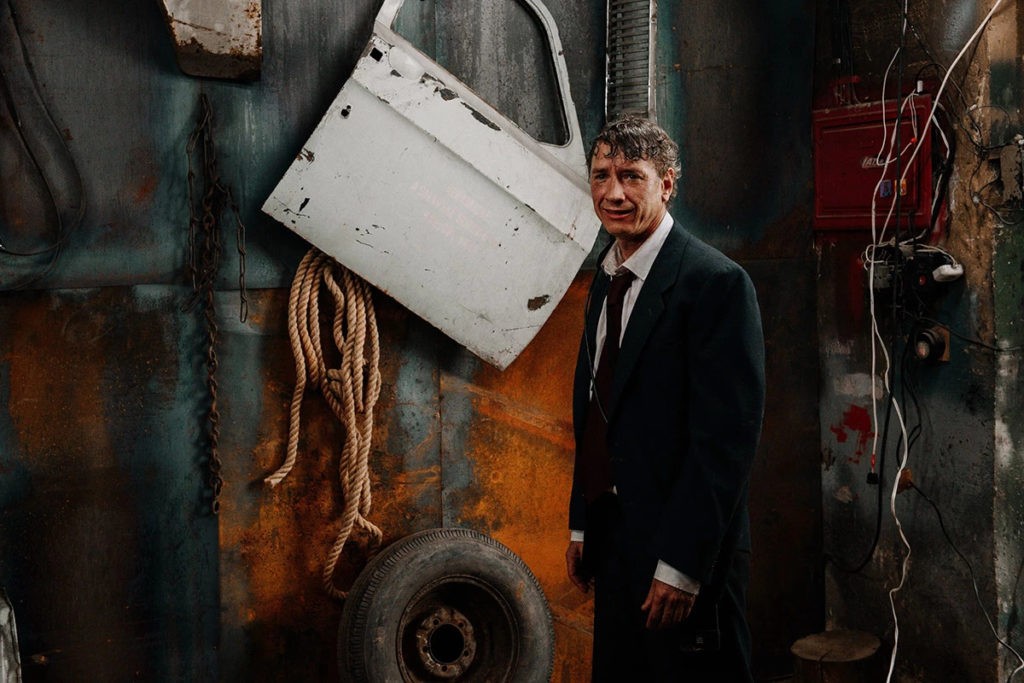
So maybe let's turn our attention to the other side of the chessboard, where our hero – Fisher – is at the head.
Fisher – King or Pawn?
Before moving on to the main villain, as it might seem, let's look at those who surround him.
Here we can meet journalist Gennady Maltsev (Sergei Gilyov), who exposes the militia's activities to curry favor with his superiors and go abroad. His wife is no less hypocritical, and even their son Igor, as the first and main witness to the murder. After all, it is he who invents that the maniac called himself Fisher, thereby sending the investigation on a false trail. Which, by the way, is said to be true, and it was indeed the case in reality.
So what about this 'Fisher'? The screen adaptation of a maniac's story is not the first on our cinema scene. There was already the series 'Chikatilo'. In that project, we practically followed the maniac, saw his actions, how he committed murders. And what about here?
Fisher is the hero of scary rhymes used to frighten children:
- 'Fisher roams the night paths';
- 'Until I kill 11, I won't go anywhere.'
He is the Soviet boogeyman, who is everywhere and nowhere. He appears in the series from the second episode, sometimes for a few seconds, sometimes only as a shadow. Only those who know the true story can notice him. The rest are blind, like the investigators, and he is always nearby, but makes his final moves only in the last episodes. His actions with children are truly terrifying. It seems worth warning that the last two episodes are horrifying, so be careful before watching.
Endgame, or What Was It All For?
We have been trying hard to find a hero in this story. But the point is that in this game, there are actually no white or black pieces. Everyone, one way or another, sacrifices others like pawns. Episode after episode, we are shown an evil and hypocritical world. Any good deed here looks fake and only brings harm.
Fans of investigations and detectives may be disappointed by the project. Some try to compare it to the projects of David Fincher or the series 'True Detective'. But in reality, it turned out to be a completely different, much more modest project, at the center of which are human sins.
And yet, returning to the theme of the main character, it can be found here – it is the image of the mother. We see all kinds of mothers – lonely, loving, protective, grief-stricken, alcoholic mothers who don't care about their child, and even a monster mother. Only one question remains, which lingers in the finale: 'What kind of trial should it be – a people's trial or one according to the law? Everyone decides for themselves, as well as which side of the chessboard to stay on.
After all, as Richelieu said: 'It doesn't matter how the piece moves, what matters is who plays it.'
Trailer:
Comments
0No comments yet.
Sign in to join the discussion.