

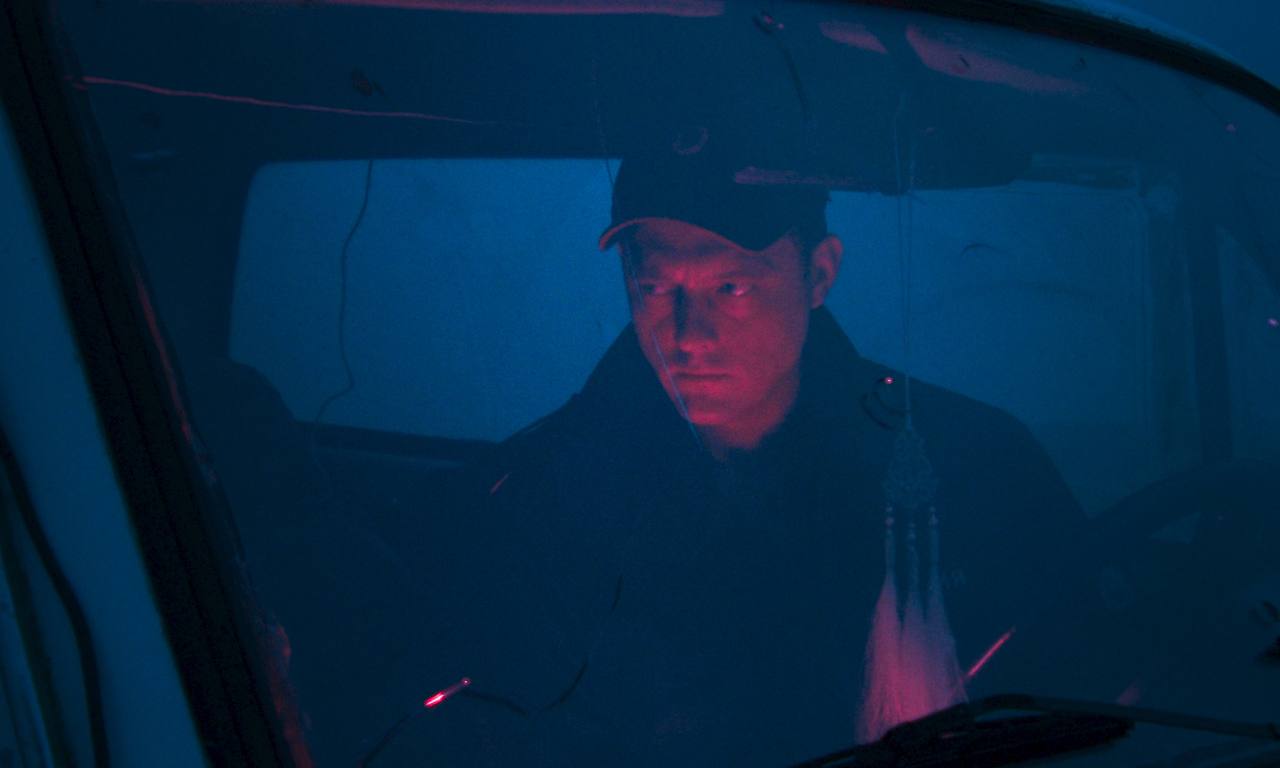
On March 30, “Aita,” a new film by Yakut director Stepan Burnashev (“Black Snow”), hits theaters. This time, it’s as if Fincher, Winding Refn, and Carpenter have all possessed him at once. Not only can you watch it, but it is highly recommended.
Deep in the Yakut countryside. Present day. A girl named Aita, before attempting suicide, leaves a note mentioning the name Afonya. The day before the incident, a local policeman named Afanasy, known to friends as Afonya (Andrey Fomin), gave Aita a ride in his patrol car after a party. Based on these two facts, the law enforcement officer becomes the prime suspect in the tragedy, and social media instantly brands him a pedophile.
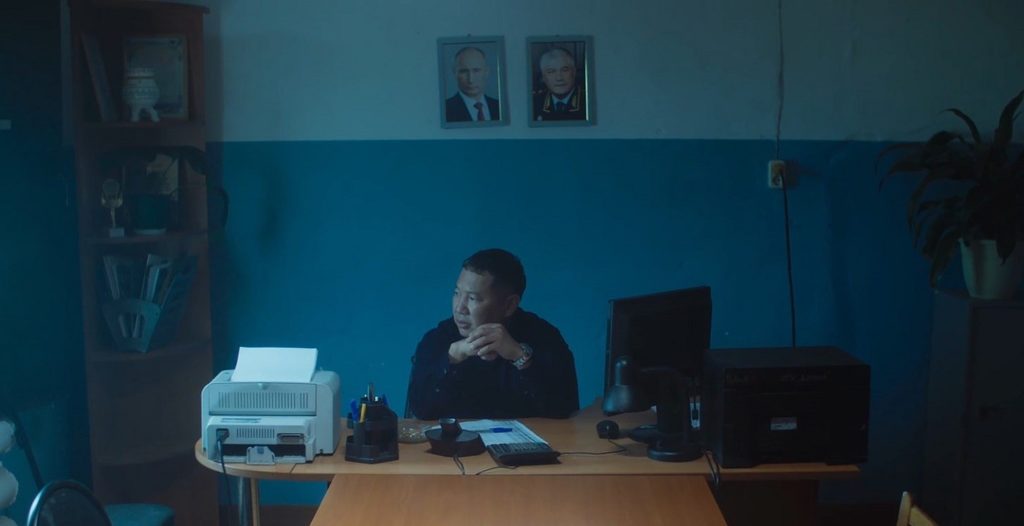
The presumption of innocence hasn’t been abolished, so despite the local community’s desire to mete out vigilante justice to Afanasy, investigator Nikolai (Innokenty Lukovtsev) strives to get to the truth before disaster strikes.
Man to Man...
Director Stepan Burnashev based the film on a true story told to him by acquaintances, building a simple yet powerful conflict on its foundation. The somewhat worn-out theme of man versus system is replaced by a far more terrifying confrontation: man versus man. And essentially, there are no right or guilty parties here. It’s a matter of perspective.
Moreover, this isn’t just about the obvious conflict between the girl’s father, who dreams of avenging the offender at any cost, and the accused, who is largely kept off-screen in the film. It’s about the policeman trying to think rationally and dispassionately in a situation where doing so is incredibly difficult. He must either go against his own people or against his own views and beliefs.
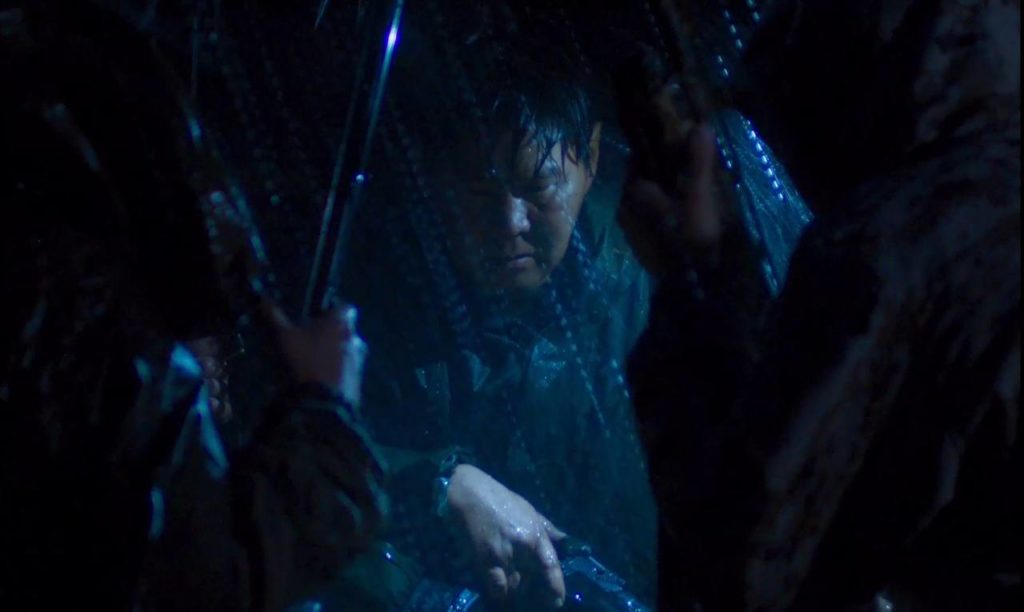
Alongside the theme of seeking justice through different means, the filmmakers also touch upon, without softening the edges, issues of chauvinism. In this case, there’s an inversion unusual for our cinema: a Russian person finds himself in the minority, as an outsider. “All Russians look alike,” one character says for added emphasis.
But just as Nikolai sees Afonya not as a Russian or a colleague, but as a person, the viewer is also encouraged to look at the situation more broadly and always remain, first and foremost, human beings, rather than representatives of nationalities or ethnic groups. The themes raised are also universal, whether told in Yakut cinema or Korean cinema.
Only God Forgives
The beauty of the film “Aita” lies in the fact that it is intelligent and philosophical in content (themes of revenge here coexist comfortably with the possibility of forgiveness), and also very spectacular in form. It can be called an art blockbuster, and there is not a hint of deception in that.
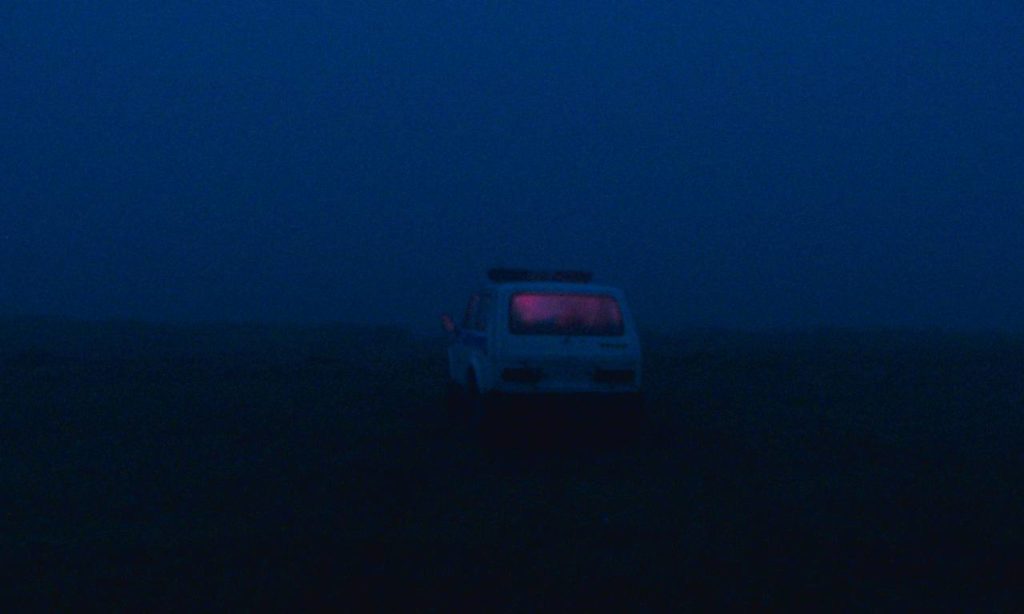
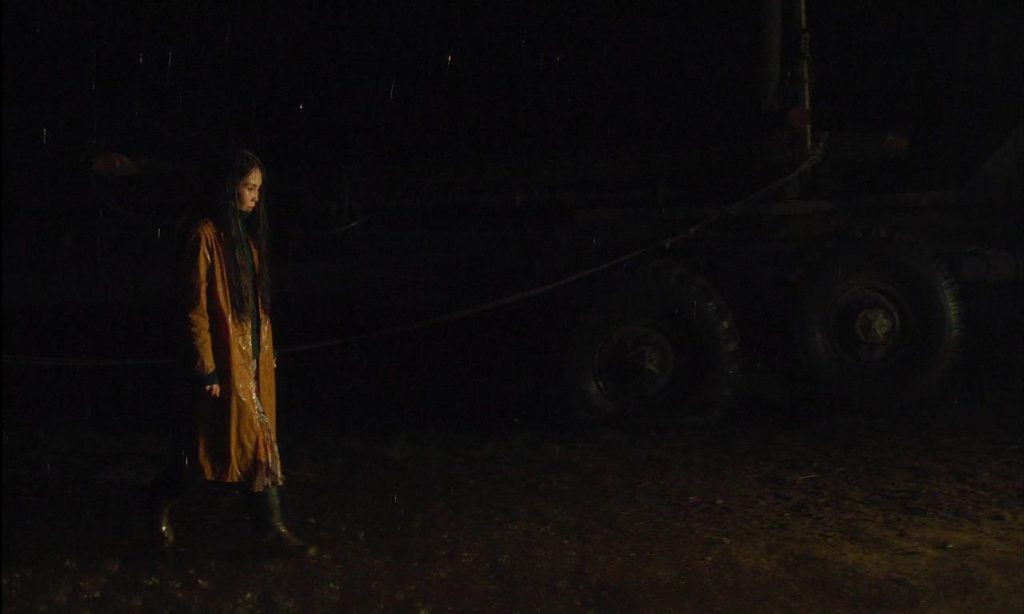
Despite its obviously modest budget, “Aita” boasts a stylish, grainy image that seems to envelop the viewer and carry them far away. In certain episodes, it might seem that this was not made by a fellow countryman, but by someone like Nicolas Winding Refn, reveling in the beauty of seemingly incompatible elements like acid neon and a police patrol car in a Yakut field.
Other references that come to mind:
- John Carpenter with his “Assault on Precinct 13,” but while the American had an almost uncompromising division between good and evil, Burnashev has a father maddened by grief whom it’s hard to call evil, and in terms of spectacle, the works are quite comparable;
- David Fincher with his early thrillers. Like the Hollywood master, Burnashev’s atmosphere and setting play a significant role, so the rain never stops in the frame, becoming at a certain point not just a background but a character participating in the action.
Such comparisons should flatter the Yakut filmmaker, but not diminish his achievements. His “Aita” is a self-sufficient film in every sense, interesting to watch and analyze, and any possible references or nods to the greats are, at the very least, worthy.
“Aita” is a mesmerizing film. It could be seen at art-house festivals and among mainstream audience films. Thanks to this balance, it can be called a one hundred percent success for Yakut and Russian cinema.
Trailer:
Comments
0No comments yet.
Sign in to join the discussion.