
When the word 'slasher' is mentioned, iconic maniacs like Freddy Krueger and the creative chopping up of stupid characters come to mind. We'll tell you where this formula came from, who the main faces of the genre were in the past, and who defines it...
From the earliest days of cinema, horror films have been an integral part of the industry. One of the most popular horror subgenres is the 'slasher,' in which a group of young people is typically pursued and killed by a masked murderer. But from the classic 'Psycho' to the modern hit 'Scream,' slashers have undergone significant changes to this day.
In this article, we will take a detailed look at the evolution of the genre, review the key milestones that contributed to the formation of this terrifying and captivating direction in cinema, and examine the impact these films have had on pop culture. So grab some popcorn and get ready to be scared, because there's a lot of blood and horror ahead.
Introduction to the Genre
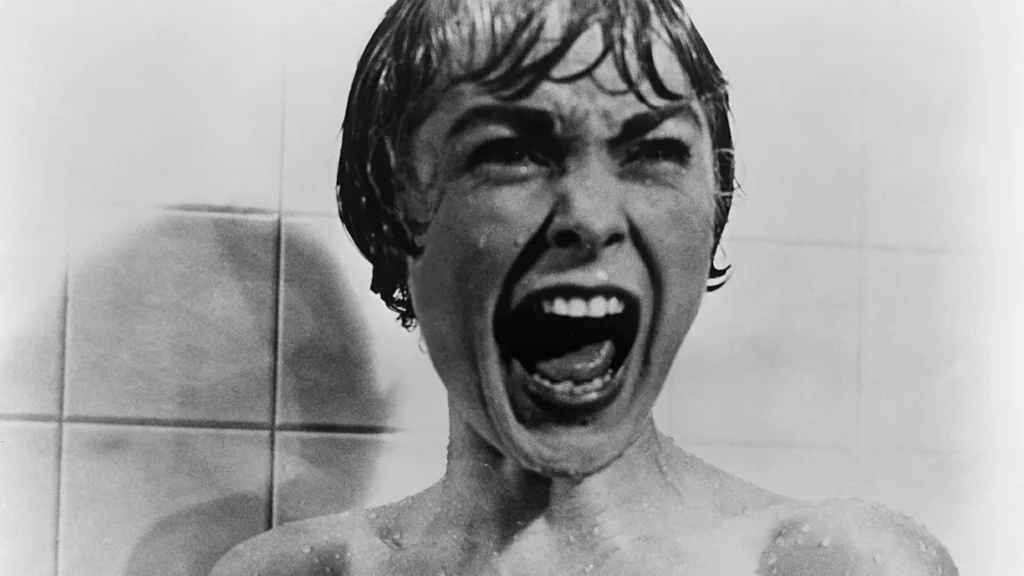
The 'slasher' genre more or less officially emerged in the early 1960s thanks to Alfred Hitchcock's work 'Psycho'. This groundbreaking film, telling the story of a young woman killed by a motel owner suffering from multiple personality disorder, set the standards for suspense and brutality for future slashers.
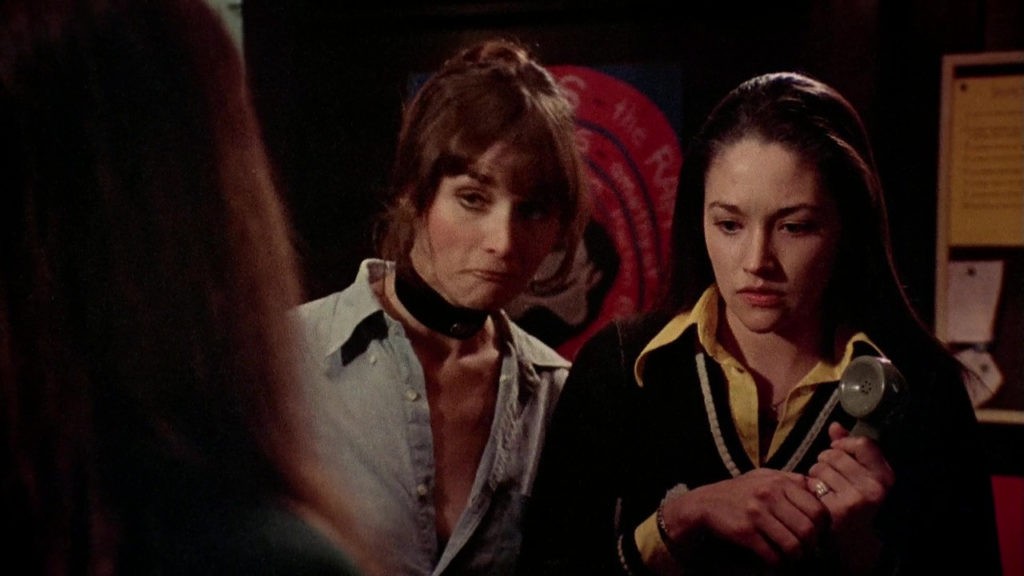
A follower of 'Psycho' in 1974 was the film 'Black Christmas', which many rightly consider the first true slasher. In this film, members of a female university community are pursued and killed by a colorful maniac.
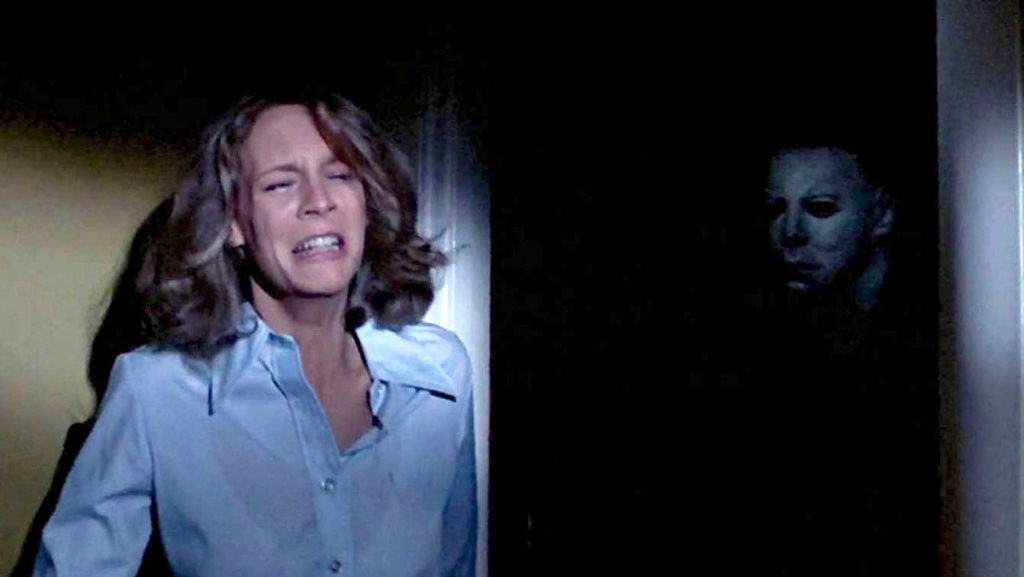
However, the real rise of the genre only occurred after the release of John Carpenter's film 'Halloween' in 1978. This film, telling the story of a masked killer named Michael Myers who pursues and kills teenagers, was a huge success and spawned a franchise that continues to this day. And it's no wonder, given that with a budget of just over $300,000, the original film grossed $60 million.
Carpenter combined the Hitchcockian elegance of 'Psycho' with the shameless inventiveness of teen comedies: elegant carnage here coexists with Jesus falling out of a closet; the motif of a cursed house and a cursed town – with a complete lack of attempts to understand what the curse actually is. Many of Carpenter's films are about the nature of evil, but it is in 'Halloween' that he found its most universal formula: Michael Myers kills not for any reason, but because he can kill; evil is not so much a set of causes as a sum of sad consequences.
'Halloween' was not, of course, the first slasher, but it was in it, despite Carpenter's directorial sophistication, that the rules of the genre acquired that attractive clarity that made the slasher synonymous with the eighties – a masked killer, simple, everyday weapons hinting that death is always, in general, nearby, and a final girl promising hope where classic horrors throw up their hands.
A few more notable slashers of the 1970s:
- 'The Ax for the Bride' (1970);
- 'Blood Bay' (1971);
- 'Hands of the Ripper' (1971);
- 'The Texas Chain Saw Massacre' (1974);
- 'Eaten Alive' (1976);
- 'Alice, Sweet Alice' (1976);
- 'The Town That Dreaded Sundown' (1976);
- 'The Last House on Dead End Street' (1977);
- 'Journey into Hell' (1979);
- 'When a Stranger Calls' (1979).
The Heyday of Slasher Films in the 1980s
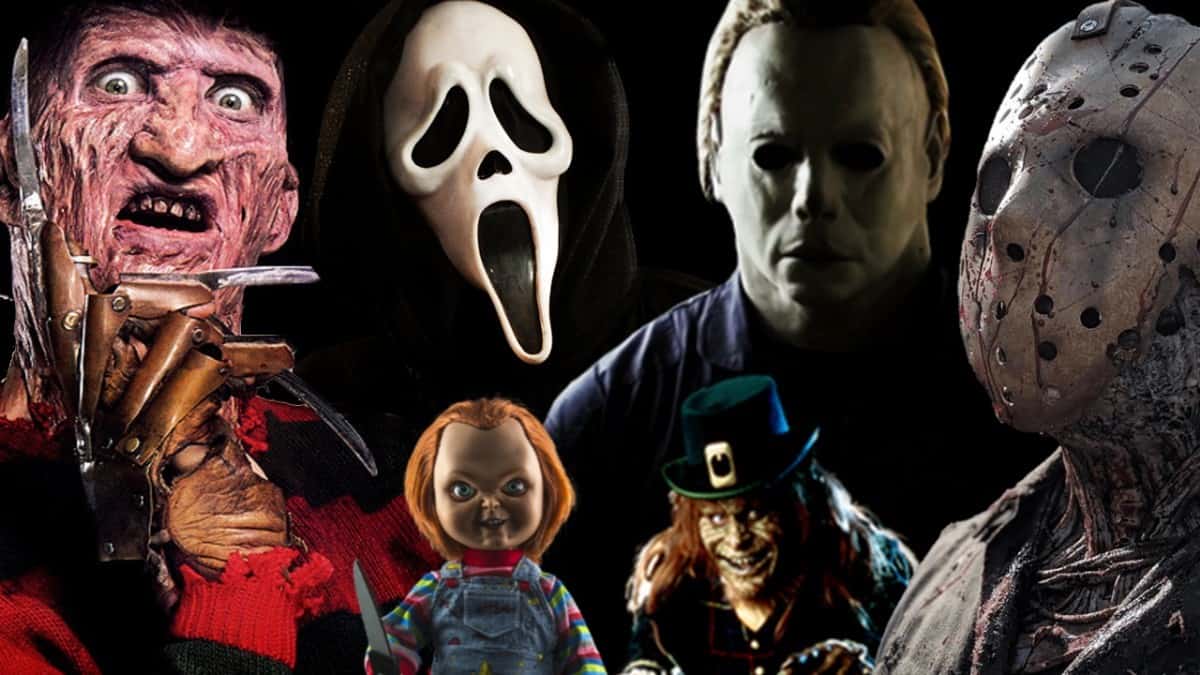
The 1980s were a period of flourishing for slasher films. This was the era of Sean Cunningham's 'Friday the 13th', Wes Craven's 'A Nightmare on Elm Street', and Tom Holland's 'Child's Play'. All these works followed the same basic formula: a group of teenagers is pursued and killed by a killer with a distinctive appearance (mask, burned face, doll (!)), eager to avenge some perceived grievance or just for fun.
These films are known for their brutality, inventiveness in dispatching characters to the afterlife, and, of course, iconic villains such as Jason Voorhees, Freddy Krueger, and Chucky. All these characters have firmly entered the mass consciousness of viewers and remain a crucial part of pop culture.
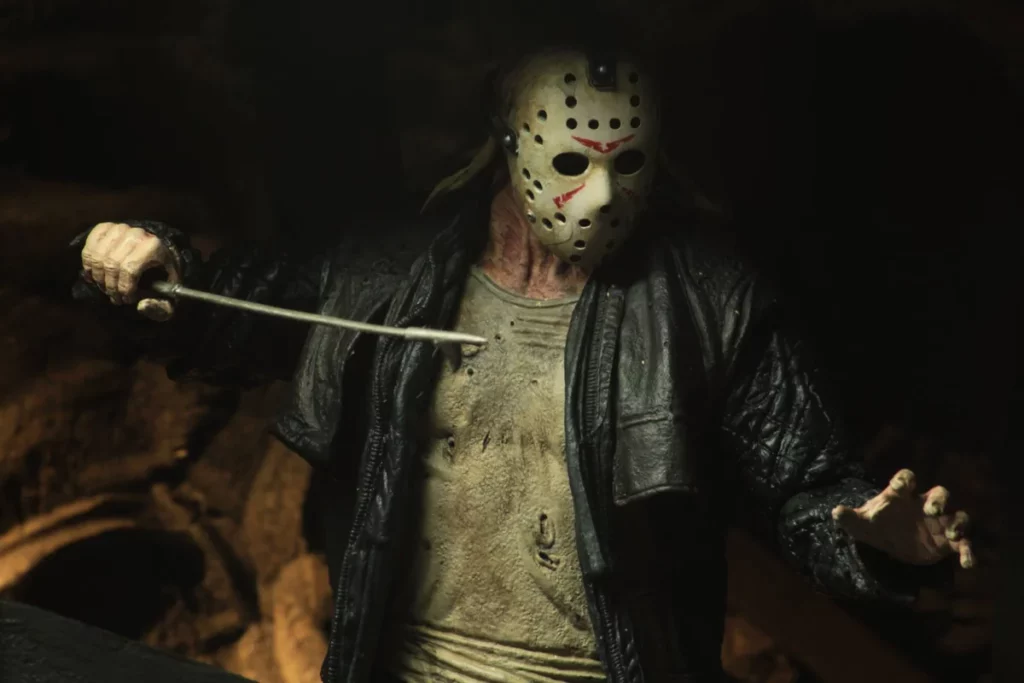
One of the defining features of 1980s slashers was the use of practical effects to depict on-screen violence and the desire to frighten viewers. This meant that filmmakers had to rely on prosthetics, fake blood, and other practical techniques to create the gruesome effects that audiences expected from such films.
The creators of 'A Nightmare on Elm Street', led by , particularly distinguished themselves in this regard, creating the legendary scene with streams of blood in the bedroom of Johnny Depp's character.
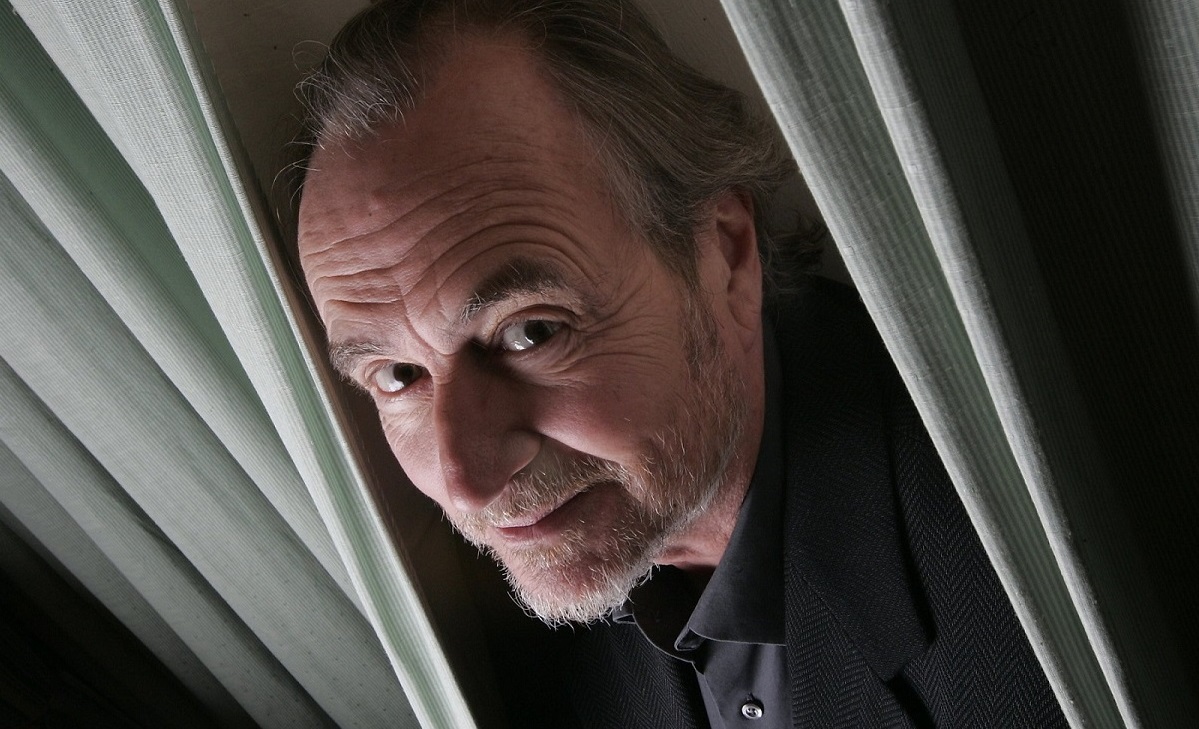
Evil has never felt so close, and horror movies themselves have never seemed so smart. And all thanks to the master of horror, Wes Craven, who revolutionized horror three times. Let's rem
Открыть материалA few more notable slashers of the 1980s:
- 'The Burning' (1980);
- 'My Bloody Valentine' (1981);
- 'Happy Birthday to Me' (1981);
- 'Pieces' (1982);
- 'The Slumber Party Massacre' (1982);
- 'Sleepaway Camp' (1983);
- 'Silent Night, Deadly Night' (1984);
- 'April Fool's Day' (1986);
- 'The Stepfather' (1987);
- 'Maniac Cop' (1988).
The Decline of the Genre in the 1990s and Early 2000s
By the 1990s, the genre began to lose its appeal. Viewers grew tired of the same formula, and many slashers became increasingly formulaic and predictable.
Nevertheless, notable new releases still appeared during this time, such as 'Scream' (1996) by the same Wes Craven, which revitalized the genre by adding a self-reflexive meta-nod to the traditional slasher formula. Simply put, Craven made a slasher that mocks all the standards and conventions of slashers. And then he pulled off this joke three more times, creating one of the brightest franchises at the turn of the 90s and 2000s.
Why is the 'Scream' franchise cool? It all started with horror maker Wes Craven, who released the first part during a period of waning viewer interest in slashers. People were tired of the monotony of the plot and the stupidity of the characters. So Craven made the first self-reflexive horror film of its kind, which mocks genre clichés and shows that horror movies are not only about fear but also about laughter. And with this, he won the hearts of not only genre fans but also attracted a new audience – those who were previously afraid to watch, for example, his own 'A Nightmare on Elm Street'.
At the same time, each 'Scream' lovingly quotes horror classics and carefully dissects current social trends, revealing society's problems. Craven's legacy lives on even after his death – in new installments of the franchise with other characters and caustic jokes about the 21st century.
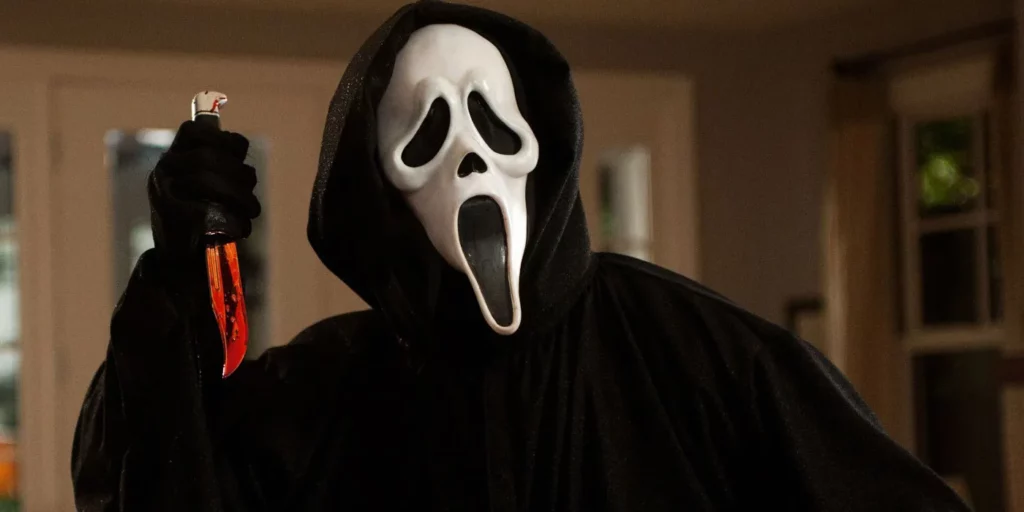
Apart from 'Scream', the genre in the late 90s and early 2000s was more dead than alive. Viewers moved on to other forms of horror, such as the 'found footage' format: 'The Blair Witch Project' and 'Paranormal Activity' set the trend here, becoming cultural phenomena and undeniable box office hits.
A few more notable slashers of the 90s and 2000s:
- 'Candyman' (1992);
- 'Body Bags' (1993);
- 'Leprechaun' (1993);
- 'I Know What You Did Last Summer' (1997);
- 'Urban Legend' (1998);
- 'Blood Harvest' (2003);
- 'Wrong Turn' (2003);
- 'To Sir, with Love' (2006);
- 'The Strangers' (2007);
- 'Midnight Express' (2008).
However, when many had given up hope, in the 2010s slashers returned to the peak of popularity.
The Revival of Slashers in the 2010s
After a good decade of obscurity, the revival of the genre was led by films such as the still fashionable 'Scream 4' (2011), the unexpectedly hit 'Happy Death Day' (2017), and the reincarnated 'Halloween' (2018).
All these films refreshed the traditional slasher formula, adding self-irony in some places, realism in others, and in yet others creating a unique symbiosis of two long-familiar equations – 'Happy Death Day' took the 'Groundhog Day' formula and transposed it onto the rails of a traditional slasher, hitting the jackpot and capturing the audience's mood.
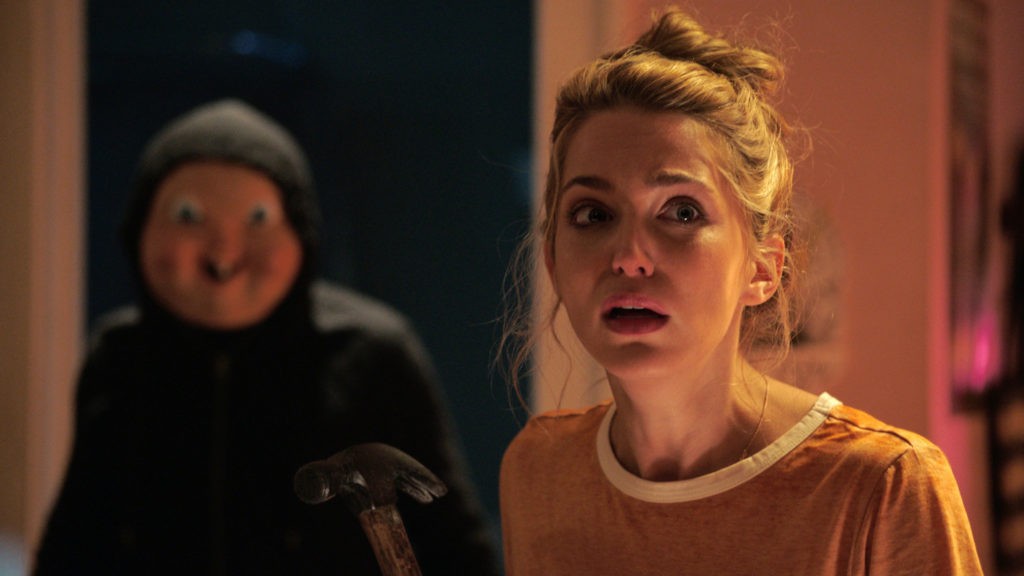
It turned out so lively and popular among viewers that director Christopher Landon not only unleashed a sequel but also created a similar mix – he took the hackneyed concept of body swapping, involving a schoolgirl and a maniac killer, and turned it into a hilariously bloody spectacle in the film 'Freaky'.
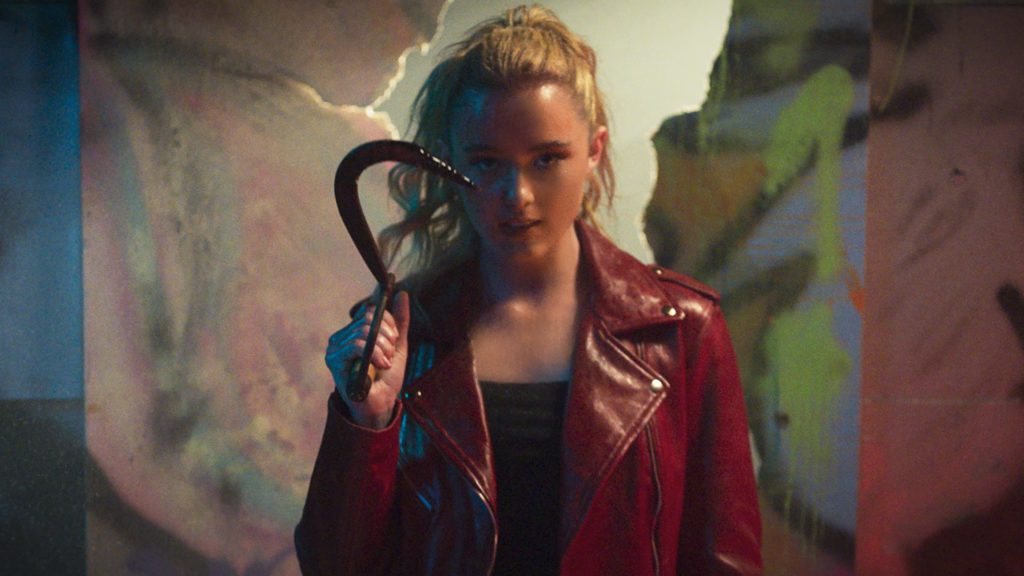
One of the defining features of slashers in the 2010s was an even more active use of humor. Many of these films mocked the conventions of the genre, but without ceasing to frighten and horrify.
A few more notable slashers of the decade:
- 'Maniac' (2012);
- 'The Lesson of Evil' (2012);
- 'No One Lives' (2012);
- 'Stitches' (2012);
- 'You're Next!' (2013);
- 'The Greasy Strangler' (2016);
- 'Terrifier' (2016);
- 'Kill for a Like' (2017);
- 'The Babysitter' (2017);
- 'Them' (2018).
The Influence of Slashers on Pop Culture
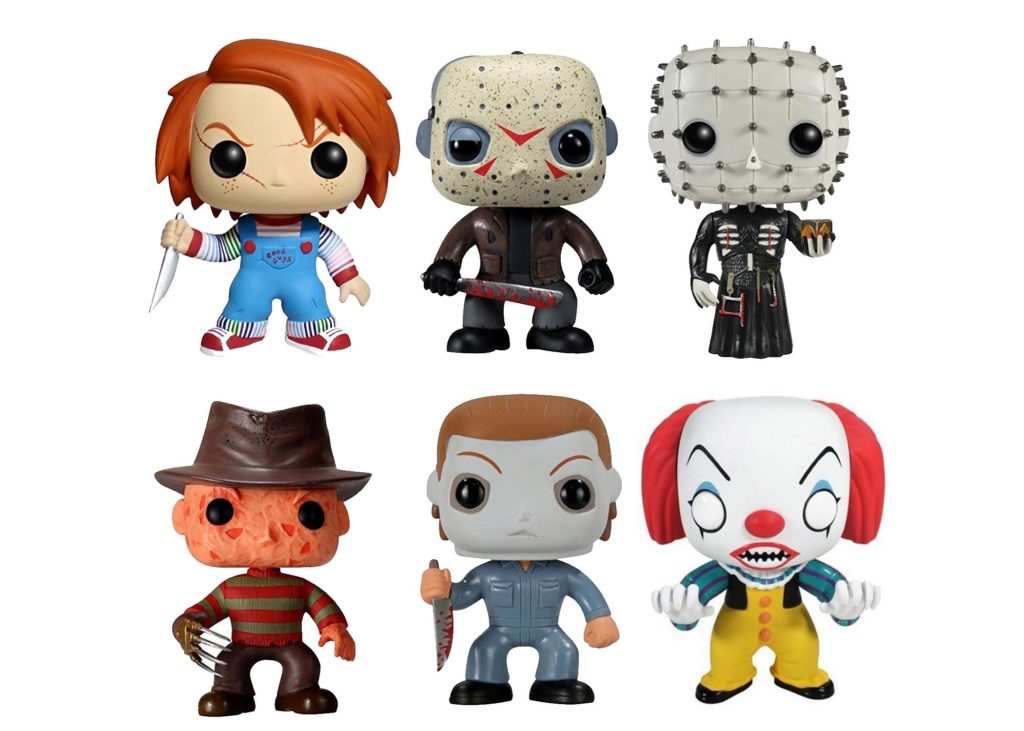
Slashers have had a significant impact on cinema and popular culture as a whole. The genre's iconic villains, such as Freddy Krueger, Michael Myers, Chucky, and Jason Voorhees, have become cultural touchstones, and their images have been used in everything from Halloween costumes to Funko POP! figures of the characters.
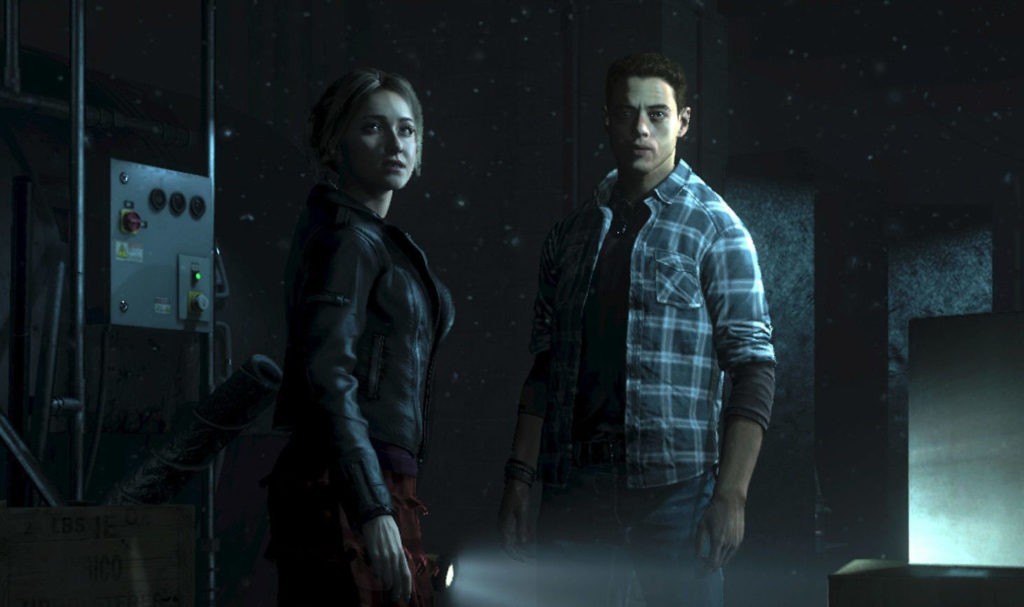
The genre has also influenced other forms of entertainment art, such as video games and comics. For example, many survival horror games are based on the notorious slasher formula of 'maniac vs. group of characters'.
However, slashers have also become a subject of public debate. Many critics have argued since the very first appearance of such films that they promote violence and misogyny (as a rule, it is girls who are most actively killed on screen), and that they are harmful to young viewers. Some critics of the genre also claim that slashers reinforce harmful stereotypes about gender and violence. The creators of 'Scream', for example, were even accused of inspiring several real-life crimes.
The ambiguity of the perception of slashers is still relevant today. But the radicalism in evaluating such films is no longer at the same level as before.
Post-Slashers and the Future of the Genre
The genre is still evolving and has not yet said its last word. In recent years, there has been a trend towards simultaneously paying homage to the classics and reinventing the familiar formula. Or rather, not even the formula itself (the sequential killing of a group of not the most intellectually savvy people excites the viewer's consciousness as before), but the content of the films. One of the flagships of this has been director Ti West with his trilogy 'X' – 'Pearl' – 'MaXXXine'.
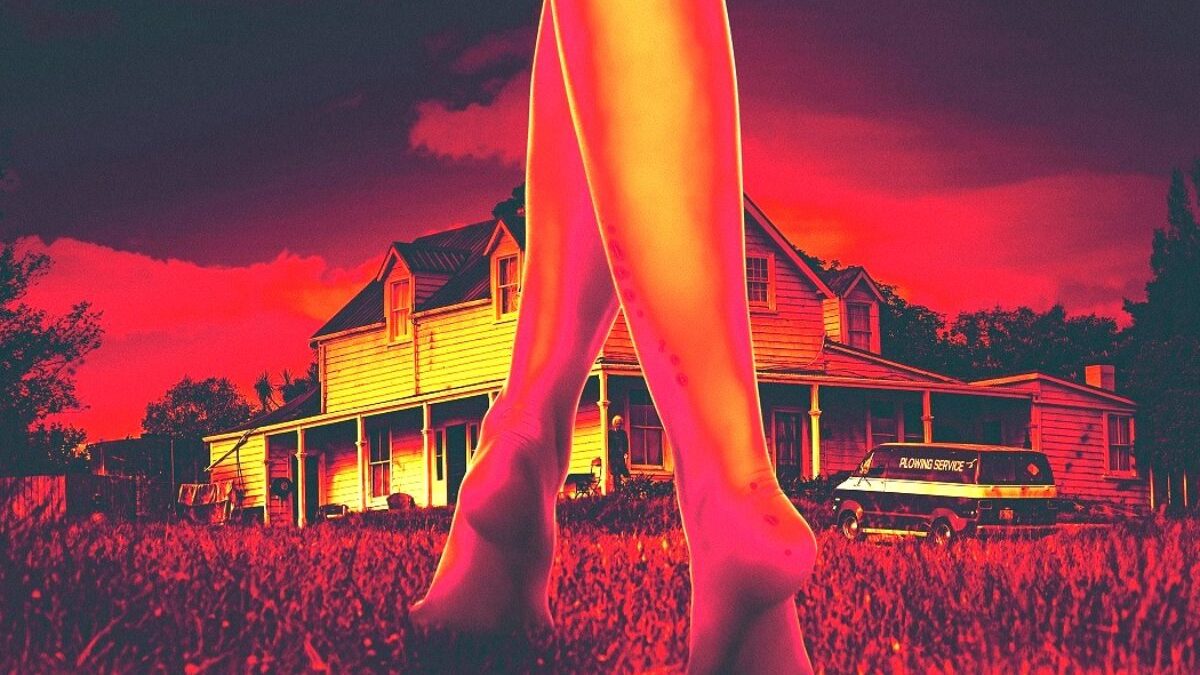
The film 'X' is like crossing 'Deep Throat' with 'The Texas Chain Saw Massacre' and accompanying it all with a cinephile meta-commentary. The result is something sexual, brutal, fun
Открыть материал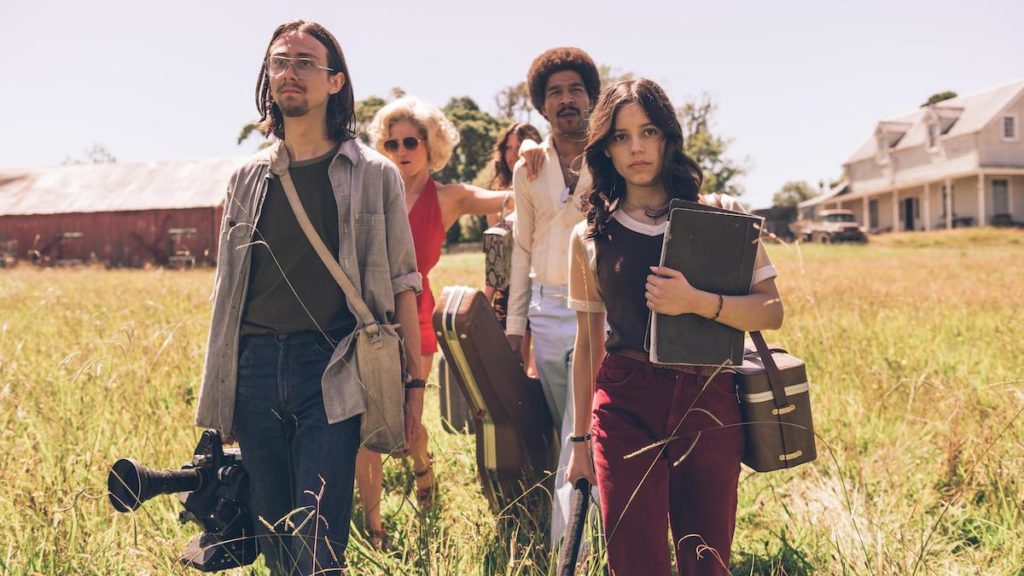
On the one hand, it's hard not to notice homages and references to slashers of the 70s and 80s in his films (the most obvious that comes to mind is 'The Hills Have Eyes'), and the colorful antagonists with a string of flashy murders are in place. On the other hand, West not only stages a massacre but also saturates the narrative with not the most stupid reflections on upbringing, toxic relationships, dreams, and their confrontation with everyday life.
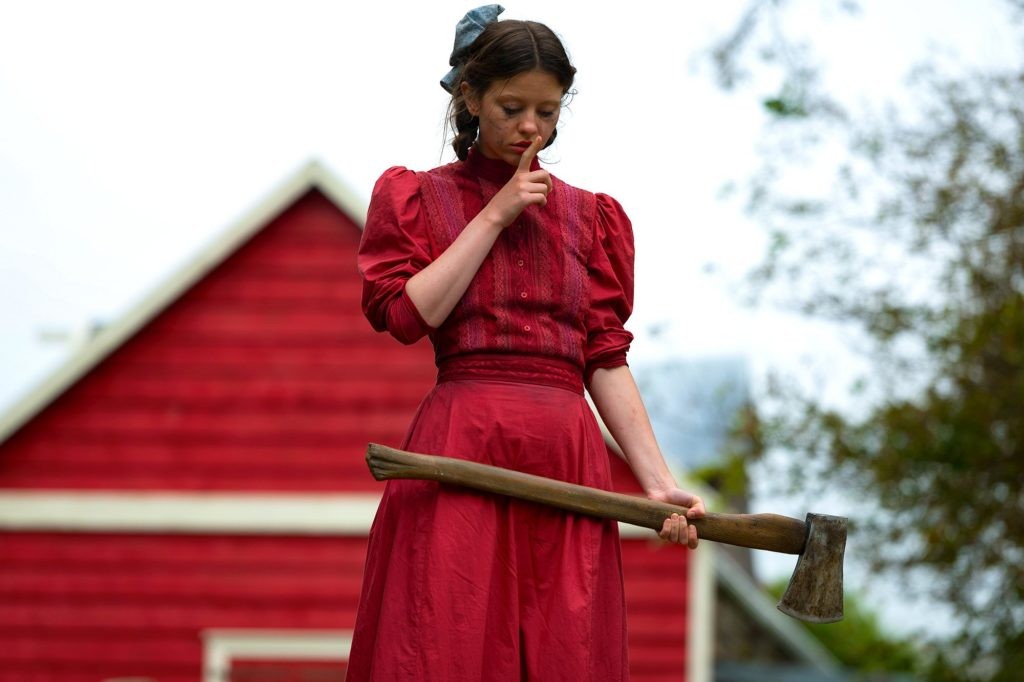
In 2022, another slasher hit the screens, turning the rules of the game upside down, or, depending on your perspective, cutting corners. The film 'Bodies Bodies Bodies' by Halina Reijn is a 100% youth slasher with one caveat – there is no antagonist. Yes, the film is full of blood and features spectacular murders, but the maniac familiar from the formula has been subtracted from that very formula. It turned out unexpectedly creative and witty.

It's hard to predict what future awaits this horror subgenre. However, it is obvious that viewers have an appetite for such films. So, there will be blood.
Slasher Films a Must-Watch for Horror Fans
And instead of a summary – catch a few not-so-obvious recommendations from the exarch-compiler of the Telegram channel 'Hands Off Bresson':
'The Final Girls' (2015)
A group of teenagers, during an anniversary film screening, ends up in a cult 80s slasher, where the main role is played by the mother of one of the heroines. Returning to the real world will only be possible by completing all the rituals mandatory for the genre.
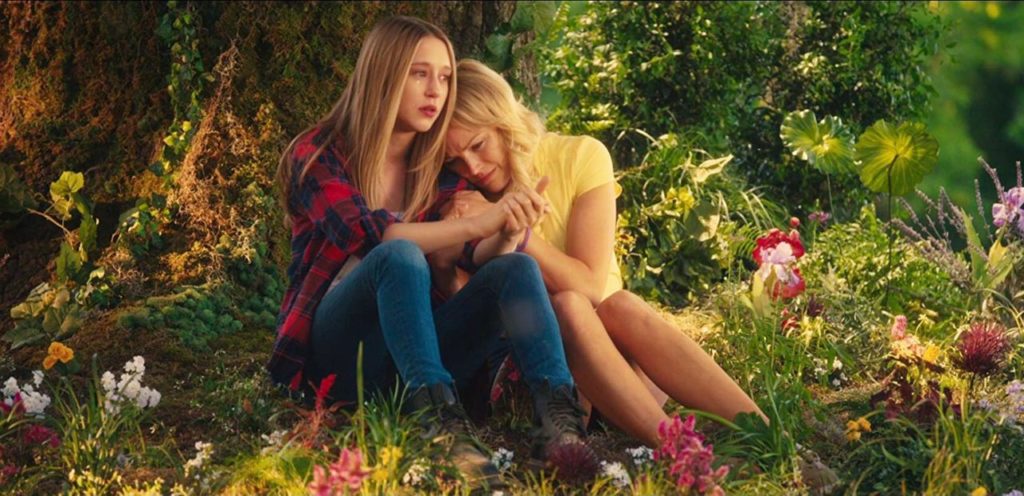
Final Girls stomps on an important slasher trope – in the finale, the last surviving heroine confronts the maniac in a fight, from which she inevitably emerges victorious. Here, the trope mutates into a meta-condition: the final girl, as a stage of acceptance and forgiveness – of grievances, experiences, and oneself.
'Random Acts of Violence' (2019)
Meta on meta: the film is based on the comic of the same name and tells the story of a comic book author, based on a series of murders that occurred in the 80s in a small town, where the author of those very comics returns for inspiration. And, of course, the murders start happening again, this time reproducing those in the comic.
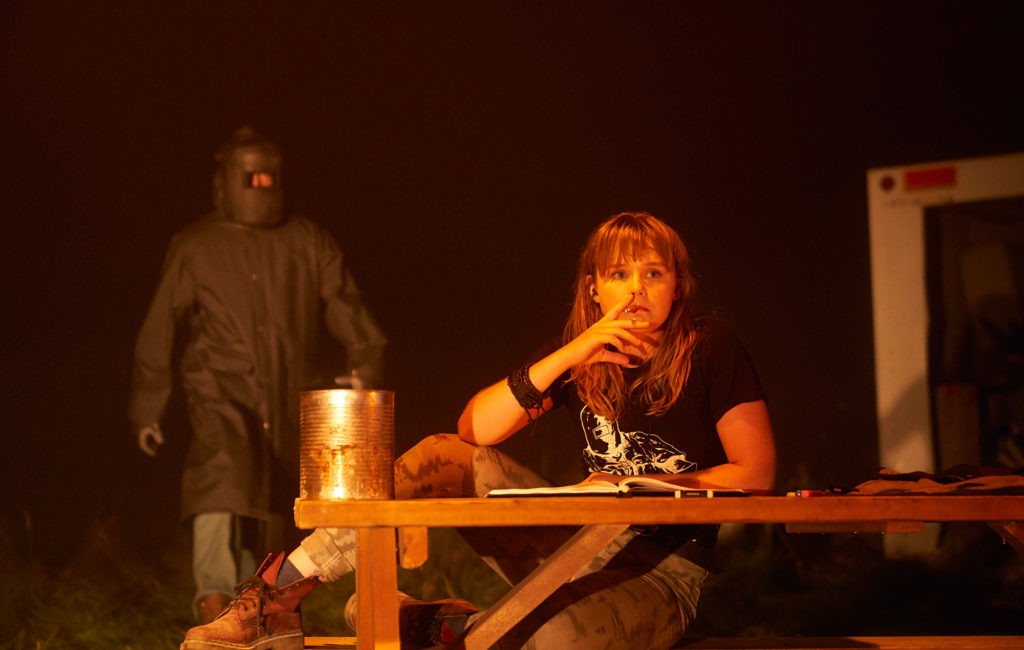
The second directorial work of Jay Baruchel tries to talk about how violence reproduces itself, but seems to get slightly bogged down in its own form. Which, of course, does not negate the author's courage and depth of vision.
'Ready or Not' (2019)
A wedding night is a deadly thing if you spend it at your husband's family estate, and all his numerous aristocratic relatives see you only as a sacrificial lamb. But Samara Weaving intends not to run, but to survive until morning with a weapon in her hands.
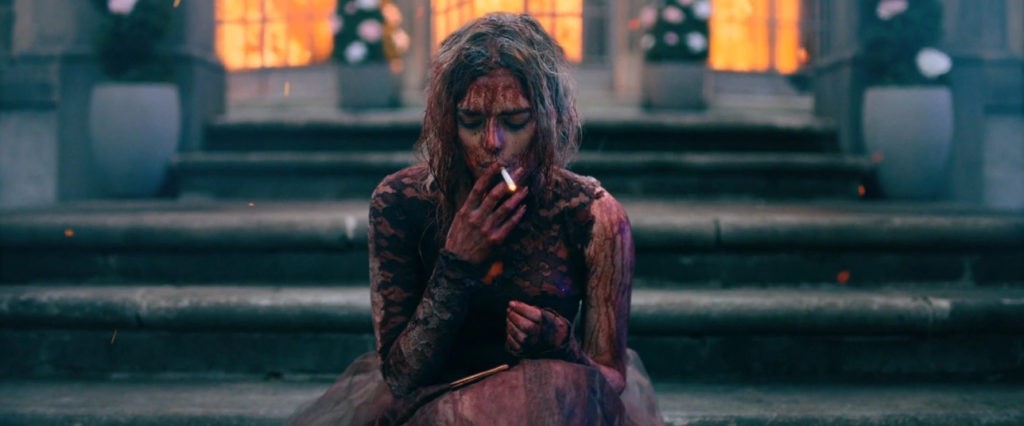
An anti-slasher about the importance of age-old traditions and the necessity of sometimes breaking them. The maniac and the victims here switch places, grinding the genre. And the conversation is about whether a system is needed if it is irrevocably outdated.
Комментарии
0Комментариев пока нет.
Войдите, чтобы участвовать в обсуждении.