
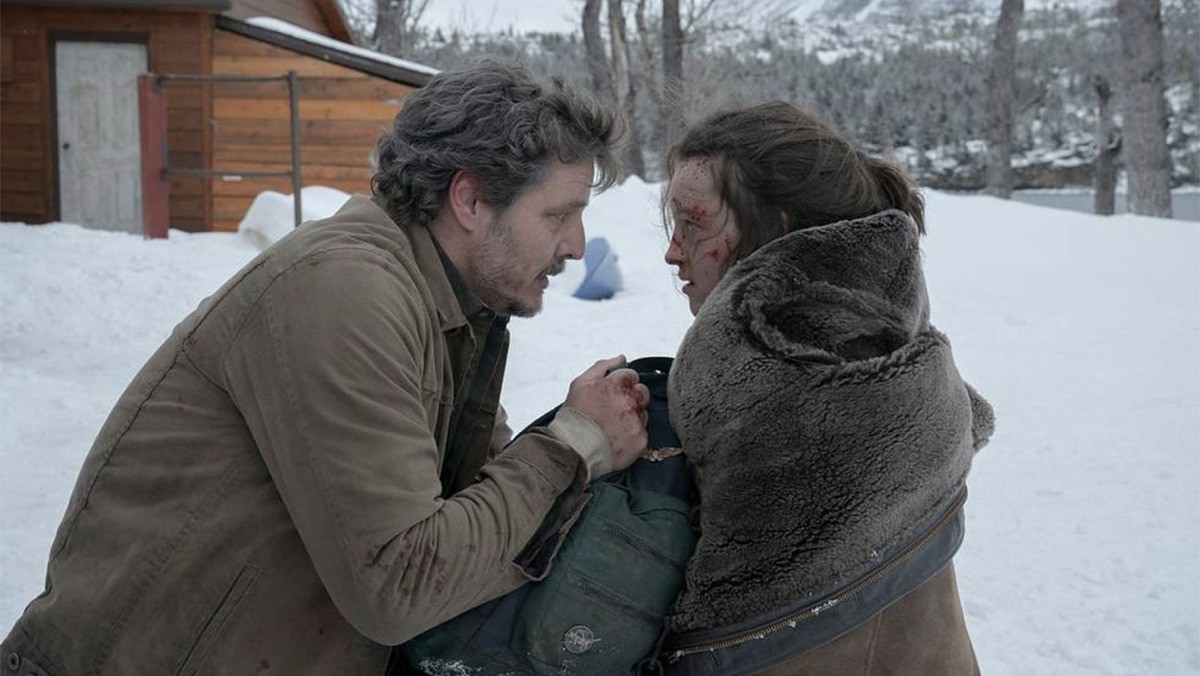
Religious cannibals, torture with Pedro Pascal, a steakhouse on fire. Recapping the eighth episode of The Last of Us.
Episode 8 was directed by Ali Abbasi, an independent director who is trendy thanks to the success of his latest film (Holy Spider, good). And it shows – this is the best episode in terms of suspense, engagement, and surprise, where absolutely everything works well. Given how Abbasi masters genre tools, it's even scary that after the success of The Last of Us, he might be called to Marvel to ruin his career.
Previous recaps:

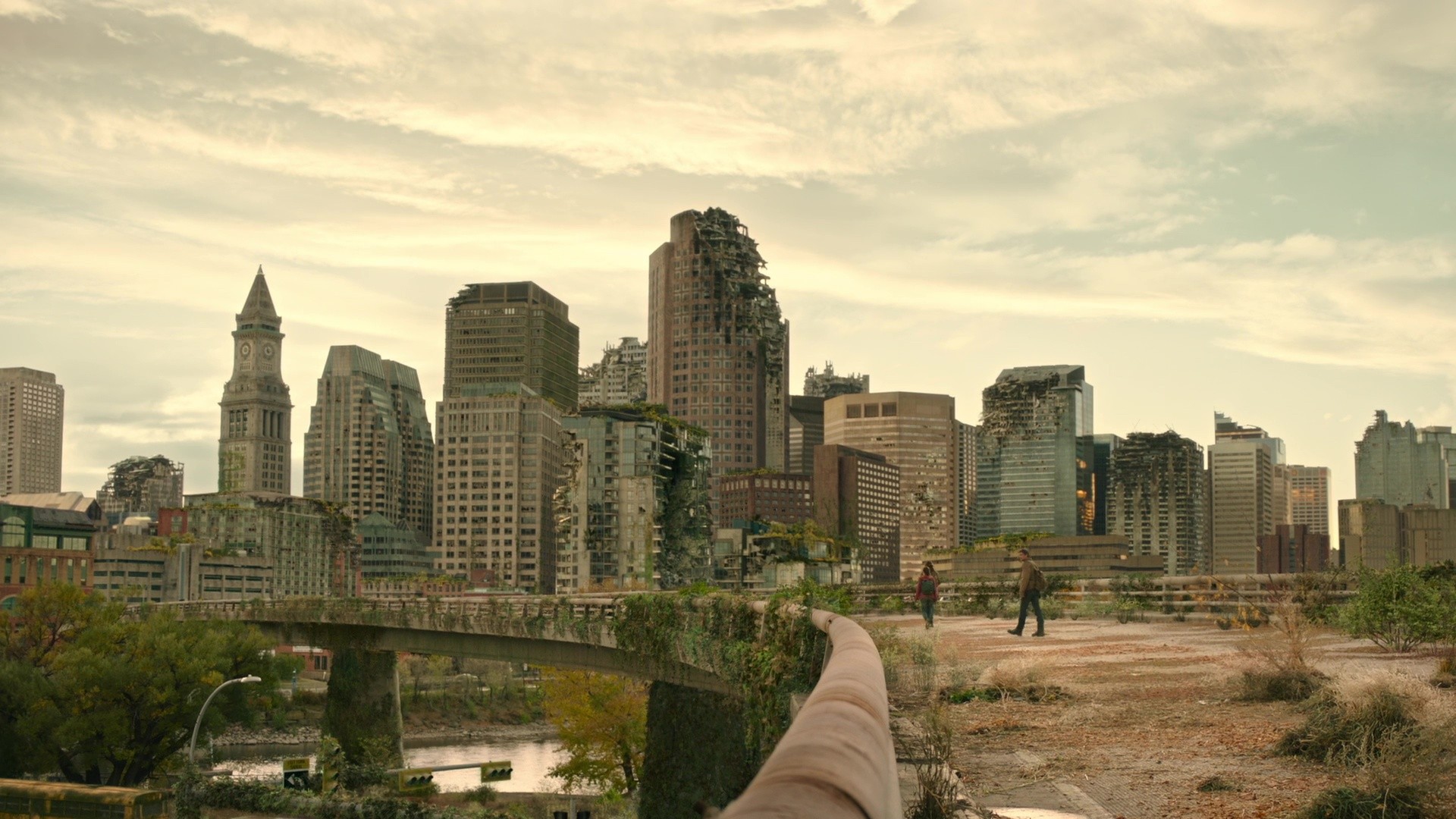
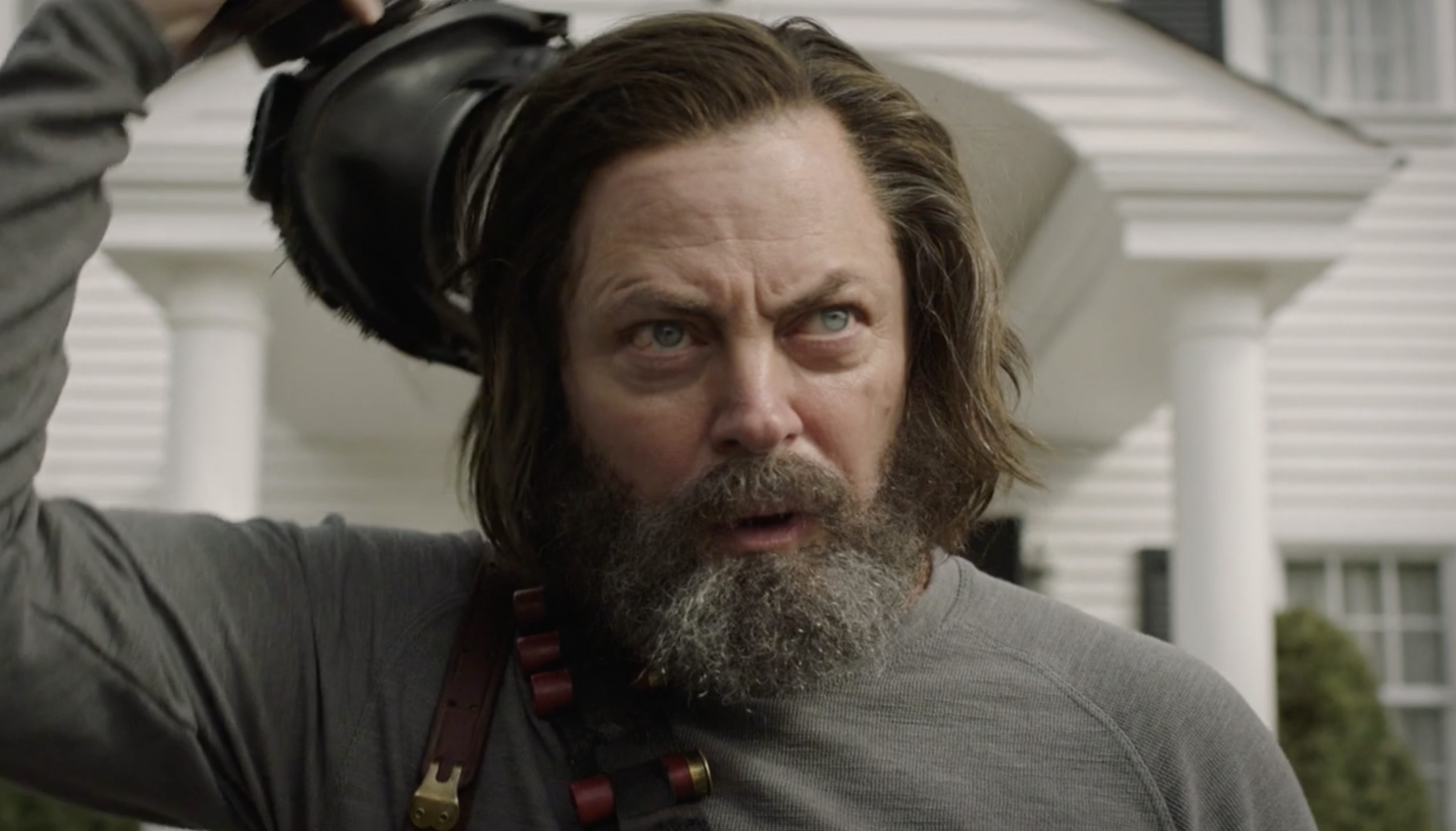
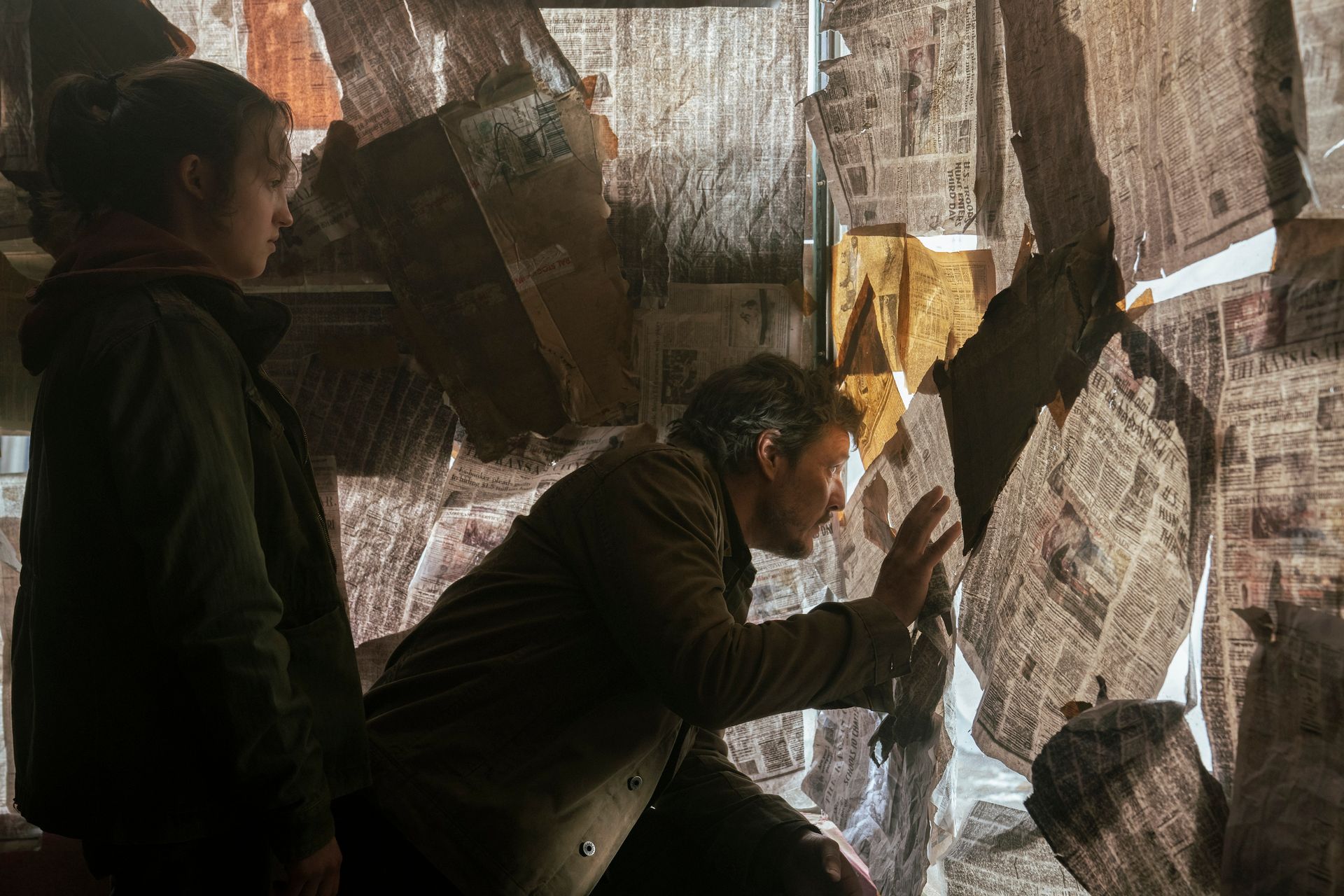

Warning: spoilers for The Last of Us Episode 8 ahead
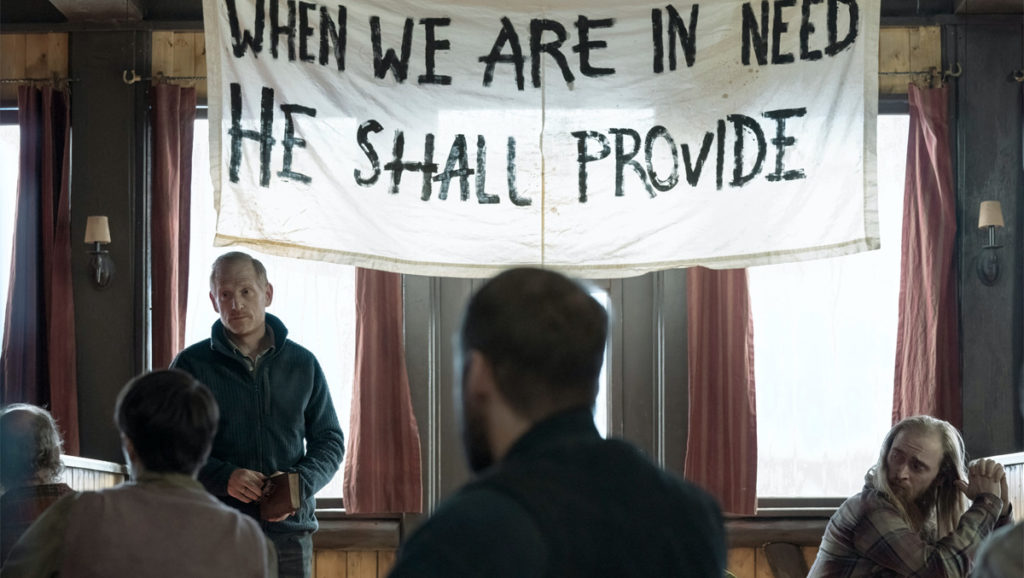
The episode opens with a sermon by the pedophile-like preacher David (Scott Shepherd, outstanding) about how God has given us a new earth and a new paradise, all hinting at the current situation (involuntarily recalling the lines from the band Pulp: "it would be like heaven if it didn't look like hell"). David, as it turns out, is conducting the funeral of a deceased man who left behind a daughter. She cannot accept the concept of the new paradise and that one should not cry for the dead, which somewhat irritates the pastor. When asked when her father will be buried, he replies that it will be in the spring – the ground is too frozen to dig.
Already at the exit of the building, the pastor, who is also the leader of the town, discusses with his assistant James (Troy Baker, who played Joel in the game) the problems with food and the latter's faith, either in God or in the boss. The second issue is resolved; the first is more complicated – they will have to go hunting, although the chances of success are not high. However, a deer was spotted in the forest, so maybe they'll get lucky.
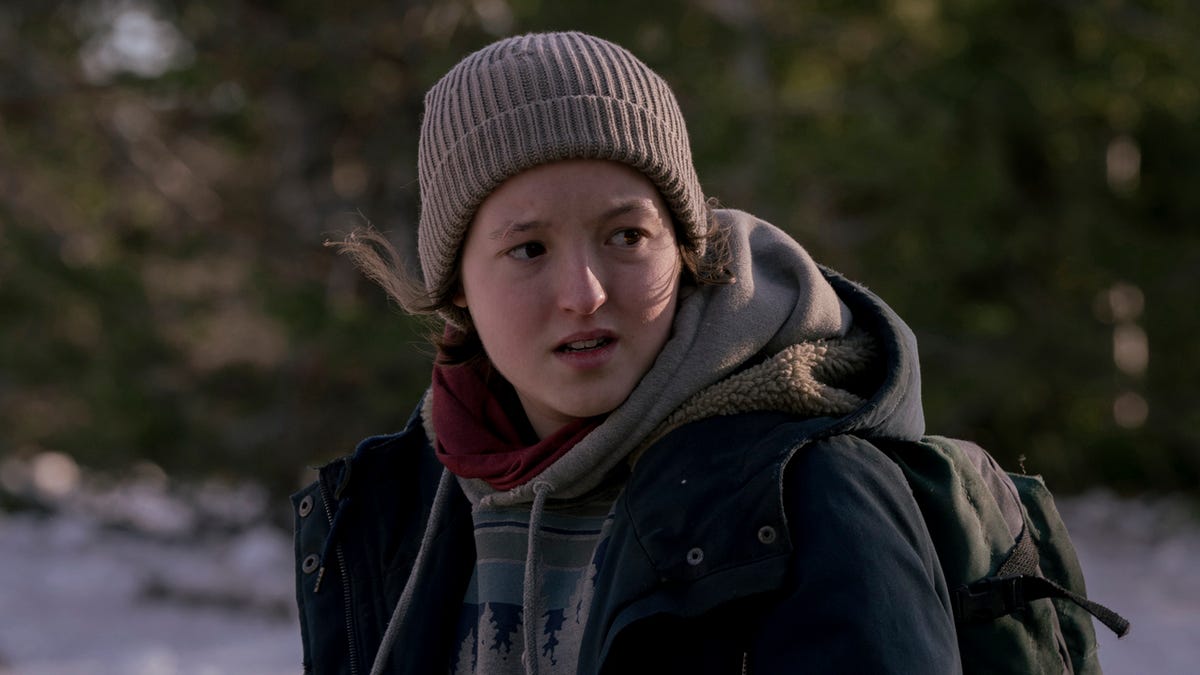
The action shifts to our heroes and seems to pick up right where the last episode left off: Ellie has stitched up Joel's wound, but without food, water, and antibiotics, he won't last long. Solving problems as they arise, Ellie takes a rifle and goes hunting. Taught by Joel in the sixth episode, the girl doesn't miss and hits the deer. However, she doesn't kill it, only mortally wounds it – it runs a few more meters, which, it must be said, is a mistake. The hunters stumble upon the animal's body and are about to quickly take it to the settlement before the one who killed it shows up.
Their cunning plans, violating hunter ethics, are thwarted by Ellie, who appears out of nowhere with a rifle at the ready. They try to negotiate; the girl asks for medicine; David sends James to get it from the settlement, while he himself offers Ellie to pass the time by moving to the nearby ruins. There, by the fire, the man tries to win the girl over – he was a math teacher, found God after the apocalypse, his flock chose him as their leader themselves ("smacks of a cult," Ellie notes), he believes everything happens for a reason, and so on.
Ellie thaws a bit but refuses to give her name. She is genuinely curious how one can believe in God amidst such horror, how one can believe in absolute good when absolute evil rules the world. Such questions are best directed at Thomas Aquinas, and Ellie's theodicy doesn't lead to anything good – James comes up from behind with a pistol, and David says that one of the settlers was killed during a foray by some crazy man protecting a girl companion, hinting at his interlocutor. The men let her go with the penicillin, hoping Ellie will lead them to Joel (that same "crazy man").
The action shifts again to the Silver Lake settlement, where the cooks no longer know what to cook – semi-finished products are running out. At that moment, James appears and brings meat, commenting: "venison." Already at dinner, a misunderstanding occurs between David and his commune: people are perplexed how he could let the girl go; he says that tomorrow they will go hunting and restore justice, and slaps the grieving daughter of the deceased, who demands vengeance for her father. We don't support her, but David, who demands she respect him as a father, we already simply fear.
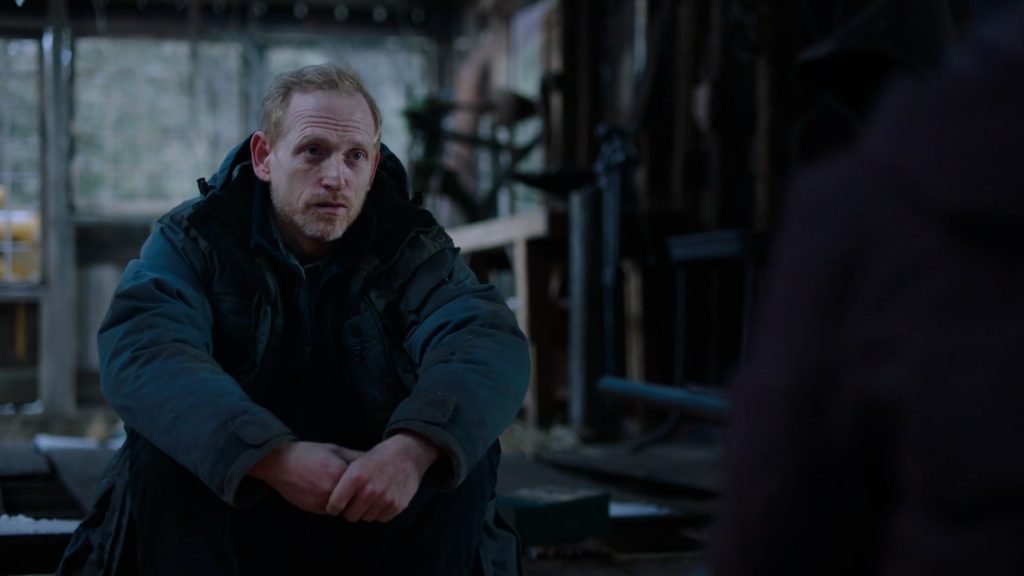
The next day, the men go on their "hunt," but David orders to kill only Joel, and take Ellie (though he doesn't know her name) alive. His deputy James is not thrilled – another hungry mouth, plus a general dislike for the girl – but David tolerates no debate.
Seeing them approach, Ellie puts a knife in the half-dead Joel's hands and tells him not to sleep. She herself saddles a horse and makes a diversionary maneuver: she gallops, shoots, swears effectively (at times it seems that we watch The Last of Us for the swearing Ramsey), but her horse is shot with a rifle by James (very sorry for the horse), Ellie falls and loses consciousness. The men, led by James, are about to kill her, but are stopped by a warning shot from David (interesting, by the way, how many bullets people have 20 years into the apocalypse to shoot blanks) – he intends to keep the girl alive. Some of the men carry Ellie to the village, while three go after Joel.
Left with the knife and the admonition, Joel continues to lie down, but when he hears footsteps in the hallway, he hides and, as one of the villagers approaches, lunges at him from behind and stabs him. The other two unlucky hunters face a similar fate. The man ties them up and tortures them – quite brutally, it must be said – trying to find out where Ellie is. The villager with a knife in his kneecap breaks (we understand him) and shows Joel on a map where Silver Lake is. The second bearded man refuses to talk, but Joel "believes the first one" and simply kills him. In the wounded, barely standing Pascal, a practically Clint Eastwood-like charisma emerges in this episode – he is simultaneously vulnerable and terrifying like a pagan deity, something in the spirit of The Outlaw Josey Wales or Unforgiven.
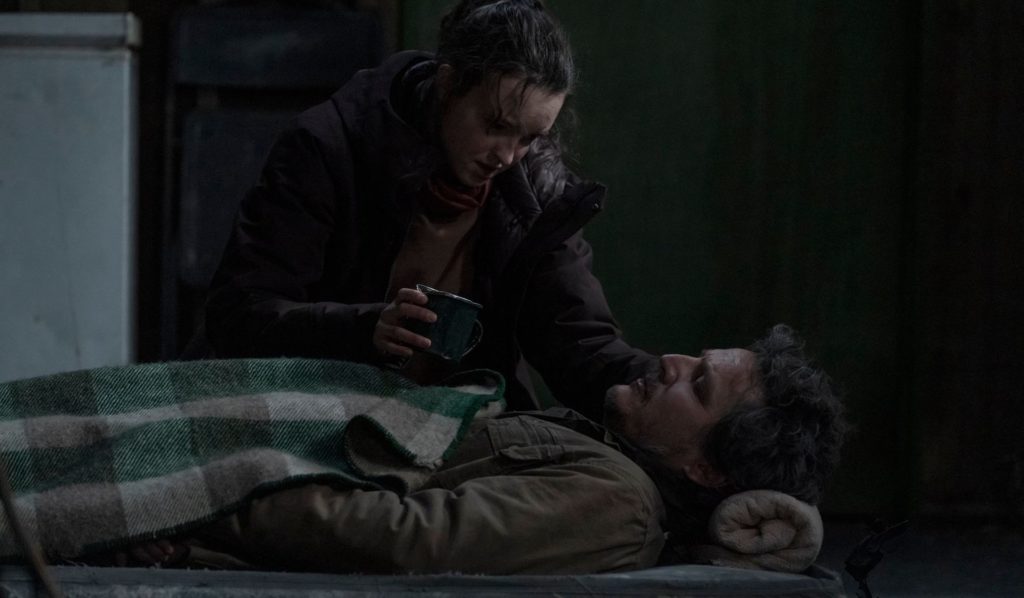
Meanwhile, Ellie regains consciousness in a cage, apparently in the building of a former police station. David, without much preamble, tries to win her over to his side, convincing her that Joel can no longer protect her, but he can. But the girl refuses to even give him her name, especially when she sees a severed human ear on the floor. After a while, David returns with food (Ellie refuses, and we understand her) and tries to explain: he had to feed the people, they believed in him, what was he to do.
He believes Ellie understands him because she is like him – a born leader, smart, decisive. David sees himself in her (his self-esteem is fine) and sees in her the same cruel heart that beats in his chest. And can one argue? Ellie has killed, she is not afraid of death and is fascinated by weapons, she easily justifies Joel for his past. It's easy to call her hard-hearted, but it's harder and more correct to see in her a living person, multidimensional, in whom good and bad coexist – mixed against the backdrop of a destroyed world so that you can't separate them.
One way or another, David promises Ellie the moon and tells her that although he supports his flock with Bible quotes, he himself believes not in God, but in cordyceps. It is powerful, it protects its children, it is love and cruelty at the same time. In short, don't trust math teachers, kids. Ellie is shocked but doesn't show it and approaches David. Their hands touch through the bars (to paraphrase a joke: make up your mind – are you a cannibal or a pedophile?), and it seems she agrees to be his friend and potential successor, but at that moment Ellie breaks the wannabe pastor's finger and finally gives her name: "Tell everyone my name is Ellie, and I'm the girl who broke your fucking finger." (In short, "tell Cersei it was me".)
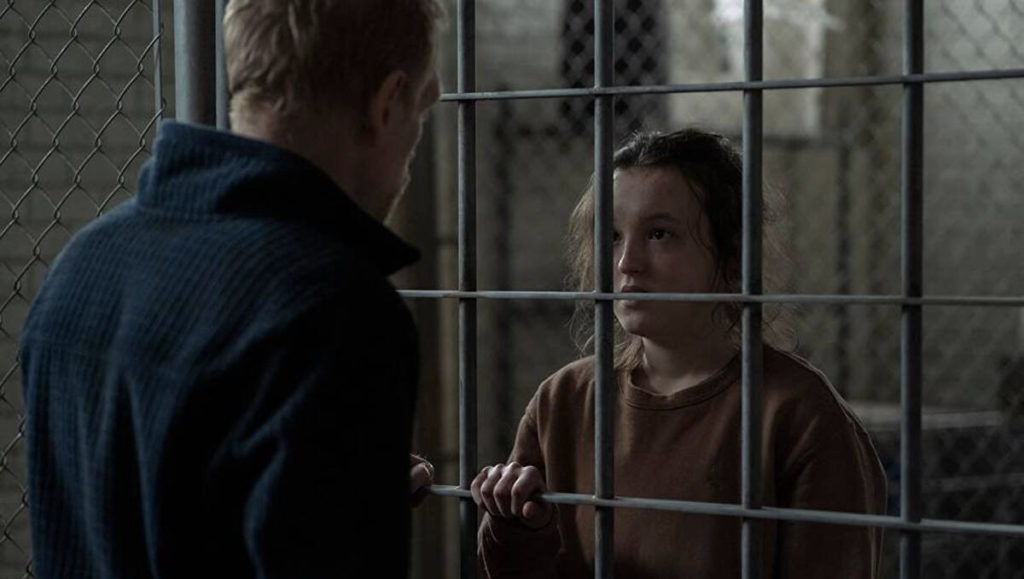
David doesn't have time to tell anyone, as he and James decide to butcher Ellie without delay. She informs them that she is infected (there is a wound, albeit an old one) and has infected David. James hesitates, and Ellie drives a machete into his neck, then runs at full speed to the steakhouse. David follows her; they play hide and seek for a while, but the girl sets a curtain on fire and tries to kill her opponent with a kitchen knife. Everything is burning; David, ignoring it, shouts about how good he is and how she didn't recognize it, and tries to rape her. Ellie kills him and continues to strike blow after blow in a frenzy.
When she gets out, Joel finds her (he made it to the town, discovered evidence of cannibalism, but didn't make it to the final act). He hugs Ellie and tries to calm her down. The two walk off into the sunset, leaning on each other, but the echo of the scene of monstrous cruelty and Pedro Pascal's voice saying, "It's okay, baby girl, it's all over," continues to reverberate. And although the worst seems to be ahead, it's impossible not to believe this consolation.
Impressions
First of all: this is the best episode of the show (we hope the finale will be even better). After the wonderful sixth episode, it seemed the spot was taken forever, but in the eighth episode, everything came together at once: a great horror setup, excellent genre direction, and, let's be honest, cannibal hell. And it's generally hard not to be captivated by a spectacle where the western meets southern gothic, and Clint Eastwood meets Hannibal Lecter. Much, by the way, says about our era that thirty years ago the cannibal was in the cage, and the heroic girl was free; now they have swapped places.
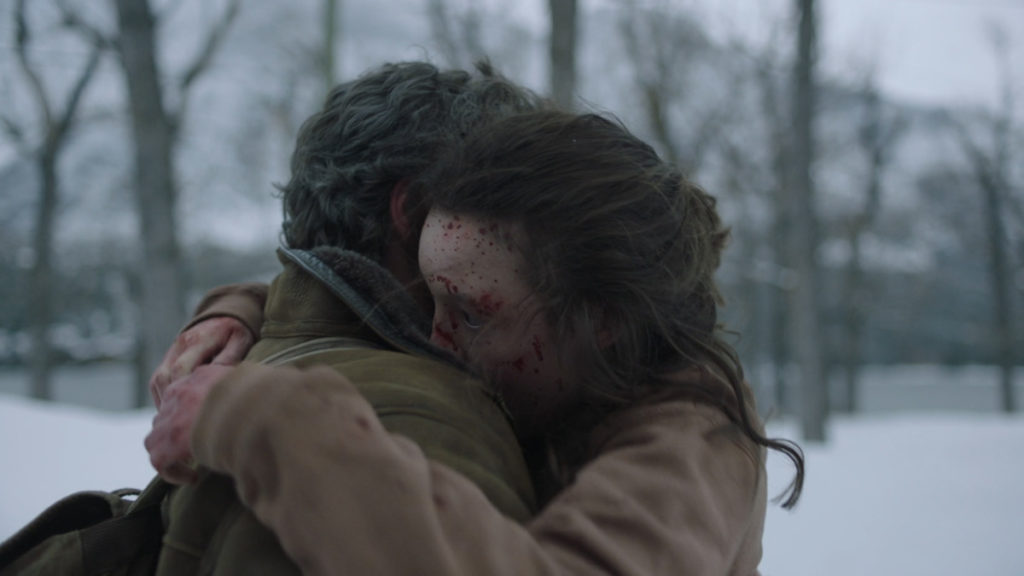
There are no infected here at all, but it's probably time to admit that the scariest thing in the world before and after the apocalypse is not the mold, but people. Cruel, vengeful, they should be feared more than cordyceps. This is perhaps a bleak conclusion, but the authors quite elegantly balance it, at least within one episode, by showing how Ellie and Joel care for each other. A severely wounded man is literally ready to do anything for the girl, and a frightened fourteen-year-old teenager never forgets for a minute that although she is promised a cannibal paradise, somewhere out there Joel is waiting, who needs her help. This is not the greatest thought, but it is in something like this that one should see hope. Even in the post-apocalypse.
It's awkward to repeat this for the fourth time (first, second, and third), but without Pedro Pascal and Bella Ramsey, The Last of Us would be a completely different spectacle. The Chilean actor, who waited a long time for popularity, is now getting it in full, and this is one of those rare cases when you just want to rejoice and join the enthusiasm. Formidable determination and touching vulnerability are mixed in him in the proportion that turns good actors into great artists, and you can endlessly watch Pascal try to protect other people's children from the horrors of the world.
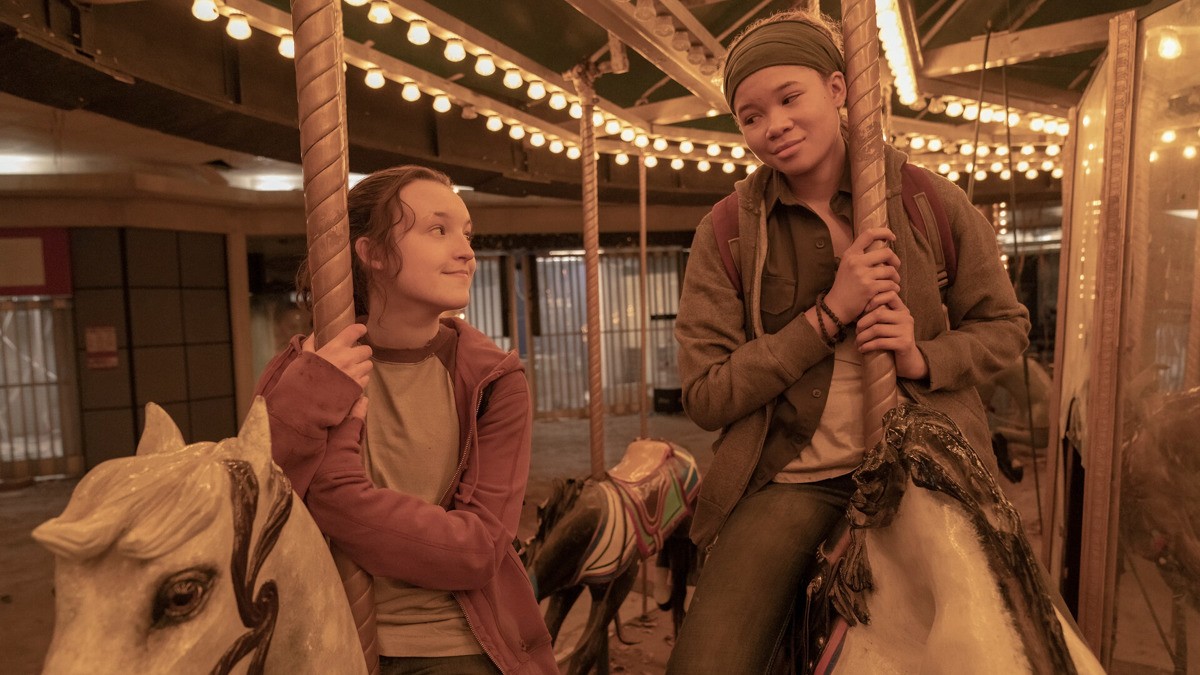
Ramsey, meanwhile, delivers a performance worthy of a whole career for some actresses – sarcastic but frightened, confident but confused, cruel but kind, her character in this episode, against the backdrop of relationships with two completely different men – Joel and David – blossoms in all her sad beauty. And, of course, watching actress Ramsey swear and kill vile ambassadors of patriarchy is a pleasure few things can compare to.
Also, on the side: an interesting article in Vulture correctly noted that The Last of Us is also a series about politics. The left-leaning author focuses on criticizing American isolationism, but there is also something to see in a more general sense. The series offers a range of social dystopias – state dictatorship, paranoid isolationism, dictatorship of the proletariat, a cult – in which the funniest thing is their internal similarity.
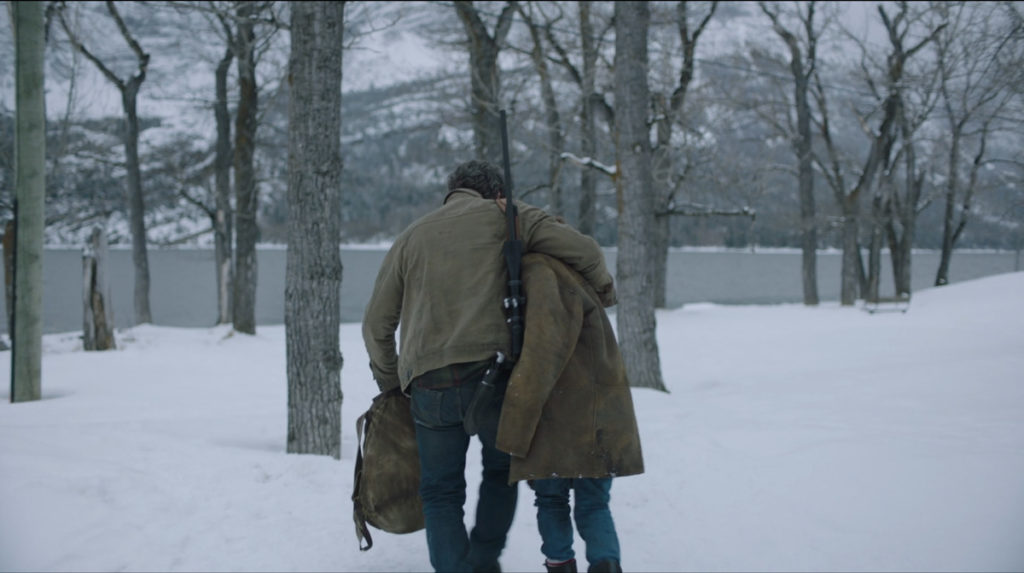
And FEDRA, and Bill, and Kathleen, and Pastor David are all convinced that they are acting in the only correct way, repeating the same mantras to justify their cruelty – "people depend on me," "what else could I do," "it's better for everyone, without me everything will fall apart." People who have been listening to this for 20 years should, in theory, have developed immunity, but, as with cordyceps, there seems to be no escape from all this. There will be no substantive conclusion here, but it's interesting that no one sees a triumph of democracy and freedom in the future (the commune in the sixth episode is, of course, an exception, but its strikingness only confirms the rule).
Comments
0No comments yet.
Sign in to join the discussion.