


The premiere of the first two episodes of the series about the horror-punk band The King and the Jester took place on Kinopoisk. Why this series is not only a bright premiere this spring but also a unique project overall — in our review.
The series begins in 1999, when The King and the Jester performed on stage at the Yubileiny Sports Palace for the first time, conquering another peak and strengthening their bond with fans. After the concert, a drunk Gorshok, aka Mikhail Gorshenev (Konstantin Plotnikov), like the hero of the song 'I'll Jump Off a Cliff,' decides to jump from the roof of the palace to leave 'at the peak,' as advised by a demonic Jester () who appears in the frame — an evil, fictional double of the singer.
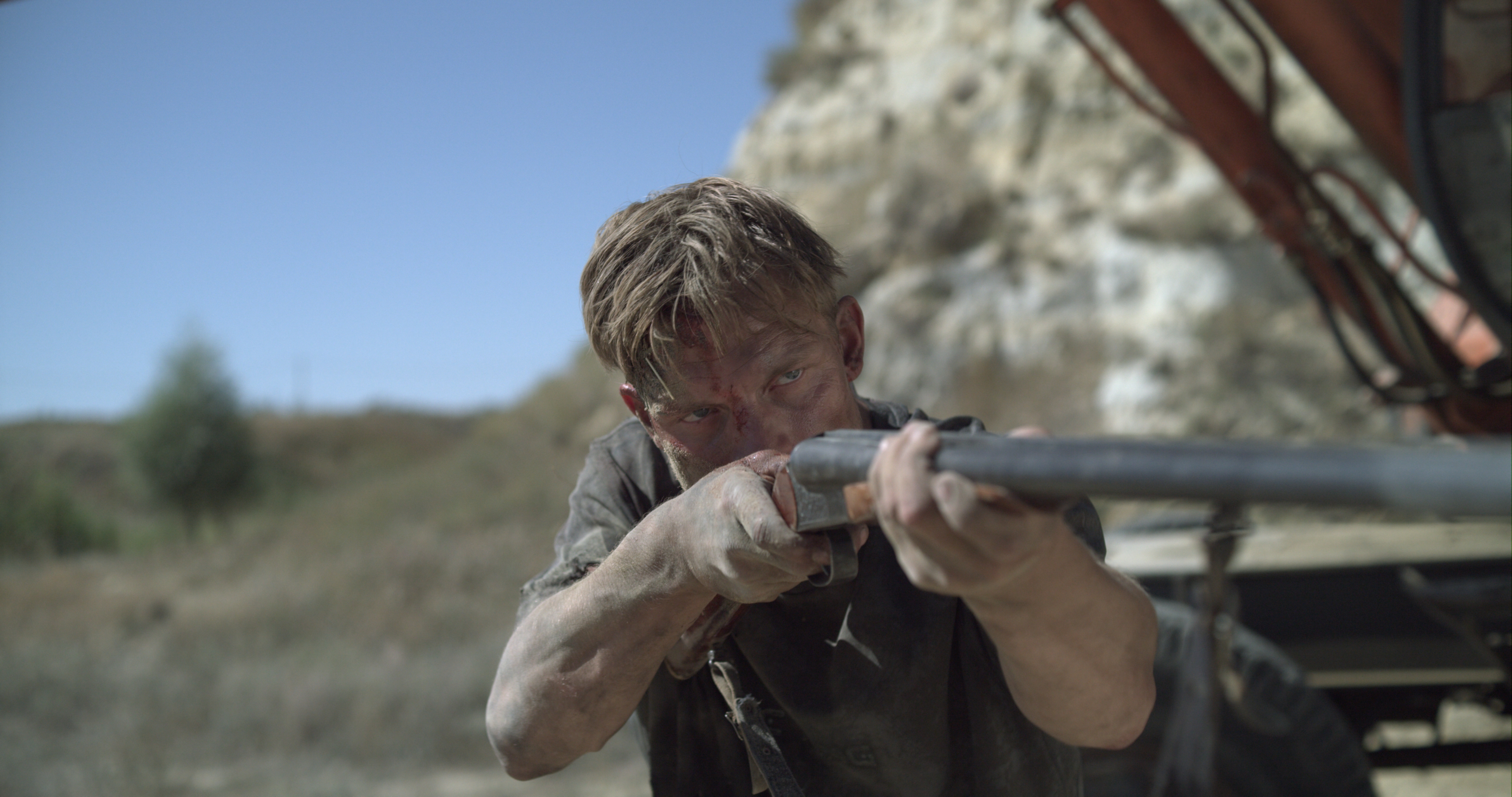
'Zemun' is Eduard Zholnin's debut film, produced by Alexei Uchitel with Evgeny Tkachuk in the lead role. In our review, we discuss why all these people failed to revive...
Open material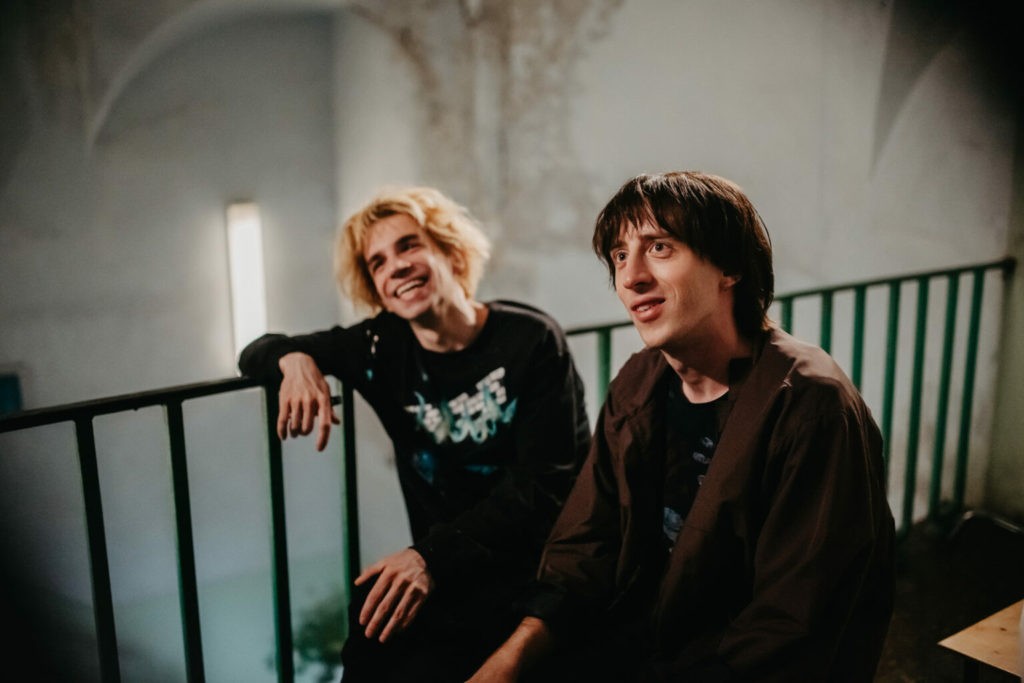
Then, on the same roof, Andrei 'Knyaz' Knyazev (Vlad Konoplev) appears and talks his friend out of the desperate act, recalling through cinematic flashbacks all the key moments of their meeting and the formation of the band, which was once called 'Kontora.' This is where the great and thrilling journey into a world of chaos, adventure, friendship, romance, myths, and most importantly, the wild drive of one of the most iconic punk bands in the post-Soviet space begins.
The appearance of The King and the Jester on screen is an event for Russian cinema, because while many musical biopics have been made recently ('Summer,' 'Vertinsky,' 'Magomayev,' 'These Eyes Opposite,' etc.), there hasn't been a full-fledged series about a domestic punk band until now. And the fact that, according to the script, the series is divided into a partially biographical part and a completely fictional fantasy part based on the songs of the band The King and the Jester makes it almost unique in its kind. Where else can you see two frontmen not only delivering wild energy on stage but also embarking on an odyssey through a fairy-tale, alternative universe, reminiscent simultaneously of the works of Alexei German and the worlds of Guillermo del Toro, filled with romantics, heroes, villains, tricksters, and dreamers?

In the first episodes, the narrative jumps in a ragged, music-video style of editing, grinding the most key episodes into one bright cocktail: from the creation of the band and the first performances in small clubs among fighting nonconformists to appearances on the largest stages in the country.
At the same time, a fairy-tale narrative is built about how two minstrels — Gorshok and Knyaz — go to rescue a beautiful princess from the captivity of a sorcerer, encountering heroes from their future songs along the way. The central place here is, of course, given to 'The Forester' — one of the most famous hits of the band The King and the Jester. The role of the forester was played by , who repeats lines from the song several times in a conversation with Gorshok. The result is a kind of meta-irony within the series, which, by the way, became one of the funniest in the second episode.
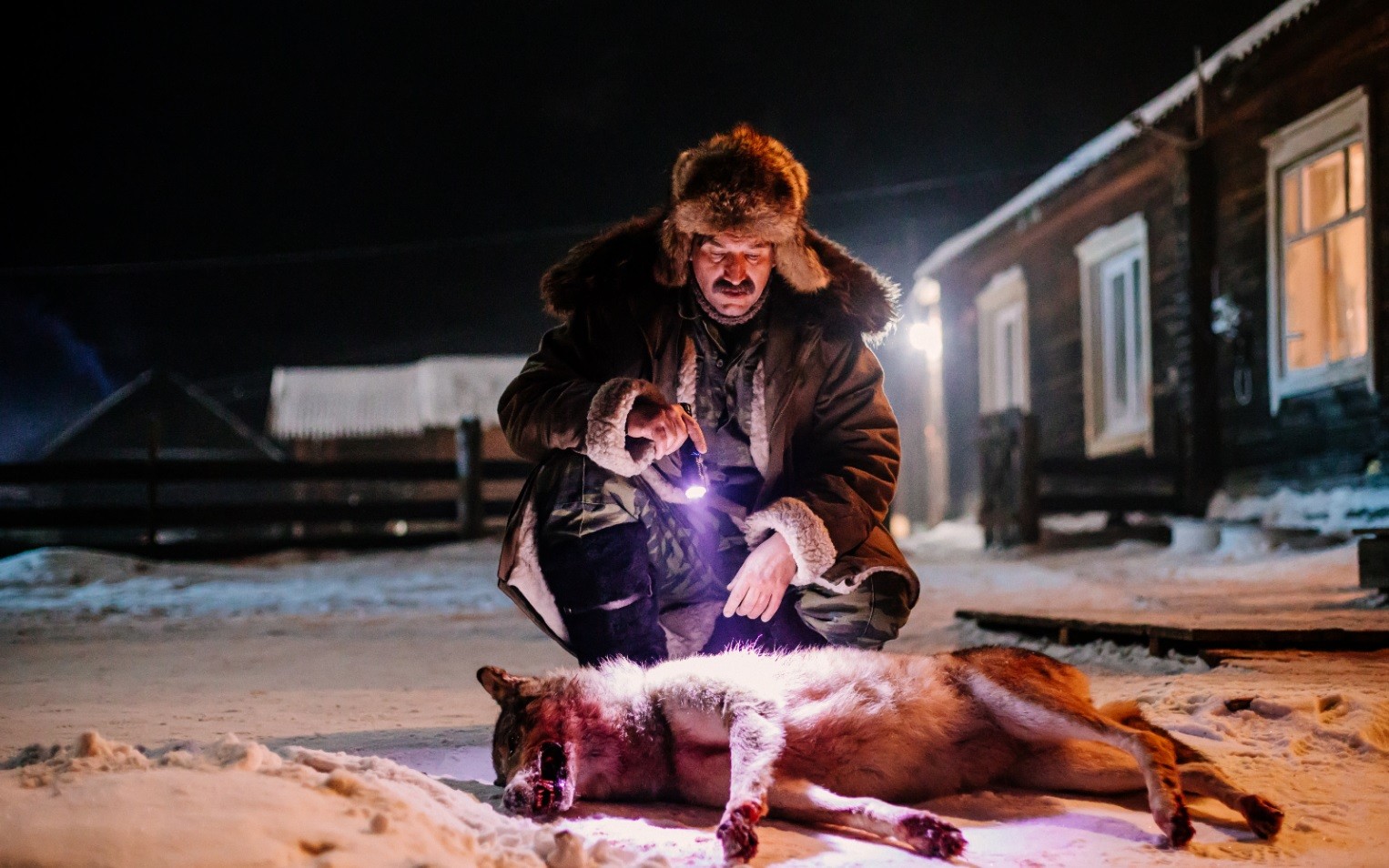
In theaters is the strong taiga eastern 'Rabies' — a film that successfully mixes a pedagogical poem with elements of Spielberg's 'Jaws' and King's 'Cujo.'
Open materialFlirting with genres and mixing escapism with reality allows the creators not to follow the already thoroughly worn-out and boring plot formula of musical cinema, but to gain a huge space for creative freedom, to come up with a new form of presenting material that incredibly suits the series and does not distract from the most important thing — the pulsating creativity of the band The King and the Jester on screen, whose members, like Dumas' heroes, look to the future with optimism, have fun, compose music, drink, rebel, are close friends, and believe in fate.
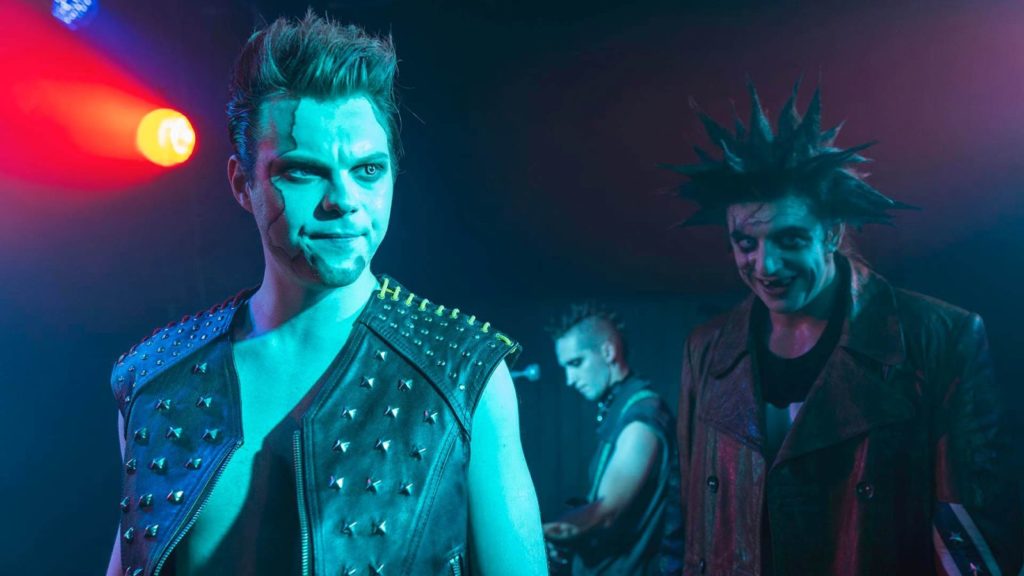
The advance given in the first episodes of the series is repaid in full. The optics of cinematographer Stepan Beshkurov are not shy about using Dutch angles, picking out faces of fans from the crowd in close-up, shooting as if on an old digital camera, peeking from backstage, emphasizing the drive at concerts, and generally just enjoying what is happening on set, skillfully coloring both the fairy-tale setting and the reconstruction of everyday life at a certain point in time in the plot. Vlad Konoplev and Konstantin Plotnikov are more than convincing, and the almost entirely played songs of the band turn the series into a kind of karaoke.
But how long such a rhythm can be maintained — time will tell, or rather the following episodes, but for now The King and the Jester is a quite watchable, electrified, musical, slightly absurd, but meaningful series about rebels on stage who became a cultural phenomenon of the late 90s and early 00s.
Trailer:
Comments
0No comments yet.
Sign in to join the discussion.