

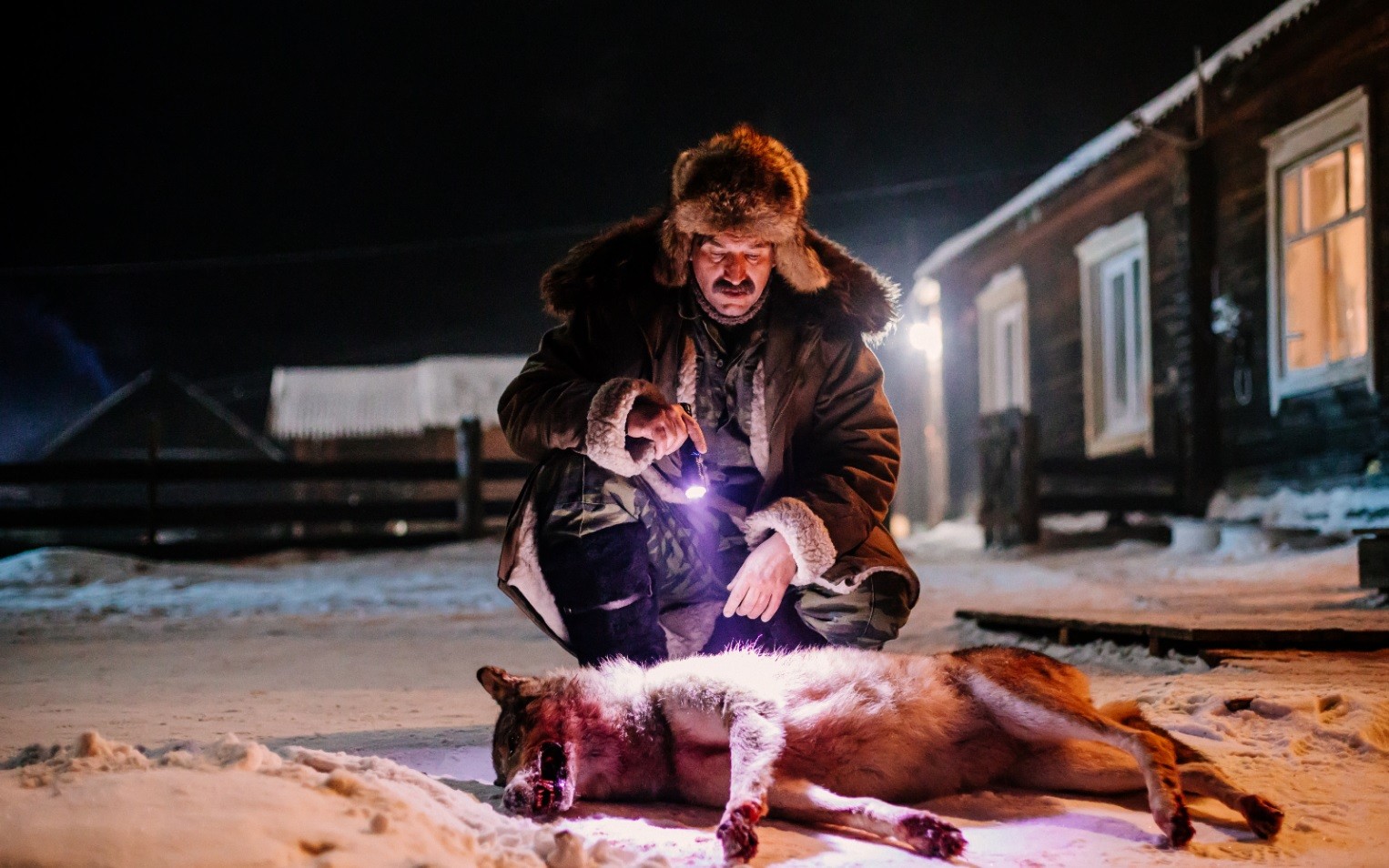
In theaters is the strong taiga eastern 'Rabies' — a film that successfully mixes a pedagogical poem with elements of Spielberg's 'Jaws' and King's 'Cujo'.
A gloomy man (Alexey Serebryakov) takes his drug-addicted son (Vsevolod Volodin) to the taiga to try one last proven treatment method – lock the offspring in a hut, cut off all access to temptation, and let him breathe fresh frosty air – maybe that will set him free.
The beginning of the 'forced detox,' as Serebryakov's character puts it, looks terrifying: the father alternately dunks his son's head into the graves of childhood friends who died from drug use, and then at an old friend's cabin, chains his son up in a hut and turns on cartoons on the TV.
The travelers spend only one relatively calm night in their forced shelter when suddenly a rabies epidemic breaks out in the region. The first wolf attack occurs immediately, and so, by fate's design, four people hold siege in a remote hunting lodge: a father and son, a local police officer (), and a stern game warden ( Alexander Ustyugov ). This, by the way, is the second on-screen appearance of Serebryakov and Tkachuk after the brilliant 'Vitka Chesnok' .
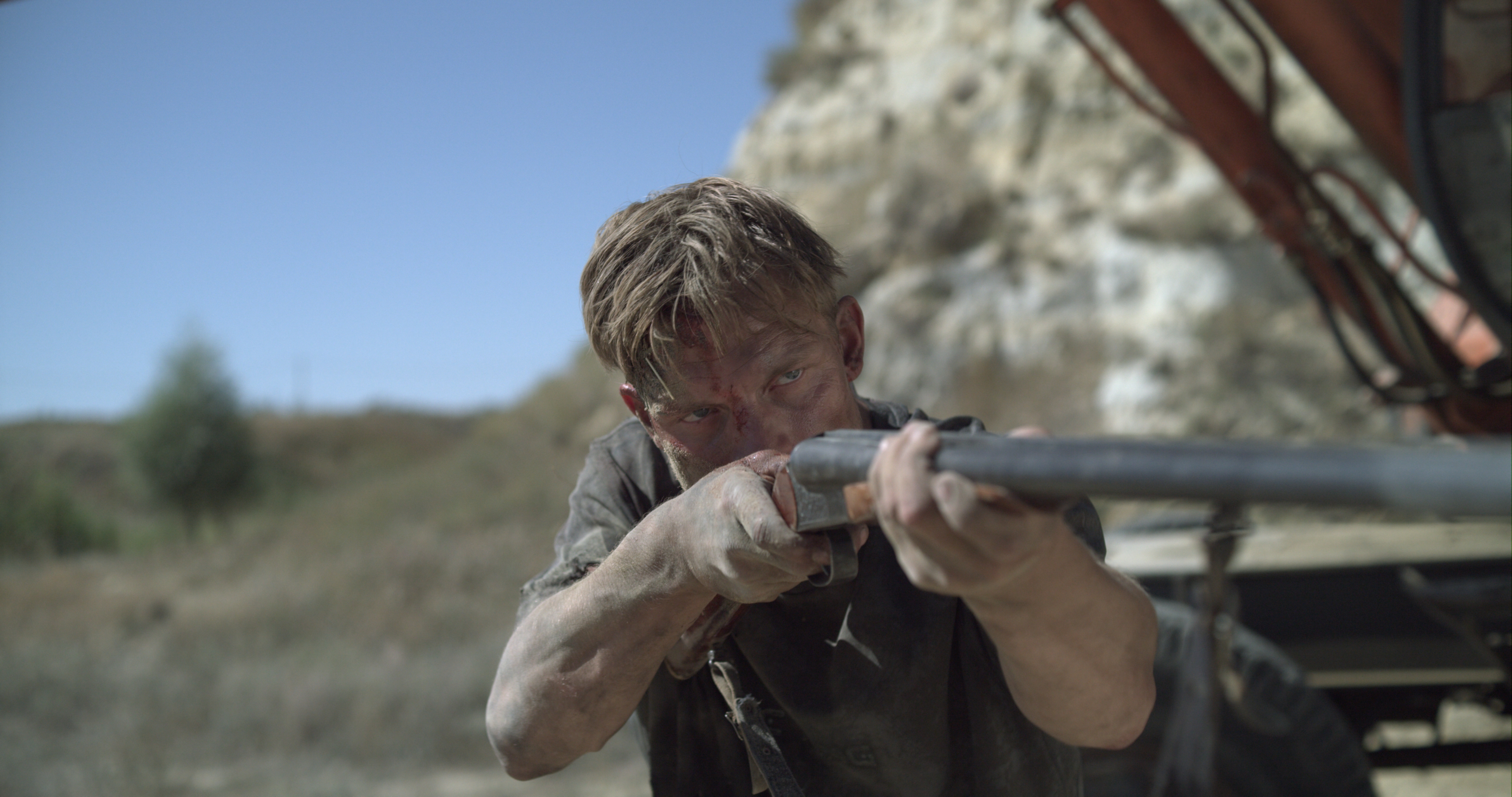
'Zemun' is the debut film of Eduard Zholnin, produced by Alexei Uchitel with Evgeny Tkachuk in the lead role. In our review – about why all these people failed to revive
Open material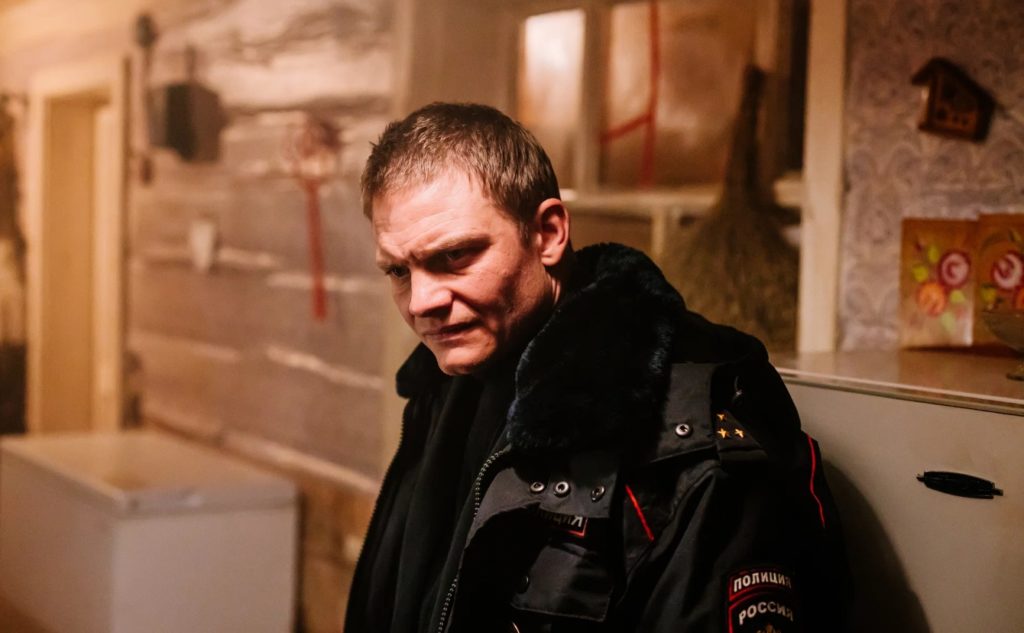
Dmitry Dyachenko, director of the box office phenomenon 'Cheburashka', releases his second film in two months, and both times, it must be said, successfully. In the family-friendly 'Cheburashka,' the filmmaker melted viewers' hearts with a cute, fluffy creature, while in the film 'Rabies,' he decided to venture into the previously unexplored territory of harsh survival cinema, and here too there is a beast, but much more real, terrifying, and bloodthirsty. For marketing, a special trailer was even created, connecting both films with key details.
The lion's share of the success of the film 'Rabies' lies in the skillful screenplay by Alexei Kazakov (who previously wrote the dilogy 'Bitter!' and the comedy 'Relatives'), the texture of the harsh taiga region, where any person, regardless of position or, God forgive me, social status, is powerless against nature, where money, buckshot, and even the police officer's booming shout: 'Stop!' cannot protect against rabid fangs and claws. All this Dyachenko tells in a simple, accessible, and most importantly, engaging cinematic language, where you literally shrink into your seat from a wolf charging at you, and the dynamics of what is happening on screen do not let you catch your breath for a minute.
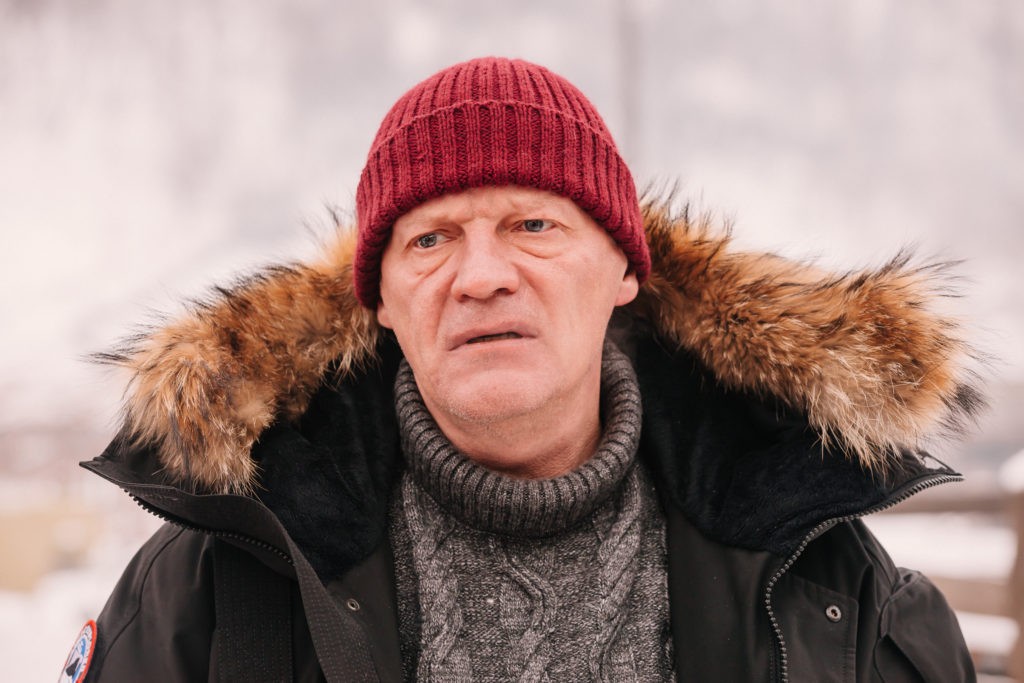
The animalistic nature, fueled by the dangerous rabies virus, is explicitly rhymed here with the main character's drug-addicted son. You don't even know what is more dangerous: your own son beside you, baring his teeth from unrelenting withdrawal and spewing curses at his father, or the similarly baring beast behind you in the frosty night, illuminated by the frightening red light of a snowmobile's marker lights.
In a key episode, this sign of equality will occupy all remaining space on screen, so that no one has any doubts about the correctness of the conclusions. The didactic part of the plot stops in time, skillfully placing the necessary accents and freeing up a significant portion of the film for pure genre with an excellent synthesizer soundtrack by Dmitry Selipanov and masterfully staged cinematography by Yuri Nikogosov.
'Rabies' is an example of clever, brutal, and not stupid cinema with a tightly woven plot that does not need excessive sophistication: everything develops according to the radical formula 'it's either you or them,' almost like Spielberg in 'Jaws,' Stephen King's 'Cujo,' or 'The Grey' with Liam Neeson. Here, the priority is running, a gun, stakes, and 'bear slippers,' not heavy drama and theatrical shrillness (though that is also present here, but in small amounts). Otherwise – certain doom.
Comments
0No comments yet.
Sign in to join the discussion.