
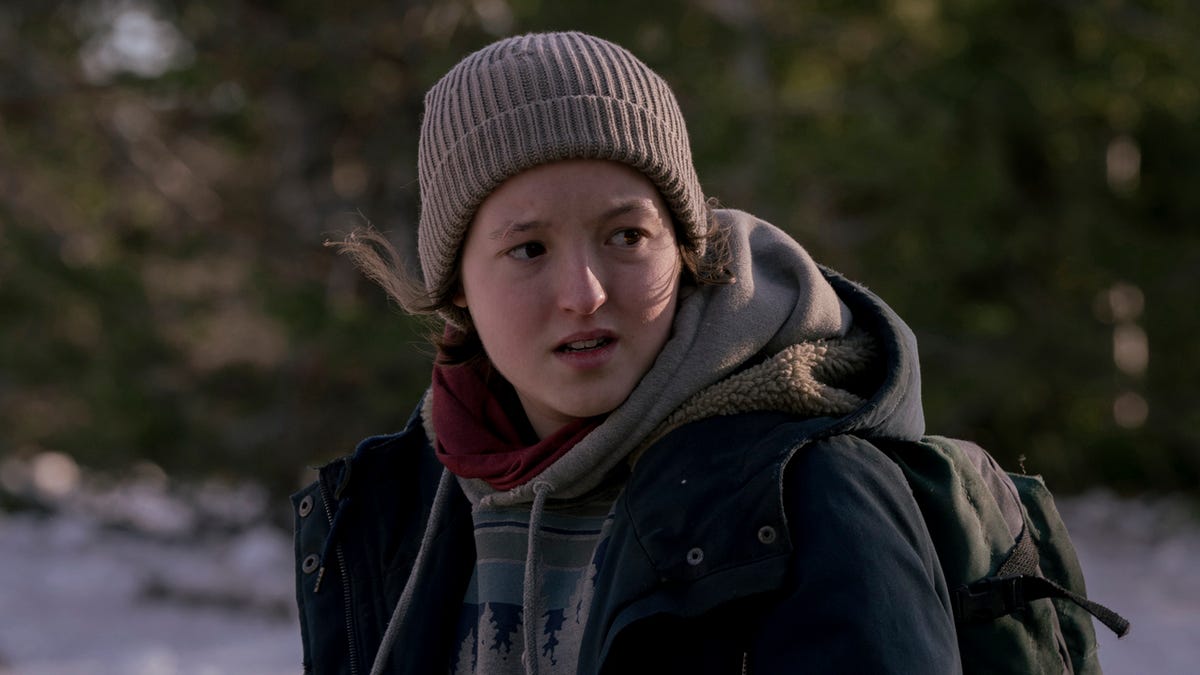
Building communism, snowdrifts, cowboys, sheep on the moon – we recap the sixth episode of 'The Last of Us'.
In the sixth episode of 'The Last of Us,' the series more than ever resembles the great film 'The Searchers,' shows how communism works, and how family can be found in the most unexpected places. We tell you what happened to Joel and Ellie in the snows of Wyoming.
Previous recaps:

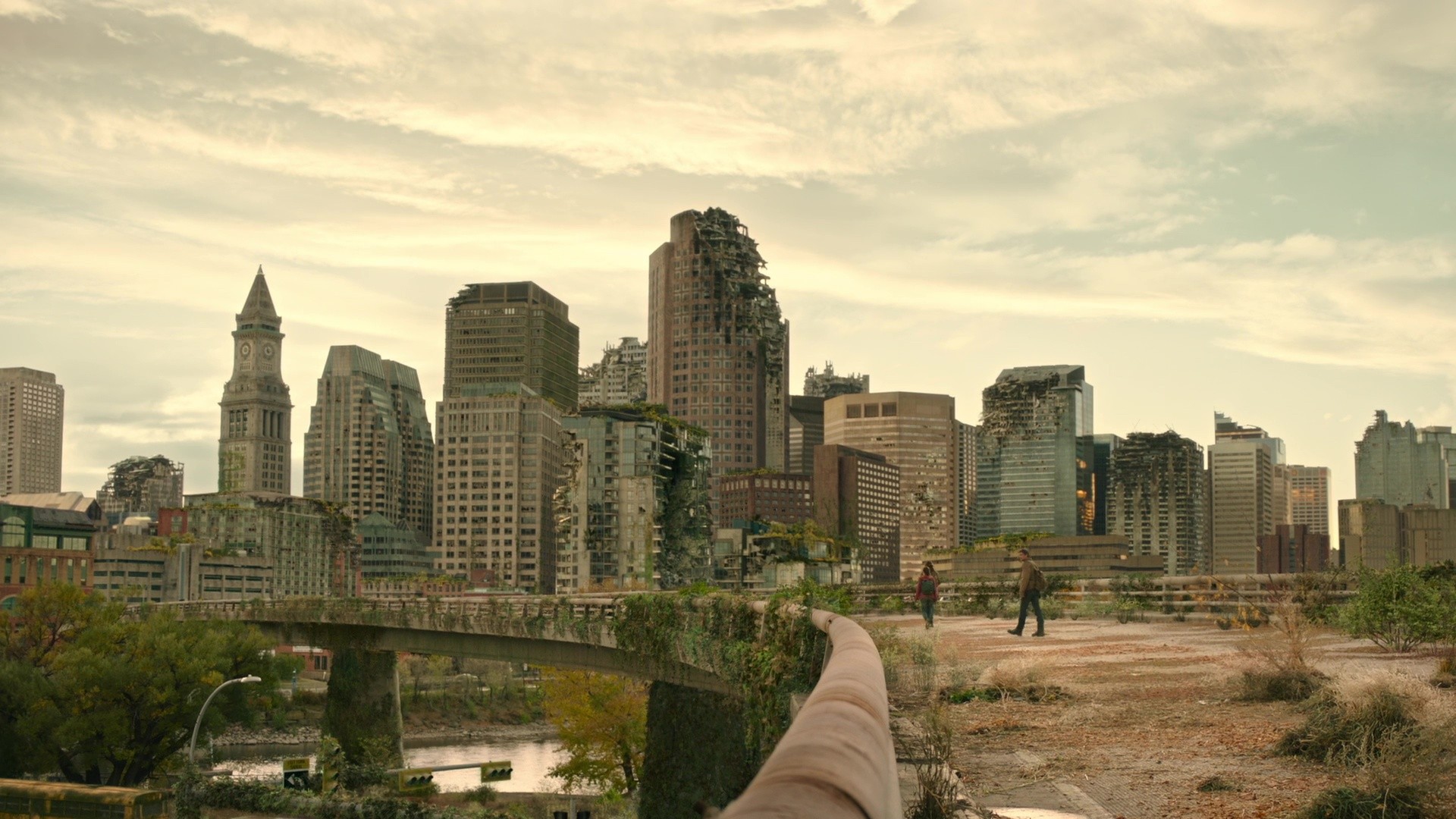
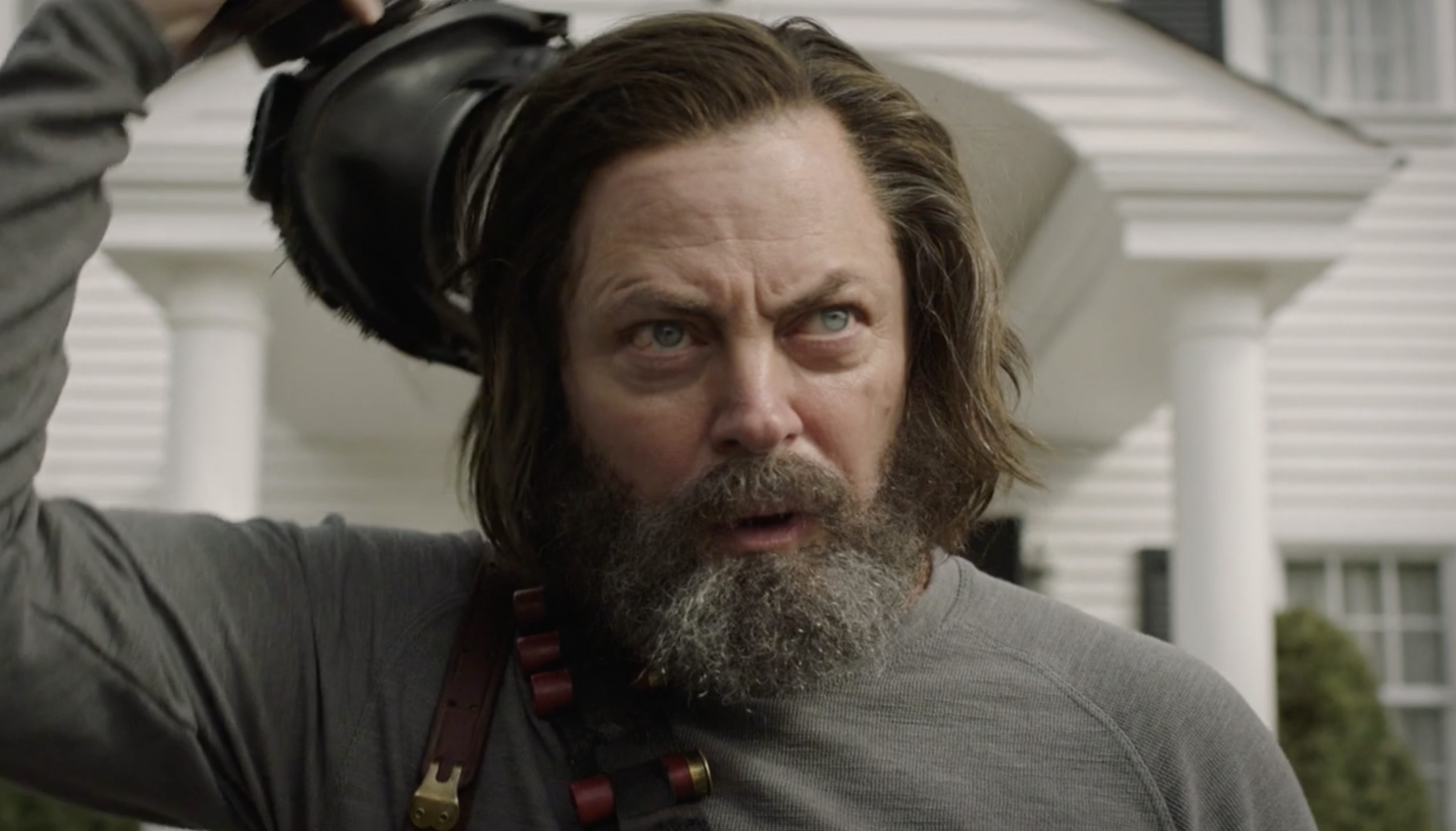

Warning: spoilers for the 6th episode of 'The Last of Us' follow
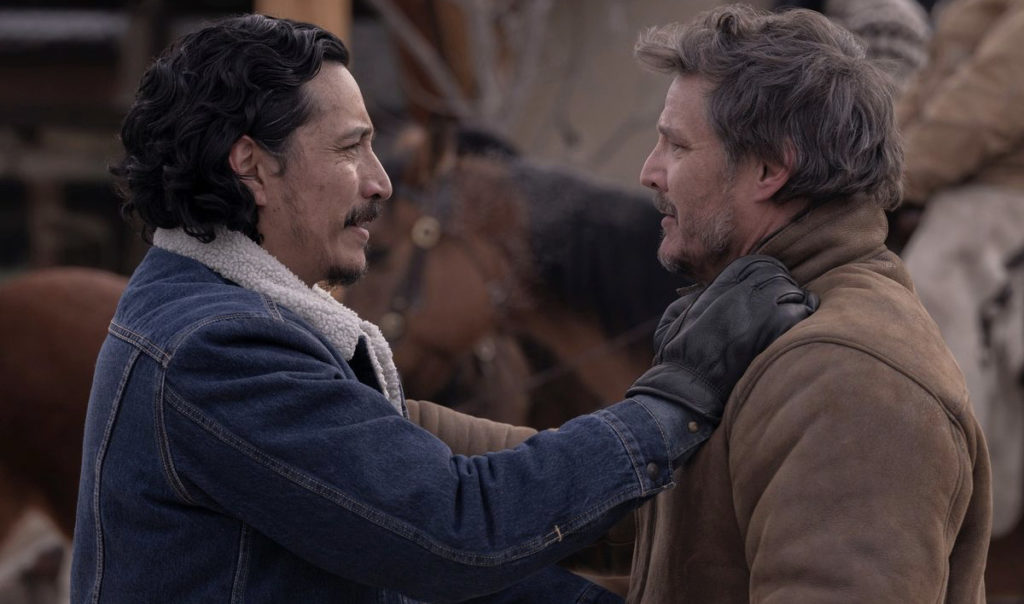
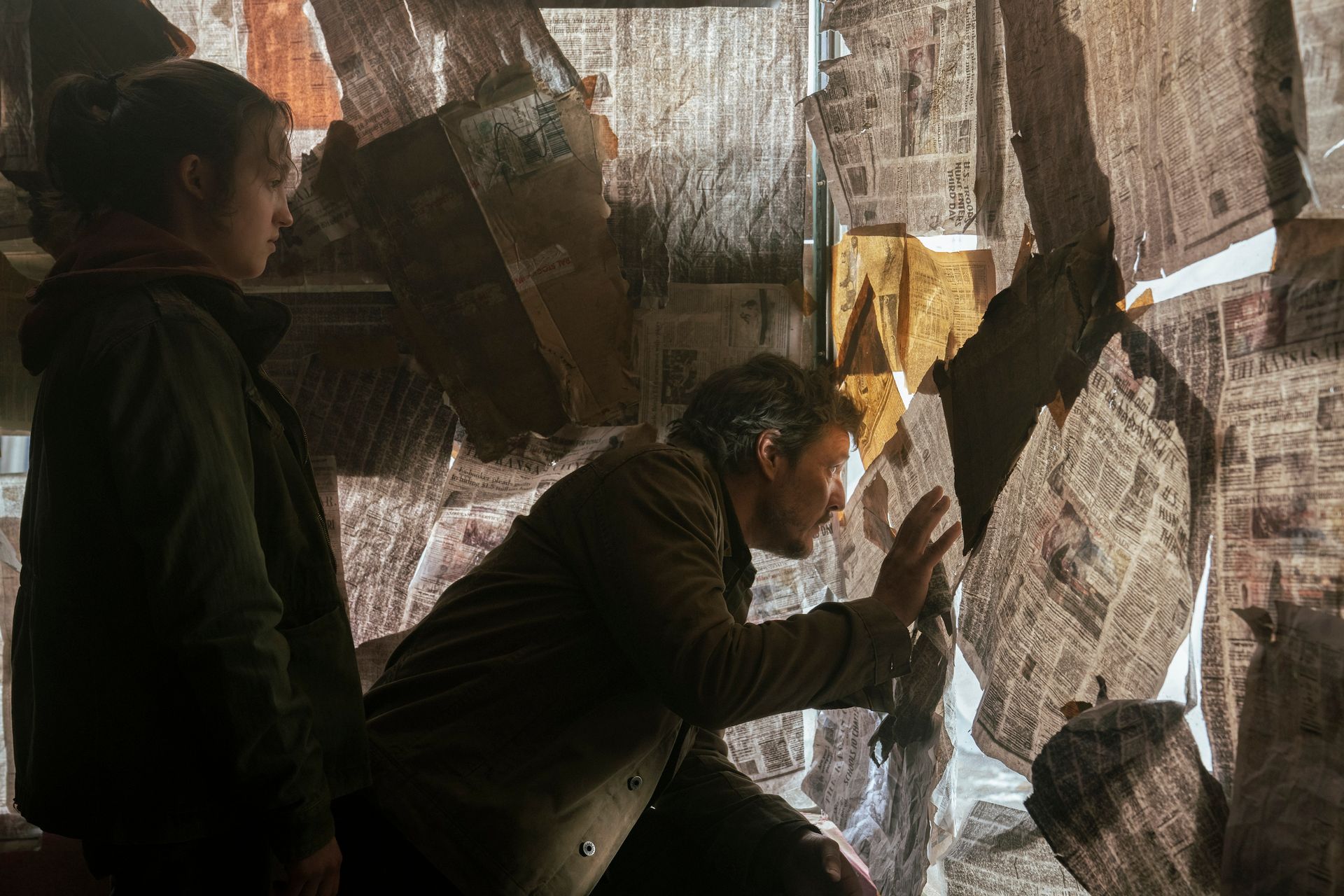
An elderly Native American (Graham Greene) returns home from hunting to find his wife taken hostage by a middle-aged man with gray in his beard and sad eyes. This man, as you might guess, is Joel, and all he and his unruly companion need is directions to where they are. The old Native American smirks, mutters something, and points to a spot on the map. He and his wife warn Joel not to go west, beyond the 'river of death' ('if you want to go west, go east'), because terrible people live there – killers who scatter the bodies of their defeated enemies around the perimeter.
A frightened Joel and a carefree Ellie, of course, cannot follow their advice – in the west, Joel wants to find his brother. But in the yard of the Native Americans' house, the man has a panic attack (not the last one of the episode), although it passes quickly, and now Ellie is the one who is scared. Setting aside her usual sarcasm, she notes that without Joel she is doomed (if there's one thing you can't deny Ramsey's character, it's a sober assessment of the situation).
The heroes' journey continues, and by nightfall they reach the river, stopping there to camp. Ellie routinely asks Joel roughly what, probably, any of us would ask Pedro Pascal, specifically – what happens next. What will he do when he delivers Ellie to the Fireflies and they, in theory, save humanity? Like any decent hero of a classic western, Pedro Pascal wants a secluded farm, some livestock, and a measure of happiness. Like any hero of a postmodern-era series, he fundamentally understands that he won't get any of that.
Joel's argument in favor of raising sheep, by the way, is priceless: 'they're quiet and do what they're told.' During this dialogue, which feels like old westerns remade in a new way, one recalls the great 'Unforgiven' by Clint Eastwood, where the main cowboy on both sides of the ocean tried to raise pigs and be a good person, even though all his life he only knew how to kill. Similar (almost verbatim) questions are raised in the sixth episode, so 'Unforgiven' is definitely among the references, but besides that, I just wanted to share – it's a great film, after all.
When Joel redirects Ellie's question about the future after the hypothetical salvation of humanity, she talks about her love for astronauts and dreams of the moon. And it looks natural, despite the fact that usually such dialogues, like Roscosmos leaflets, evoke at best a smile. But Ellie has seen no other life besides the terrible one – survivalists Bill and Frank lived well but died before she arrived; the Boston quarantine zone is an authoritarian penal colony; liberated from FEDRA, Kansas City, in general, is also no golden city and evokes thoughts of anything (for us – ) but not freedom. With such life experience, even the moon seems like a nice option. Before sleep, Joel wishes Ellie that she dreams of sheep farms on the moon, and it must be said, it's very sweet.
Revolutionary terror, jokes, lustration, a child reading Playboy magazine – we recap the 4th episode of the HBO series 'The Last of Us'.
Open materialIn the morning, the heroes set out, and at every river Ellie sarcastically recognizes that very 'river of death' beyond which danger awaits them. On the second try, the girl guesses correctly – the heroes are surrounded by a detachment of mounted riders, and a post-apocalyptic 'Lord of the Rings' begins (we must say, we missed something like 'First state your name, rider, then I will introduce myself,' or something in the spirit of 'The Two Towers'). While a dog sniffs Joel and Ellie for cordyceps infection, the man has his second panic attack – he cannot bear the danger threatening the girl (if it were revealed that she had already been bitten by zombies, their journey could have ended right there), but the dog and Ellie hug each other amicably, and they are let into the secret settlement after learning Joel's name and that he is looking for his brother there.
It turns out that in Wyoming there is a secret fortified village where about 300 people live quite happily under the leadership of a democratically elected council (one might assume the possibility of direct democracy in such a small community, but Craig Mazin is still no Rousseau). Joel meets his brother Tommy, and they hug so joyfully that Ellie is somewhat shocked that her companion is actually capable of showing emotions.
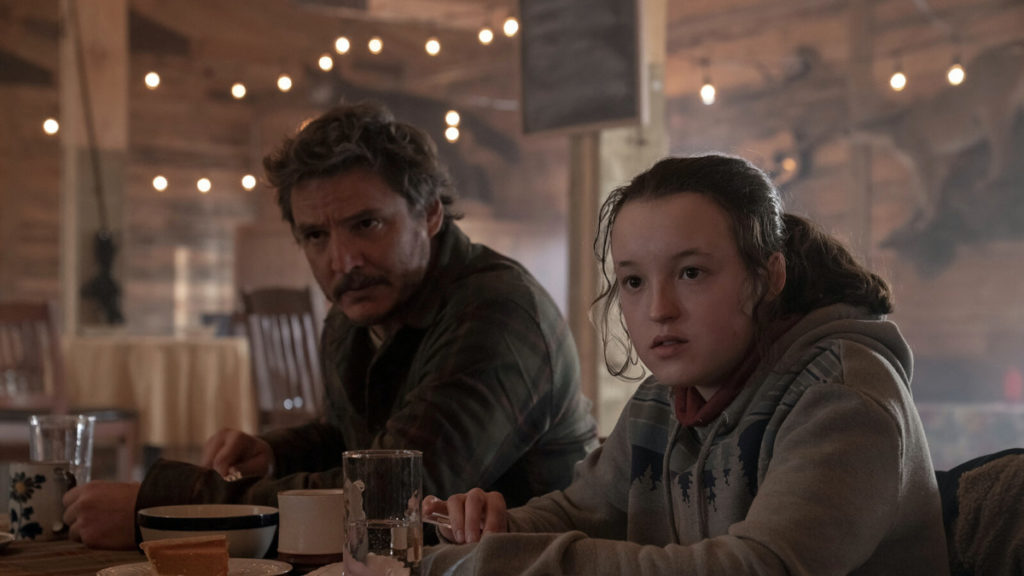
Next comes an awkward dinner scene between the heroes, Tommy, and one of the village leaders, Maria – Joel and Ellie eat as if it's their last meal; Ellie turns out to be not entirely familiar with manners, and Joel wants to talk to his brother privately – family-style – after which Tommy reveals he is married, and to Maria, no less. Ellie congratulates the newlyweds, Joel is confused and seemingly upset. To break the lingering awkwardness, the couple gives the guests a tour of the village.
The fort in Wyoming turned out to be a well and sensibly organized settlement, distanced from the world and its dangers, yet not descending into cruelty or dictatorship, and everything there is very pleasant. At the same time, the residents have some theoretical disagreements about where exactly they live – Tommy's wife thinks it's communism, Tommy himself, as an honest Boy Scout and former Marine, is probably not thrilled with his communist wife and the concept of a red state. But for the line 'Yes, we live in a commune. Yes, we have communism,' one might already want to give the screenwriter an Emmy.
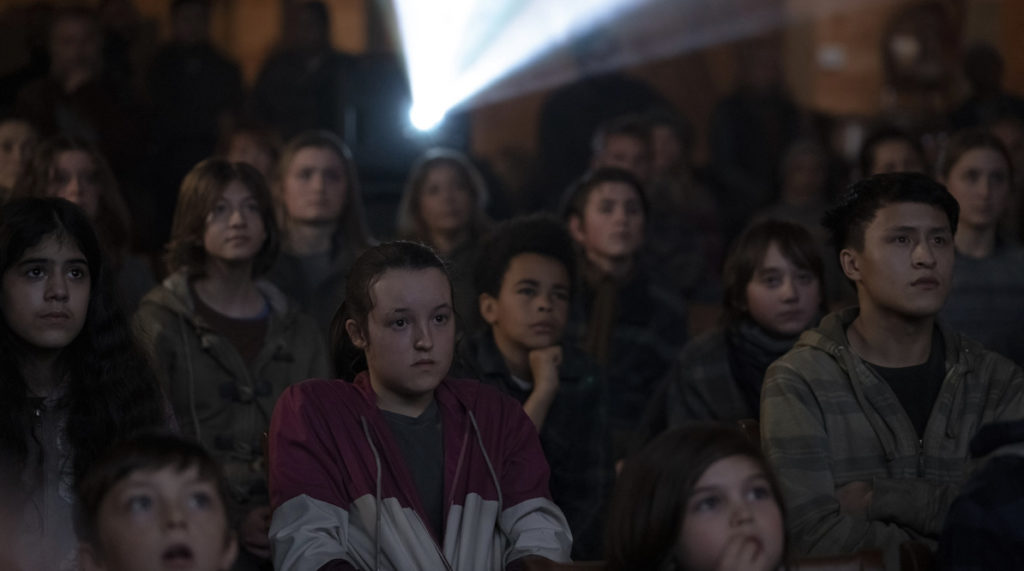
After this, Ellie goes to the movies with Maria (she doesn't like the film 'The Girl for Goodbye,' and the children around are slightly shocked by how perfectly she has mastered the word fuck), while the brothers go to the bar. There they predictably argue, because Tommy has essentially ignored Joel, having stopped answering the radio (his wife asked him to), Joel imagines judgment everywhere for the kind of person he was (his brother doesn't judge, although he doesn't want to remember the past), and he's generally not thrilled with the communism around him, and – worst of all – Maria is pregnant. Joel is somewhat shocked, Tommy is somewhat irritated, the brothers, who know how to survive but hardly how to live, argue, only to, of course, make up.
Joel's hands are shaking, he can't fix a boot, and unexpectedly he almost cries from his own helplessness, convincing his brother to accompany Ellie further, to the Fireflies' lair somewhere deeper in Wyoming. The rapidly aging gunslinger worries about the girl and believes that his younger, less exhausted brother will be a better protector for her than he is. Tommy, of course, agrees, but Ellie is not at all happy about this swap.
Shortly before this, Maria had cut her hair (and given her a new jacket), while telling her about her better (lost) life as a prosecutor in Nebraska and warning her not to get too attached to Joel – he is a cruel man, his past is dark, and generally, big killers are no company for little girls. But the post-apocalypse here differs little from our world – little girls too often understand more than they should, and certainly more than is expected of them, and the only news for Ellie in Maria's heartfelt speech is that Joel had a daughter, Sarah. This shocks the girl a little, but actually allows her to better understand her silent companion. Because of this understanding, it hurts her all the more that Joel wants to leave her, abandon her, betray her.
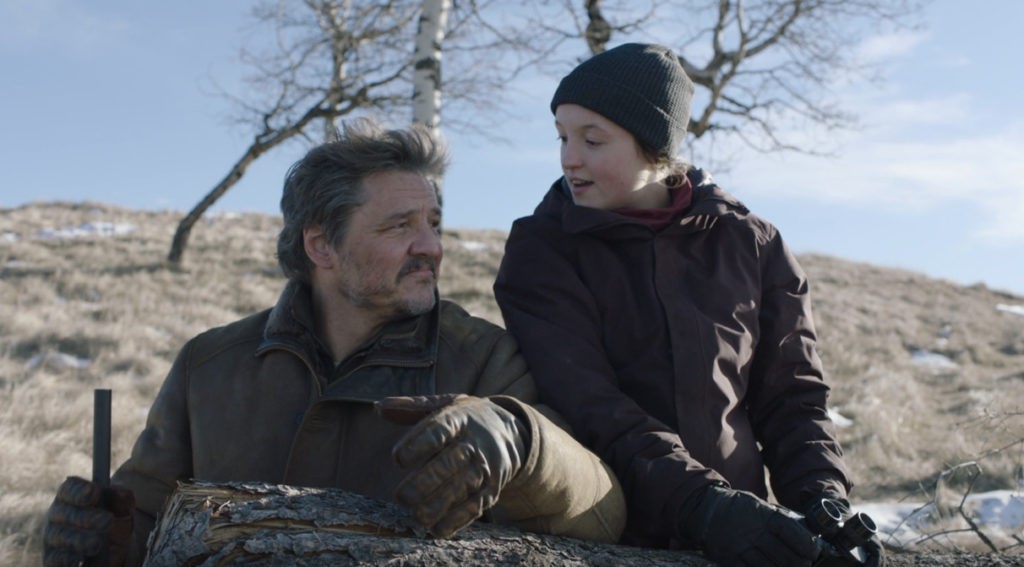
He, of course, can't do it, she, of course, is happy – Tommy stays with his wife, and Joel and Ellie, unable to part with each other, set off. Five days in the saddle, they pass the time with conversations – funny questions from Ellie, Joel teaches her to shoot (a scene for the ages, there's something from the film 'The Searchers,' although it's borrowed, of course, from Tarantino's 'Django') and tells her he dreamed of being a singer. We start to believe that Pedro Pascal will sing now, but then scenes of frightening silence follow: the heroes explore an abandoned university campus, where only monkeys remain, and they tremble slightly with fear, as one probably should tremble in any university campus. They find a map on which (what luck) the location where the sought-after Fireflies have moved is marked.
The quiet joy of the heroes, who now have to cover several more thousand kilometers, is interrupted by the untimely arrival of marauders. Joel and Ellie almost manage to ride off unnoticed into the sunset, but one of the bandits spots them, a fight breaks out, Pedro Pascal kills him quite deftly, but Ellie looks into his eyes (slightly crazed), and then somehow at his stomach and sees that he is wounded (a stake straight into vital organs, basically). They manage to escape the pursuit, but somewhere in the middle of a snowy field, in total 'nowhere,' Joel falls off his horse. Ellie is horrified, and so are we. 'Don't die, Joel!' shouts the sarcastic teenage girl, at this moment more vulnerable than ever: 'Joel, please don't die.' And at that moment, honestly, you want to shout something too.
Impressions
When after the fifth episode it began to seem that the credit given to 'The Last of Us' was too great, and it all slightly resembled a parade of missed opportunities and predictable plot twists, the sixth episode managed to surprise and delight. Probably, it's due to the festival director Jasmila Žbanić (Golden Bear for the social drama 'Grbavica' in 2006), whose touch is still more distinctive than the professionalism of Jeremy Webb.
She chose for the episode a style of winter western appropriate to the snowy setting, simultaneously paradoxical (what cowboys at sub-zero temperatures) and frighteningly predictable – free shooters, snows, a cluttered horizon, a general feeling of hopelessness, everything is clear from the opening credits. Whenever there is snow instead of sand, the ending should not be good, and Žbanić manages not to break this noble tradition.
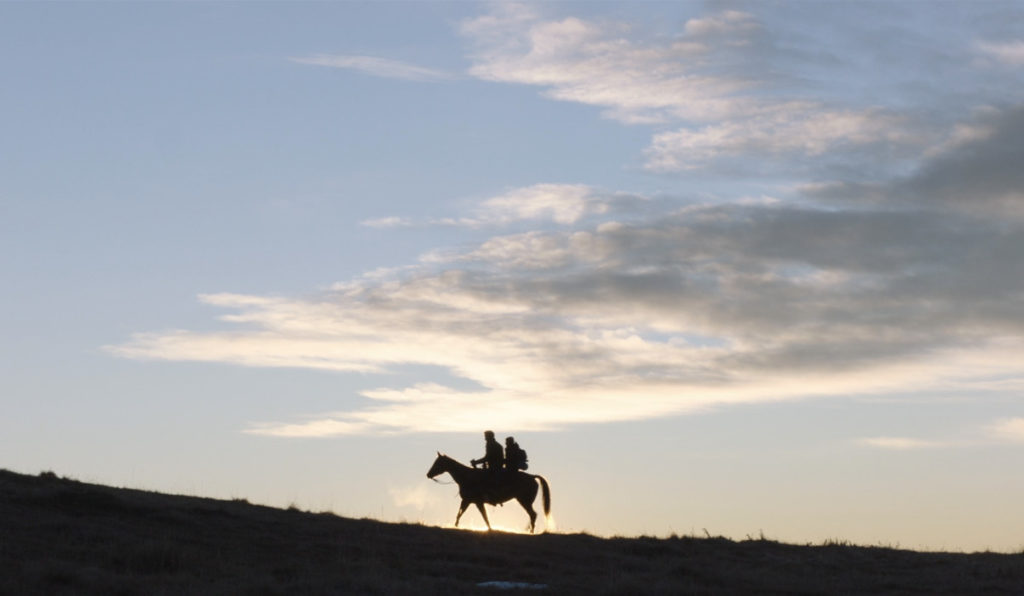
The highlight of the new episode (not for the first time) is Pedro Pascal. His Joel was compared to Clint Eastwood in the first episode, but in the sixth episode, the actor unexpectedly performed in the vein of John Wayne or, at least, somewhere in that spectrum. Lost, confused, exhausted, his main tragedy is not that he has aged and can no longer kill people as quickly as before, but that he has become obsolete. His approaches, his dreams, his desire to survive in a world where it is now fashionable to strive to live have become obsolete. The perhaps greatest western on this theme – 'The Searchers' – comes to mind almost involuntarily.
Other important themes of the episode are no less, probably, interesting: who we consider family, what attachment is, how our past shapes us, what to do if we want to renounce it. All of this is, in a way, a set of relevant everyday questions. Not that cinema hasn't asked them before, not that a hundred and one answers haven't been offered, but, apparently, 'The Last of Us' wins one over not with originality, but with sincerity. As in life, everything here is clear thirty minutes before the event, only for life that is too little, and for cinema, perhaps, too much, but what can you do: as long as these thirty minutes of waiting are brightened by a sad Pedro Pascal, one can agree even to an hour.
Comments
0No comments yet.
Sign in to join the discussion.