
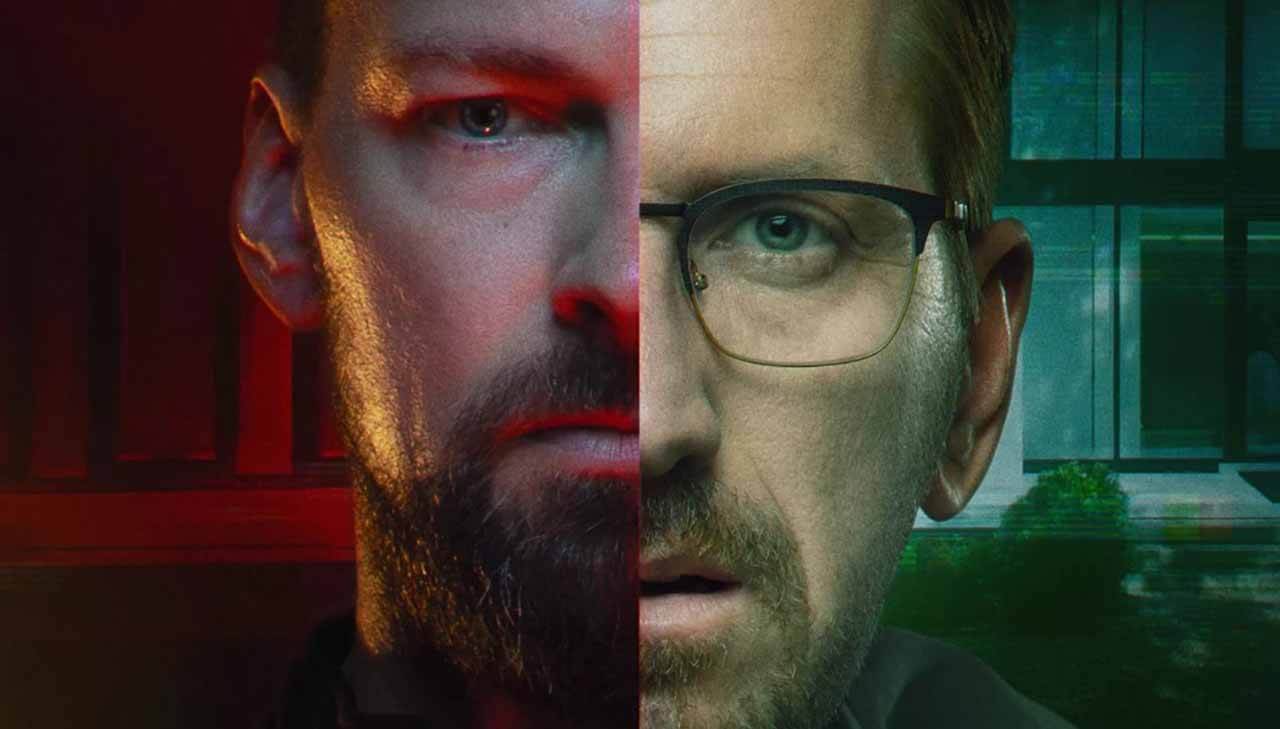
On February 24, the online cinema KION will premiere the final episode of the mini-series 'God Complex' starring Kirill Kyaro and Daniil Strakhov. We tell you what the project ultimately turned out to be, what the creators did well, and where they co...
'God Complex' is a psychological detective series directed by Flyuza Farkhshatova, based on a script by Alena Zvantsova, whom many adore for 'The Thaw.' The project initially seemed too slow and didactic, but by the finale it finally picked up pace and managed to deliver a couple of surprises, though it didn't eliminate all its problems.

'God Complex' talks about parental carelessness and the nature of cruel thoughts, but so far it's too straightforward and sterile.
Open materialATTENTION! THE TEXT MAY CONTAIN MINOR SPOILERS, SO IF YOU HAVEN'T WATCHED IT, ALL RESPONSIBILITY LIES WITH YOU!
What's the Plot?
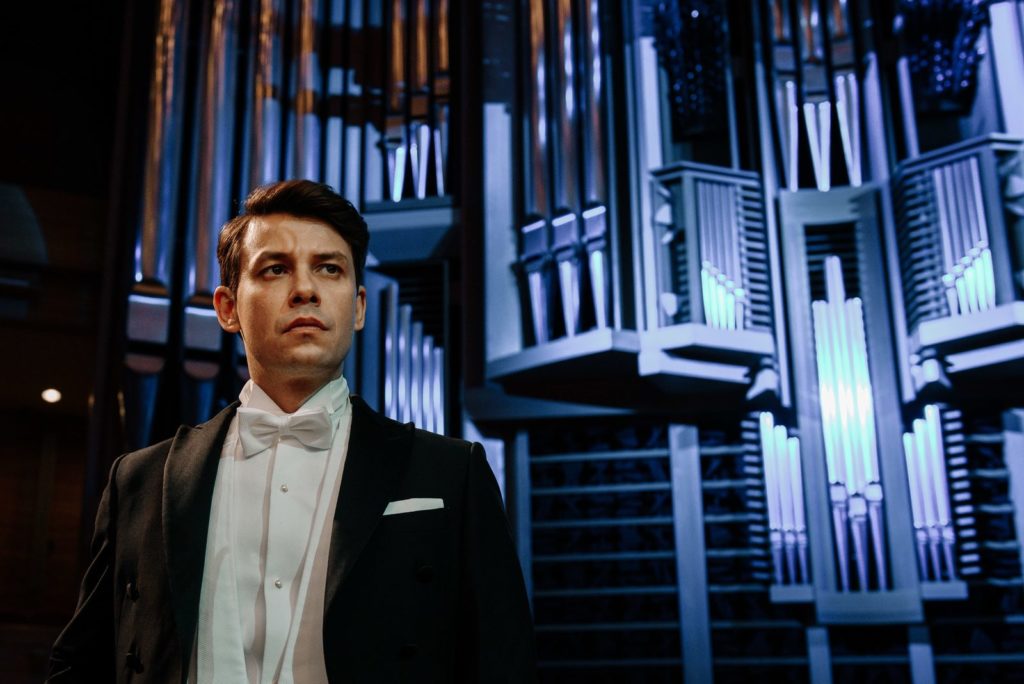
After another concert, world-renowned musician Konstantin Zobnin (Shamil Khamatov) plans to celebrate his latest success with his loved ones at a luxurious restaurant in central Moscow. His eight-year-old daughter Sonya (Taisiya Kotova) is bored among the adults, so she starts acting up and seeking attention, distracting the company from their social conversation. Eventually, the father unwisely allows the girl to play near the restaurant, after which she disappears without a trace.
While the city conducts fruitless searches and investigator Marat (Mikhail Troynik) works through unlikely leads, a wealthy businessman Vladimir Nesterov (Daniil Strakhov), tormented by obsessive thoughts, turns to Alexei (Kirill Kyaro), a psychiatrist at a private clinic tired of routine diagnoses. During treatment, the doctor faces a difficult choice: break doctor-patient confidentiality and turn in a potential criminal to the police, or continue helping the patient and possibly endanger another innocent life.
Think Like a Criminal
'God Complex' is a slow-paced five-episode project that gives the viewer time to reflect on certain questions. How commensurate are terrible thoughts with real actions? Do they make a person bad? How important is the presumption of innocence when facing a potential child-killing criminal? And what is the right thing to do when holding someone else's fate in your hands? The series certainly takes a long time to get going, so at a certain point you might feel like not finishing it, but the narrative pace suits a psychological detective story very well. Slowly, like obsessive human thoughts and doubts, it penetrates deep into the brain, leaving you alone with important topics worth pondering.
The Kyaro-Strakhov duo is probably the best thing 'God Complex' shows the viewer on screen (at times, Strakhov, like his character, even rises a step higher). Kirill Kyaro's slightly uncertain, empathetic, and gentle hero is contrasted with Daniil Strakhov's cold, eerie, and psychologically stronger anti-hero. Different auras seem to hover over the actors, one evoking comfort and safety, the other instilling fear (as punny as that sounds) and distrust. When they clash, they create excellent chemistry between the actors on screen, making scenes involving Nesterov and his psychiatrist extremely interesting to watch.

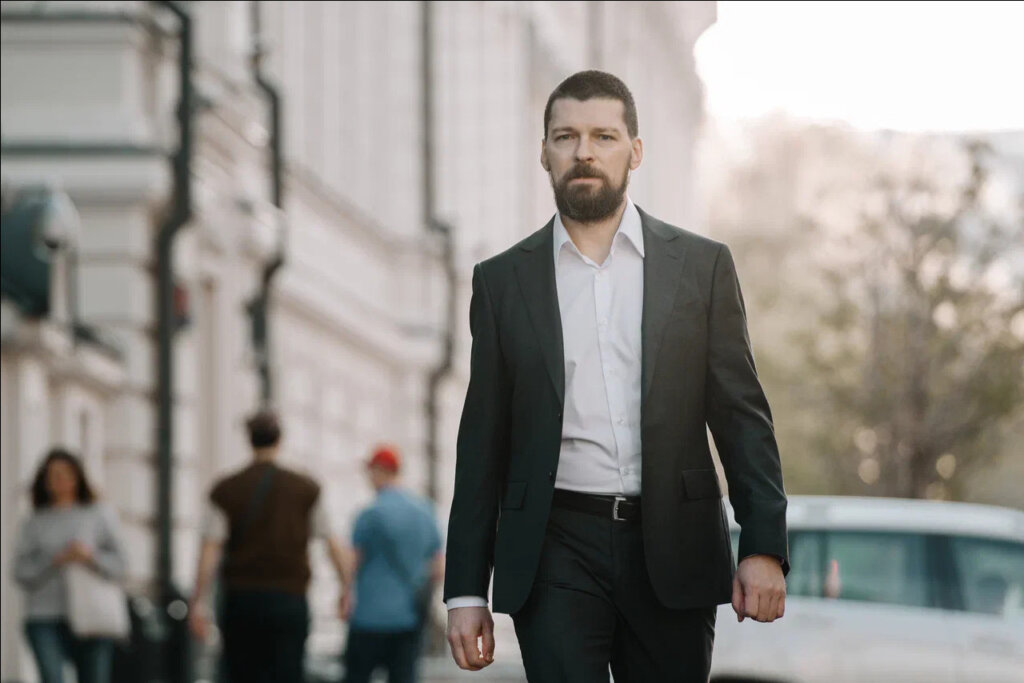
It's a shame, of course, that such praise cannot be given to the rest of the series' characters. No, many have quite interesting personalities here. Shamil Khamatov looks great in the role of an extravagant narcissist and adult child who achieved worldwide fame, and Nikolay Shrayber did a decent job playing Bruno, the pianist's loyal friend who feels like a 'white crow' in Moscow's sterile bohemian society.
The main problem is investigator Marat, who, instead of actually investigating the girl's disappearance, engages in dubious activities. One moment he's pompously lecturing about parental carelessness, the next he's detaining Sonya's father without a lawyer and without solid grounds, relying on statistics and a polygraph, then he's throwing around accusations, claiming he's sure of his guesses, so it can't be otherwise. And all this is mixed with rudeness and arrogance.

Marat is a man with power in his hands, which, in his opinion, gives him the right to place himself above others, regardless of the law. He probably has the most pronounced god complex in the series. Such people should not be making any vital decisions at all, let alone working in the investigative committee. Over all five episodes, the Investigative Committee did absolutely nothing to solve the crime. But it perfectly demonstrated that authorities can get away with a lot. They wanted to — they put a man in jail; they wanted to — they shelved the case. My police protects me, what can you say.
The Ways of the Lord are Inscrutable
Visually, 'God Complex' turned out quite sterile. The rooms and streets seem polished and disinfected of ordinary people. Panoramic glass showcases, bohemian restaurants, expensive apartments, cold-toned color grading, and bright details trying to emphasize psychological instability. Even the Investigative Committee office looks like a space where employees develop apps, not investigate murders.
Visually, the project only lacks cranking up the degree of madness to the max, reflecting Nesterov's unstable state. Everything shown to the viewer is the businessman's mysterious phantasmagorias, among which only a couple stand out brightly. Although Strakhov plays the role excellently, combined with a visual depiction of schizophrenia, 'God Complex' would look even more eerie (the Dostoevskian symbolism with a yellow cup filled with maggots and the raised question about a 'trembling creature' doesn't count). For a series about terrible murders, there is far too little cruelty on screen. It's always off-screen, with the main focus on psychological pressure, which is excellently underscored by the sound design.
Sound work is another clear plus of the project. How the characters tap on the keyboard, how Alexey Oshurkov's character fidgets with a matchbox in his hands, how the words from the news about his child's disappearance echo in Konstantin Zobnin's head, and how every rustle is heard in the silence of the concert hall. Sound proves to be an important detail that exerts a psychological influence on the viewer during the screening, so the quality work on it deserves a special mention.
Overall, 'God Complex' is an overly theatrical series. Events happen here that are practically impossible in real life. For instance, the episode where Strakhov's character chases a girl in the subway. First, the metro is completely deserted. Can you imagine that in Moscow? Second, what time of day is it that a child ends up completely alone on an empty station? And third, the subway always has tons of cameras and often police officers on duty, so Nesterov, chasing the girl and punching the floor, would most likely have been detained very quickly.
Or Sonya's disappearance near an expensive restaurant. How could she have ended up in the cameras' blind spots? Was it really such a well-prepared and thought-out kidnapping? Hardly. But the chain of events in the plot goes as the screenwriter needs, so it happens as it does. As a result, the finale will most likely disappoint detective fans. The solution to the crime came out of nowhere, and there was no unexpected ending. True, the point here, by and large, is not the detective component. What matters is what happened to all the characters before the finale, and what happened to them after.
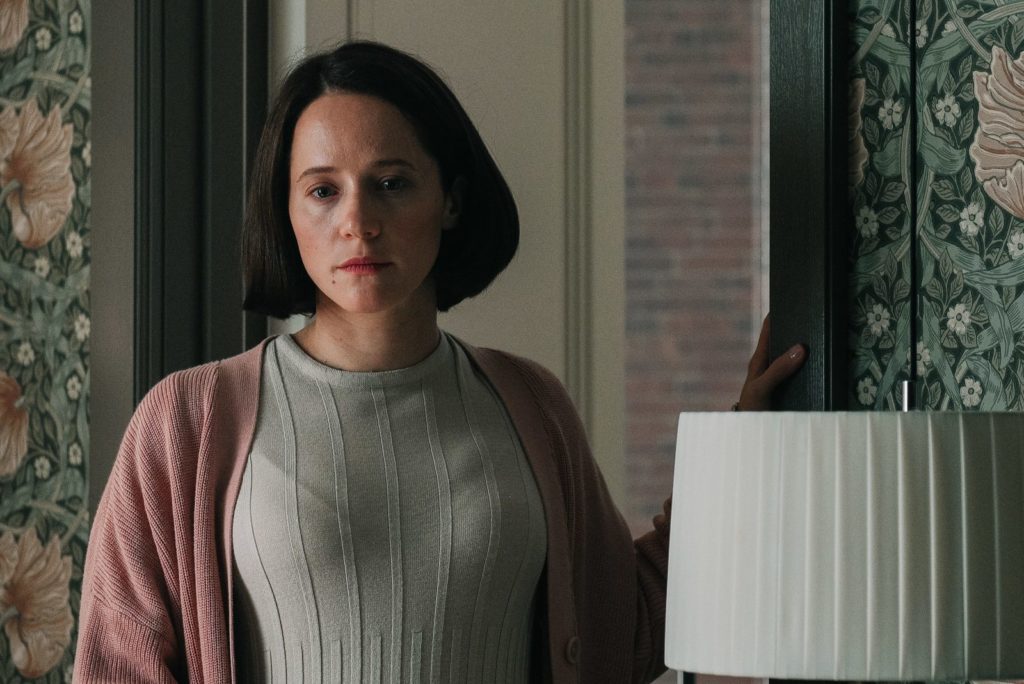
Don't expect a domestic version of 'True Detective' here. 'God Complex' is not a series about child abduction and a maniac, but about people. About completely different representatives of civilized society with different psychological problems. Each of the characters is visited by terrible thoughts, each makes mistakes, but not each of them commits a crime. People tend to label everyone around them. A fetish in bed — a pervert. Didn't keep an eye on a restless child — an irresponsible parent. Too ordinary a guy — an uneducated lumpen. Had imprinting in childhood — a hundred percent pedophile and child killer. Society stigmatizes people every day, possibly ruining their destinies, instead of helping them. And, perhaps, this is the most important idea of the series, which it conveys excellently to the viewer.

'Mare of Easttown' is a new hit that all fans of quality stories should watch. And we'll tell you why.
Open materialWhat's the Verdict?
The mini-series 'God Complex' is a psychological detective story that is good psychologically but weak as a detective story. It is overly theatrical and didactic. Counterbalancing the excellent idea, superb sound work, and colorful characters of Kyaro and Strakhov are the lack of realism, a sometimes weak script (including the detective storyline), and the irritating character (or is he a character?) of Mikhail Troynik, who embodies authority.

A god complex is observed in almost everyone here: be it the kind family-man psychiatrist or the simpleton entrepreneur. Everyone believes they have the right to decide someone else's fate, without thinking about the rules and consequences. Most likely, psychological help is needed for all of them, but only Nesterov realized this and sought it out.
The mini-series 'God Complex' can be watched by subscription on the online cinema KION.
Comments
0No comments yet.