

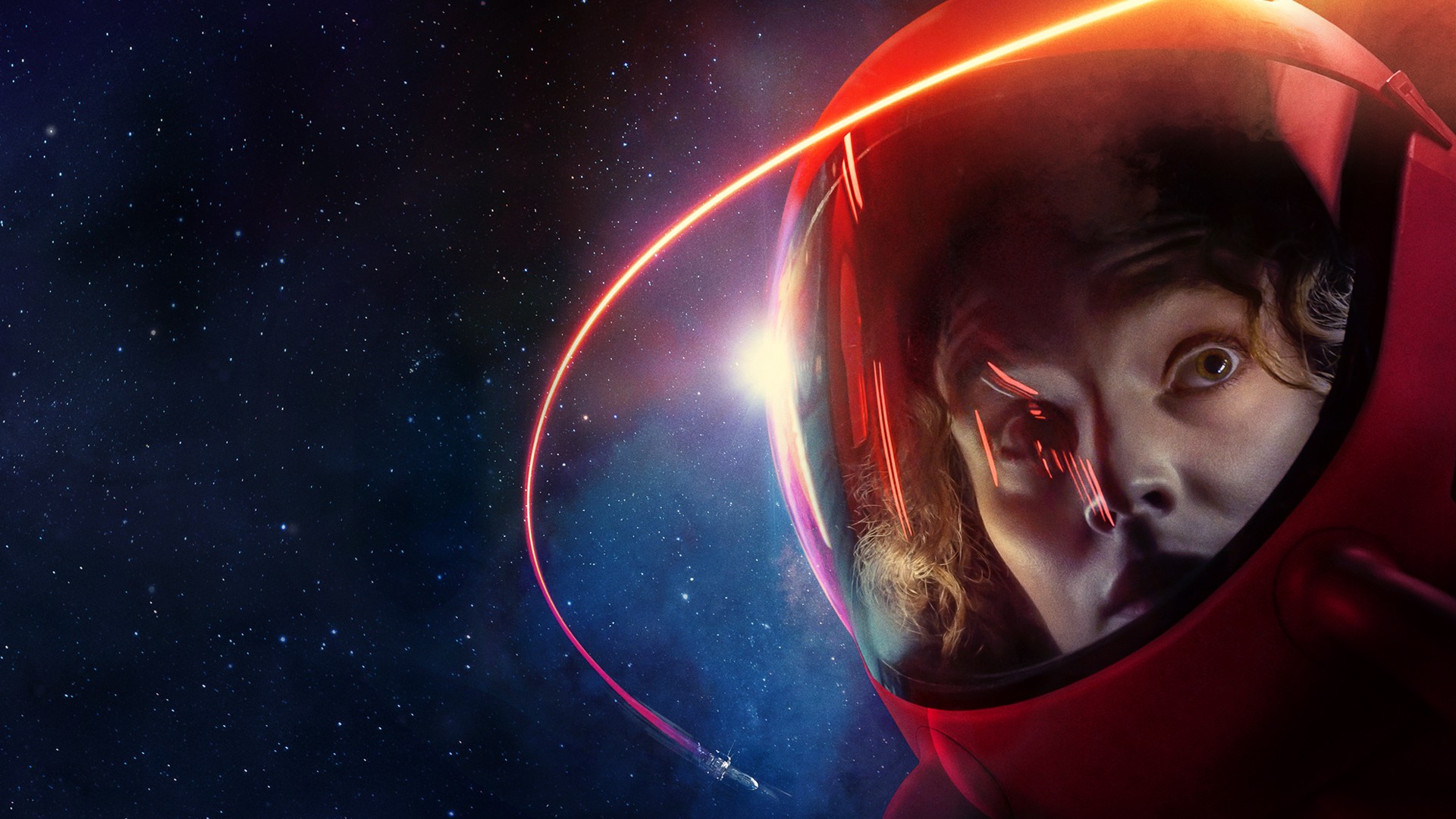
Interest in the theme of people lost in space, learning to survive in harsh conditions, does not wane in either literature or cinema. This year, SyFy channel released another series on this topic called The Ark. We explain why the show's potential wa...
The setting is a massive spaceship called 'The Ark,' which transports people in cryogenic capsules. Its goal is to deliver the crew to the planet Proxima B, where a new colony will be established, since Earth (once again) has become uninhabitable. Suddenly, the hull in the capsule bay begins to collapse, causing passengers to wake up to save themselves and the ship. The emergency alarm subsides, but problems continue to multiply, as there is only enough food and water for a few days, and the crew still has a year of travel ahead.
The new series by Dean Devlin on SyFy, a space opera, sounds promising in the announcement and looks promising in the trailer. However, in reality, the show rather resembles an attempt to borrow a little from other sci-fi series on similar themes and pass off the result as its own unique creation. Devlin himself admitted that he was inspired to create the series by one of the episodes of 'Star Trek' from 1967. As for other projects, a genre fan will notice in 'The Ark' features from 'The 100', 'Lost in Space', 'Stargate', 'The Orville', 'Battlestar Galactica' — and that's just at first glance.
Given how much has already been filmed in sci-fi about space, coming up with something completely new and unique is quite a difficult task, so the authors could be forgiven and understood in terms of plot. After all, they copy-pasted several projects, not just one. But, alas, this is not the only problem with the project.
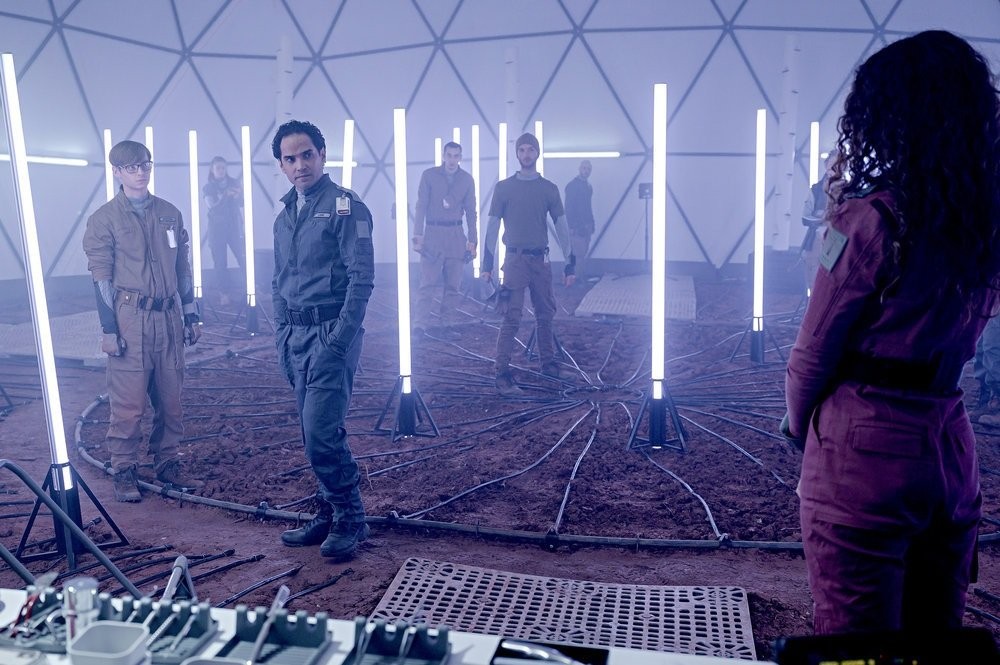
The secondary nature of the ideas could have been compensated for with beautiful and good visuals, but unfortunately, the weak computer graphics are glaring and spoil the impression. Moreover, in 'The Ark,' not only the modeled external views of space and the ship seem cheap, but also the interior, consisting of real objects on the set.
It is precisely the depiction of fantastic locations, spaceships, and heroes in a vacuum that has always been the hallmark of sci-fi projects. In the 1960s, 'Star Trek' captivated viewers not only through bold statements via the lens of space themes but also by showcasing alien races, other planets, and space itself. Now, in the 2020s, when the technical capabilities of filmmakers have grown exponentially since the first voyage of James Kirk and Spock, the audience has become more picky in terms of visuals, and the minimum is now considered to be the picture quality of a series like '' (we won't even mention 'Foundation' from Apple TV+, which had huge sums invested in it).
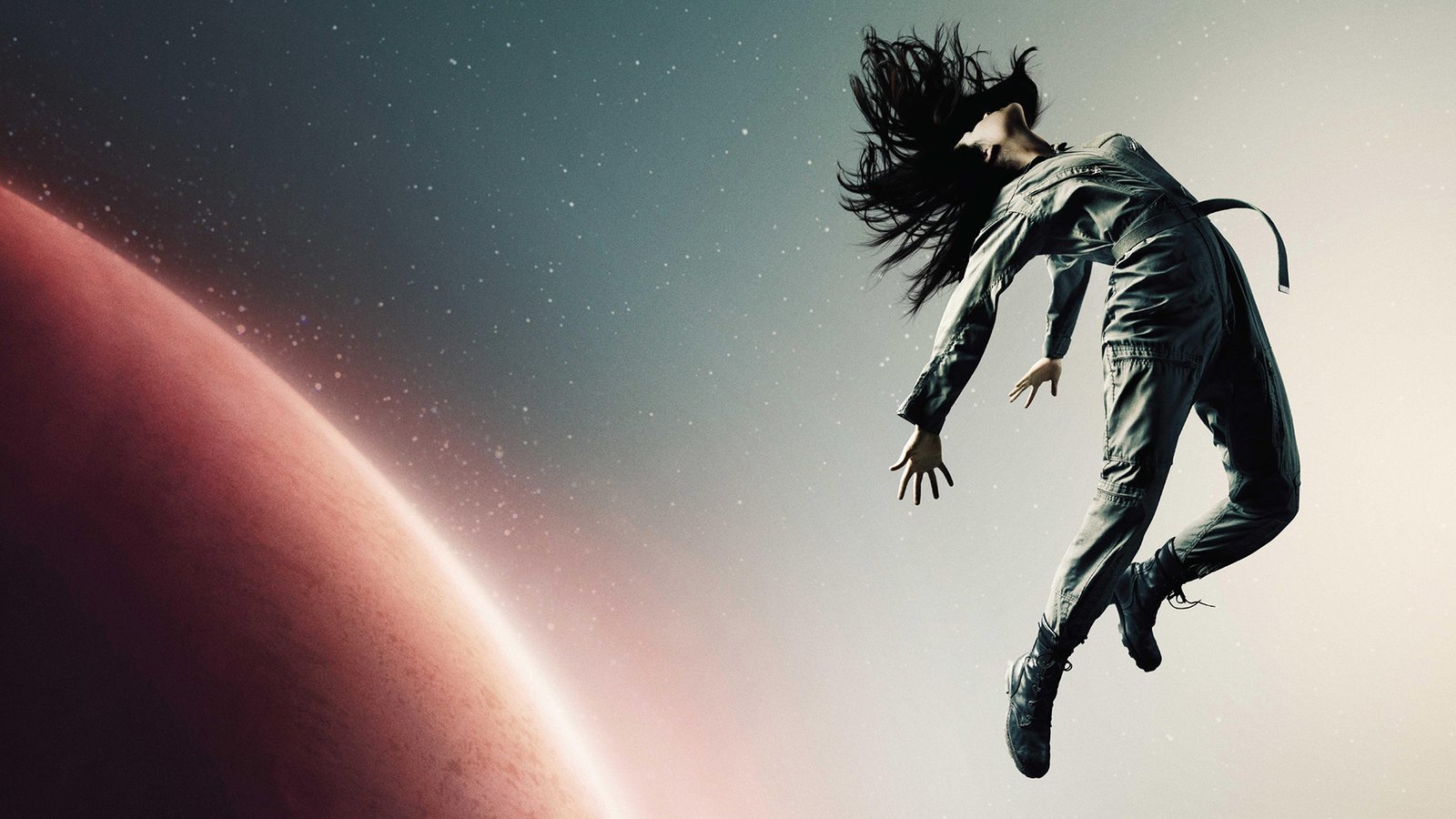
Missing some lively and captivating sci-fi? On January 15, the series 'The Last of Us' starts, which will surely give you a lot of emotions. If that's not enough for you, here are a few more
Open material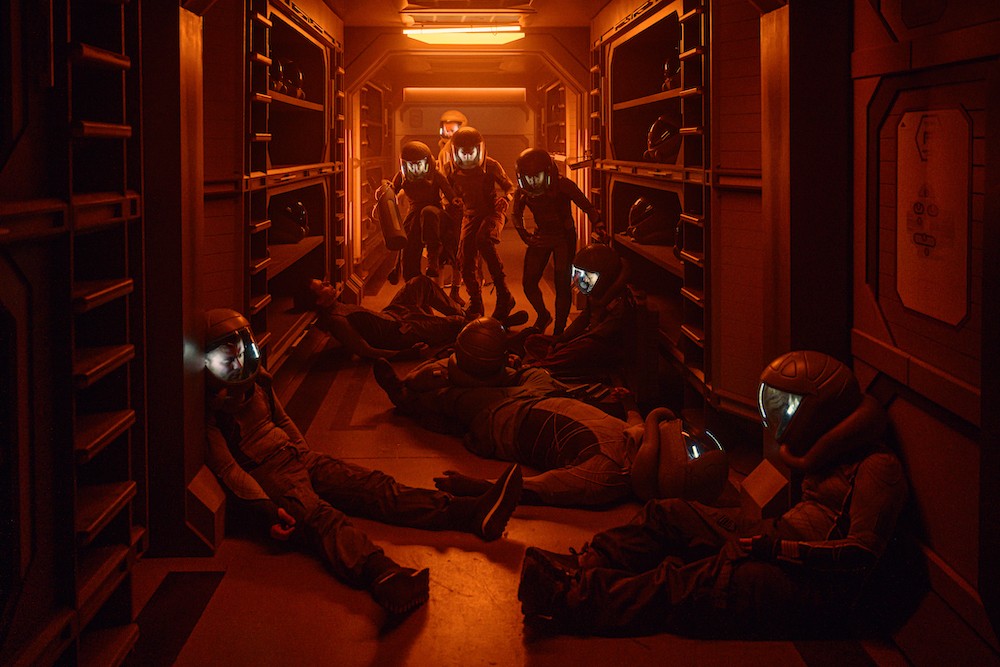
Perhaps Dean Devlin understood the weak points of the project, and lacking a large budget (or decent CGI experts), he decided to focus on filling the main plot with scientific facts and thriller elements. To add, so to speak, some edge and a veneer of high science. But no matter how hard the actors try to add life and charisma to their characters, the scientific theories coming out of their mouths do not help the series: even the computers here do not look real, let alone the pun of scientific facts. It's as if the viewer simply opened a textbook on an advanced physics course and started reading it aloud. It sounds nice, but it's incomprehensible and unimpressive.
There are so many mysteries and secrets in 'The Ark,' which literally every character has, that they lose their power. In the end, you just sit and mentally place bets on who will have more screw-ups for which they will be sent to the brig. The same fate befalls the 'he is not who he seems' formula, because every third person here turns out not to be who they seem. Too many secrets per square meter. As a result, the social squabbles, psychological dramas, interpersonal conflicts, and leadership choices — everything that makes survival in space movies so beloved — are shown too superficially here. Simply because the creators are more engrossed in inventing new secrets.
The series 'The Ark' had the potential to become, if not outstanding, then at least one of the decent shows in the sci-fi genre. Unfortunately, the creators' desire to cram too much into it has led to storylines being weakly developed, too many characters to properly introduce and evoke sympathy for. It all looks like a house of cards with poorly printed suit images, which, despite all its intricacy and complexity of construction, is very easily destroyed.
Comments
0No comments yet.
Sign in to join the discussion.