
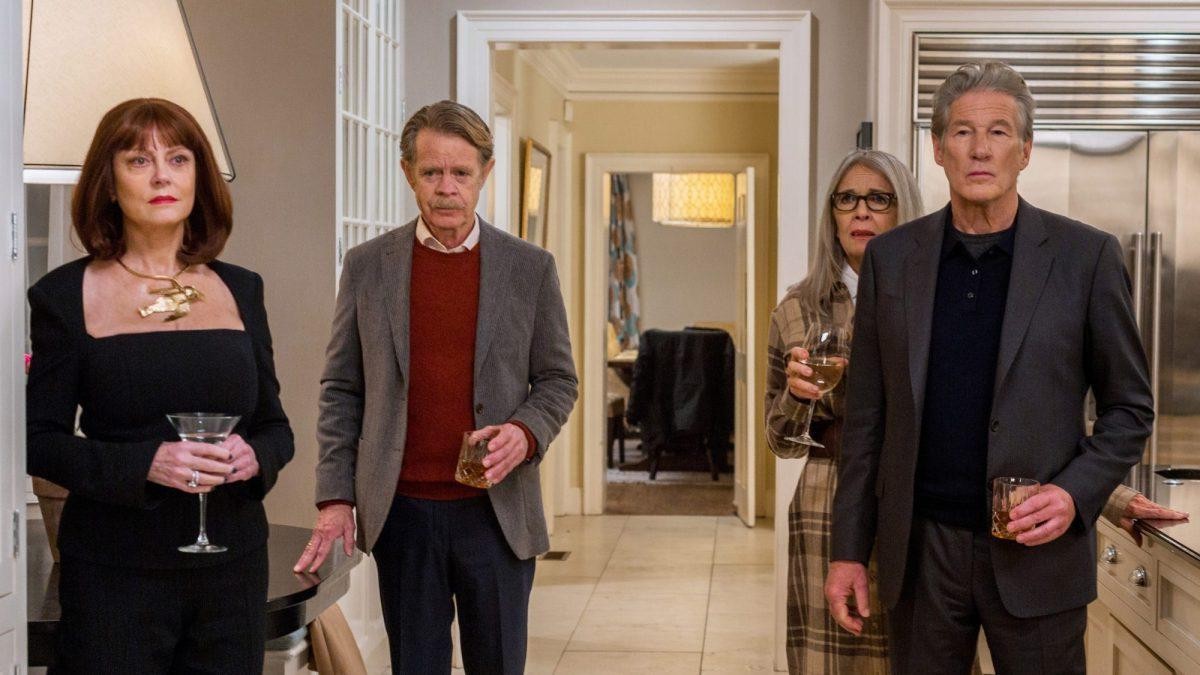
'Meet the Parents' has been released, a rather unremarkable rom-com that somehow stars four stars from the golden age of the genre. On the oddities of this film – in our review.
Michelle (Emma Roberts) and Allen (Luke Bracey) argue at a friend's wedding because Allen won't let the girl catch the bridal bouquet. After this awkward scene, it becomes clear that the young, loving couple have very different views on family and marriage: for her, it's happiness; for him, it's punishment for sins; she believes the goal of a relationship is family; he believes it's love. On this, not at all Hegelian, contradiction, the film's hour and a half is built, in which almost immediately the children's problems are considered through the problems of their fathers.
Michelle's parents are happy together, as happy as Richard Gere and Diane Keaton can be, that is, they love each other but can't stand each other. The lives of rom-com heroes after the happy ending are apparently not shown for a reason – obviously, they usually don't work out. Allen's parents are unhappy in their own way: William H. Macy mourns a lost happiness, Susan Sarandon, on the grounds of a general decline, eccentrically scares everyone around. At some point, they meet in pairs: Keaton with Macy (a trip to the movies and jokes about the Bible), Gere with Sarandon (a sluggish affair, an expensive hotel), but the quarreling children decide to arrange a meeting of the families, and this is obviously a bad idea.
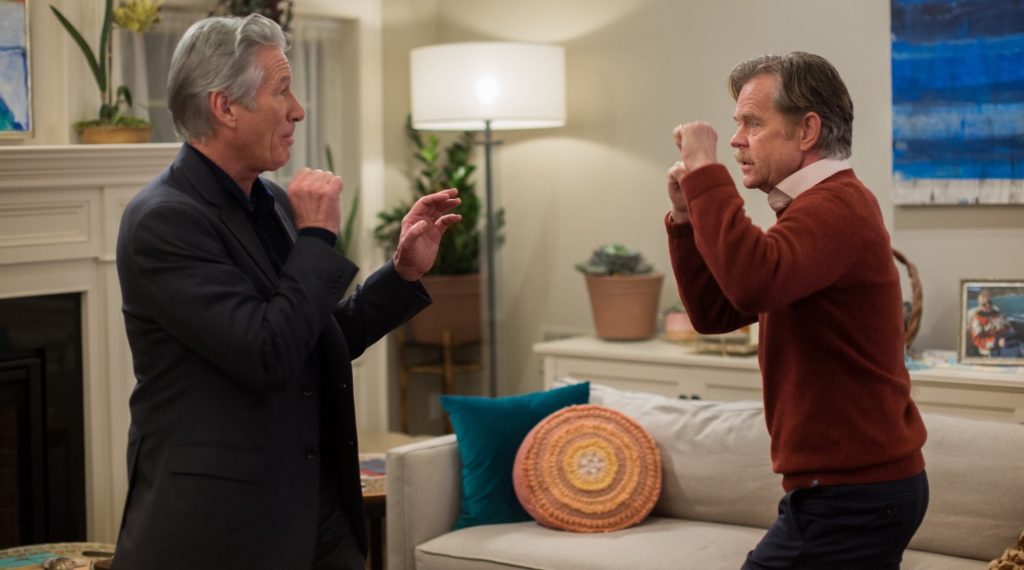
The slightly idiotic setup in the spirit of classic 2000s films probably shouldn't be misleading – 'Meet the Parents' is not exactly a fun movie, and even less so does it contain what made 2000s comedies beloved: the heroes don't quarrel too colorfully, Michelle and Allen go through the obligatory program, deliver a few pathetic monologues, and disappear from the frame entirely, leaving their parents and the audience alone with thoughts of love and death. And at some point, more about the latter.
Originally, 'Meet the Parents' was a play that achieved two things at once: it was written by a record-young author (Michael Jacobs was about 20) and it was very quickly removed from the repertoire. That was 40 years ago, but both facts involuntarily come to mind: the contrived nature of the problems tormenting the heroes reveals in the then-young author a person who confuses family and marriage, not so much understanding that life and happiness are finite as squeamishly fearing it; and the fact that it was removed – well, it's even understandable why.
The film has a funny beginning – sad elderly people watch Swedish arthouse cinema and joke about the Bible, their slightly less conscientious partners look at each other and discuss a shared disgust. But the parallel editing of these conversations – more heartfelt than witty – gives way to a sluggish middle and a helpless ending. In this sense, the film is, of course, quite truthful – that's probably how life is structured, but why remind us unnecessarily?
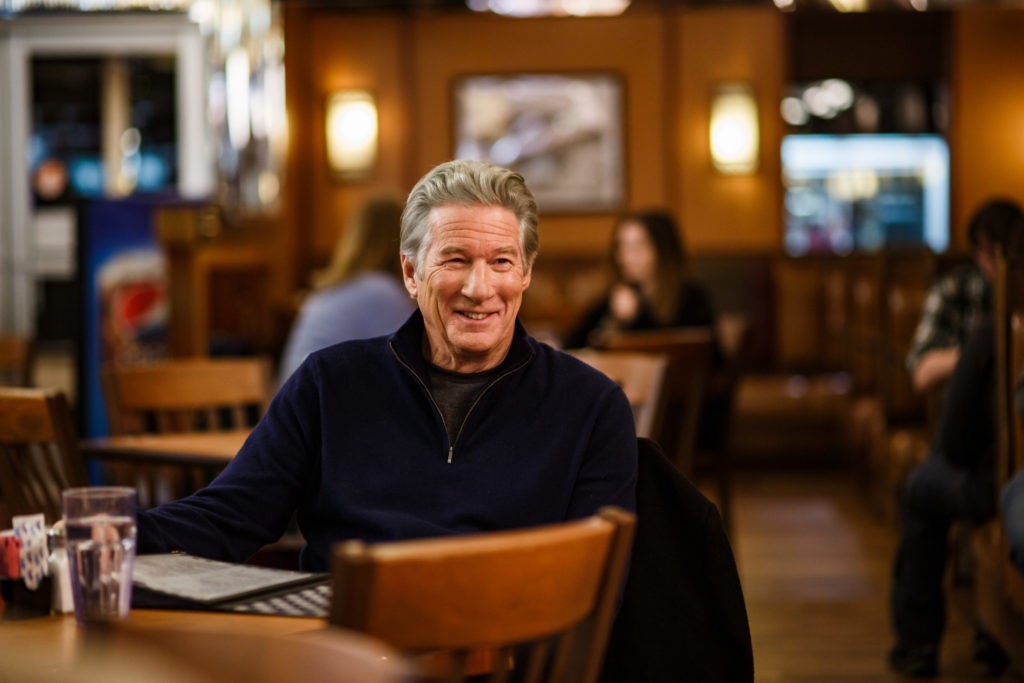
Of course, death is inevitable, and at some point it had to push aside the equally inevitable love of rom-coms in the list of key themes for February 14th. But it happened too quickly and not very elegantly – neither the audience, nor the heroes, nor the actors were ready. And no one at all was ready for the fact that in the finale everyone would return to where they started – reflections on the fact that life is hard, but you have to live, you must not give up, perhaps somewhere there will be happiness. The latter, by the way, is promised in a whisper and with downcast eyes, so you probably shouldn't get too carried away.
However, if you set aside the claims of searching for artistry or a coherent thought in a melodrama shot like a sitcom (two heroes in three locations) and written in that specific style in which Bergman would probably have written 'Scenes from a Marriage' if he were writing for the TV channel 'Domashny', it's hard not to experience a certain surge of nostalgic feelings while watching. Keaton, Gere, Sarandon, Macy – all like family and all nearby.
Macy also acts as if it's his last time, so his great roles in 'Magnolia' and the Coens' 'Fargo' come to mind. Sarandon and Keaton don't go beyond the classic set of grimaces, but even as extras, watching them is terribly joyful, especially if you grew up, for example, on 'Annie Hall' and 'Thelma & Louise'. And in principle, a movie where Richard Gere says 'we need a drink' can't be completely unsuccessful. Although, perhaps, a drink really is needed.
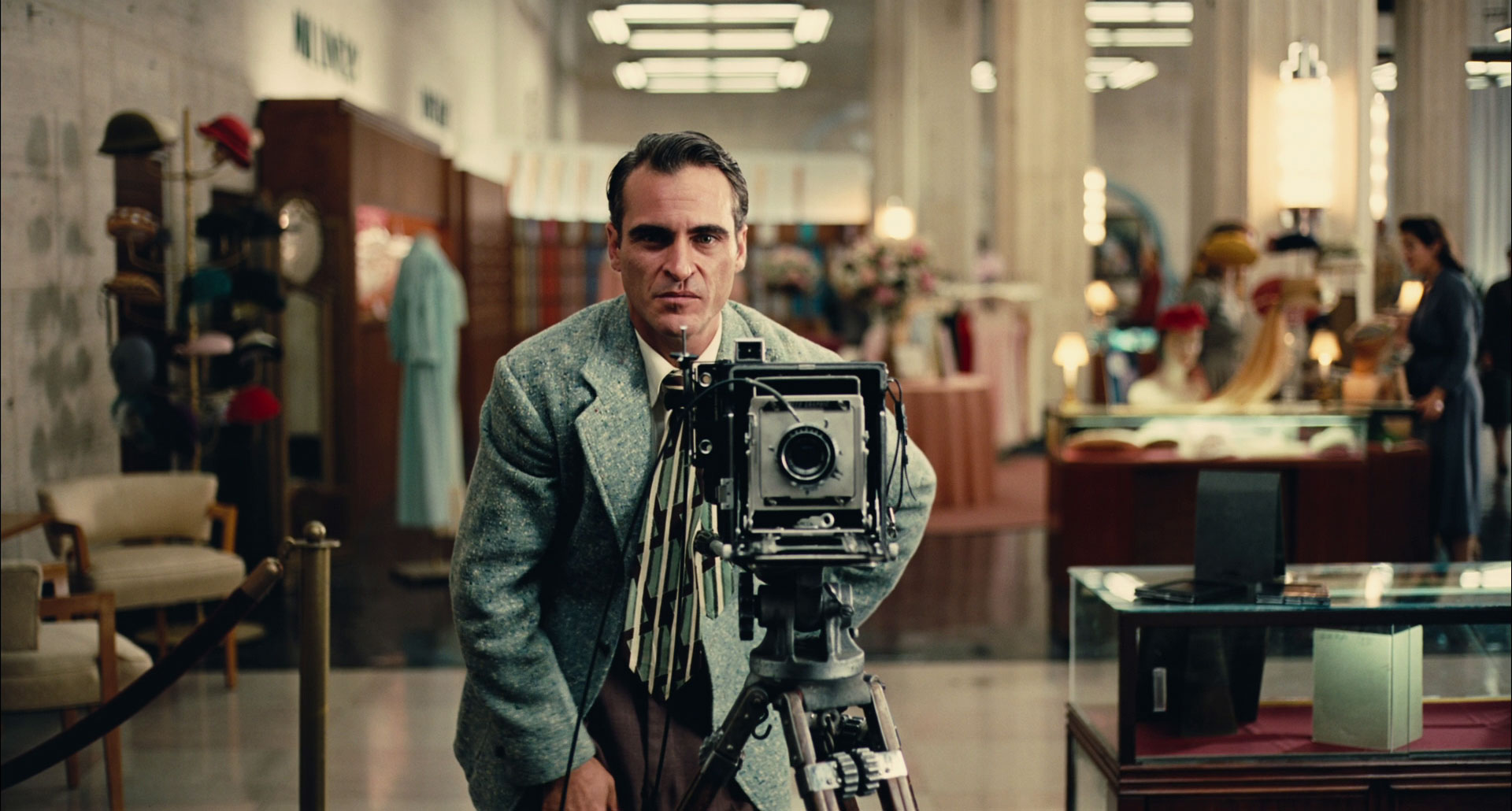
A hippie detective investigates the disappearance of an ex, an alcoholic with PTSD turns to faith, a neurotic finds love, and a prospector finds oil. All of Paul Thomas Anderson's films – from worst to best
Open material
Comments
0No comments yet.
Sign in to join the discussion.