
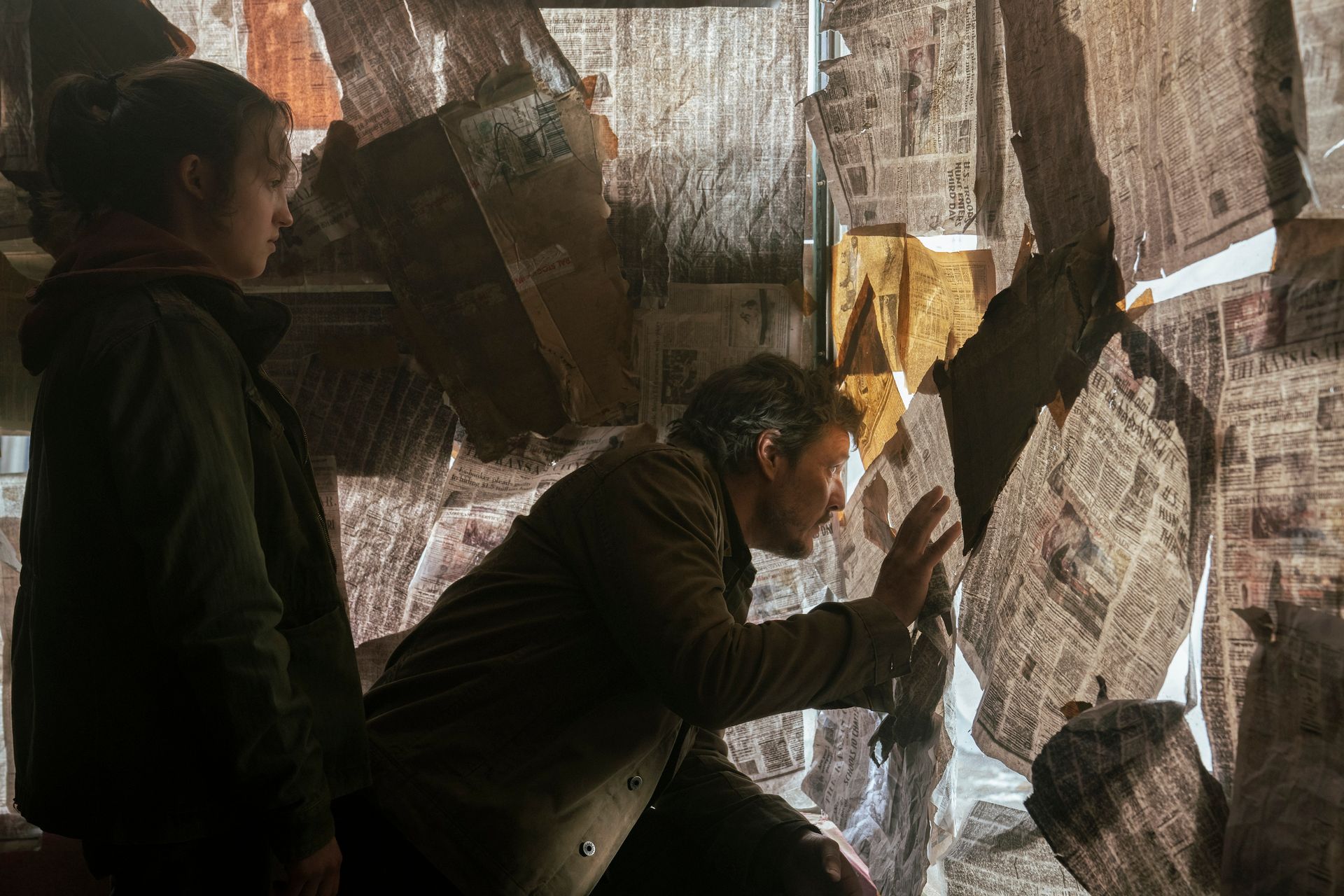
Revolutionary terror, jokes, lustration, a child reading Playboy magazine – recapping the 4th episode of the HBO series 'The Last of Us'.
The third episode of 'The Last of Us' didn't have many events, but it remains the best episode of the show so far. The fourth episode immediately takes on a slightly different tone – somewhat more genre-driven, yet equally sentimental – and shows that both before and after the apocalypse, people are troubled by roughly the same problems: how to live, what to laugh at, what's interesting in Playboy magazine, and whether it's possible to remain a good person with blood on your hands.
Previous recaps:

Warning: spoilers for the fourth episode of 'The Last of Us' follow below
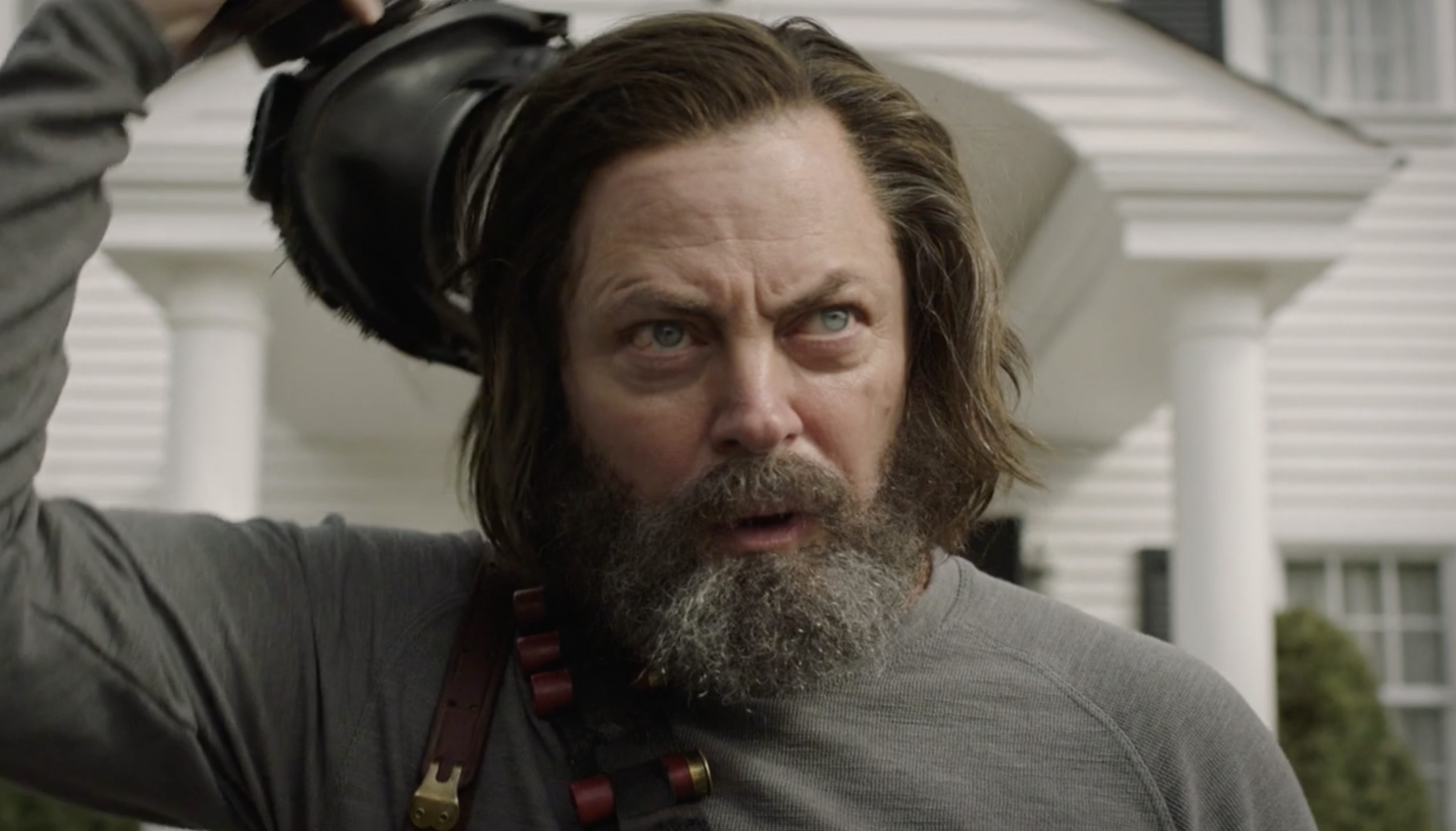
The episode begins with a reference to Scorsese's 'Taxi Driver': Ellie, like Travis Bickle, points the gun taken from Bill and Frank's house in the previous episode at the mirror and almost asks, 'You talkin' to me?' It turns out they are at a gas station literally in the middle of nowhere. This is a necessary measure: the car needs constant refueling, since gasoline left in other cars' tanks for 20 years is little better than water.
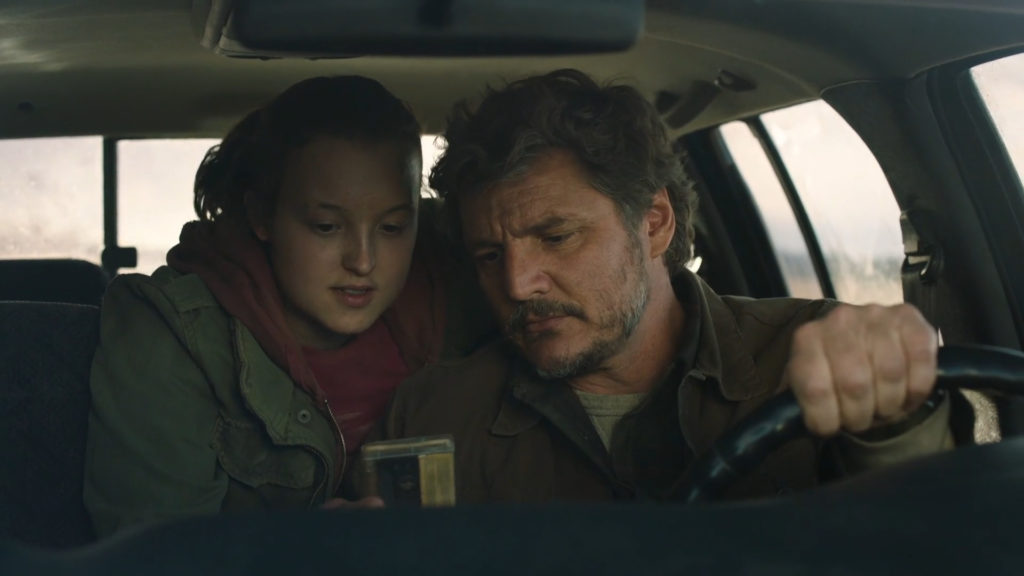
To pass the time, Ellie reads Joel puns from a book of bad jokes by one Livingston (a brilliant scene, wonderfully acted; watching Pascal under Bella Ramsey's watchful gaze trying to suppress a smile is endlessly enjoyable) and asks her companion about everything new to her in this world – and almost everything is new: how cars work, what's so special about erotic magazines, how to siphon fuel from tanks, what tanks look like (another great scene, especially when Joel says, 'Too bad they were shooting at the wrong people'), how did it all come to this? The existential depths of the last question are especially revealed in Hank Williams' rather depressing song (Ellie stole the cassette from some car).
Having traveled a considerable distance across America, which has turned from one-story buildings into a desert, the heroes stop at a mountain pass, eat something like twenty-year-old instant noodles, and don't light a fire. Although zombies, rangers, and bad people won't reach them in the forest – the threat is perhaps even more terrifying. Frightened by Joel's warning that the rangers would not only rob them but also show no mercy, Ellie, before going to sleep, throws in a few more very bad jokes from that book (and it's still just wonderful) and asks if everything will really be okay. Joel, himself anxious, calms the girl down, realizing she is still a child.
The next day, Ellie doesn't give up trying to pry details about Joel's life out of him. She asks the man about his brother, whom he wants to find in Wyoming, and he tells the girl about Tommy, an Iraq veteran who always wanted to do something meaningful. In his desire to participate in public initiatives after the apocalypse, Tommy joined the Fireflies, a group of revolutionaries, and grew apart from his brother. Around the same time, Joel met Tess, about whom he doesn't want to talk at all. Nor about what they did to survive (obviously, a lot of bad things, and we'll be told about it later).
The scene is overshadowed when Ellie, surprised by Joel's pessimism, asks him about things more serious than he is ready to discuss: why does he live if he doesn't believe in the possibility of salvation? He says he does everything for family (a concept, as we know, is flexible), and he is accompanying Ellie because Tess asked him to, and Ellie herself is not family to him, of course, but a burden.
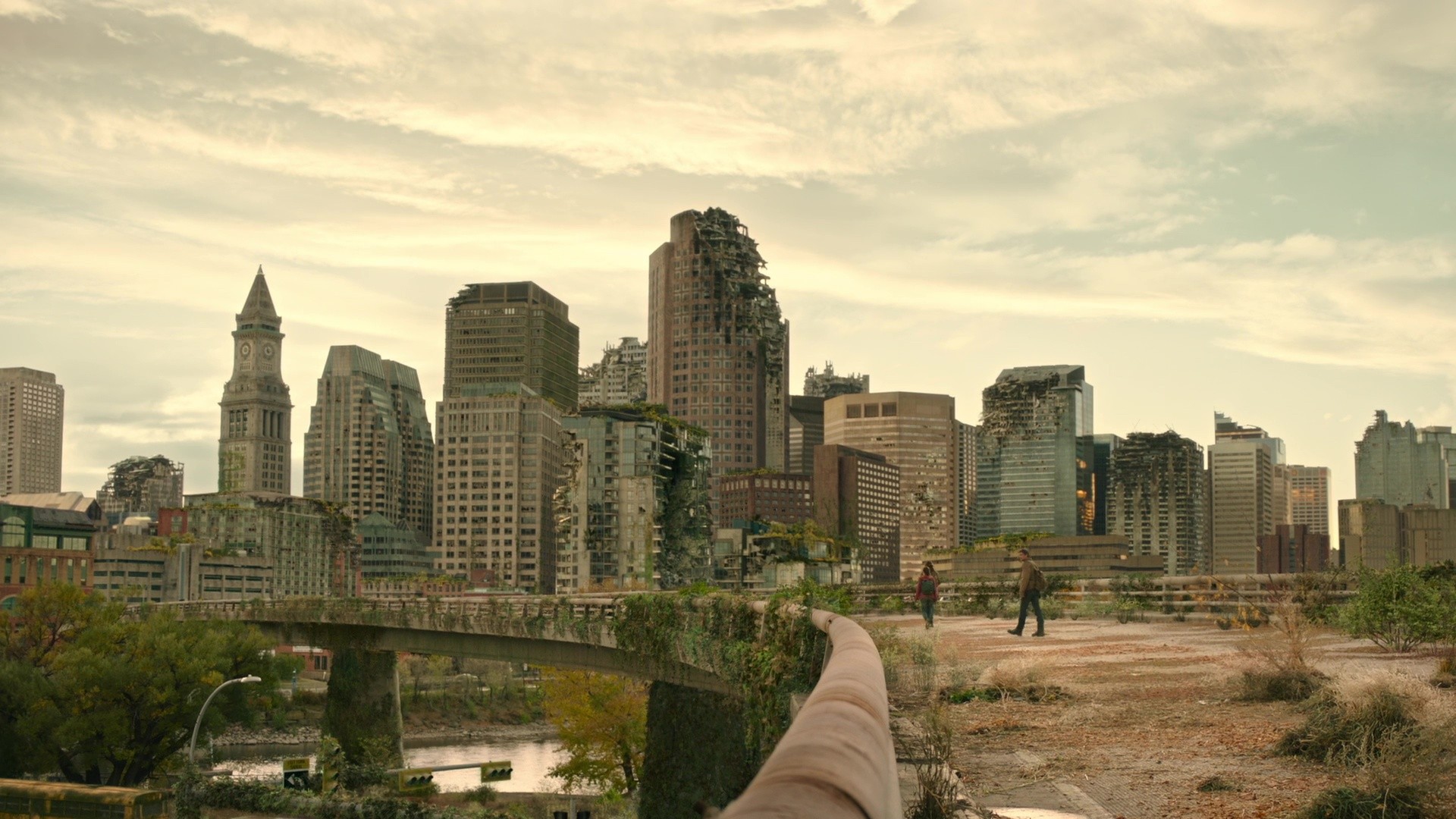
Amidst these sad conversations, the heroes get lost and end up in Kansas City, which looks a lot like Boston – the same abandoned houses, rusty cars, a general feeling of decay – only without FEDRA. The quarantine zone has been destroyed, and power has been seized by revolutionaries. On Joel and Ellie's path, a man appears asking for help, but the man, himself once a highway marauder, realizes it's a trap. They are ambushed, the car crashes into a wall, a shootout ensues, during which Joel clearly gains the upper hand, and Ellie, on his orders, hides behind a wall. But at some point, a marauder named Bryan comes from behind and almost kills Joel, but Ellie saves him by using the pistol hidden in her backpack.
The girl is not the most outstanding shot, so she only wounds and paralyzes Bryan, the atmosphere intensifies, and Joel, in a sense out of pity, kills the very young criminal. This is an unexpectedly brutal, realistic scene. And the scariest thing in the post-apocalyptic world is still people, and when Bryan panics and calls for his mom, it somehow immediately becomes clear (and this is especially eerie) that mom, in general, won't come.
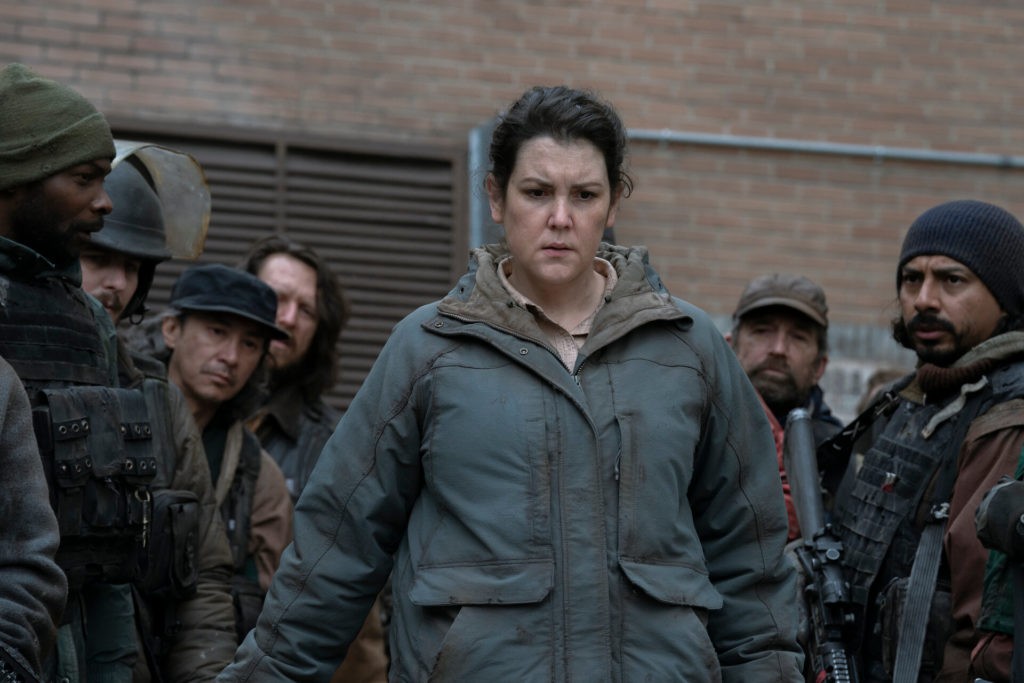
Next, we learn about the structure of this nice little town, where the revolution quickly turned into reaction, so the town's leader, Kathleen, is engaged in searching for, torturing, and executing those who collaborated with FEDRA. In the role of the local Joseph Vissarionovich is the unexpected Melanie Lynskey, whom fans of stories about fathers and children remember from the morally questionable, though funny, series 'Two and a Half Men'. Lynskey's character kills the only doctor in the settlement for collaborating with the authorities and hides the terrible truth from the town's residents – that somewhere under the city, cordyceps is awakening (or something even scarier – the scene generally resembled Godzilla's awakening) – because she is too preoccupied with finding the main traitor to freedom, the mysterious Henry, who invariably eludes 'justice'.
The not-uninteresting storyline of Kathleen and the revolutionary government is, of course, devoted to the problem of lustration and its limits – what to do with collaborators of the regime? how far can revenge go? punish only security forces or, for example, informants too? when to stop at all? In principle, relevant questions, everyone should think about them. In attempts to choose between justice and common sense, it's easy to end up with neither, and that's what the fourth episode teaches us, in fact.
While the townspeople were executing traitors, Joel and Ellie hid in abandoned buildings to avoid being executed along with them. Joel, after the girl saved his life, unexpectedly looked at her not just as a passenger, but as a person – a child who had endured what not every adult could handle. Pascal's not-too-eloquent hero tries to convey to Ellie that he understands what it's like to hurt people, and that doing so doesn't get easier over the years: whether you're 18 or 50, it still hurts, basically. Touched by her companion's concern, Ellie jokes as usual, but looks at him with gratitude.
In the finale, the heroes reach the safest place in the city – one of the upper floors of a skyscraper, where they make themselves comfortable and, touched by their own emotional rapprochement, laugh at another bad joke from the book of bad jokes, with Pascal delivering the punchline, which is somehow especially touching. But since in a post-apocalyptic series everything can't be too good, at night, Joel, deaf in his right ear, wakes up to Ellie calling his name. The revolutionaries haven't found them, but the freedom traitor Henry, apparently holed up in the same skyscraper, has.
Impressions
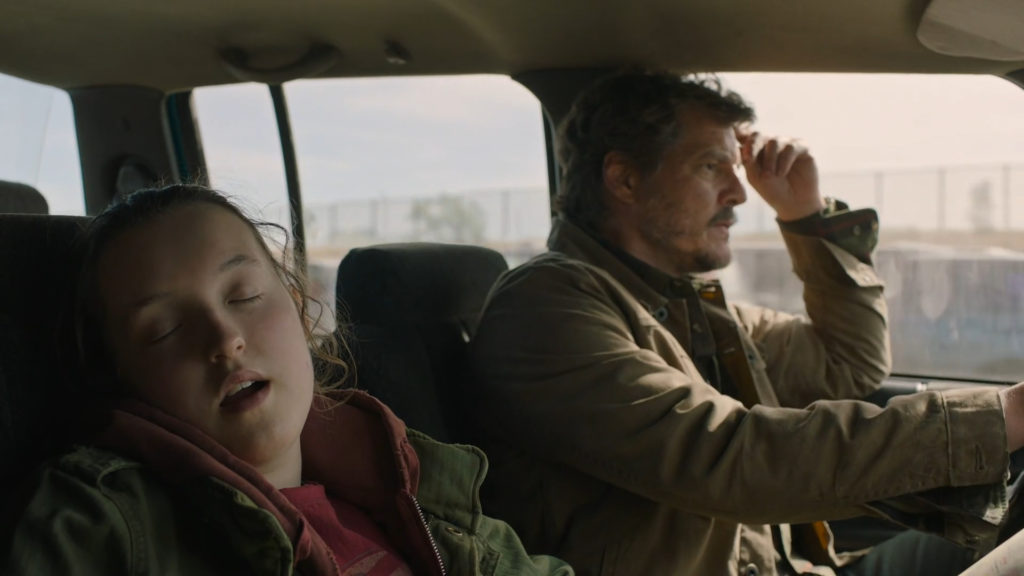
The fourth episode is definitely a success; as usual, not much happens, but enough to delight, amuse, and even sadden a little. Moreover, it can't be said that we haven't seen all this before – that the main threat in a world with zombies, Godzilla, or any monster remains man is, generally, well known; that when a slightly crazy woman rules a town in the wilderness, it's better not to go there, is also probably clear (if in doubt, see the third part of 'Mad Max'). In this sense, 'The Last of Us' doesn't take originality, of course, but professionalism – everything here is excellently done, the actors are, once again, wonderful.
Perhaps the most interesting thing is that in a show about a zombie apocalypse, an entire episode doesn't actually feature zombies. And, of course, how Ellie discovers the old world: tanks, planes, cars that could take you anywhere, and which, as Joel honestly says, actually took you nowhere. There is certainly something in this longing for a world of missed opportunities.
Comments
0No comments yet.
Sign in to join the discussion.