

Your ideas about bacchanalia in cinema will definitely change after Damien Chazelle's film 'Babylon'. People, animals, alcohol, prohibited substances — everything is mixed up in his new film, which tells about the 'golden age' of Hollywood. What the...
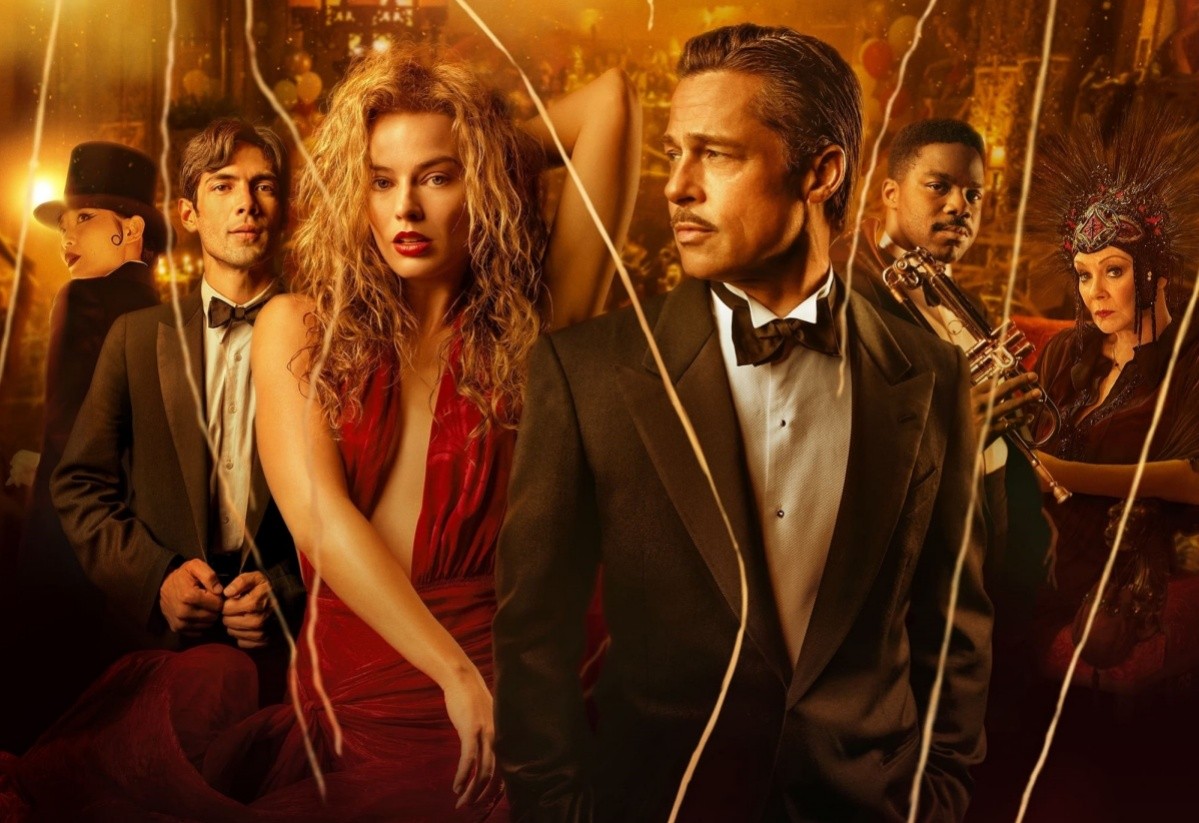
Welcome to Hollywood in the 1920s — the peak of silent cinema, the rich and famous, lavish parties, excess, and debauchery. We follow the stories of four characters: aspiring actress Nellie LaRoy (Margot Robbie), silent film star Jack Conrad (Brad Pitt), African-American musician Sidney Palmer (Jovan Adepo), and a young man named Manny Torres (Diego Calva Hernandez), a Mexican immigrant trying to make his way in the dream factory. Each will seek their place in the world of silent and later sound cinema, grappling with soaring successes and catastrophic falls.
Cameo appearances include: Tobey Maguire, Olivia Wilde, Katherine Waterston, Phoebe Tonkin, Samara Weaving (still resembling Margot Robbie).
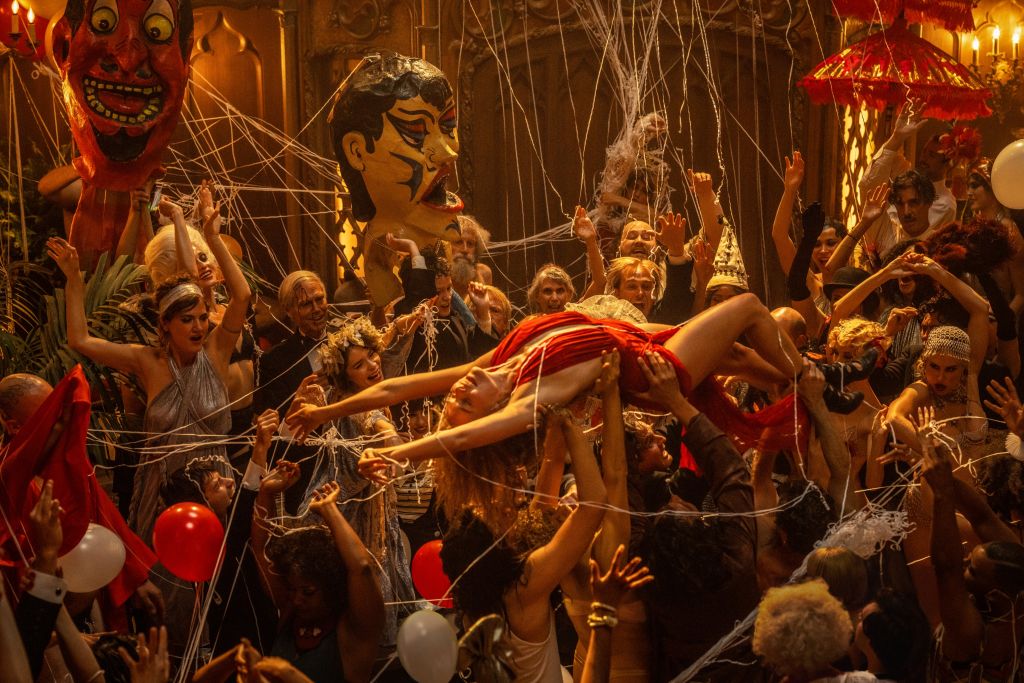
It will either break your heart or make you suffer in other ways and means. This description applies not only to Margot Robbie's character (one of her best roles) — a young actress willing to do anything for her career — but also to the new film 'Babylon' by Oscar-winning director Damien Chazelle. This three-hour ode to cinema tests the viewer not only in patience (the runtime is substantial) but also in resilience in every sense. The film is a true rollercoaster: from the first frame to the last scene, it races without brakes, bouncing over bumps, alternating scenes of wild parties with alcohol, drugs, and debauchery, film shoots, and glimpses of the characters' personal tragedies.
Damien Chazelle first made a loud statement in feature film with the drama about a musician 'Whiplash', where the focus was on drive, emotion, and intensity. Later, he directed 'La La Land' — a romantic nostalgia for musicals and the bygone Hollywood. Combining his love for the dream factory during the 'golden age' and a musical worldview, Chazelle created 'Babylon', which absorbed the energy and madness of 'Whiplash' and the romanticism of 'La La Land'. The director made the film for himself, the one he wanted — funny, grand, impressive, touching, and sincere.
At the same time, there is an obvious repetition of some ideas from the musical with Emma Stone and Ryan Gosling in a passionate bacchanalia with Margot Robbie and Brad Pitt. Only now everything sounds sharper, bolder, with more scope and no modesty. Both films are steeped in love for the magic of moving pictures, the art of illusion, and demand recognition that cinema is not a second-rate art. It holds immense value — it is accessible to absolutely everyone, regardless of status or wallet size.
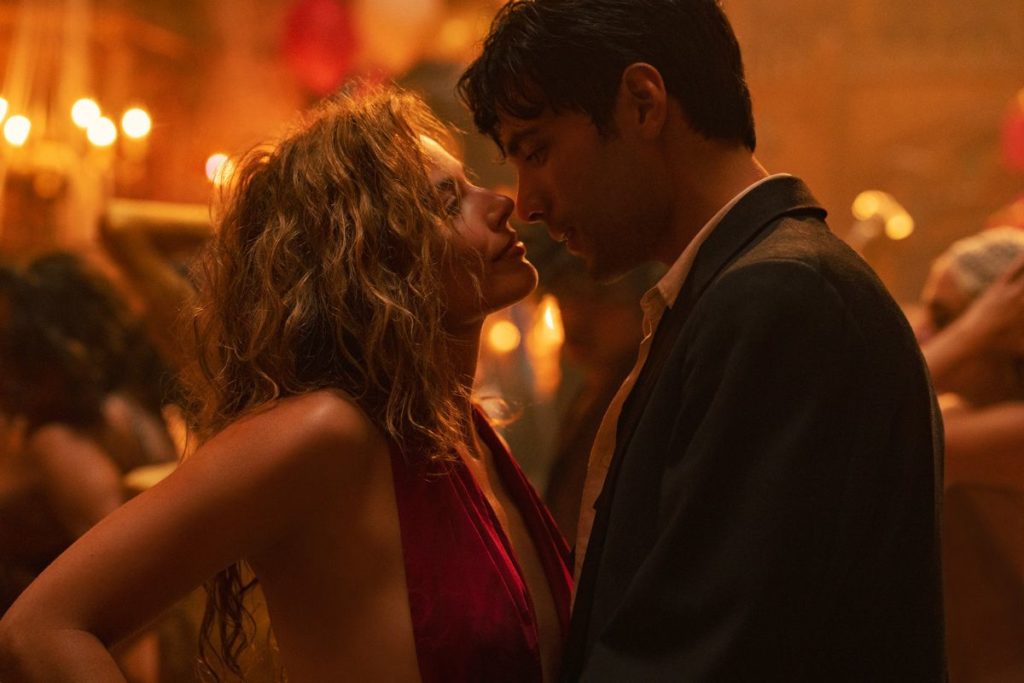
'Babylon' is luxurious not only in scale but also in honesty. If 'La La Land' emphasized the fantastical nature of the surrounding world (evident even in the film's title), the new film shows a more realistic, unvarnished backstage of the film industry, and this conversation is more mature and candid. Chazelle did not shy away from showing that behind the façade of Hollywood's 'golden age' splendour lay rot and debauchery, consuming people who came to the industry wanting to do something meaningful, not to bathe in rivers of alcohol and drugs (but ended up there anyway).
Since 'Babylon' tells the story of cinema at the crossroads of two eras, the central theme becomes a reflection on how the revolution in this field crushed those who could not accept the new rules of the game. At that time, the opinion was gaining popularity that Hollywood was a haven for everyone, regardless of race, gender, and language (hinted at by the film's telling title), and therefore we are presented with a diverse set of characters with different fates.
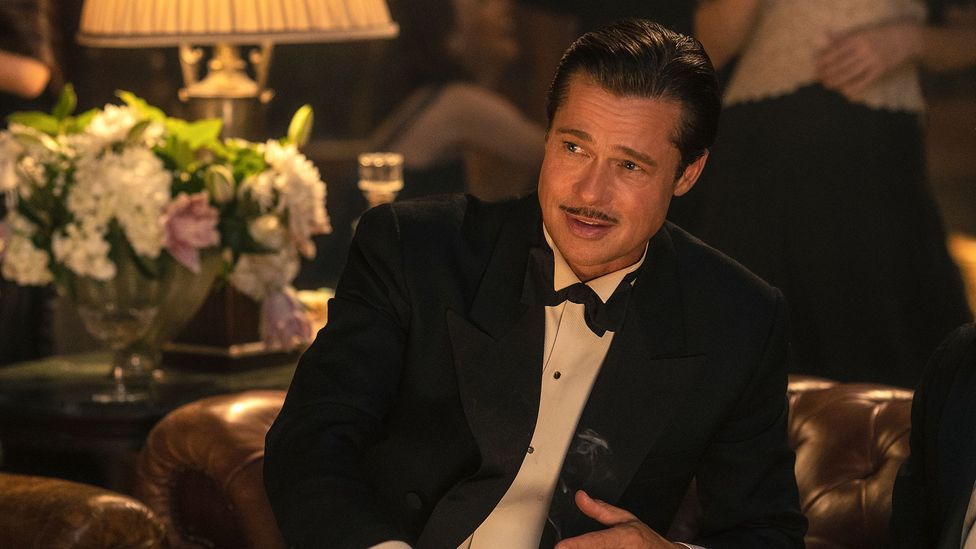
In the conversation about the pivotal era, a special role is given to the theme of the interchangeability of artists: the time of some actors ends, others take their place. Chazelle reminds us that stars fade, but cinema is bigger than any one artist; it is eternal. Symbolically, Brad Pitt's character undergoes this path — after all, the actor himself was in a similar situation, but thanks to Quentin Tarantino and 'Once Upon a Time... in Hollywood', he proved it was too early to write him off.
But even if an acting career has an end, cinema can make a person immortal. This was said by the father of cyberpunk, William Gibson, reminding us that films are often conversations with the dead. And this is the special value of cinema, not forgotten in 'Babylon': artists die, but their trace remains, and for someone, the most unassuming film can become a best friend in hard times. And here again, the words are repeated that cinema cannot be considered second-rate because the original essence of any art, born from cave painting, is to be accessible to everyone.
Creating the World of 'Babylon'
Honesty and realism manifest not only in the overall tone of the story, where the central character is the dream factory itself, but also in the choice of main characters for the plot. Almost every character has a real-life prototype from the chronicles of Hollywood during the 'golden age'.
Margot Robbie's character, Nellie LaRoy, is based on actress Clara Gordon Bow, a silent film star, sex symbol of the 1920s with a strong accent in speech, who became addicted to prohibited substances. But essentially, she can also be seen as a composite image of all Hollywood stars who rose from the bottom, tasted fame, and could not cope with it, sinking into a life of debauchery and excess.
"You're either a star or you're not," — the main credo of Margot Robbie's character.
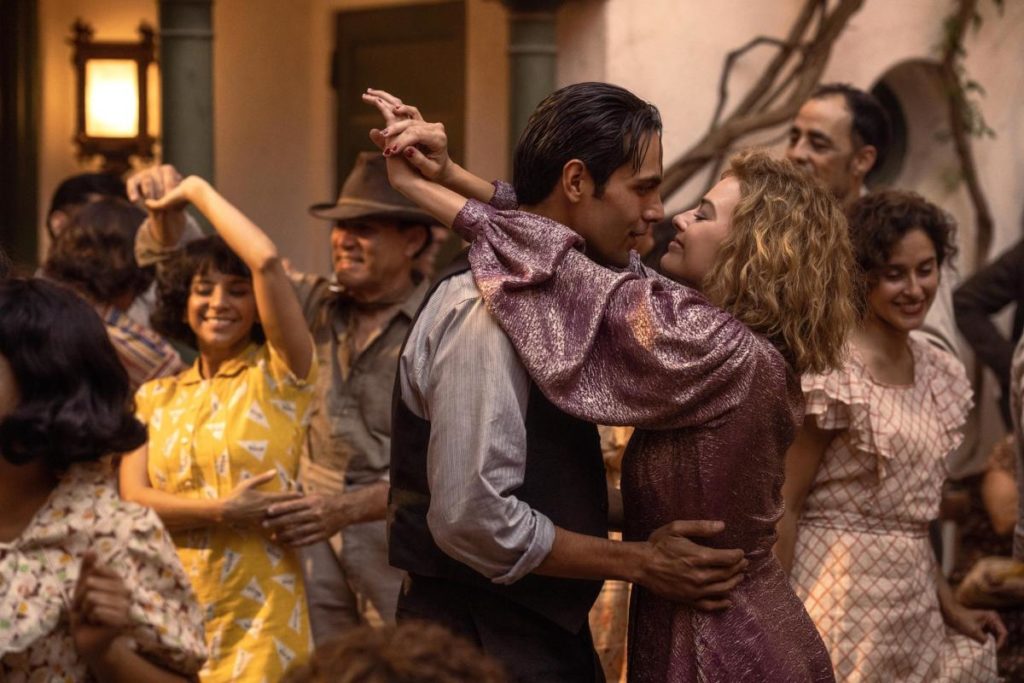
Despite the fact that Brad Pitt's character is officially fictional, rumour has it that he may have borrowed several characteristics from John Gilbert — the most popular and highest-paid actor of silent cinema. The character of the textured Diego Calva, Manny, likely represents all those who go into film trying to create something substantial, only to be swallowed by Hollywood, leaving with nothing.
In addition, 'Babylon' recalls the story of the first actress of Chinese origin to achieve success in the dream factory — Anna May Wong (Lee Jun Lee). And the general carousel of gossip in the film is led by the famous gossip columnist Elinor St. John, played by Jean Smart — based on Elinor Glyn.
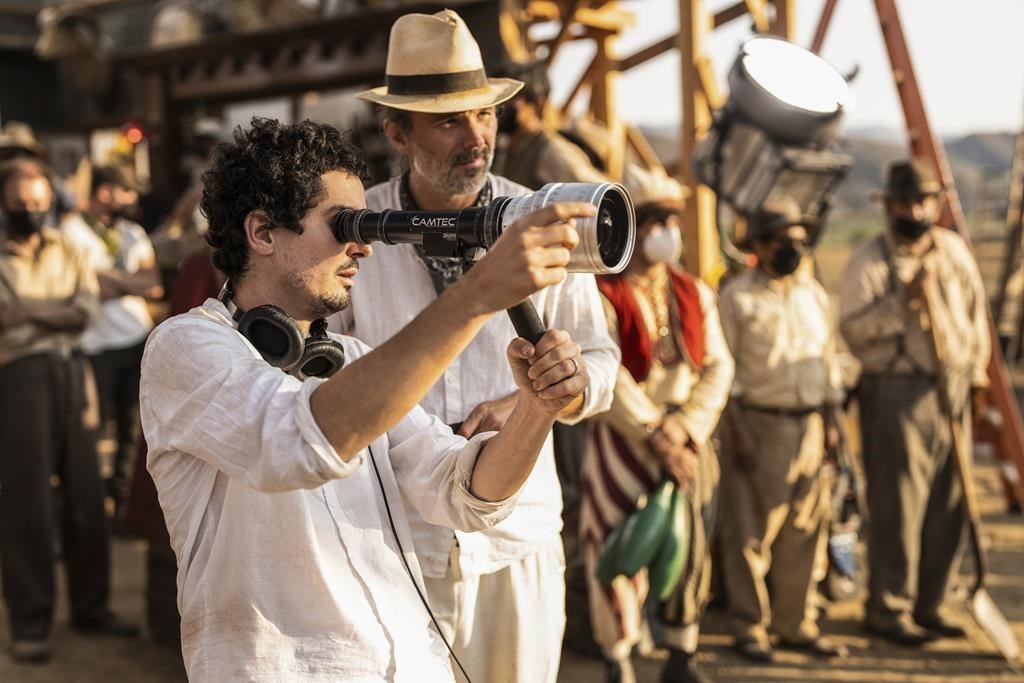
Speaking of the technical side, 'Babylon' is created at the limits of cinematic possibilities (excluding computer graphics). The editing cuts are incredible, the crazy scenes shot in one take are stunning, the work with light and angles is magnificent, and you can't take your eyes off the location shooting. The images are mesmerizing (if nothing objectionable is happening on screen). The scale of the 'Babylon' shoot is already evident from the fact that the main party at the beginning of the film was shot by the crew for two weeks, almost without days off.
And of course, the music. Chazelle's favorite composer, Justin Hurwitz, wrote soundtracks that perfectly complement what is happening on screen, maintaining the rhythm and tension until the very end. But at the same time, more measured melodies (with hints of 'La La Land') are carefully woven into the overall soundtrack, providing a brief respite to catch a deeper breath before plunging back into the cinematic revelry. And the scenes with frames from silent cinema are inserted completely without sound, creating the feeling of having stepped into the 1920s.
Damien Chazelle's 'Babylon' is a firework of a film that makes you laugh and sad, evokes delight, fear, and sometimes disgust; it is contradictory and mad, much like life itself. And the director puts a definitive full stop in his declaration of love in the final 10 minutes. He recalls the most impressive achievements of cinema over almost 100 years since the advent of sound film. Remaining an incorrigible romantic, he shows how cinema has changed, and how we ourselves have changed. And these last minutes enchant and tug at the heartstrings.
The film 'Babylon' will be released on streaming platforms on February 21.
Comments
0No comments yet.
Sign in to join the discussion.