
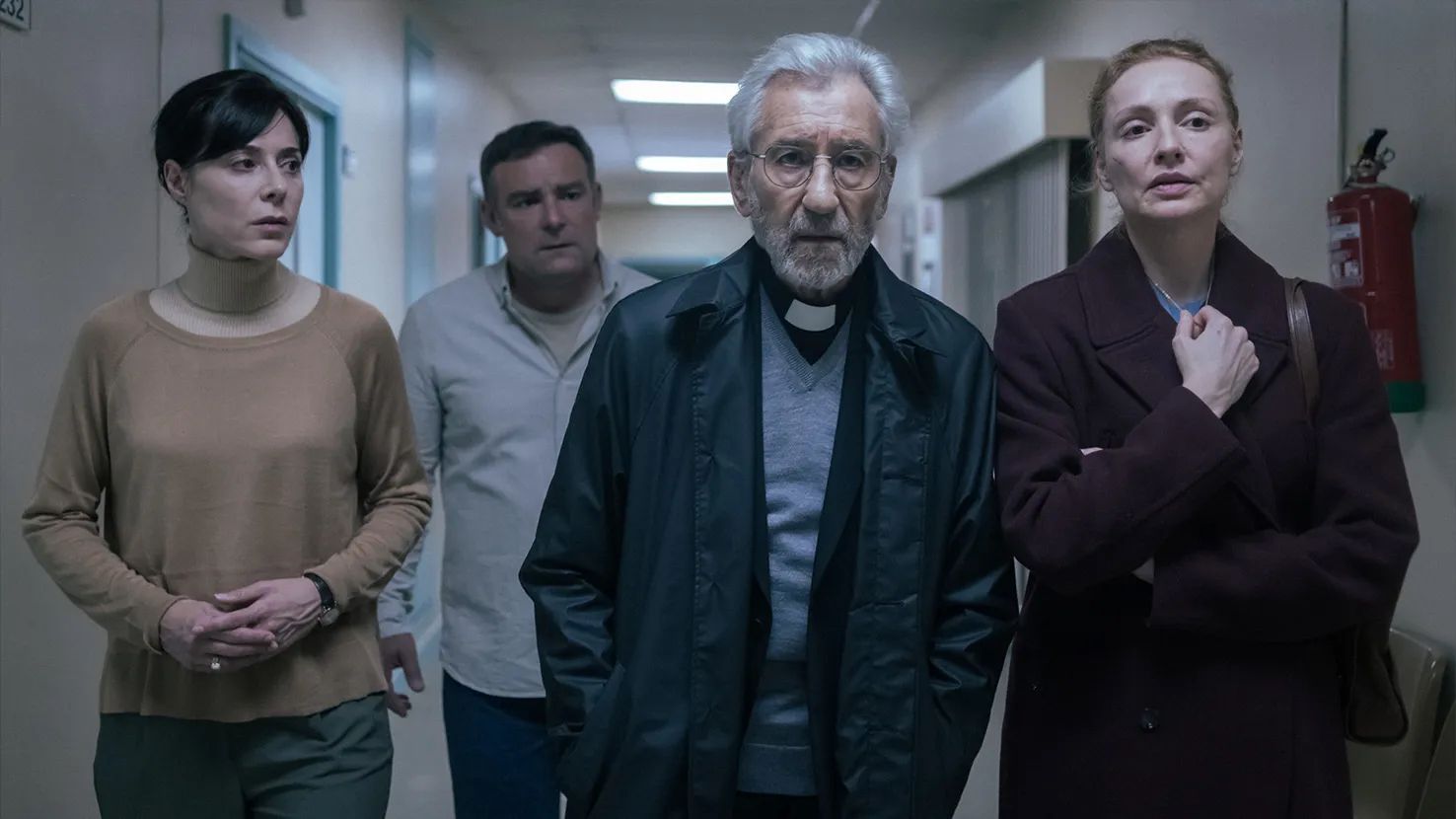
The Spanish horror film '13 Exorcisms of the Devil', made according to all the templates of exorcism films, but for some reason posing philosophical questions to the viewer, is being released in cinemas. About how a film with a funny title suffered f...
Laura grows up as a quiet and oppressed teenager. She struggles to find common ground with her uninhibited peers, is afraid of her extremely religious mother Carmen, and somewhat avoids the intrusive community initiatives of the parish activist, who also happens to be her mother's friend. The only one who truly understands the girl is her wheelchair-bound brother Jesus, the most interesting character in the film, although he is quickly written out of the plot. In short, it's no surprise that on Halloween night, Laura secretly runs away from home to a party at the suggestion of her party-going friend and ends up in a mysterious abandoned mansion where, several years ago, a possessed doctor killed his family.
What follows is something inspired by (and the malicious will say it's a remake of) 'The Exorcist', one of the best films ever made. The problem, in general, is that, like any of the best films ever made, 'The Exorcist' doesn't need remakes, and '13 Exorcisms of the Devil' immediately presents itself as a terribly unnecessary spectacle, although it shows some promise somewhere in the middle.
Around the thirty-minute mark, when the devil has already possessed Laura but no one yet understands what to do about it, director Jacobo Martínez lets loose, so to speak: here you have interesting screen violence, a priest blessing an IV drip (holy saline solution intravenously!), and even a certain physicality – teenage love, a scooter, her head on his shoulder. In short, bonds are broken, bones are bent, and a couple of times it's even genuinely creepy. But then, in a way, the tedium begins.
The director unexpectedly decides that he is William Friedkin and raises one 'serious issue' after another, but ultimately desperately tries to pass off the absence of a coherent idea as its hidden presence somewhere in a dark corner of the main characters' apartment – a family of middle-class neurotics with a sad past and a grim present. The same middle-class neurotics faced the lord of darkness in 'The Exorcist', but back then they had everything they needed to save their souls: a movie star, a policeman, Max von Sydow, presence of mind, and a quote from 'Casablanca'. Now, however, they've thrown themselves, one into religion, another into psychology, another into universal melancholy, and it turned out that either it's impossible to defeat the devil, or he doesn't exist at all. And when a film about exorcism makes it unclear whether the devil exists, the meaning of what's happening quickly gets lost.
And when, closer to the finale, they simultaneously exorcise the devil and try to prove why he doesn't exist, a sensational proposal arises for both the characters and the director: either take off the cross or put on the underpants, because all this together is not even terrifying banality, but non-terrifying banality, which is a death sentence for a horror film.
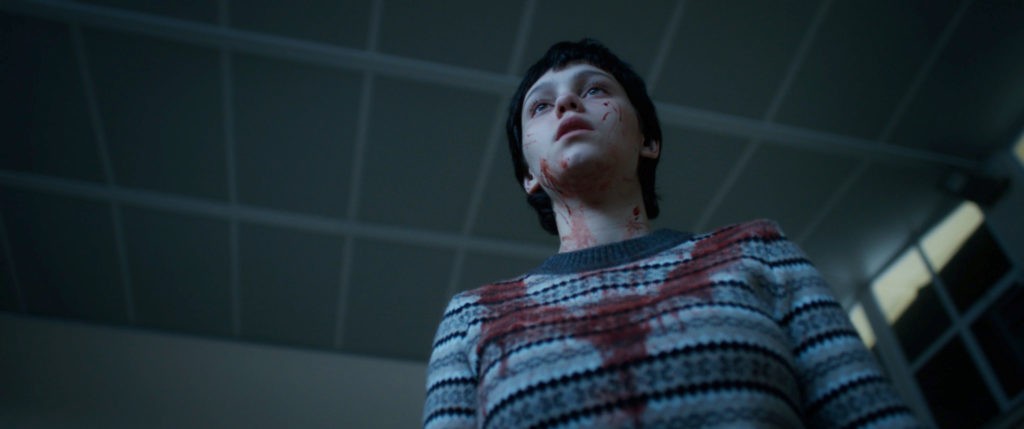
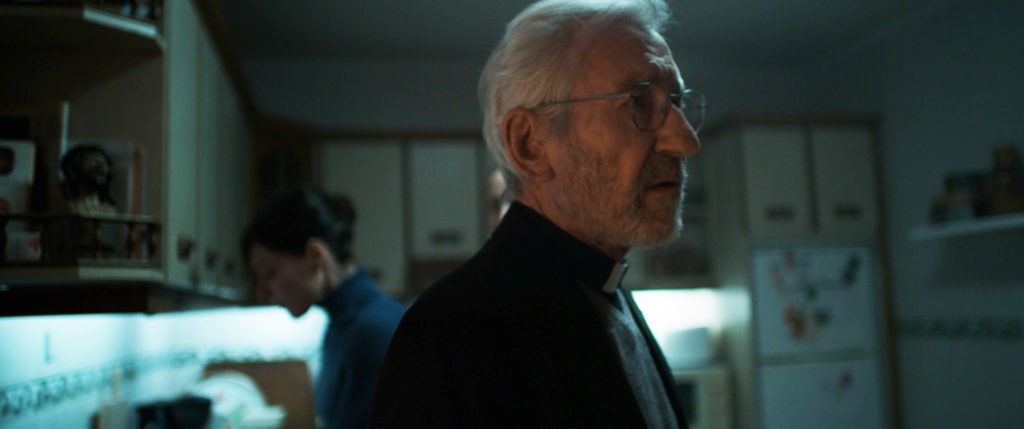
Otherwise, the film is not exactly bad – the priest, for example, is extremely successful. The outstanding 85-year-old actor José Sacristán, who for some reason looks like him externally, is slightly frightening but cozy in the von Sydow-like role; the girl Laura suffers from being an ordinary teenager when she should be the Virgin Mary, and the others also suffer very colorfully, although the heroine's classmates, for example, are a complete failure. The point, essentially, is that each individual scene and storyline of the film generally works, but you'd hardly recommend watching it as a whole to anyone.
Steven Spielberg's new film about the growing up of a boy who loved cinema very much. About why this drama with autobiographical elements is one of the best films by the classic in the 21st century, tells
Open materialBy about the seventh exorcism of the devil, when it becomes finally clear where things are heading, amid references to films like 'Carrie' and 'The Ring', the great film 'The Word' (united with 'The Exorcism' by the presence of a brother with the potential of a Christian saint and a common problem of God-forsakenness) and a sad quote from it, which could be written on posters as a tagline, unexpectedly comes to mind: 'And you, Inger, are destined to rot, because our times have rotted.' And you even kind of envy Inger – in her time, the main evil in horror was anything but the director's inability to choose what his film was about.
Comments
0No comments yet.
Sign in to join the discussion.