
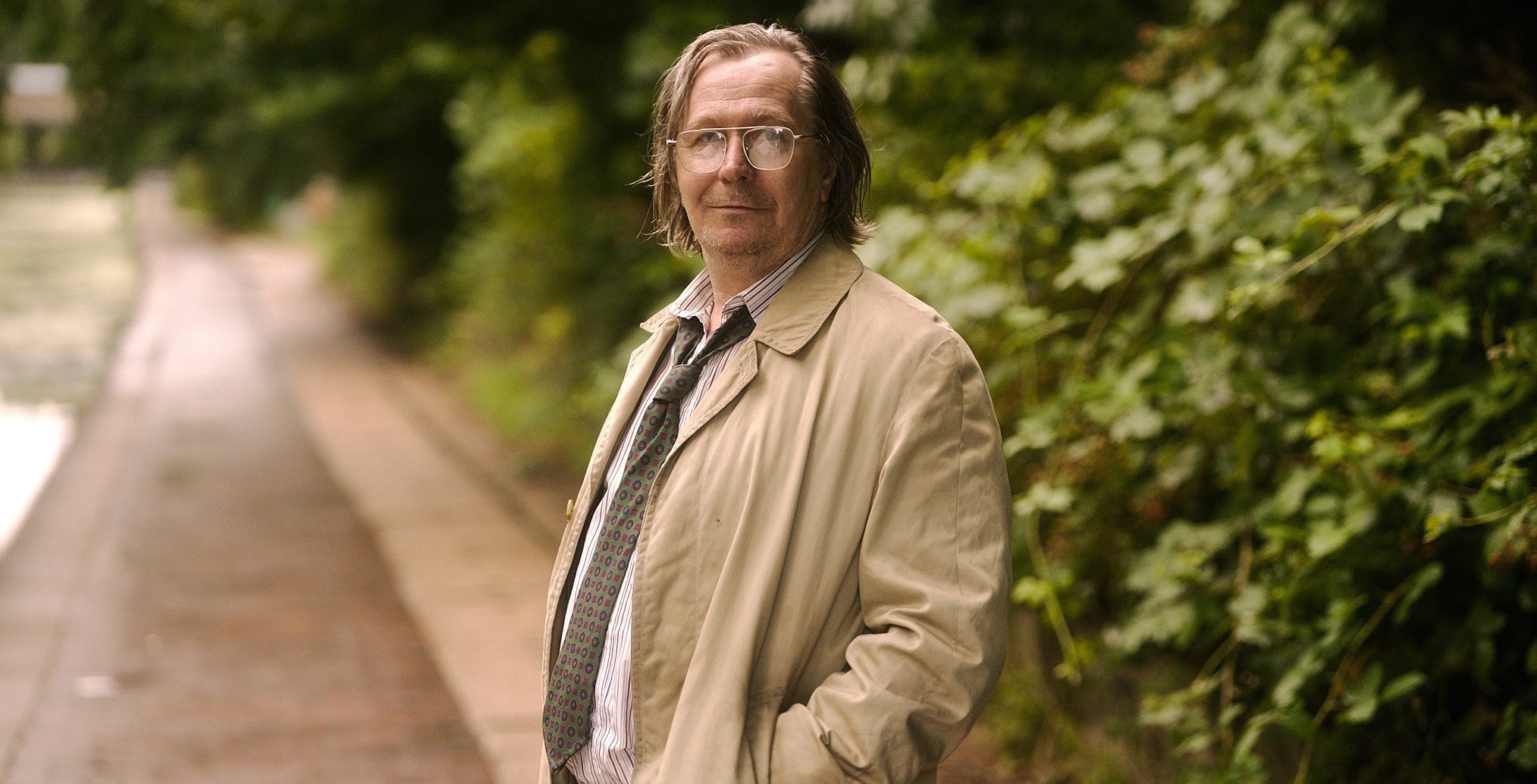
The second season of 'Slow Horses,' one of the best series of the season, has just ended. Why spending the holidays with this story of failed spies is the best decision in the new year – in our review.
The first season ended not exactly triumphantly, but with a victory for the slow horses – the failed spies exiled to Slough House to either do no harm or quit. Despite some incompetence, it was they who had to save Britain last season, and it turned out pretty well. The far-right nationalists were defeated, the head of MI-5’s main office, Diana Taverner (Kristin Scott Thomas), now owes a favor to Slough House chief Jackson Lamb (Gary Oldman), and Britain can sleep peacefully for now.
But not for long – the second season came out six months after the first and offered a more serious threat than a bunch of Nazis. A retired MI-5 agent died on a bus while following a bald man for some reason. Everyone accepts the death as due to bad habits, except Jackson Lamb – he also smokes, drinks, barely washes, and, by his own admission, is "in peak condition" – so the slow horses start their own investigation and stumble upon a cell of "cicadas."
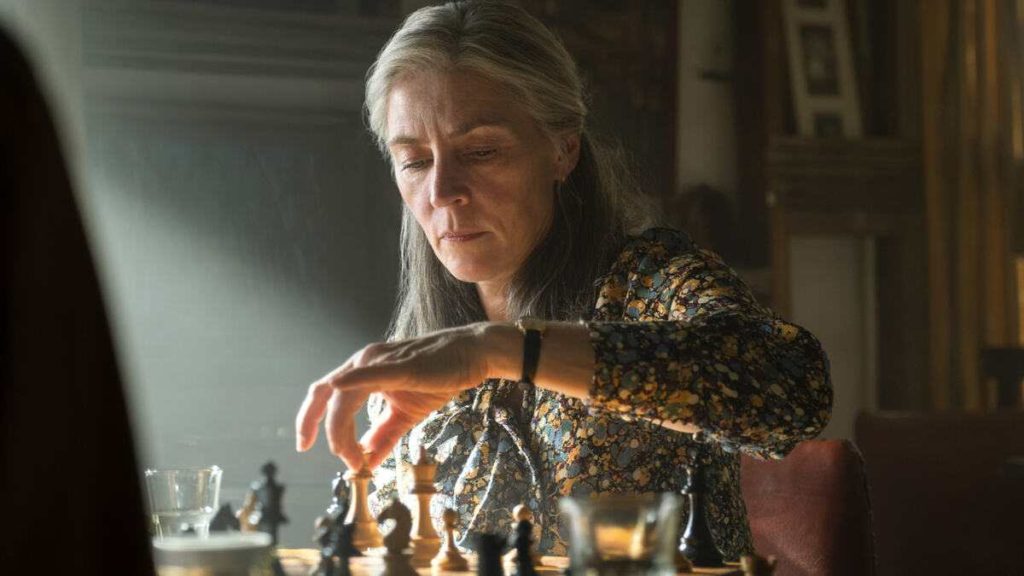
The cicadas (or, as British intelligence calls them, dead lions) are a mythical KGB spy network spread across Britain, waiting for orders to act. But the KGB is long gone, and the existence of such a network was dismissed as a myth – though, as it turned out, wrongly. Britain’s enemies never sleep, conspiracies are woven, life goes on.
The plot of 'Slow Horses' rests on the intertwining of these theses – part conspiracy sketch that the sect of 'Soviet people' (the USSR exists! The KGB is active!) would appreciate, part workplace drama about losers who have to save a doomed world without the necessary qualifications. Bond film plots are remade here with Sartrean irony and melancholy. The modern generation of screenwriters in the spy genre already understands that the state is bad, life is not great, the era of special agents in expensive suits hasn’t exactly passed but has dissolved – along with the agents themselves, it has sunk into the cozy swamp of everyday life.
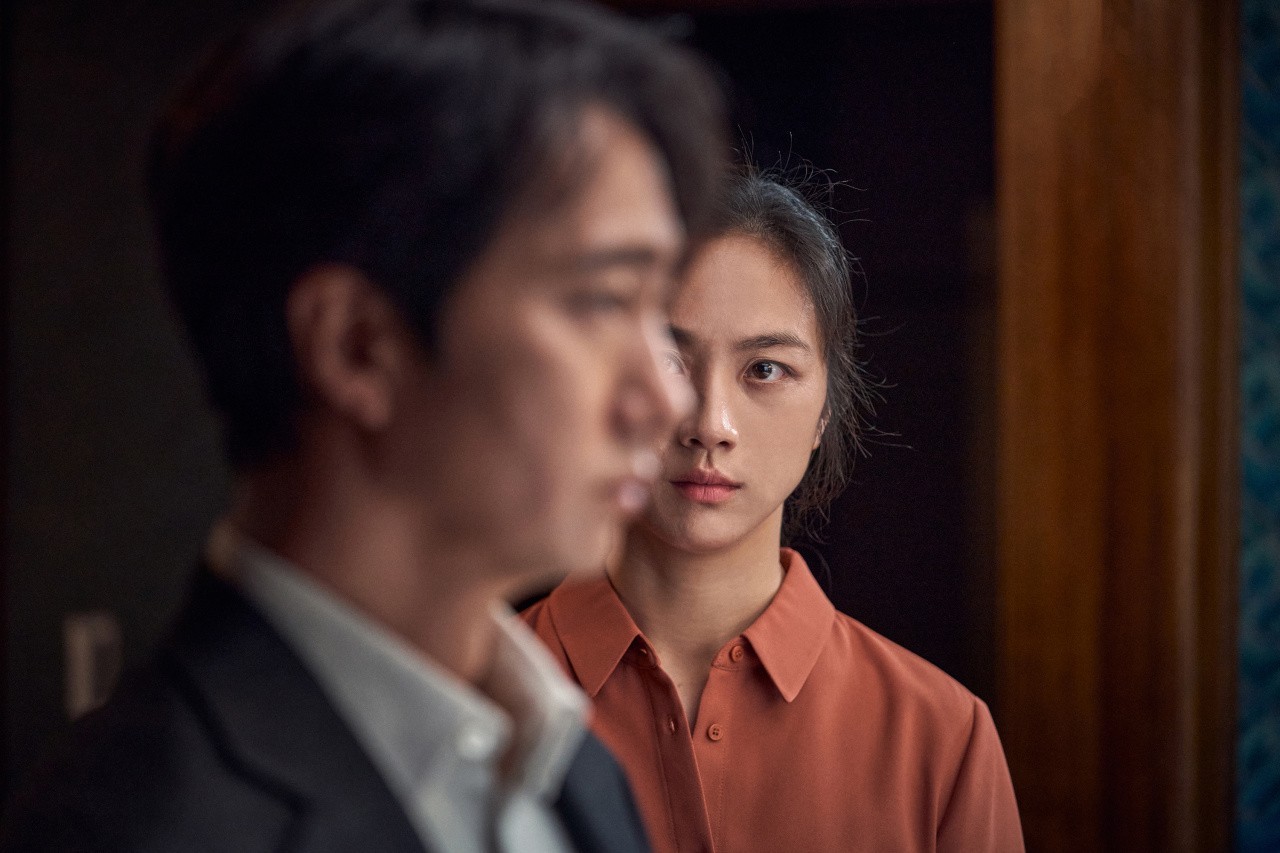
The Cannes winner 'Decision to Leave' by Korean classic Park Chan-wook has been released. This beautiful neo-noir is unlikely to become a big hit, yet it is a subtle and intelligent film about love, duty, and s
Open material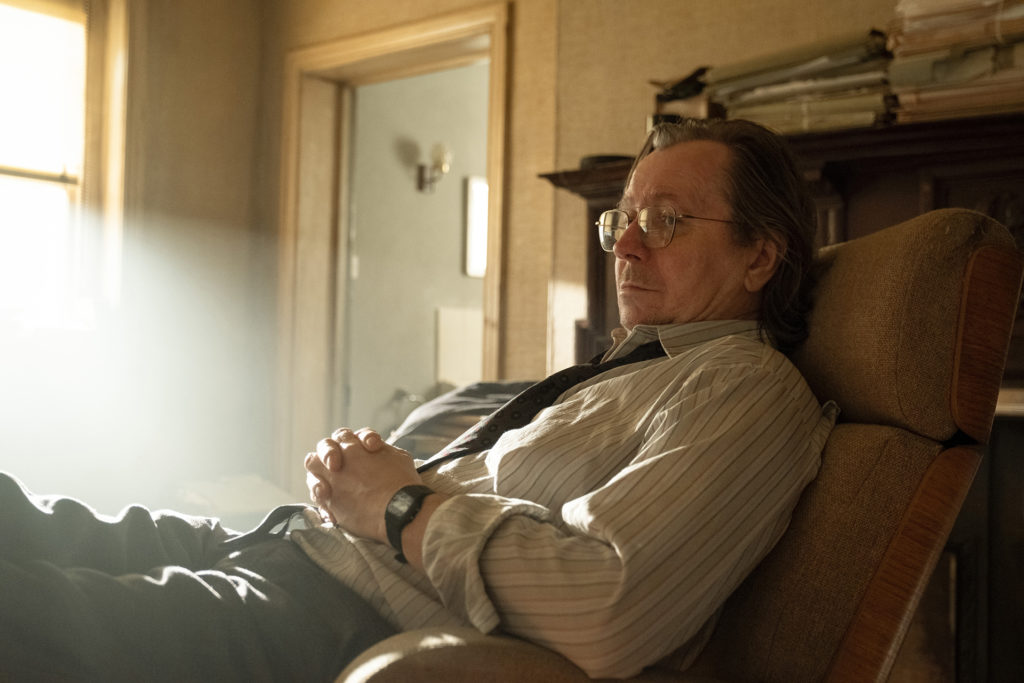
While maintaining a perfectly coherent spy plot, 'Slow Horses' simultaneously mocks the genre, recalls its best examples, and places them in a context worthy of 'The Office.' In this sense, it’s hard to resist parallels with 'North by Northwest,' the great spy comedy from which both Lamb and his most capable but far from top agent Cartwright (Jack Lowden) seem to have emerged. From the Coens' 'Burn After Reading,' they borrowed idiot ministers and foolish bosses, and from the Roger Moore era of Bond, the feeling that espionage is primarily a circus act (indeed, it’s no coincidence that in le Carré’s novels, MI-5 is code-named 'The Circus').
Amid all this chaos, the remarkably professional and grumpy Jackson Lamb stands out. Oldman’s charisma in this role is what, in a sense, keeps us glued to the screen. Everything else is also wonderful, but the success of 'Slow Horses' is inextricably linked to Oldman’s ability to sadly grunt and stare bewilderedly at a washing machine. His character, who seems to have long forgotten the existence of showers and operational work, turns out at the most unexpected moments to be smarter, faster, and, overall, purer – not in body, but in soul – than his opponents. 'Slow Horses' reimagines the British special agent, who, having lost his polish, tuxedo, and life ambitions, forced to bury old friends and confront Russian agents with Hollywood-style funny names (Popov! Nevsky! Where are you, General Gogol?), finally becomes a truly interesting hero.
What 'Slow Horses' has achieved (and especially surprising given two seasons in six months) is that with the same ingredients for success as in the first season – brilliant Gary Oldman, smart writing, failed agents, serious intrigue – we now have an equally remarkable but completely different series. The first season was a sad fable about how we are separated from the triumph of far-right nationalists by a couple of intrigues, the spitefulness of spy bosses, and the stupidity of the nationalists themselves; the second is a rather dashing story about how politics is, in general, a collection of old grievances, and the vaunted war of intelligence services, so pompously described in Bond and numerous 'impossible missions,' is an eternal settling of scores, revenge not so much for failed missions as for a failed life.
One thing remains unchanged: the conspirators were again defeated not by the heroism of the nation, but by its ordinariness, the everyday melancholy that no serious plan to interfere in internal politics can dispel – if only the ministries themselves would finally interfere, so let at least someone do it. In 'Slow Horses,' the banality of evil is opposed by the mundane and very conditional good, and this Sunday clash of two yokozuna is the best thing you can watch on TV right now.
Comments
0No comments yet.
Sign in to join the discussion.